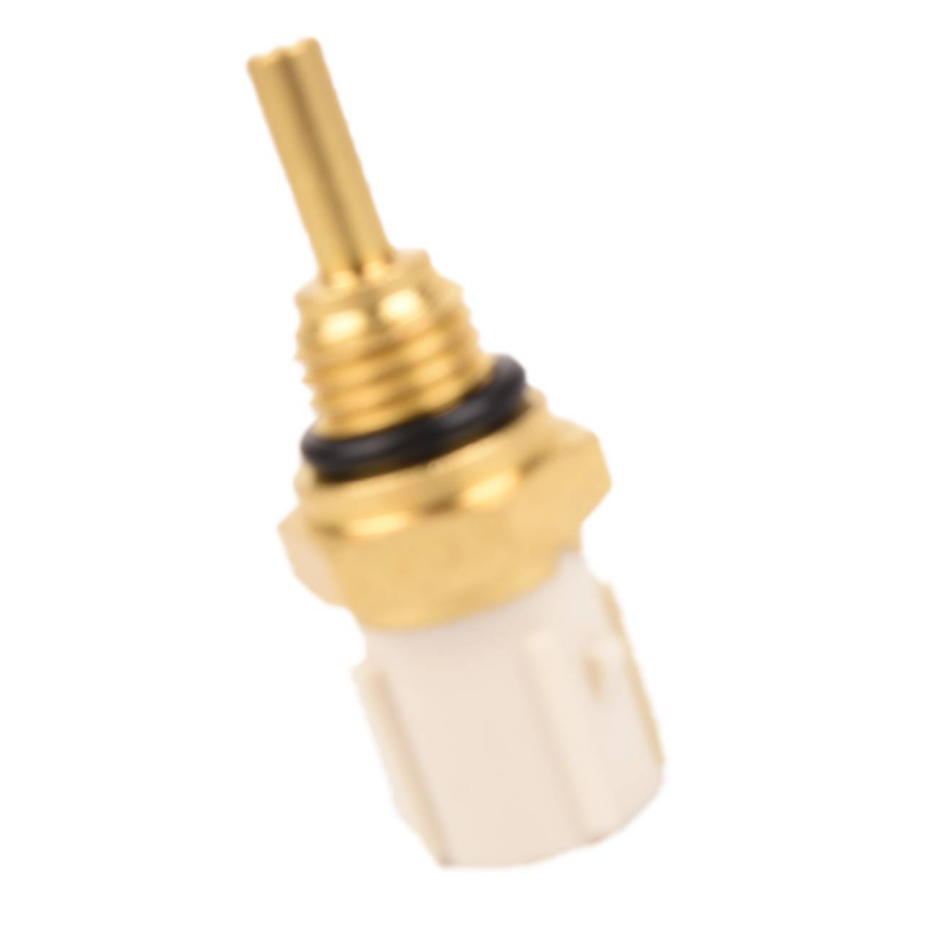

Photos from current listings. Actual item, color, and included accessories may vary.
Water Temperature Sensor Buying Guide
A water temperature sensor (coolant temperature sensor) is a thermistor that reports engine coolant temperature to the ECU for fuel trim, fan control, and gauge operation. The primary trade-off is OEM-quality thermistor calibration and connector sealing versus generic sensors with loose tolerances that cause cold-start drivability and false overheating codes. Buy OEM or OE-supplier (DENSO, Bosch, NTK) sensors matched to your engine code and connector type; skip unbranded sensors with no calibration data or housing-grade specification.


At a glance
- Category
- Electrical, Sensors & Switches
- Data updated
- Nov 15, 2026
Current offers
Highlights
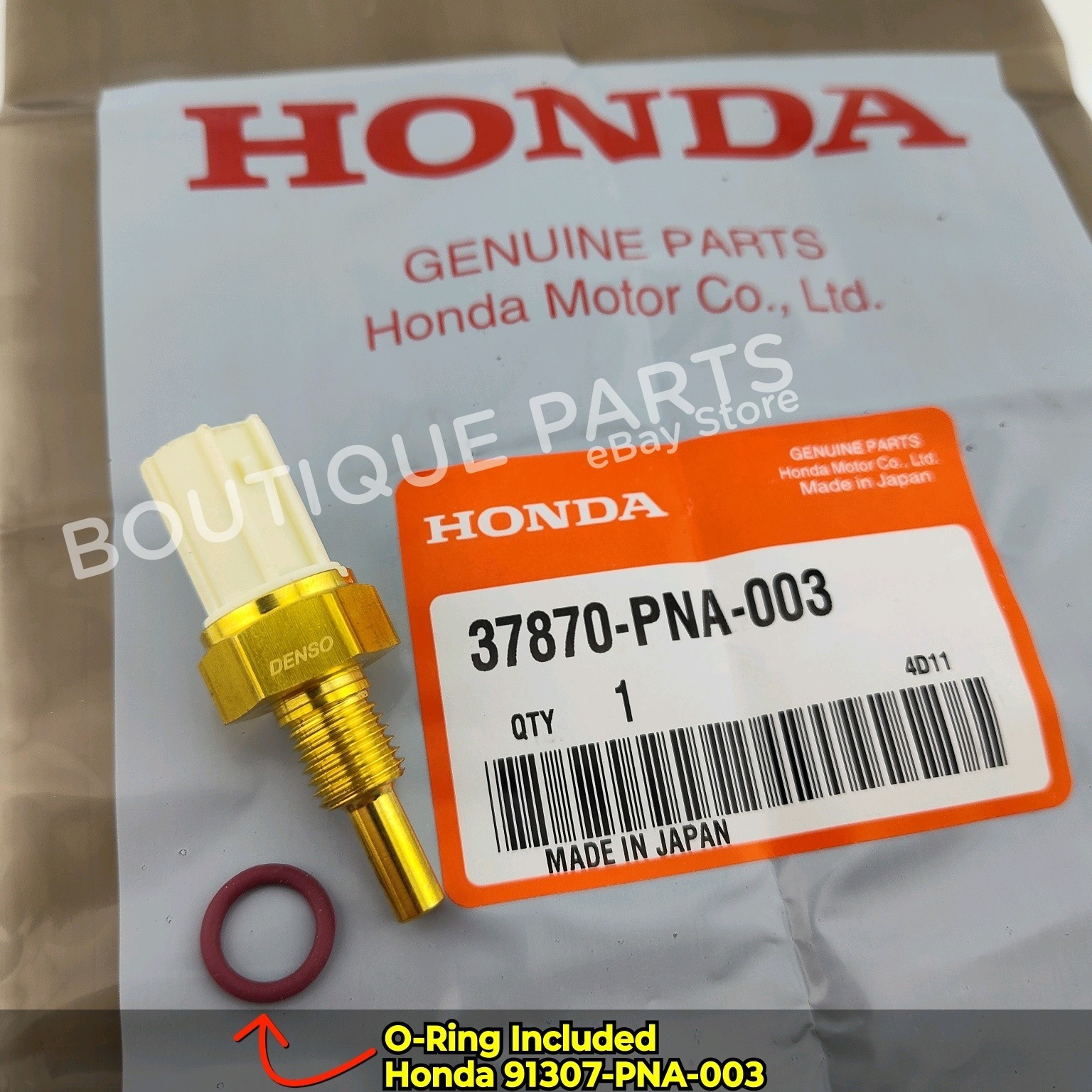
- OEM Honda sensors 37870-PNA-003 (DENSO) and 37870-PJ7-003 use a 2-pin sealed connector and calibrated NTC thermistor; aftermarket housings often use brass vs OEM resin bodies with different thermal response.
- Thread type and sealing differ by engine family: many Honda/Acura use M12x1.5 with O-ring or gasket; some domestics use 3/8 NPT or M14x1.5 — wrong thread pitch strips aluminum cylinder heads.
- 2-wire sensors serve ECU only; 3- and 4-wire sensors combine ECU signal with dashboard gauge or fan switch circuits — wiring the wrong type leaves the gauge dead or fans always on.
- Operating range for coolant NTC sensors is typically -40°C to 130-150°C with resistance falling from ~10-20 kΩ cold to ~200-400 Ω hot; sensors outside this curve trigger P0116/P0118/P0119 codes.
Best use cases
- Best fit: OEM DENSO 37870-PNA-003 for Honda/Acura with 2-pin connector — exact calibration, sealed connector, no pinning or adapter needed.
- Wrong fit: generic 'universal' coolant sensor with only thread size specified — wrong resistance curve causes hard cold starts, rich running, and false P0128 thermostat codes.
- Best fit: 3-wire sensor when replacing a unit that feeds both ECU and dash gauge — matches factory circuit and restores instrument cluster reading.
- Wrong fit: reusing the old O-ring or crush washer — coolant leaks at the sensor threads and air pockets cause erratic gauge swings; always fit the new seal.
Buying tips
- Match the OEM part number to your engine, not just the vehicle model — Honda K-series and J-series use different sensor part numbers and connector keys.
- Choose brass or resin body to match OEM: brass responds faster but can corrode in some coolant chemistries; resin matches factory thermal lag.
- Confirm 2-pin vs 3-pin connector and keyway before ordering — pin count determines whether the dash gauge and fan switch work.
- For high-mileage engines, replace the sensor pigtail connector if terminals are green or loose; a new sensor on a corroded harness still reads wrong.
Specs
| Connector Type | 2-pin sealed vs 3-pin gauge/fan |
|---|---|
| Thread Size | M12x1.5 / M14x1.5 / 3/8 NPT |
| Thermistor Type | NTC, -40°C to 150°C |
| Body Material | Brass vs resin housing |
Related searches
What to check before buying
- Read the engine code and OEM part number from the old sensor or factory service data — model year alone is not enough.
- Measure thread diameter and pitch (M12x1.5, M14x1.5, 3/8 NPT) and confirm O-ring vs crush-washer sealing type.
- Count connector pins and inspect keyway shape; 2-pin and 3-pin bodies are not interchangeable.
- Check coolant type (OAT, HOAT, silicate) and top up with the specified formula after replacement to avoid sensor fouling.
FAQ
Data sources: eBay / Amazon listings and product attribute feeds Data updated Nov 15, 2026.
Some links on this page are affiliate links. If you buy after clicking one, we may earn a commission at no extra cost to you. This does not change which products appear here or their order. Affiliate disclosure.