
Photos from current listings. Actual item, color, and included accessories may vary.
Car Battery Buying Guide
Car batteries are lead-acid or lithium 12V power sources judged by cold-cranking amps (CCA), reserve capacity (RC), group size fitment, and chemistry durability. The core trade-off is conventional flooded lead-acid's low cost versus AGM's deeper cycling and vibration resistance, with lithium costing more for weight savings and longer life. Buy by group size, CCA that meets or exceeds your engine's OEM spec, and chemistry matched to climate and accessory load—never by brand marketing alone.


At a glance
- Category
- Electrical, Sensors & Switches
- Data updated
- Nov 15, 2026
Current offers
Highlights
- BCI group size (e.g., 24F, 35, 48/H6, 65, 34/78) determines physical fit and terminal layout—mismatched group size will not clamp securely or may foul the hood.
- CCA (cold-cranking amps) measured at 0°F per SAE J537 is the decisive starting metric; RC (reserve capacity in minutes at 25A) dictates how long accessories run if the alternator fails.
- Flooded lead-acid is cheapest but vents hydrogen and needs water checks; AGM is sealed, spill-proof, and tolerates 2-3x more charge cycles, making it the minimum for start-stop and high-accessory vehicles.
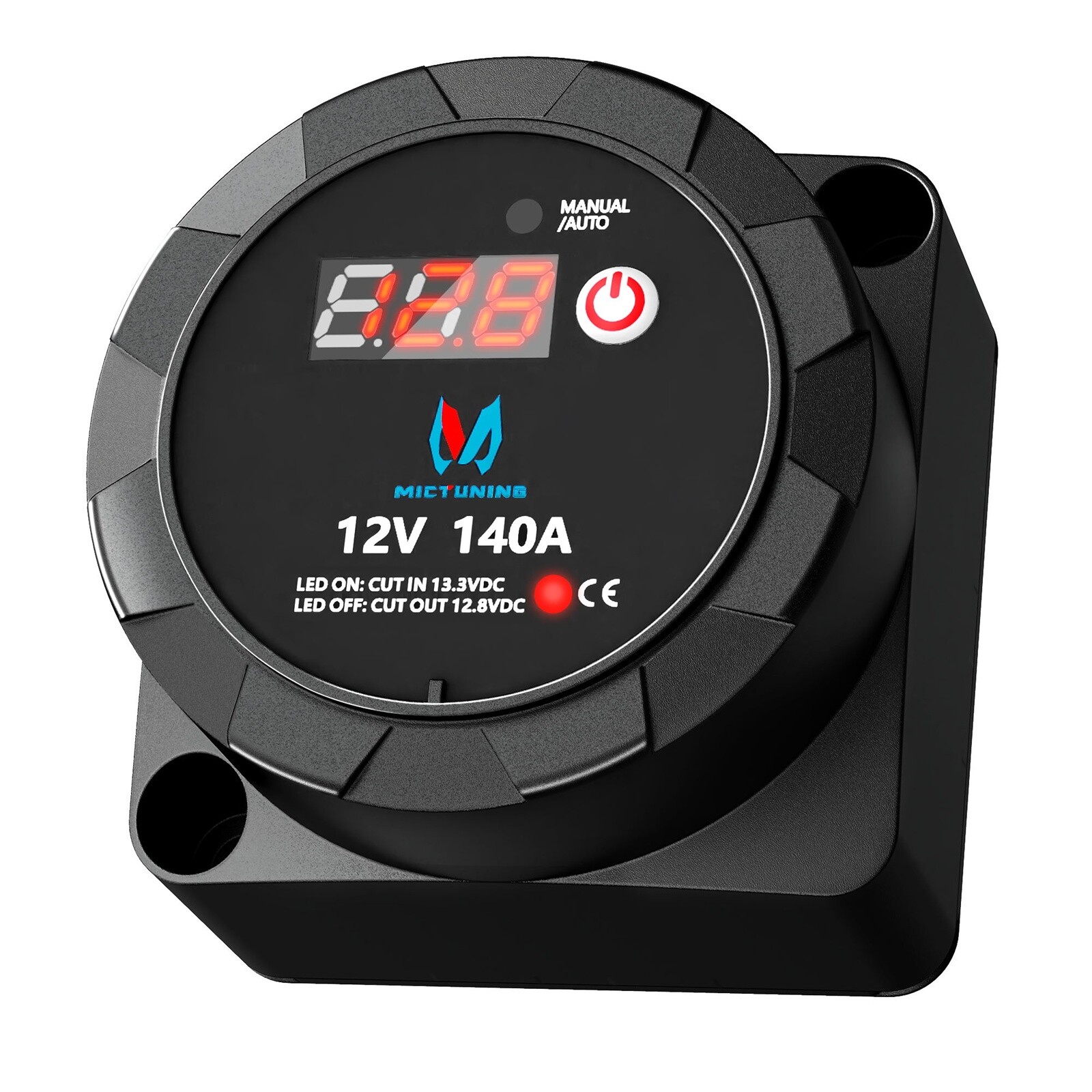
- Dual-battery isolators (voltage-sensitive relays rated 12V/140A) separate starter and auxiliary banks so winches, fridges, or audio loads never drain the cranking battery.
Best use cases
- Daily commuter in a temperate climate: pick a flooded lead-acid in the exact OEM group size with CCA meeting the owner's manual—AGM adds cost with no benefit if the vehicle lacks start-stop or heavy accessories.
- Cold-climate or start-stop vehicle: choose AGM with CCA at least 10-15% above OEM spec and a date code under 6 months old; flooded batteries lose cranking power faster below 0°F.
- Overlanding, winching, or dual-battery setup: run a dedicated AGM auxiliary bank with a 12V/140A voltage-sensitive relay isolator; do not parallel a new AGM with an old flooded battery—mixed chemistry charges unevenly and shortens both.
- Wrong fit to skip: lithium (LiFePO4) drop-ins only when the vehicle's charging voltage is confirmed compatible (typically 13.8-14.6V) and cold-charging protection exists—standard alternators can overcharge lithium without a DC-DC charger.
Buying tips
- Match the BCI group size printed on the current battery or owner's manual first; then require CCA ≥ OEM rating and RC ≥ OEM minutes. Physical dimensions (L×W×H) and terminal polarity (positive left vs right) must match exactly.
- Buy the freshest stock: a lead-acid battery self-discharges ~4-5% per month at 77°F; a date code older than 6 months means reduced usable life. AGM tolerates storage better but still degrades.
- For dual-battery systems, size the isolator to alternator output: a 140A voltage-sensitive relay suits most 60-120A alternators; higher-output alternators need a higher-rated relay or DC-DC charger.
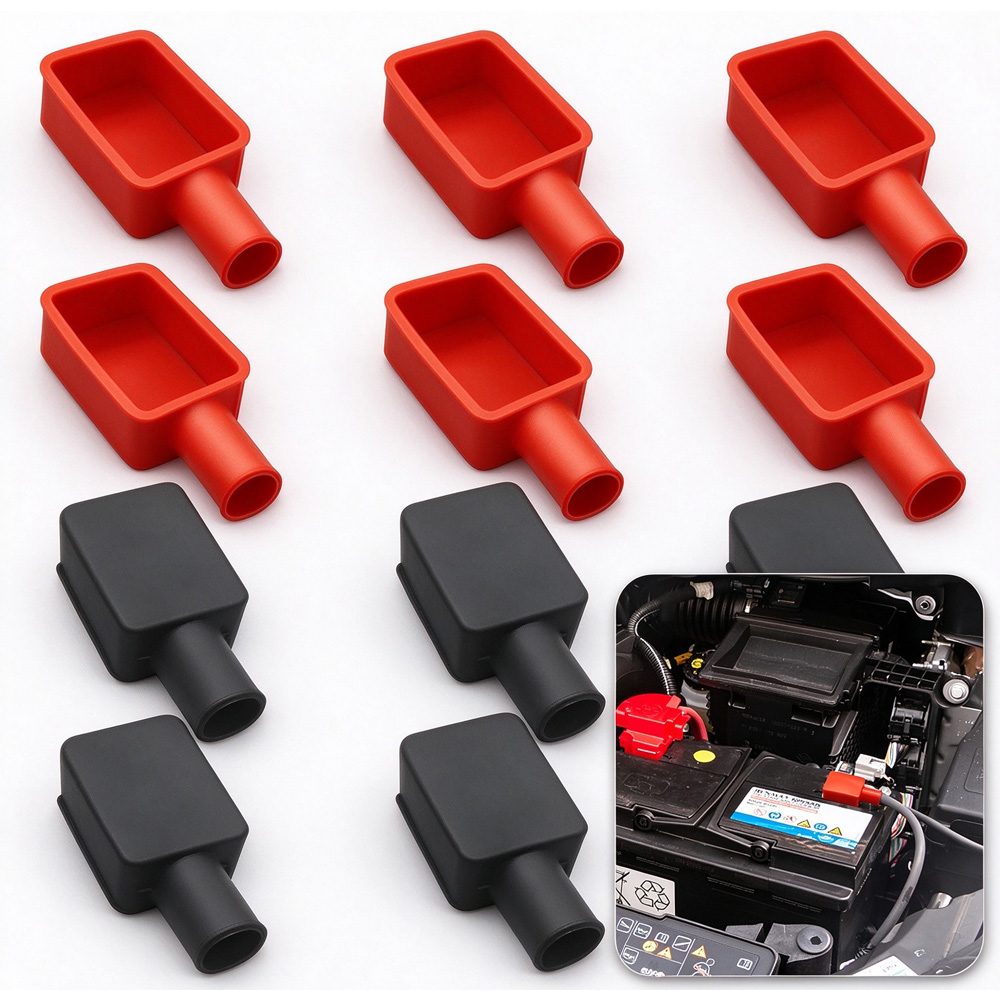
- Terminal protection matters: soft rubber or plastic post covers prevent accidental shorting during tool work; confirm they fit top-post (SAE) versus side-terminal (GM) configurations before ordering.
Specs
| Chemistry | Flooded / AGM / Lithium (LiFePO4) |
|---|---|
| BCI Group Size | 24F, 35, 48/H6, 65, 34/78 |
| Cold Cranking Amps | 500-900 CCA (SAE J537) |
| Reserve Capacity | 80-160 min @ 25A |
Related searches
What to check before buying
- Measure the battery tray and existing battery footprint (length, width, height) and note terminal orientation—group size alone doesn't guarantee hood clearance on European vehicles.
- Confirm climate extremes: if winter temps drop below 0°F regularly, prioritize higher CCA and AGM; if summer underhood heat exceeds 140°F, AGM resists thermal breakdown better than flooded.
- Verify charging system voltage (typically 13.8-14.6V) and whether the vehicle requires registration/reset of the battery management system after replacement—many modern cars need a scan-tool reset for AGM.
- For any dual-battery or accessory plan, list required companion parts: isolator/relay, fused distribution, adequate cable gauge (typically 4-6 AWG for 100A+ runs), and terminal covers.
FAQ
Data sources: eBay / Amazon listings and product attribute feeds Data updated Nov 15, 2026.
Some links on this page are affiliate links. If you buy after clicking one, we may earn a commission at no extra cost to you. This does not change which products appear here or their order. Affiliate disclosure.