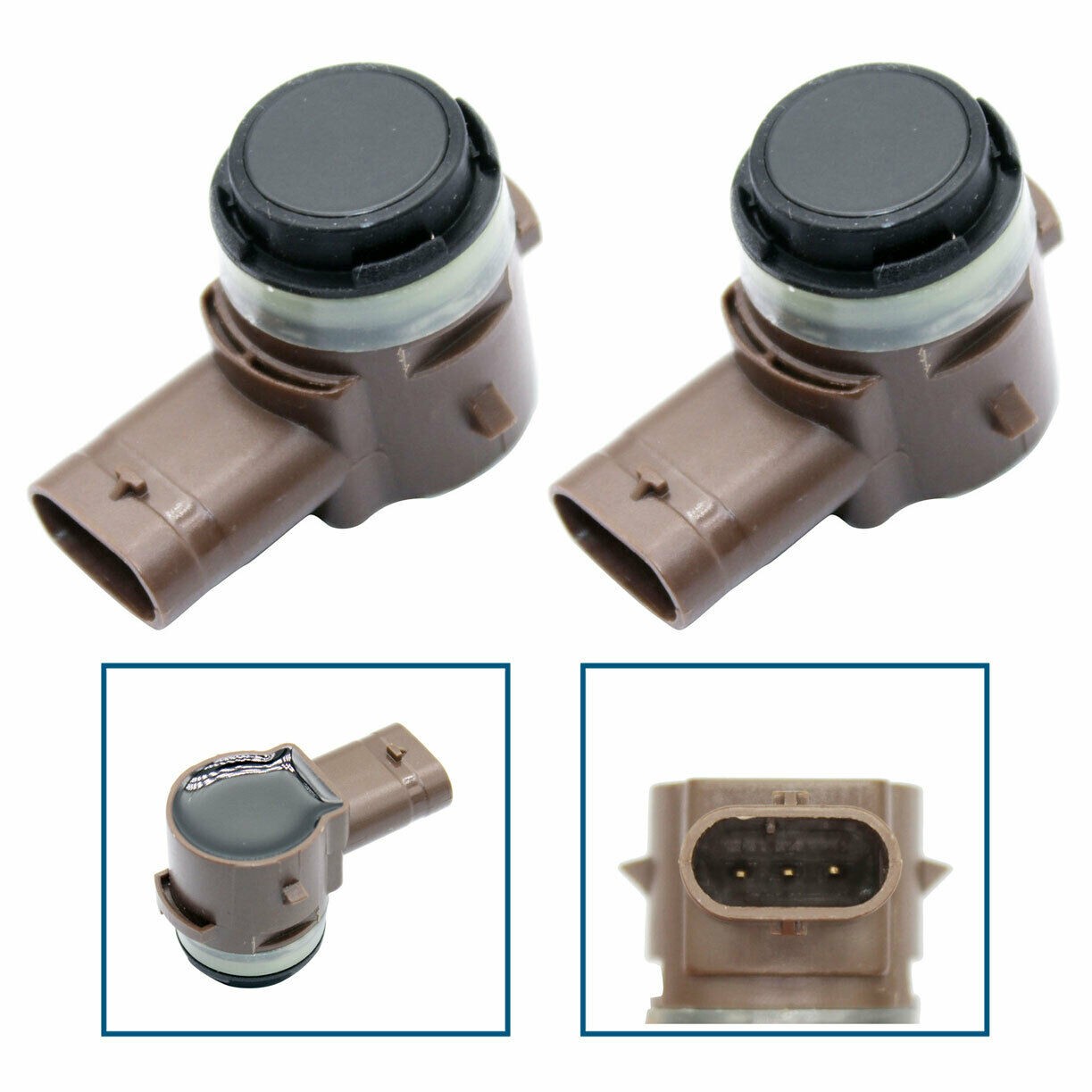

Photos from current listings. Actual item, color, and included accessories may vary.
Rear Parking Sensor Buying Guide
Rear parking sensors are ultrasonic obstacle-detection systems that alert drivers to unseen objects behind the bumper, and the core trade-off is between factory-style OEM replacement modules and universal add-on kits. The decisive rule: match the sensor generation and connector to your vehicle's existing harness for plug-and-play reliability, or choose a standalone kit with its own control unit and display if no factory wiring exists.


At a glance
- Category
- Electrical, Sensors & Switches
- Data updated
- Nov 15, 2026
Current offers
Highlights
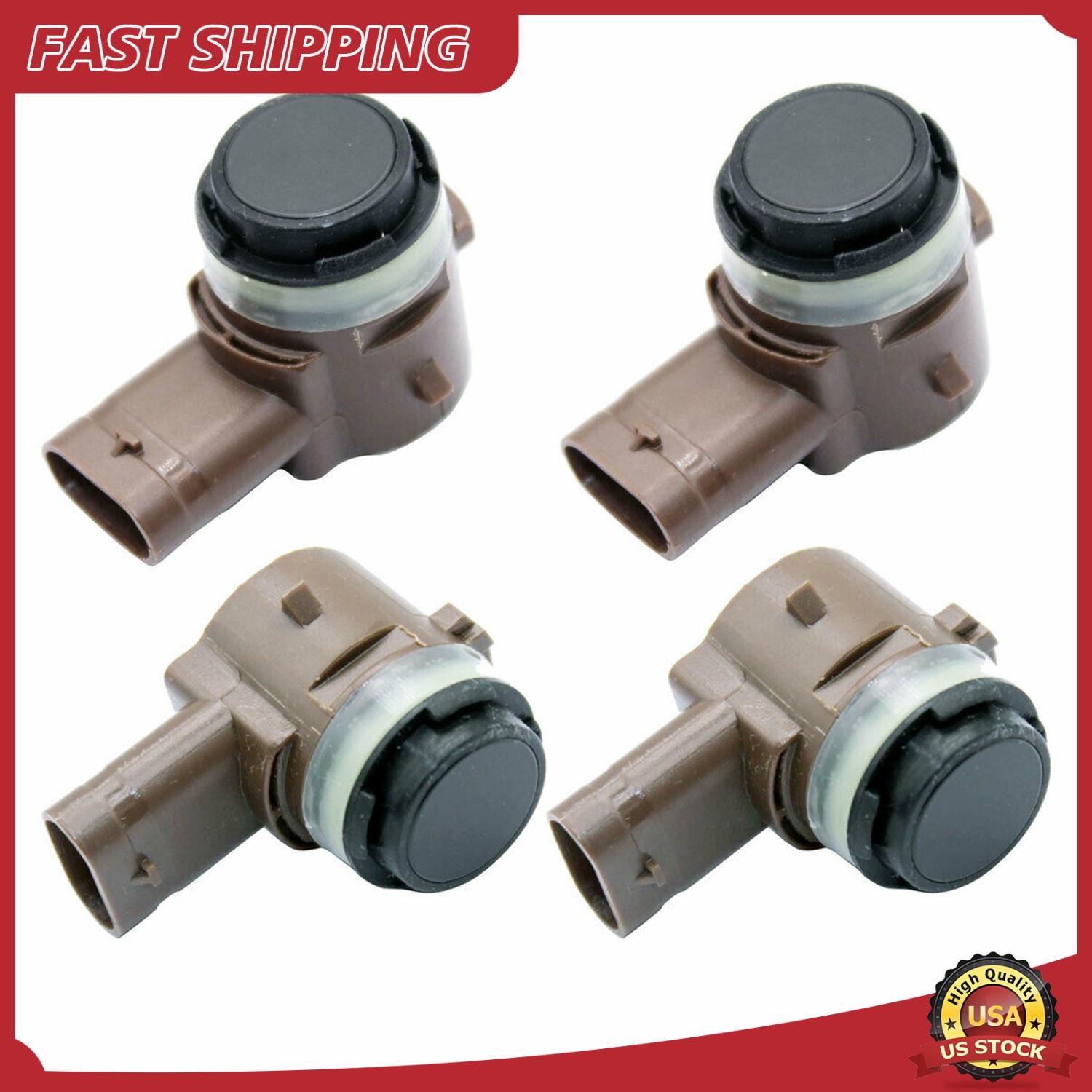
- OEM sensors like Tesla 1127502-01-D are vehicle-specific ultrasonic transducers that require matching the factory connector, mounting angle, and control module protocol.
- Universal kits use 18-22mm drill-in ultrasonic sensors with a separate ECU and either a buzzer, LED display, or both for distance feedback.
- Sensor count determines coverage: 2 sensors cover corners, 4 sensors cover the full rear bumper, and 6-8 sensors add front or side coverage.
- Detection range for automotive ultrasonic sensors is typically 0.3-2.5 meters, with accuracy degrading on soft or angled surfaces like sloped driveways.
Best use cases
- Best fit: 4-sensor universal kit with a dashboard display for older vehicles without factory parking aids—covers the full rear bumper with audible and visual alerts.
- Best fit: OEM replacement sensors (e.g., Tesla 1127502-01-D) when a single factory sensor fails—match the part number and connector to restore original behavior without splicing.
- Wrong fit: 2-sensor kits for wide vehicles like full-size SUVs or trucks—corner-only coverage leaves a large blind zone in the center of the bumper.
- Skip universal drill-in kits on leased or warranty-covered vehicles—bumper modification can void coverage and reduce resale value; choose OEM plug-and-play instead.
Buying tips
- Count sensors against bumper width: 2 sensors suit compacts under 1.8m wide, 4 sensors suit most sedans and crossovers, and 6+ sensors are needed for trucks and vans over 2m wide.
- Match the sensor diameter to the factory hole: OEM replacements are typically 18-22mm, while universal kits include a hole saw of the correct size—measure before drilling.
- Confirm the connector type and pin count for OEM replacements; Tesla 1127502-01-D uses a specific 3-pin connector that must match the vehicle's harness.
- Choose a kit with a separate control unit rated for 12V automotive electrical systems and a display that dims at night to avoid glare.
Specs
| Sensor Type | Ultrasonic 40-58 kHz |
|---|---|
| Detection Range | 0.3-2.5 m typical |
| Sensor Count | 2 / 4 / 6 / 8 per bumper |
| Mounting Diameter | 18-22 mm drill-in or OEM |
Related searches
What to check before buying
- Measure bumper height and curvature: sensors mounted lower than 45cm from the ground can false-alarm on curbs, and angled bumpers need adjustable-angle sensor bezels.
- Verify vehicle voltage is 12V DC and that the kit includes an inline fuse—direct battery taps without fusing risk electrical damage.
- Check that the kit includes all mounting bezels, hole saw, and wiring harness; missing companion parts turn a simple install into a multi-day sourcing project.
- Confirm the display or buzzer mounting location is visible and audible from the driver's seat without obstructing the rearview mirror or dashboard controls.
FAQ
Data sources: eBay / Amazon listings and product attribute feeds Data updated Nov 15, 2026.
Some links on this page are affiliate links. If you buy after clicking one, we may earn a commission at no extra cost to you. This does not change which products appear here or their order. Affiliate disclosure.