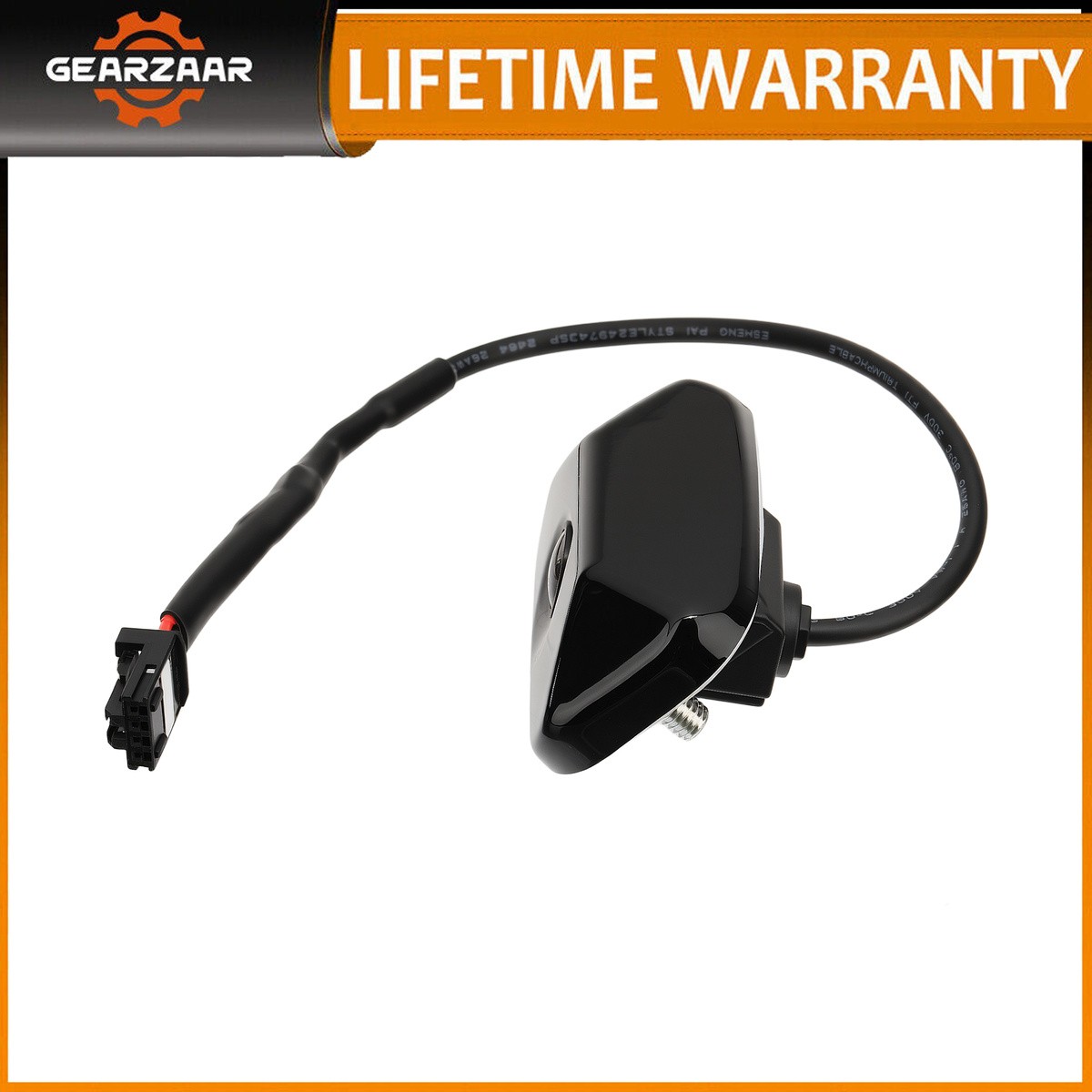

Photos from current listings. Actual item, color, and included accessories may vary.
Parking Assist Sensor Buying Guide
Parking assist sensors are ultrasonic or camera-based modules that detect obstacles and relay distance or video to the driver, replacing failed factory units or adding rear/front awareness to older vehicles. The core trade-off is between OEM-replacement ultrasonic sensors (vehicle-specific connectors, fixed-frequency transducers, and sealed housings) and universal camera or radar kits (broad compatibility but calibration and wiring demands). Choose an OEM-style sensor when you need plug-and-play fit and factory dash integration; choose a camera or universal kit only when the vehicle lacks a park-assist ECU or the factory system is beyond economical repair.


At a glance
- Category
- Electrical, Sensors & Switches
- Data updated
- Nov 15, 2026
Current offers
Highlights
- Ultrasonic sensors operate at 40–58 kHz and must match the factory ECU's frequency and connector pinout; mismatched frequency causes false or missing alerts.
- OEM-style replacements use sealed IP67/IP68 housings with potted electronics and automotive-grade connectors (e.g., FAKRA for cameras, 3- or 4-pin sealed for ultrasonic).
- Camera-based park assist requires a compatible head unit with composite or LVDS input and a calibrated field of view; generic cameras often lack the correct connector or resolution.
- Radar and 360-degree systems use 24–77 GHz modules and multi-sensor fusion, but universal kits rarely integrate with factory CAN-bus or display without an interface module.
Best use cases
- Best fit: replace a single failed factory ultrasonic sensor on a specific make/model with an OEM-number-matched unit that reuses the original harness and bracket; skip universal sensors that require drilling or adapter rings.
- Best fit: add a rear camera to an older vehicle with a composite-video head unit; choose a camera with NTSC/PAL output, wide dynamic range, and a sealed housing, and skip parking-radar kits that need CAN-bus integration.
- Wrong fit: installing a universal 4-sensor rear kit on a vehicle with an existing factory park-assist ECU; the aftermarket sensors will conflict with the factory bus and produce constant fault codes.
- Best fit: 360-degree camera systems for SUVs and trucks require four cameras plus a dedicated control unit and calibration; skip single-camera kits if full surround coverage is the goal.
Buying tips
- Match the sensor to the vehicle's factory part number and connector type; ultrasonic sensors are not interchangeable across models even when the housing looks identical.
- For camera replacements, confirm the head unit's video input standard (composite NTSC/PAL vs LVDS) and the camera's connector (RCA, FAKRA, or proprietary) before purchase.
- Count the factory sensor positions: 4-sensor rear kits cover most sedans, while 6- or 8-sensor front/rear systems are needed for full coverage on long-wheelbase vehicles.
- Choose IP67 or higher for exposed bumper locations; road splash, pressure washing, and winter salt destroy unsealed sensors within a season.
Specs
| Sensor Technology | Ultrasonic vs Camera vs Radar |
|---|---|
| Connector Type | OEM sealed / FAKRA / RCA |
| Ingress Protection | IP67 or higher for bumpers |
| Compatibility | Factory part number match required |
Related searches
What to check before buying
- Measure the bumper cutout diameter (common sizes are 15 mm, 18 mm, and 22 mm) and confirm the replacement sensor's housing fits without adapter rings.
- Verify the vehicle's park-assist ECU is functional; a failed ECU will not recognize a new sensor and will trigger a system fault.
- Check the head unit's camera input voltage (typically 6V or 12V) and connector type; mismatched voltage can damage the camera or display.
- Confirm the sensor's operating temperature range covers your climate (at least -40°C to +85°C for automotive use) and that the connector seal is intact.
FAQ
Data sources: eBay / Amazon listings and product attribute feeds Data updated Nov 15, 2026.
Some links on this page are affiliate links. If you buy after clicking one, we may earn a commission at no extra cost to you. This does not change which products appear here or their order. Affiliate disclosure.