Photos from current listings. Actual item, color, and included accessories may vary.
Oxygen Sensor Buying Guide
An oxygen sensor (O2 sensor) is the feedback element that lets the ECU trim fuel mixture, so its signal quality and heating speed directly govern emissions, fuel economy, and check-engine-light behavior. The core trade-off is narrowband zirconia (switching voltage, 1–4 wires) versus wideband air-fuel (linear current, 5–6 wires), with heater power and connector sealing separating durable units from early failures. Buy by exact engine, position, and connector key—never by 'universal' claims.


At a glance
- Category
- Electrical, Sensors & Switches
- Data updated
- Nov 15, 2026
Current offers
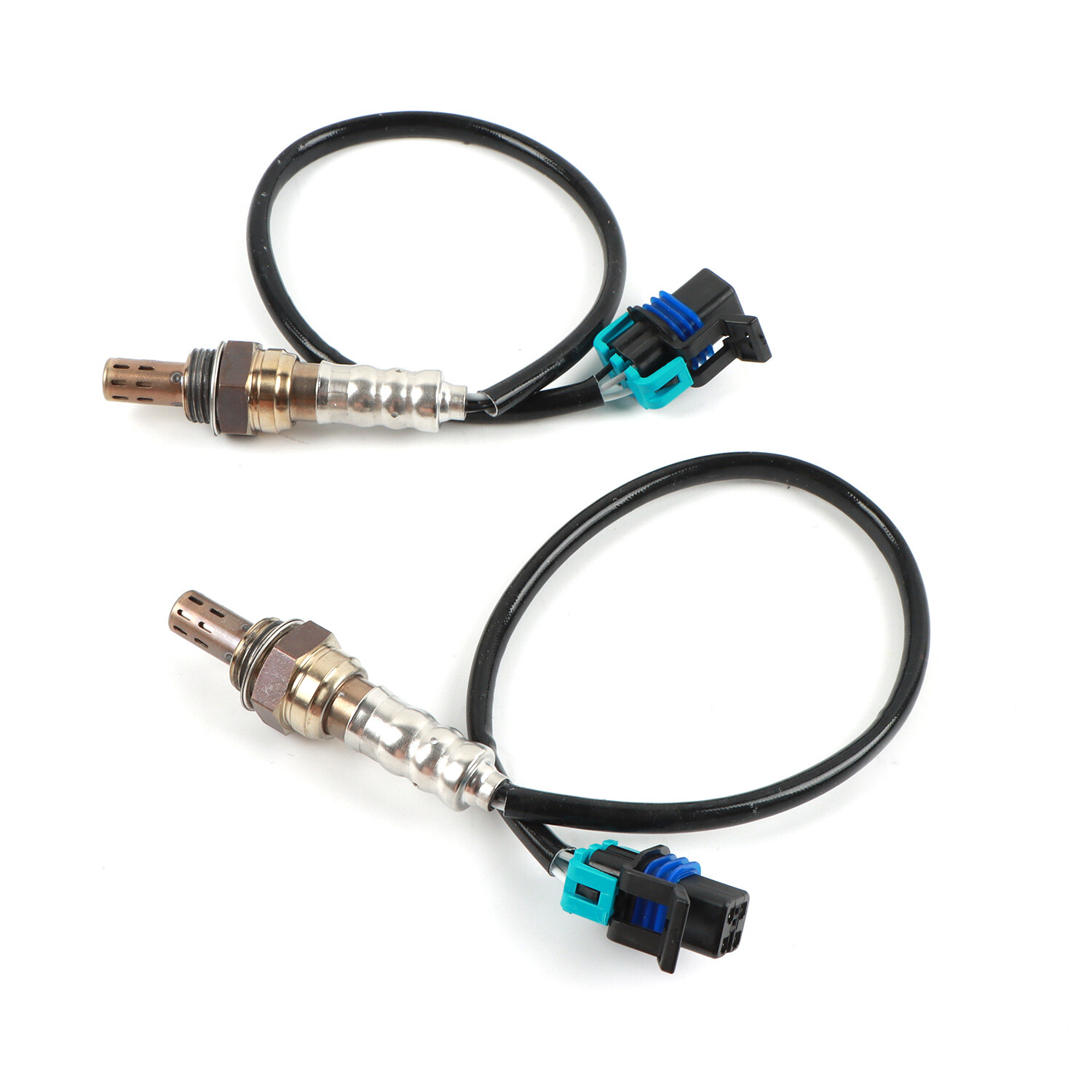 2pcs Oxygen Sensor O2 For 2004-2005 Chevrolet Trailblazer 4.2L Downstream$44.99
 View on Mallflare
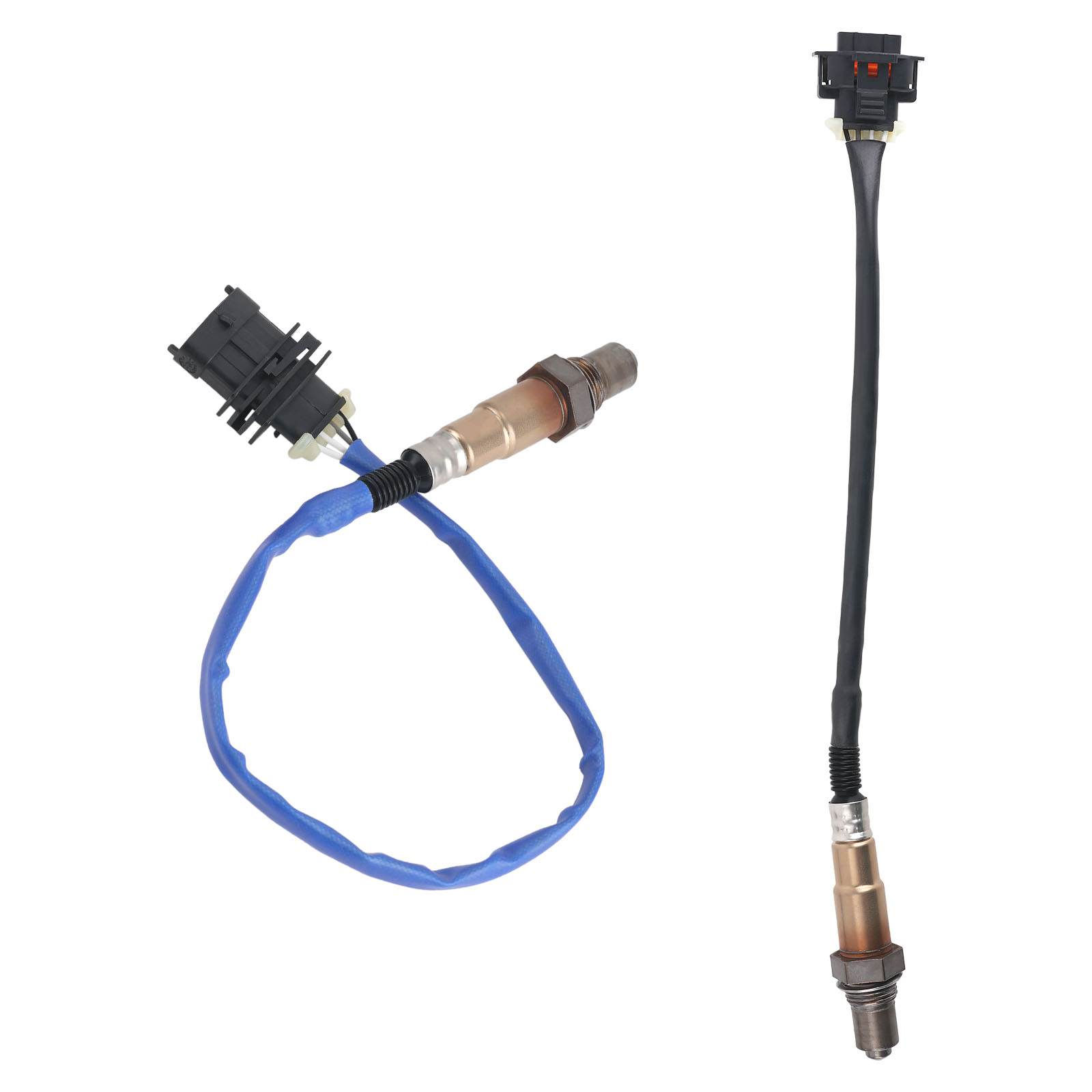 2X Oxygen Sensor Up+Downstream fit for Chevrolet Sonic Cruze 13-21 Buick Encore 1.4L$49.99View on Mallflare
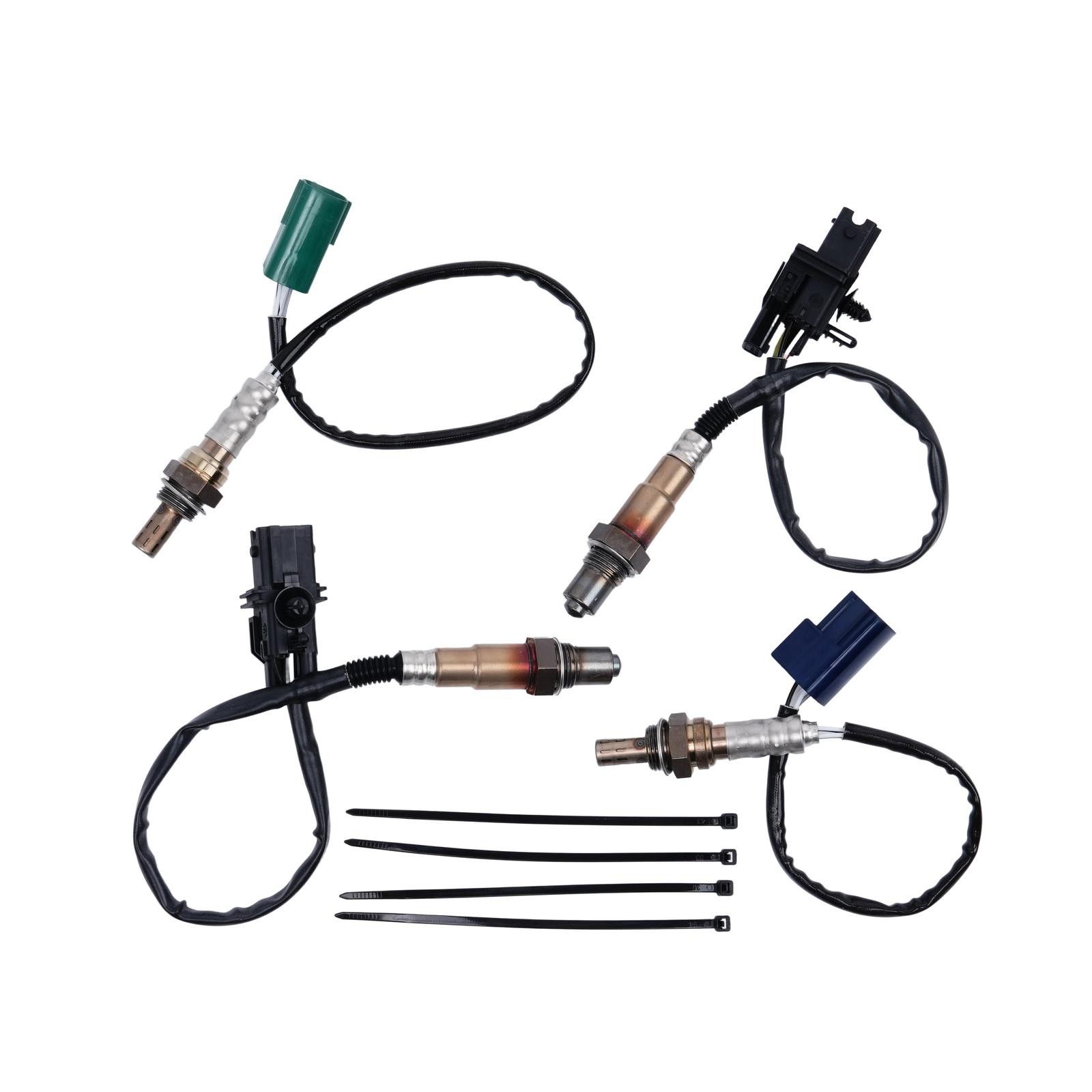 Set Of 4 Oxygen Sensors Fit For -Nissan Frontier Pathfinder 4.0L V6 2005 2006$112.99View on Mallflare
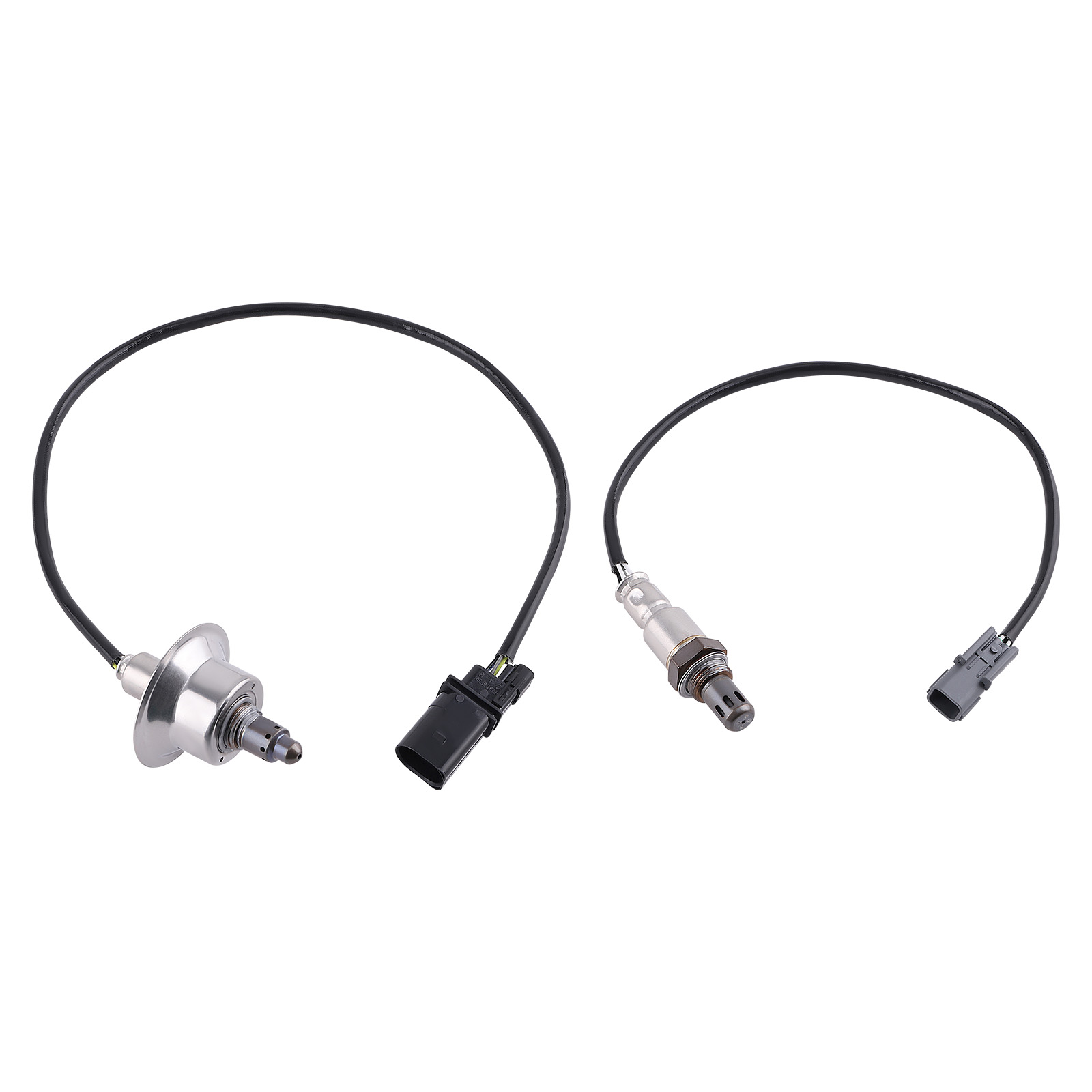 2PCS Oxygen O2 Sensor Up+Downstream Fit For Hyundai Sonata 2.4L L4 234-8030$90.99View on Mallflare
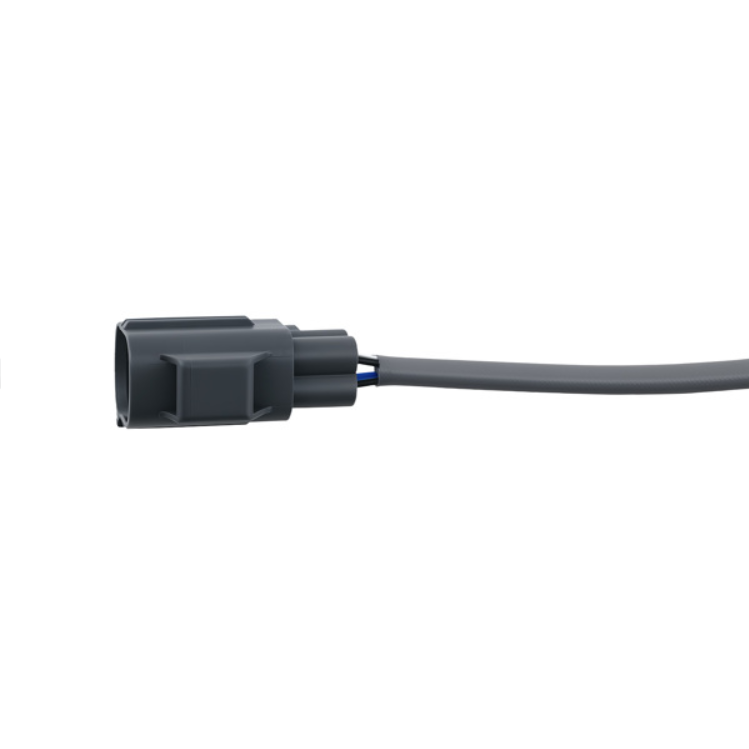 4PCS Oxygen O2 Sensor Upstream Downstream Fit For Volvo XC90 L6 3.2L 2007-2013 2014$102.99View on Mallflare
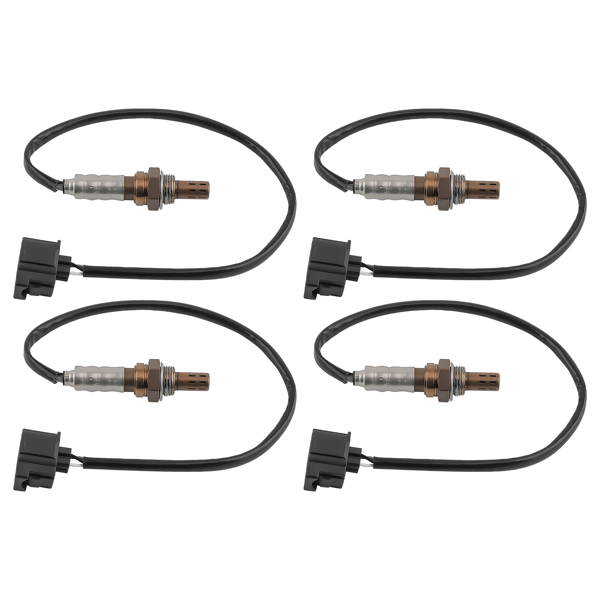 Set Of 4 Oxygen O2 Sensor Fit For Wrangler 3.6L 3.8L 4.0L 234-4029 234-4030$104.99View on Mallflare
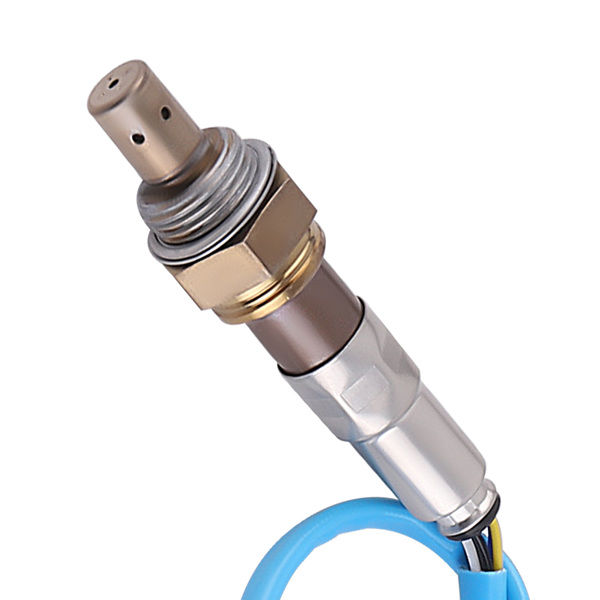 Upstream Downstream Oxygen O2 Sensor Fit For Odyssey 3.5L V6 2007-10 234-4355$106.99View on Mallflare
Highlights
- Narrowband zirconia sensors switch 0.1–0.9 V and need 1–4 wires; wideband (AFR) sensors output linear current and use 5–6 wires—never interchangeable.
- Heated sensors draw 8–15 W at 12 V and reach operating temperature in 10–30 s; a failed heater sets P0135/P0141/P0155/P0161 codes before the sensing element degrades.
- Upstream (pre-cat) sensors control fuel trim; downstream (post-cat) sensors only monitor catalyst efficiency—fitting a downstream unit upstream causes rich/lean faults.
- Metal-shell construction varies by thread (M18x1.5 standard, M12x1.25 compact) and seal type (crush washer vs conical seat); thread and hex size must match the bung exactly.
Best use cases
- Best fit: replace the exact upstream sensor on a 2004–2005 Trailblazer 4.2L with a 4-wire heated narrowband unit—skip 'universal' 1-wire types that lack a heater.
- Best fit: buy a 4-sensor set for 2005–2006 Frontier/Pathfinder 4.0L V6 only when all four positions are confirmed—otherwise buy individually to avoid mismatched connectors.
- Wrong fit: installing a downstream sensor on a 2013–2021 Sonic/Cruze 1.4L upstream bung—wrong signal range triggers P0130/P0171 and fails emissions.
- Skip 4-pc Volvo XC90 3.2L sets if only the post-cat unit is faulted; a single correct downstream sensor restores monitoring without disturbing upstream trim.
Buying tips
- Match wire count first: 1-wire (unheated), 2-wire (unheated signal+ground), 3-wire (heated ground), 4-wire (heated signal+ground), 5–6-wire (wideband). Wire count must equal the harness connector.
- Confirm thread size: M18x1.5 is the dominant bung; compact M12x1.25 appears on tight manifolds. A thread adapter is not a substitute for correct reach depth.
- Buy by engine code and position (upstream/downstream, left/right bank), not by vehicle name—same model year can carry two different sensor architectures.
- Prefer sensors with a pre-applied anti-seize and a sealed connector body; bare-metal threads without anti-seize seize in cast iron within one heat cycle.
Specs
| Sensor Type | Narrowband zirconia vs wideband AFR |
|---|---|
| Wire Count | 1–4 wire narrowband / 5–6 wire wideband |
| Thread Size | M18x1.5 standard / M12x1.25 compact |
| Position | Upstream pre-cat / downstream post-cat |
Related searches
What to check before buying
- Read the fault code and live O2 voltage first: a stuck 0.45 V or slow switching sensor confirms replacement; a P0420 may be the catalyst, not the sensor.
- Measure bung thread and reach depth with a thread gauge—M18x1.5 vs M12x1.25—and confirm hex size fits your O2 socket before ordering.
- Verify harness connector key and wire count against the old sensor; clipped or spliced connectors are the top cause of repeat P0135 heater codes.
- Check clearance to the exhaust tunnel and heat shield; a longer sensor body or different hex can foul the floor pan on lowered or tight installations.
FAQ
Data sources: eBay / Amazon listings and product attribute feeds Data updated Nov 15, 2026.
Some links on this page are affiliate links. If you buy after clicking one, we may earn a commission at no extra cost to you. This does not change which products appear here or their order. Affiliate disclosure.