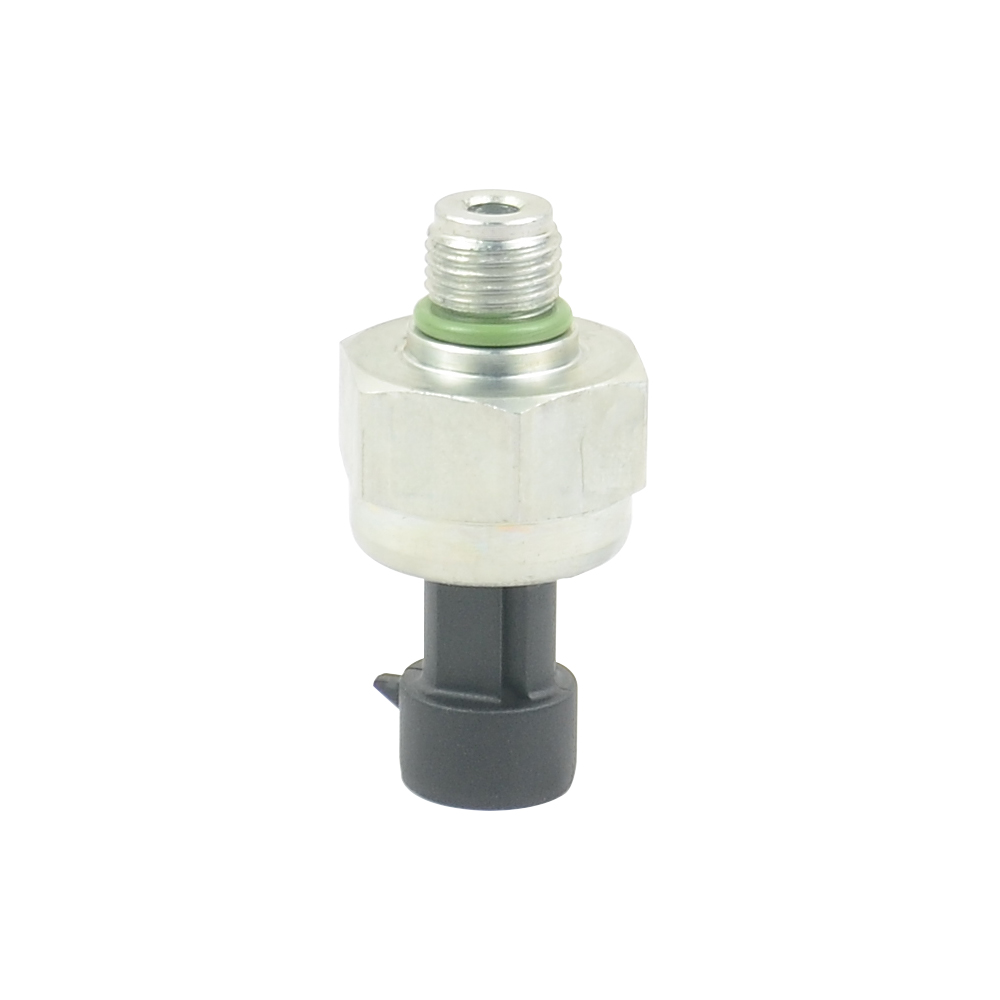

Photos from current listings. Actual item, color, and included accessories may vary.
Fuel Pressure Sensor Buying Guide
A fuel pressure sensor is a calibrated transducer that reports rail or injection-control pressure to the ECU, and its accuracy and sealing quality directly govern fueling, idle stability, and limp-mode behavior. The decisive trade-off is OEM-grade stainless/piezoresistive internals with correct connector keys versus generic metal-body units that fit but drift or leak. Buy by exact engine family and connector part number; never by 'universal fit' claims.


At a glance
- Category
- Electrical, Sensors & Switches
- Data updated
- Nov 15, 2026
Current offers
Highlights
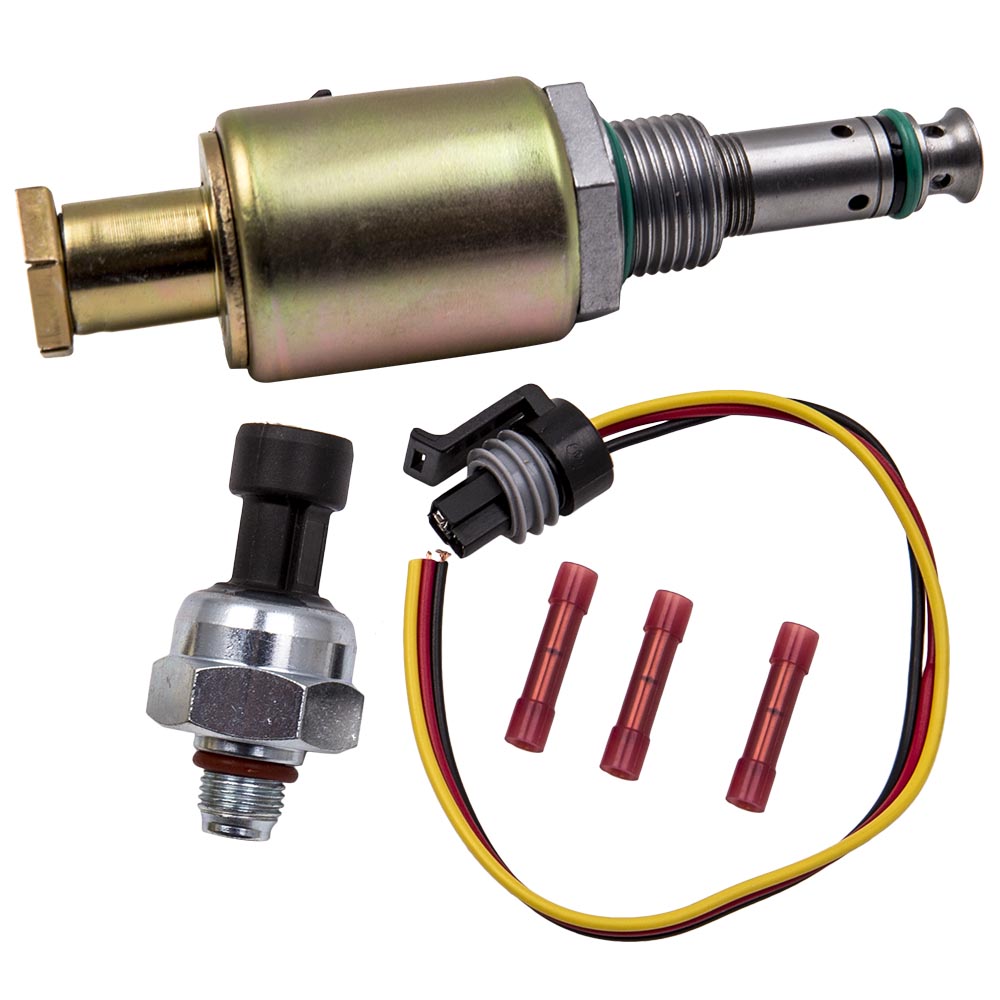
- ICP (Injection Control Pressure) sensors on Ford 7.3L Power Stroke use a three-wire piezoresistive element reading up to roughly 3,000 psi; the IPR valve is a separate solenoid actuator and is not interchangeable.
- Sensor bodies are typically stainless steel or zinc-plated steel; the pressure port thread and O-ring material (Viton vs nitrile) determine diesel and gasoline compatibility.
- Output signal is analog voltage (commonly 0.5–4.5 V) or a digital SENT/PWM protocol on late-model CAN vehicles; mismatched signal type causes hard starts and derates.
- Genuine OEM units are helium leak-tested and temperature-compensated; low-tier replacements often skip calibration, producing ±5–10% rail pressure error and poor fuel trims.
Best use cases
- Best fit: Ford 7.3L diesel owners with P1211, P1280, or rough idle — replace the ICP sensor F6TZ-9F838-A (ICP102) and inspect the IPR pigtail simultaneously; skip if codes point to the IPR valve alone.
- Best fit: gasoline port-injection vehicles with P0190–P0194 codes — match the OEM connector key and pressure range exactly; skip generic 'fits all' sensors that require wire splicing.
- Wrong fit: direct-injection or common-rail engines requiring 2,000+ bar (29,000 psi) rail sensors — these use different thread, sealing, and signal protocols than PFI/ICP units.
- Wrong fit: buying a regulator-sensor combo when only the sensor failed — the IPR/regulator valve and the pressure sensor are distinct service parts with separate failure modes.
Buying tips
- Match the OEM part number first (e.g., F6TZ9F838A or 1807329C91/C92 for 7.3L ICP), then the connector keyway — never rely on 'Ford F-250' alone, since engine-year splits change sensors.
- Verify pressure range and output signal: 0.5–4.5 V analog for most pre-2010 port injection; SENT or PWM digital for late CAN vehicles — wrong signal equals no-start.
- Choose stainless-steel wetted parts and Viton O-rings for diesel, ethanol, and high-heat applications; nitrile seals degrade with biodiesel and E85.
- Replace the associated pigtail/connector when the original is brittle or oil-soaked — a new sensor on a corroded harness still reads erratic.
Specs
| Sensor Type | ICP, rail, or regulator-mounted |
|---|---|
| Output Signal | 0.5–4.5 V analog / SENT / PWM |
| Wetted Material | Stainless steel, Viton seals |
| Pressure Range | PFI low psi to 3,000 psi ICP |
Related searches
What to check before buying
- Confirm engine displacement, model year, and VIN-specific sensor part number before ordering; 7.3L Ford splits exist across early and late ICP designs.
- Inspect the harness connector and pin count (2-, 3-, or 4-wire) and confirm keyway shape matches the replacement sensor.
- Verify fuel system type (port injection vs direct injection vs common rail) and required pressure range in psi or bar.
- Check thread size and O-ring seat depth against the original sensor; mismatched threads strip the rail or leak under pressure.
FAQ
Data sources: eBay / Amazon listings and product attribute feeds Data updated Nov 15, 2026.
Some links on this page are affiliate links. If you buy after clicking one, we may earn a commission at no extra cost to you. This does not change which products appear here or their order. Affiliate disclosure.