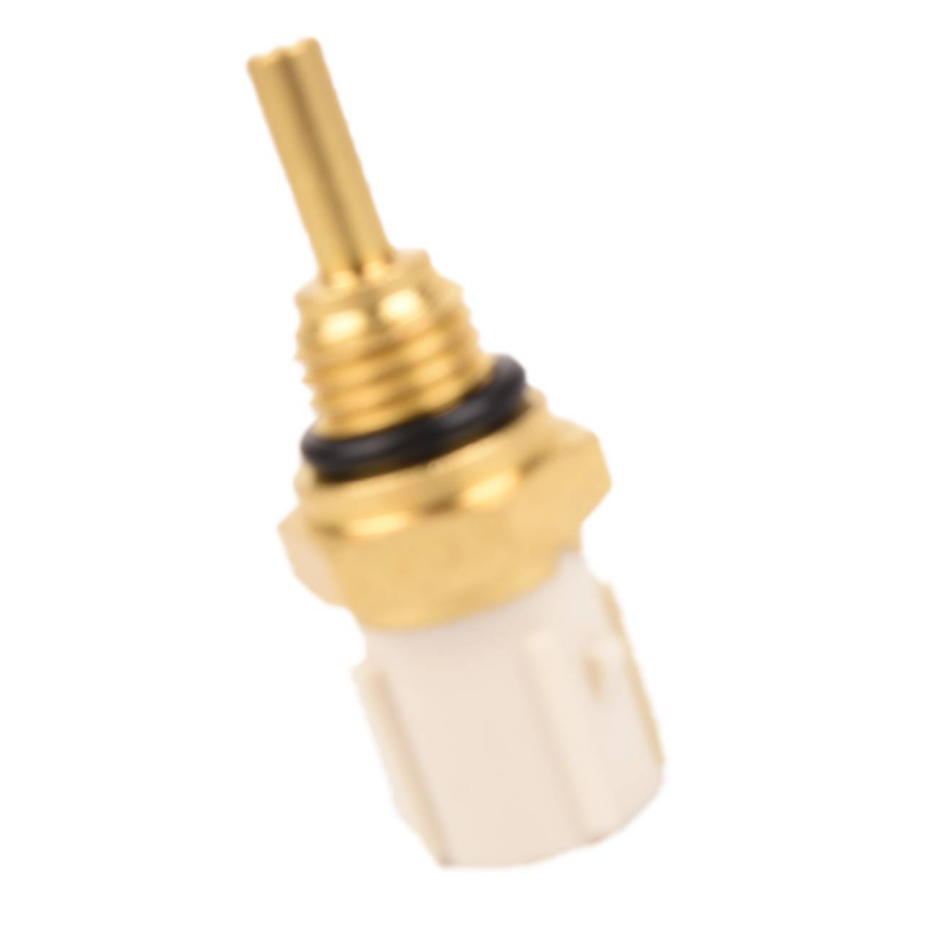

Photos from current listings. Actual item, color, and included accessories may vary.
Engine Temperature Sensor Buying Guide
An engine temperature sensor converts coolant temperature into a voltage signal for the ECU, and the main trade-off is OEM-grade thermistor accuracy and connector sealing versus generic aftermarket shortcuts. Choose a sensor with the correct thread, resistance curve, and connector keyway for your engine family; skip universal 'fit-all' sensors that rely on adapters or unsealed crimps.


At a glance
- Category
- Electrical, Sensors & Switches
- Data updated
- Nov 15, 2026
Current offers
Highlights
- Two architectures dominate: 2-wire NTC thermistors (resistance falls as temperature rises) and 1-wire senders that drive only the dash gauge; ECU sensors are almost always 2-wire NTC.
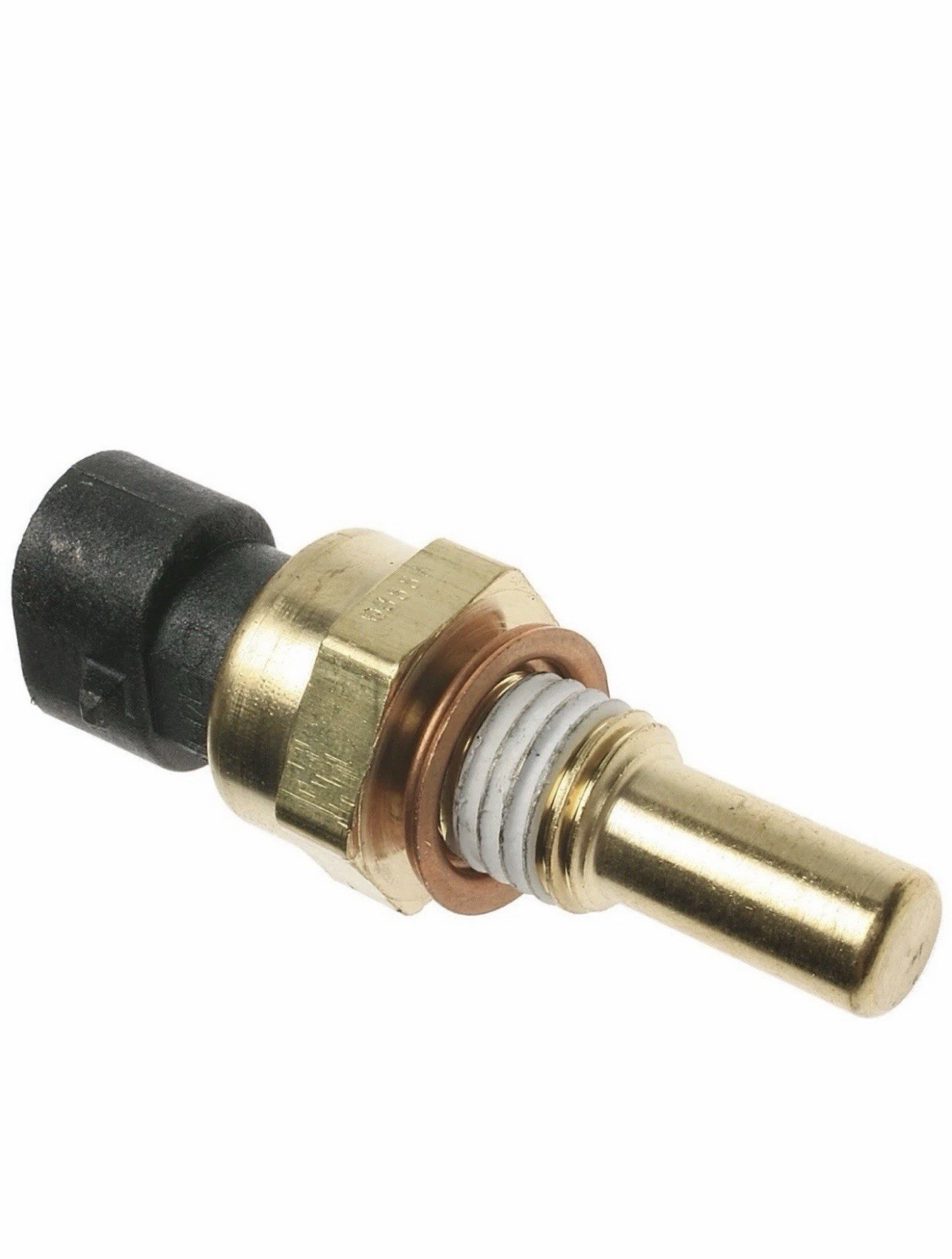
- OEM-grade sensors use a brass or stainless body with a molded epoxy seal and a keyed connector; generic units often omit the keyway or use a simple O-ring that hardens with heat cycles.
- Honda/Acura 37870-PJ7-003 and GM 12608814 (Delphi) are engine-family-specific: thread pitch, hex size, and resistance curve differ, so cross-family swaps cause wrong gauge readings or P0116/P0118 codes.
- A failing sensor typically drifts 10-30°C before hard failure, causing rich running, fan timing errors, or false overheat warnings; a resistance check at two known temperatures is the definitive test.
Best use cases
- Best fit: exact OEM part number match for your engine code and model year—buy the Honda/Acura 37870-PJ7-003 for the specified Civic/Acura CL application, or GM 12608814 for the Delphi-equipped GM engines it is catalogued for.
- Best fit: 2-wire NTC replacement for ECU coolant-temperature input when the connector shell and pin keyway match the original harness; verify thread size and hex before install.
- Wrong fit: one-wire gauge senders used to feed an ECU input, or universal sensors with adapter bushings—these produce incorrect resistance curves and unreliable sealing.
- Wrong fit: buying by vehicle name alone without engine code; the same model year can use different sensor threads and resistance values across engine families.
Buying tips
- Match the OEM part number and engine code, not just the model name—Honda 37870-PJ7-003 and GM 12608814 are not interchangeable across engine families even if the thread looks similar.
- Confirm thread type (commonly M12x1.5 or 3/8-18 NPT depending on engine family) and hex size; a mismatched thread will not seal even with tape.
- Prefer a molded, keyed connector over bare spade terminals for the ECU sensor; sealed connectors resist coolant wicking and vibration better.
- Check resistance at two temperatures (e.g., ~2.3-2.6 kΩ at 20°C and ~180-220 Ω at 90°C for many NTC types) against the service manual to confirm the curve.
Specs
| Sensor Type | 2-wire NTC vs 1-wire sender |
|---|---|
| Thread Standard | M12x1.5 / 3/8-18 NPT / OEM-specific |
| Connector Style | Keyed sealed vs bare spade |
| Resistance Curve | OEM NTC curve (e.g., 2.4 kΩ @ 20°C) |
Related searches
What to check before buying
- Read the engine code and original sensor part number from the old unit or service data before ordering; model year alone is not enough.
- Measure the thread diameter and pitch, and confirm the connector keyway and pin count match the harness plug.
- Verify the harness connector is not cracked or oil-soaked; a new sensor will not fix a damaged pigtail.
- Check coolant level and thermostat operation first—an air pocket or stuck thermostat mimics sensor failure.
FAQ
Data sources: eBay / Amazon listings and product attribute feeds Data updated Nov 15, 2026.
Some links on this page are affiliate links. If you buy after clicking one, we may earn a commission at no extra cost to you. This does not change which products appear here or their order. Affiliate disclosure.