Photos from current listings. Actual item, color, and included accessories may vary.
Downstream O2 Sensor Buying Guide
A downstream O2 sensor (post-catalyst) monitors catalytic converter efficiency and is a narrowband zirconia sensor on most vehicles, distinct from the upstream air-fuel sensor. The core trade-off is OEM-grade heater element and zirconia thimble quality versus low-cost universal units that fit physically but skew voltage response and trigger P0420/P0136 codes. The decision rule: buy a direct-fit sensor with the correct connector and heater resistance for your exact engine and emissions standard; skip any 'universal' splice-in unit unless the vehicle is a pre-OBD-II or off-road application.


At a glance
- Category
- Electrical, Sensors & Switches
- Data updated
- Nov 15, 2026
Current offers
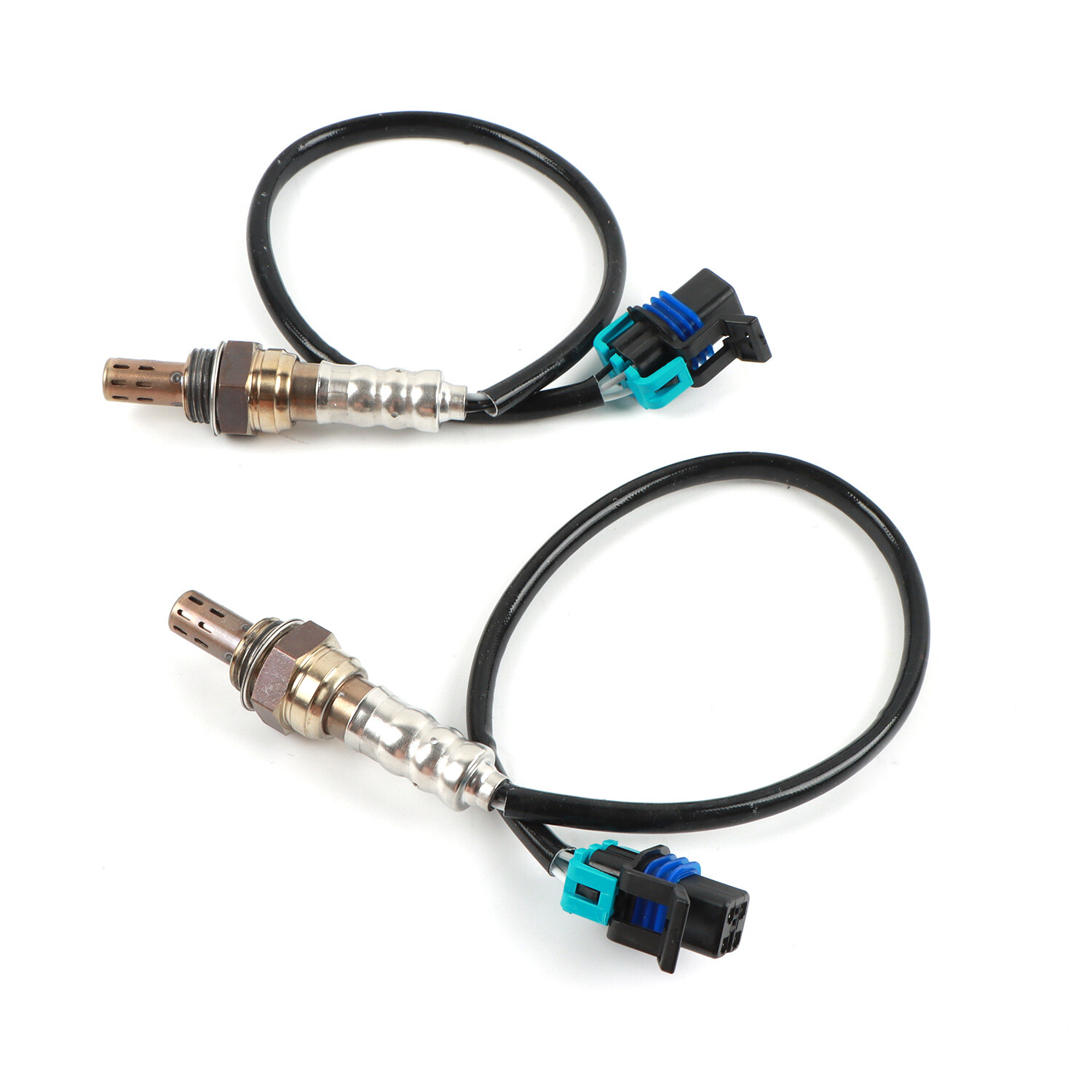 2pcs Oxygen Sensor O2 For 2004-2005 Chevrolet Trailblazer 4.2L Downstream$44.99
 View on Mallflare
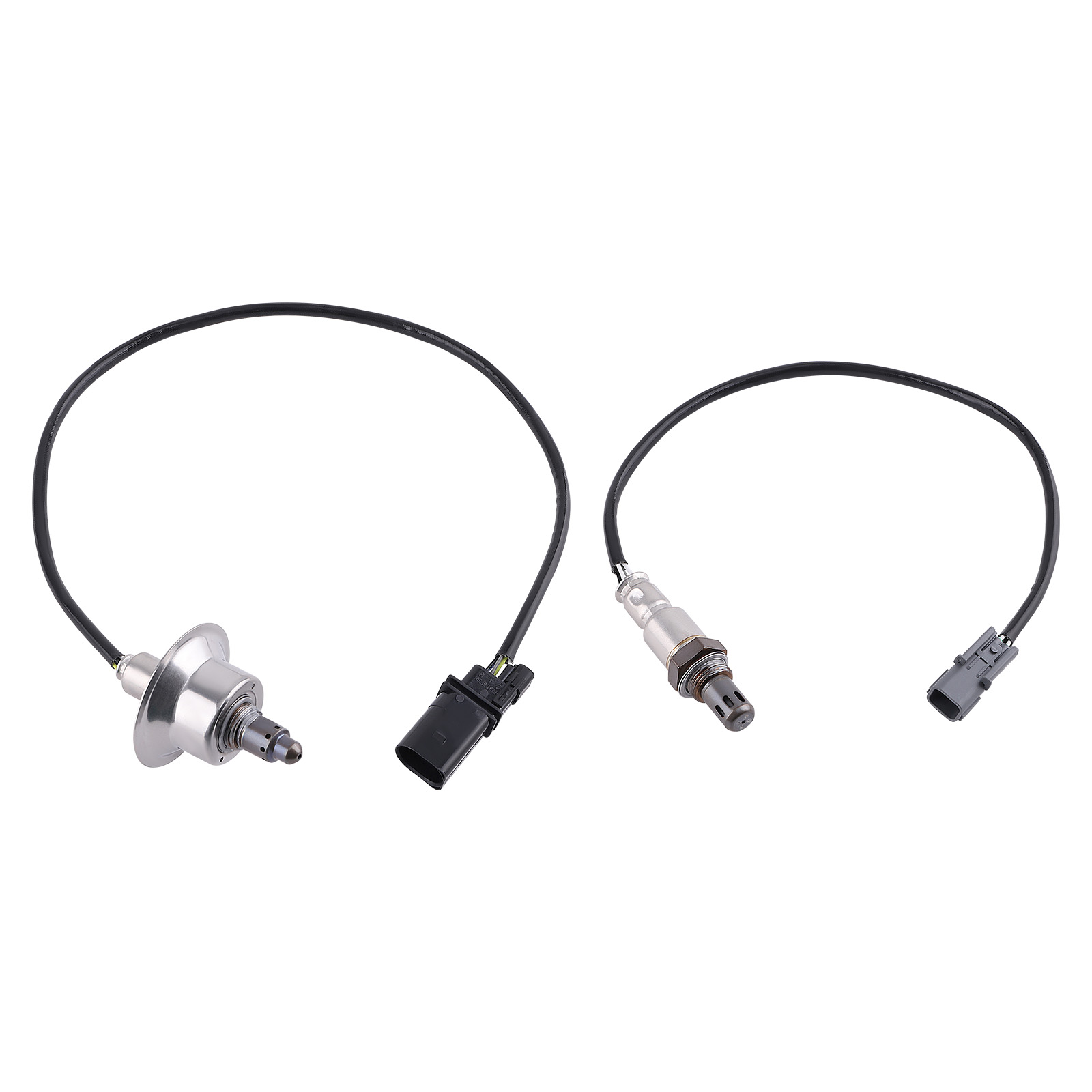 2PCS Oxygen O2 Sensor Up+Downstream Fit For Hyundai Sonata 2.4L L4 234-8030$90.99View on Mallflare
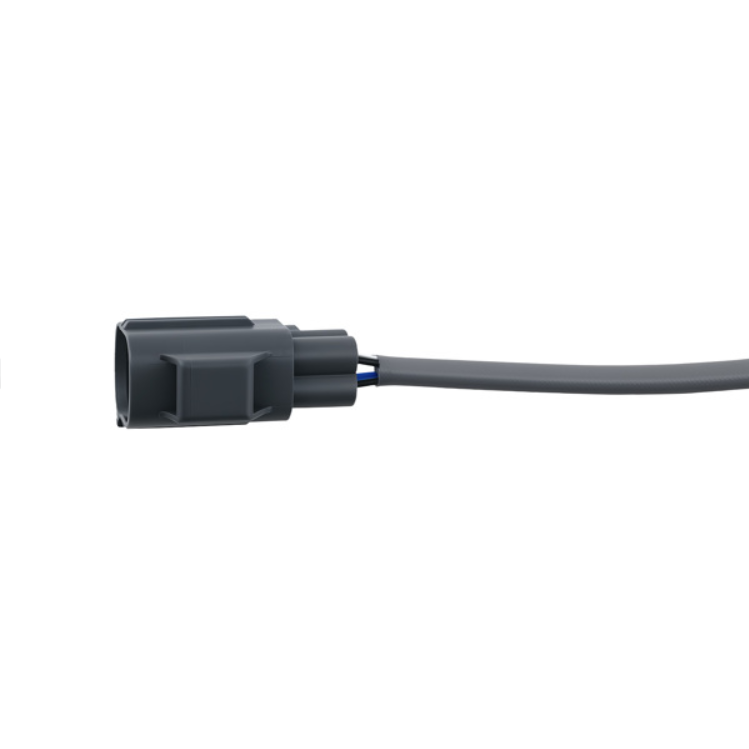 4PCS Oxygen O2 Sensor Upstream Downstream Fit For Volvo XC90 L6 3.2L 2007-2013 2014$102.99View on Mallflare
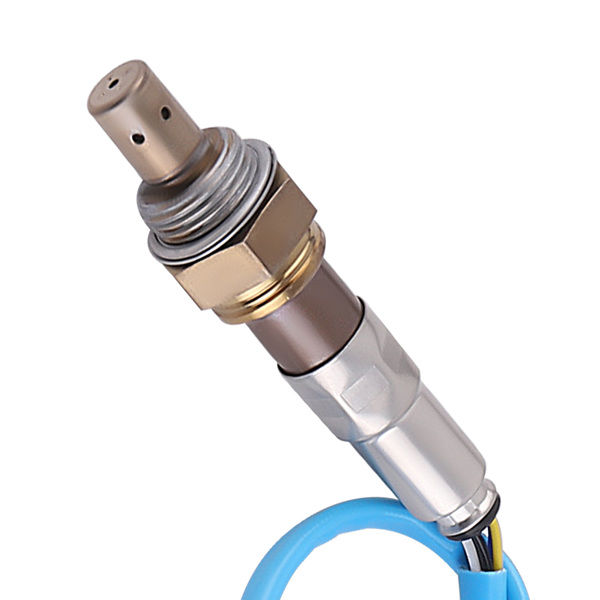 Upstream Downstream Oxygen O2 Sensor Fit For Odyssey 3.5L V6 2007-10 234-4355$106.99View on Mallflare
Highlights
- Downstream sensors are narrowband zirconia (0.1-0.9V oscillating output), while upstream units on 2000s+ vehicles are often wideband air-fuel ratio sensors (0-5V) — they are not interchangeable.
- Heater resistance is typically 4-14 ohms cold; a sensor with the wrong heater draw will set P0135/P0141 heater circuit codes even if the signal wire is correct.
- Direct-fit sensors include the OEM-length pigtail and keyed connector; universal units require splicing and are the leading cause of intermittent signal and water-intrusion failures.
- Thread size is almost universally M18 x 1.5; the differentiator is connector keying, wire count (1-4 wires), and whether the body is vented or unvented.
Best use cases
- Best fit: replacing a failed post-cat sensor on a 1996+ OBD-II vehicle — pick the direct-fit part keyed to engine code, not a 'fits 2004-2005 Trailblazer' year-range listing alone.
- Best fit: a P0420 code where upstream fuel trims are normal and the downstream signal is flat or slow — replace the downstream sensor first; skip if upstream sensor is also lazy.
- Wrong fit: using a downstream narrowband sensor in an upstream wideband location (or vice versa) — the ECU will not read it and drivability codes will follow.
- Wrong fit: buying a 4-piece upstream+downstream kit for a V6/V8 when only one bank's sensor failed — match bank and position, not pack quantity.
Buying tips
- Match by engine code and emissions standard (e.g., 4.2L LL8 vs 3.5L J35), not by year range — the same model year can carry different sensor connectors across trims.
- Verify wire count and connector key: 1-wire unheated, 2-wire unheated-with-ground, 3-wire heated, 4-wire heated-with-signal-ground — count the pins on your old sensor before ordering.
- Prefer direct-fit with OEM-length pigtail; a universal 4-wire splice unit is acceptable only when the original connector is damaged and you can solder and heat-shrink properly.
- Check heater resistance with a multimeter (typically 4-14 ohms); an open or shorted heater means the replacement will throw a heater code regardless of signal quality.
Specs
| Sensor Type | Narrowband zirconia (downstream) |
|---|---|
| Thread Size | M18 x 1.5 |
| Wire Count | 1-4 wire (heated/unheated) |
| Heater Resistance | 4-14 ohms cold |
Related searches
What to check before buying
- Confirm the sensor position: downstream is after the catalytic converter; count bungs on the exhaust to identify bank 1 vs bank 2 and pre/post-cat locations.
- Read the OBD-II freeze frame and live downstream voltage — a healthy narrowband sensor should switch 0.1-0.9V roughly once per second at operating temperature.
- Inspect the old connector for corrosion or oil intrusion; a contaminated connector will kill a new sensor, so repair the harness side first.
- Verify thread condition in the exhaust bung (M18 x 1.5); chase or replace a stripped bung before installing, and use anti-seize on the threads only, not the sensor tip.
FAQ
Data sources: eBay / Amazon listings and product attribute feeds Data updated Nov 15, 2026.
Some links on this page are affiliate links. If you buy after clicking one, we may earn a commission at no extra cost to you. This does not change which products appear here or their order. Affiliate disclosure.