Photos from current listings. Actual item, color, and included accessories may vary.
Water Pump Buying Guide
A water pump circulates coolant through the engine block, radiator, and heater core; the core trade-off is bearing/seal quality and impeller material versus low upfront cost, with OEM-grade composite or cast-metal impellers and triple-lip seals outlasting stamped-steel economy units. The decisive rule: buy by engine family and drive type (timing-belt vs timing-chain vs accessory-belt driven) and replace the pump together with the timing component it sits behind — never a bare pump on an interference engine with unknown belt history.


At a glance
- Category
- Engine, Exhaust & Fuel System Parts
- Data updated
- Nov 15, 2026
Current offers
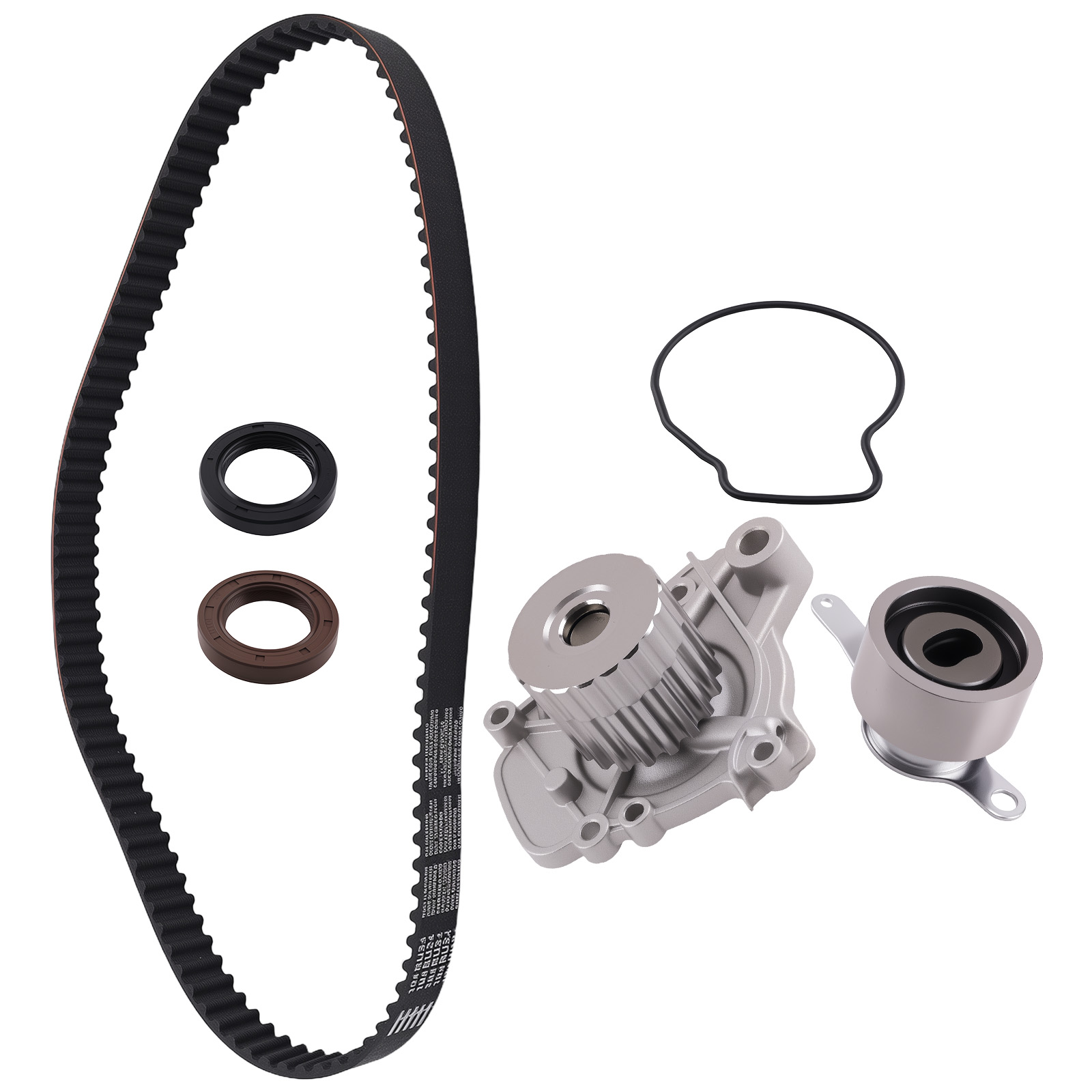 Timing Belt Kit w/ Water Pump fit for 96-00 Honda Civic LX DX EX HX 1.6L D16Y7 D16Y8$70.99
 View on Mallflare
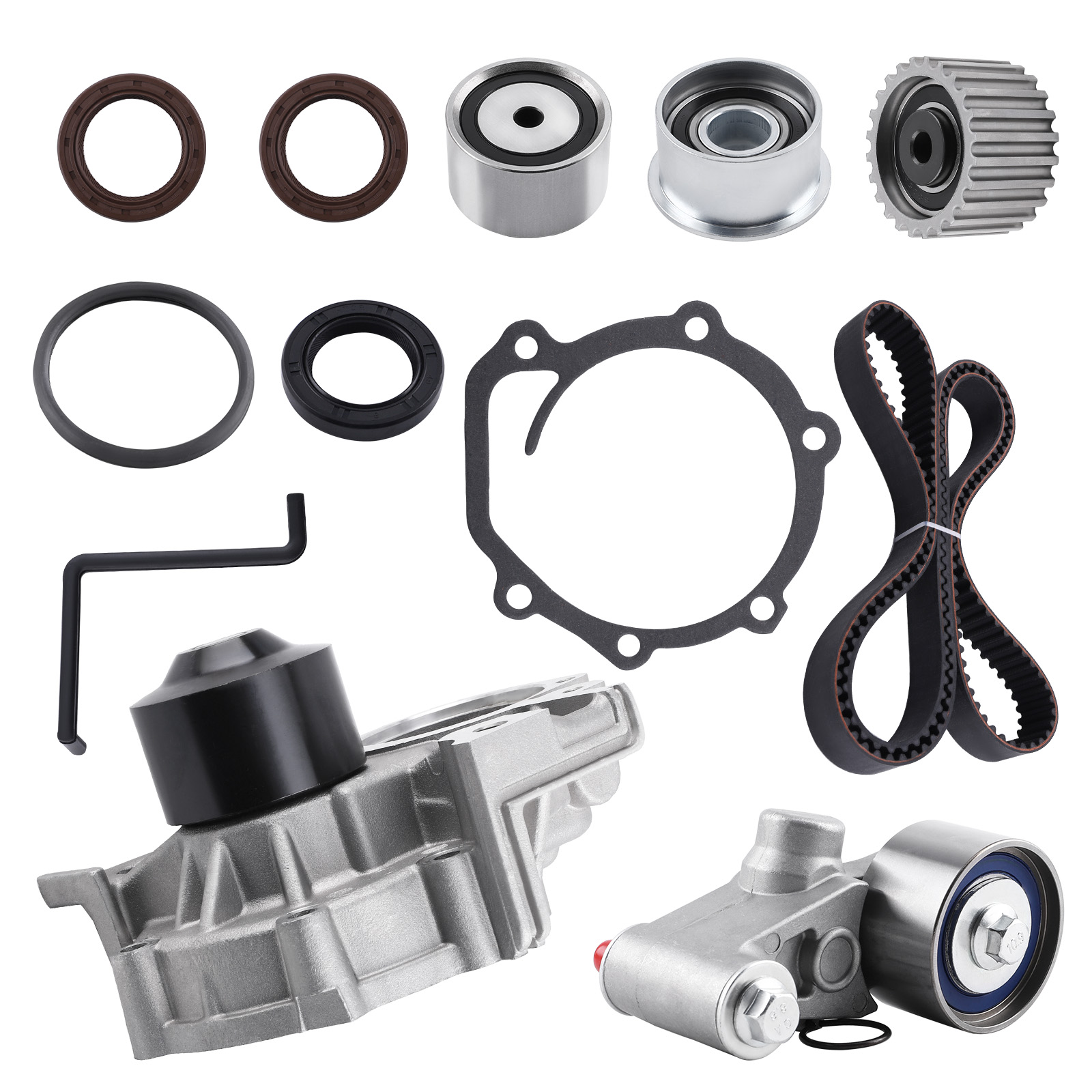 Timing Belt Water Pump Kit fit for Subaru Impreza Forester Outback EJ253 2.5L New$162.99View on Mallflare
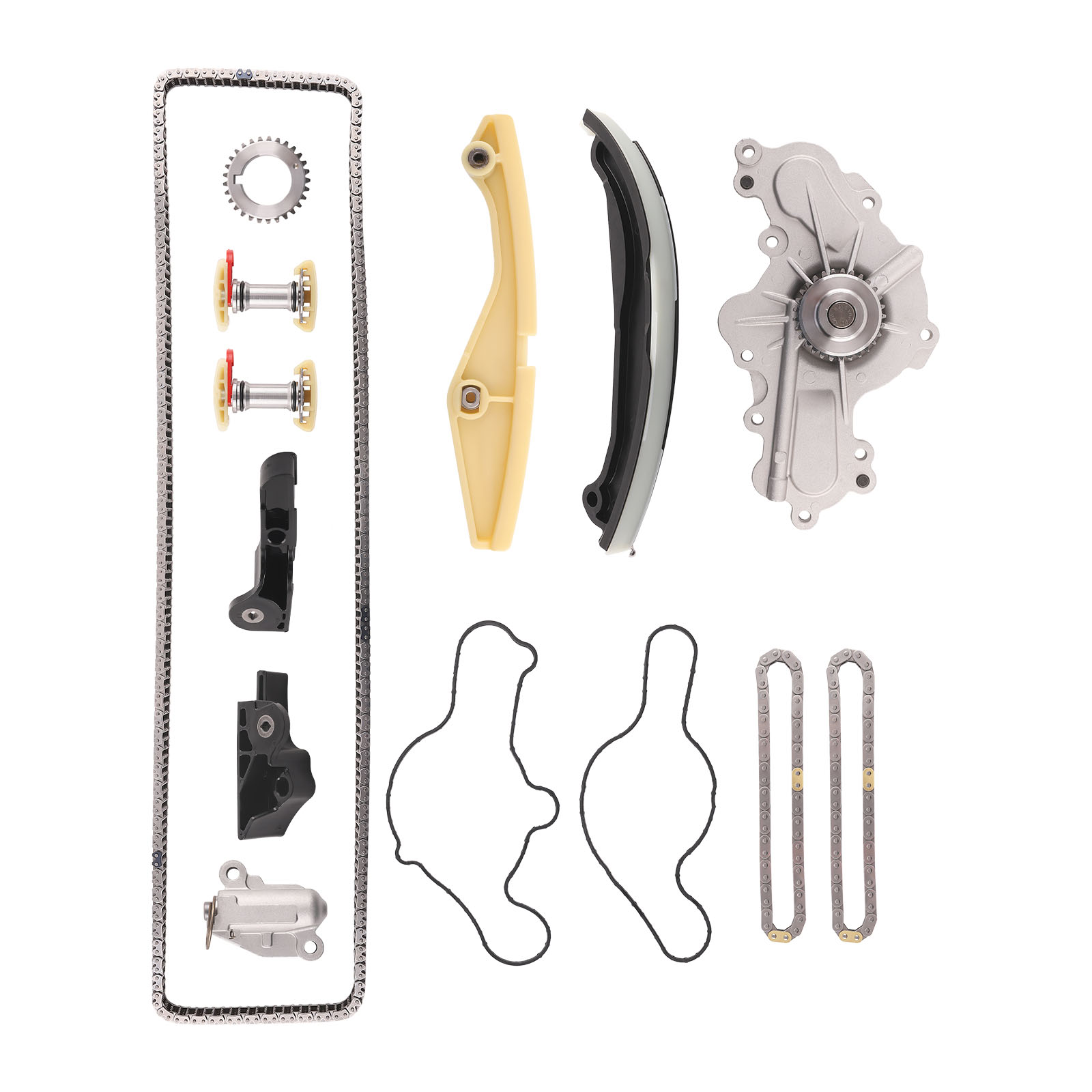 Timing Chain Kit Water Pump fit for Lincoln MKX MKS Ford Taurus Edge Flex 3.5L 3.7L$172.99View on Mallflare
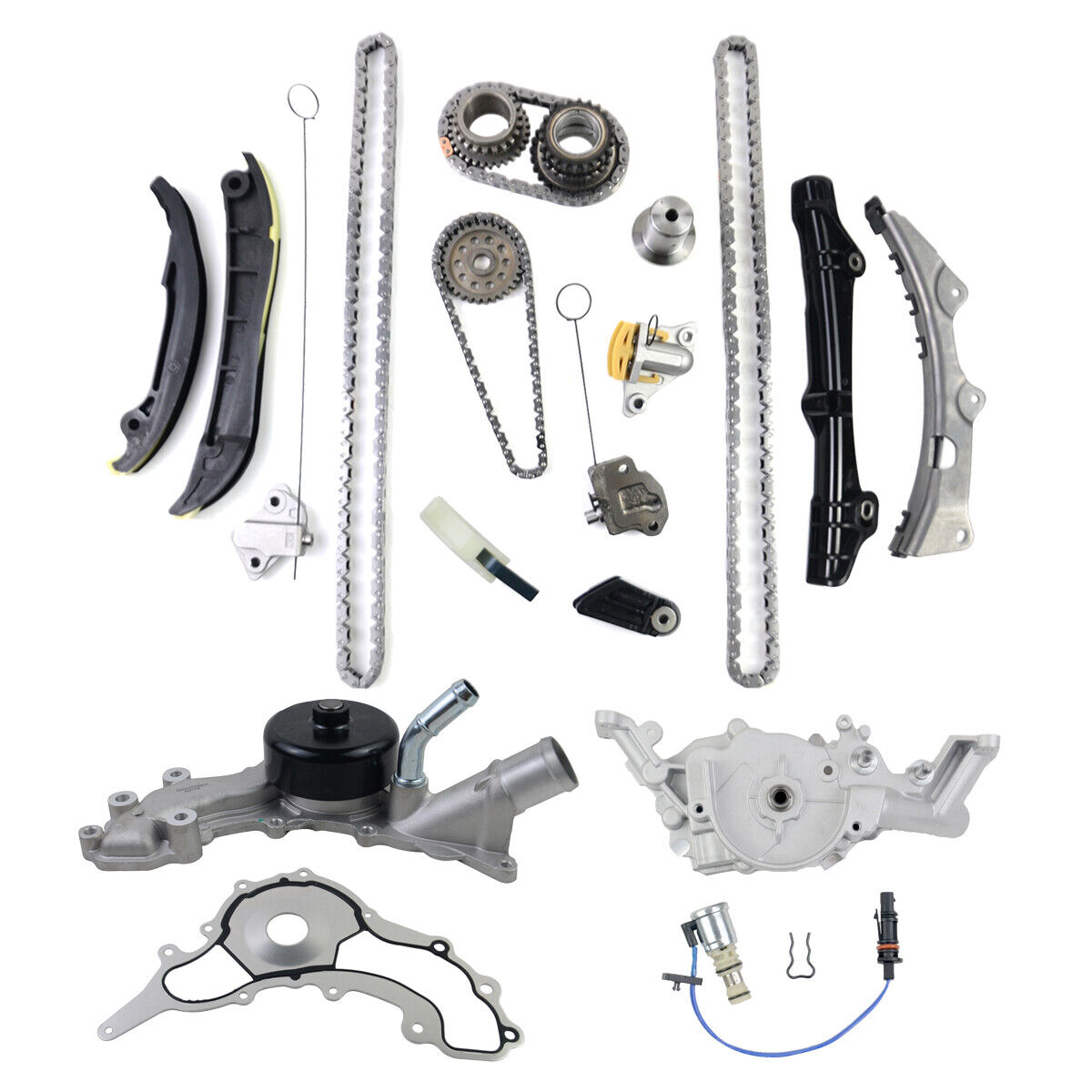 Timing Chain Kit Oil & Water Pump Set Fit 2011-2015 Chrysler Dodge Jeep VW 3.6L$258.99View on Mallflare
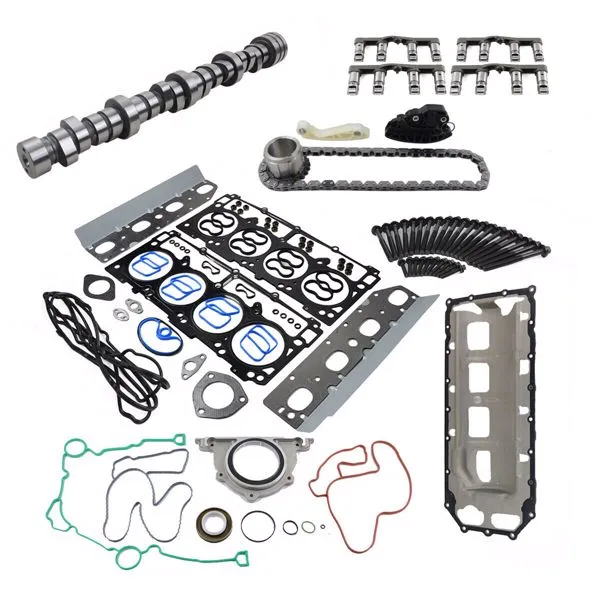 Camshaft MDS Lifters Set for 09-15 Dodge Durango 5.7L V8 Hemi w/ Water Oil Pumps$589.99View on Mallflare
Highlights
- Timing-belt-driven pumps (Honda D16Y7/D16Y8, Subaru EJ253) fail catastrophically if the bearing seizes; kits bundle belt, tensioner, idler, and pump so one labor job covers all wear parts.
- Timing-chain engines (Ford 3.5L/3.7L Cyclone, Chrysler 3.6L Pentastar) usually run the pump off the chain or accessory belt; chain-driven kits include guides and tensioners because chain stretch and pump seepage share the same teardown.
- Impeller material is the durability divider: cast aluminum or reinforced composite resists cavitation and electrolysis; stamped steel or brittle plastic impellers erode, spin on the shaft, or crack and cause overheating.
- Seal and bearing grade separates tiers: OEM-style triple-lip seals with carbon-ceramic faces and sealed dual-row bearings handle the 15-20 psi cap pressure and 200°F+ coolant far better than single-lip economy seals.
Best use cases
- Best fit: 1996-2000 Honda Civic 1.6L (D16Y7/D16Y8) with unknown timing-belt history — buy the full timing-belt-and-water-pump kit; skip a bare pump, since a failed belt on this interference engine bends valves.
- Best fit: Subaru EJ253 2.5L (Impreza, Forester, Outback) at the 105,000-mile belt interval — the kit with belt, tensioner, idlers, and pump covers the whole service; a pump-only purchase leaves aged tensioners and idlers in place.
- Best fit: Ford 3.5L/3.7L Cyclone or Chrysler 3.6L Pentastar with chain noise or coolant seep at the front cover — chain kit plus water pump addresses guides, tensioners, and pump in one teardown; skip it if only the accessory belt-driven pump leaks on a low-mile engine.
- Wrong fit: buying a timing kit for a pure accessory-belt-driven pump application, or buying a bare pump for an interference engine with no belt/chain service records — either mistake doubles labor or risks valve damage.
Buying tips
- Match the kit to the exact engine code, not just displacement: D16Y7 vs D16Y8, EJ253 vs EJ255, and 3.5L vs 3.7L Cyclone use different belt/chain and pump part numbers.
- On timing-belt engines, replace the pump at every belt interval (typically 60,000-105,000 miles) regardless of pump condition — the belt has to come off anyway, and a second teardown costs more than the pump.
- Confirm drive type before ordering: belt-driven, chain-driven, or accessory-belt-driven pumps are not interchangeable, and kits that include oil pumps or MDS lifters (Chrysler/Dodge 5.7L Hemi) serve a different repair scope.
- Choose cast-aluminum or reinforced-composite impellers over stamped steel; verify the kit includes a new gasket or O-ring and, on chain engines, the front cover seal.
Specs
| Drive Type | Timing belt / chain / accessory belt |
|---|---|
| Impeller Material | Cast aluminum / composite / stamped steel |
| Seal Grade | Triple-lip OEM vs single-lip economy |
| Kit Scope | Pump-only vs belt/chain + tensioner kit |
Related searches
What to check before buying
- Record the engine code and model year from the door jamb or engine tag — kits are validated by engine family (D16, EJ253, Cyclone 3.5/3.7, Pentastar 3.6) and mismatch causes belt/chain and pump fit failures.
- Confirm whether the pump is driven by the timing belt, timing chain, or accessory belt on your exact engine; this determines whether a kit or a bare pump is the correct purchase.
- Check coolant type and system capacity for your model (OAT vs HOAT, premixed vs concentrate) so the refill after installation matches the manufacturer's specification.
- Inspect the timing cover, front seal, and thermostat housing area for existing seepage or play — bundled kits assume a full front-end teardown, so address adjacent seals while access is open.
FAQ
Data sources: eBay / Amazon listings and product attribute feeds Data updated Nov 15, 2026.
Some links on this page are affiliate links. If you buy after clicking one, we may earn a commission at no extra cost to you. This does not change which products appear here or their order. Affiliate disclosure.