Photos from current listings. Actual item, color, and included accessories may vary.
Exhaust Manifold Buying Guide
Exhaust manifolds route hot combustion gas from the cylinder head to the downpipe or turbo, and the key trade-off is cast iron durability/crack resistance versus tubular stainless flow and weight. Buy the stock-replacement cast unit for daily reliability, or a thick-wall 304 stainless header only if you accept retorquing and heat-wrap maintenance.
Material Grade:Cast iron vs 304 stainlessFlange Thickness:9.5 mm+ (3/8 in) machinedPrimary Diameter:1.5–2.0 in by displacementFitment Basis:Engine code + port shape
Typical price range$56.99 – $375.99

At a glance
- Category
- Engine, Exhaust & Fuel System Parts
- Data updated
- Nov 15, 2026
Current offers
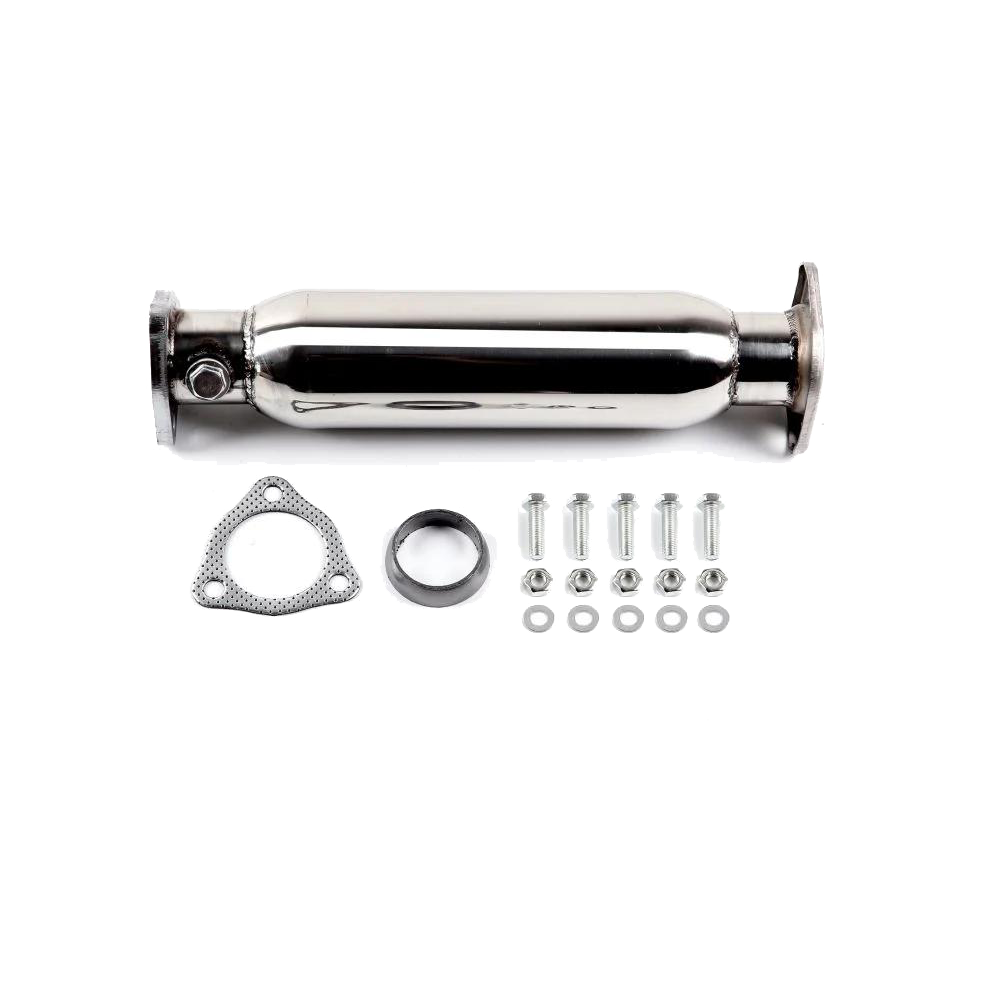 Exhaust Manifold Headers Honda 1990-2001 Acura Integra 1988-1991 CRX Civic 1993-1997 Del Sol 2.25'$56.99
 View on Mallflare
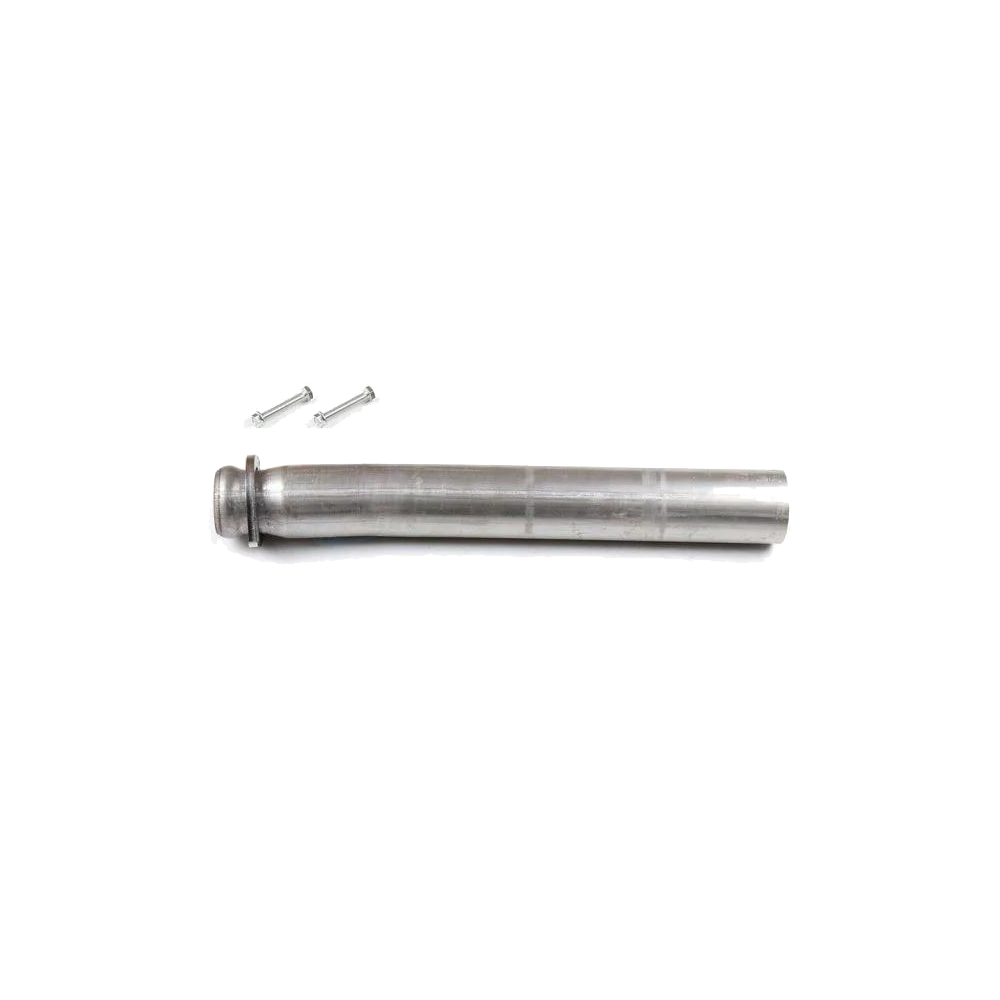 Exhaust Manifold Headers FORD 2003-2007 6.0L F250 F350 Super Duty$68.99View on Mallflare
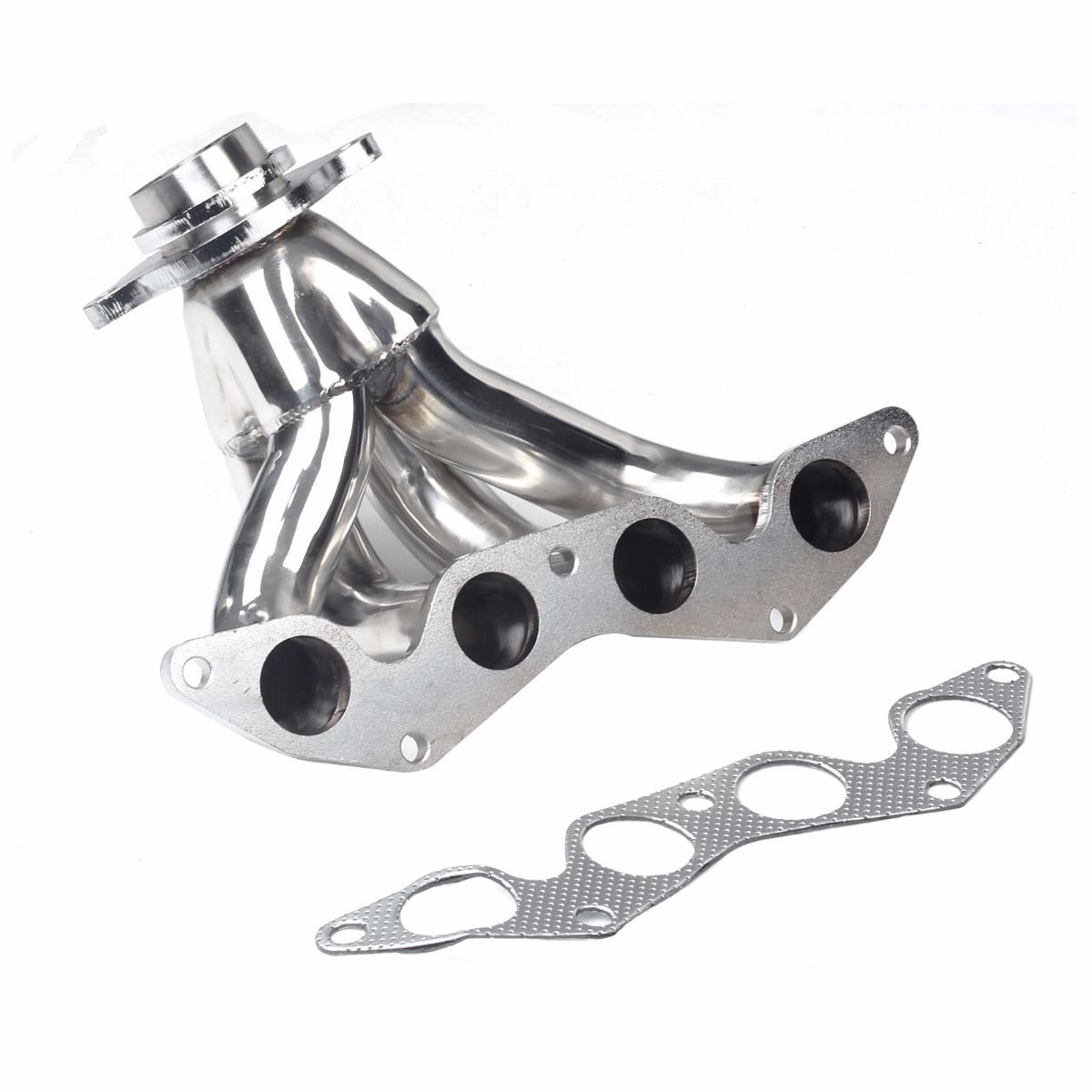 Exhaust Manifold Header For Civic EX 2001-2005$85.99View on Mallflare
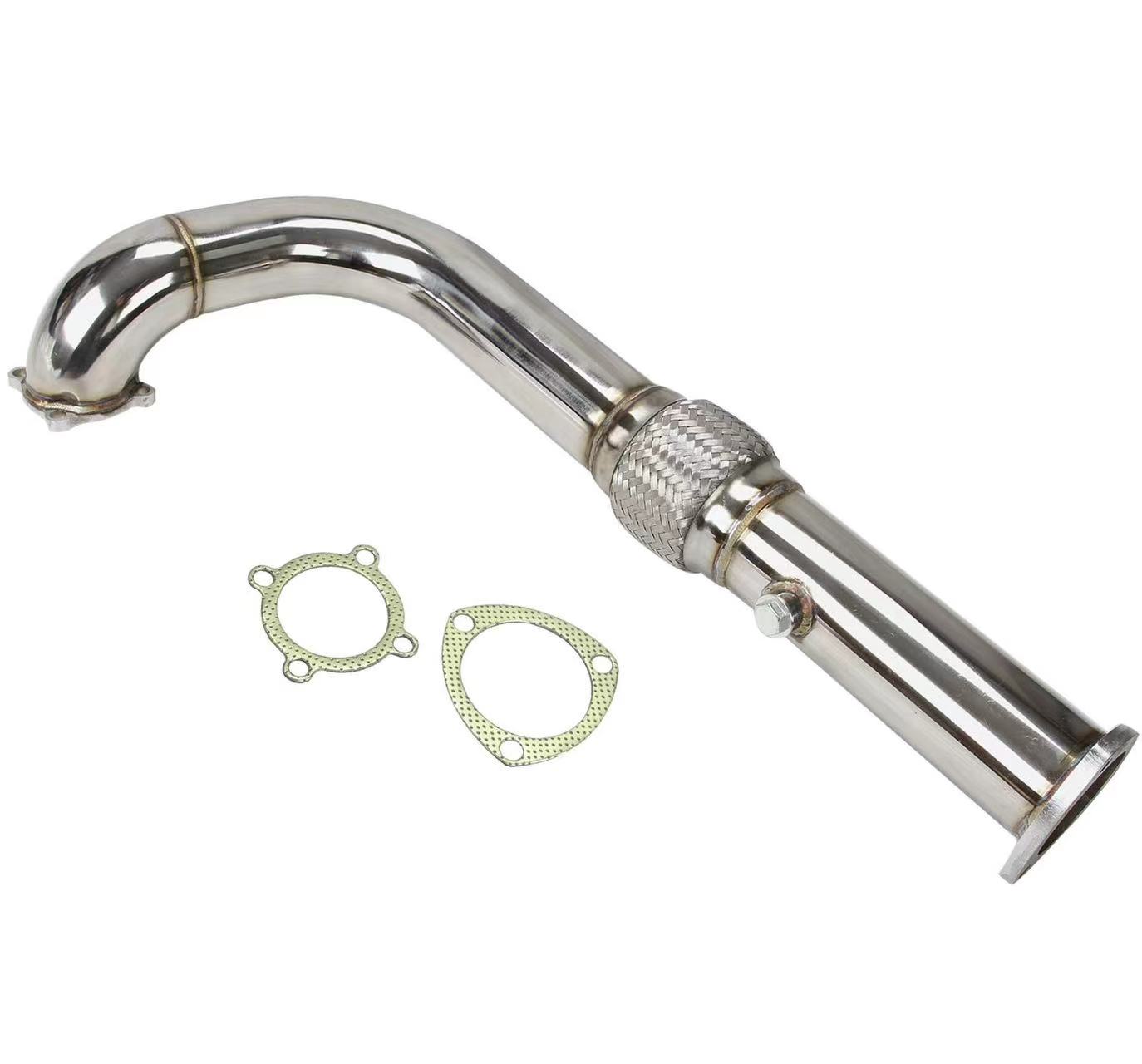 Exhaust Manifold Headers Fit For Subaru GT35 GT35R 3' T3$89.99View on Mallflare
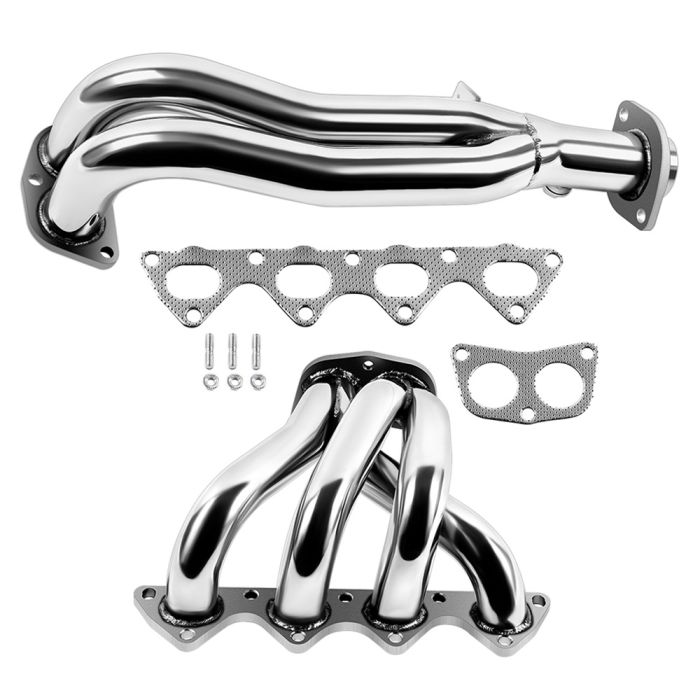 1994-2001 Acura Integra 1.8L Exhaust Manifold Racing Header Stainless Steel$95.99View on Mallflare
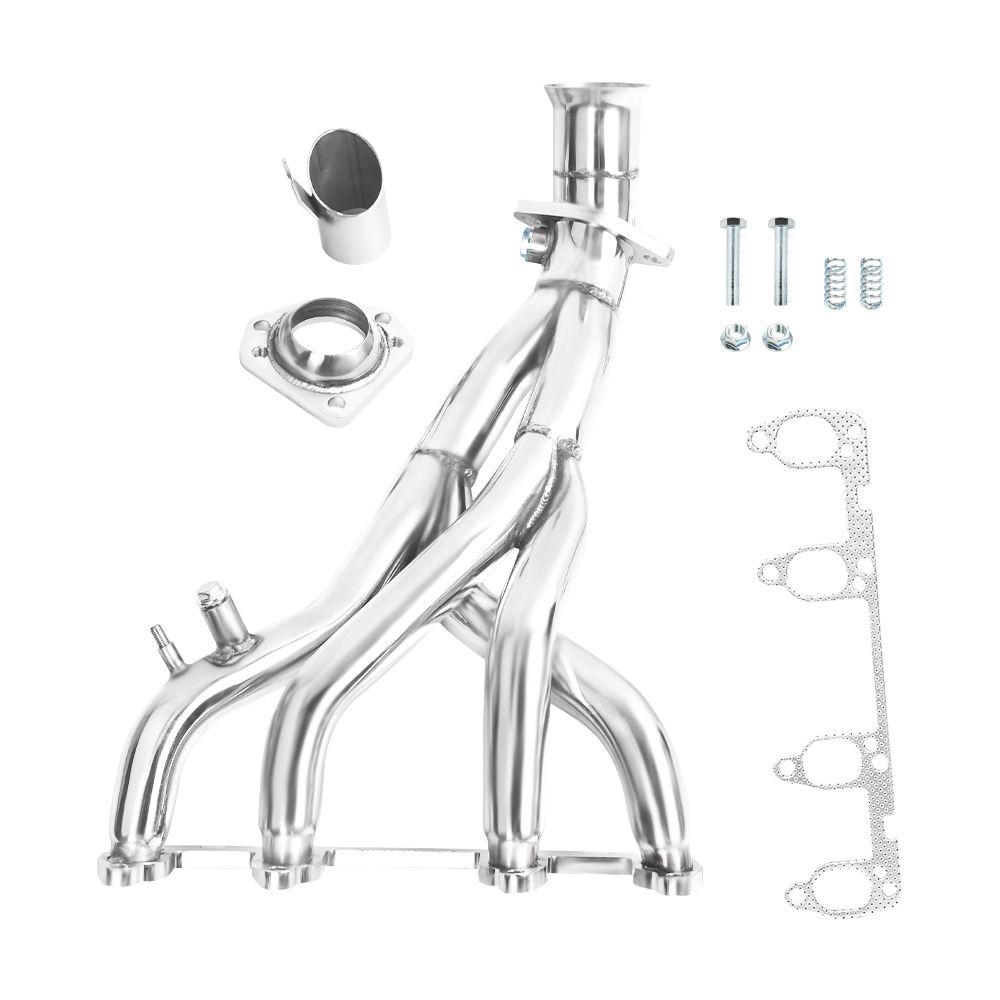 Exhaust Manifold Headers VW 1985-1998 Golf GTI Jetta 1.8L 2.0L 8V Mk2 Mk3$115.99View on Mallflare
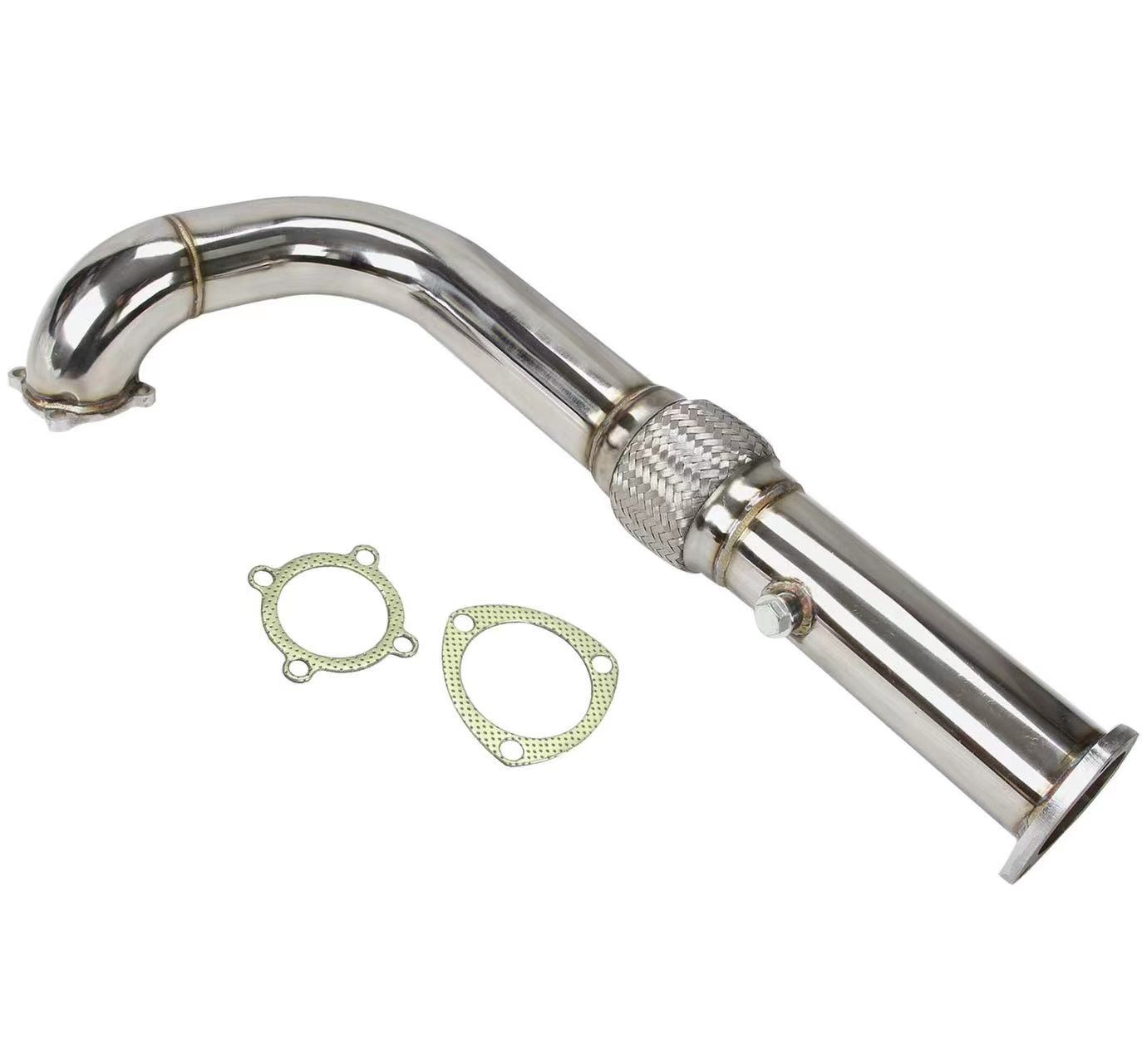 Exhaust Manifold Headers Fit For Subaru GT35 GT35R 3" T3 MT001132$118.99View on Mallflare
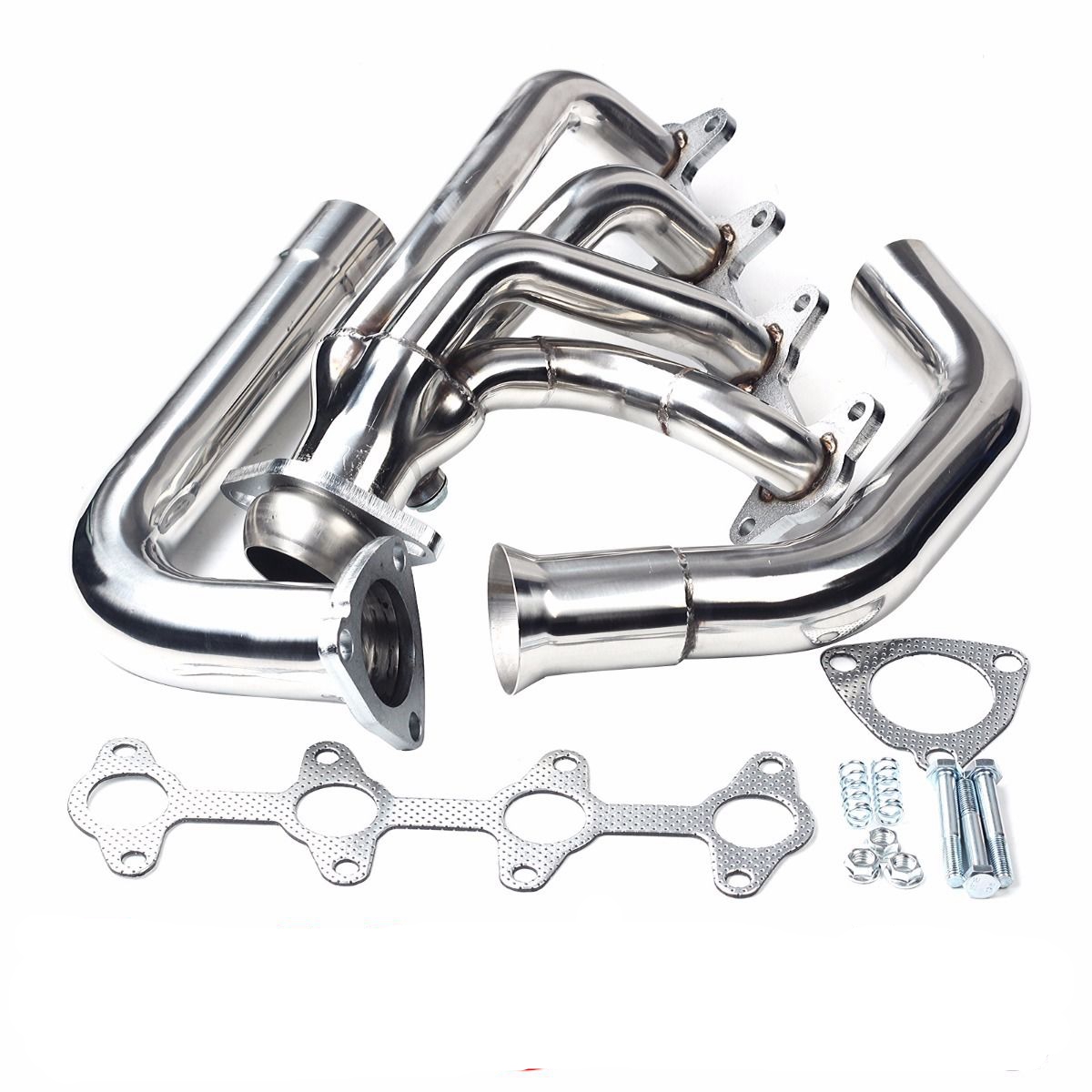 Exhaust Manifold Header For S10 GMC Sonoma 94-03 2.2L$118.99View on Mallflare
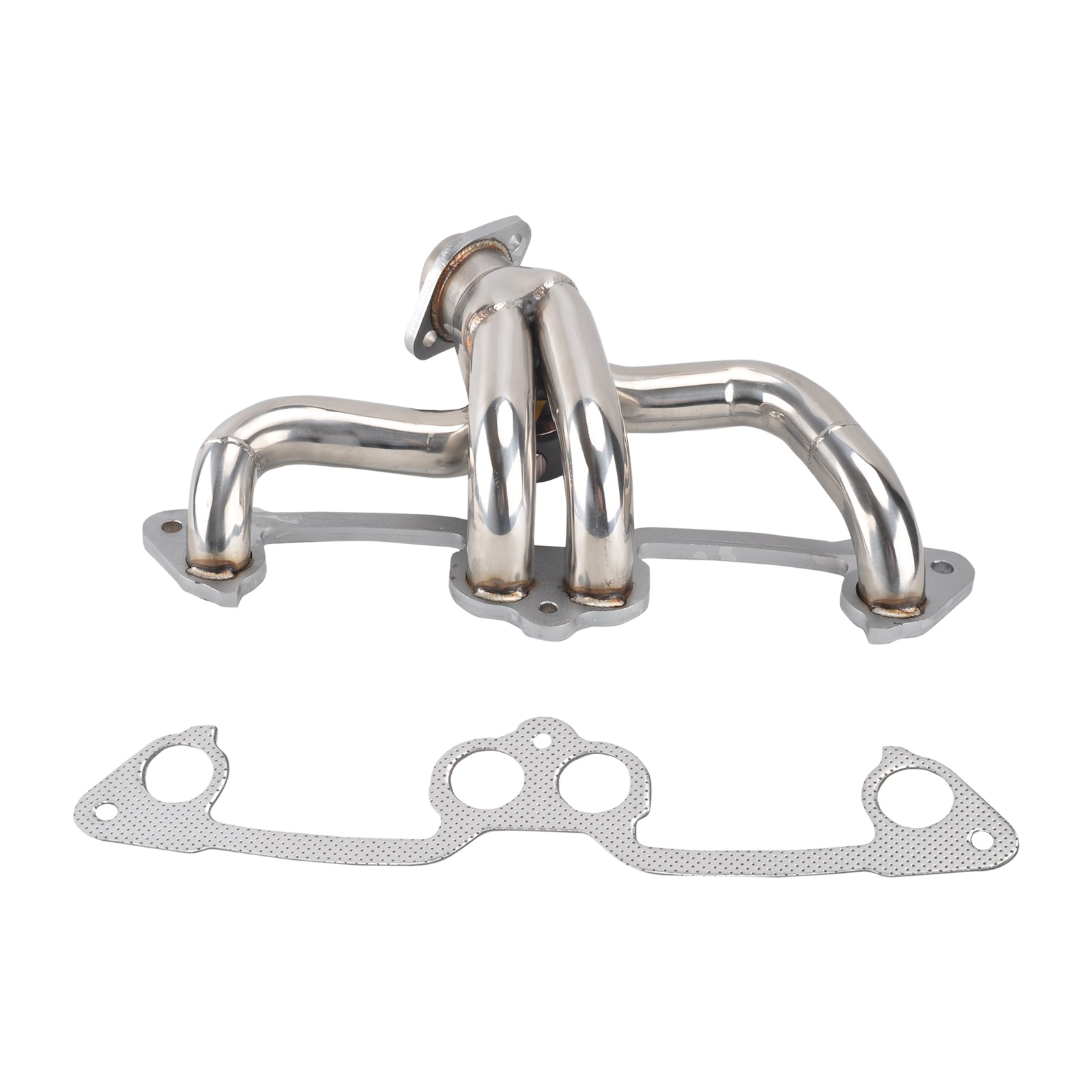 Exhaust Manifold Fits Wrangler,TJ Wrangler,YJ 2.5L L4 1991-2002$119.99View on Mallflare
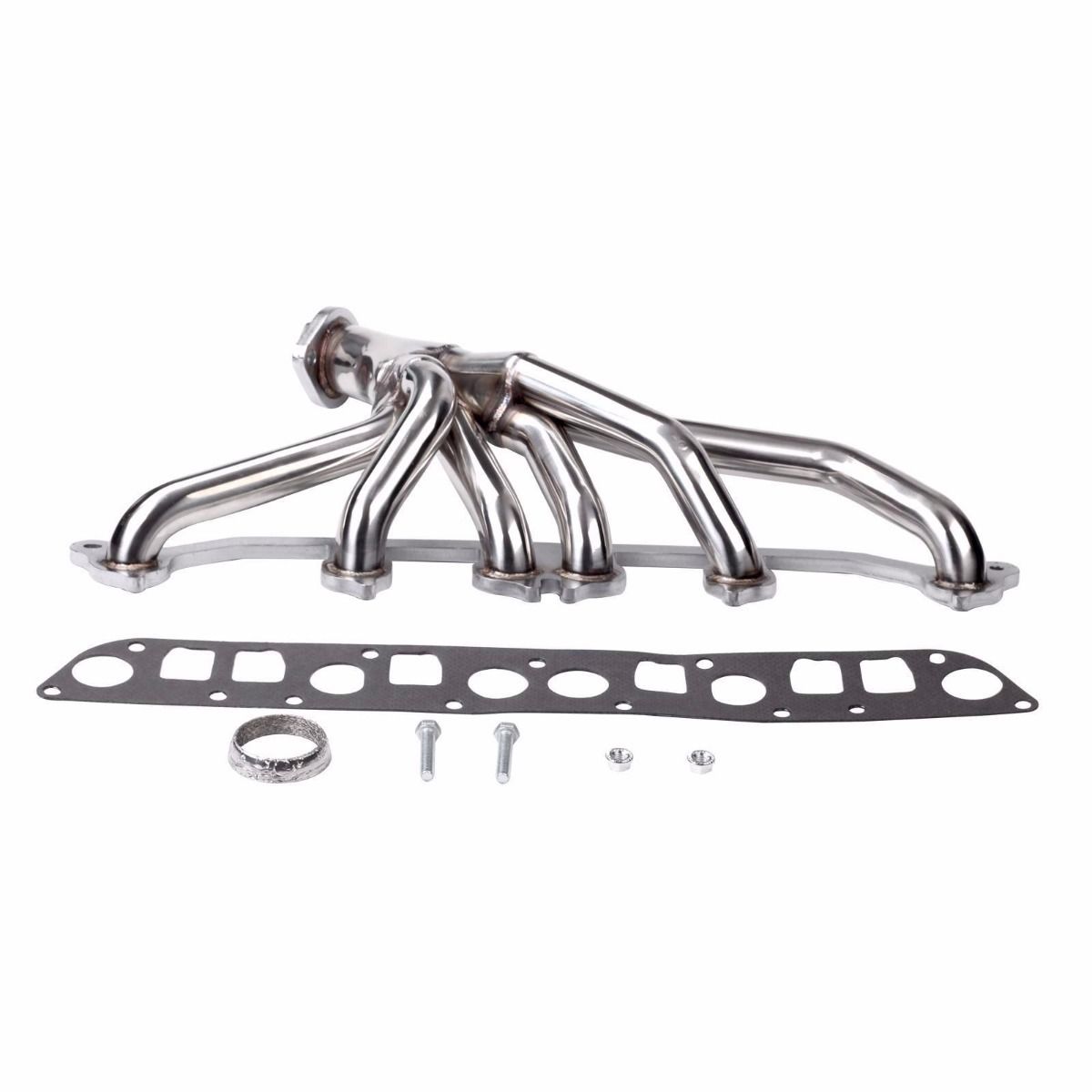 Exhaust Manifold Jeep 91-99 Wrangler Cherokee 4.0L TJ YJ XJ$122.99View on Mallflare
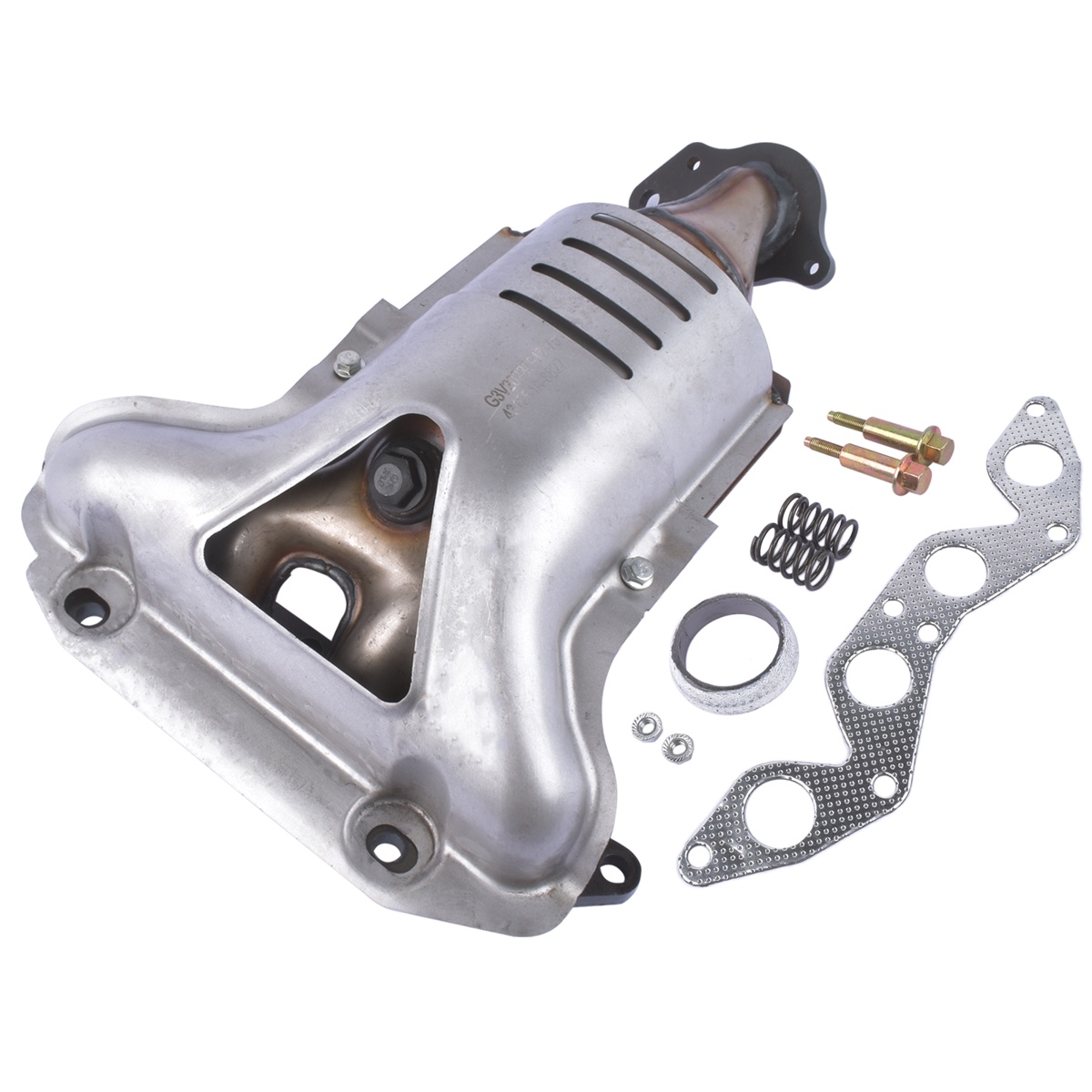 673-608 Catalytic Converter Exhaust Manifold for Honda Civic DX LX CX HX 1.7L 2001-2005 18160-PLM-A50 18160-PLM-A00$140.99View on Mallflare
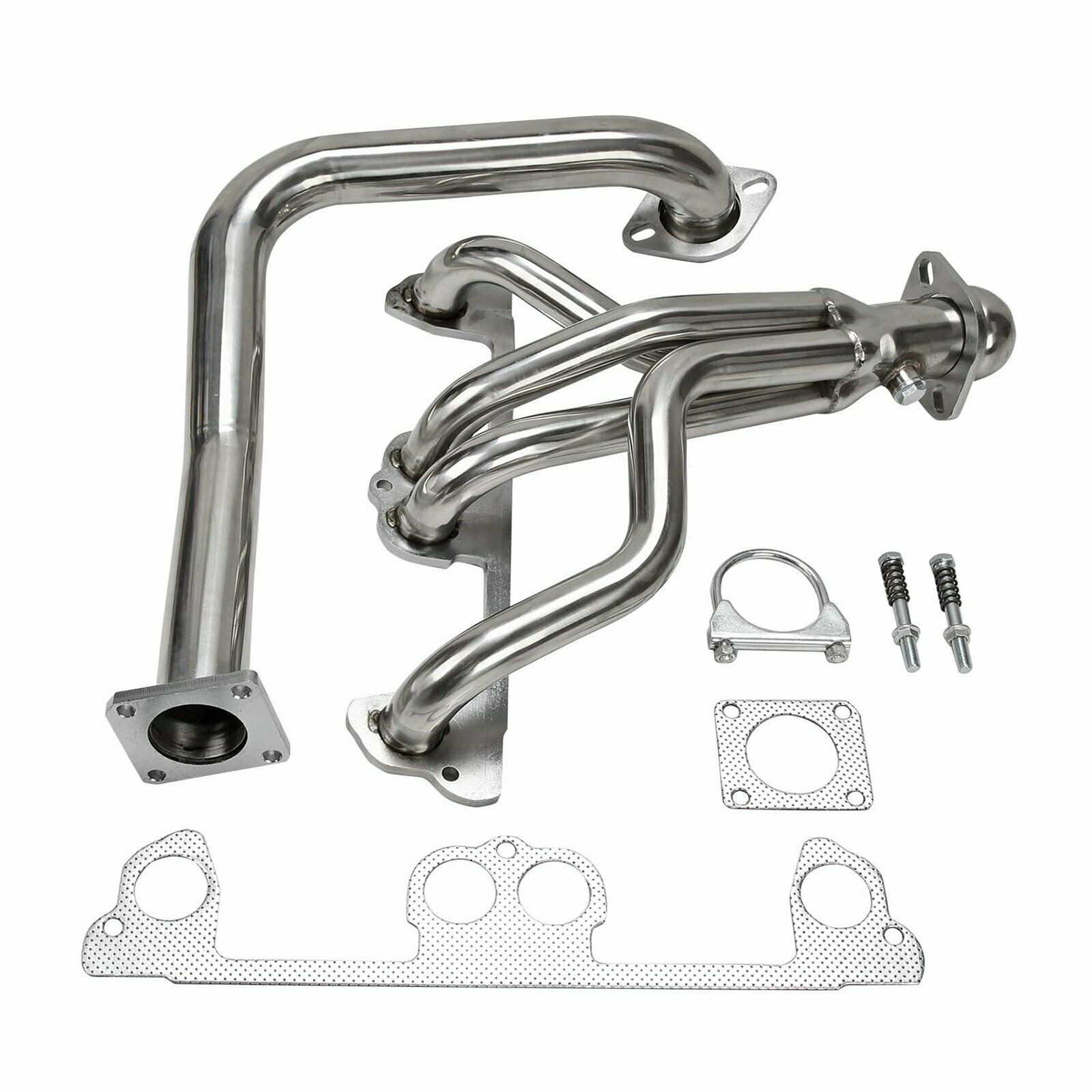 J.eep Wrangler YJ 1991-1995 2.5L L4 Exhaust Manifold Header W&Downpip$143.99View on Mallflare
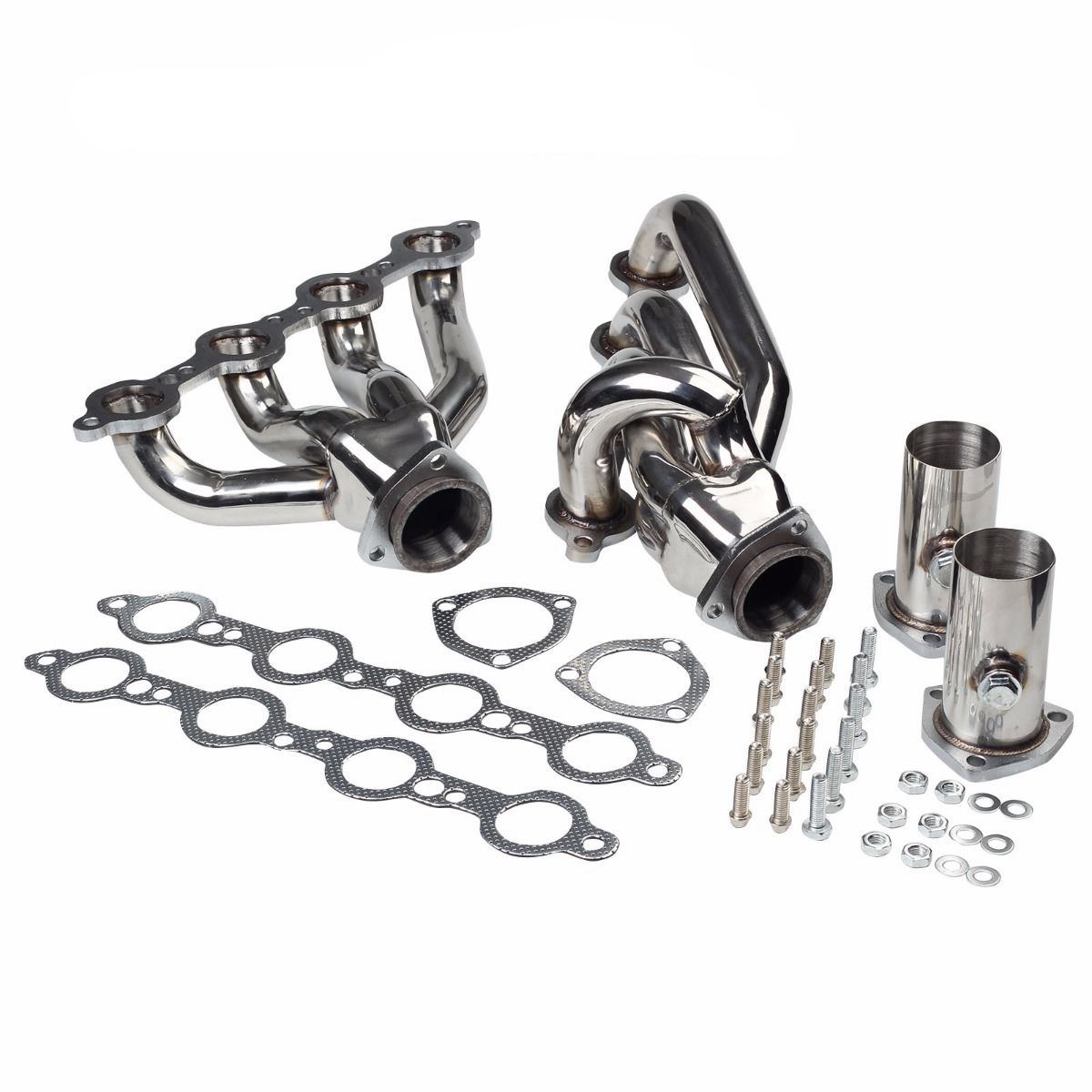 Exhaust Manifold Header For Chevy S10 Blazer LS1 Sonoma Engine 82-04$148.99View on Mallflare
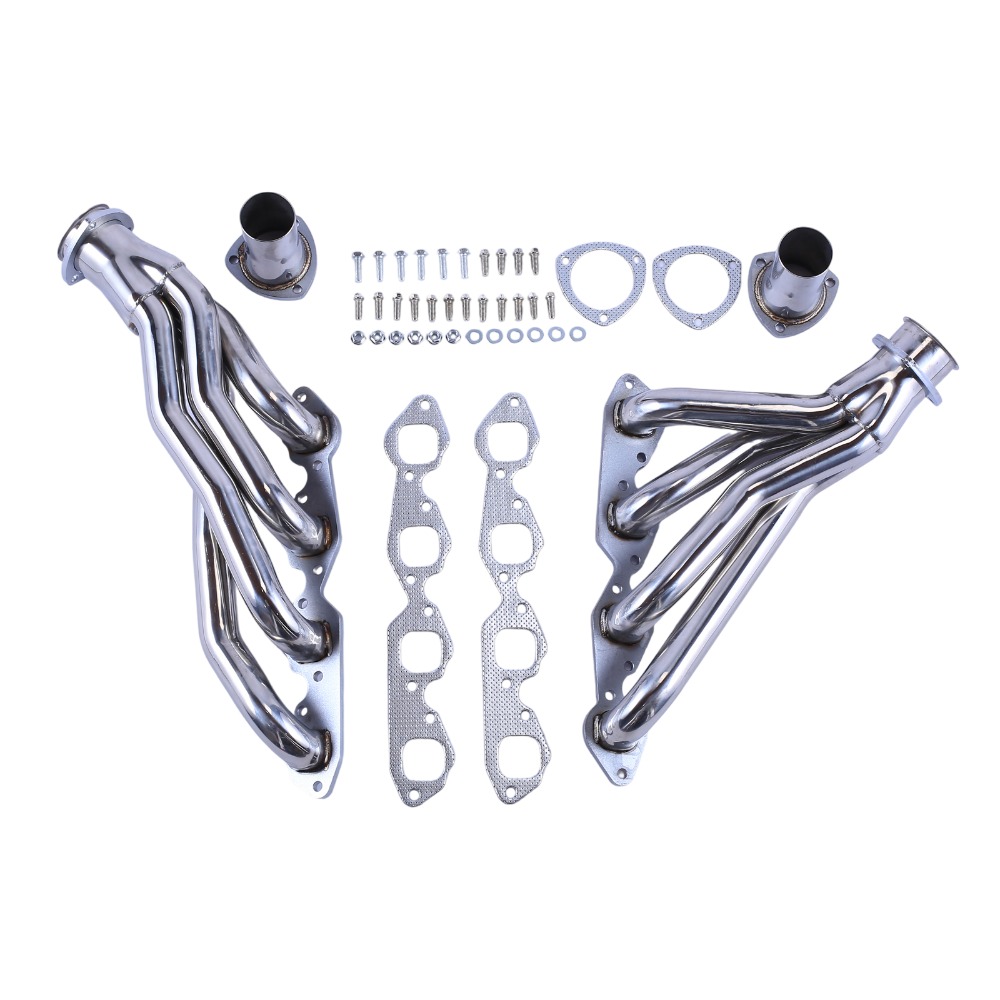 Exhaust Manifold Header For Chevy GMC V8 396 402 427 454 502$152.99View on Mallflare
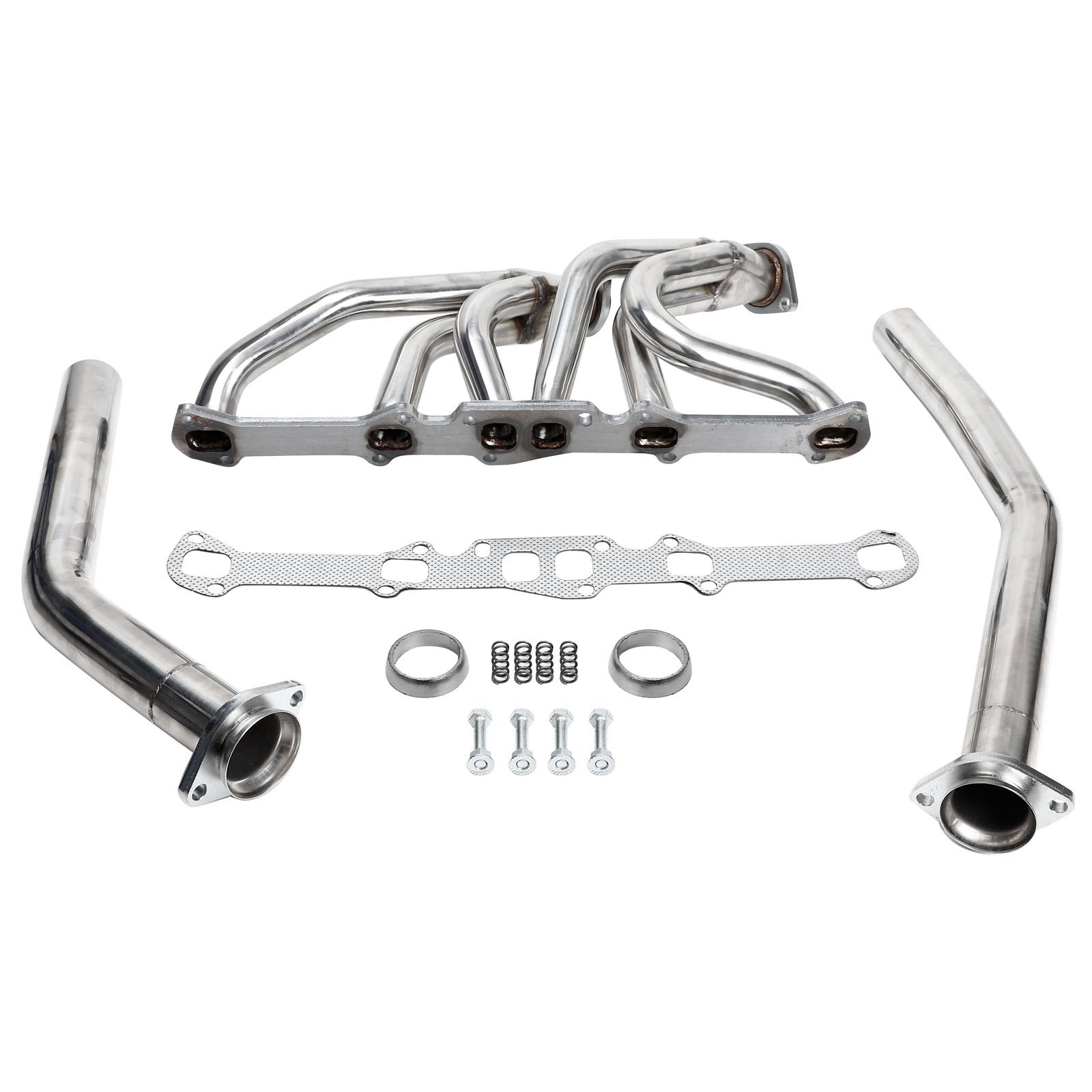 FOR FORD,MERCURY L6 144 170 200 250 CID HEADER EXHAUST MANIFOLD$158.99View on Mallflare
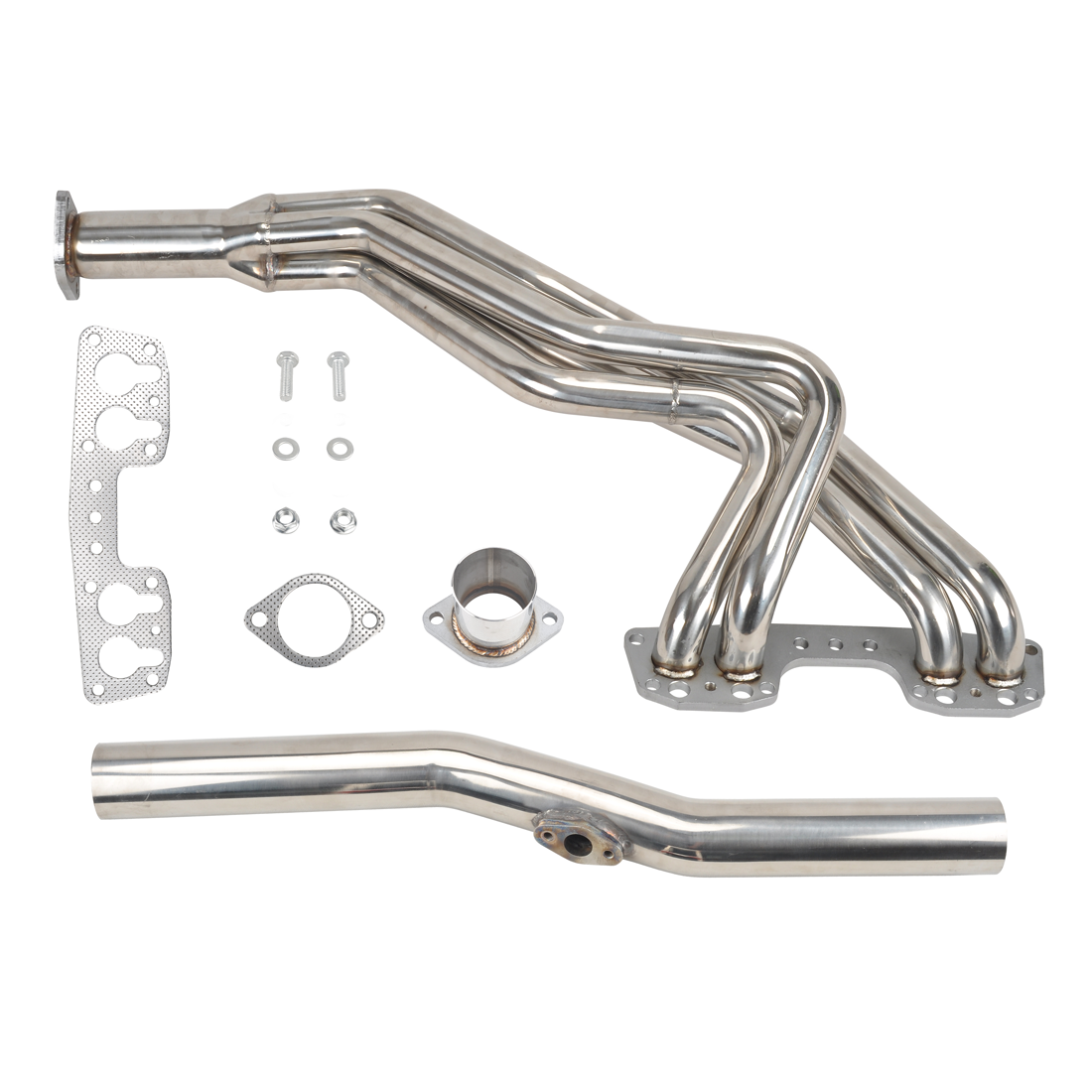 Exhaust Manifold Header For Toyota 1975-1980 Celica Pickup 1975-1983 Hilux 2.2L$158.99View on Mallflare
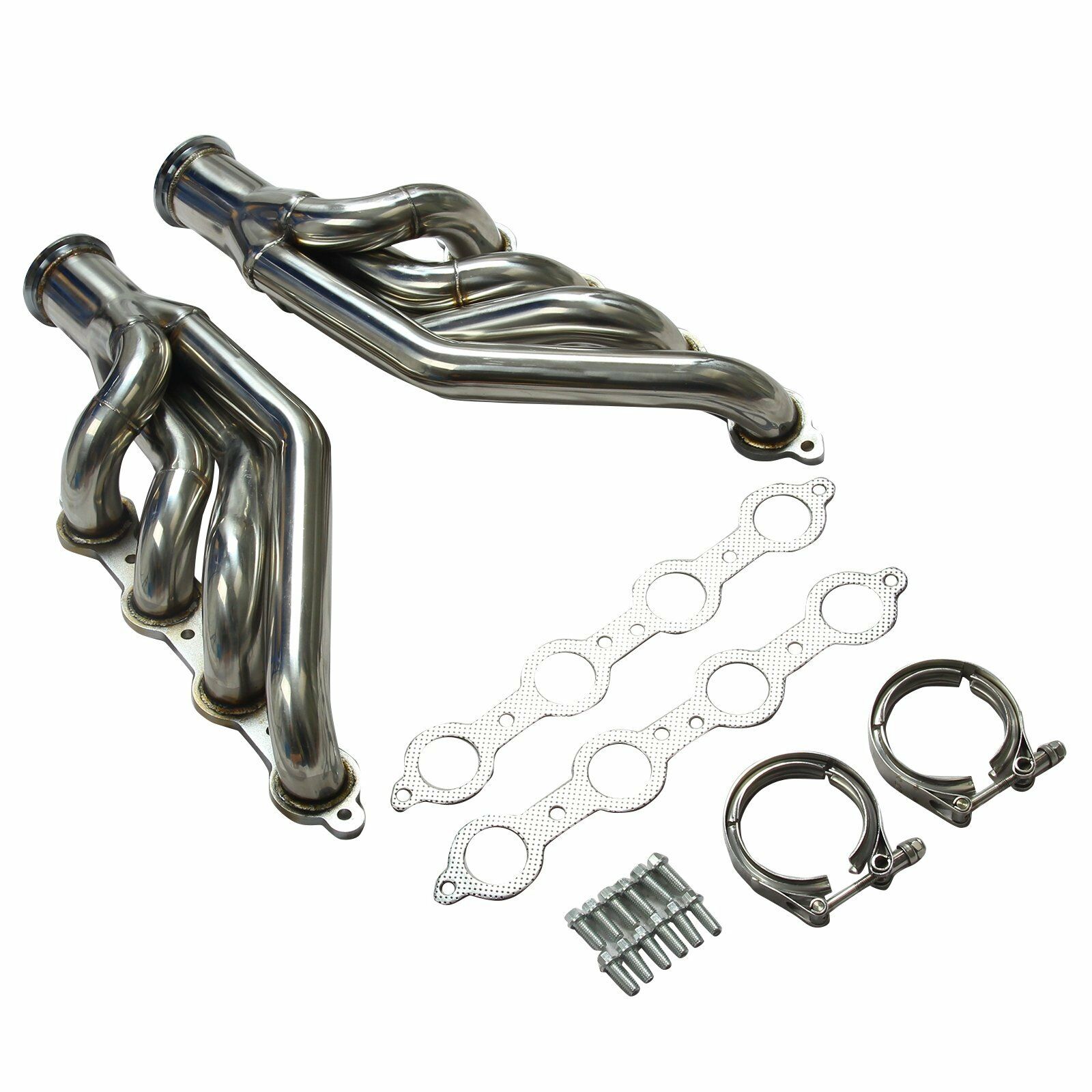 Exhaust Manifold Headers For 97-14 Chevy Small Block V8 Ls1 Ls2 Ls3 Ls6$165.99View on Mallflare
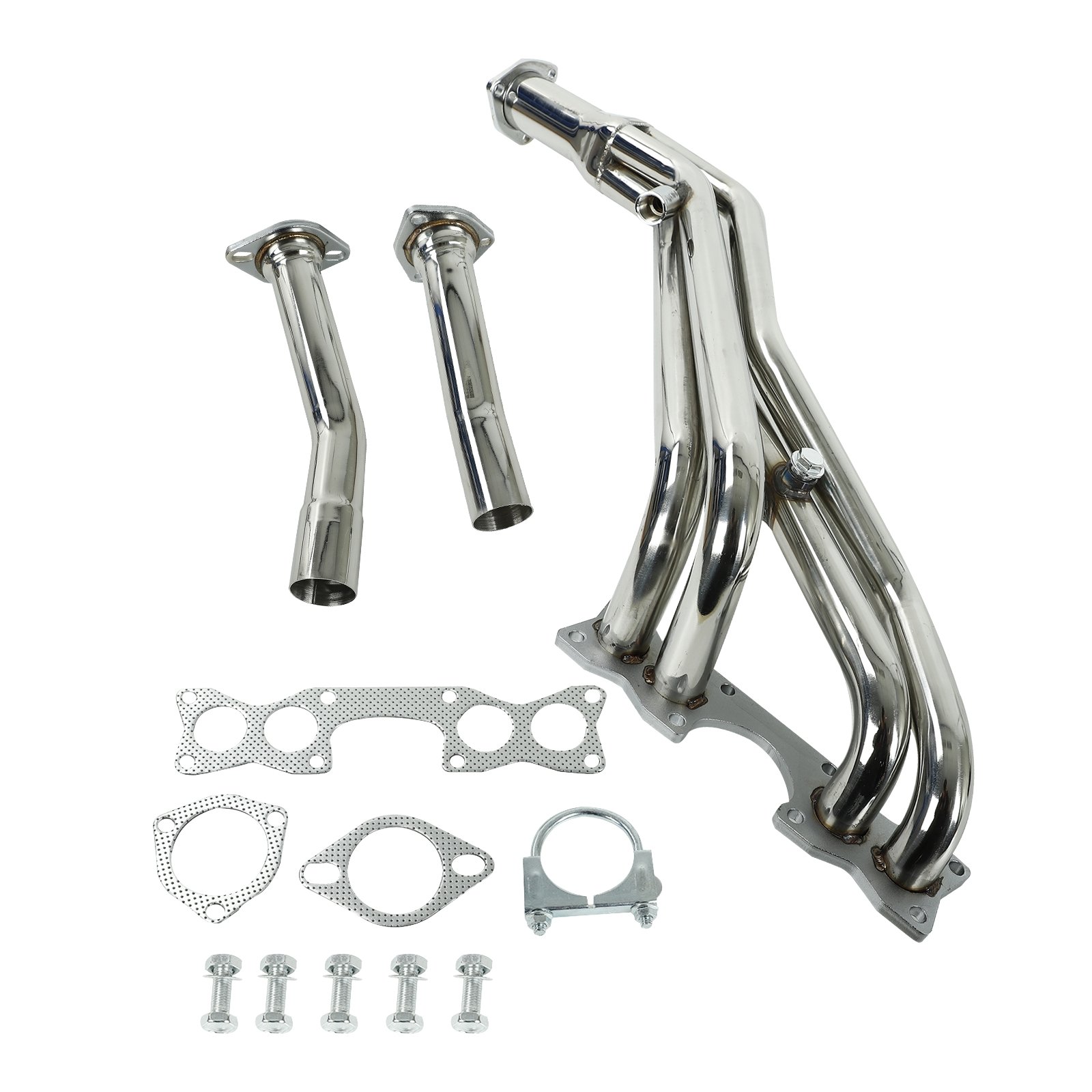 Exhaust Manifold Header FITS Nissan D21 Hardbody 1990-1995 Pickup Truck 2.4L 4WD$172.99View on Mallflare
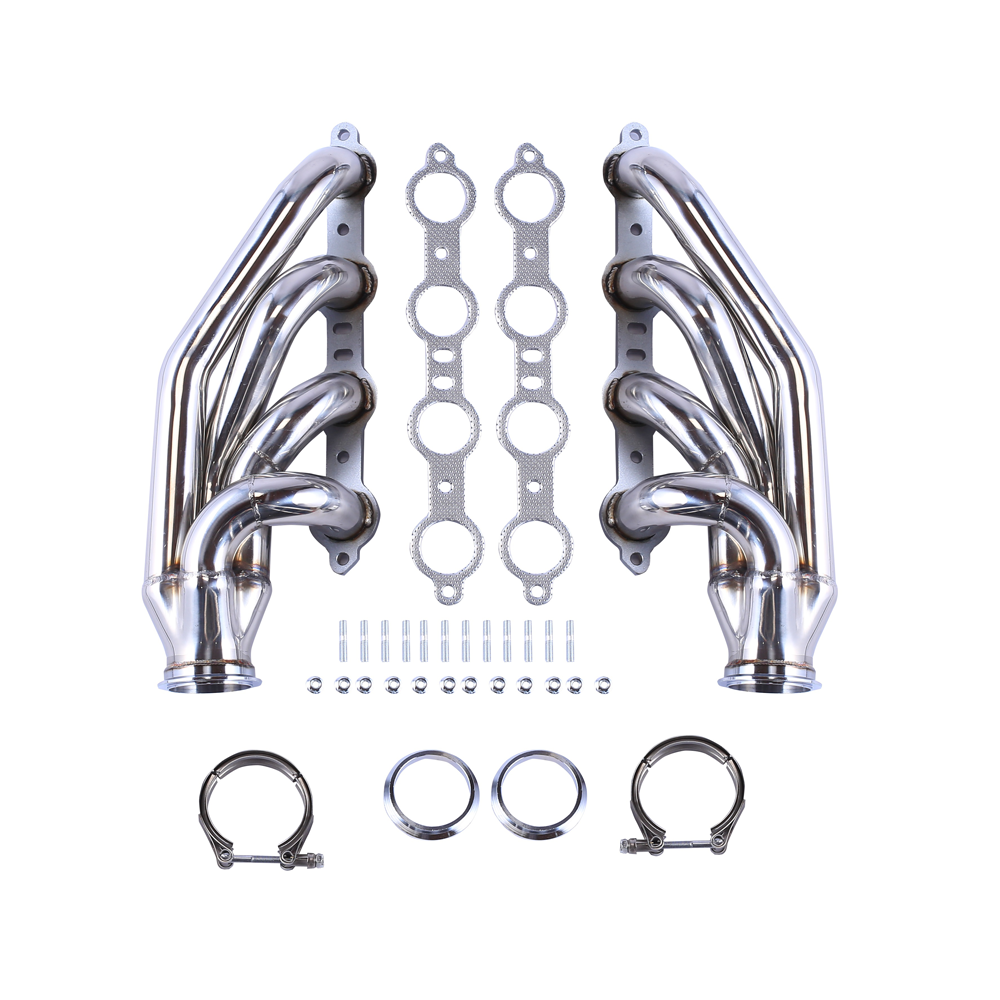 Exhaust Manifold Header For Chevy LSX LS1 LS2 LS3 LS6 1-3,4$174.99View on Mallflare
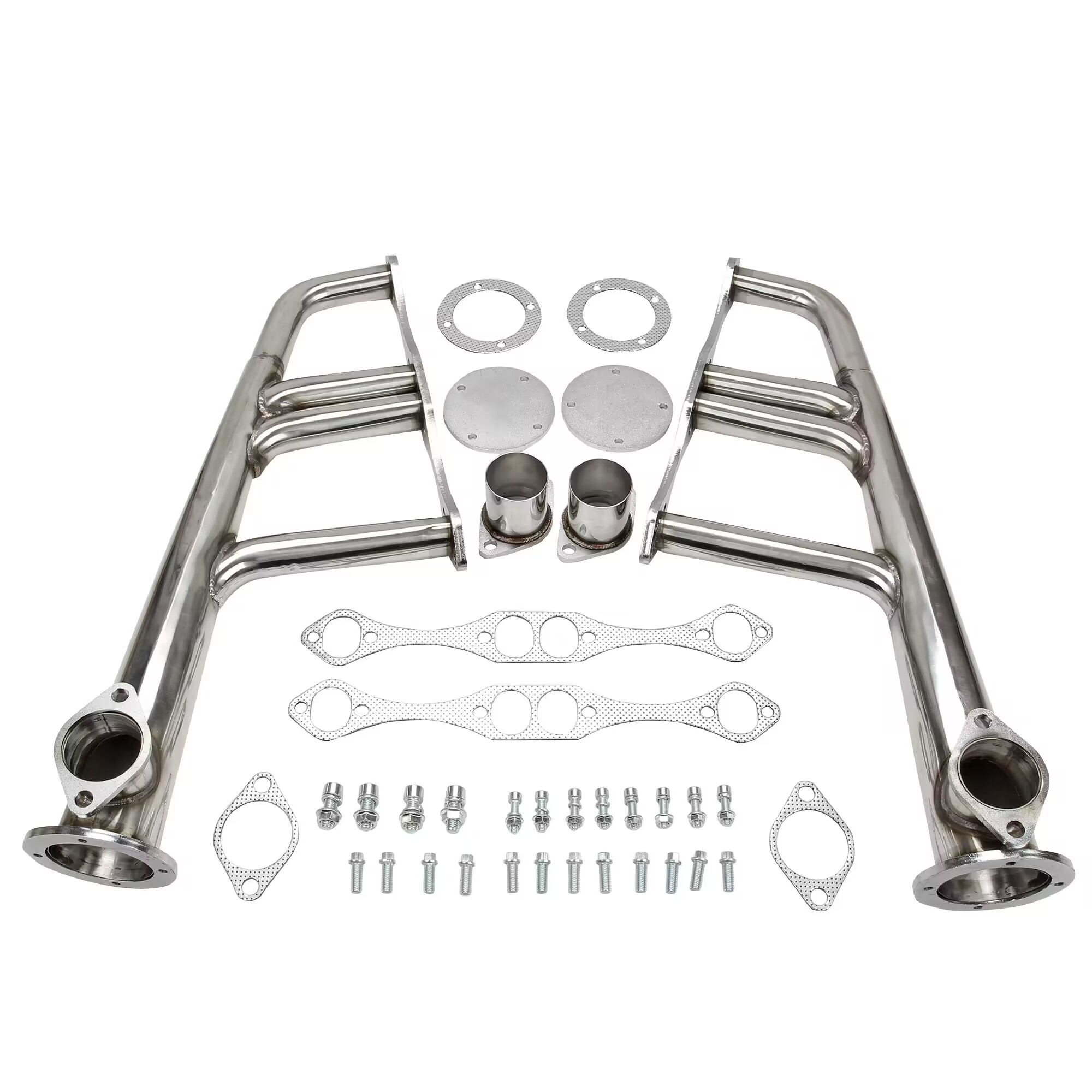 Exhaust Manifold Headers Small Block Chevy Lake Style SBC 265-400 V8$174.99View on Mallflare
Highlights
- Cast iron log manifolds resist heat cycling and cracking for 100k+ miles; cheap thin-wall tubular headers crack at weld seams under 1,400°F+ exhaust pulses.
- 304 stainless (18% chromium, 8% nickel) headers outlast 409 or mild-steel painted units; 16-gauge wall (approx 1.5 mm) minimum for boost or track use.
- Flange thickness matters: 3/8-inch (9.5 mm) or thicker machined flanges stay flat; stamped 1/4-inch flanges warp and leak at gaskets.
- Equal-length tubular designs improve scavenging for high-RPM power; log/shorty manifolds preserve low-end torque and OEM emissions fitment.
Best use cases
- Daily driver or emissions-inspected vehicle: choose stock-fit cast iron or CARB-compliant shorty manifold with OEM flange pattern; skip long-tube race headers.
- Turbo build (e.g., GT35/T3 flange Subaru): pick a schedule-10 304 stainless T3 manifold with 3/8-inch flange and brace; skip thin eBay log manifolds.
- Jeep 4.0L or 2.5L off-road use: fit a reinforced cast replacement or thick-wall shorty; skip equal-length long-tube headers that hang low and crack on trails.
Buying tips
- Match engine code and port shape exactly: Honda D16/B18, Ford 6.0L Power Stroke, Jeep 4.0L, VW 8V, and GM 2.2L have distinct flange bolt patterns that do not interchange.
- For boost, use 304 stainless with 1.5 mm+ wall and a flex joint or brace; cast iron is preferred for stock replacement because it expands uniformly and resists cracking.
- Header primary diameter rule: 1.5–1.625 inch primaries suit 1.6–2.0L naturally aspirated; 1.75–2.0 inch primaries for 2.5L+ or forced induction; too-large primaries kill low-end torque.
- Collector and downpipe flange must match: 2.25-inch for mild builds, 2.5–3.0-inch for turbo; verify T3, T4, or V-band pattern before ordering.
Specs
| Material Grade | Cast iron vs 304 stainless |
|---|---|
| Flange Thickness | 9.5 mm+ (3/8 in) machined |
| Primary Diameter | 1.5–2.0 in by displacement |
| Fitment Basis | Engine code + port shape |
Related searches
 exhaust manifoldchevrolet exhaust manifoldford exhaust manifoldjeep wrangler exhaust manifold2007 jeep wrangler exhaust manifoldhonda civic exhaust manifoldjeep exhaust manifoldbmw exhaust manifolddodge exhaust manifoldhonda exhaust manifoldnissan exhaust manifoldtoyota exhaust manifoldacura exhaust manifoldchevrolet camaro exhaust manifoldford mustang exhaust manifoldgmc exhaust manifoldvolkswagen exhaust manifoldvolkswagen jetta exhaust manifold
What to check before buying
- Measure cylinder head port height and bolt spacing; confirm gasket part number matches your engine code and year range.
- Verify downstream exhaust diameter and sensor bungs (O2, EGT) match your ECU and emissions hardware.
- Check hood and firewall clearance for long-tube or equal-length runners; shorty manifolds fit stock engine bays.
- Confirm material grade and flange thickness in millimeters; 304 stainless and 9.5 mm+ flanges are the durability threshold.
FAQ
Data sources: eBay / Amazon listings and product attribute feeds Data updated Nov 15, 2026.
Some links on this page are affiliate links. If you buy after clicking one, we may earn a commission at no extra cost to you. This does not change which products appear here or their order. Affiliate disclosure.