Photos from current listings. Actual item, color, and included accessories may vary.
Catalytic Converter Buying Guide
Catalytic converters are emissions-control devices that use a ceramic or metallic substrate coated with precious metals to convert harmful exhaust gases into less harmful ones. The primary trade-off is between direct-fit OEM-replacement units (guaranteed bolt-on fit and EPA compliance) and universal weld-in units (cheaper but require fabrication and offer no fitment guarantee). The clear decision rule: for any street-driven vehicle, buy a direct-fit converter rated for your emissions standard (EPA OBDII or CARB); only consider universal weld-in for off-road or custom builds where you can verify substrate size and backpressure specs.

At a glance
- Category
- Engine, Exhaust & Fuel System Parts
- Data updated
- Nov 15, 2026
Current offers
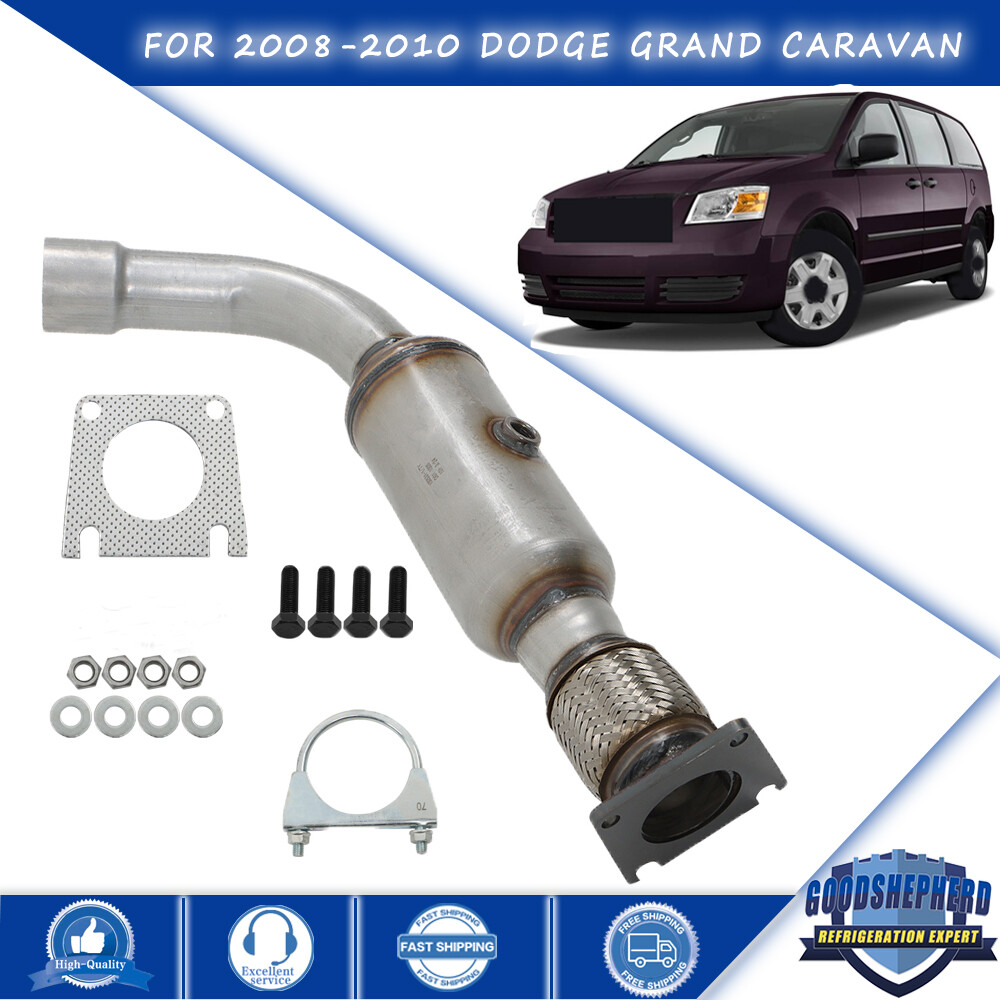 Exhaust Catalytic Converter For Dodge Grand Caravan 3.3 and 3.8L 2008 2009 2010$52.28
 View on eBay
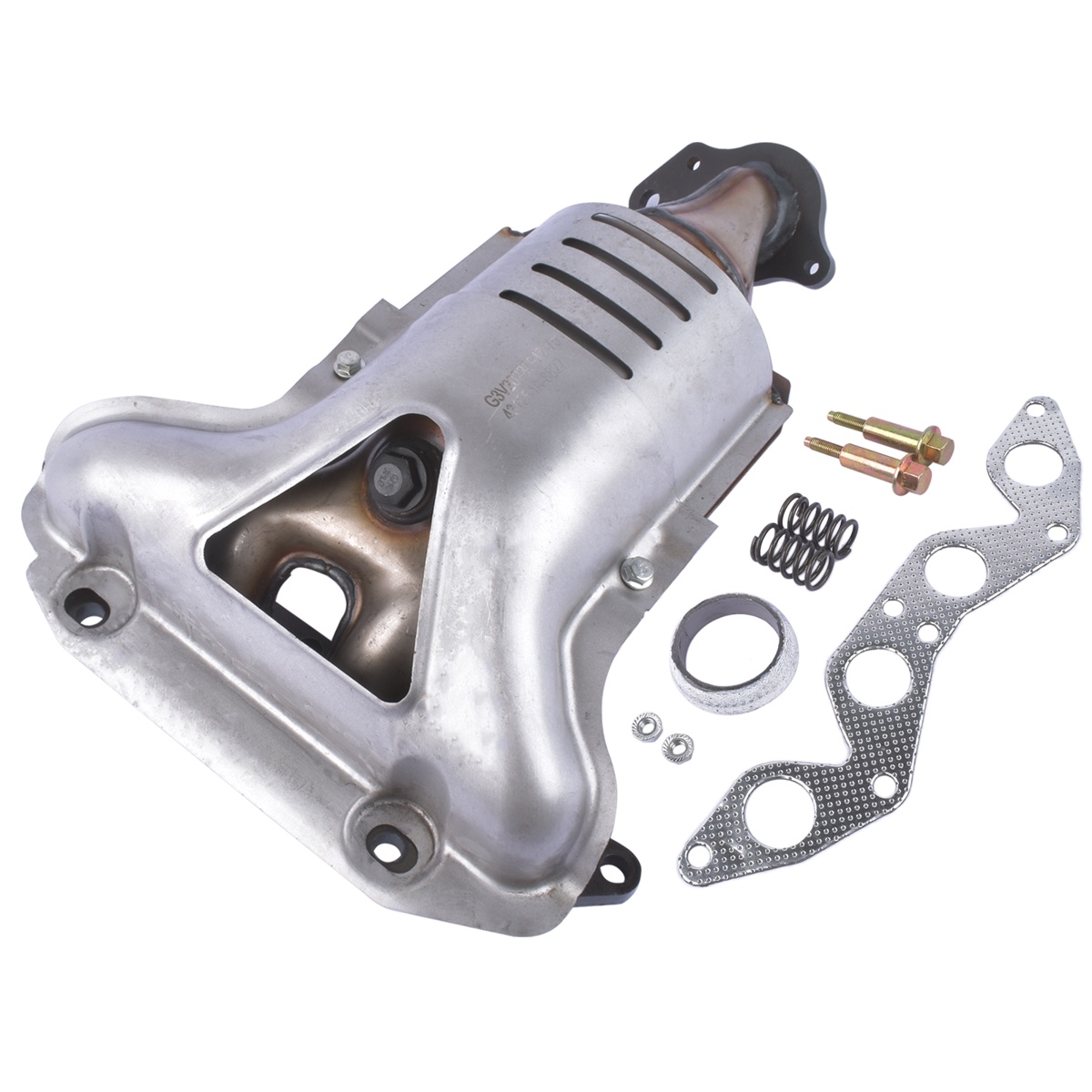 673-608 Catalytic Converter Exhaust Manifold for Honda Civic DX LX CX HX 1.7L 2001-2005 18160-PLM-A50 18160-PLM-A00$140.99
 View on Mallflare
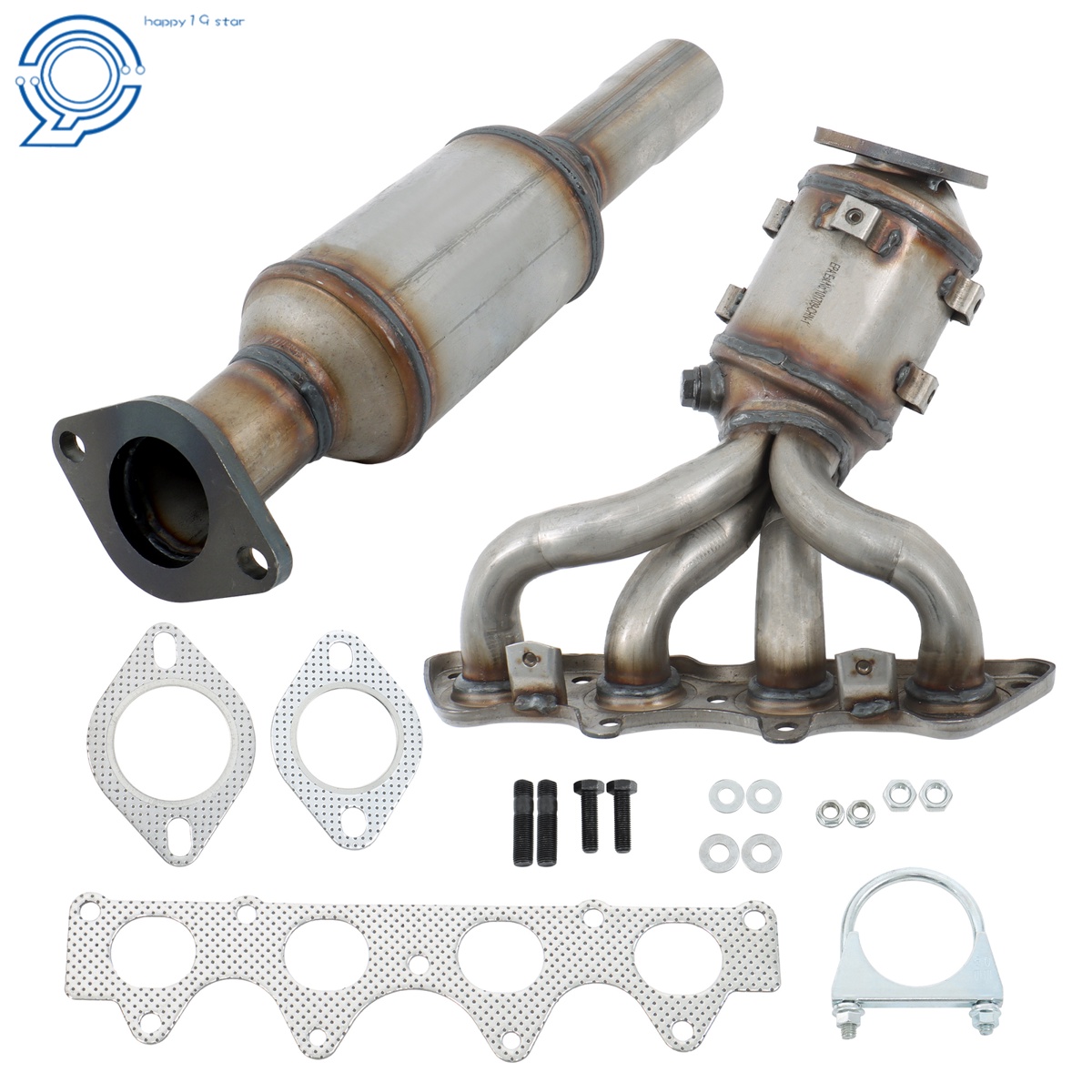 Manifold and Rear Catalytic Converter For Kia Soul 1.6L 2012/2013-2019 16681$76.91View on eBay
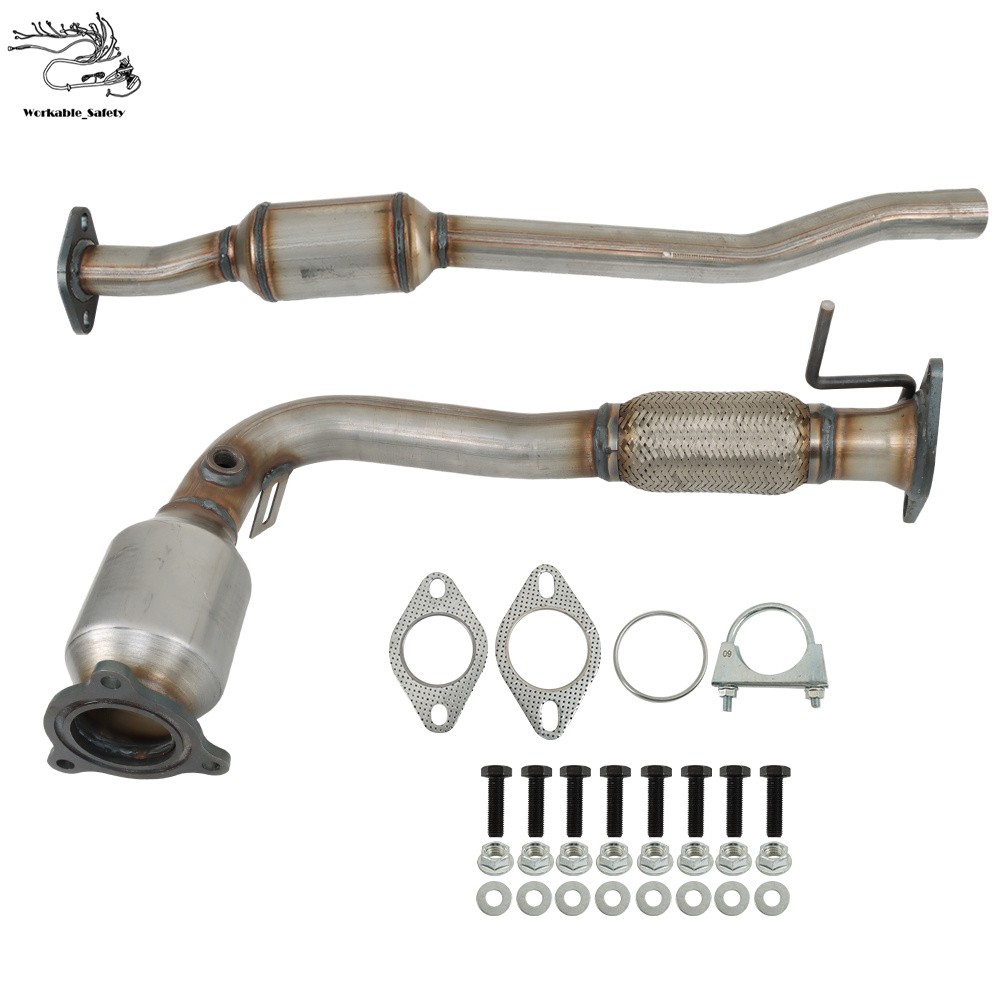 Front and Rear Catalytic Converter For Chevy Equinox 2010 2011 2012-2014 2.4L$77.05View on eBay
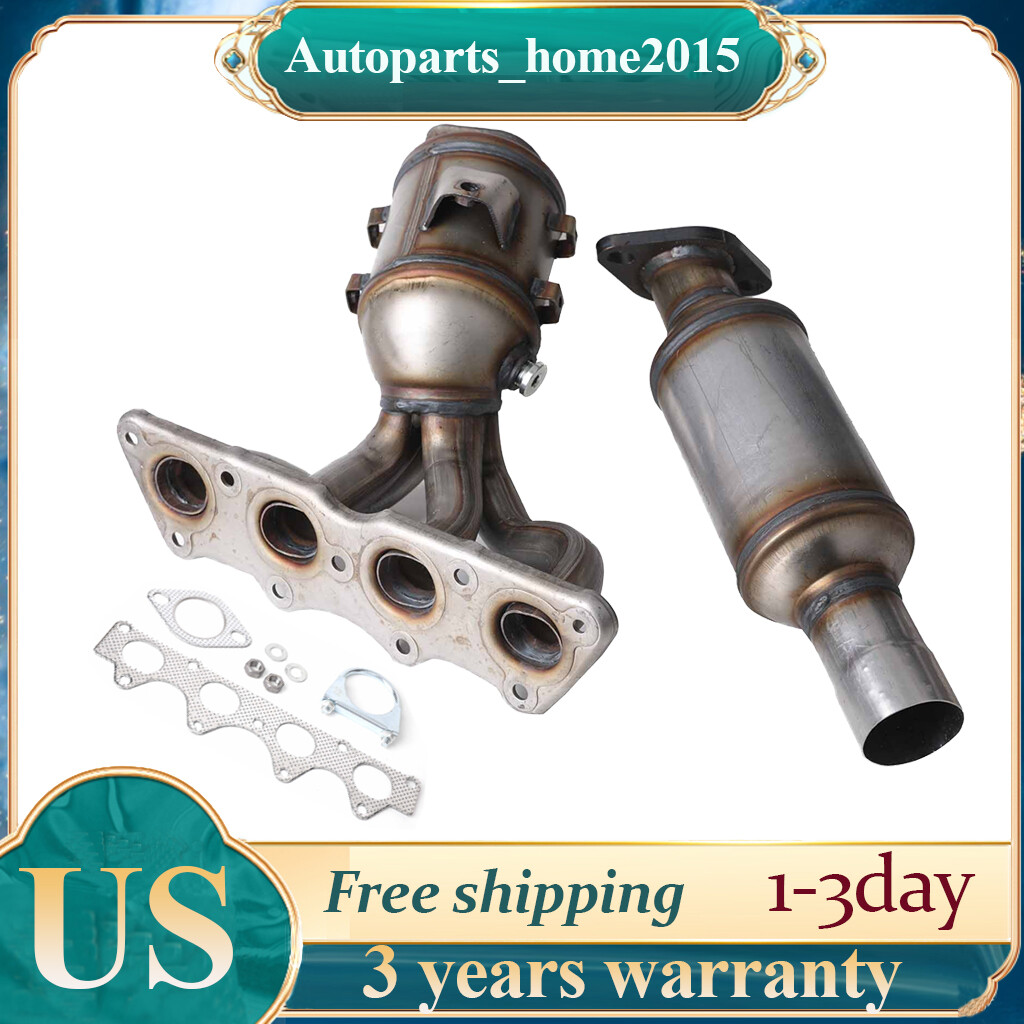 Both Manifold and Rear Catalytic Converter For 2012-2019 Kia Soul 1.6L EPA OBDII$89.00View on eBay
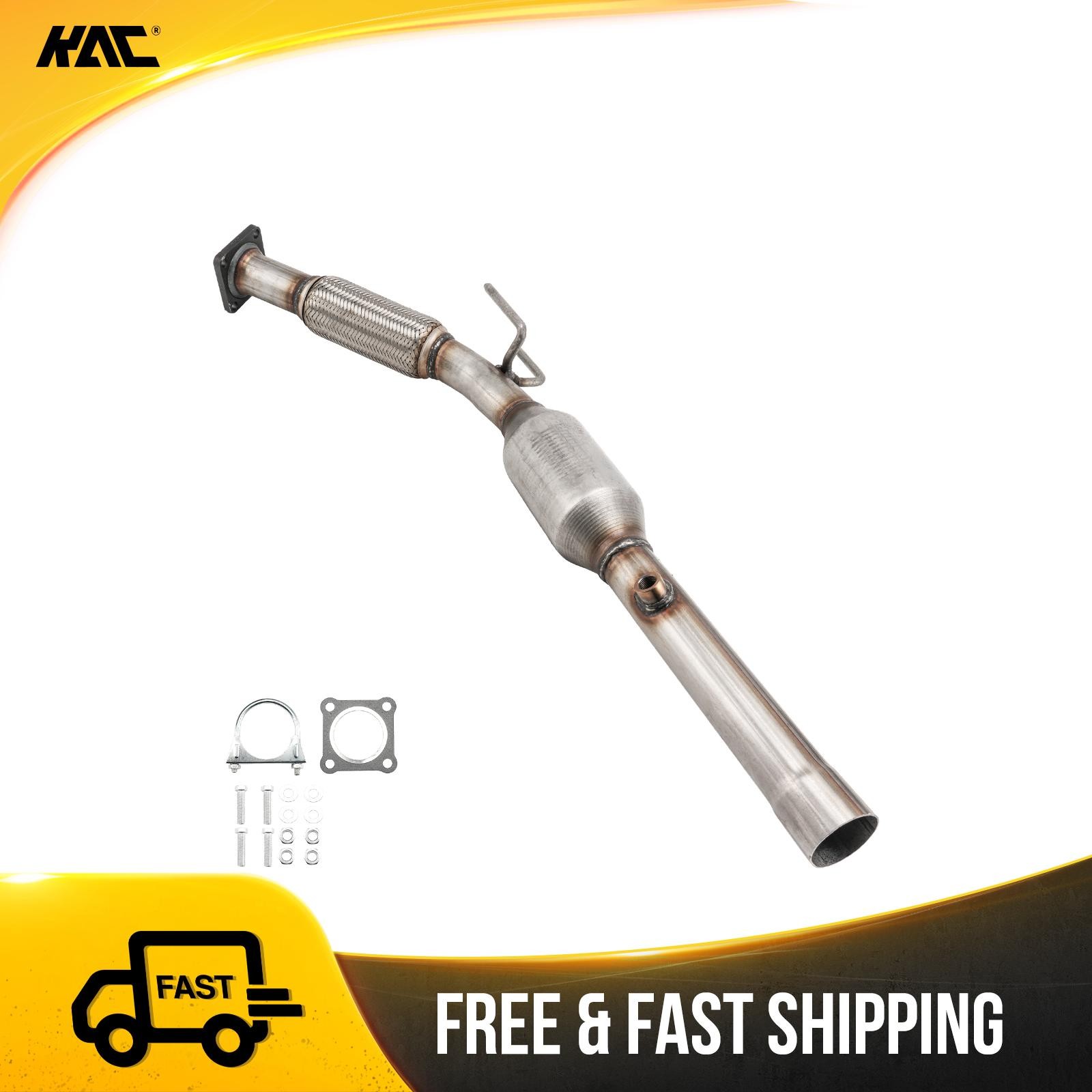 Catalytic Converter Fits 2005-2014 VW Jetta and 2012-2014 Passat L5 2.5L 54751$98.99View on eBay
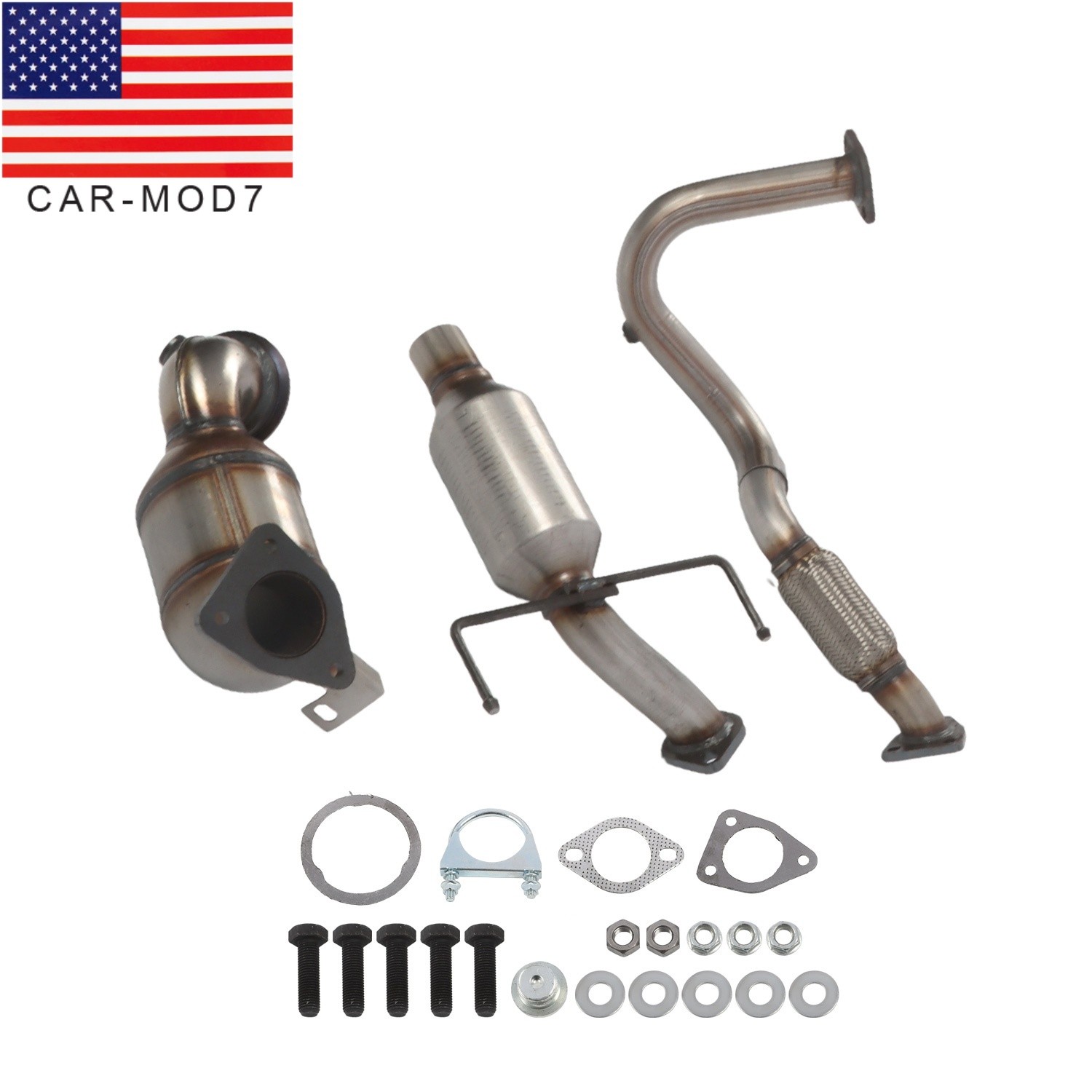 Front and Rear Catalytic Converter Flex Pipe for 2015-2021 Chevrolet Trax 1.4L$102.17View on eBay
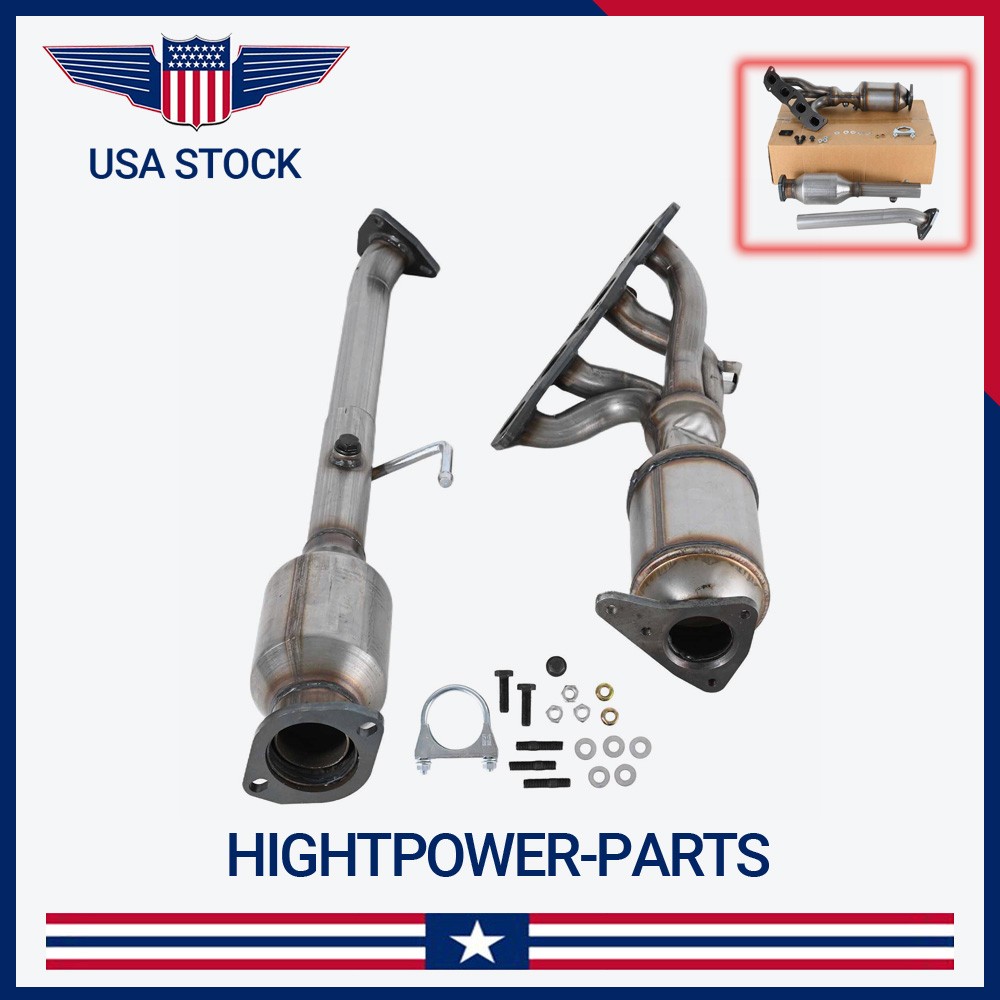 New Front and Rear Catalytic Converter For Nissan Frontier 2005-2018 2.5L L4 EPA$106.00View on eBay
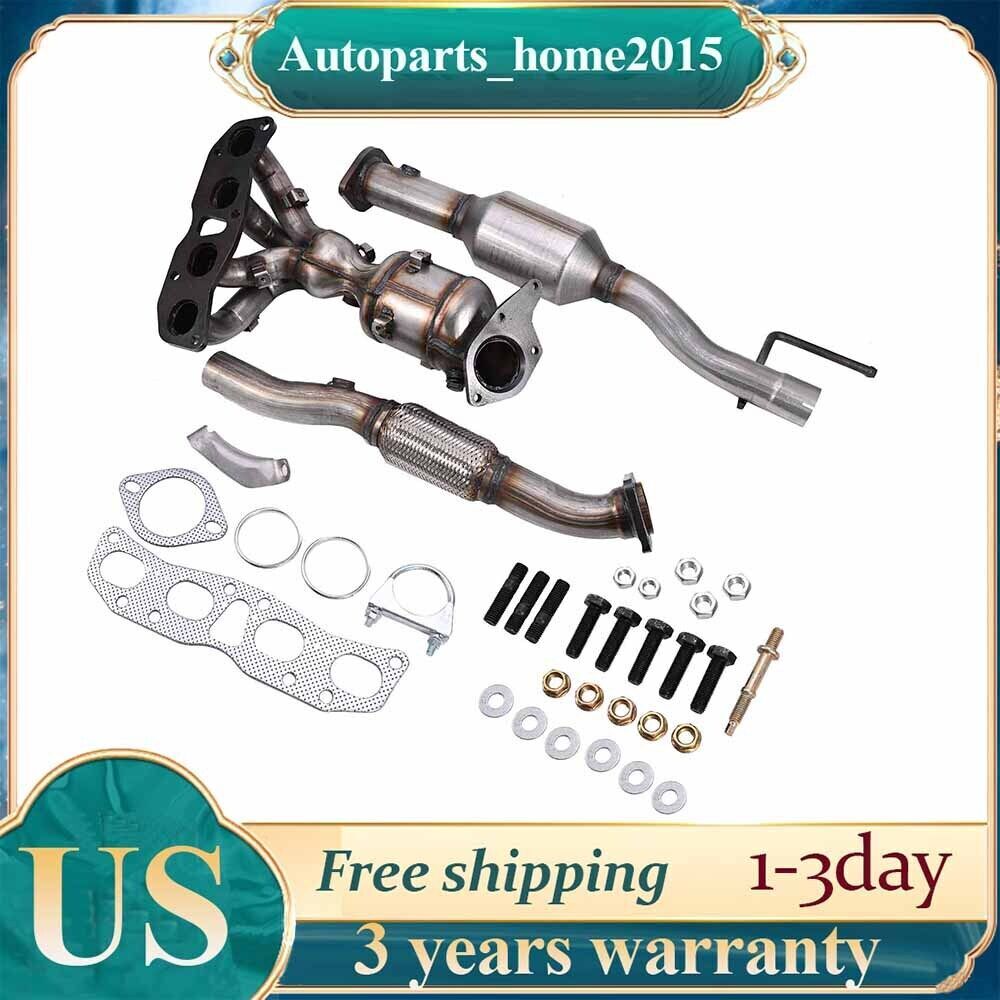 Front And Rear Catalytic Converter For 2007-2018 Nissan Altima L4 2.5L EPA 54782$119.00View on eBay
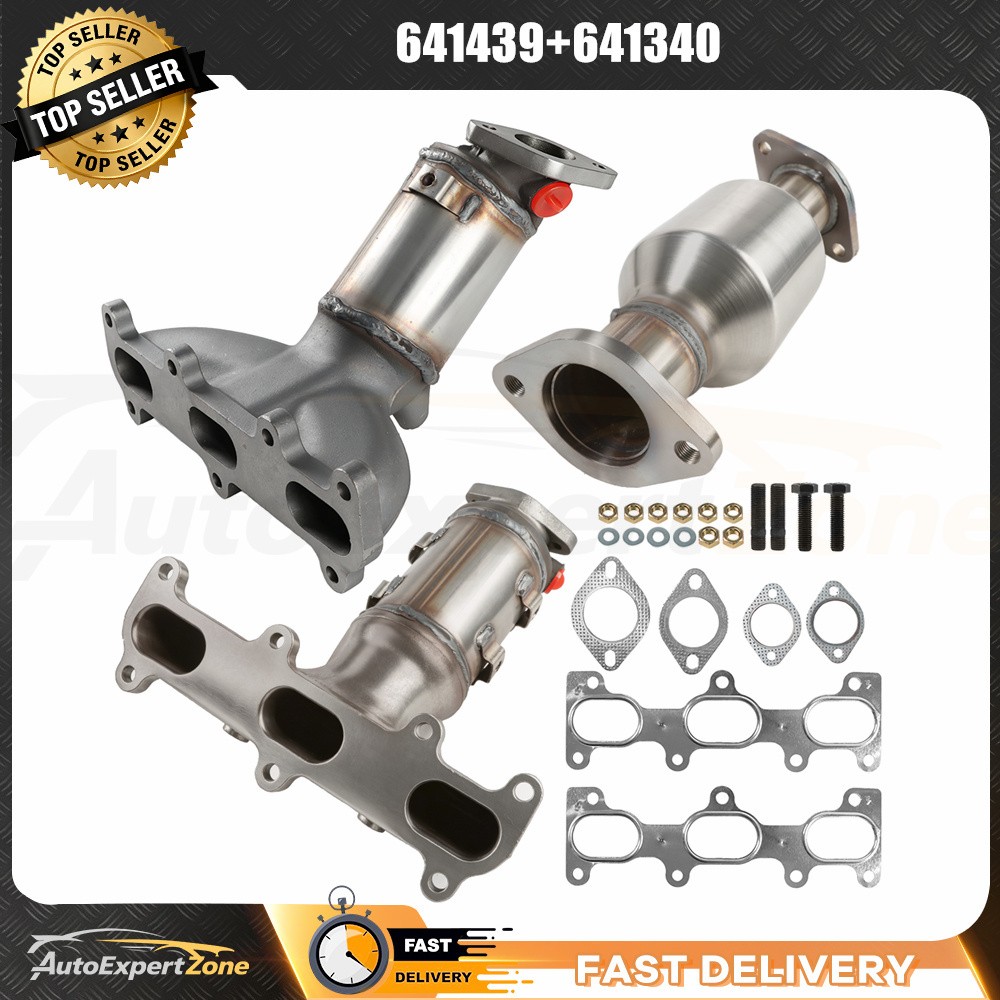 Front and Rear Catalytic Converter For 2007-2009 Hyundai Santa Fe 2.7L V6$139.99View on eBay
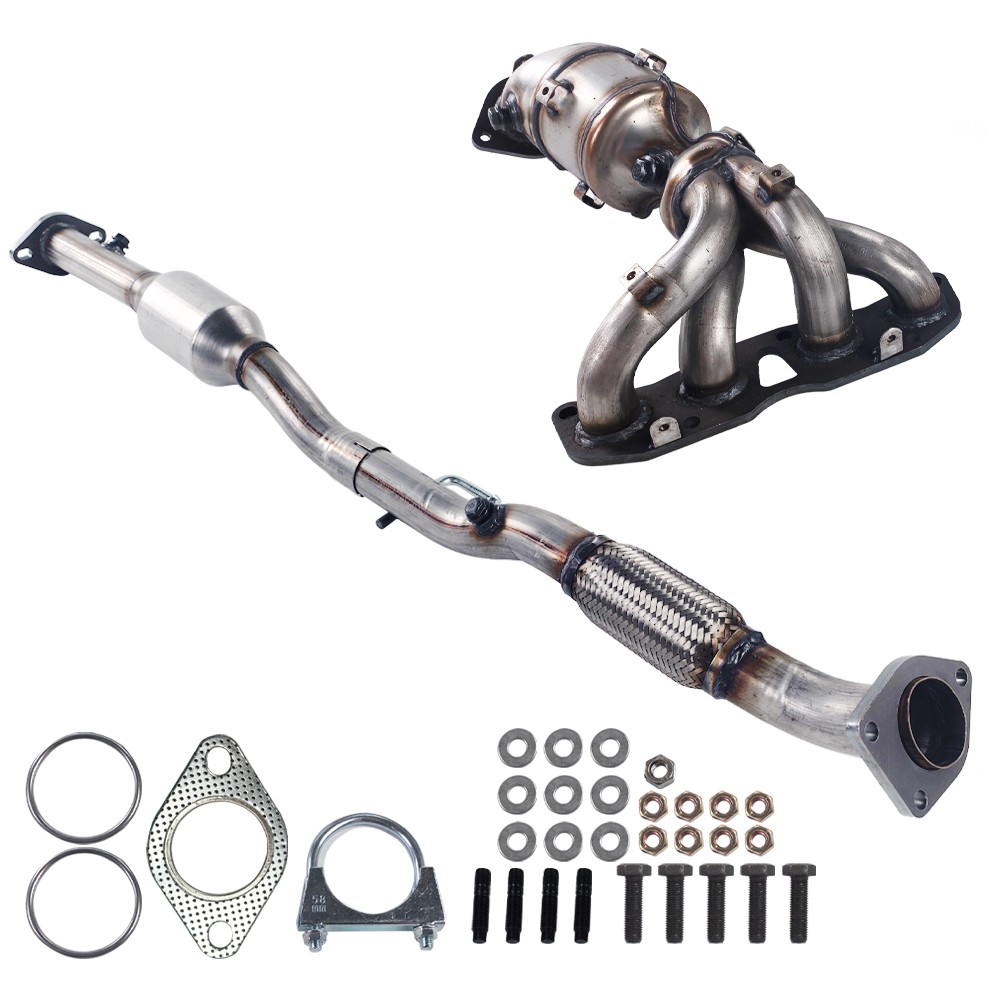 Pair Front and Rear Catalytic Converter For 2007-2012 Nissan Altima 2.5L L4 EPA$149.05View on eBay
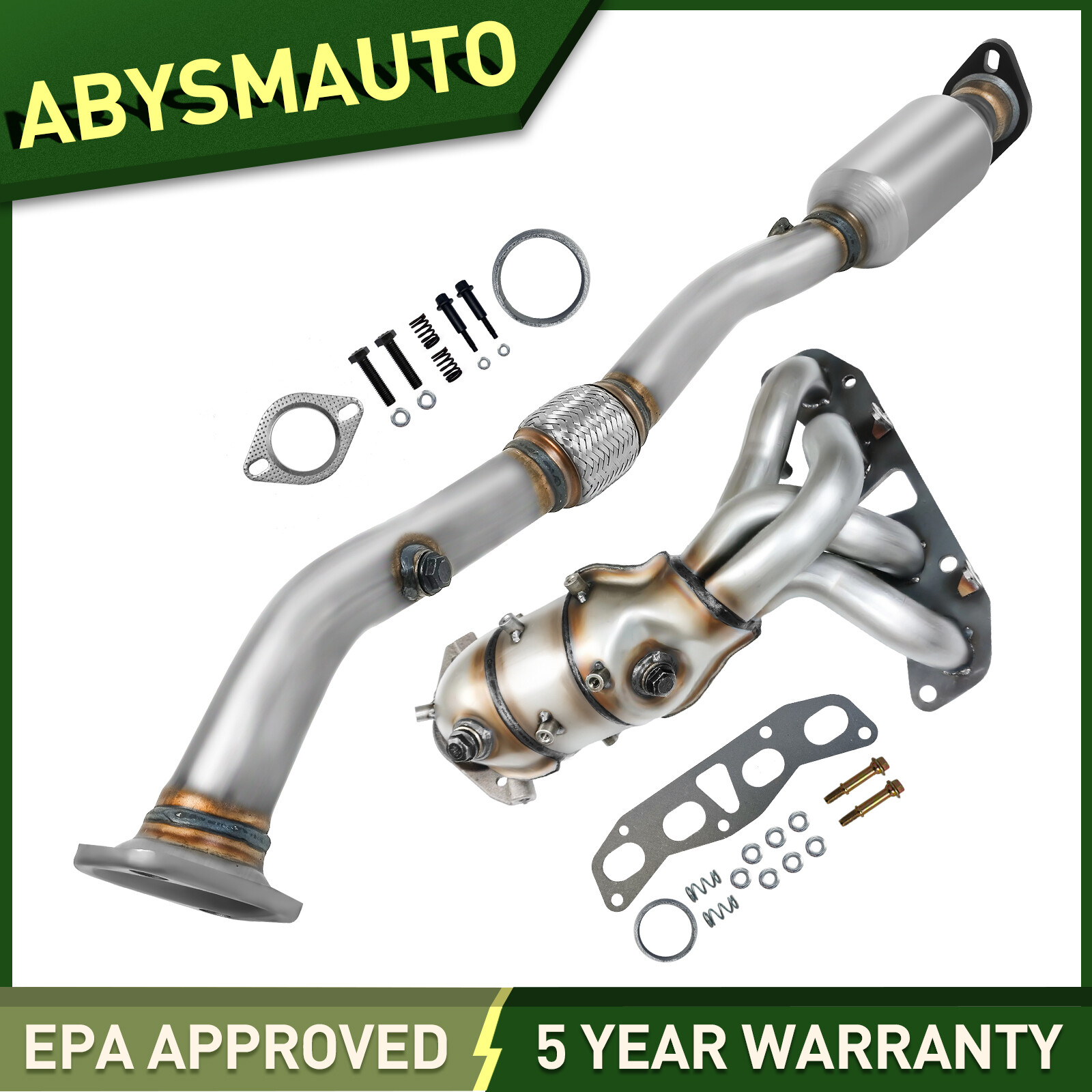 Front and Rear Catalytic Converter For 2002-2006 Nissan Altima 2.5L With Gasket$153.99View on eBay
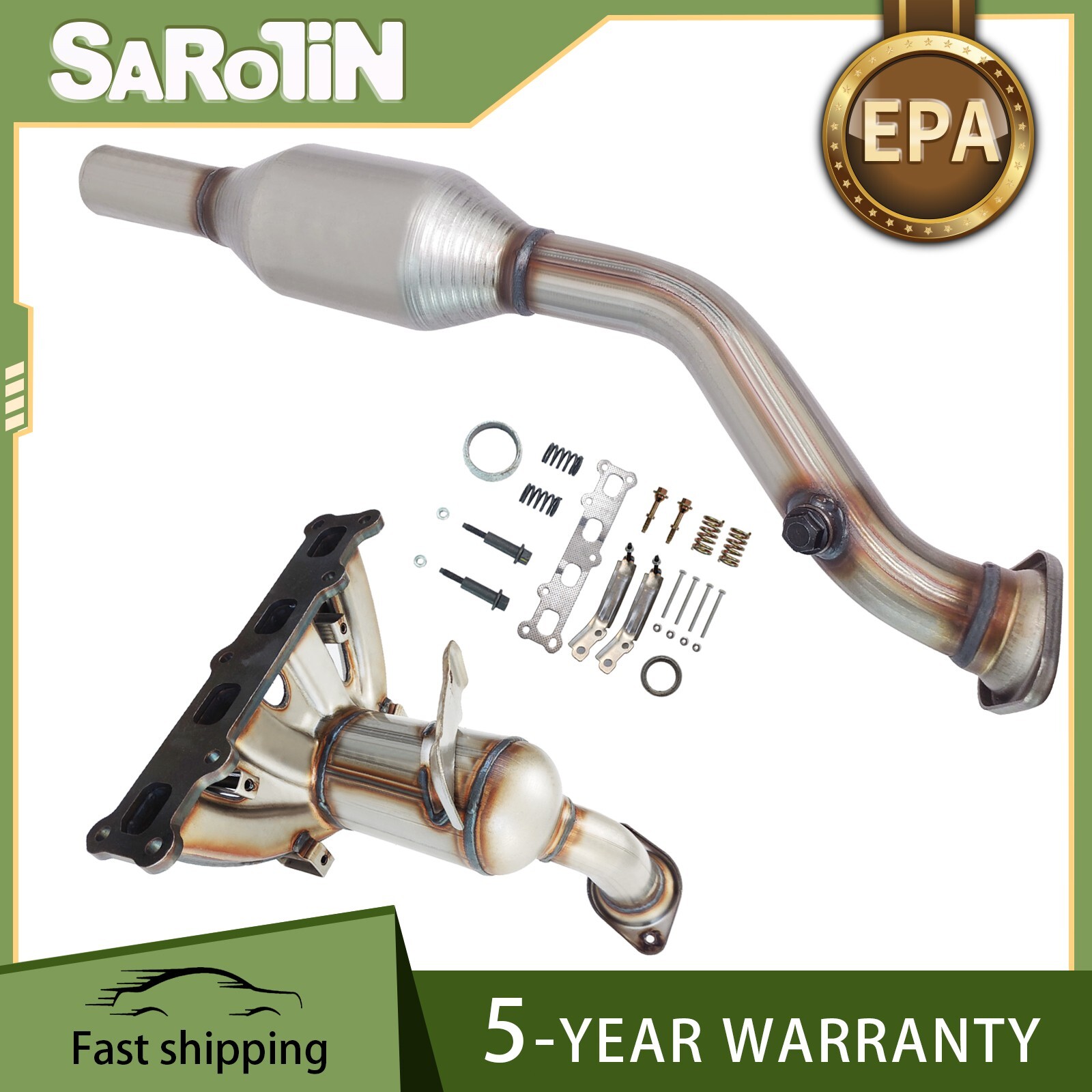 Catalytic Converter For Jeep Compass and Patriot 2007-2017 2.4L (4WD Only)$174.69View on eBay
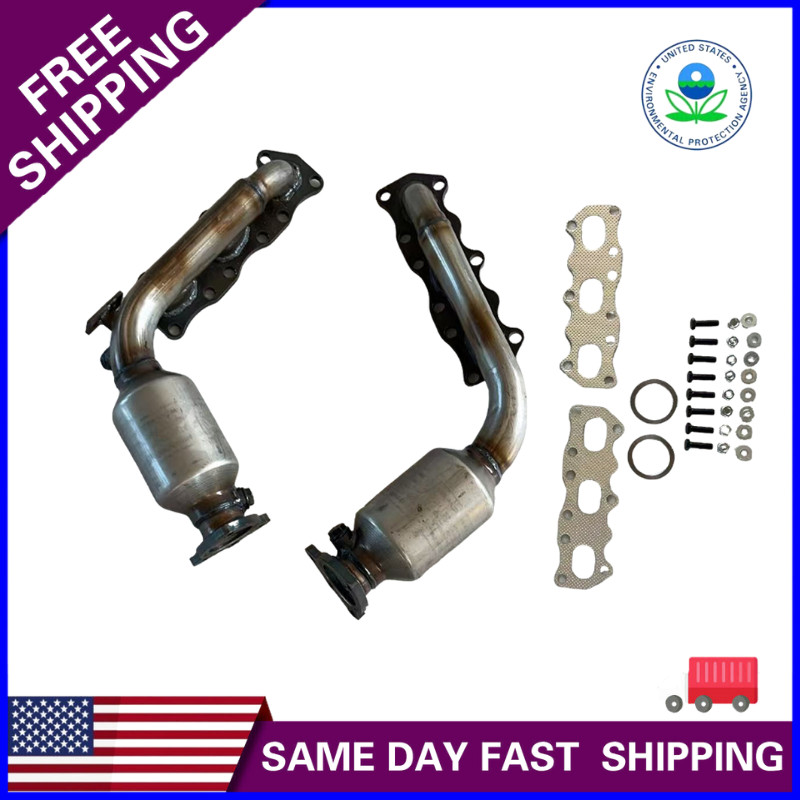 Both Manifold Catalytic Converters For 2004-2006 Suzuki XL-7 2.7L$199.95View on eBay
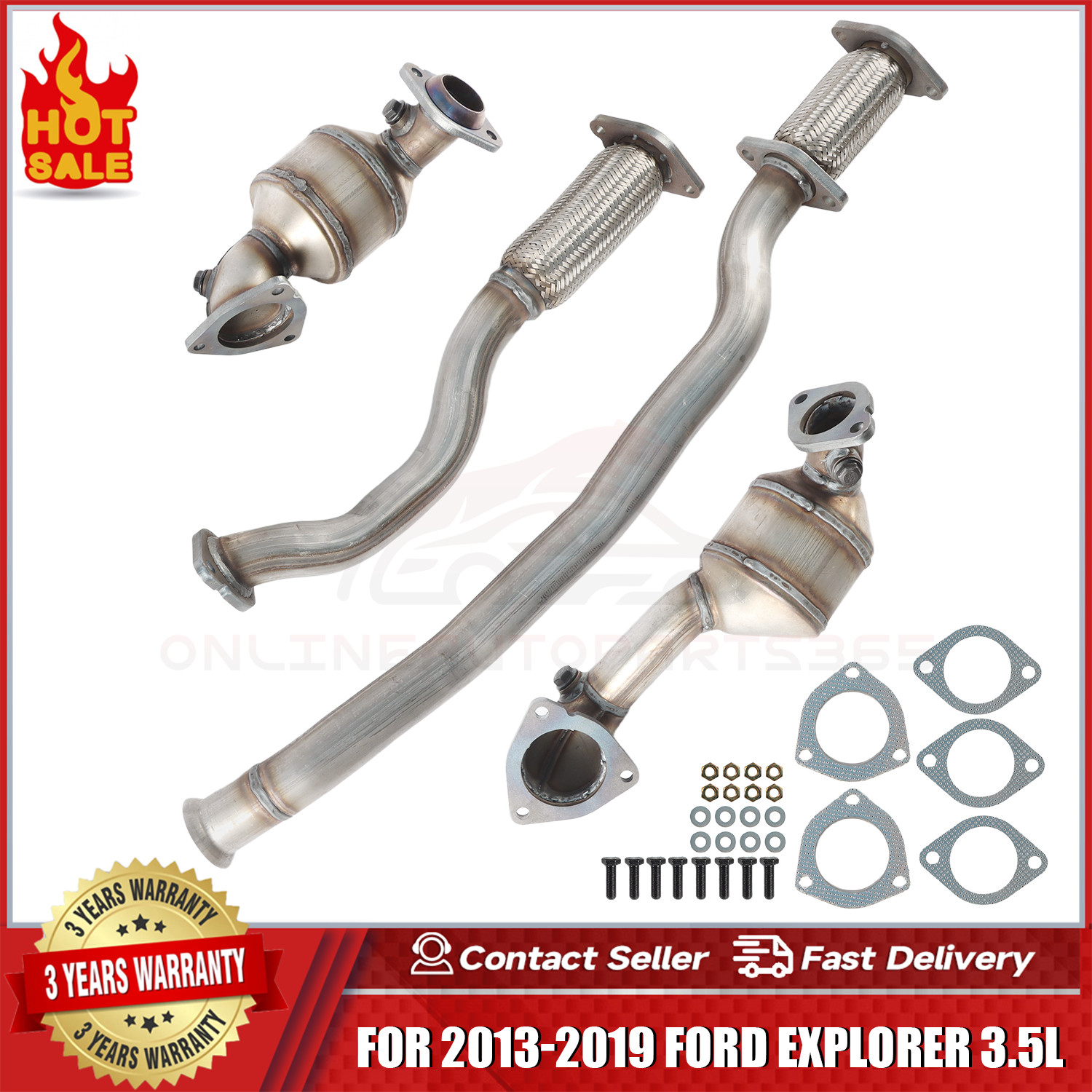 For 2010-2019 Ford Taurus 3.5L Turbo Catalytic Converter and Flex Pipe Set$235.88View on eBay
Highlights
- Direct-fit converters are vehicle-specific with flanges, hangers, and O2 sensor bungs pre-positioned; universal units are a generic canister requiring cutting, welding, and sensor boss fabrication.
- EPA OBDII converters are legal for federal-emissions states; CARB-compliant converters are required in California and states adopting CARB rules—using a non-CARB unit there fails inspection.
- Ceramic cordierite substrates are the OEM standard for cost and thermal stability; metallic foil substrates offer higher flow and durability under vibration but cost more and are rare in budget replacements.
- Front (manifold) converters light off fastest for cold-start emissions; rear underbody converters handle the bulk of steady-state conversion—vehicles with both need both replaced if one fails.
Best use cases
- Daily-driven street car in a federal-emissions state: pick a direct-fit EPA OBDII converter listed for your exact year/make/model/engine—skip universal weld-ins unless you have fabrication skills and a lift.
- California or CARB-state vehicle: buy only a CARB-compliant direct-fit converter with an executive order number; EPA-only units will fail smog and are not legal for registration.
- Off-road, track, or custom exhaust build: a universal weld-in metallic-substrate converter gives flexibility and flow, but verify inlet/outlet diameter and substrate cell count match your power goals.
- Older vehicle with both front and rear converters: replace both as a pair if the rear fails—a clogged front converter can overheat and destroy a new rear unit within miles.
Buying tips
- Match the converter to your emissions standard first: EPA OBDII for federal states, CARB for California and adopted states—the label or EO number is the legal gate, not the price.
- Measure your exhaust pipe diameter at the cut point for universal units; a 2.25-inch inlet/outlet is common for four-cylinder cars, 2.5-inch for V6, and 3-inch for V8 trucks—mismatches cause leaks and turbulence.
- For direct-fit, confirm engine displacement and trim (e.g., 2.4L vs 3.6L) because converters are tuned to exhaust volume; a V6 unit on a four-cylinder will run cold and trigger P0420.
- Check substrate cell density: 400 cells per square inch is OEM-standard for balance of flow and conversion; 300 cpsi flows better for performance but may not meet strict emissions, 600 cpsi cleans better but restricts flow.
Specs
| Fitment Type | Direct-fit bolt-on vs Universal weld-in |
|---|---|
| Emissions Standard | EPA OBDII / CARB / Off-road |
| Converter Position | Front manifold / Rear underbody / Both |
| Substrate Material | Ceramic cordierite vs Metallic foil |
Related searches
What to check before buying
- Verify your state's emissions standard (EPA vs CARB) and whether your vehicle is OBDII-era (1996+) or older—this determines the legal converter tier.
- Measure exhaust pipe outer diameter and flange bolt pattern at the replacement location; direct-fit units are vehicle-specific, universal units need matching pipe size.
- Confirm O2 sensor count and location: front converters usually have an upstream sensor bung, rear converters have downstream—missing bungs mean drilling and welding.
- Check underbody clearance and heat shield condition: a larger aftermarket converter may contact floor pans or melt wiring; replace damaged heat shields before install.
FAQ
Data sources: eBay / Amazon listings and product attribute feeds Data updated Nov 15, 2026.
Some links on this page are affiliate links. If you buy after clicking one, we may earn a commission at no extra cost to you. This does not change which products appear here or their order. Affiliate disclosure.