Photos from current listings. Actual item, color, and included accessories may vary.
Timing Chain Buying Guide
A timing chain is a critical internal engine component that synchronizes the crankshaft and camshaft, and its replacement is a major service requiring precise parts matching. The primary trade-off is between OEM-quality, vehicle-specific kits with updated tensioners and guides versus low-cost generic kits that may lack revised components. Always replace the full chain system—chain, tensioners, guides, and sprockets—as a set; a chain-only swap on a worn system leads to premature failure.


At a glance
- Category
- Engine, Exhaust & Fuel System Parts
- Data updated
- Nov 15, 2026
Current offers
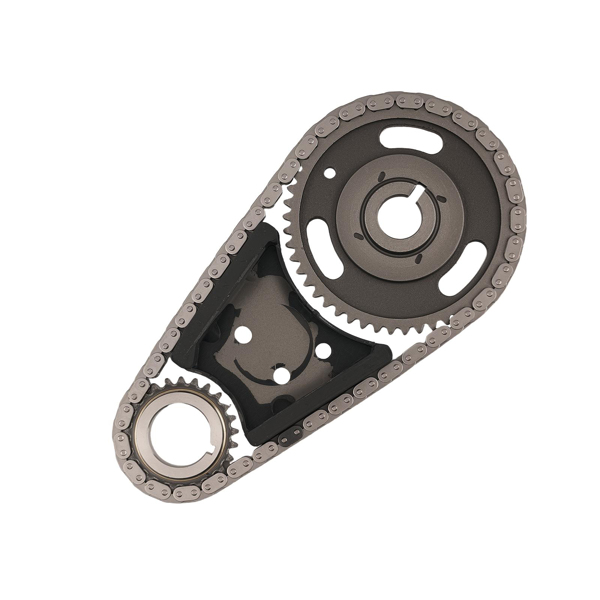 Engine Timing Chain Assembly Kit Fit For Buick Century Regal 3.1L V6 95-05 9-0700S$57.99
 View on Mallflare
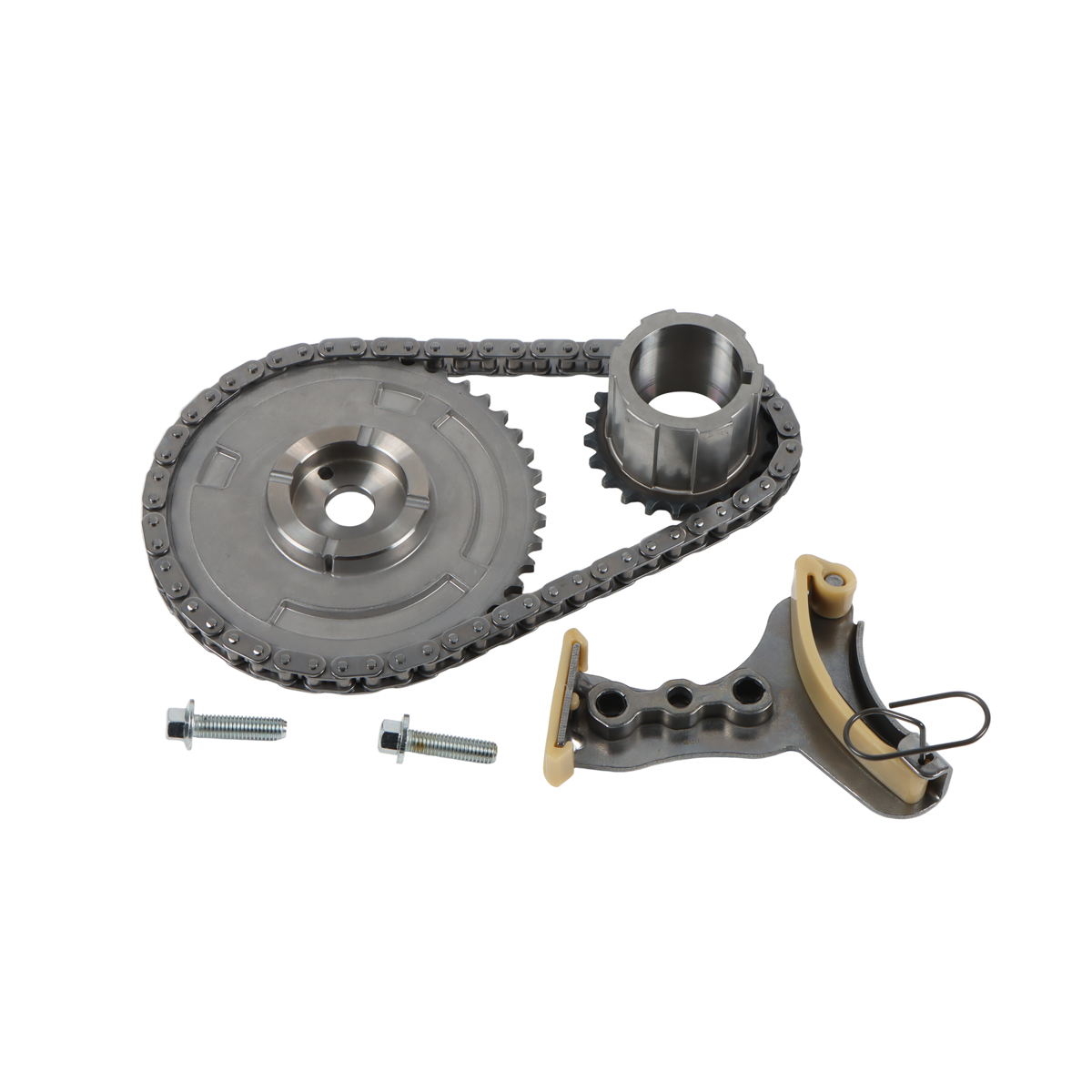 1 Set Timing Chain Kit For CHEVROLET CORVETTE 07-13 SILVERADO 1500 5.3 6.0 6.2L$63.99View on Mallflare
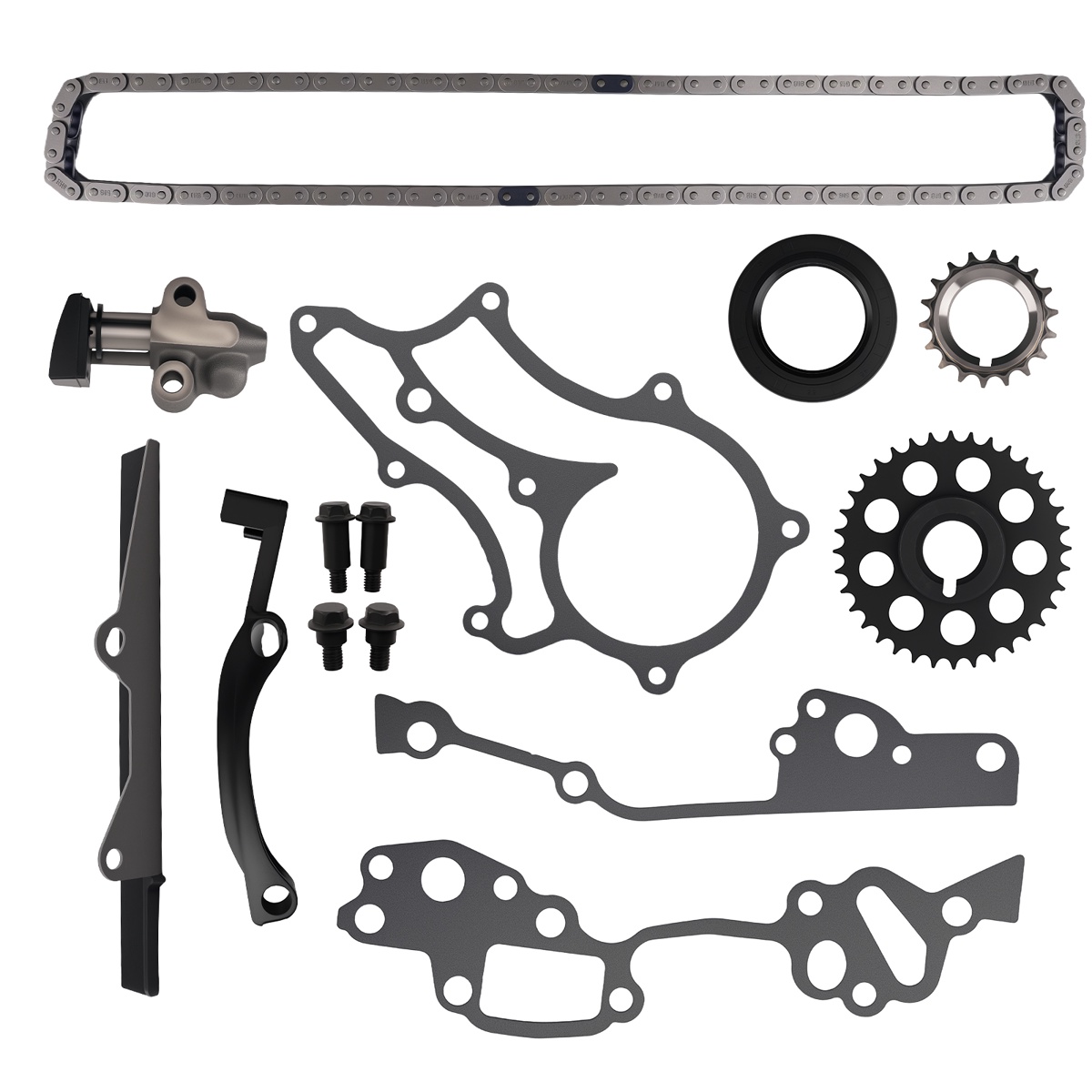 Engine Timing Chain Kit fit for Toyota 4Runner/Pickup 2.4L 1985-1995 13540-38012$73.99View on Mallflare
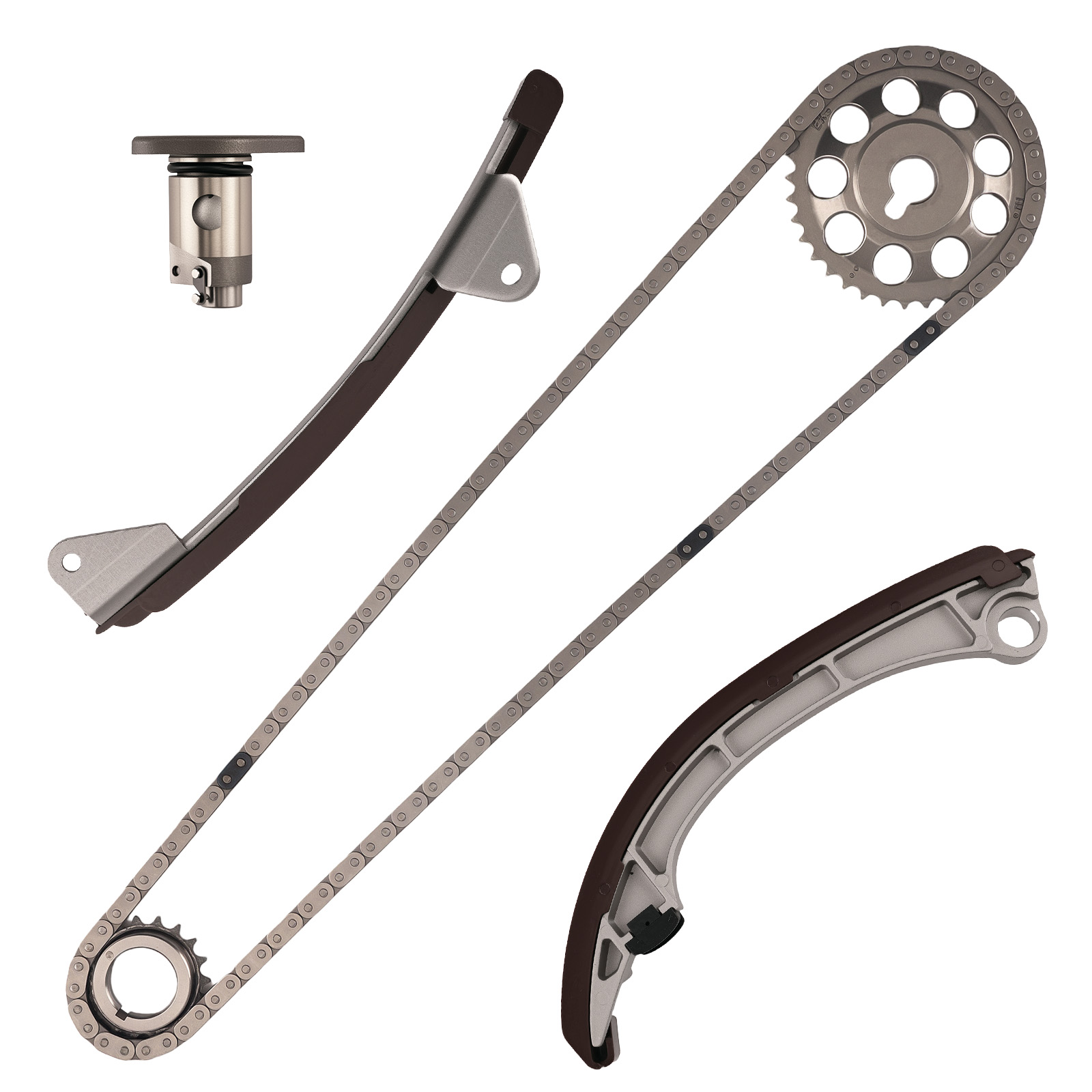 Engine Timing Chain Kit fit for Toyota Matrix Vibe 1.8L DOHC 2003-2008 9-4200SA$78.99View on Mallflare
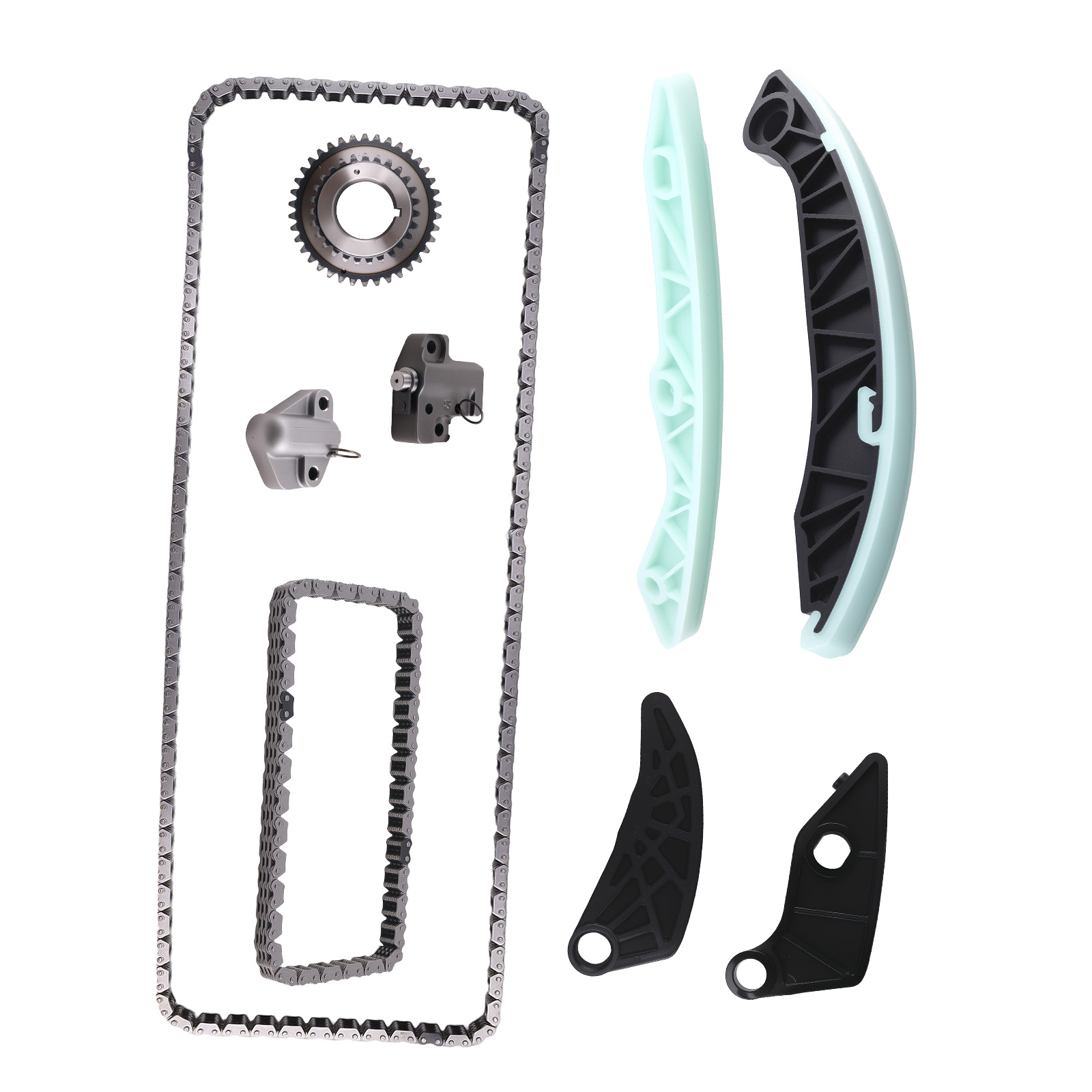 Engine Timing Chain Kit w/ Sprocket fit for Jeep Compass 200 2.4L 2011-2014 9-0736S$95.99View on Mallflare
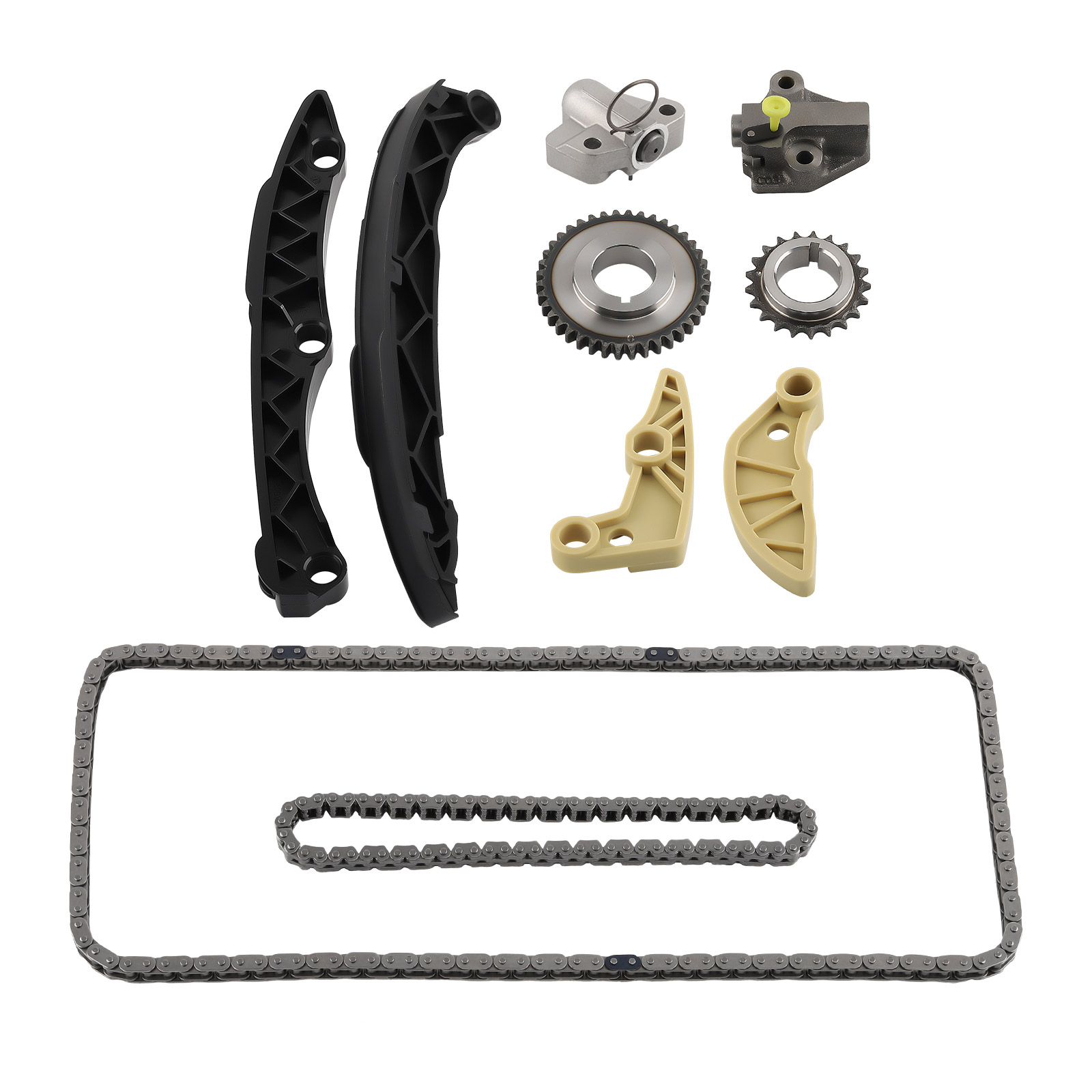 Timing Chain Kit fit for KIA SORENTO 2.4L 2359CC L4 DOHC 2011-2018 SPORTAGE 2.0L$101.99View on Mallflare
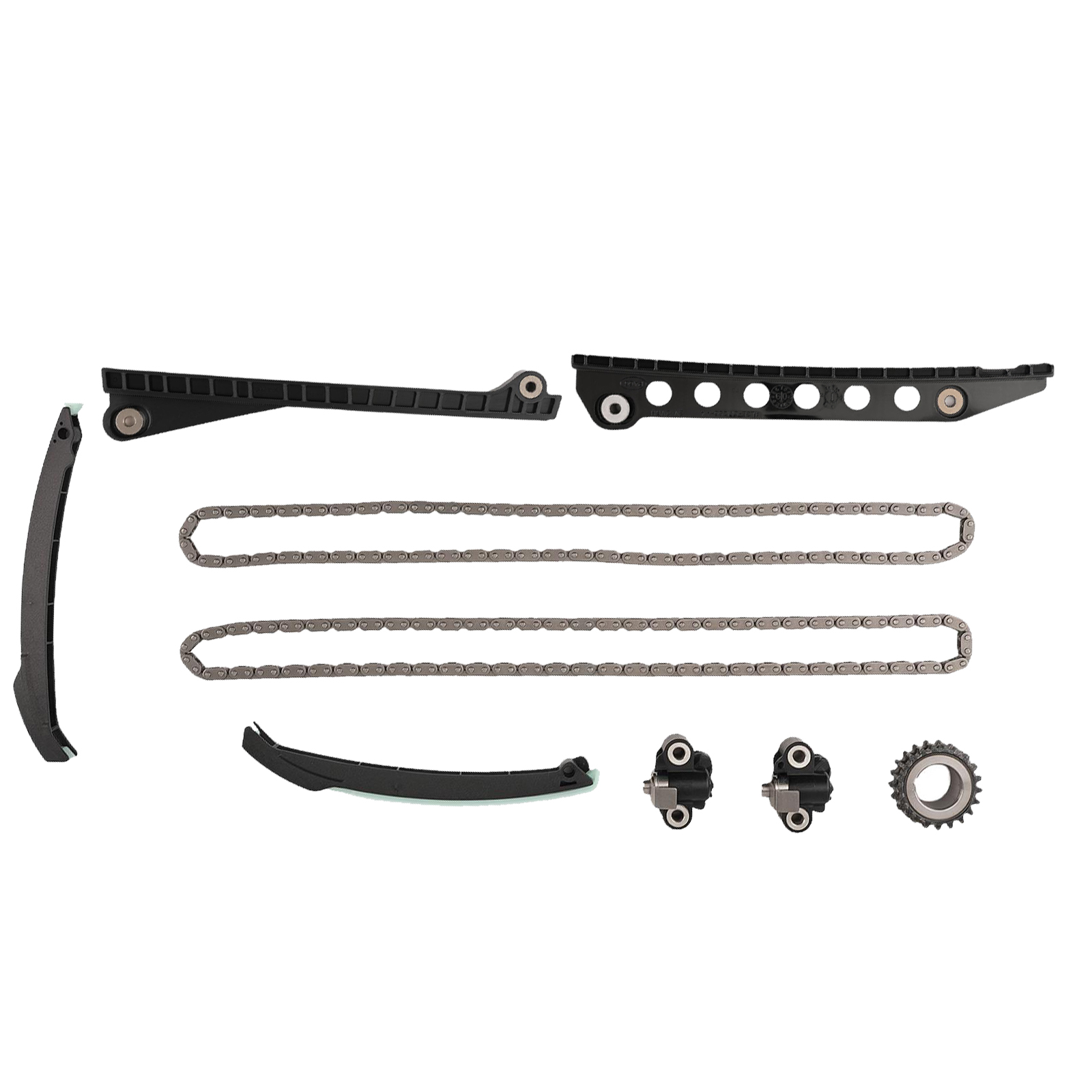 Timing Chain Kit + Crank Sprocket Tensioner fit for Ford E-Series 5.4L V8 2002-2016$104.99View on Mallflare
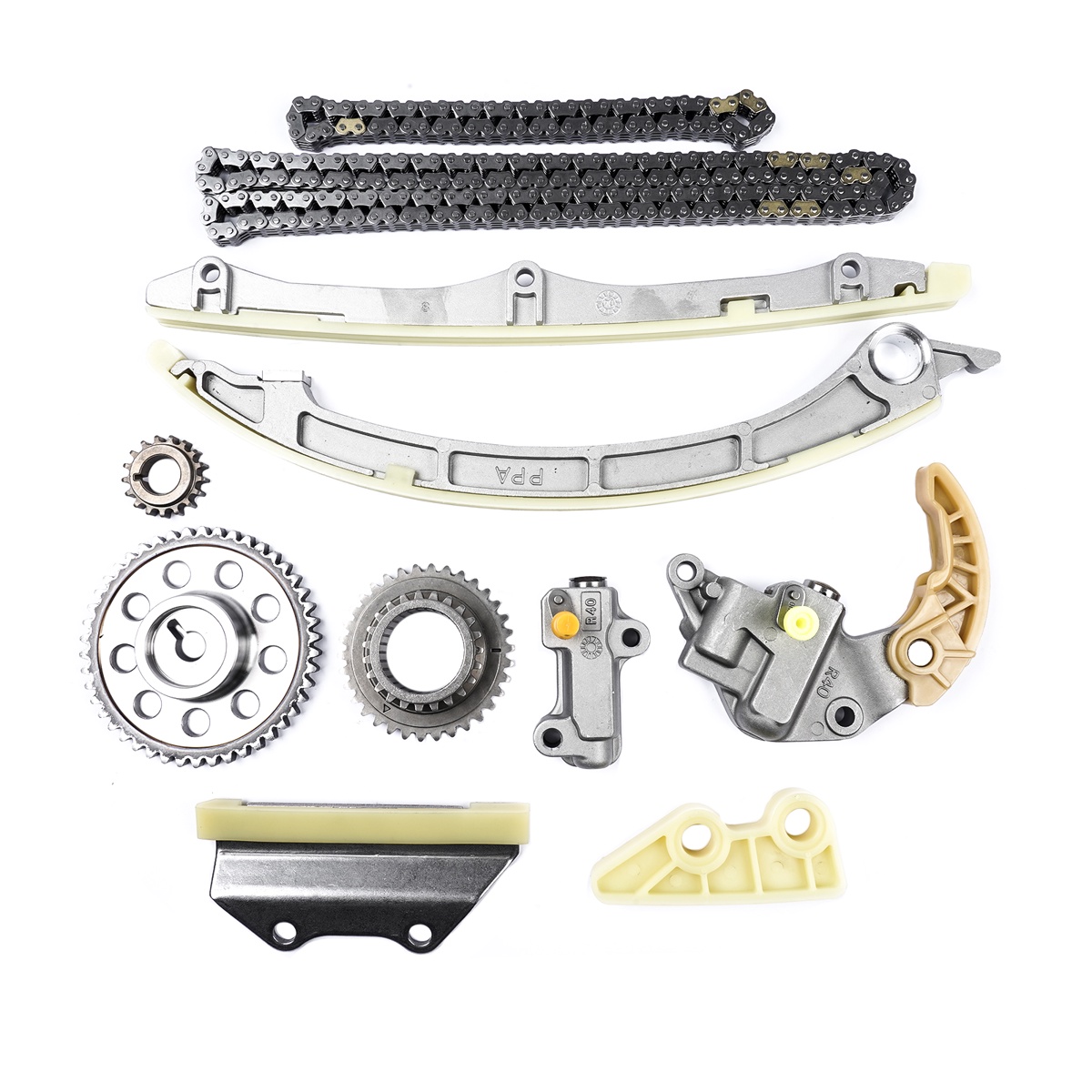 Timing Chain Kit Replacement for 2008-2012 Honda Accord 2013-2014 CR-V 2012-2014 Crosstour 2.4L L4 DOHC 14401-R40-A01$108.99View on Mallflare
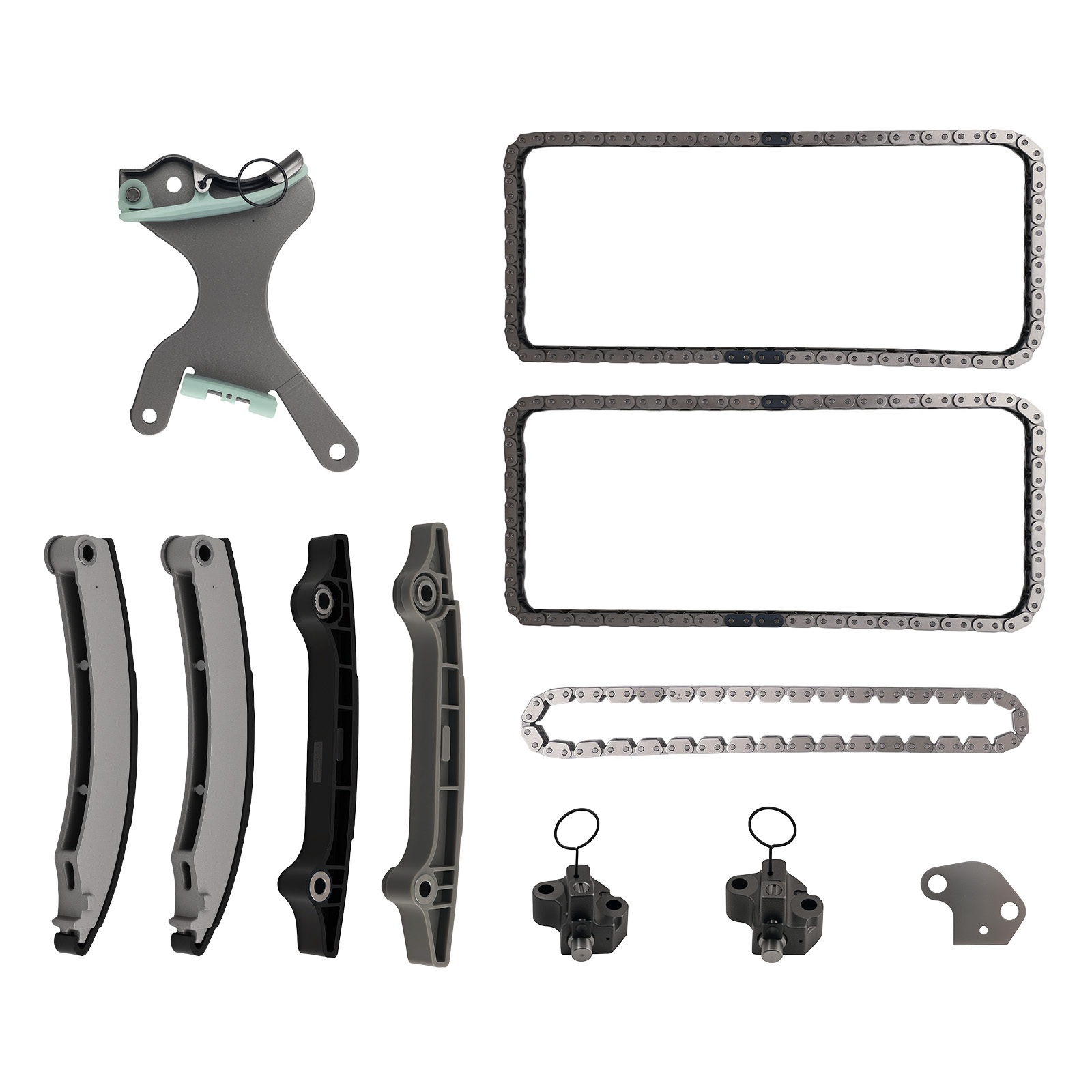 Engine Timing Chain Kit fit for Dodge Dakota Ram Nitro Jeep Liberty 3.7L 2002-11 US$111.99View on Mallflare
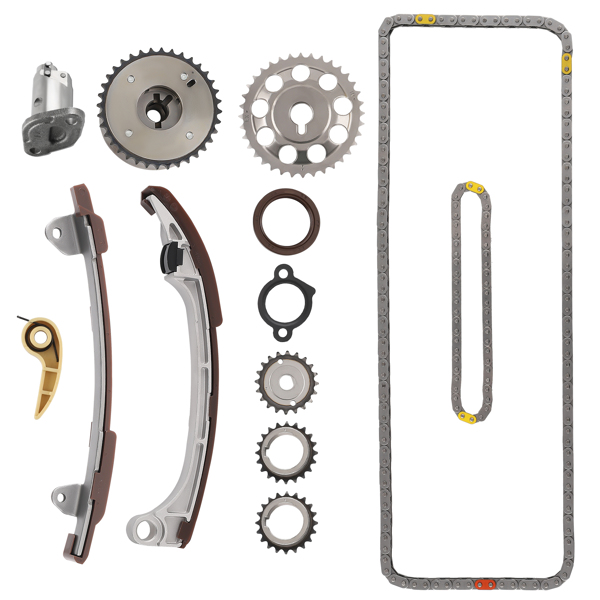 Timing Chain Kit W VVT Sprocket Fit For Camry RAV4 2.0L 2.4L 1AZFE 2AZFE$126.99View on Mallflare
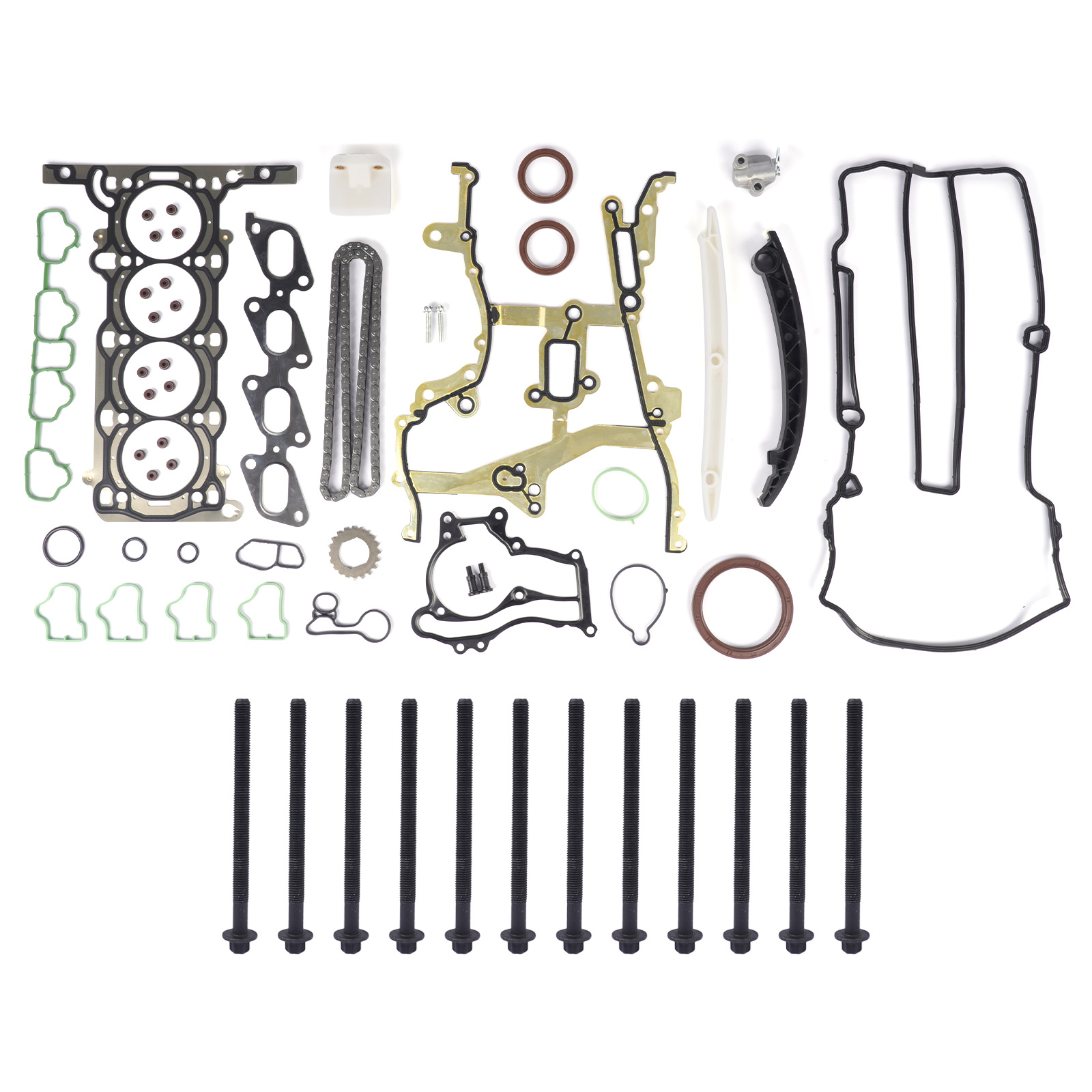 Head Gasket Bolts + Timing Chain Kit Fits for Chevy Cruze Sonic Trax Buick Encore 1.4L 2011-2016 HS26540PT-1 HS54898 55562793$128.99View on Mallflare
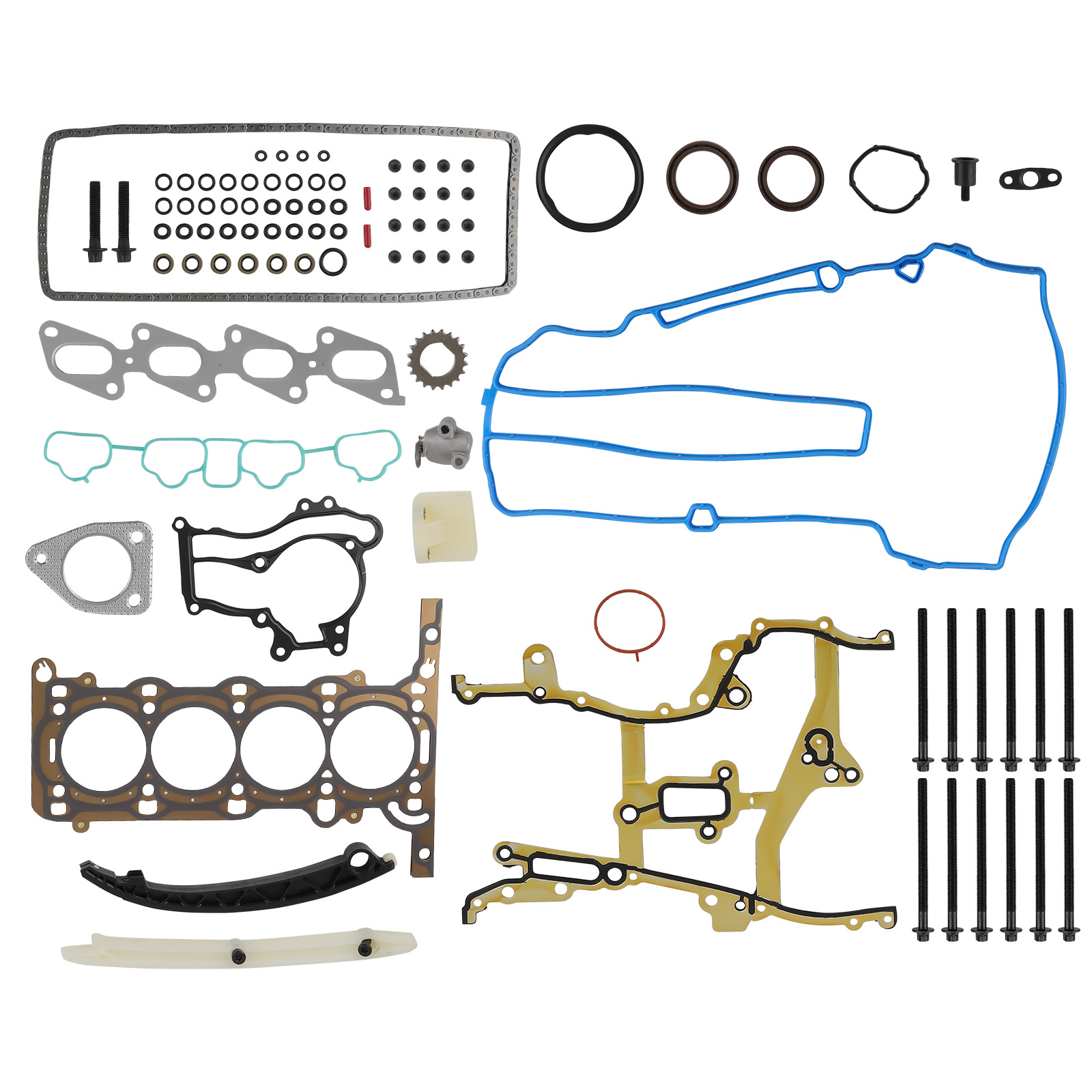 Head Gasket Bolts Set & Timing Chain Kit fit for Buick/Chevrolet 1.4L (1364cc)$131.99View on Mallflare
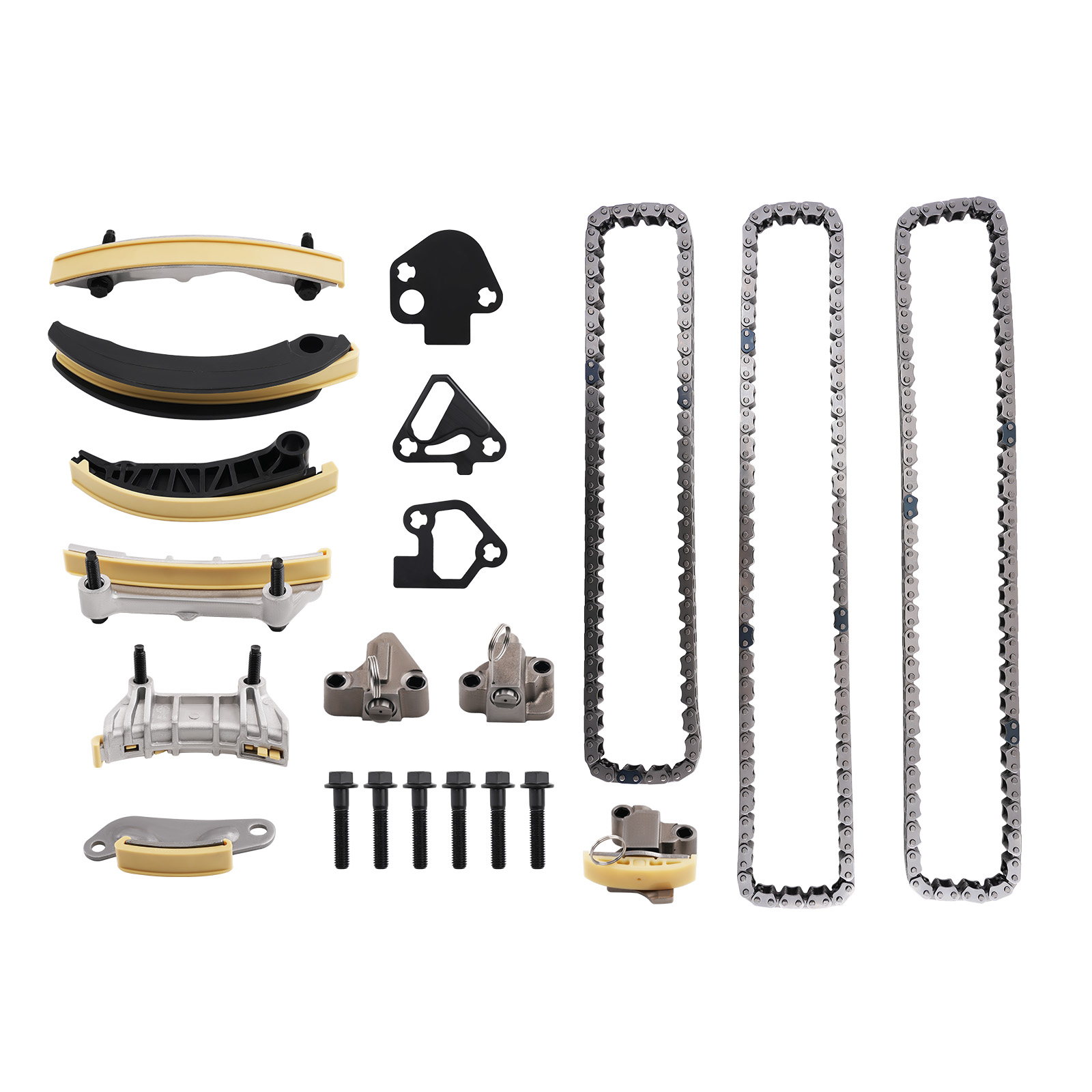 Engine Timing Chain Kit fit for Buick Enclave/Traverse 3.6L V6 2008-2016$132.99View on Mallflare
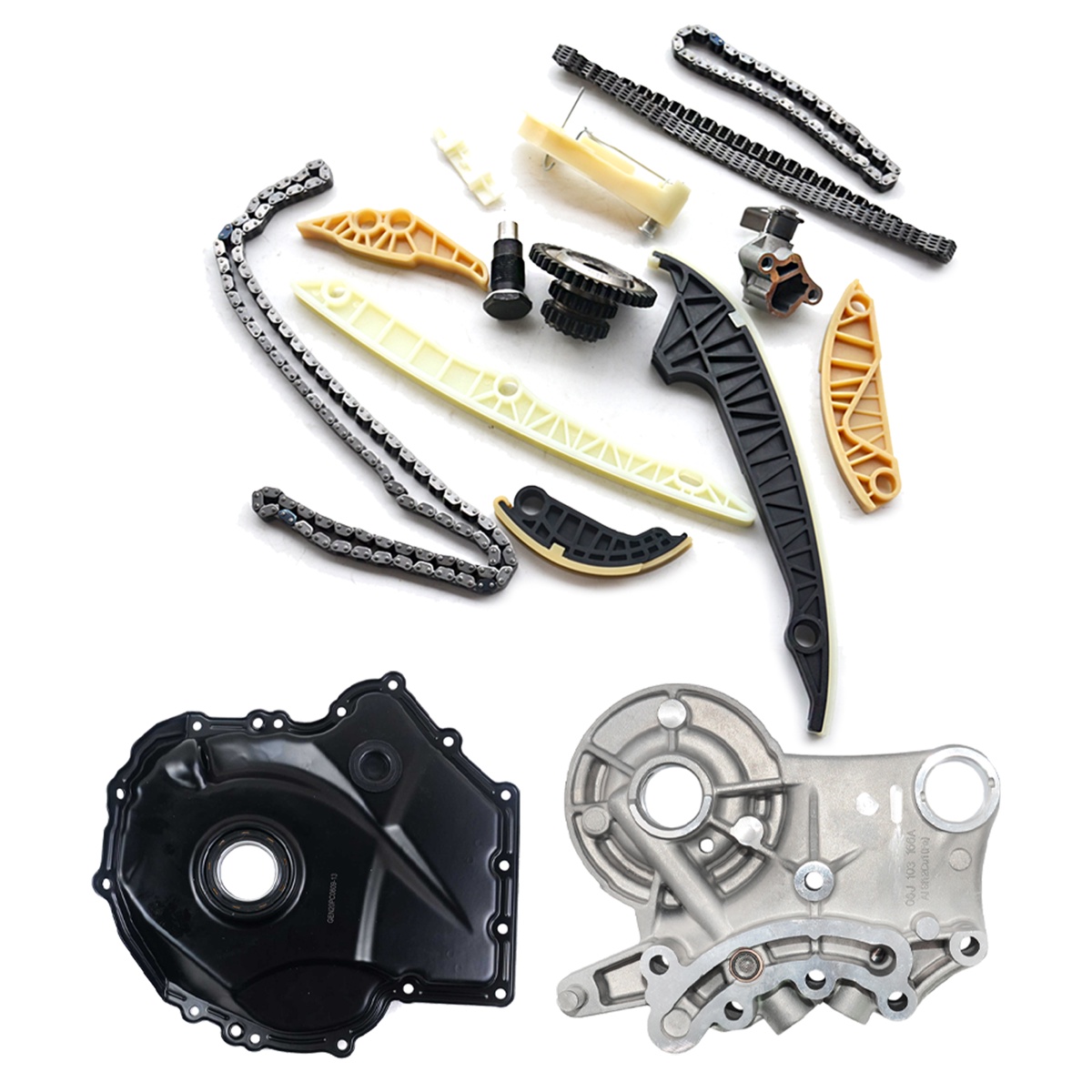 Timing Chain Kit, Engine Cover, Solenoid Kit for VW Jetta GTI Audi A4 Q5 TT 2.0L 06H109467N$136.99View on Mallflare
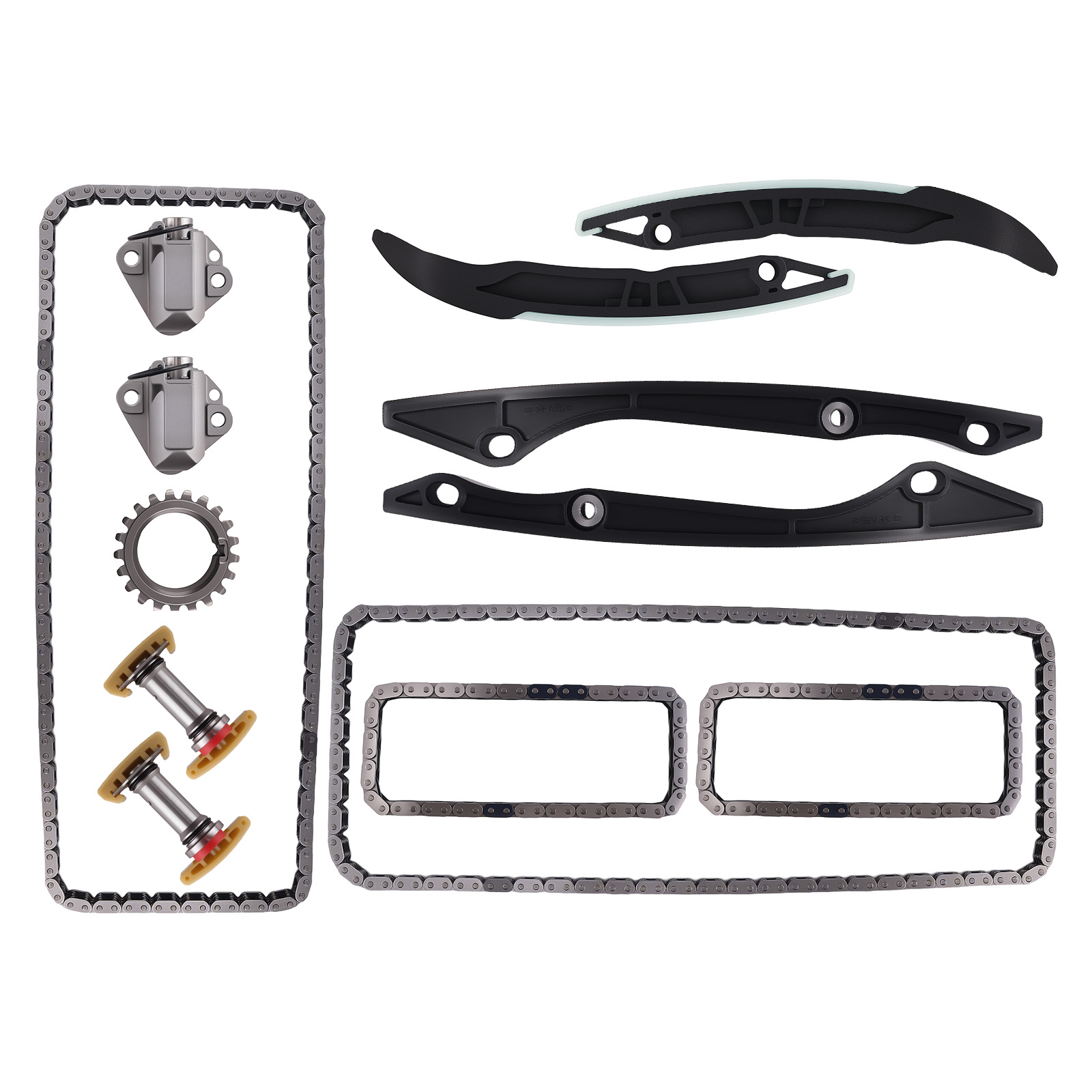 Timing Chain Kit fit for Ford F150 5.0L V8 2011-15 BR3Z-6B274-A w/ Crank Sprocket$143.99View on Mallflare
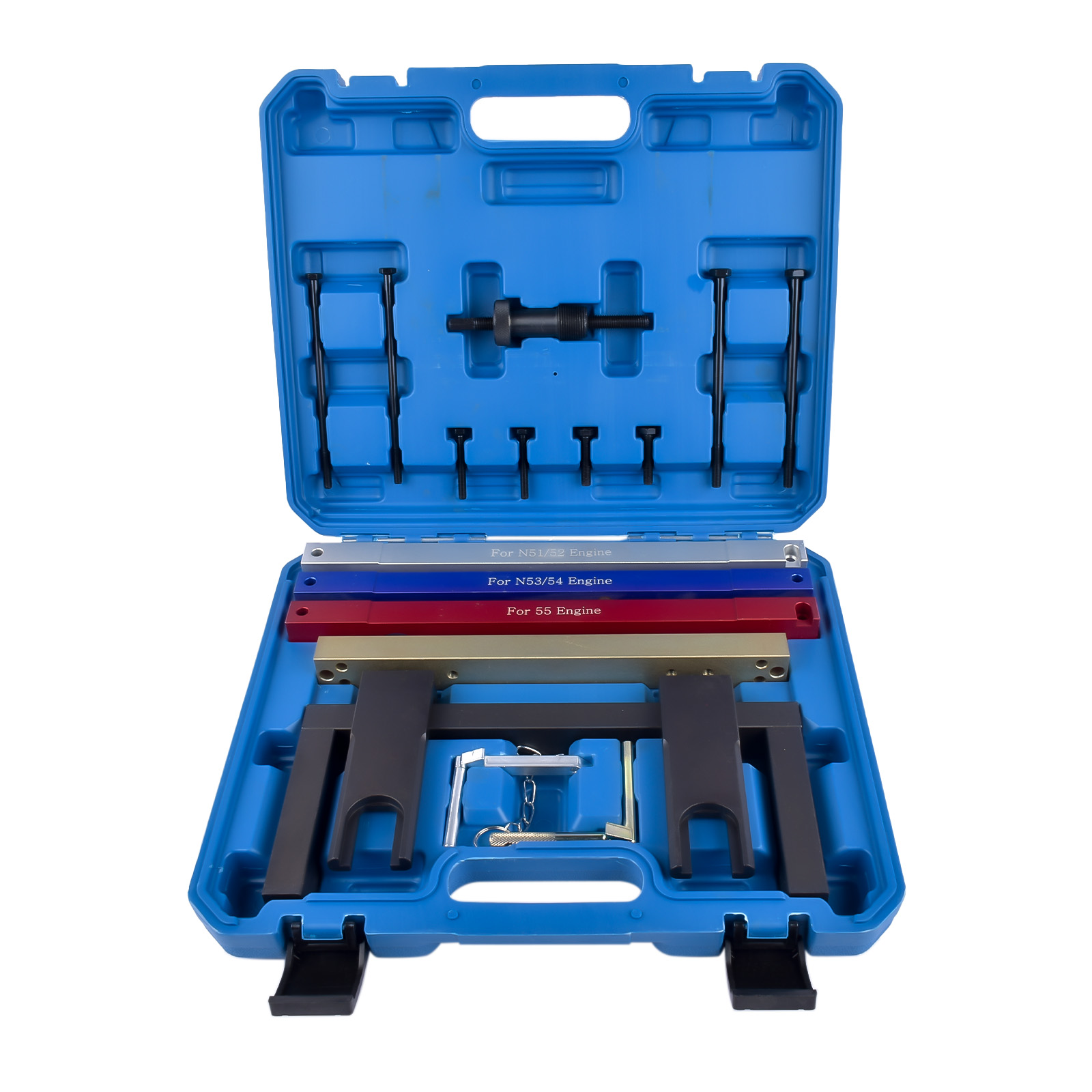 Timing Chain Kit Camshaft Tool for BMW N51 N52 N53 N54 N55 1 3 5 6 7er 325i 328i 330i 335i$144.99View on Mallflare
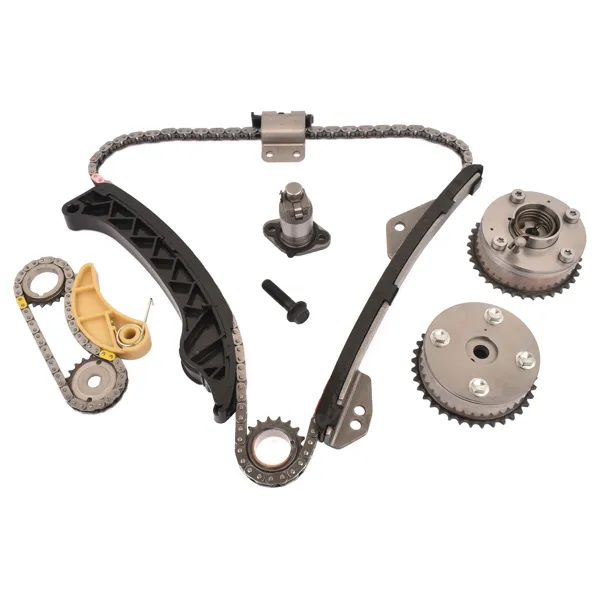 Timing Chain Kit VVT Gear for Toyota Corolla Matrix Prius 2ZR DOHC 16-valve 1.8L$151.99View on Mallflare
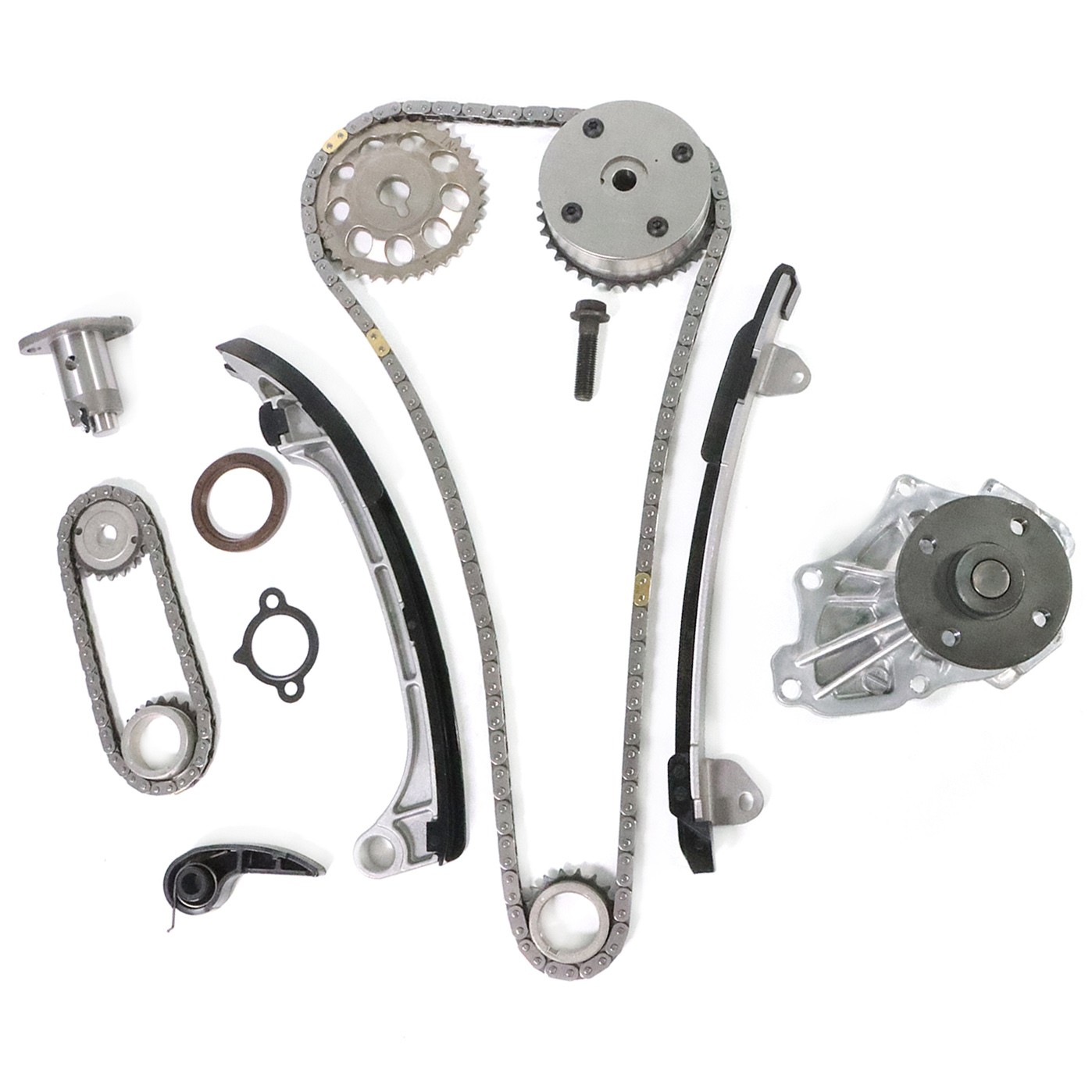 Timing Chain Kit For -Toyota Camry 2002-2009 2.4L Solara SE 2002-2008$152.99View on Mallflare
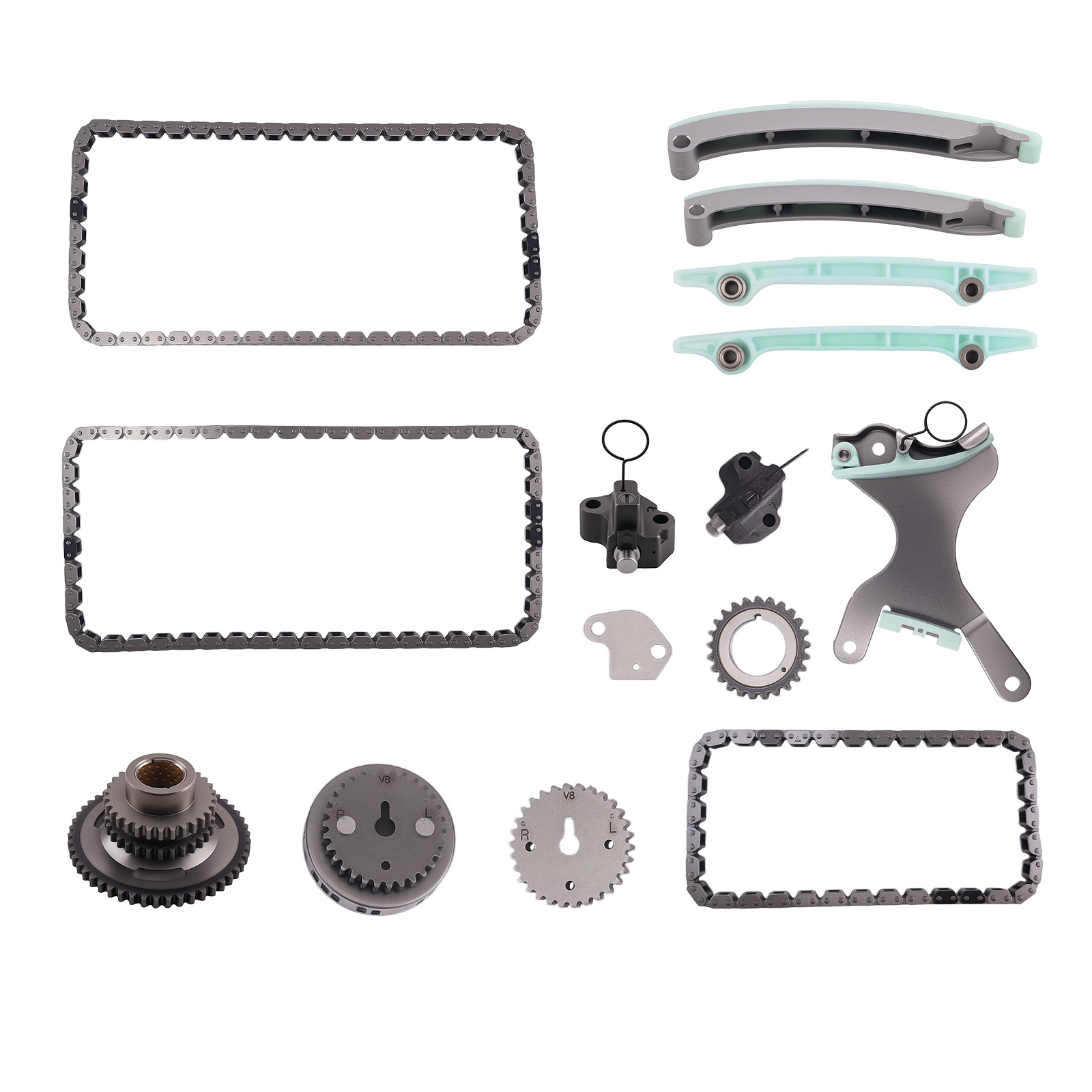 Timing Chain Kit + Crank Sprocket Gears fit for Jeep Commander 4.7L 2007-09 53020681$159.99View on Mallflare
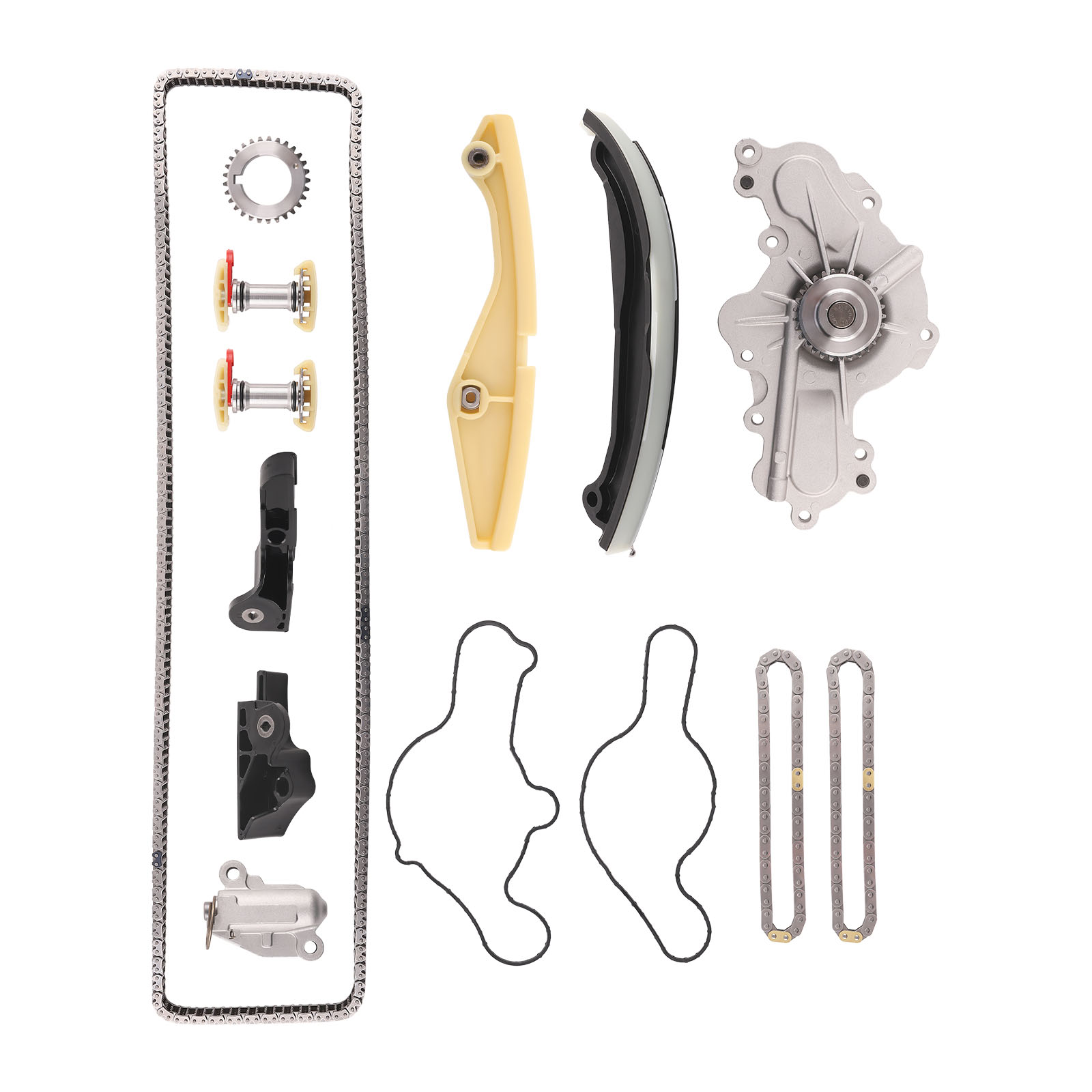 Timing Chain Kit Water Pump fit for Lincoln MKX MKS Ford Taurus Edge Flex 3.5L 3.7L$172.99View on Mallflare
Highlights
- Full kits include chain, tensioner, guides, and sprockets; chain-only replacements fail when paired with worn tensioners.
- OEM-style kits often include updated tensioner designs that address known failure points in older engines.
- Chain pitch and link count are engine-specific; a mismatch in length or pitch causes timing misalignment and valve damage.
- VVT sprockets and phaser components are included in kits for engines with variable valve timing; using non-VVT sprockets disables VVT.
Best use cases
- Best fit: high-mileage engines with rattle on cold start or P0016/P0017 codes—choose a full kit with updated tensioner and guides for your exact engine code.
- Wrong fit: low-mileage engines under 100,000 miles without symptoms—skip replacement unless diagnostic codes or noise confirm wear.
- Best fit: interference engines (most modern DOHC) where chain failure causes valve damage—use an OEM-grade kit with all sprockets and tensioner.
- Wrong fit: engines with timing belts—do not order a chain kit; verify belt vs chain before purchase.
Buying tips
- Match the kit to your engine code (e.g., 1AZ-FE, 2.4L Ecotec) and VIN; kits for the same displacement can differ by generation and VVT.
- Choose kits that include the updated tensioner and all guides; a chain-only kit is false economy on high-mileage engines.
- Verify sprocket count and tooth profile: VVT engines require phaser sprockets, and mismatch causes codes and poor performance.
- Prefer metal-backed guides and multi-link chains over single-row chains for durability in high-load applications.
Specs
| Kit Contents | Chain, tensioner, guides, sprockets |
|---|---|
| Chain Type | Single-row vs multi-row |
| VVT Compatibility | With or without phaser sprockets |
| Engine Fitment | By engine code and VIN |
Related searches
What to check before buying
- Confirm engine code and VIN—timing chain kits are not interchangeable across engine generations even with the same displacement.
- Check if your engine is interference or non-interference; interference engines require immediate replacement at first sign of wear.
- Verify whether your engine uses VVT; kits without VVT sprockets will cause performance and emissions issues.
- Inspect the oil condition and change interval—sludge accelerates chain wear, and a new chain on a sludged engine will fail prematurely.
FAQ
Data sources: eBay / Amazon listings and product attribute feeds Data updated Nov 15, 2026.
Some links on this page are affiliate links. If you buy after clicking one, we may earn a commission at no extra cost to you. This does not change which products appear here or their order. Affiliate disclosure.