Photos from current listings. Actual item, color, and included accessories may vary.
Timing Belt Buying Guide
A timing belt is a toothed synchronous belt that drives the camshaft(s) in interference-engine designs, and the core trade-off is belt construction and kit completeness versus buying a bare belt. Durable options pair HNBR or fiberglass-reinforced belts with new tensioners, idlers, and water pumps; bare-belt compromises skip the wear parts that actually cause most failures.


At a glance
- Category
- Engine, Exhaust & Fuel System Parts
- Data updated
- Nov 15, 2026
Current offers
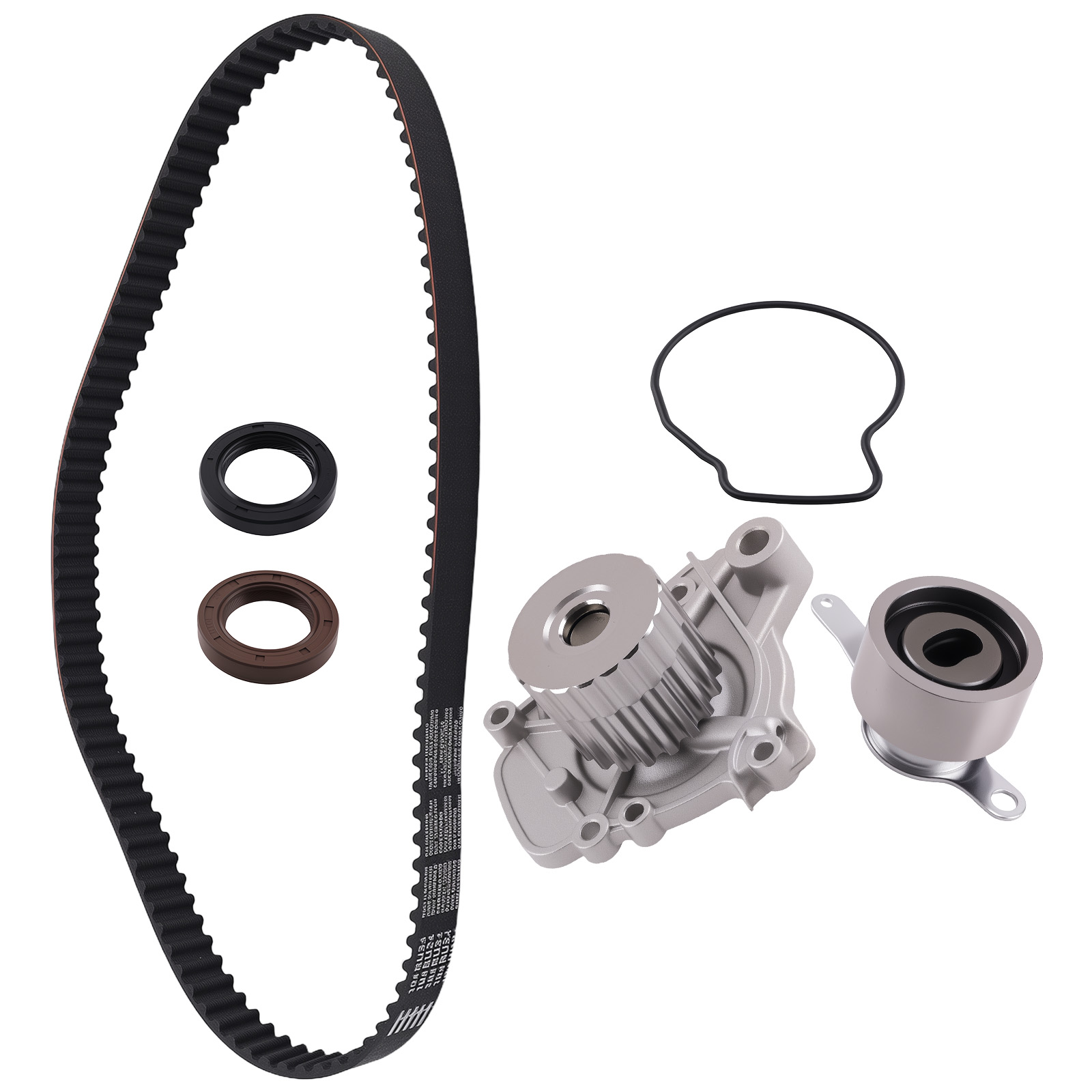 Timing Belt Kit w/ Water Pump fit for 96-00 Honda Civic LX DX EX HX 1.6L D16Y7 D16Y8$70.99
 View on Mallflare
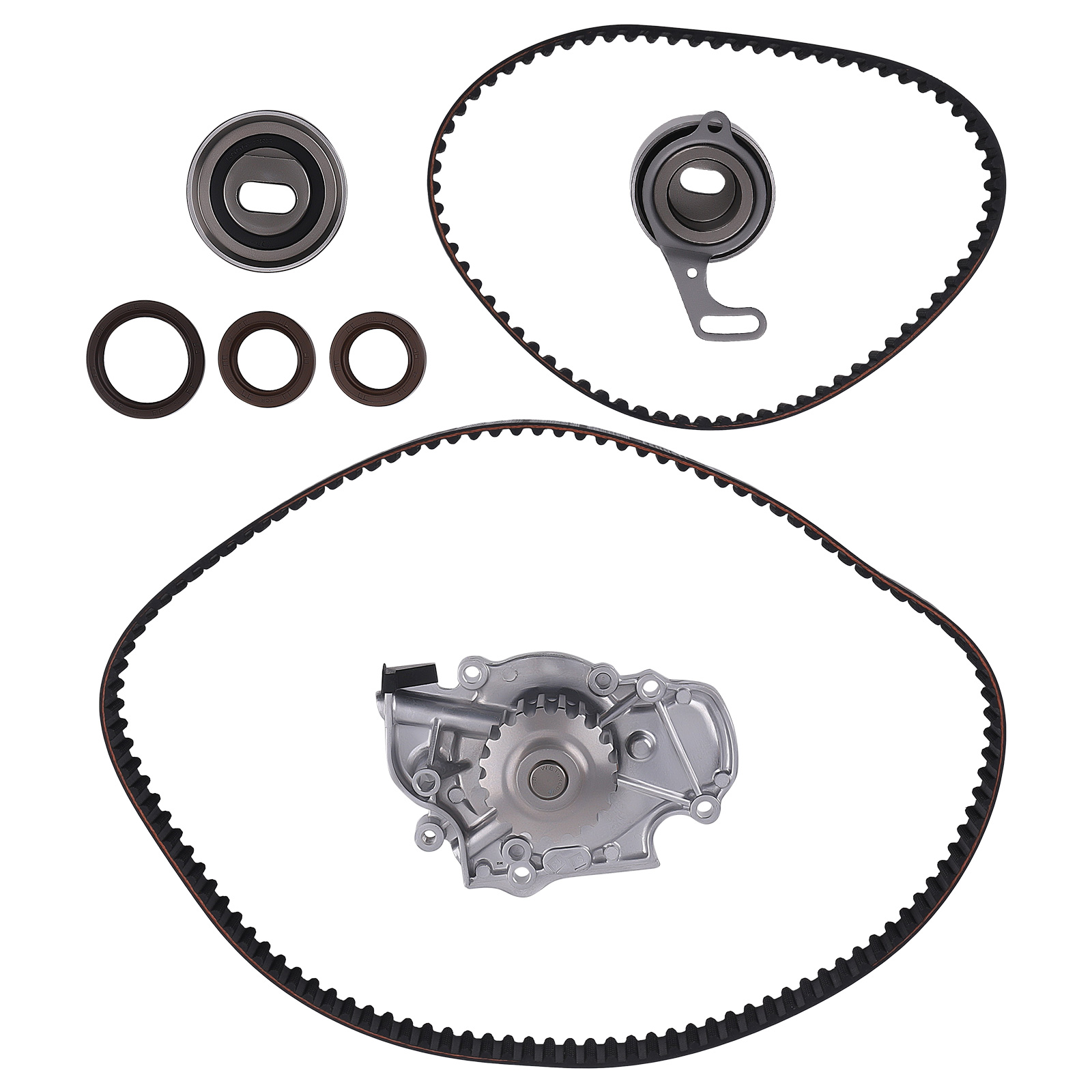 Engine Timing Belt Kit fit for Honda Accord Odyssey Isuzu Oasis 2.3L 1998-1999$83.99View on Mallflare
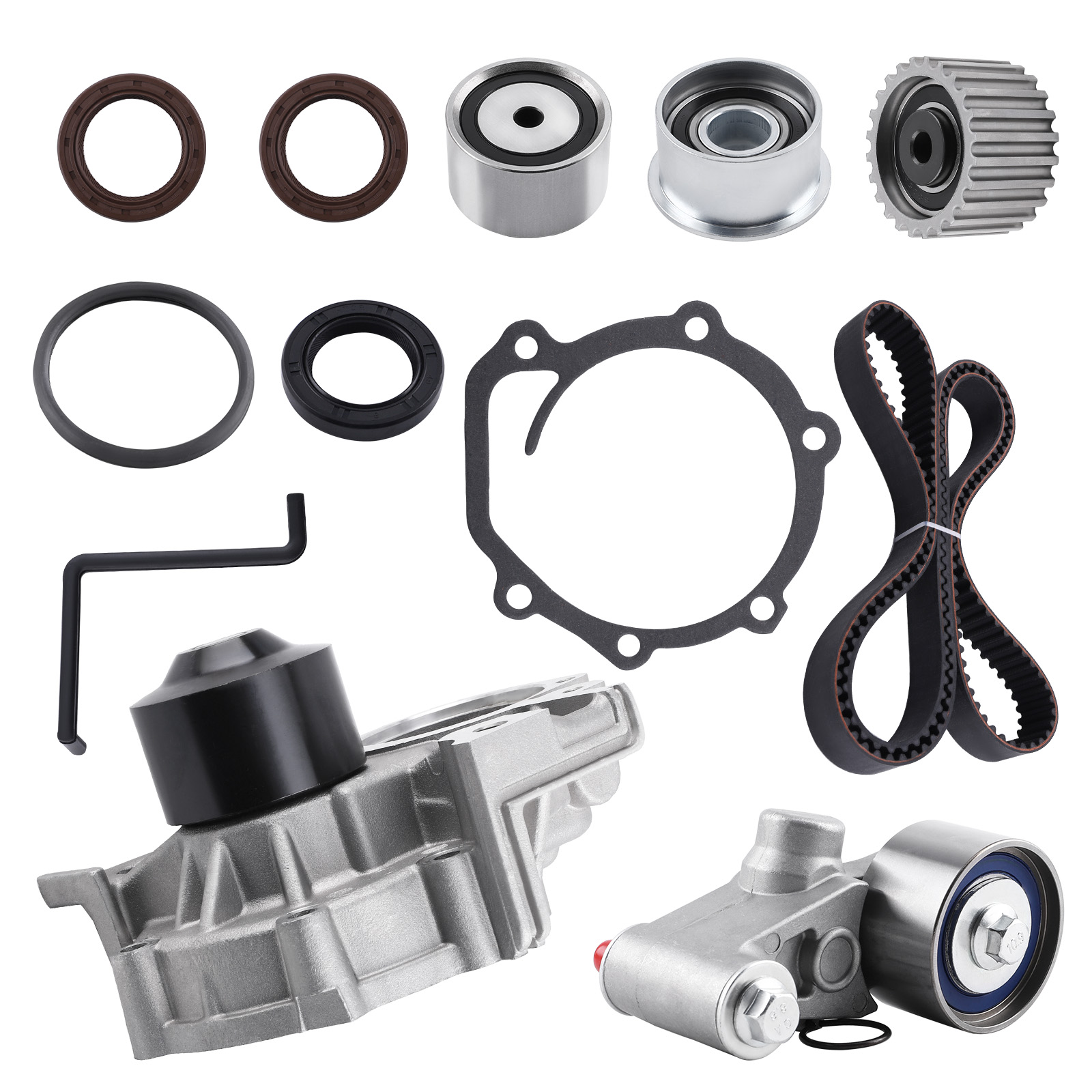 Timing Belt Water Pump Kit fit for Subaru Impreza Forester Outback EJ253 2.5L New$162.99View on Mallflare
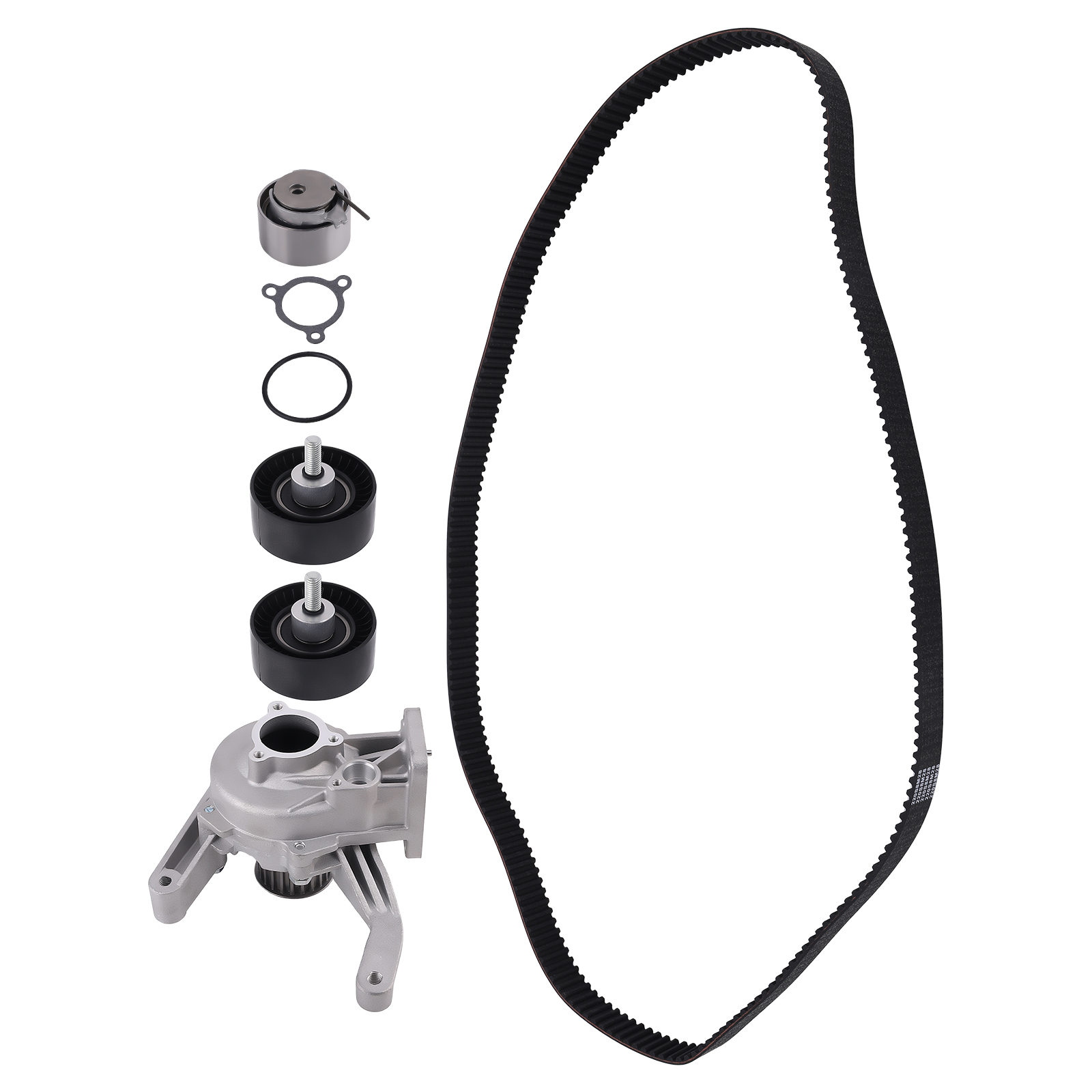 Timing Belt Component Kit fit for Jeep Liberty 2.8L Turbocharged 2005-2006 5142798AA$172.99View on Mallflare
Highlights
- Belt construction: HNBR rubber with high-tensile fiberglass cords resists heat and tooth shear; generic neoprene belts degrade faster in high-temp engine bays.
- Kit tiers: full kits include belt, tensioner, idler pulleys, and water pump; component kits drop the pump; bare belts include only the belt.
- Interference engines: most 1.6L D16, 2.3L, EJ253 2.5L, and 2.8L turbo diesels are interference-fit, so belt failure bends valves and destroys heads.
- Service interval: OEM schedules typically land at 60,000–105,000 miles or 7–10 years, whichever comes first; heat, oil leaks, and short trips shorten real-world life.
Best use cases
- Daily-driven interference engines past 60k miles: buy the full kit with water pump and tensioners, not a bare belt — the labor cost dominates, so reusing old pulleys is false economy.
- Known oil-seal or coolant-leak engines: replace cam/crank seals and the water pump in the same job; a leaking seal contaminates a new HNBR belt and causes early tooth failure.
- Low-mileage garage-kept engine with verified recent belt service: a bare belt is acceptable only if tensioner and idler bearings spin freely with no play or seal seepage.
- High-heat turbo or diesel applications: skip budget neoprene belts; specify HNBR/fiberglass construction rated for elevated underhood temperatures.
Buying tips
- Match the engine code, not just displacement: D16Y7/D16Y8, EJ253, and 2.8L turbo diesel each use specific belt widths and tooth counts.
- Count teeth and measure width against the old belt before install; a one-tooth mismatch throws cam timing and can cause valve contact.
- Replace tensioner and idler bearings with every belt — bearing seizure is a leading cause of premature belt failure.
- Choose full kits with a water pump when the pump is belt-driven; the incremental part cost is small versus repeat labor.
Specs
| Belt Material | HNBR vs neoprene rubber |
|---|---|
| Reinforcement | Fiberglass cord vs polyester |
| Kit Tier | Belt only / component / full+pump |
| Engine Fit | Interference vs non-interference |
Related searches
What to check before buying
- Confirm engine code and model-year range from the VIN or door-jamb sticker before ordering any kit.
- Verify whether your engine is interference or non-interference; interference engines demand strict interval adherence.
- Inspect the water pump, cam/crank seals, and front main seal for leaks before installing a new belt.
- Check that the kit includes tensioner, idler, and (if applicable) water pump, plus a new tensioner spring or stud where specified.
FAQ
Data sources: eBay / Amazon listings and product attribute feeds Data updated Nov 15, 2026.
Some links on this page are affiliate links. If you buy after clicking one, we may earn a commission at no extra cost to you. This does not change which products appear here or their order. Affiliate disclosure.