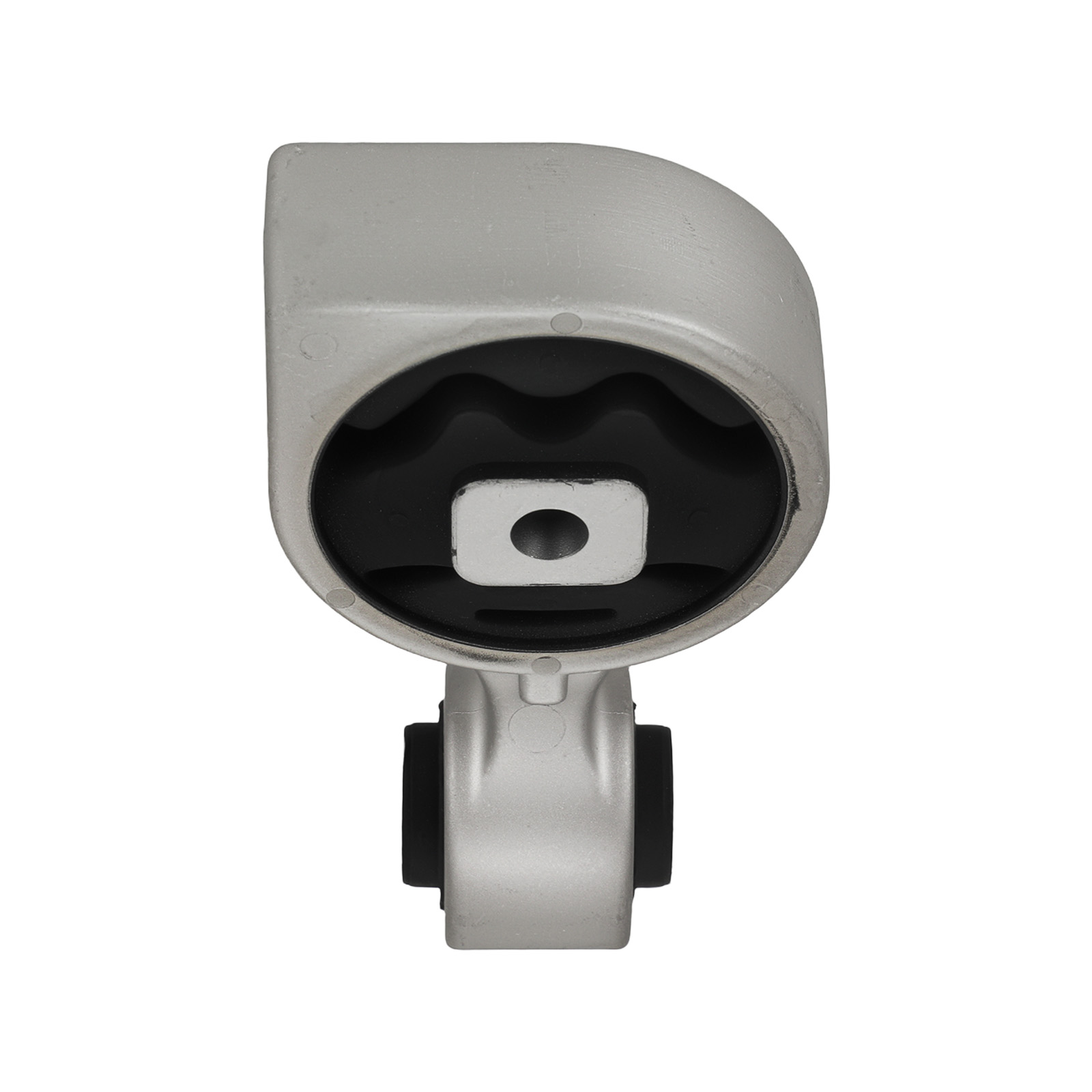

Photos from current listings. Actual item, color, and included accessories may vary.
Strut Buying Guide
A strut is a structural suspension assembly combining a coil spring and hydraulic damper into one load-bearing unit, distinct from a simple shock absorber. The core trade-off is gas-charged monotube vs twin-tube construction and complete quick-strut vs bare-insert format: quick-struts restore factory ride height and spring rate in one job, while bare struts demand spring compression tools and reuse of worn springs. Buy a complete quick-strut assembly with new upper mount and bearing for any daily driver; choose bare inserts only when the coil spring and mount are verified within spec or you are upgrading spring rates deliberately.


At a glance
- Category
- Engine, Exhaust & Fuel System Parts
- Data updated
- Nov 15, 2026
Current offers
Highlights
- Monotube struts use a single high-pressure gas chamber for consistent damping under load, while twin-tube struts are cheaper and more common on commuter sedans like the 2007-2015 Nissan Altima.
- Quick-strut assemblies ship pre-assembled with coil spring, upper mount, bearing, and boot; bare struts require transferring the old spring and mount with a wall-mounted spring compressor.
- The front torque strut (engine mount) on a 2007-2015 Altima 2.5L is a separate powertrain mount, not a suspension strut, and is often mislabeled in listings as a 'front strut'.
- Strut service life is typically 50,000-80,000 miles; gas charge loss and seal weeping show as bouncy rebound, uneven tire cupping, and oil film on the strut body.
Best use cases
- Daily-driven 2007-2015 Nissan Altima with worn front suspension: buy a complete quick-strut pair for both sides; skip bare inserts unless the coil springs are rust-free and within free-length spec.
- Performance or lowered-spring build: choose bare monotube struts matched to your spring rate; skip quick-struts because factory spring rates and ride height will fight the lowering springs.
- Engine vibration or clunk on acceleration in a 2.5L Altima: replace the front torque strut (engine mount) EM-9444, not the suspension strut; skip suspension struts unless there is also bounce or tire cupping.
Buying tips
- Replace struts in pairs per axle; mixing a new strut with a worn one causes uneven damping, pulling, and accelerated tire wear on the opposite corner.
- Match strut format to your spring plan: complete quick-strut for stock height, bare strut insert for aftermarket or verified OEM springs; never compress a spring without a rated wall-mounted compressor.
- Confirm upper mount and bearing are included; a quick-strut without a new bearing will reintroduce steering pop and noise within miles.
- For the 2007-2015 Altima 2.5L, verify the part is a suspension strut vs the front torque strut engine mount; the EM-9444-style mount controls engine rock, not ride height.
Specs
| Strut Format | Complete quick-strut vs bare insert |
|---|---|
| Damper Type | Twin-tube vs monotube gas-charged |
| Included Hardware | Spring/mount/bearing vs strut only |
| Mount Style | 3-stud upper mount / clevis or pinch |
Related searches
What to check before buying
- Measure fender-to-ground height at all four corners; a difference over 0.5 inch side-to-side signals a sagging spring that needs a complete quick-strut, not a bare insert.
- Inspect the coil spring for rust pitting and broken coils before choosing bare struts; pitted or cracked springs must be replaced with a quick-strut assembly.
- Verify the upper mount stud pattern and bearing diameter match your chassis; Altima 2007-2015 front struts use a specific three-stud mount layout.
- Check your strut housing for a removable gland nut if considering bare inserts; sealed housing struts cannot accept inserts and require complete assemblies.
FAQ
Data sources: eBay / Amazon listings and product attribute feeds Data updated Nov 15, 2026.
Some links on this page are affiliate links. If you buy after clicking one, we may earn a commission at no extra cost to you. This does not change which products appear here or their order. Affiliate disclosure.