Photos from current listings. Actual item, color, and included accessories may vary.
Stainless Steel Exhaust Pipe Buying Guide
Stainless steel exhaust pipe is the universal tubing and accessory segment for custom exhaust builds, repairs, and upgrades. The core trade-off is alloy grade versus cost: 409 offers basic corrosion resistance at low cost, while 304 and 321 deliver long-term durability under high heat and road salt. The decision rule is simple: match the grade to your climate and exhaust gas temperature, and never substitute mild steel for any section you expect to last more than a few seasons.


At a glance
- Category
- Engine, Exhaust & Fuel System Parts
- Data updated
- Nov 15, 2026
Current offers
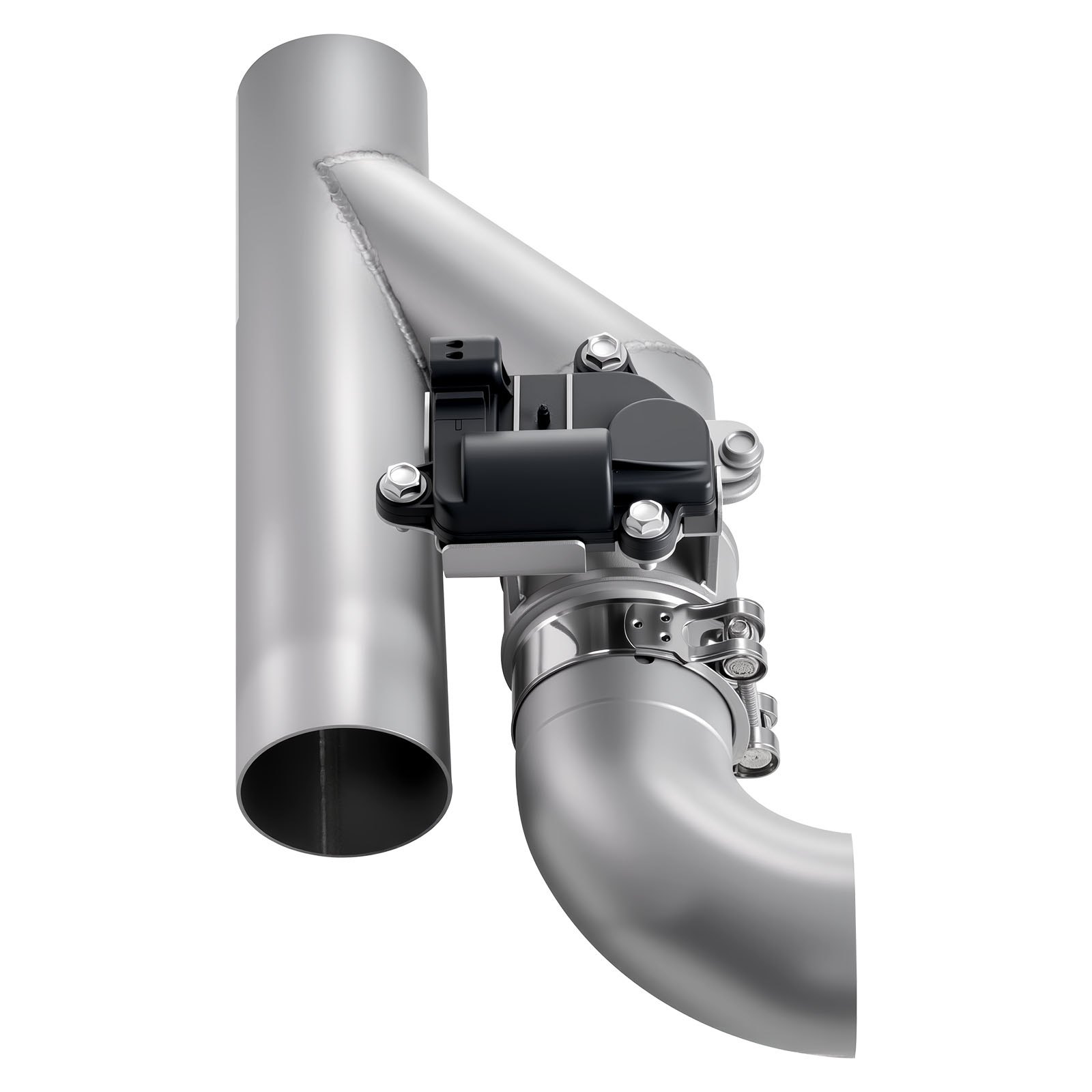 Electric Exhaust Cutout, 2.5 Inch Universal Stainless Steel Valve Kit With One Controller Remote Kit, Cut Out Y Pipe, Control & Box, Fits Trucks, Sedans, Sports Cars, SUVs$90.99
 View on Mallflare
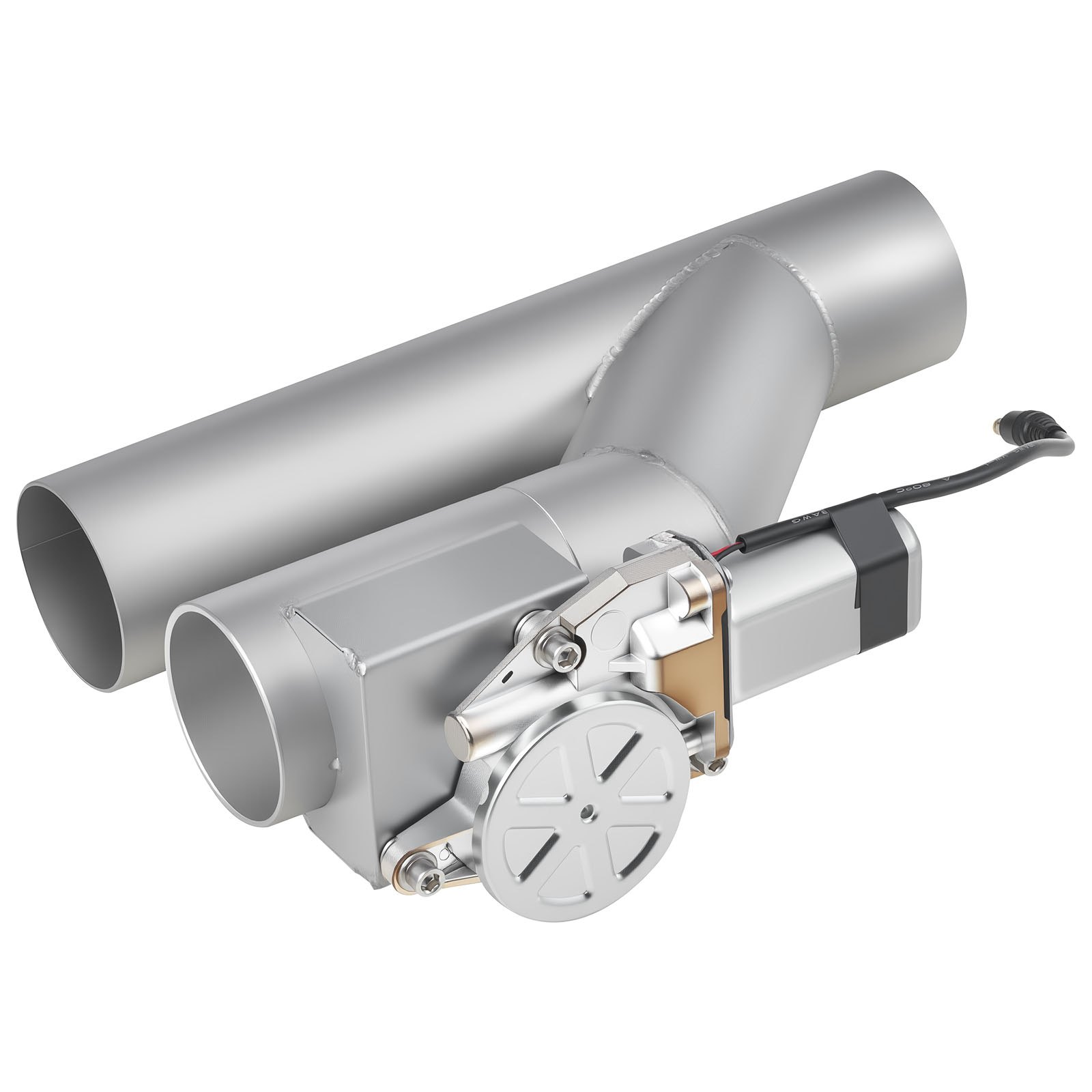 Electric Exhaust Cutout, 2.5 Inch 2PCS Universal Stainless Steel Valve Kit With One Controller Remote Kit, Cut Out Y Pipe, Control, Fits Trucks, Sedans, Sports Cars, SUVs$166.99View on Mallflare
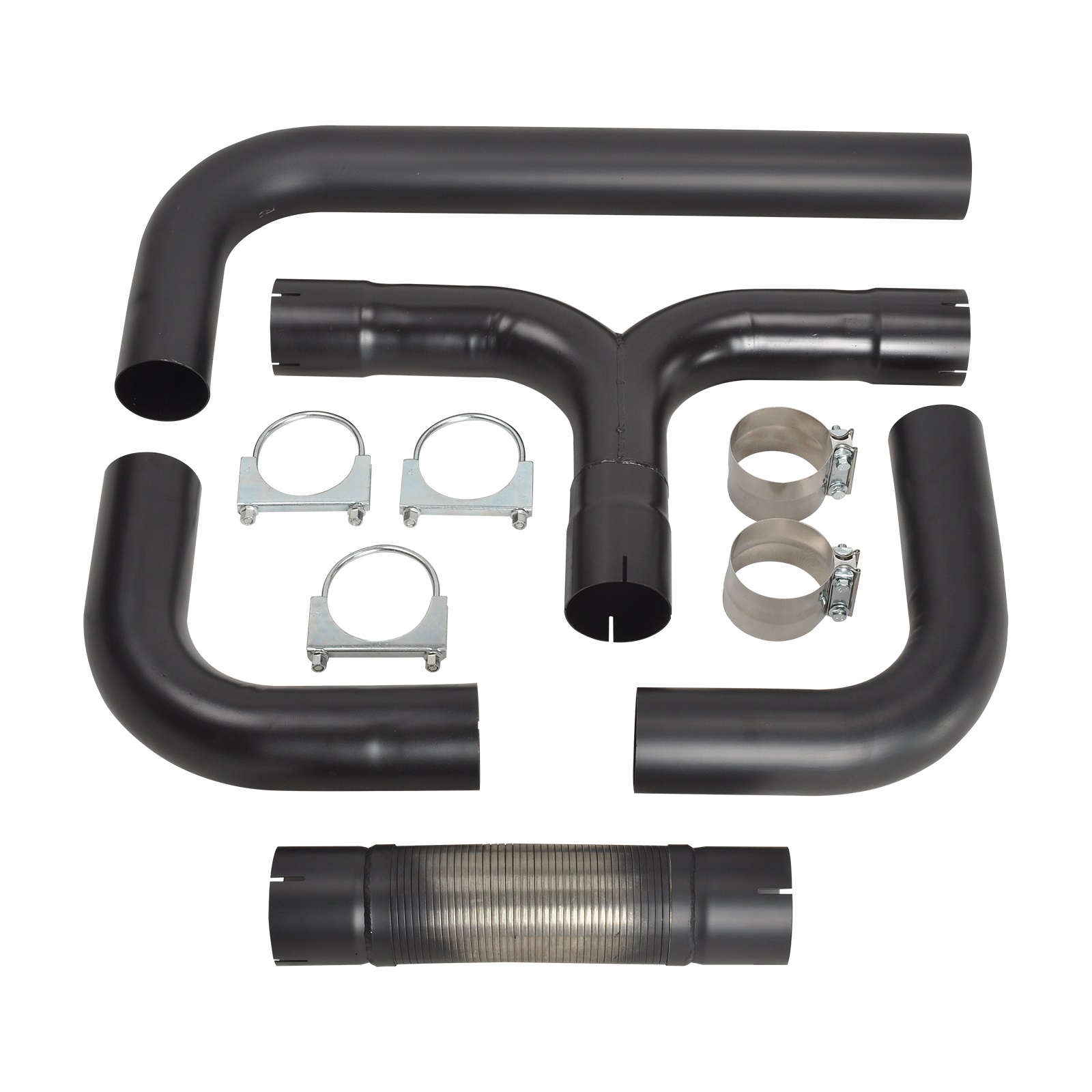 Exhaust Pipe 409 Stainless Steel,5"diameter 1.5mm thickness MT017024$464.99View on Mallflare
Highlights
- 409 stainless steel (11-12% chromium, no nickel) is the minimum grade for automotive exhaust; it resists oxidation but will surface-rust in salt-belt winter climates.
- 304 stainless (18% chromium, 8% nickel) is the benchmark for cat-back and axle-back systems; it handles sustained 800°C+ gas temps and wet road spray without structural corrosion.
- 321 stainless adds titanium to stabilize against carbide precipitation, making it the correct choice for turbo downpipes and manifold-to-turbo sections that see 900°C+.
- Wall thickness drives durability more than grade alone: 16-gauge (1.5mm) is standard for daily-driver pipes, while 14-gauge (2.0mm) survives off-road flex and track vibration better.
Best use cases
- Daily-driver cat-back replacement in a salt-belt state: pick 304 stainless in 16-gauge; skip 409 unless you accept visible surface rust within two winters.
- Turbo downpipe or manifold section: choose 321 stainless or thick-wall 304 (14-gauge); skip thin 409 entirely because heat cycling will crack the weld zone.
- Muffler-delete or axle-back pipe on a budget street car: 409 stainless in 16-gauge is the correct tier; skip 304 only if you plan to keep the car beyond five years.
- Off-road truck or track car with high vibration: step up to 14-gauge 304 and TIG-welded joints; skip 16-gauge 409 because flex fatigue will open seams at the hangers.
Buying tips
- Match pipe diameter to your existing system, not to the engine size: 2.25-inch suits stock naturally aspirated four-cylinders, 2.5-inch suits V6 and mild V8 builds, and 3-inch is for forced induction or high-displacement V8s.
- Choose grade by climate: 409 is acceptable in dry, mild regions; 304 is the minimum for any vehicle driven on salted roads; 321 goes on turbo cars and track vehicles.
- Check wall thickness in gauge, not just millimeter claims: 16-gauge (1.5mm) is the daily-driver baseline, 14-gauge (2.0mm) is the off-road and track baseline, and 18-gauge (1.2mm) is only for short cosmetic sections.
- For cutouts and valve kits, confirm the valve body is 304 stainless and the Y-pipe matches your main pipe diameter; a 2.5-inch cutout on a 3-inch system creates a flow bottleneck.
Specs
| Alloy Grade | 409 / 304 / 321 stainless |
|---|---|
| Wall Thickness | 18-14 gauge (1.0-2.0mm) |
| Pipe Diameter | 2.0-3.0 in (50-76mm) OD |
| Joint Type | Slip-joint clamp vs TIG weld |
Related searches
What to check before buying
- Measure your existing pipe outside diameter with a caliper before ordering: stock systems vary between 2.0 and 2.75 inches even within the same model year.
- Verify your vehicle's exhaust gas temperature range: naturally aspirated engines stay under 800°C, while turbo and supercharged engines exceed 900°C and demand 321 or thick 304.
- Confirm your local climate and road-salt exposure: if your region salts roads for more than two months per year, eliminate 409 from consideration.
- For cutout or valve kits, check whether the controller requires a 12V switched ignition source and whether the Y-pipe includes clamps or requires welding.
FAQ
Data sources: eBay / Amazon listings and product attribute feeds Data updated Nov 15, 2026.
Some links on this page are affiliate links. If you buy after clicking one, we may earn a commission at no extra cost to you. This does not change which products appear here or their order. Affiliate disclosure.