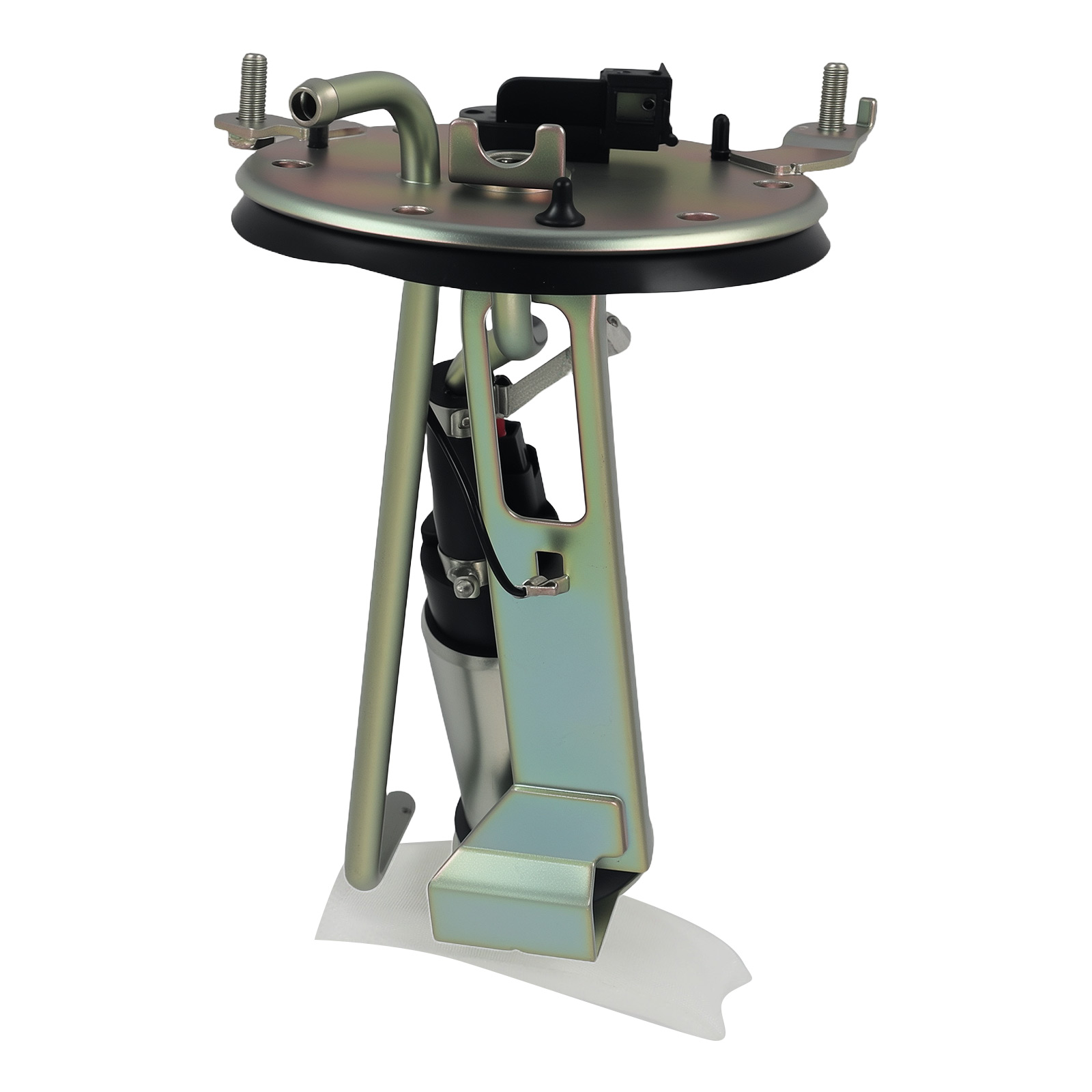

Photos from current listings. Actual item, color, and included accessories may vary.
Honda Fuel Pump Buying Guide
A Honda fuel pump is the in-tank electric assembly that delivers gasoline at the correct pressure and volume to the engine, and the primary trade-off is OEM-grade turbine/brushless pump architecture with a matched sending unit versus low-cost brushed replacements with generic strainers. Buy the assembly matched to your exact engine code, tank configuration, and connector type; skip any pump that is not explicitly cross-referenced to your Honda chassis and engine.


At a glance
- Category
- Engine, Exhaust & Fuel System Parts
- Data updated
- Nov 15, 2026
Current offers
Highlights
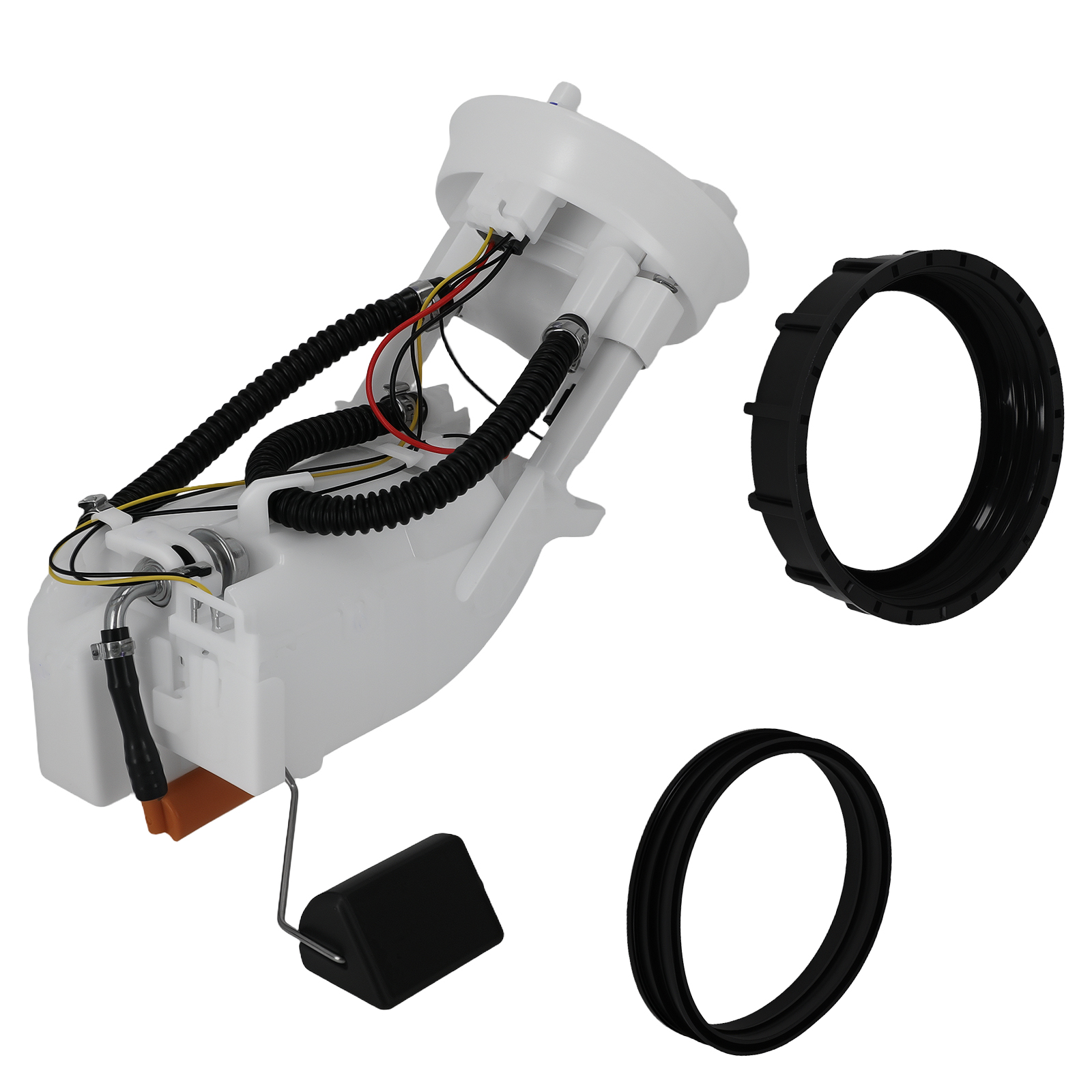
- Honda in-tank pumps are electric, with the pump module, fuel level sending unit, strainer, and pressure regulator often integrated into one assembly; replacing only the bare pump frequently fails on a corroded sending unit.
- Flow and pressure ratings differ by engine: 2.2L inline-four Accord pumps run lower volume than 3.5L V6 Odyssey units, so V6 and four-cylinder assemblies are not interchangeable.
- Genuine Honda and OEM-tier aftermarket pumps use turbine-style or brushless motors rated for continuous submerged duty; bargain brushed pumps wear faster and can drop fuel pressure under load.
- The sending unit resistance must match the cluster: Honda fuel gauges use specific ohm ranges, and a mismatched sender reads empty or full incorrectly even when the pump works.
Best use cases
- Best fit: a 1990-1993 Honda Accord 2.2L with a failed pump or erratic gauge — buy the complete assembly cross-referenced to the E8322H / 17708-SM4-A31 module, not a bare pump.
- Best fit: a 2005-2010 Honda Odyssey 3.5L V6 with hard starts or loss of power — use the full assembly with sending unit (P76415M equivalent) so the gauge and pressure are restored together.
- Wrong fit: buying a universal inline electric pump for a fuel-injected Honda — those are for carbureted or custom applications and lack the correct in-tank mounting, strainer, and return-line plumbing.
- Wrong fit: using a V6 pump assembly in a four-cylinder car or vice versa — different flow rates cause rich/lean conditions and possible fuel pressure codes.
Buying tips
- Match the part to engine displacement and model year: Accord 2.2L (1990-1993) and Odyssey 3.5L V6 (2005-2010) use different pump modules and sending units.
- Choose a complete assembly with integrated sending unit and strainer; a bare pump saves little and reuses a likely worn sender and clogged filter.
- Verify connector pin count and tank seal type before install — Honda pump flanges differ between sedan, coupe, and van tanks.
- Prefer OEM or OEM-equivalent turbine/brushless pumps rated for gasoline submersion; avoid unbranded brushed pumps with no flow specification.
Specs
| Pump Type | Electric in-tank turbine vs brushed |
|---|---|
| Assembly Contents | Pump + sending unit + strainer |
| Engine Match | 2.2L I4 vs 3.5L V6 modules |
| Sender Resistance | Vehicle-specific ohm range |
Related searches
What to check before buying
- Confirm your exact engine code and model year (e.g., F22A 2.2L vs J35 3.5L V6) before ordering a pump assembly.
- Inspect the tank flange and lock ring: Honda push-on and threaded ring styles are not interchangeable.
- Check fuel system type — return-style vs returnless — because the pressure regulator location differs and the wrong assembly will not fit.
- Confirm electrical connector shape and pin count at the pump module, and that the sending unit ohm range matches your instrument cluster.
FAQ
Data sources: eBay / Amazon listings and product attribute feeds Data updated Nov 15, 2026.
Some links on this page are affiliate links. If you buy after clicking one, we may earn a commission at no extra cost to you. This does not change which products appear here or their order. Affiliate disclosure.