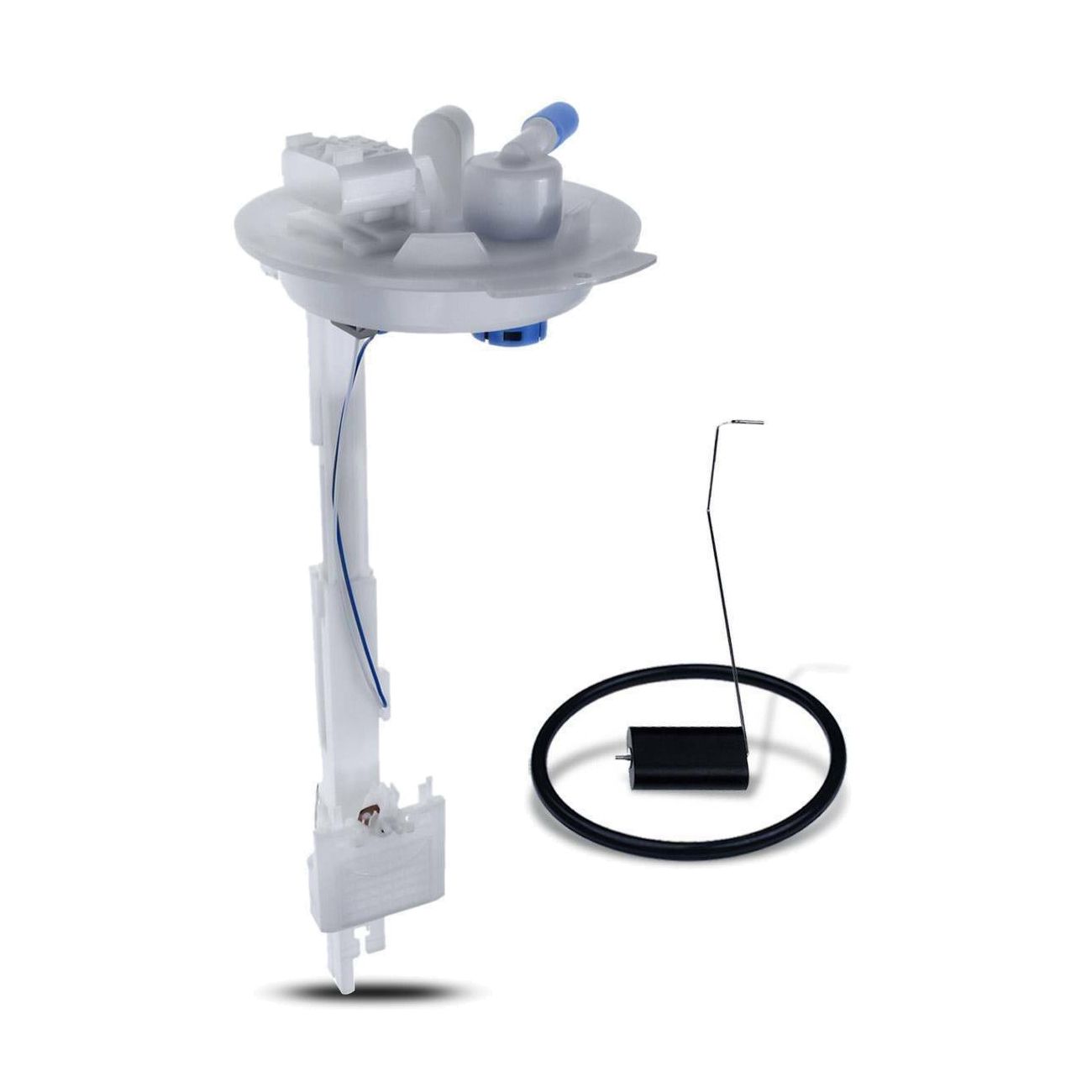

Photos from current listings. Actual item, color, and included accessories may vary.
Fuel Transfer Pump Buying Guide
A fuel transfer pump moves gasoline or diesel from a storage tank to a vehicle or equipment, and the core trade-off is between diaphragm and gear-rotor architectures: diaphragm pumps handle debris and run dry but deliver lower continuous flow, while gear-rotor pumps deliver higher flow and pressure but require clean fuel and cannot run dry. Buy a diaphragm pump for occasional vehicle refueling from drums or transfer tanks, and a rotary vane or gear pump for high-volume fleet or equipment filling where flow rate matters.


At a glance
- Category
- Engine, Exhaust & Fuel System Parts
- Data updated
- Nov 15, 2026
Current offers
Highlights
- Diaphragm pumps self-prime up to 10 ft and tolerate particulate, making them the standard for 12V drum-to-vehicle transfer; rotary vane pumps deliver 2-3x the flow but fail if run dry.
- Flow ratings are measured at zero lift: a 10 GPM pump at 5 ft lift typically delivers 6-7 GPM, so size the pump at 1.5x your required fill rate.
- 12V DC pumps draw 8-15A and require 14-10 AWG wiring with an inline fuse; 115V AC pumps deliver higher continuous duty but need a grounded outlet near the tank.
- In-tank OEM replacement pumps are vehicle-specific assemblies (e.g., 2010-2017 Equinox/Terrain driver-side) and are not interchangeable with universal transfer pumps.
Best use cases
- Best fit: 12V diaphragm pump with 8-10 GPM and a manual nozzle for refueling tractors, ATVs, and generators from 55-gallon drums; skip high-pressure gear pumps that cost more and demand clean fuel.
- Best fit: 115V AC rotary vane pump plumbed to a 100-300 gallon transfer tank for fleet filling; skip 12V diaphragm pumps if you need continuous 15+ GPM duty.
- Wrong fit: using a universal transfer pump to replace a failed in-tank fuel pump assembly on a 2010-2017 Equinox/Terrain—buy the vehicle-specific driver-side assembly instead.
- Best fit: manual rotary hand pump for low-volume, no-power transfer from 5-15 gallon cans; skip electric pumps if you transfer less than 50 gallons per month.
Buying tips
- Match pump flow to nozzle size: a 3/4-inch nozzle flows about 8 GPM, so a 10 GPM pump is the minimum for acceptable fill times; 1-inch nozzles need 15+ GPM.
- Choose a pump rated for your fuel: gasoline requires a spark-free brushless or explosion-proof motor; diesel tolerates standard brushed motors but biodiesel above B20 needs viton seals.
- Size the suction line at or above the pump inlet: a 1-inch inlet pump with a 3/4-inch dip tube will lose 30-40% of rated flow to friction.
- For in-tank replacement, match the assembly to the vehicle generation and tank size—2010-2017 Equinox/Terrain uses a driver-side assembly with specific connector and float resistance.
Specs
| Pump Type | Diaphragm / Gear-rotor / Rotary vane |
|---|---|
| Flow Rate | 5-20 GPM at zero lift |
| Power Supply | 12V DC / 115V AC / Manual |
| Fuel Compatibility | Gasoline / Diesel / Kerosene |
Related searches
What to check before buying
- Measure tank depth and opening: drum pumps need a 2-inch bung, while transfer tanks use a 1.5-2 inch fill neck; confirm dip tube length reaches within 1 inch of the tank bottom.
- Confirm power source: 12V pumps need a battery connection within 10 ft with 14 AWG wire; 115V pumps need a GFCI outlet within cord reach of the tank.
- Check fuel compatibility: gasoline requires explosion-proof or spark-free motor rating; diesel and kerosene work with standard diaphragm or vane pumps.
- For OEM replacement, verify vehicle year, engine, and tank configuration—driver-side vs passenger-side assemblies differ in float arm orientation and connector pinout.
FAQ
Data sources: eBay / Amazon listings and product attribute feeds Data updated Nov 15, 2026.
Some links on this page are affiliate links. If you buy after clicking one, we may earn a commission at no extra cost to you. This does not change which products appear here or their order. Affiliate disclosure.