Photos from current listings. Actual item, color, and included accessories may vary.
Fuel Sending Unit Buying Guide
A fuel sending unit is the tank-mounted sensor assembly that reports fuel level to your gauge, often integrated with the in-tank pump. The core trade-off is standalone sender vs. combined pump-and-sender module: standalone units are cheaper and simpler on return-style or diesel systems, while modules add the electric pump and must match flow, pressure, and tank depth. The decision rule: match the unit to your fuel system type (return vs. returnless), tank depth, and connector before buying; a universal sender with an adjustable arm only works when the resistance range matches your gauge.


At a glance
- Category
- Engine, Exhaust & Fuel System Parts
- Data updated
- Nov 15, 2026
Current offers
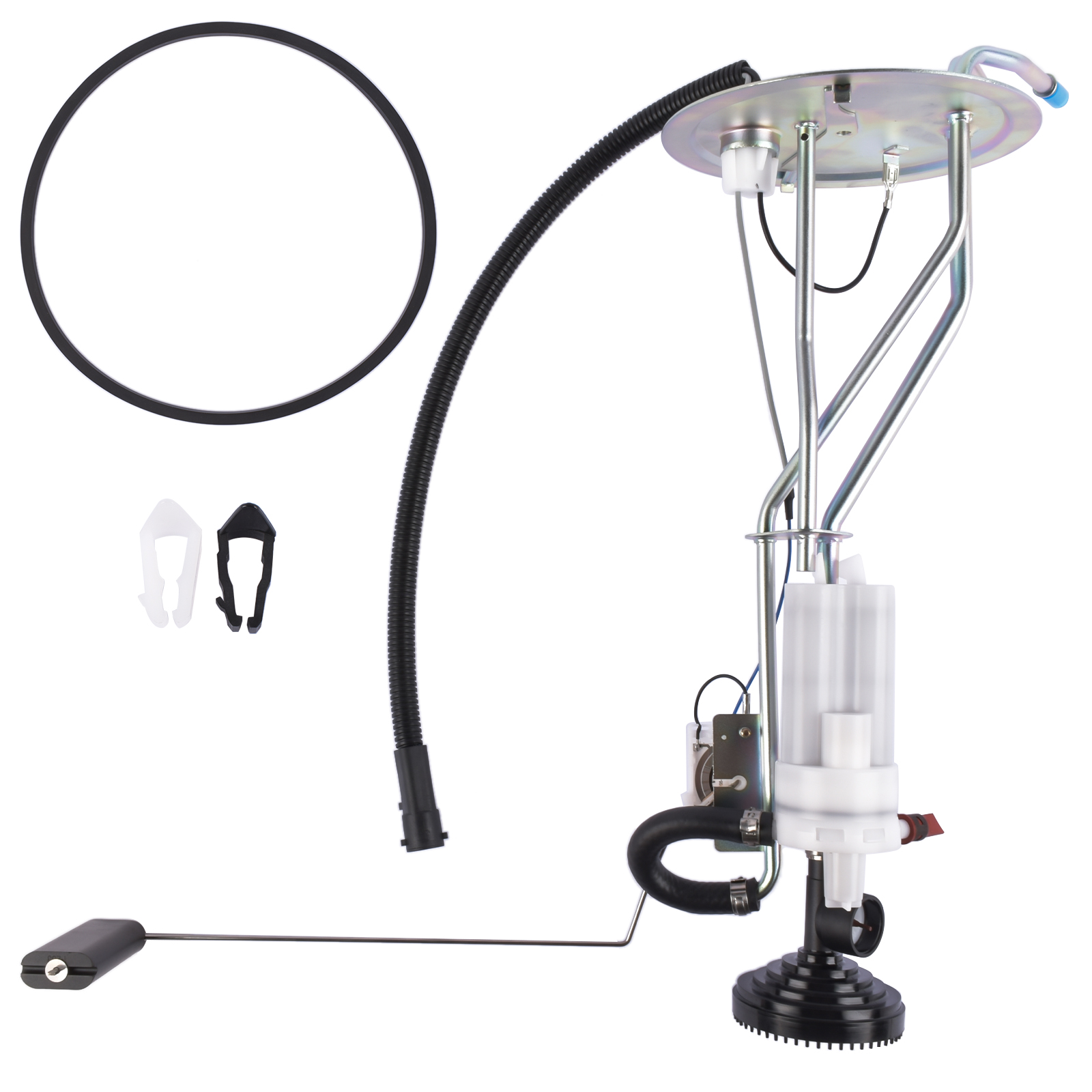 F81Z9275AJ Fuel Tank Sending Unit For Ford F-250 F-350 Super Duty 99-03 V8 7.3L$86.99
 View on Mallflare
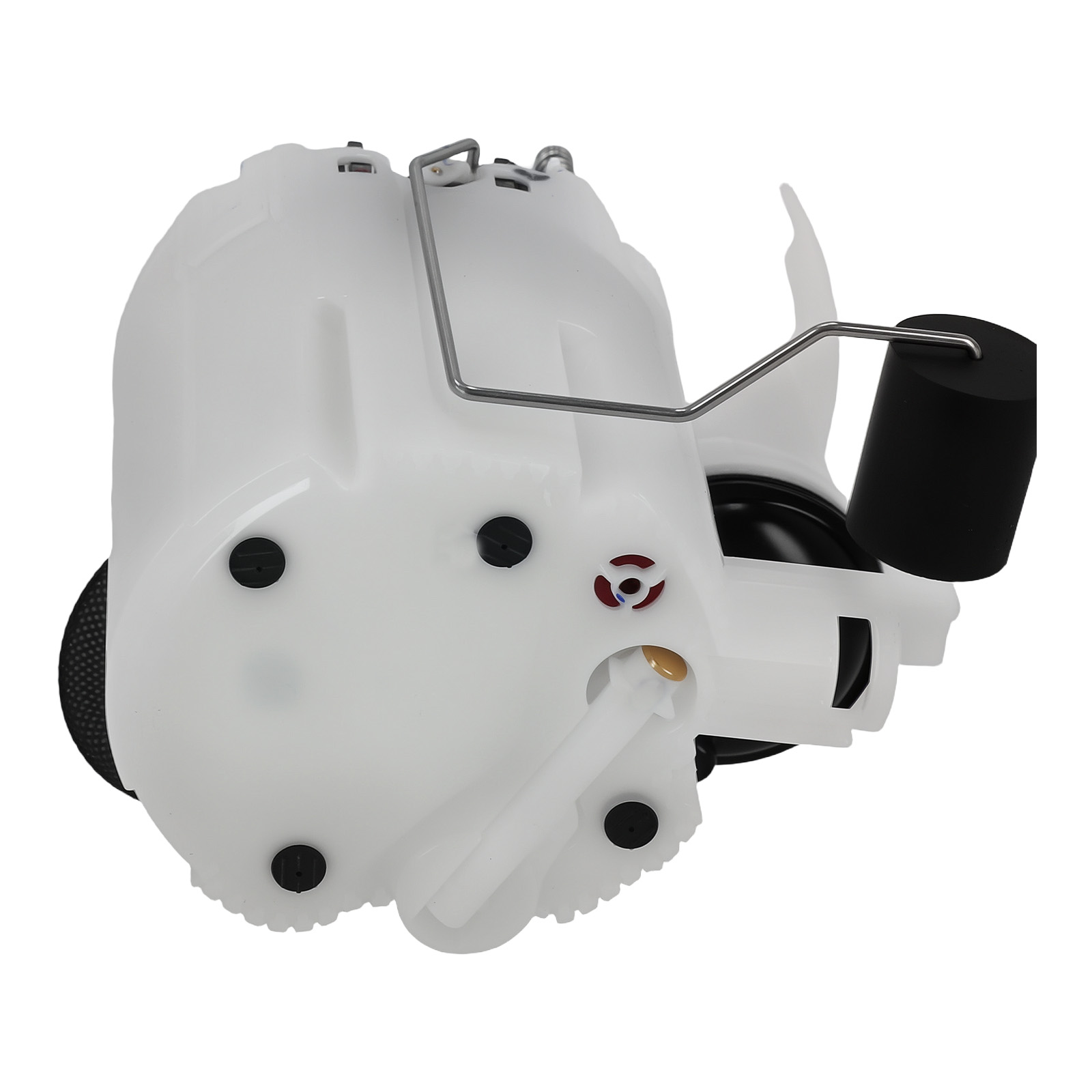 Fuel Pump Assembly w/Fuel Level Sending Unit Module fit for BMW F22 F30 F32 E9214M$101.99View on Mallflare
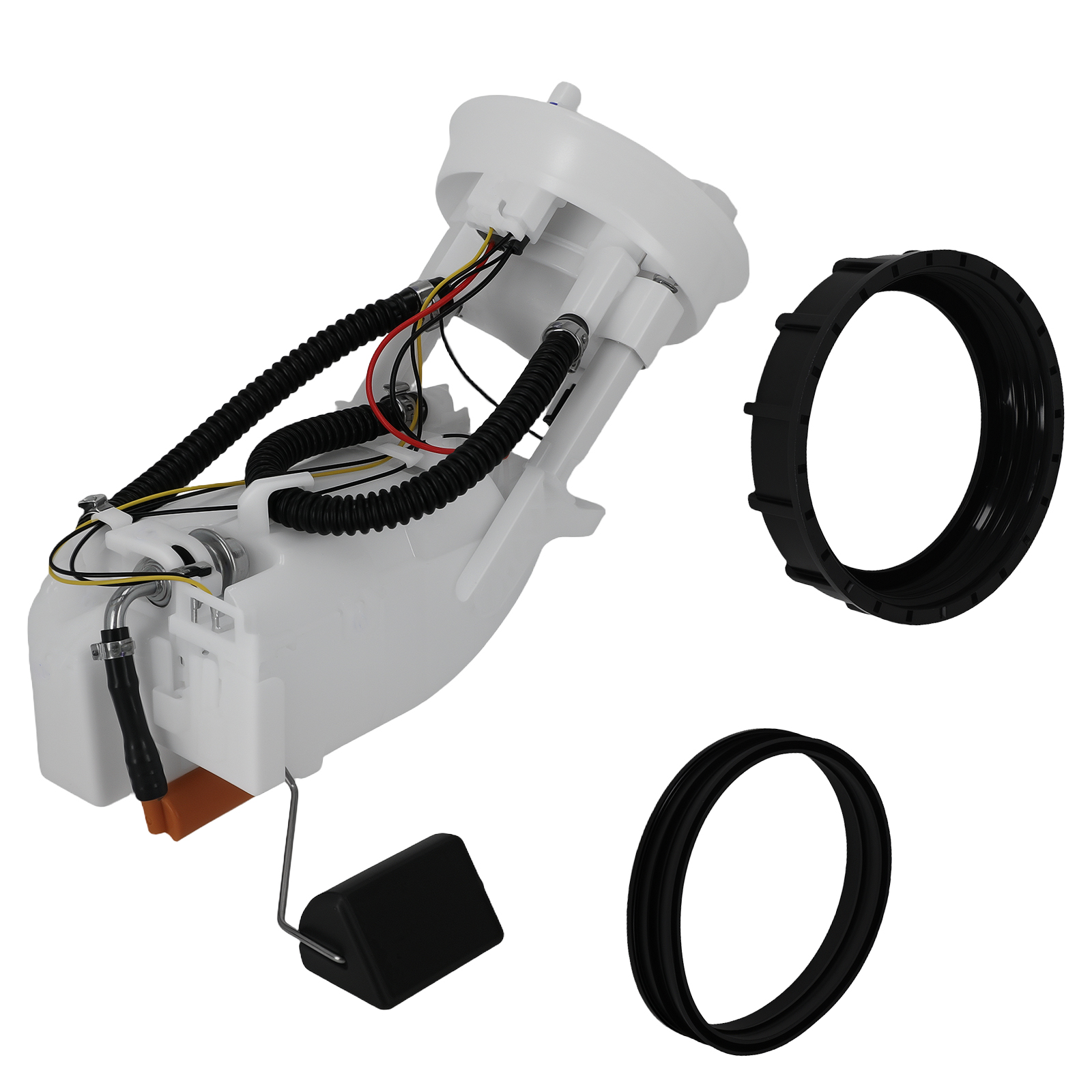 Electric Fuel Pump w/ Sending Unit fit for Honda Odyssey 3.5L V6 05-10 P76415M$101.99View on Mallflare
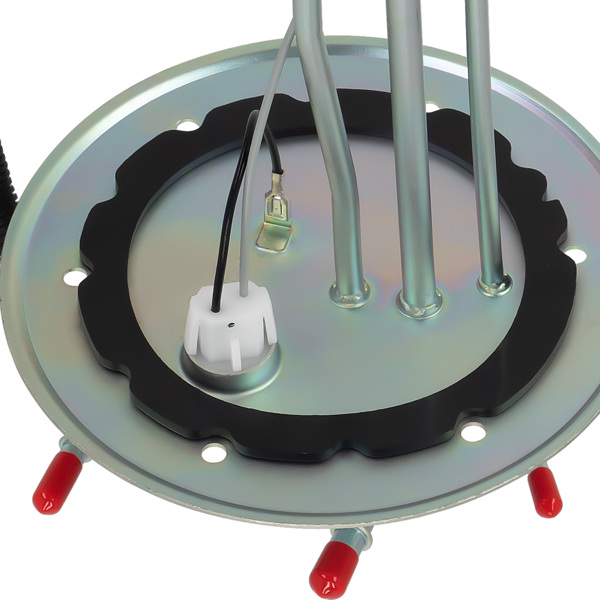 Fuel Tank Sending Unit FG296A Fit For V8 7.3L$123.99View on Mallflare
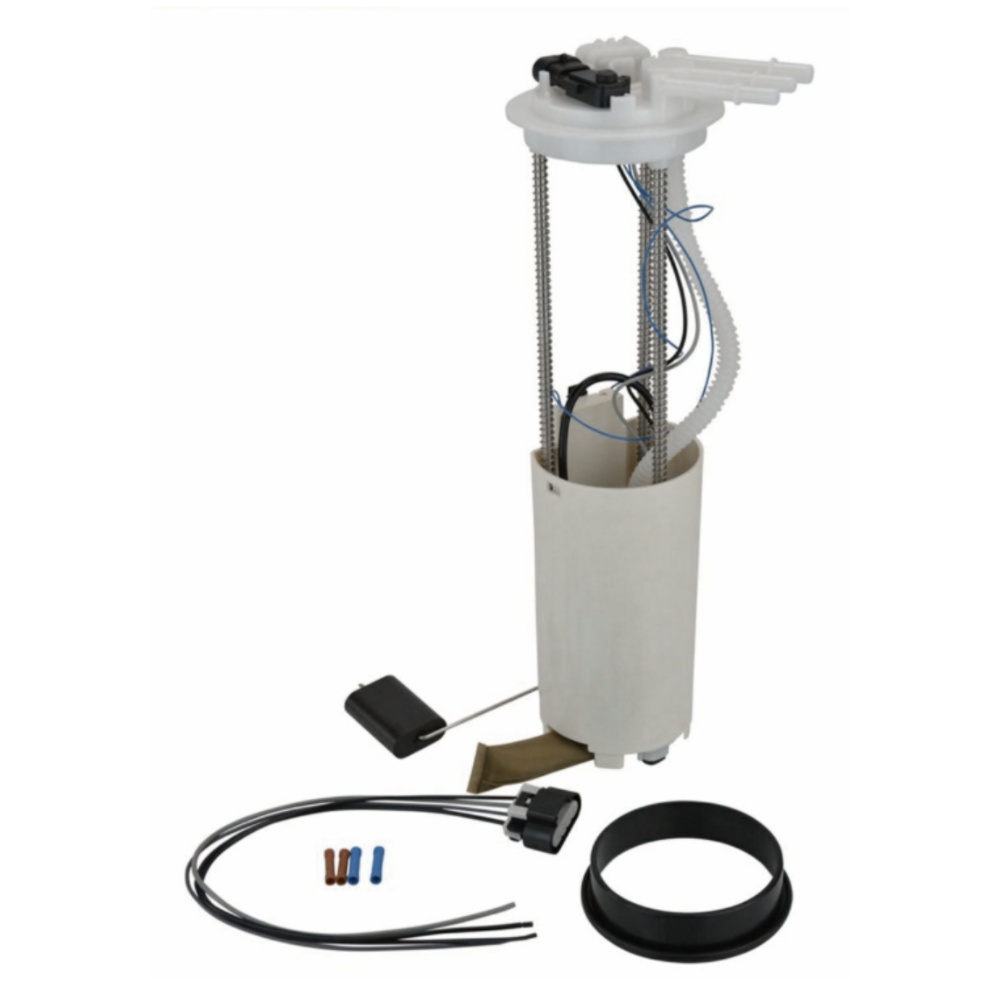 Fuel Gas Pump & Sending Unit Module Assembly For Chevrolet GMC Crew Cab 4.3L$130.99View on Mallflare
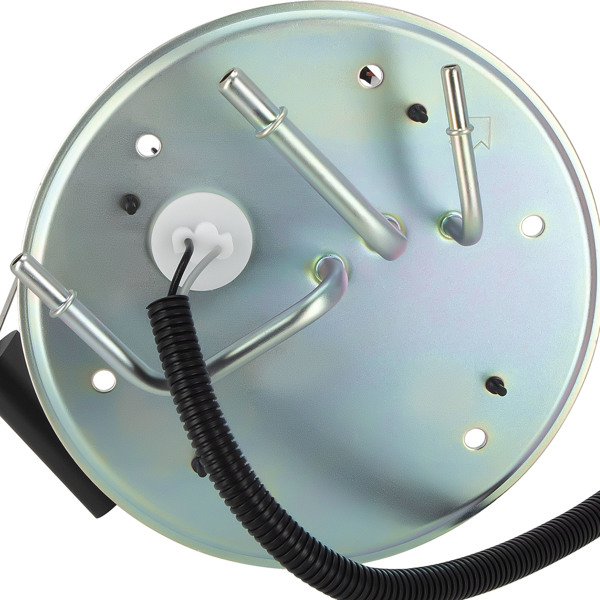 Fuel Tank Sending Unit FG296A Fit For Ford F250 F350 F450 F550 Super Duty V8 7.3L$130.99View on Mallflare
Highlights
- Two main architectures: standalone sending unit (float arm + rheostat only) and combined fuel pump module with integrated level sender; the latter must match fuel pressure and flow requirements.
- Float-type senders use a variable resistor; common resistance ranges are 0-90 ohm (older GM/Ford), 240-33 ohm (universal/VDO), and 16-158 ohm (later GM), so gauge compatibility is the critical spec.
- Diesel and return-style systems often use a standalone sender with no pump, while many modern gasoline returnless systems use a module with pump, sender, and pressure regulator in one housing.
- Housing and arm materials determine corrosion resistance: stamped steel with zinc plating is standard; stainless steel or brass float arms and nylon floats resist ethanol-blended fuels and diesel better.
Best use cases
- Best fit: standalone sending unit for a diesel truck with a return-style fuel system (e.g., Ford 7.3L Super Duty) — pick the unit whose tank depth and 0-90 or 240-33 ohm range matches the factory gauge.
- Best fit: combined pump-and-sender module for a modern gasoline returnless vehicle (e.g., BMW F30, Honda Odyssey) — replace the whole module when the pump or sender fails, matching the factory connector and flow rating.
- Wrong fit: buying a universal adjustable-arm sender for a vehicle with a non-standard gauge resistance — the arm adjusts for depth but the rheostat range will not match, causing an inaccurate or non-functional gauge.
- Skip standalone senders on vehicles where the pump and sender share a sealed module housing — cutting into the housing to replace only the sender usually breaks the seal or leaves the old pump as the next failure point.
Buying tips
- Match the resistance range to your gauge: 0-90 ohm for many older Ford/GM, 240-33 ohm for universal/VDO gauges, and 16-158 ohm for later GM — a mismatched range reads empty or full incorrectly.
- Measure tank depth from the mounting flange to the tank floor; the sender's arm and float must sweep that depth without binding, and the flange bolt pattern must match the tank opening.
- For combined modules, match the electric pump's flow (LPH) and pressure to the engine's fuel requirement; a lower-flow pump on a high-demand engine runs lean at high load.
- Prefer stainless steel or brass float arms and ethanol-resistant floats for flex-fuel or diesel applications; stamped steel arms corrode and stick after prolonged exposure.
Specs
| Unit Type | Standalone sender vs pump module |
|---|---|
| Resistance Range | 0-90 / 240-33 / 16-158 ohm |
| Float Arm Material | Stainless steel / brass vs stamped steel |
| Mounting Flange | Bolt pattern and tank depth matched |
Related searches
What to check before buying
- Confirm fuel system type (return vs. returnless) and whether the vehicle uses a standalone sender or a combined pump-and-sender module.
- Measure tank depth and the mounting flange bolt pattern; verify the sender's arm length and flange match before ordering.
- Check the gauge resistance range (0-90, 240-33, or 16-158 ohm) against the vehicle's factory gauge or aftermarket gauge specification.
- Verify connector type and pin count for the fuel level signal, and confirm whether the module includes a pressure regulator or requires a separate one.
FAQ
Data sources: eBay / Amazon listings and product attribute feeds Data updated Nov 15, 2026.
Some links on this page are affiliate links. If you buy after clicking one, we may earn a commission at no extra cost to you. This does not change which products appear here or their order. Affiliate disclosure.