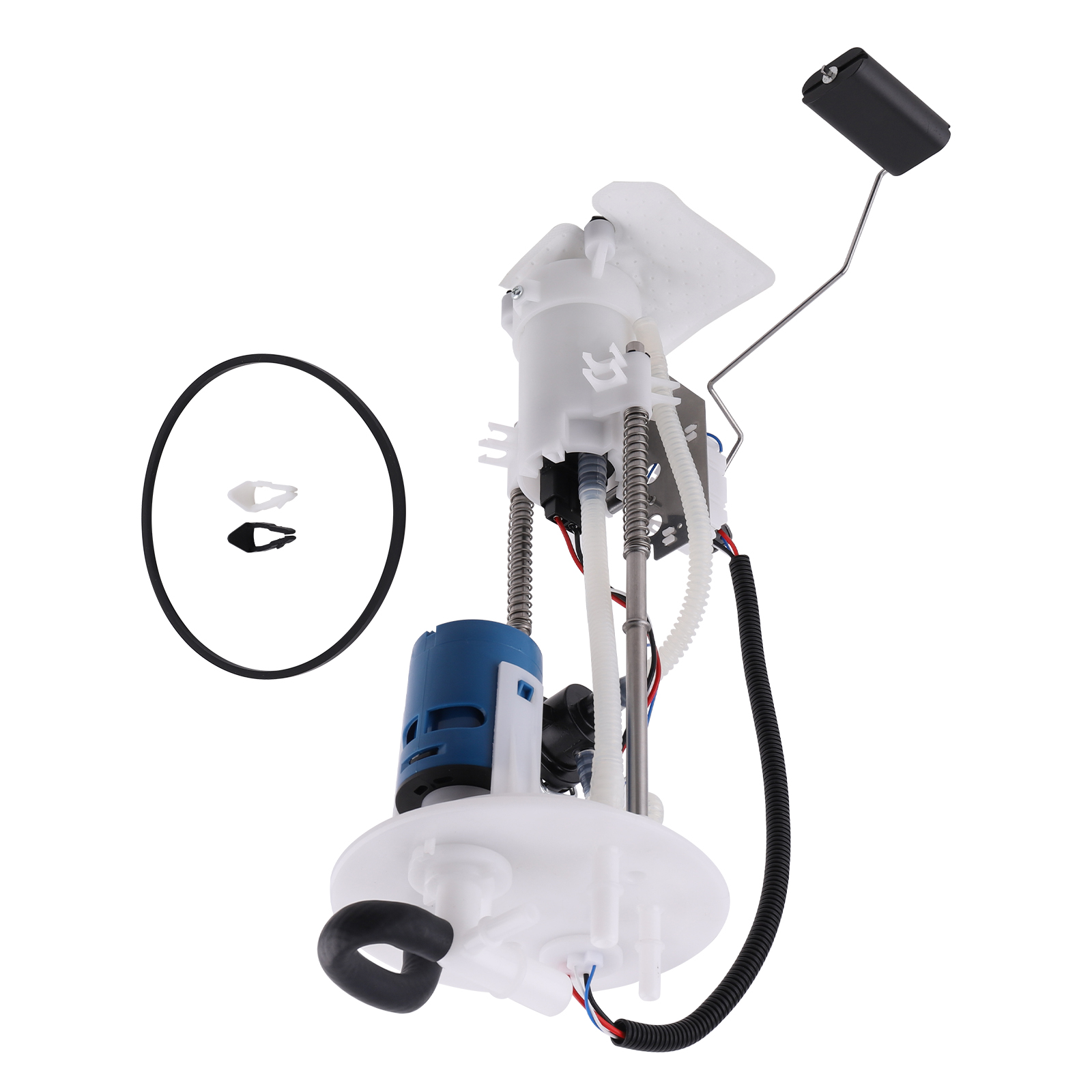

Photos from current listings. Actual item, color, and included accessories may vary.
Ford Ranger Fuel Pump Buying Guide
A Ford Ranger fuel pump is the in-tank electric module that delivers gasoline at the correct pressure and volume to the engine; the core trade-off is between OEM-quality turbine/roller-cell pump internals and low-cost aftermarket assemblies with weaker sender and connector seals. The decision rule: match the pump assembly to your exact cab/chassis, engine, and tank size from 1983–2011 (and 2019+), and choose a module with a new strainer, new sender, and OEM-compatible connector rather than a bare pump or cut-and-splice kit.


At a glance
- Category
- Engine, Exhaust & Fuel System Parts
- Data updated
- Nov 15, 2026
Current offers
Highlights
- Ranger fuel pumps are in-tank electric modules; 1983–1997 use low-pressure external or in-tank lift pumps for carbureted and early EFI 2.3L/2.9L/3.0L/4.0L engines, while 1998–2011 use higher-pressure returnless modules.
- Module assemblies include the pump, fuel level sender, strainer, and tank seal; buying a complete module avoids reusing a worn sender or cracked O-ring.
- Flow and pressure must match engine: 2.3L/3.0L/4.0L EFI typically need 35–65 psi at the rail, while 2019+ 2.3L EcoBoost direct-injection engines require higher-pressure in-tank supply.
- Material quality separates tiers: OEM-style turbine pumps resist ethanol-blended fuel better than cheap brushed-motor pumps, and metal module flanges resist warping better than thin plastic on 1998–2011 plastic tanks.
Best use cases
- Best fit: 1998–2011 Ranger 2.3L/3.0L/4.0L with a failing sender or whining pump — buy a complete module with new sender and strainer, not a bare pump.
- Best fit: 1983–1997 Ranger with carbureted or early EFI 2.3L/2.9L — use the correct low-pressure in-tank lift pump or external pump bracket, not a 1998+ high-pressure module.
- Wrong fit: 2019+ Ranger 2.3L EcoBoost — do not install a 1998–2011 style module; the direct-injection system needs the correct high-pressure in-tank supply and connector.
- Best fit: dual-tank or long-bed Ranger with a specific tank size — match the module to the tank capacity and wheelbase; a short-bed module will not reach the tank bottom correctly.
Buying tips
- Match by year, engine, cab, and tank size: 1998–2011 Rangers came with 2.3L, 2.5L, 3.0L, and 4.0L engines and different tank sizes, so the module part number must match all four.
- Choose a complete module with a new fuel level sender and strainer; reusing a 15+ year old sender is the most common cause of a new pump reading empty or full incorrectly.
- Check connector and line type: 1998–2011 returnless systems use a specific quick-connect fitting and electrical connector; 1983–1997 systems use different line sizes and a return line.
- Prefer ethanol-compatible turbine pumps and metal-reinforced module flanges; E10 and E15 fuels degrade cheap brushed motors and thin plastic flanges faster than OEM-style assemblies.
Specs
| Pump Type | In-tank electric module |
|---|---|
| System Pressure | 35–65 psi EFI / higher on DI |
| Fitment Years | 1983–2011 and 2019+ |
| Included Parts | Pump, sender, strainer, seal |
Related searches
What to check before buying
- Measure your tank: confirm cab style (Regular, SuperCab, SuperCrew), bed length, and tank capacity so the module's sender arm and strainer sit at the correct depth.
- Confirm fuel system type: returnless (1998–2011) vs return-style (1983–1997) determines the module, line fittings, and pressure regulator location.
- Inspect the tank and lock ring: a rusty or cracked tank, or a damaged lock ring, must be replaced with the pump or the new module will leak or sit loose.
- Verify electrical connector shape and pin count at the tank; 1998–2011 Rangers use a specific 4-pin connector that differs from 1983–1997 and 2019+ designs.
FAQ
Data sources: eBay / Amazon listings and product attribute feeds Data updated Nov 15, 2026.
Some links on this page are affiliate links. If you buy after clicking one, we may earn a commission at no extra cost to you. This does not change which products appear here or their order. Affiliate disclosure.