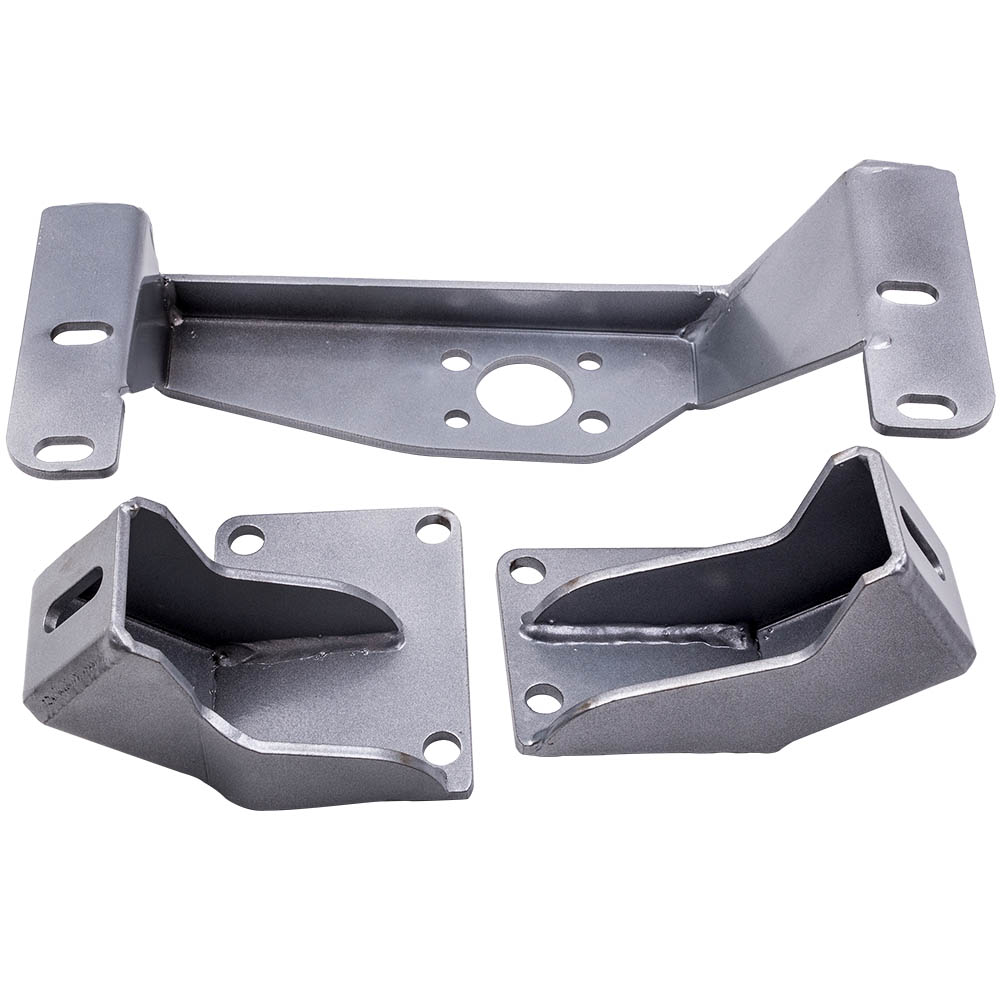

Photos from current listings. Actual item, color, and included accessories may vary.
2jz Engine Buying Guide
The 2JZ is Toyota's legendary 3.0L inline-six, built in iron-block 2JZ-GE (naturally aspirated) and 2JZ-GTE (twin-turbo) forms, prized for closed-deck strength and huge tuning headroom. Buyers choose between cheaper GE long blocks needing turbo conversion and factory GTE assemblies with forged internals and oil squirters. The decisive rule: buy a complete, compression-tested GTE or GE long block with verified block casting and head code before paying for swap brackets and accessories.


At a glance
- Category
- Engine, Exhaust & Fuel System Parts
- Data updated
- Nov 15, 2026
Current offers
Highlights
- Block architecture splits into 2JZ-GE (cast pistons, no oil squirters, higher compression) and 2JZ-GTE (forged pistons, oil squirters, lower compression) — GTE is the forced-induction baseline.
- All 2JZ engines are iron-block, aluminum 24-valve DOHC heads with 86mm bore and 86mm stroke; deck integrity is the top inspection point on used units.
- 2JZ-GTE uses twin sequential CT12B turbochargers with ceramic wheels on early JDM units — power ceiling and reliability depend on turbo generation and boost control.
- Swap mounts for 240SX/S-chassis pair 1JZ/2JZ engines to the chassis; mount type and engine bracket offset determine fitment, not engine power.
Best use cases
- Best fit: a 2JZ-GTE long block with harness, ECU, and twin-turbo hardware for a proven 500–700 hp street build — skip bare GE blocks if you want factory turbo reliability.
- Best fit: a 2JZ-GE long block for a naturally aspirated swap or a budget turbo build with aftermarket pistons and a single turbo — avoid paying GTE premiums if you plan full internals.
- Wrong fit: a 2JZ engine into a 240SX using only generic mounts — you need 1JZ/2JZ-specific brackets, transmission adapter, driveshaft, and wiring; budget for the full swap kit, not just the engine.
Buying tips
- Check block casting and head code before purchase: 2JZ-GTE heads and blocks carry distinct casting marks; mismatched GE/GTE parts change compression and oiling.
- Demand a compression test and leak-down results: healthy 2JZ-GTE cylinders hold roughly 150–170 psi; variance over 10% between cylinders signals worn rings or valves.
- For turbo builds above 600 hp, prioritize 2JZ-GTE blocks with oil squirters and forged pistons; GE blocks need aftermarket pistons, rods, and oiling upgrades.
- Match the transmission: 2JZ pairs with Toyota A340E automatic or R154/V160 manual gearboxes; verify bellhousing pattern and ECU compatibility before buying the engine.
Specs
| Engine Family | Toyota 2JZ 3.0L I6 |
|---|---|
| Block Material | Cast iron, aluminum head |
| Aspiration | 2JZ-GE NA / 2JZ-GTE twin-turbo |
| Bore x Stroke | 86mm x 86mm |
Related searches
What to check before buying
- Confirm chassis and engine bay dimensions: 2JZ length requires radiator relocation and hood clearance checks in 240SX/S13/S14 swaps.
- Verify engine mount bracket part numbers for your chassis — 1989–1998 240SX mounts differ from JZX/GS300 mounts and dictate engine placement.
- Check fuel system compatibility: 2JZ-GTE needs high-flow pump, larger injectors, and return-line planning; stock 240SX fuel lines are inadequate for turbo power.
- Confirm ECU and wiring strategy: factory 2JZ-GTE ECU needs matching harness and sensors; standalone management requires crank/cam trigger compatibility.
FAQ
Data sources: eBay / Amazon listings and product attribute feeds Data updated Nov 15, 2026.
Some links on this page are affiliate links. If you buy after clicking one, we may earn a commission at no extra cost to you. This does not change which products appear here or their order. Affiliate disclosure.