Photos from current listings. Actual item, color, and included accessories may vary.
Tool Kit Buying Guide
Emergency tire tool kits bundle the hand tools needed to plug a puncture or change a wheel at the roadside, and their value hinges on tool steel grade, plug construction, and whether the kit matches your wheel and tire type. The core trade-off is between cheap chrome-plated carbon-steel handles that bend under leverage and forged or hardened-steel tools with proper T-handles and quality butyl rubber plugs. Buy a kit with hardened-steel insertion tools, self-vulcanizing plugs, and a sidewall-rated jack or torque bar only if it matches your rim size; skip 60-piece 'rubber nail' tubeless-only kits if you run tube-type tires or need a full wheel change.

At a glance
- Category
- Emergency Tire Tools
- Data updated
- Nov 15, 2026
Current offers
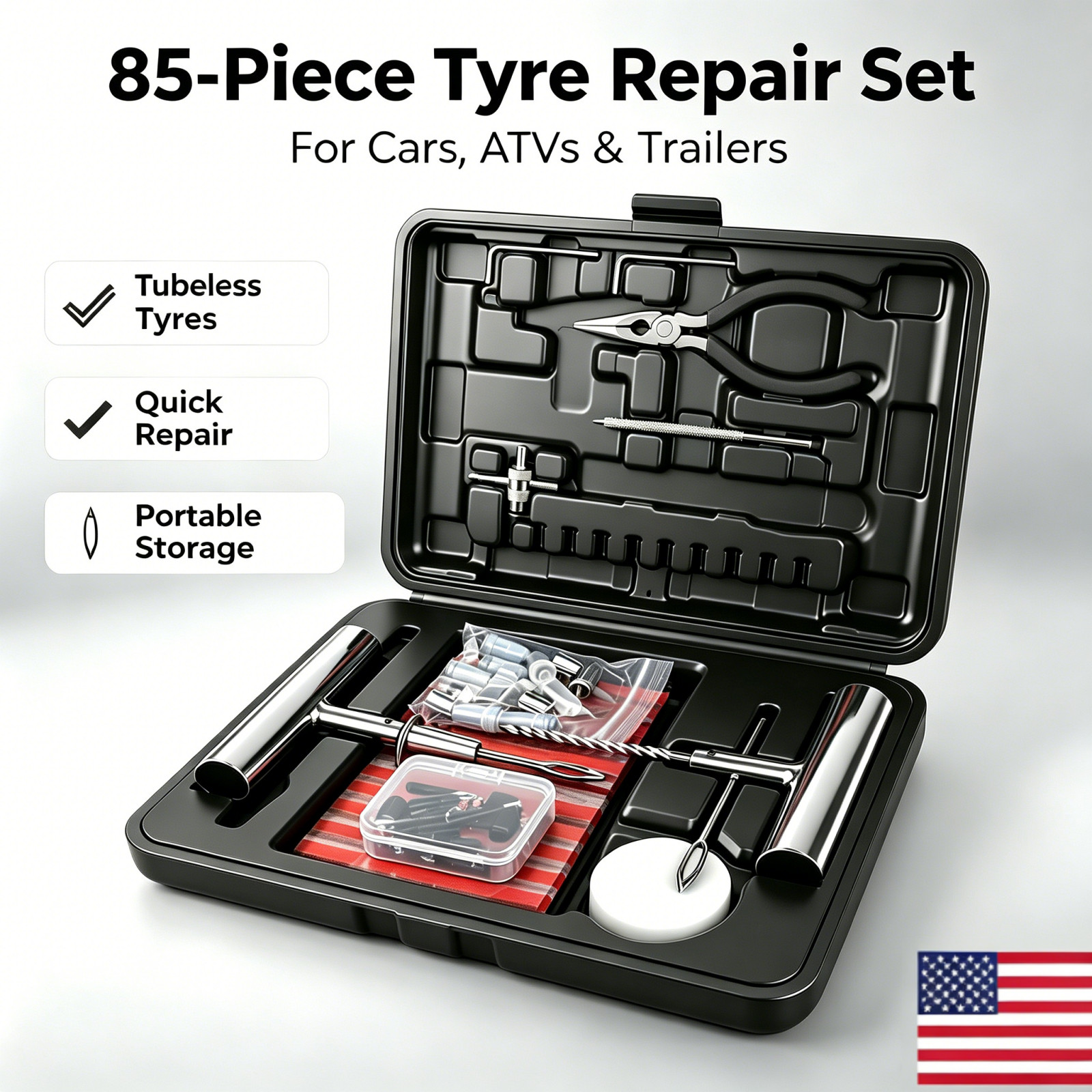 85-Piece Tyre Repair Set for Cars, ATVs, Motor, Bike Tubeless Emergency Tool Kit$18.99
 View on eBay
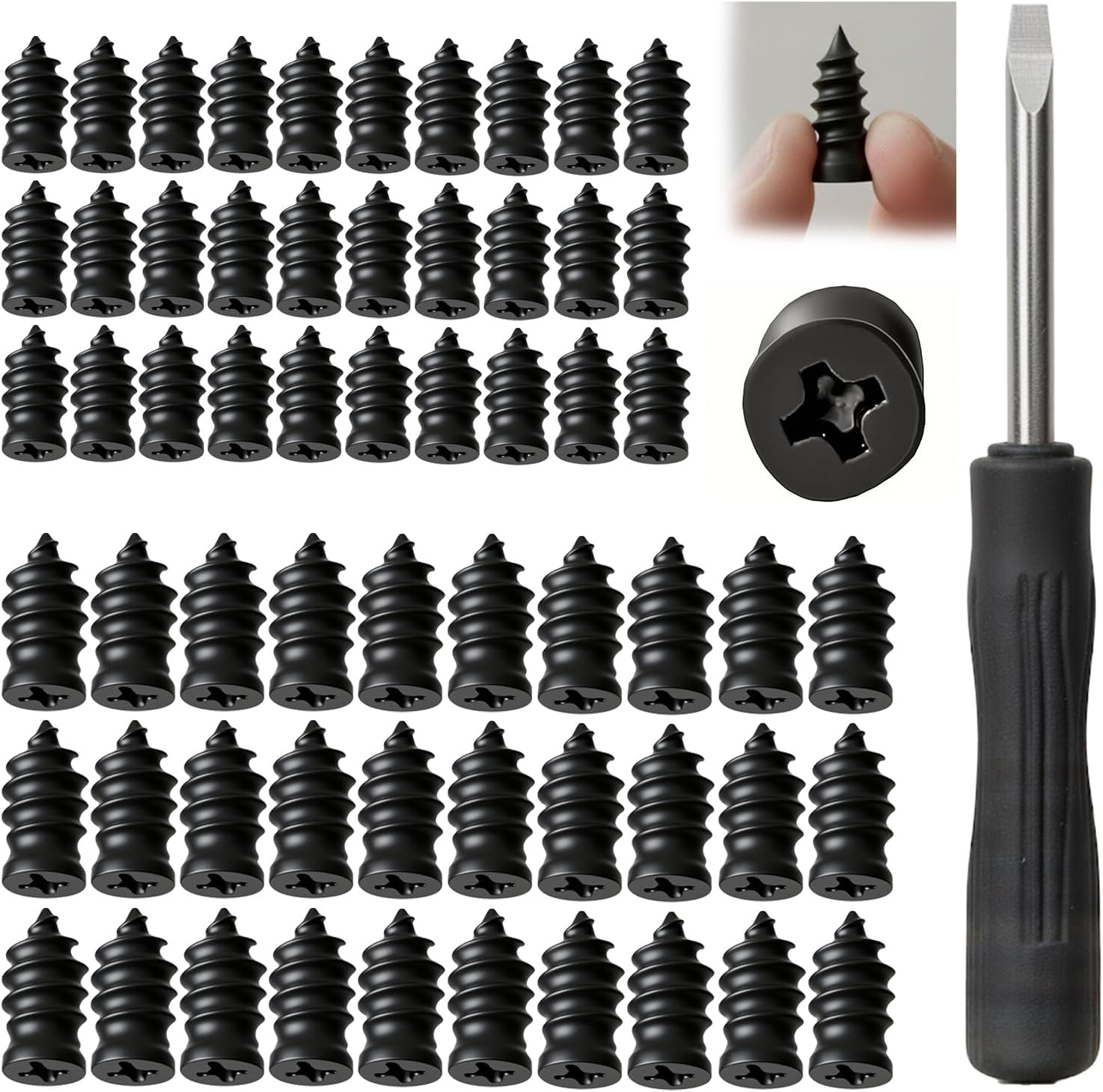 60Pcs Tire Repair Rubber Nail, Screw Plugs Self-Service Vacuum Kit Tires Quick Puncture Tools$14.99
 View on Mallflare
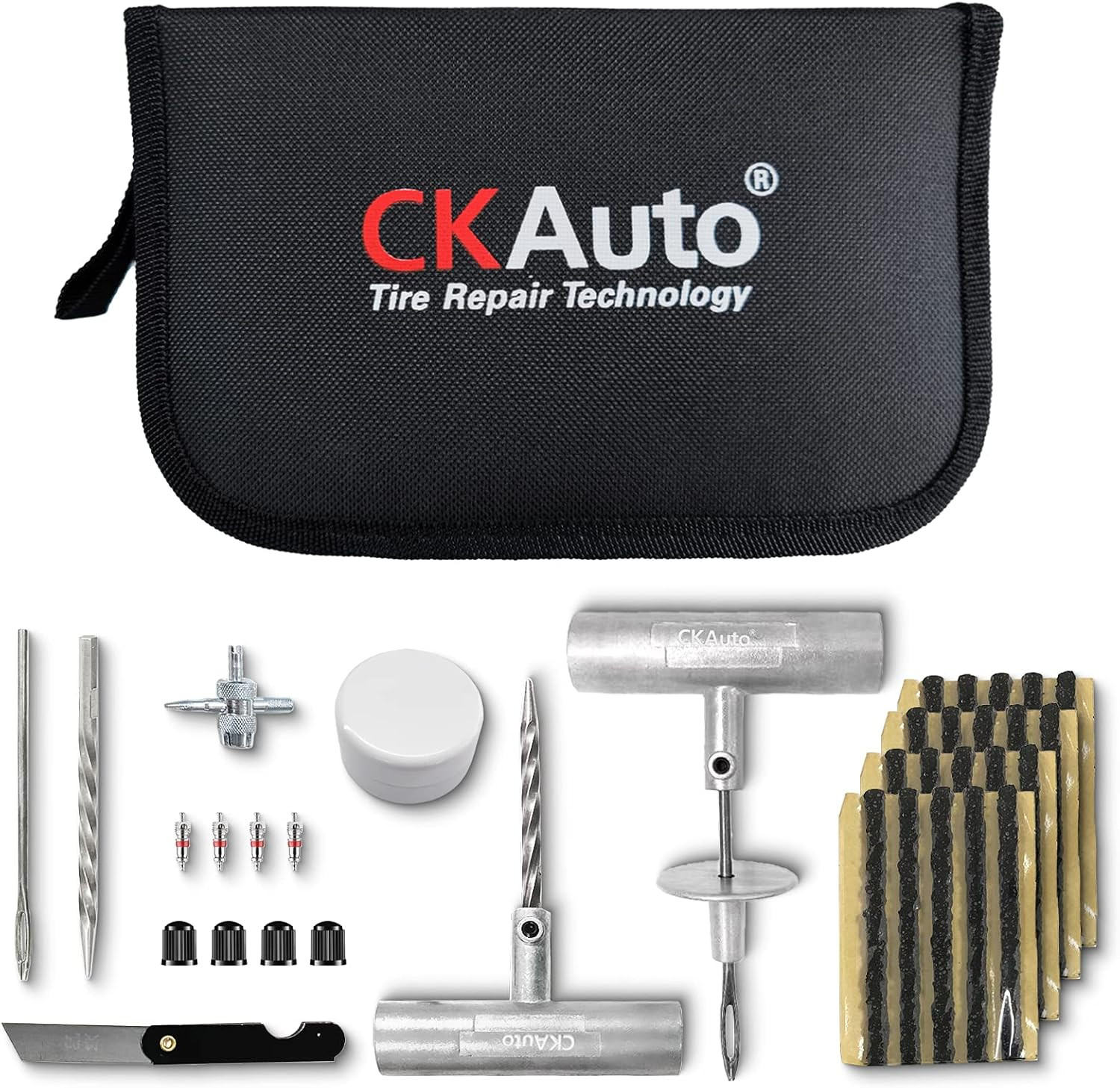 Universal Tire Repair Kit, Heavy Duty Car Emergency Tool Kit for Flat Tire Punct$28.21View on eBay
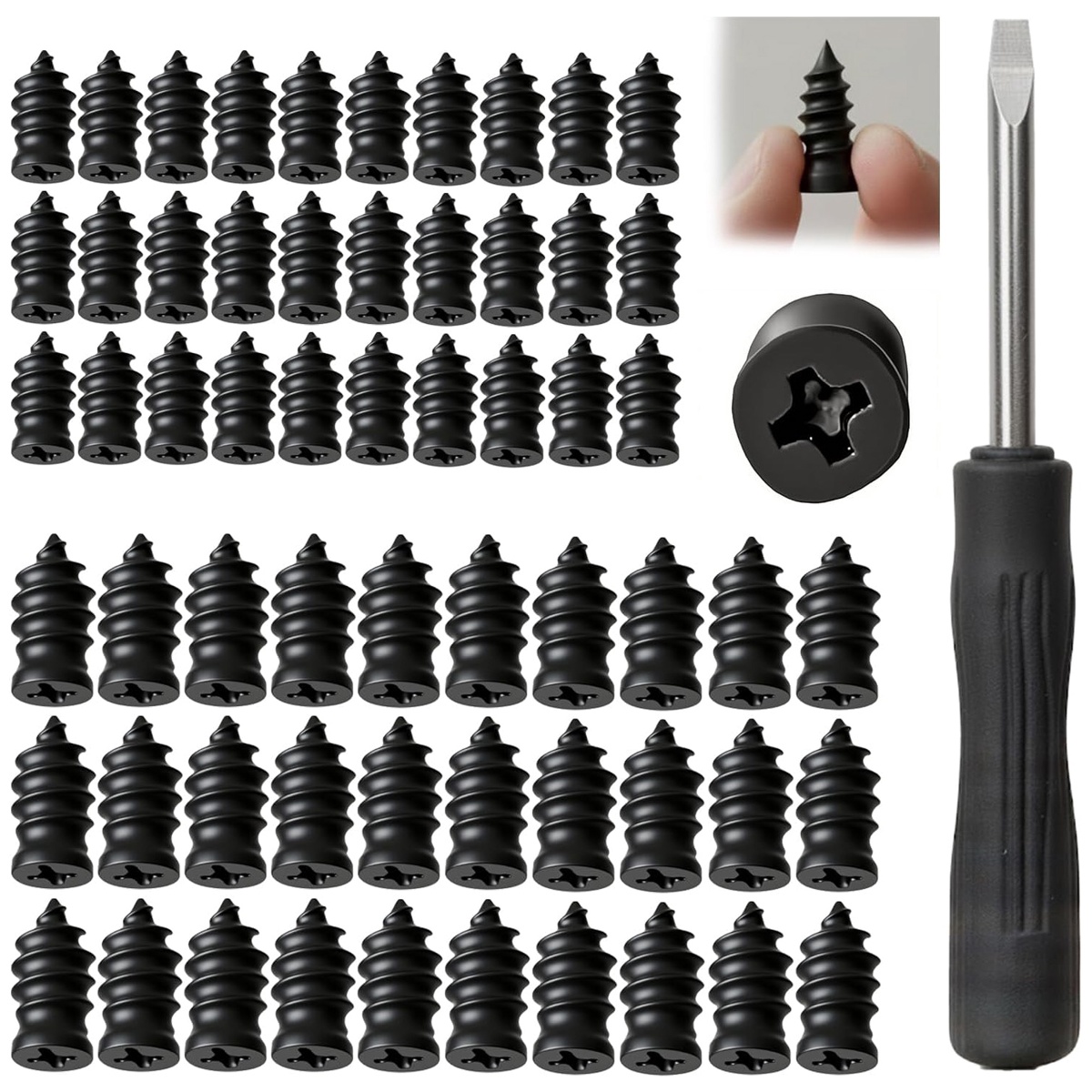 60Pcs Tire Repair Rubber Nail, Screw Plugs Kit Tires Quick Puncture Tools For Auto Motorcycle, Truck, Tractor$19.99View on Mallflare
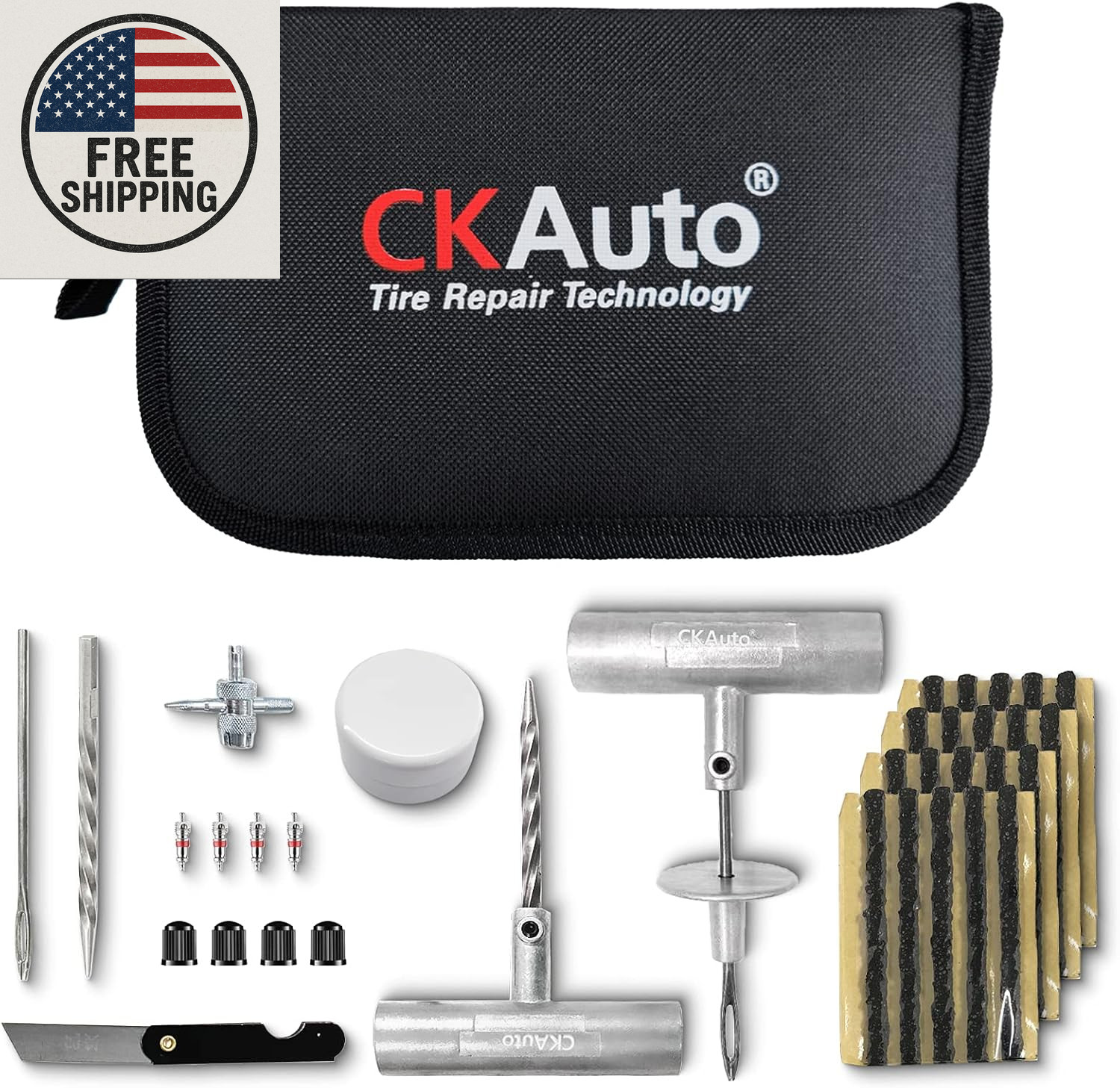 Ckauto Universal Tire Repair Kit, Heavy Duty Car Emergency Tool Kit for Flat Tir$28.74View on eBay
- Universal Tire Repair Kit, Heavy Duty Car Emergency Tool Kit for Flat Tire Punct$28.97View on eBay
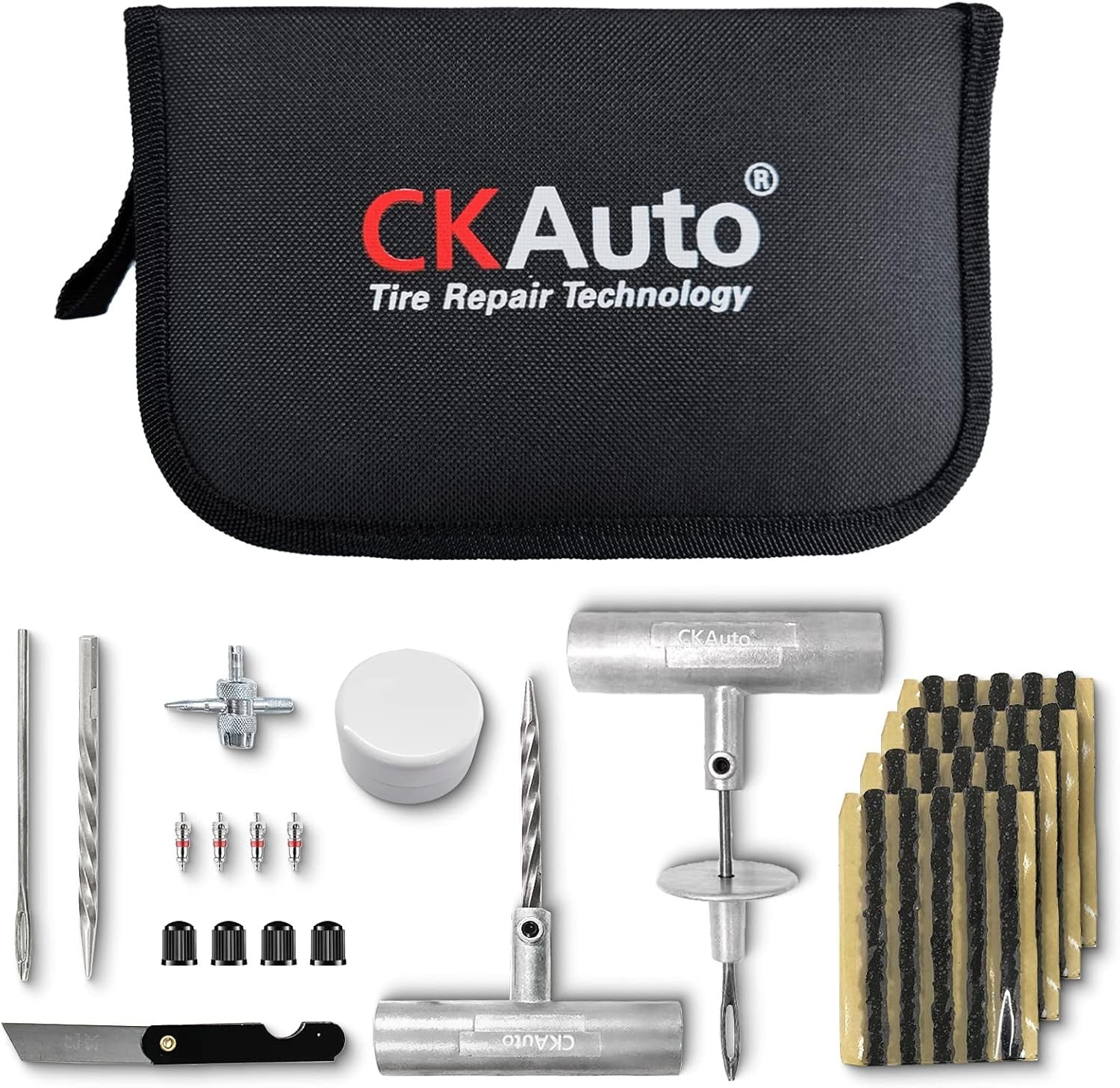 Universal Tire Repair Kit, Heavy Duty Car Emergency Tool Kit for Flat Tire Punc$30.99View on eBay
- Universal Tire Repair Kit, Heavy Duty Car Emergency Tool Kit for Flat Tire Punc$30.99View on eBay
- Universal Tire Repair Kit, Heavy Duty Car Emergency Tool Kit for Flat Tire Punc$32.99View on eBay
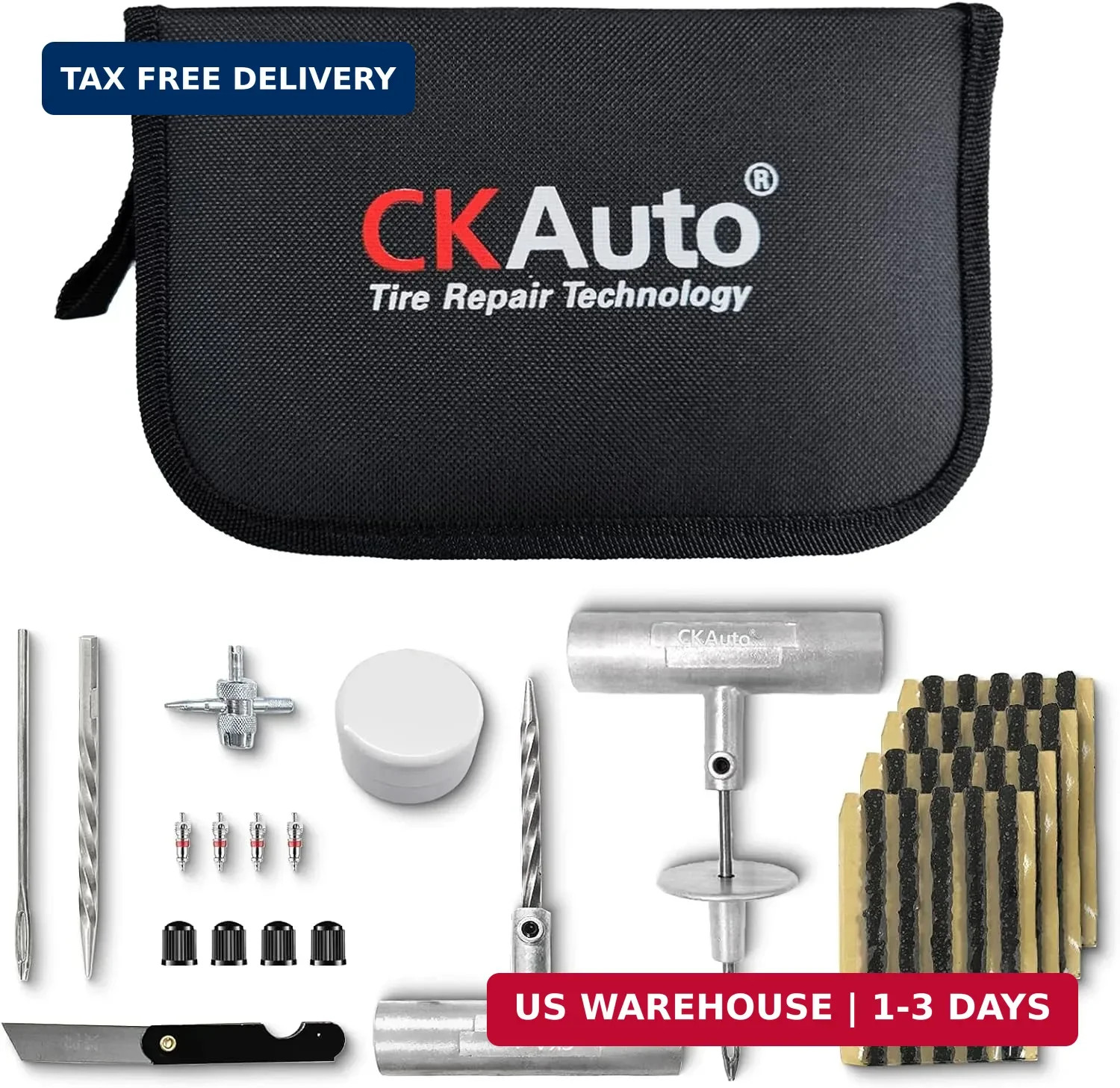 CKAuto Universal Tire Repair Kit, Heavy Duty Car Emergency Tool Kit for Flat Tir$34.98View on eBay
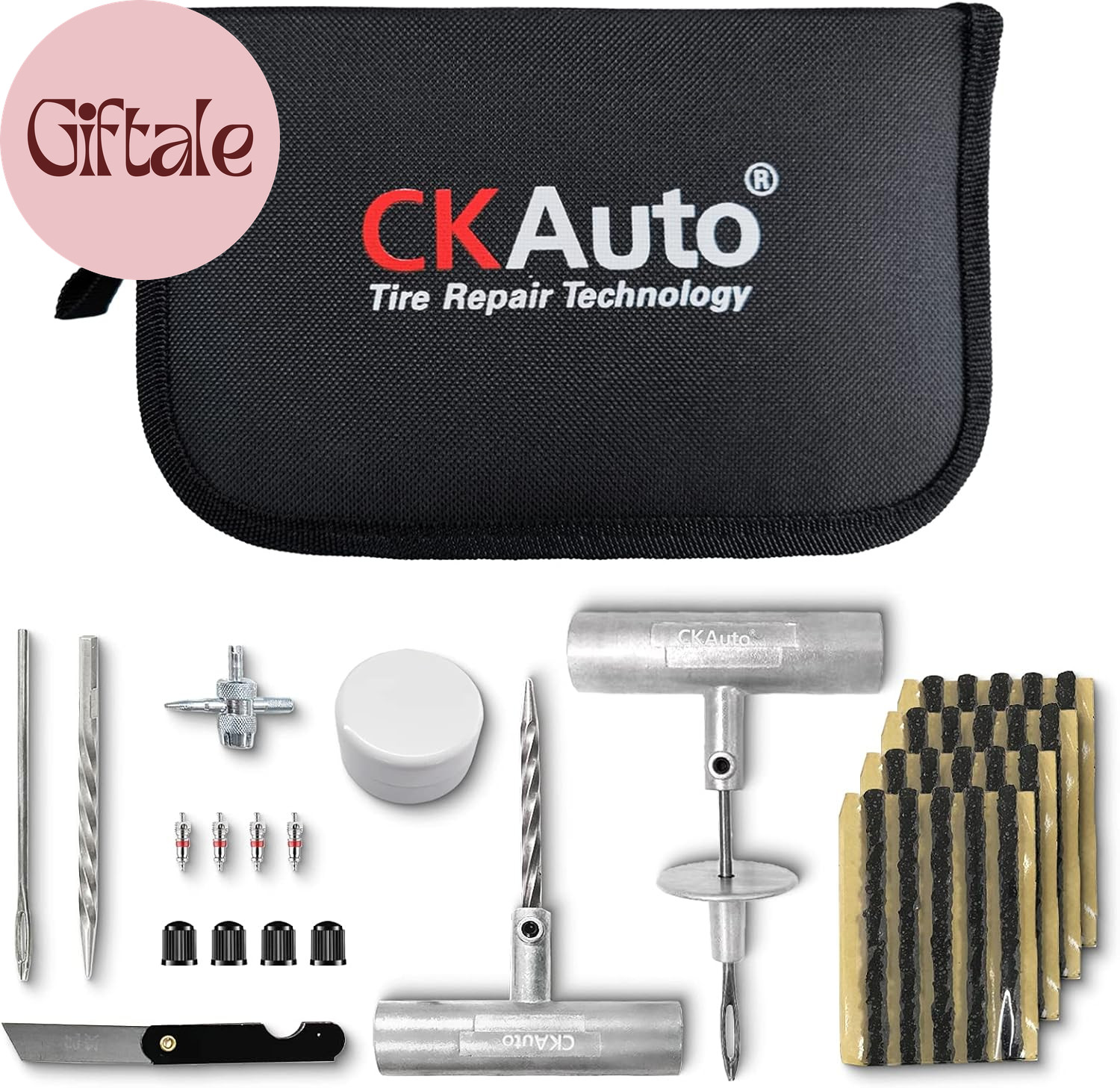 Universal Tire Repair Kit, Heavy Duty Car Emergency Tool Kit for Flat Tire Punct$39.70View on eBay
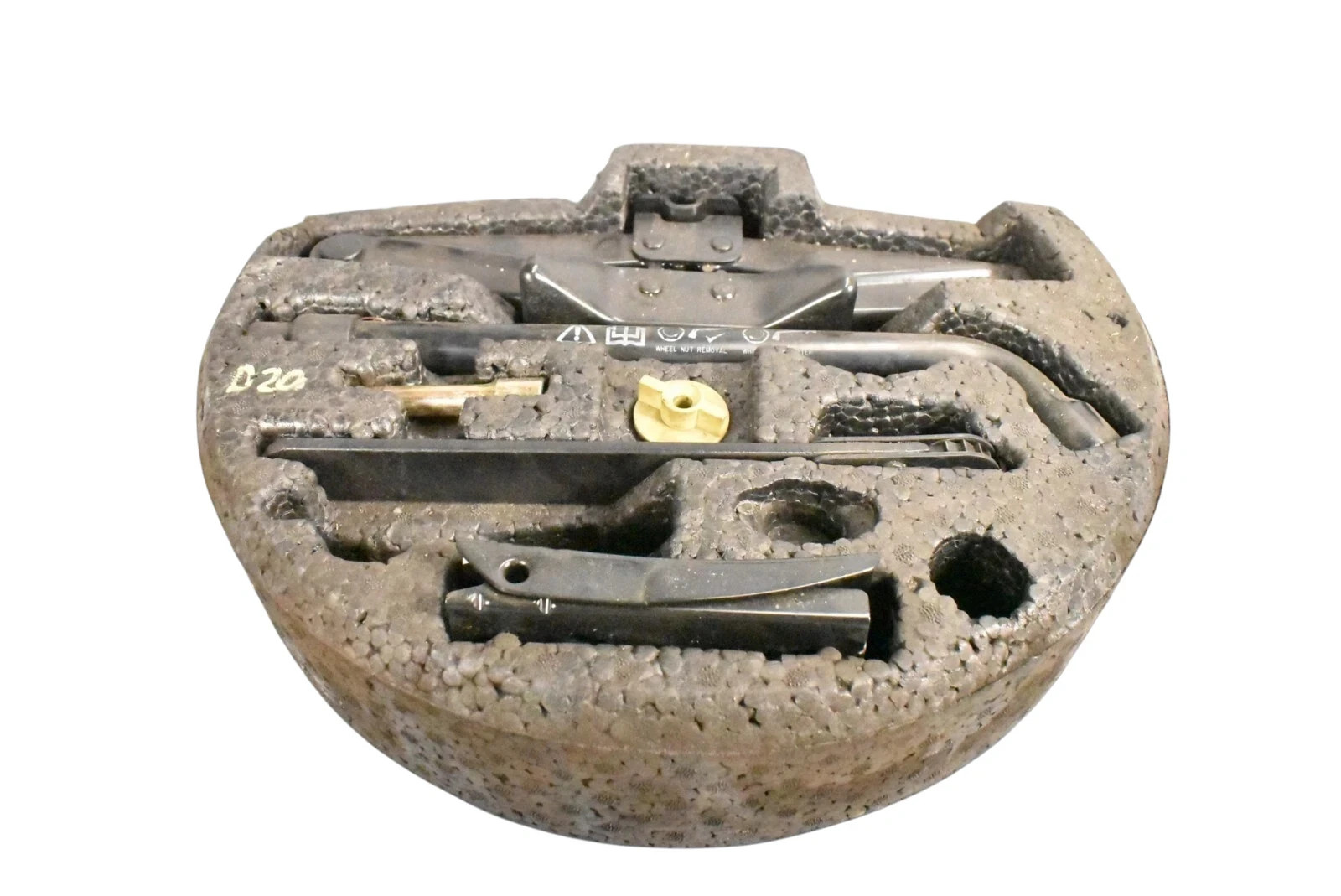 97-06 Jaguar XK8 X100 Emergency Spare Tire Jack Tool Kit W/ Case MJA6374AB Oem$54.00View on eBay
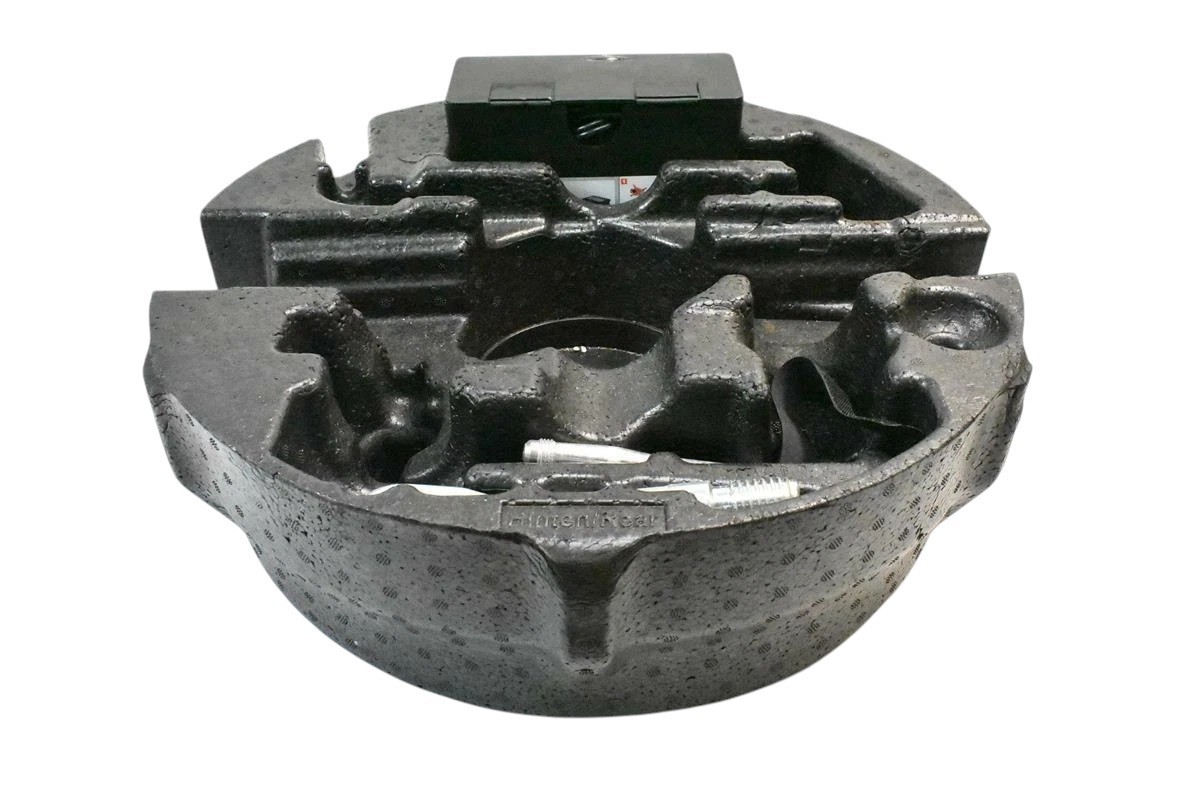 06-12 Mercedes W251 R350 R550 R500 Emergency Spare Tire Jack Tool Kit Oem$69.00View on eBay
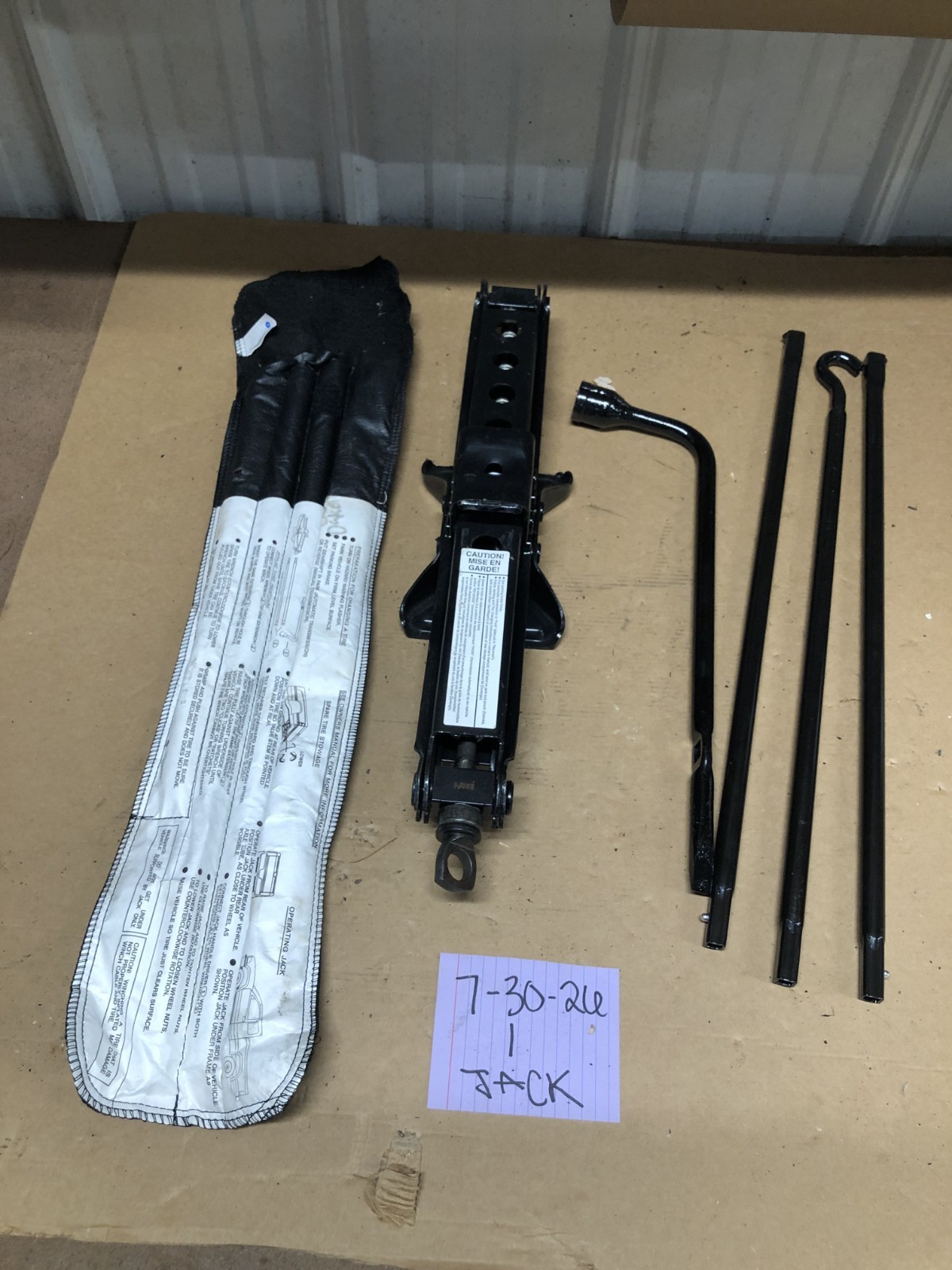 97-04 Dodge Dakota Wheel Emergency Jack and Tire Tools Kit Lug Wrench Bag$72.00View on eBay
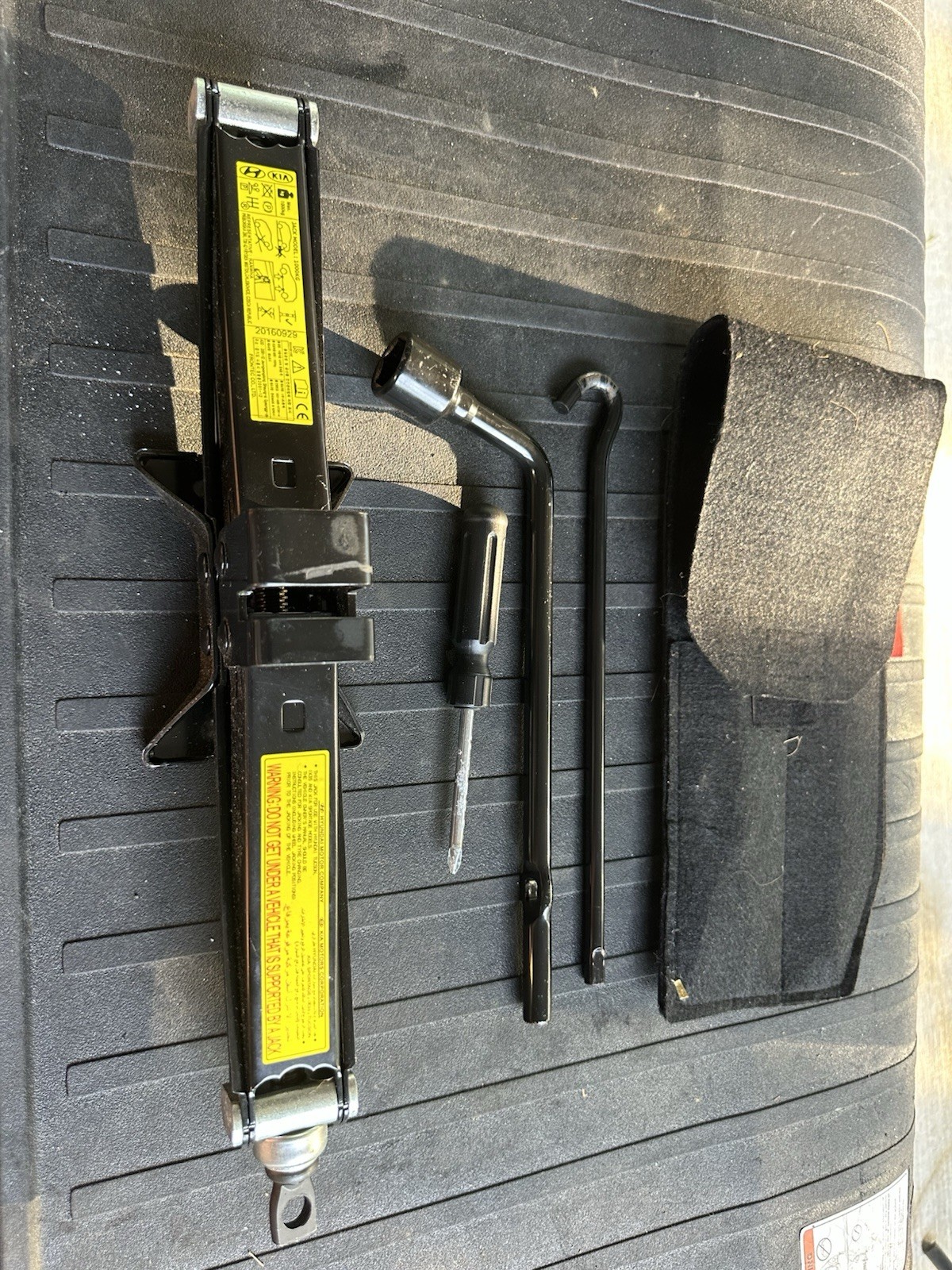 2016-2021 HYUNDAI TUCSON EMERGENCY TIRE JACK TOOL KIT SET & CASE OEM TOOLS ONLY$80.00View on eBay
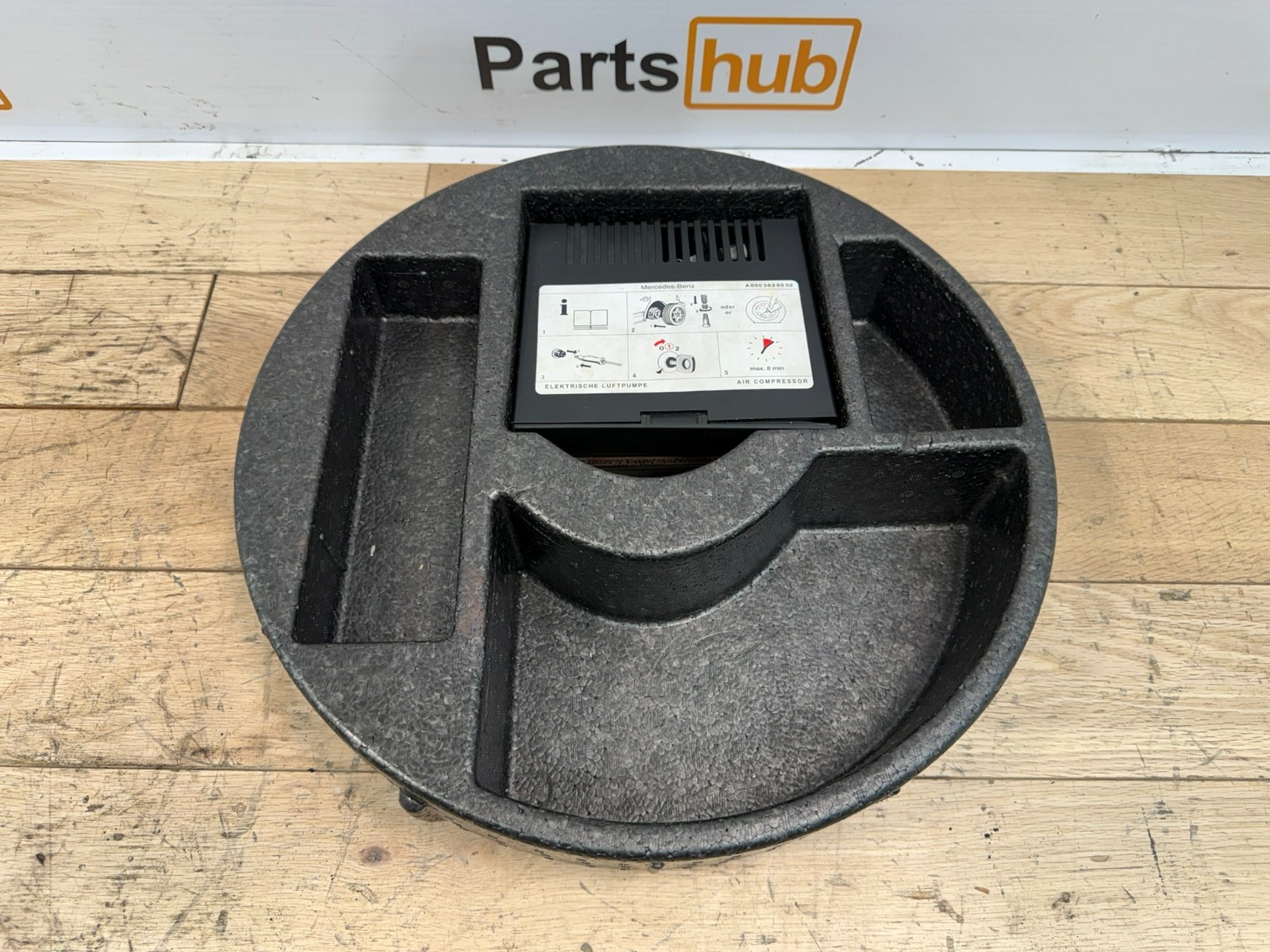 2003 Mercedes R230 SL500 Emergency Spare Tire Tool Kit Foam W/ AIR COMPRESSOR$104.99View on eBay
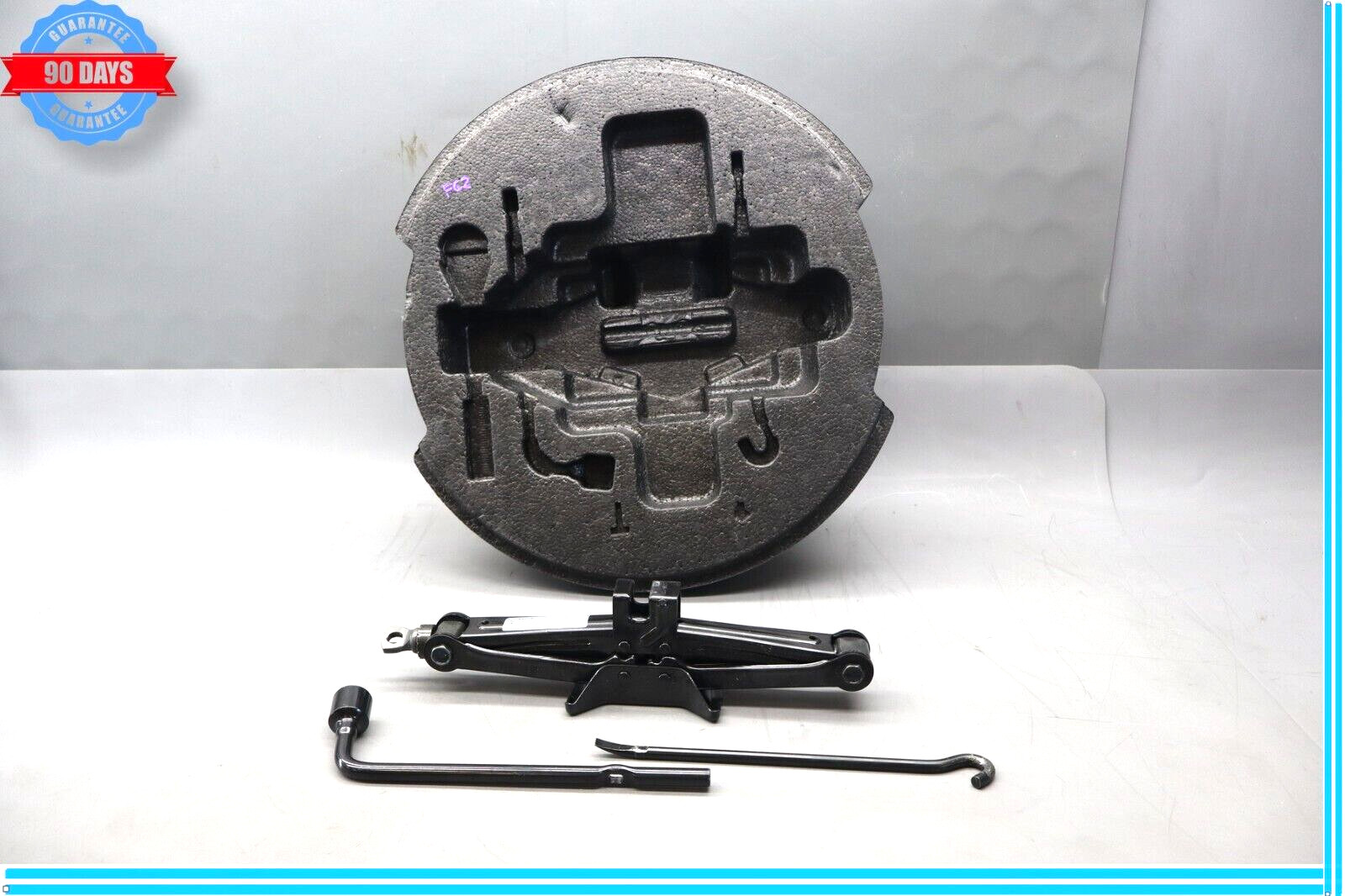 09-14 Hyundai Gensis Rear Trunk Emergency Tire Tool Kit Foam Holder W/ Tools Oem$133.65View on eBay
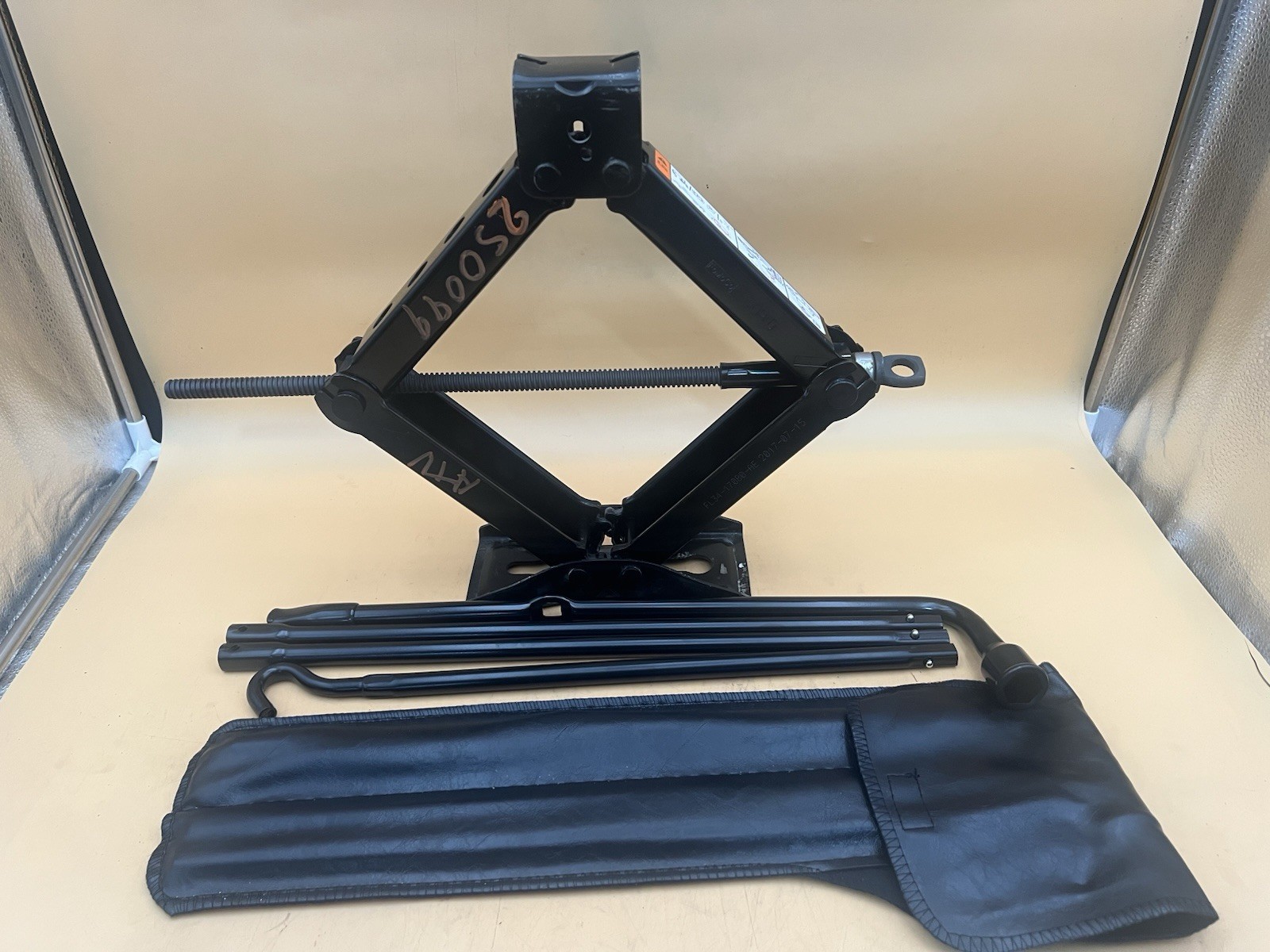 2015-2020 Ford F150 Spare Tire Emergency Jack & Tool Kit OEM.$139.99View on eBay
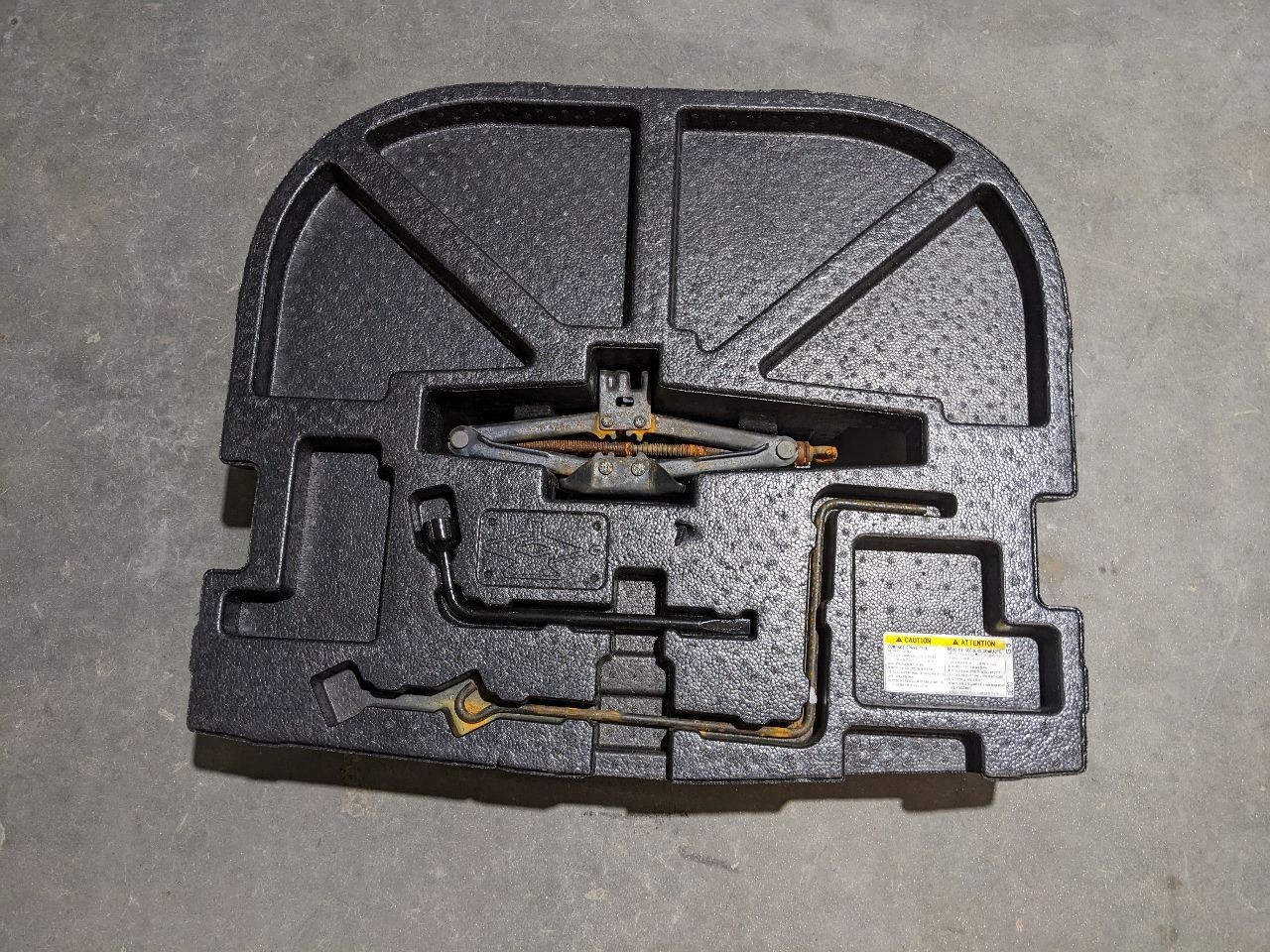 12-17 CAMRY Emergency Tire Replacement Scissor Jack Tool Kit Set Case 1202085$150.00View on eBay
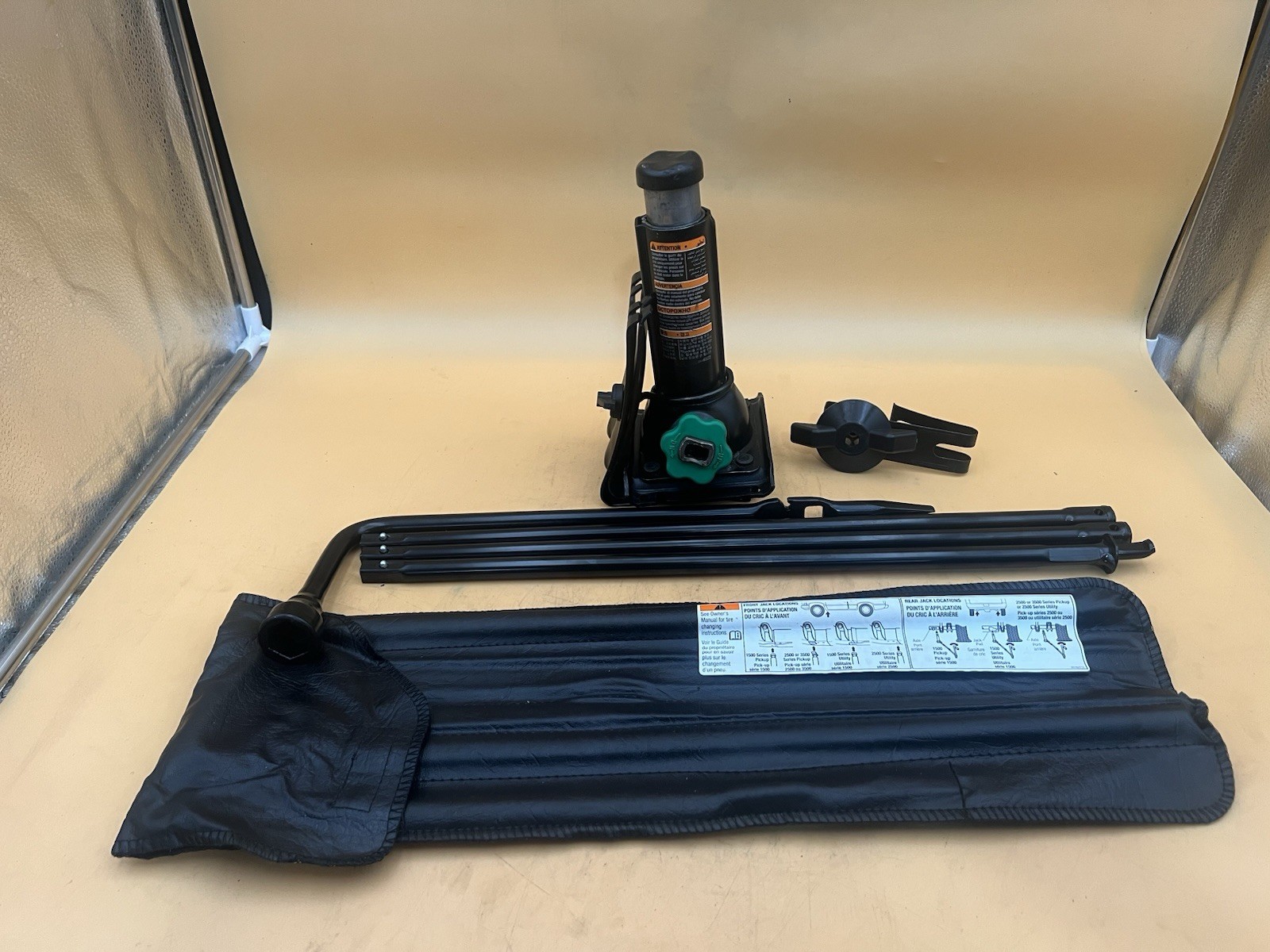 14-24 GMC Sierra Silverado 2500-3500 Spare Tire Emergency Jack and Tool Kit OEM.$179.99View on eBay
Highlights
- T-handle insertion and reaming tools forged from hardened steel resist bending at 30-50 lb of plugging force; chrome-plated carbon-steel handles deform under the same load.
- Self-vulcanizing butyl rubber plugs bond chemically to the tire liner and seal 1/4-inch tread punctures; plain rubber nail/screw plugs rely on compression and can weep at highway speed.
- Spiral/rasp reamers cut and clean the puncture channel so cement and plug bond; kits lacking a reamer force plugs into dirty holes and leak.
- A 60-85 piece count is mostly plugs and valve cores; count of T-handle tools (usually 2-4) and inclusion of a pressure gauge or valve tool determines real capability, not piece count.
Best use cases
- Best fit: tubeless passenger car, ATV, or motorcycle tires with tread punctures — pick a kit with T-handle reamer, insert tool, and self-vulcanizing plugs in multiple diameters.
- Wrong fit: tube-type tires or sidewall damage — plugs do not seal tubes or sidewalls; carry a spare tube and tire irons instead of a plug kit.
- Best fit: Chevrolet/GM owners wanting an OEM-style kit — choose a kit with a lug wrench and scissor jack rated to the vehicle's curb weight plus cargo, not a plug-only set.
- Skip 60-piece rubber-nail kits if you drive highway speeds or heavy vehicles; the screw-plug design is for low-speed temporary repair only.
Buying tips
- Match plug diameter to puncture: 1/4-inch (6mm) plugs for most car tread punctures; 5/16-inch (8mm) for ATV/truck tires with larger tread voids.
- Choose forged or hardened-steel T-handles over straight-shaft chrome tools; the T-handle gives the leverage to seat a plug without bending the shaft.
- Confirm the kit's lug wrench socket size matches your wheel nuts (common 17mm, 19mm, 21mm) before relying on it for a wheel change.
- Rubber cement or self-vulcanizing plug lube must be included or specified; dry insertion of butyl plugs shortens seal life.
Specs
| Tool Steel Grade | Hardened/forged vs chrome carbon |
|---|---|
| Plug Type | Self-vulcanizing butyl vs rubber nail |
| Handle Style | T-handle reamer + insert |
| Puncture Rating | Up to 1/4 in tread-area holes |
Related searches
What to check before buying
- Measure tire tread depth and typical puncture size; kits are for tread-area holes up to about 1/4 inch, not sidewall cuts.
- Verify wheel nut socket size and jack load rating against your vehicle's gross weight before buying a change-a-tire kit.
- Check plug material (butyl self-vulcanizing vs plain rubber) and whether cement or lube is included.
- Store the kit in the vehicle with a 12V inflator; plugs seal the hole but do not restore tire pressure.
FAQ
Data sources: eBay / Amazon listings and product attribute feeds Data updated Nov 15, 2026.
Some links on this page are affiliate links. If you buy after clicking one, we may earn a commission at no extra cost to you. This does not change which products appear here or their order. Affiliate disclosure.