Photos from current listings. Actual item, color, and included accessories may vary.
Portable Tire Pump Buying Guide
Portable tire pumps are compact inflators that run on 12V DC car sockets or internal lithium batteries, trading airflow speed and duty-cycle endurance against size and price. The decisive spec is inflation architecture: corded 12V units deliver sustained high CFM for multiple tires, while cordless handhelds offer convenience but limited thermal headroom. Buy corded for multi-tire recovery and cordless for single-tire top-offs, and insist on a digital gauge with auto shutoff at 150 PSI.

At a glance
- Category
- Emergency Tire Tools
- Data updated
- Nov 15, 2026
Current offers
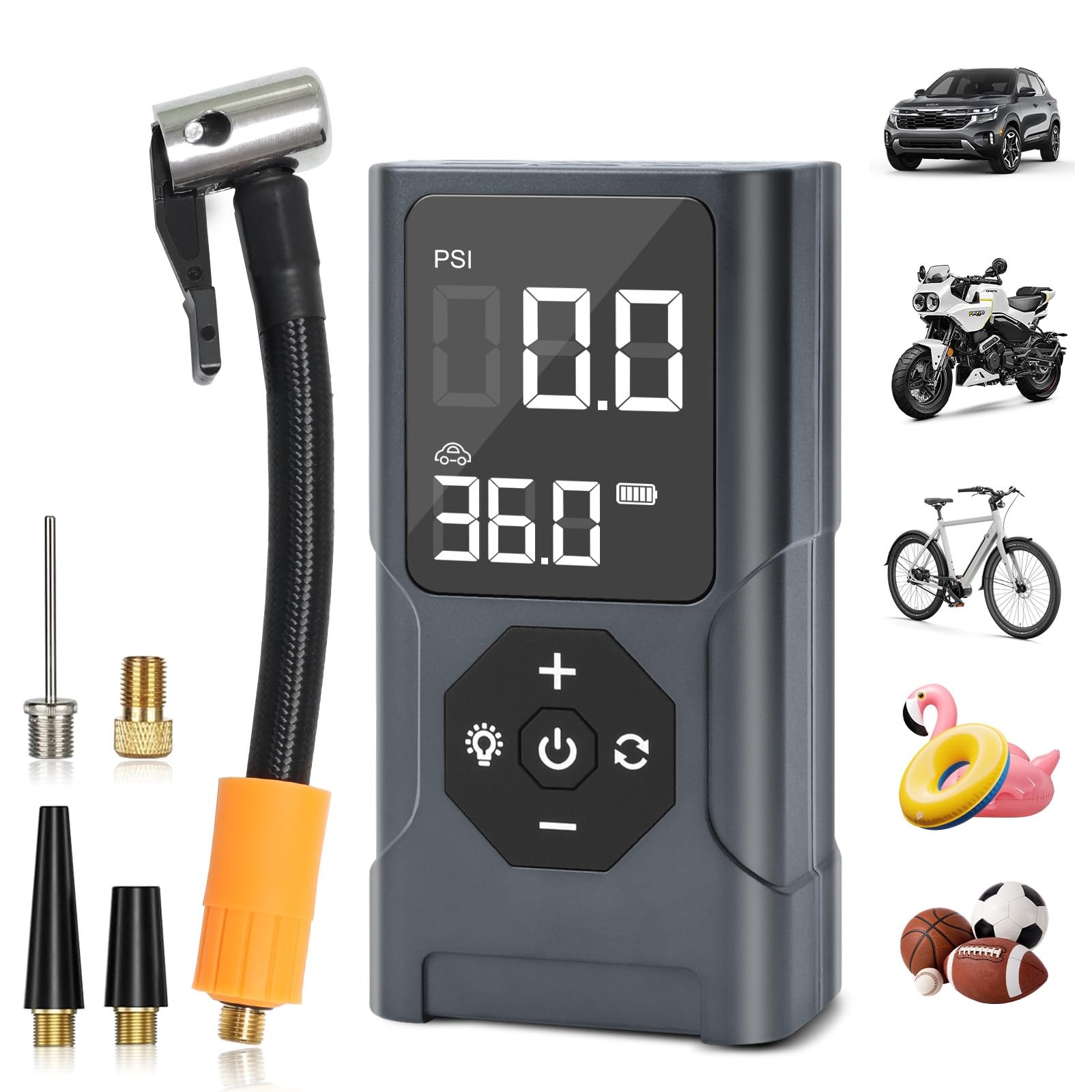 Tire Inflator Portable Air Compressor - Air Pump For Car Tires with Digital P...$15.24
 View on eBay
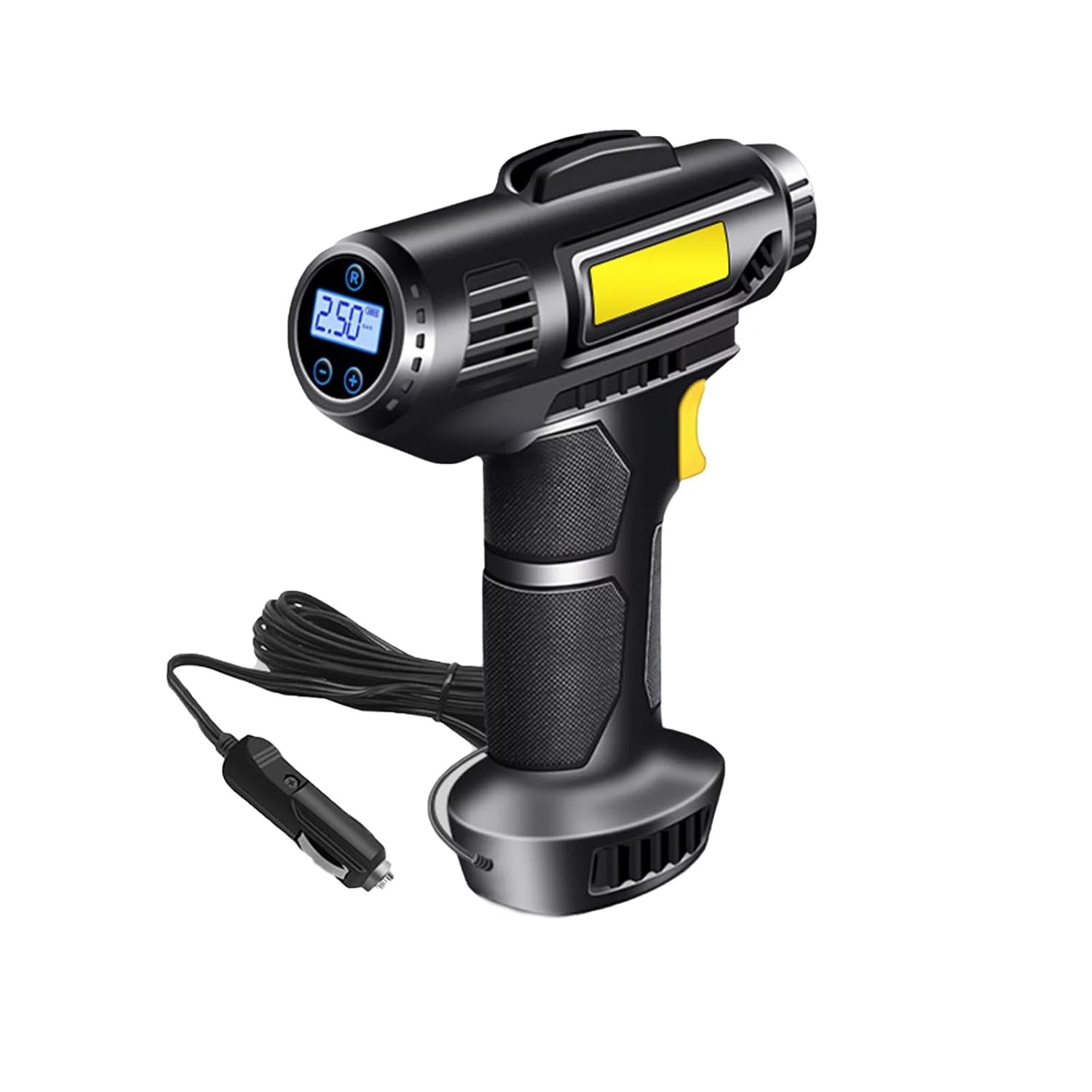 Wireless Handheld Car Tyre Air Pump Compressor Electric Air- Portable Air For Car Tires$22.99
 View on Mallflare
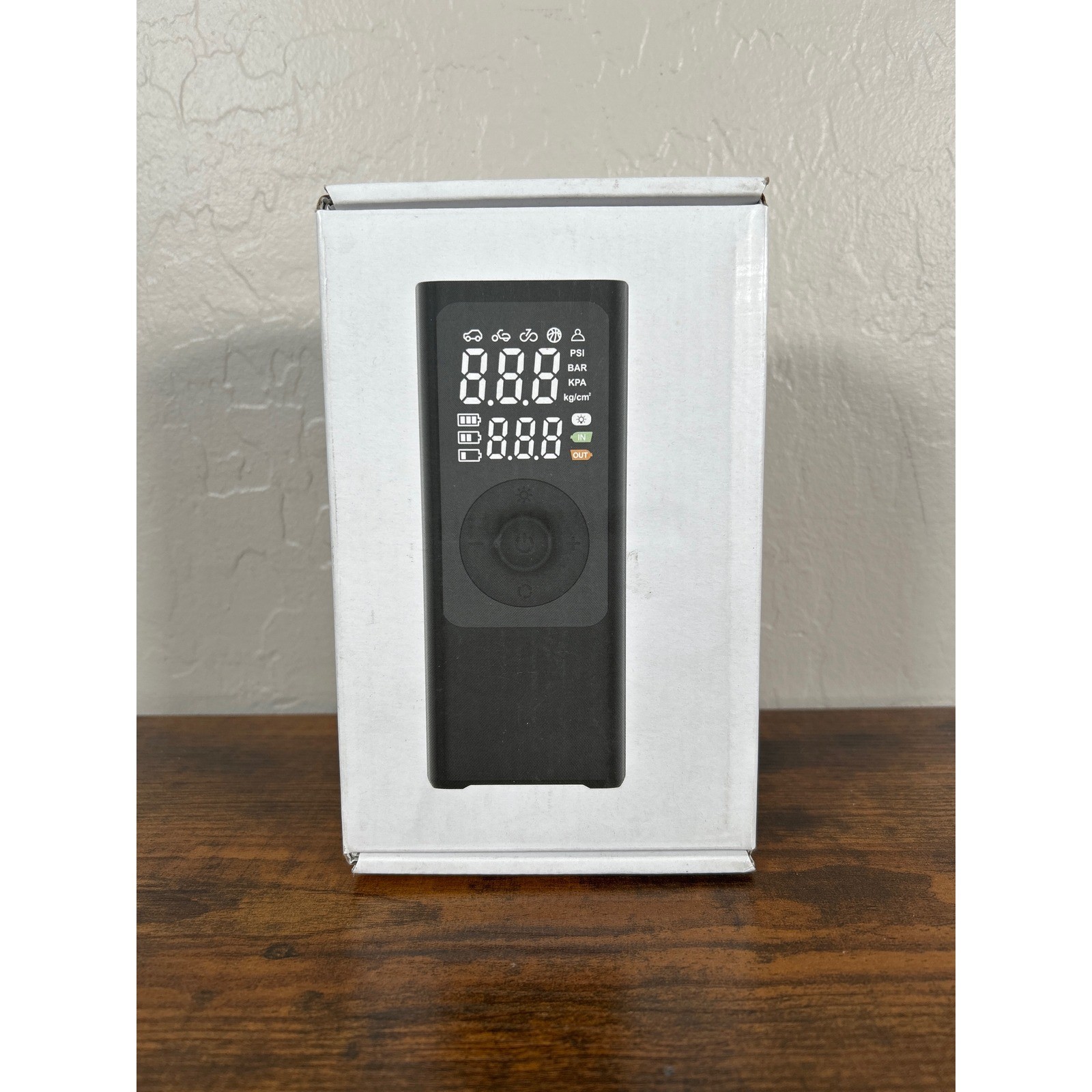 Portable Car Air Pump Digital Tire Inflator 100W CZK-5613 Black Handheld USB$20.00View on eBay
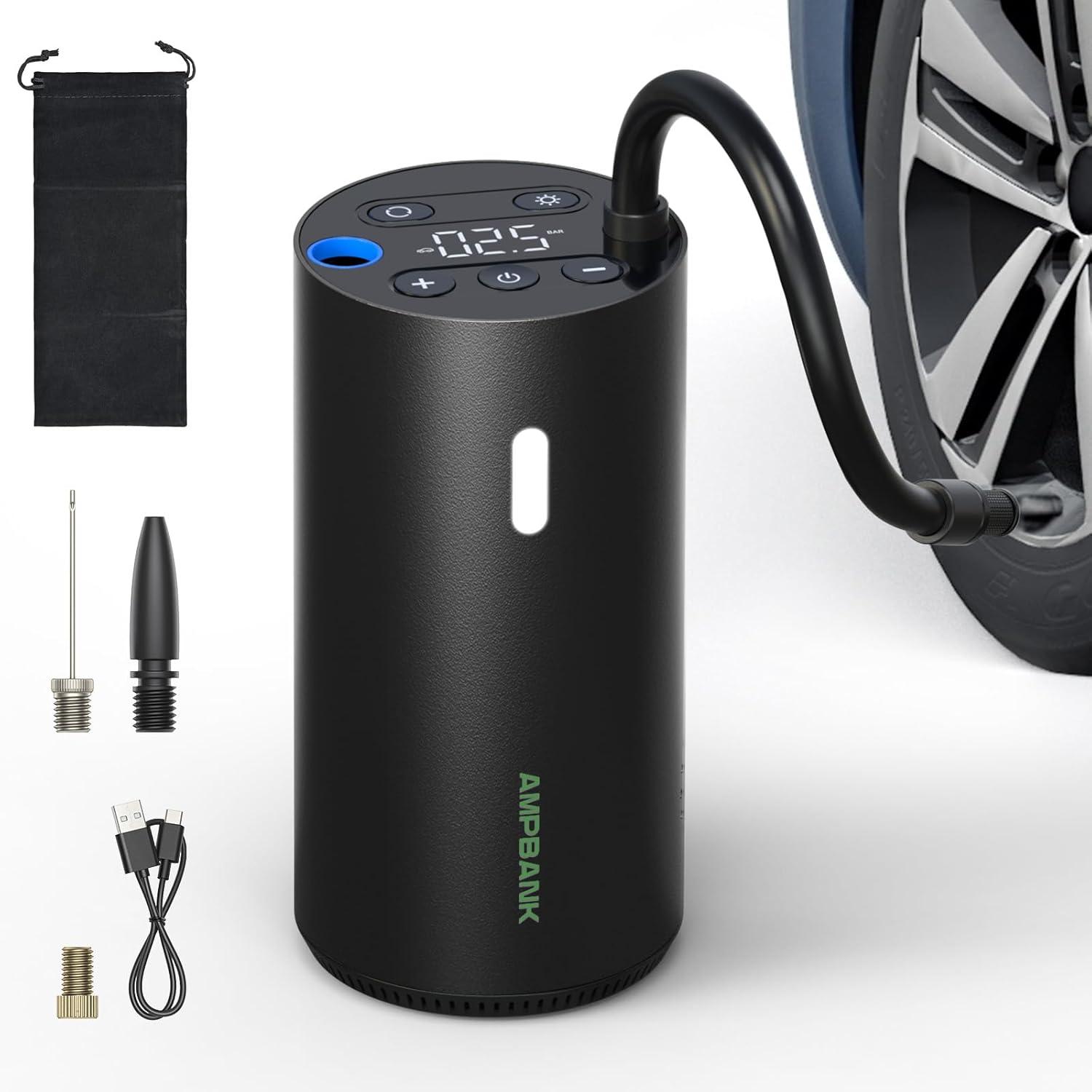 AMPBANK AT004 Smart Portable Tire Air Pump For Cars, Motorcycles, Bicycles And Balls With Pressure Gauge And LED Screen$38.99View on Mallflare
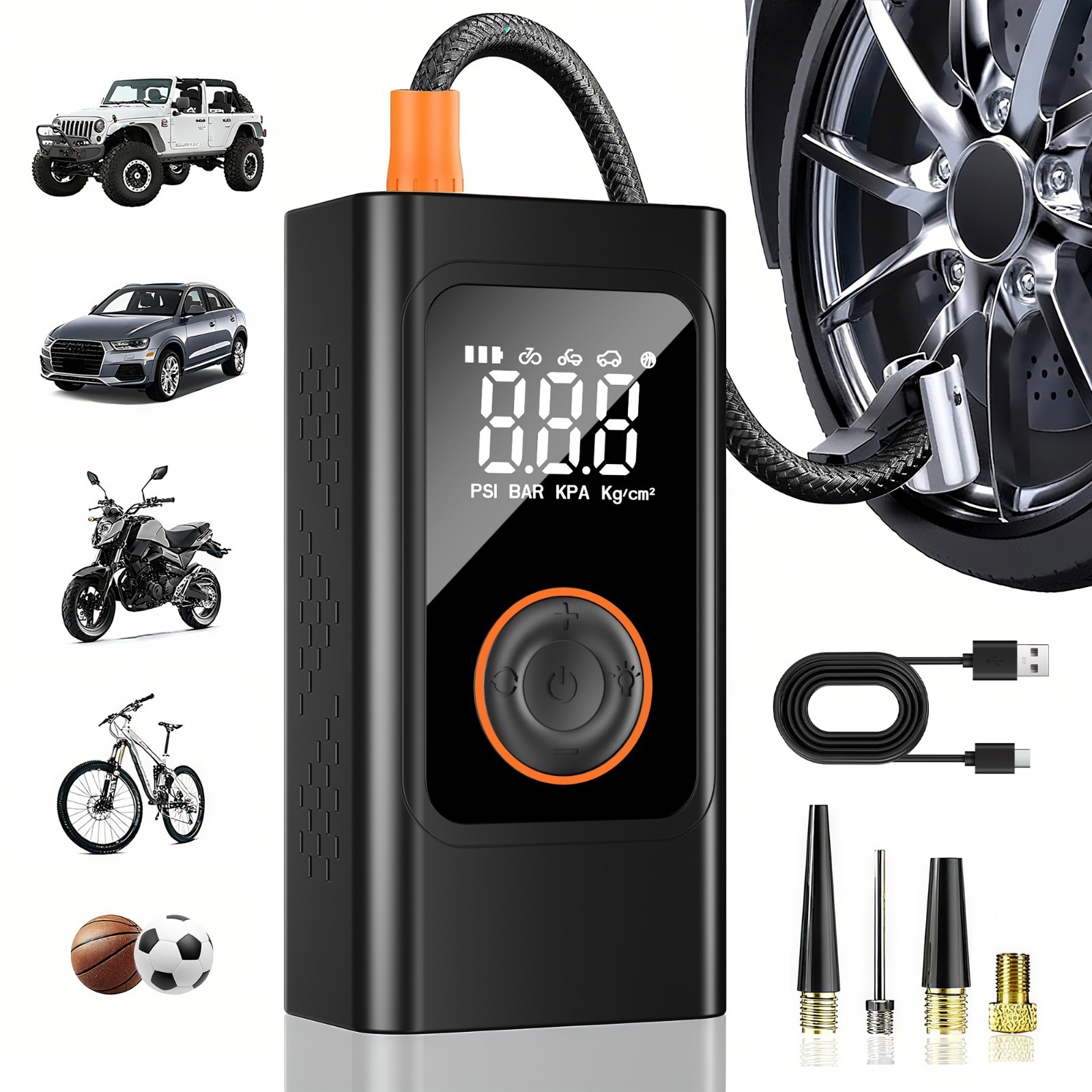 Portable Tire Inflator Air Compressor Pump 150PSI Digital LED Car Emergency 12V$28.32View on eBay
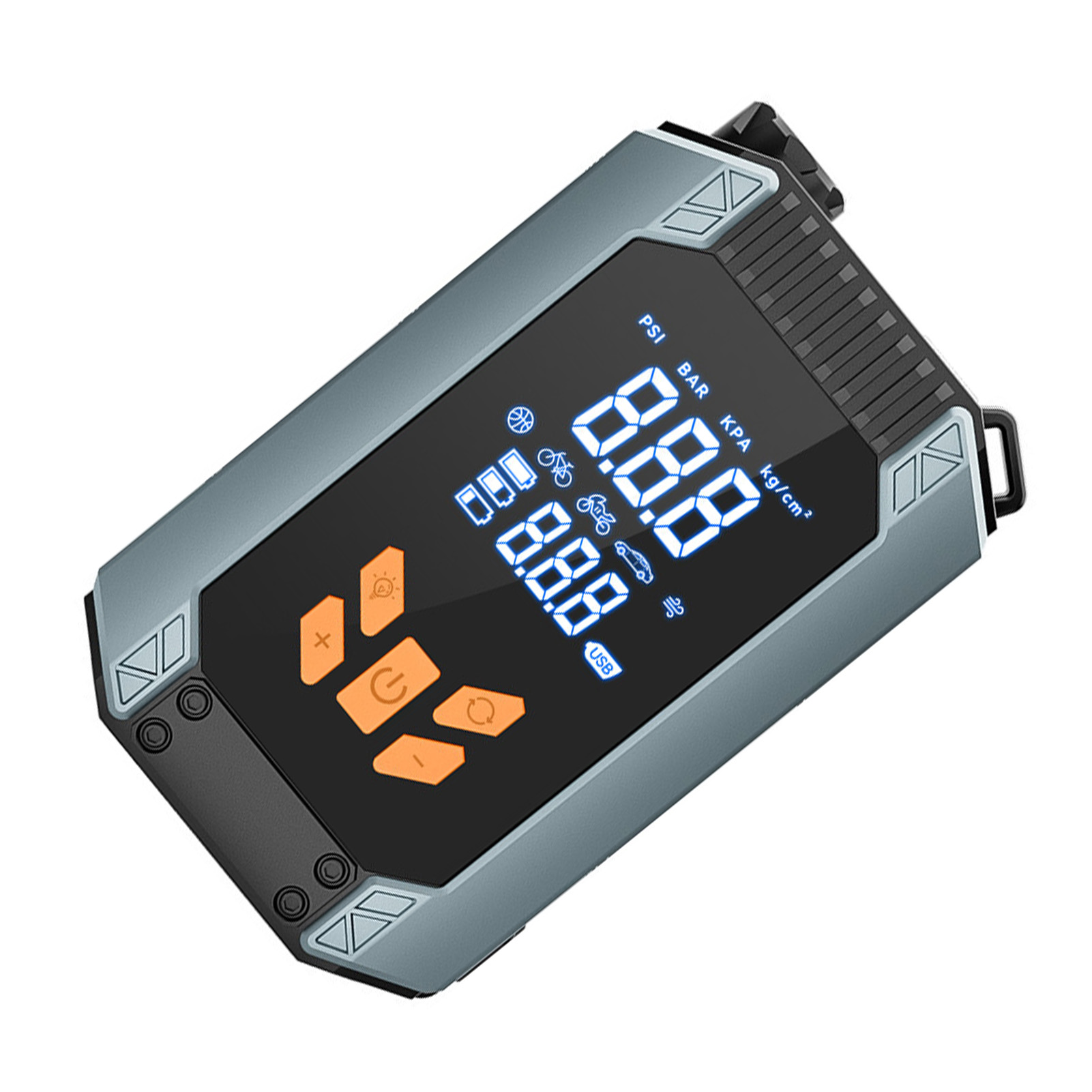 Cordless Tire Inflator 150PSI Auto Shutoff 6000mAh Electric Portable Car Pump With Pressure Gauge LED Light For$41.99View on Mallflare
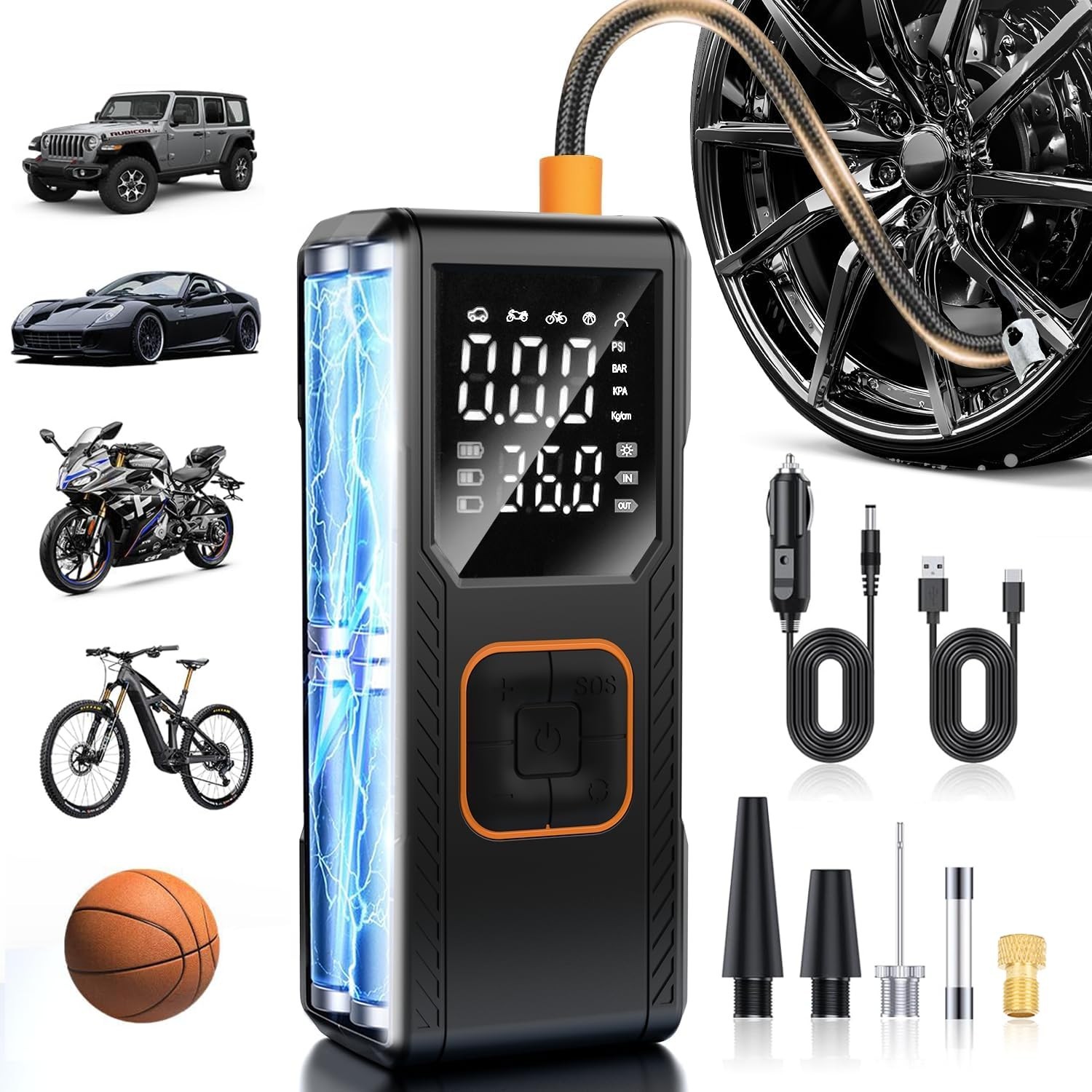 Tire Inflator Portable Air Compressor, 150PSI Cordless Air Pump For Car Tires...$36.08View on eBay
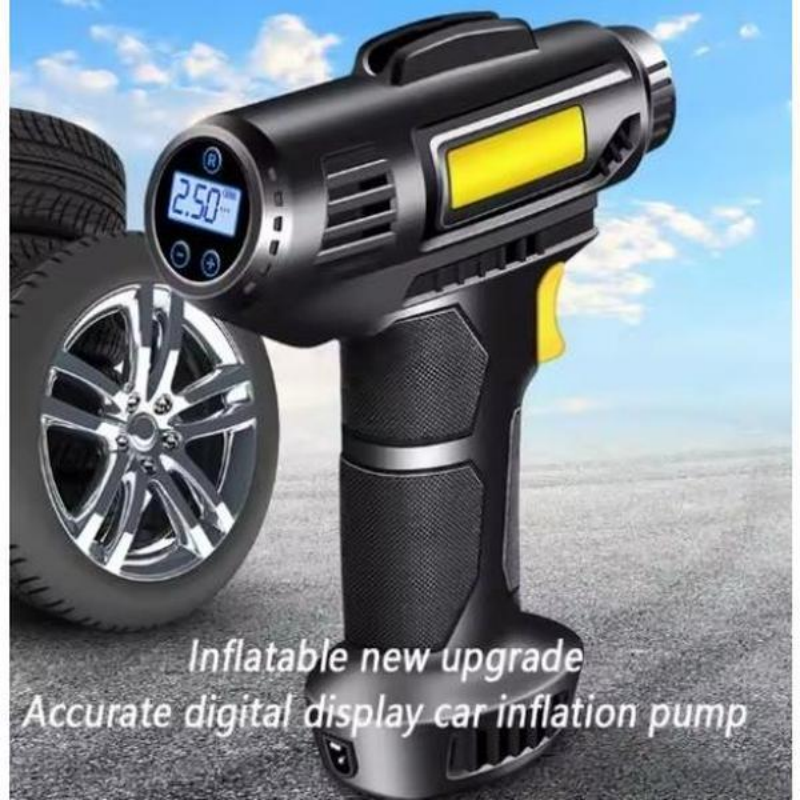 Intelligent Digital Display Wireless Portable Handheld Car Tire And Bicycle Air Pump$42.99View on Mallflare
 Tire Inflator Portable Air Compressor, 150 PSI Air Pump for Car Tires, Bike T...$39.94View on eBay
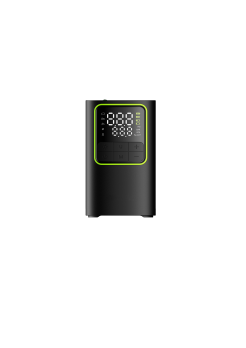 Portable Tire Inflator Pump 150PSI With Digital Pressure Gauge 6000mAh High Capacity Fast Inflation For Car Motorcycle$47.99View on Mallflare
- Tire Inflator Portable Air Compressor, 150 PSI Air Pump for Car Tires, Bike T...$39.99View on eBay
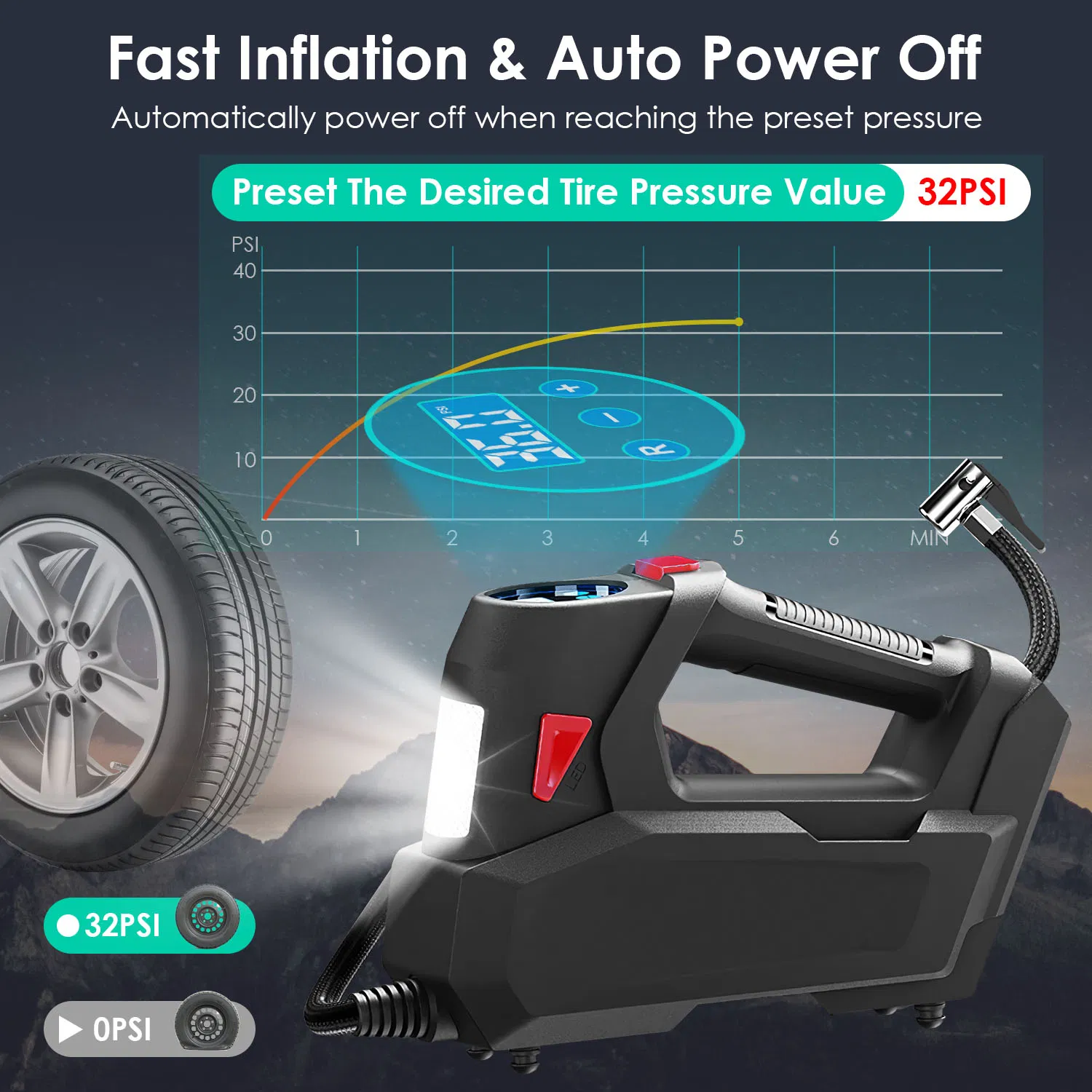 Portable Tire Inflator 120 PSI Maximum 90W Powered Pump with Digital Display LED Light Inflatable Nozzle Needle Fuse Air$53.99View on Mallflare
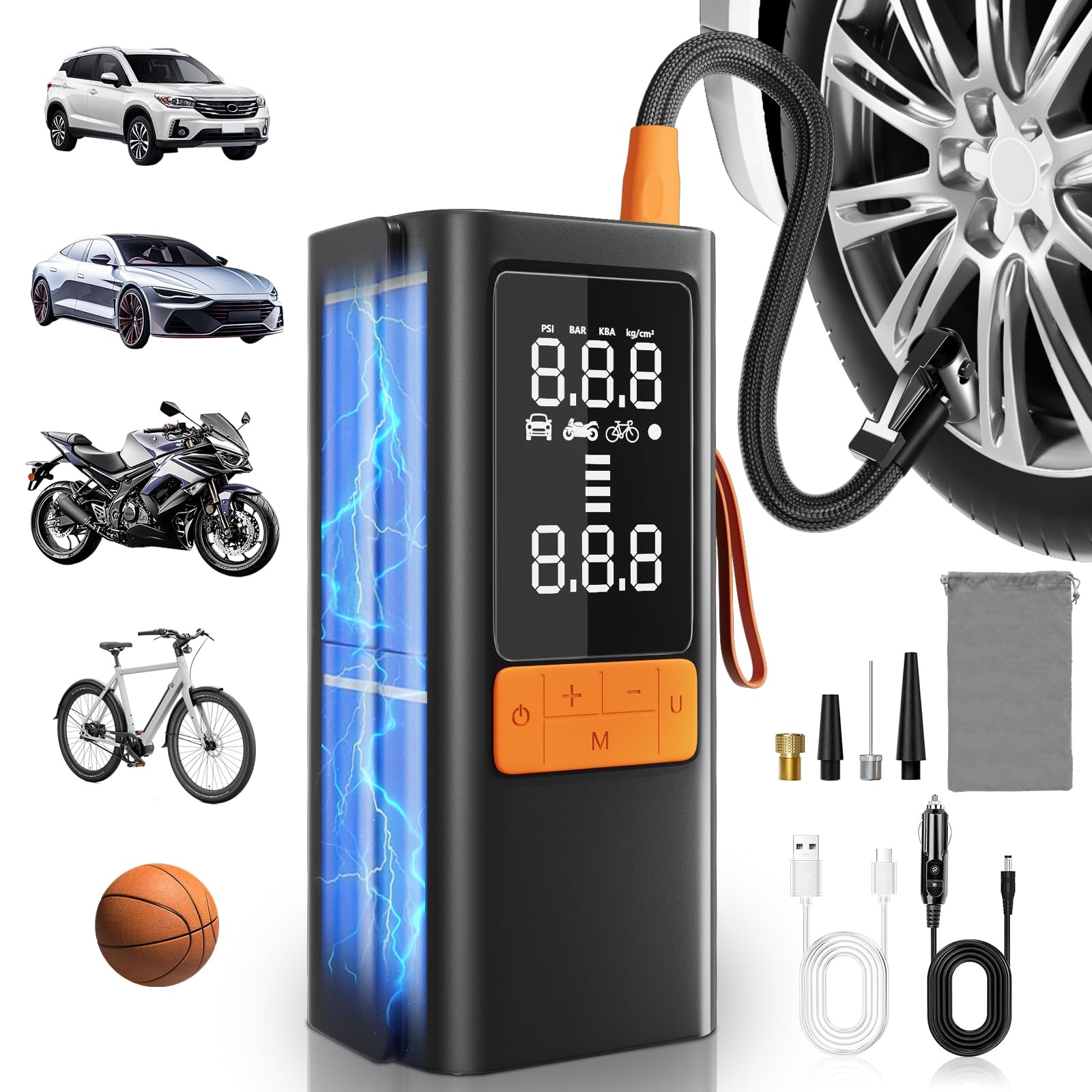 Tire Inflator Portable Air Compressor, 150 PSI Air Pump for Car Tires, Bike T...$40.76View on eBay
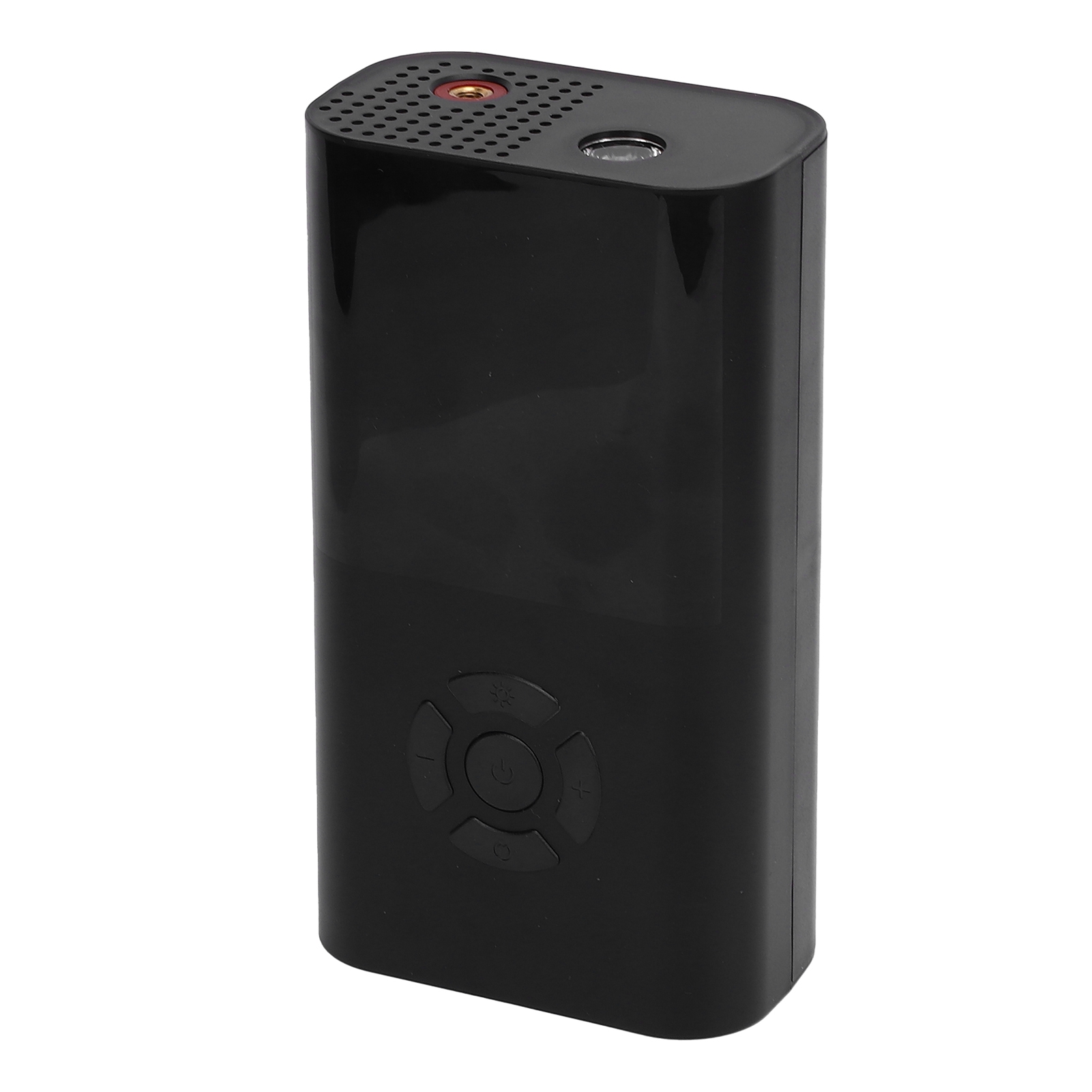 Portable Tire Inflator 5 To 150PSI LCD Display Electric Car Pump With Emergency Starter Digital Pressure Meter For$60.99View on Mallflare
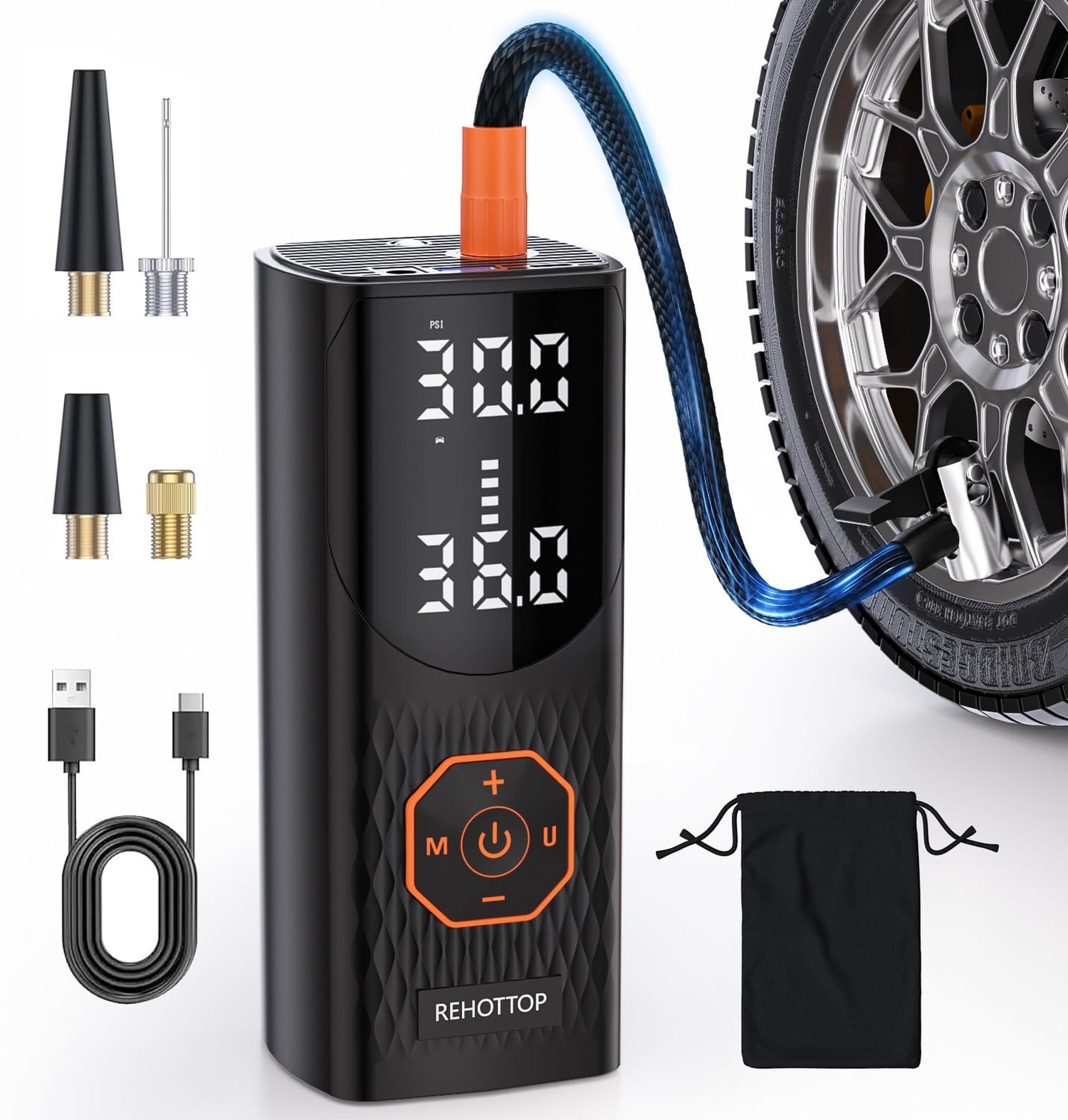 Tire Inflator Portable Air Compressor 160PSI Air Pump For Car Tires with Digi...$42.42View on eBay
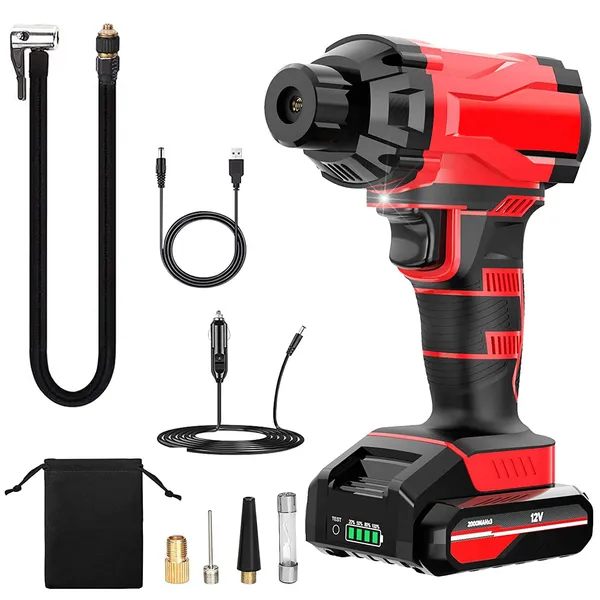 150PSI Cordless Car Tire Pump 6000mAh Rechargeable Inflator 12V Portable Electric Air Compressor With LED Light For Car$76.99View on Mallflare
 Tire Inflator Portable Air Compressor 160PSI Pump for Car Tires - Matte Black$43.06View on eBay
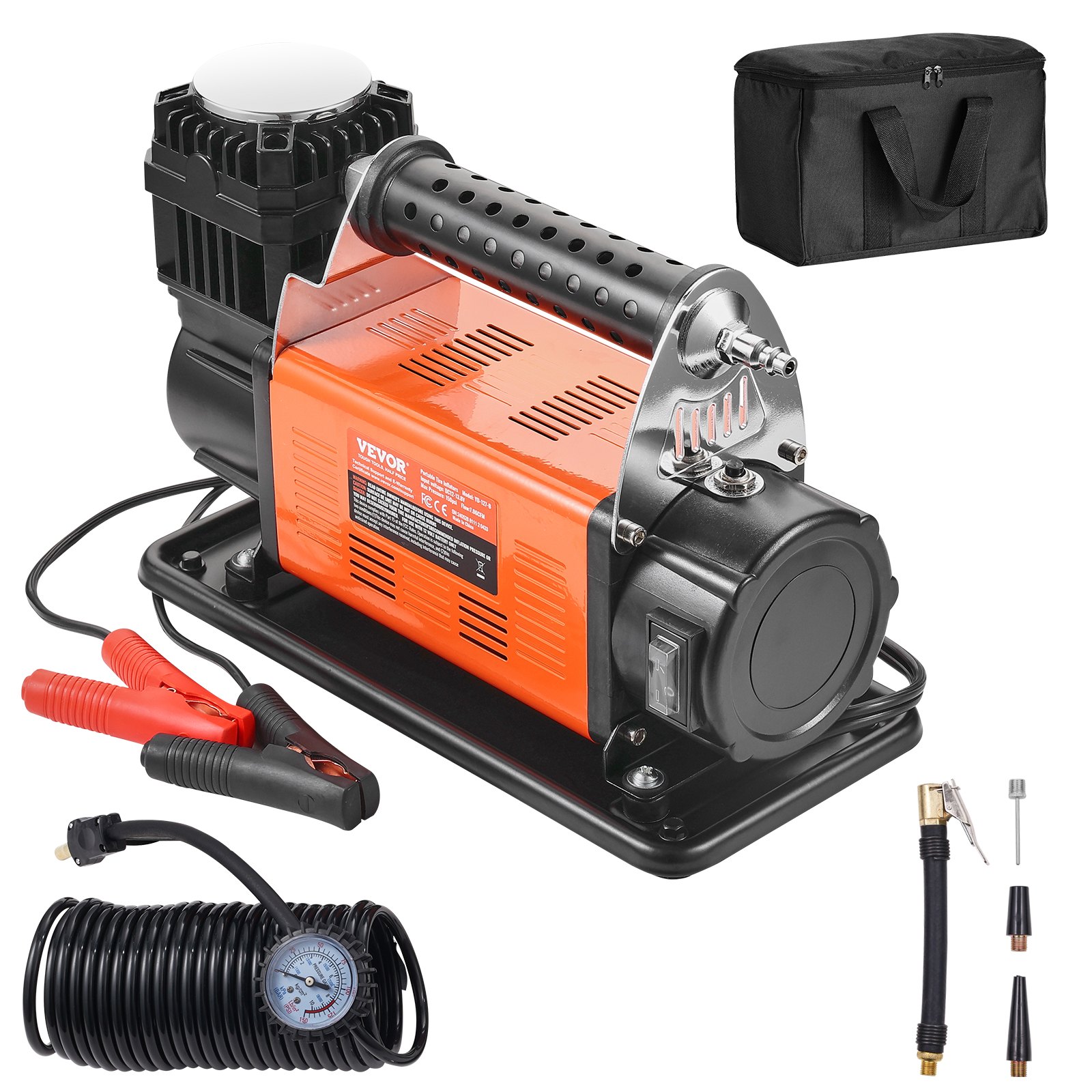 12V Portable Tire Inflator, 7.06CFM Heavy Duty Air Compressor, 150PSI Offroad Air Pump With Adapters For Car SUV RV$123.99View on Mallflare
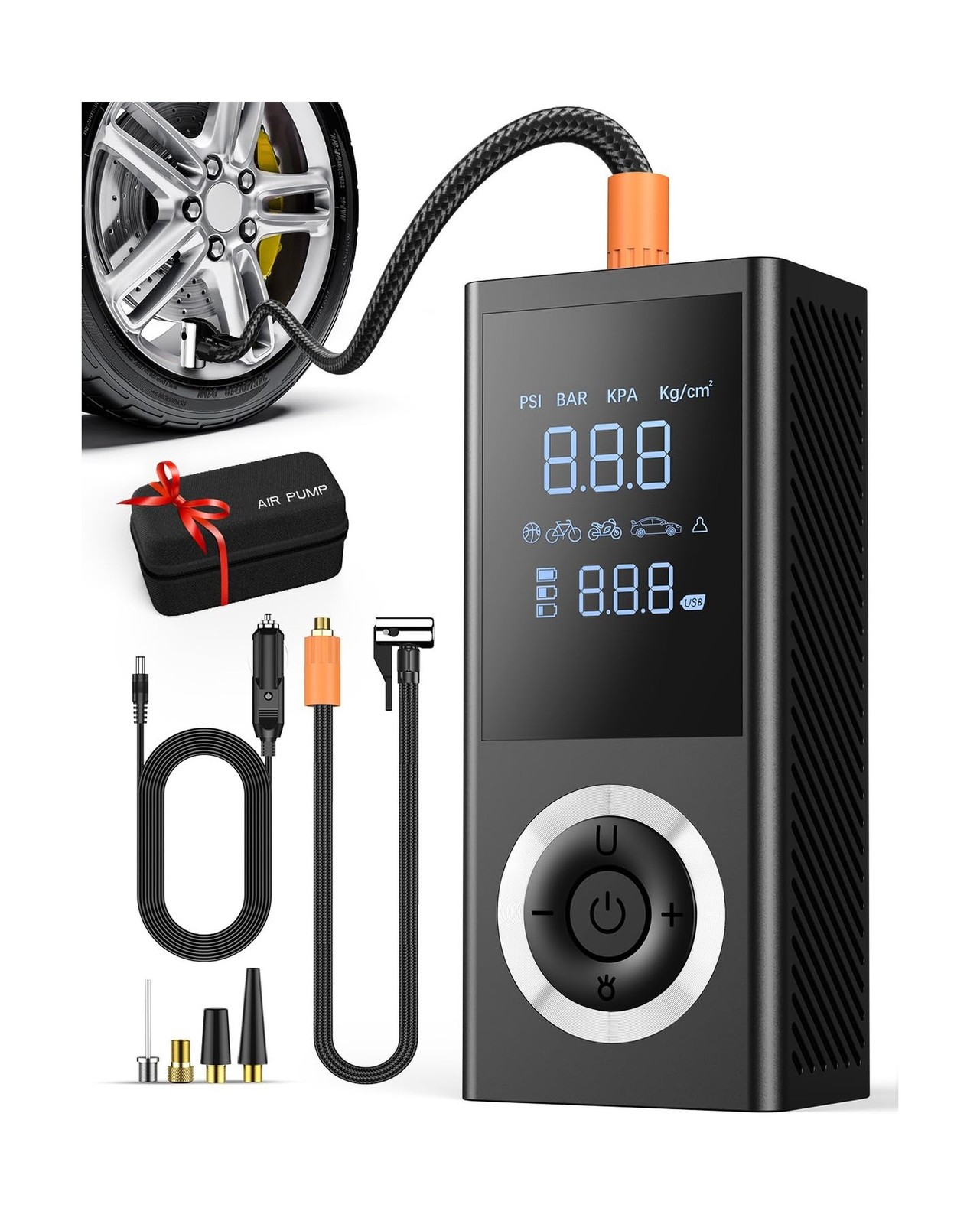 Tire Inflator Portable Air Compressor, 150 PSI Smart Air Pump for C... Fast Ship$43.67View on eBay
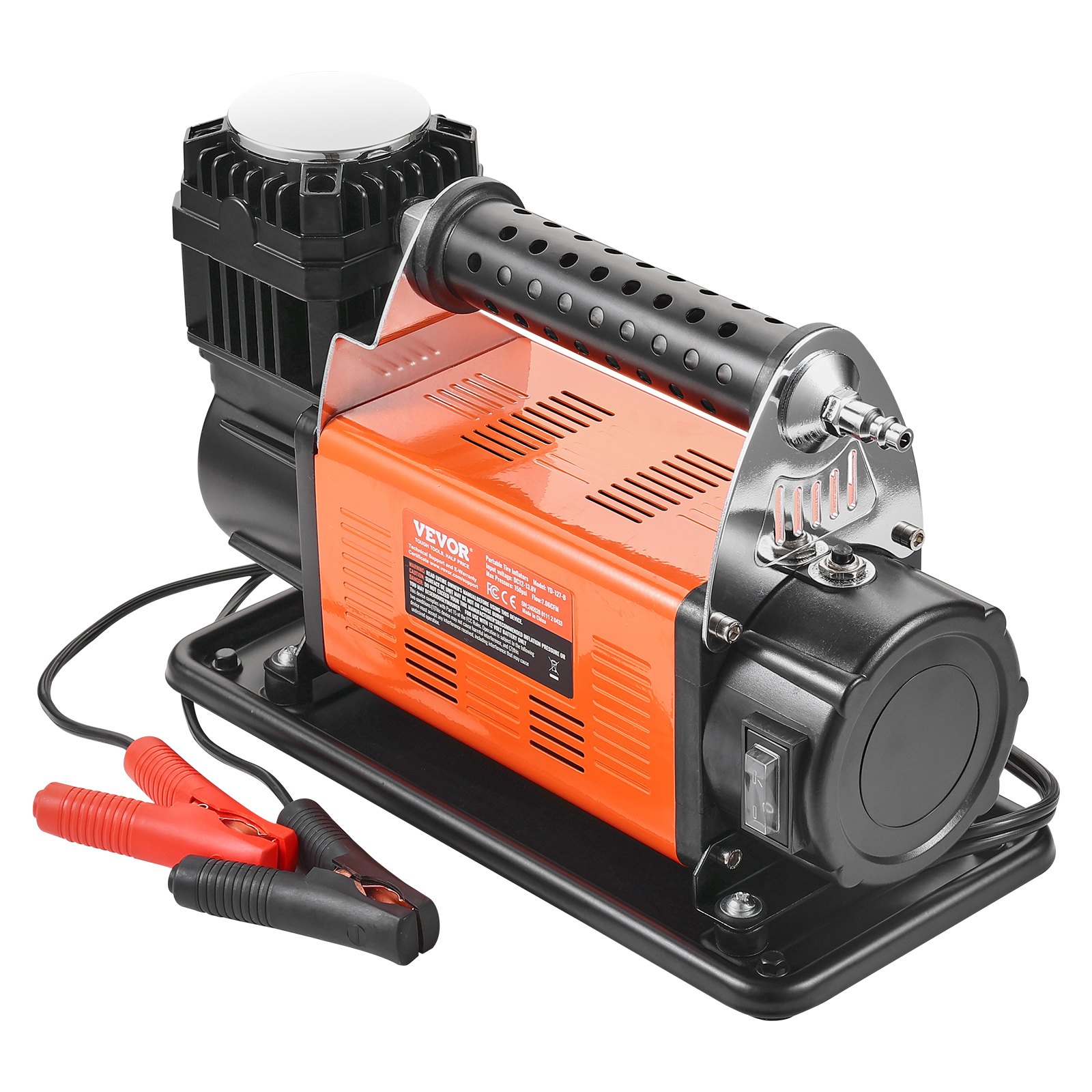 12V Heavy Duty Air Compressor - With Digital Pressure Gauge Tire Inflator Kit, 7.06 CFM Portable 150PSI Offroad Air Pump$146.99View on Mallflare
Highlights
- Corded 12V DC pumps typically deliver 30-40 L/min and run continuously from the car socket, while cordless 6000 mAh handhelds deliver 20-25 L/min but overheat after 1-2 tires.
- 150 PSI is the standard maximum working pressure; pumps with metal cylinder heads and braided hoses sustain duty cycles that plastic-head units cannot.
- Digital pressure gauges with ±1 PSI accuracy and auto shutoff prevent over-inflation; analog dial gauges on budget units often drift 3-5 PSI.
- Cordless models using 18650 cells (6000 mAh = 2 cells) inflate one 205/55R16 tire from flat in 5-8 minutes but require USB-C recharge before storage.
Best use cases
- Best fit: corded 12V pump with 10-ft cord and metal head for sedan/SUV owners who top off four tires monthly or face slow leaks on road trips.
- Best fit: cordless 6000 mAh handheld with auto shutoff for cyclists, motorcyclists, and commuters inflating one tire or bike tube weekly.
- Wrong fit: skip cordless pumps for full-size truck or RV tires (LT ratings) — they lack the airflow and duty cycle; choose a dual-cylinder 12V corded unit or onboard air.
- Wrong fit: skip analog-only budget pumps for precision needs (track days, TPMS reset) — the gauge error exceeds the 1-2 PSI window.
Buying tips
- Match pump to tire volume: 205/55R16 (sedan) needs ~8 minutes from flat at 25 L/min; 275/65R18 (truck) needs a corded unit at 35+ L/min to finish under 10 minutes.
- Choose a metal cylinder head and braided hose over all-plastic construction — plastic heads warp and lose pressure seal after repeated 150 PSI cycles.
- For cordless, verify 18650 cell capacity: 6000 mAh (2 cells) handles one car tire; 12000 mAh (4 cells) handles two, but adds bulk and weight.
- Confirm the 12V plug fits your socket depth and that the cord reaches all four tires — 10 ft covers most sedans, 15 ft is safer for SUVs.
Specs
| Power Source | 12V DC corded vs Li-ion cordless |
|---|---|
| Max Pressure | 150 PSI standard |
| Airflow Rate | 20-40 L/min by class |
| Gauge & Shutoff | Digital ±1 PSI auto shutoff |
Related searches
What to check before buying
- Measure tire size and count: one tire per trip favors cordless; four tires or a slow leak favors corded 12V with sustained airflow.
- Check your vehicle's 12V socket amperage (typically 15A) — pumps drawing 10A+ may blow fuses on older cars; cordless avoids this.
- Verify storage space and weight: cordless handhelds run 1-2 lbs; corded units with hose and bag run 2-3 lbs and need glovebox or trunk space.
- Confirm the chuck type (screw-on vs lever clamp) matches your valve stems — lever clamps seal faster on TPMS metal stems; screw-on is slower but universal.
FAQ
Data sources: eBay / Amazon listings and product attribute feeds Data updated Nov 15, 2026.
Some links on this page are affiliate links. If you buy after clicking one, we may earn a commission at no extra cost to you. This does not change which products appear here or their order. Affiliate disclosure.