Photos from current listings. Actual item, color, and included accessories may vary.
Portable Tire Inflator Buying Guide
Portable tire inflators are compact air compressors that run on 12V DC or internal batteries to top up car, truck, and bike tires anywhere. The core trade-off is corded 12V power (higher flow, no battery limits) versus cordless battery models (convenience, lower duty cycle). Buy a metal-gear, high-flow corded unit for frequent/high-volume use; choose a reputable cordless only for light passenger-car top-ups.

At a glance
- Category
- Emergency Tire Tools
- Data updated
- Nov 15, 2026
Current offers
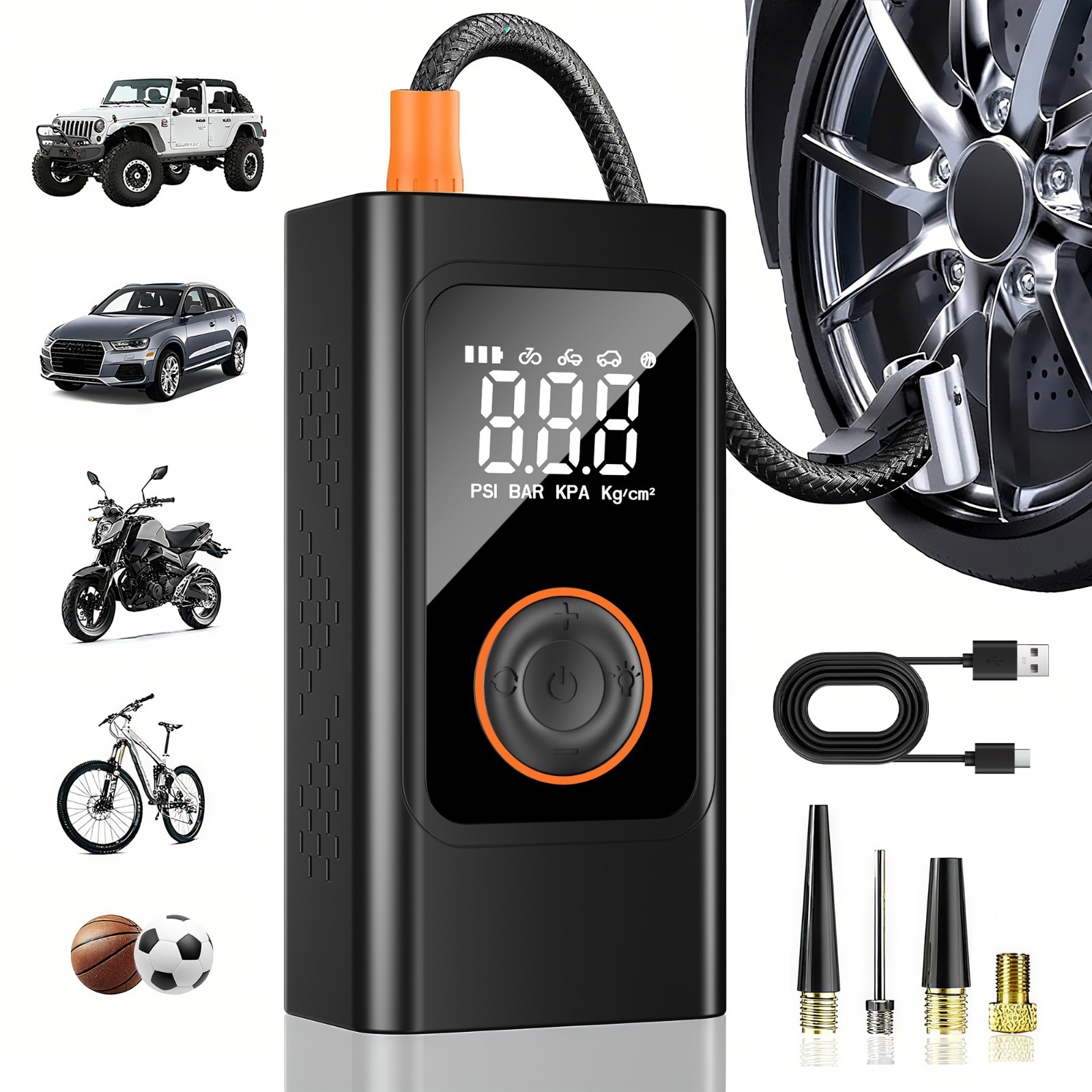 Portable Tire Inflator Air Compressor Pump 150PSI Digital LED Car Emergency 12V$28.32
 View on eBay
 Portable Tire Inflator Pump 150PSI With Digital Pressure Gauge 6000mAh High Capacity Fast Inflation For Car Motorcycle$47.99
 View on Mallflare
 Tire Inflator Portable Air Compressor, 3X Faster Portable Tire Inflator for C...$73.80View on eBay
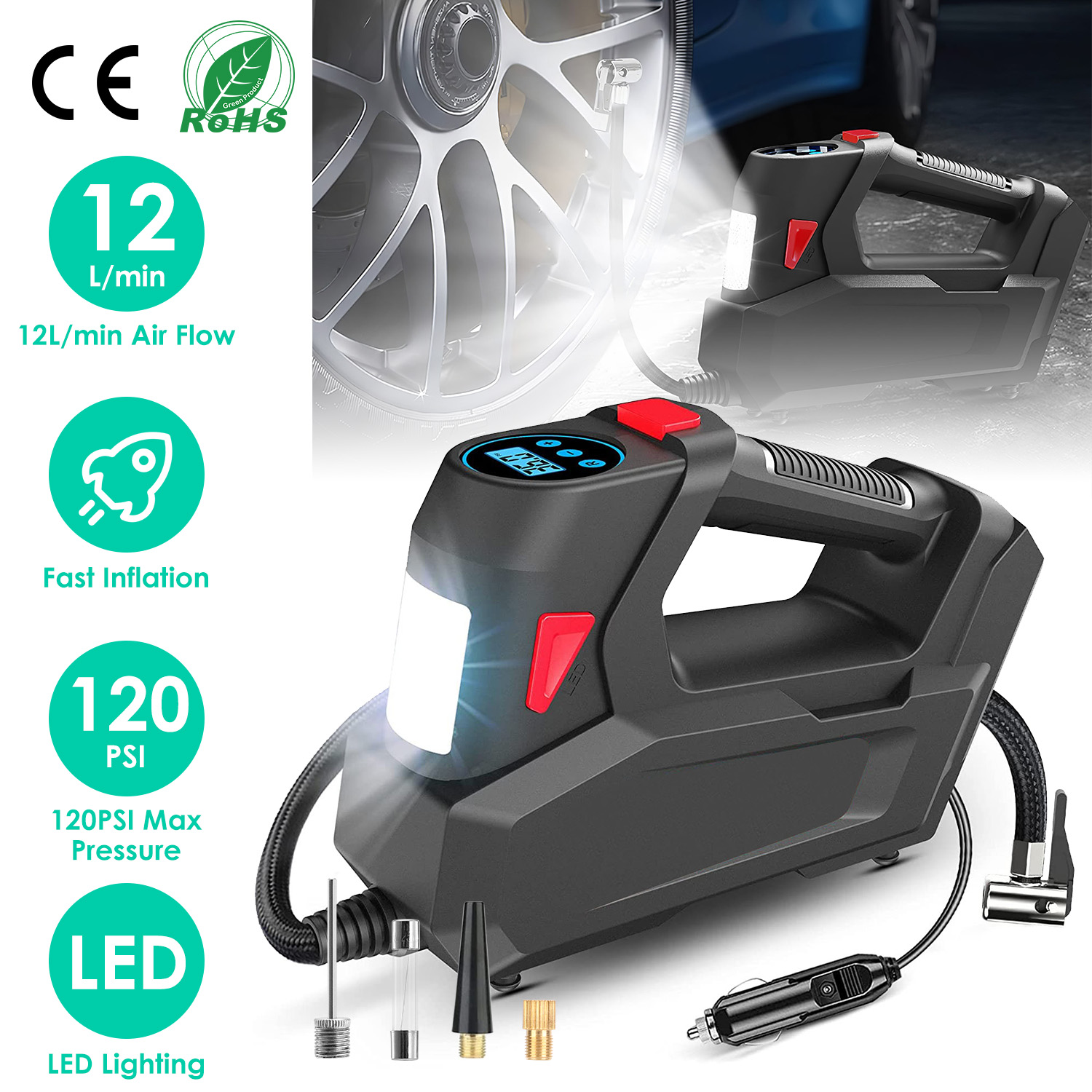 1Pc Portable Tire Inflator 120 PSI Maximum 90W Powered With Digital Display LED Light Inflatable Nozzle Needle Fuse Air$47.99View on Mallflare
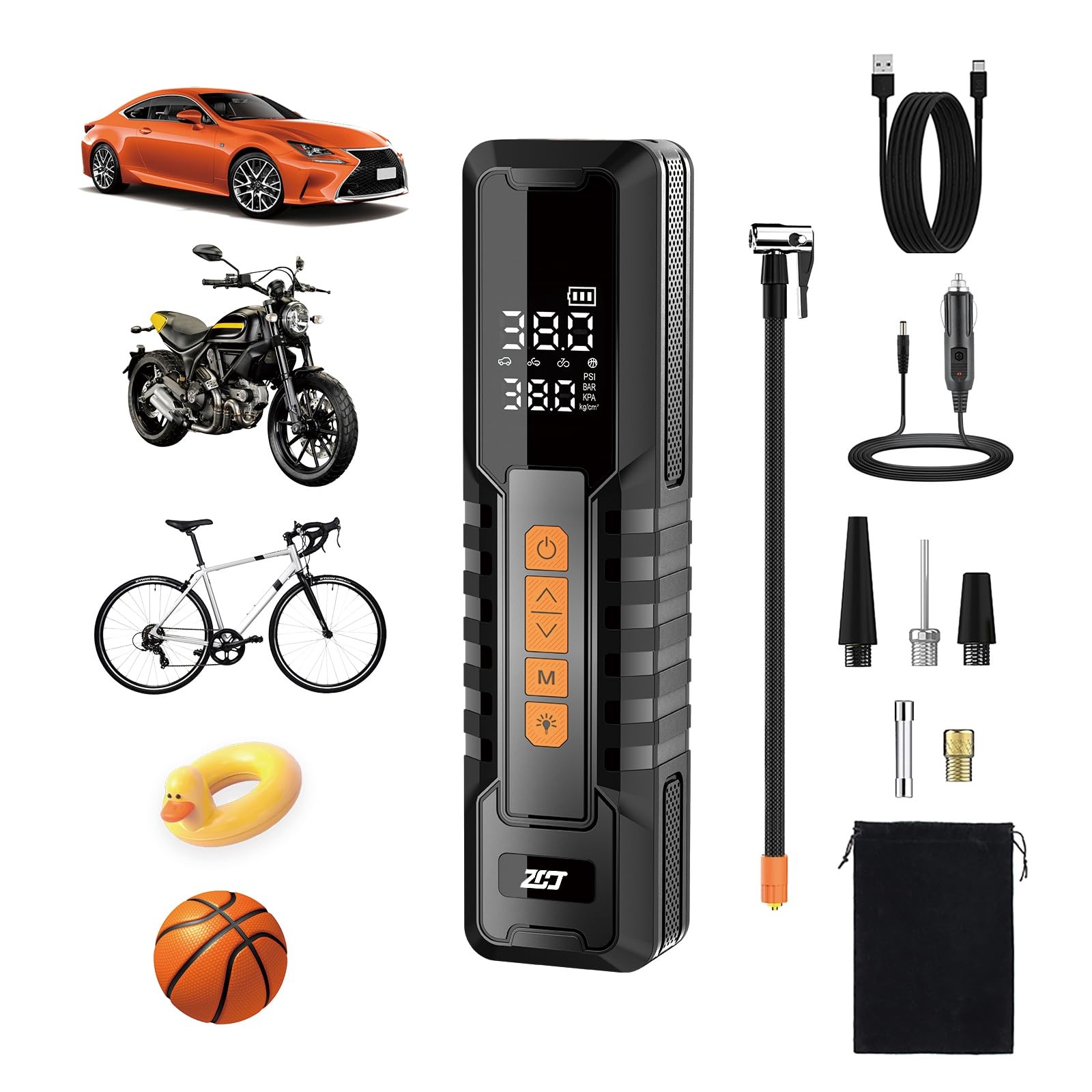 Tire Inflator Portable Air Compressor – Emergency Flat Tire Rescue & Pressure...$12.86View on eBay
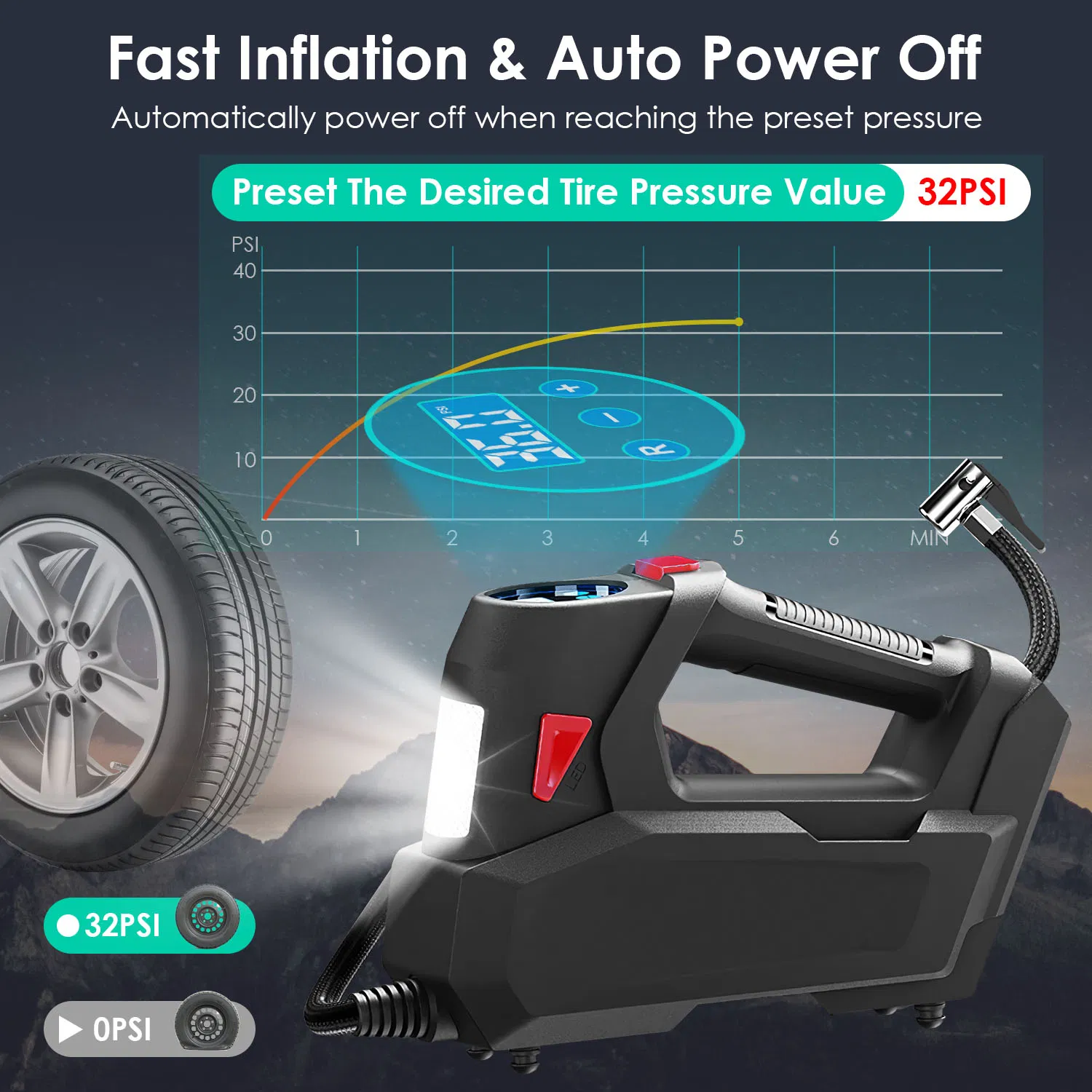 Portable Tire Inflator 120 PSI Maximum 90W Powered Pump with Digital Display LED Light Inflatable Nozzle Needle Fuse Air$53.99View on Mallflare
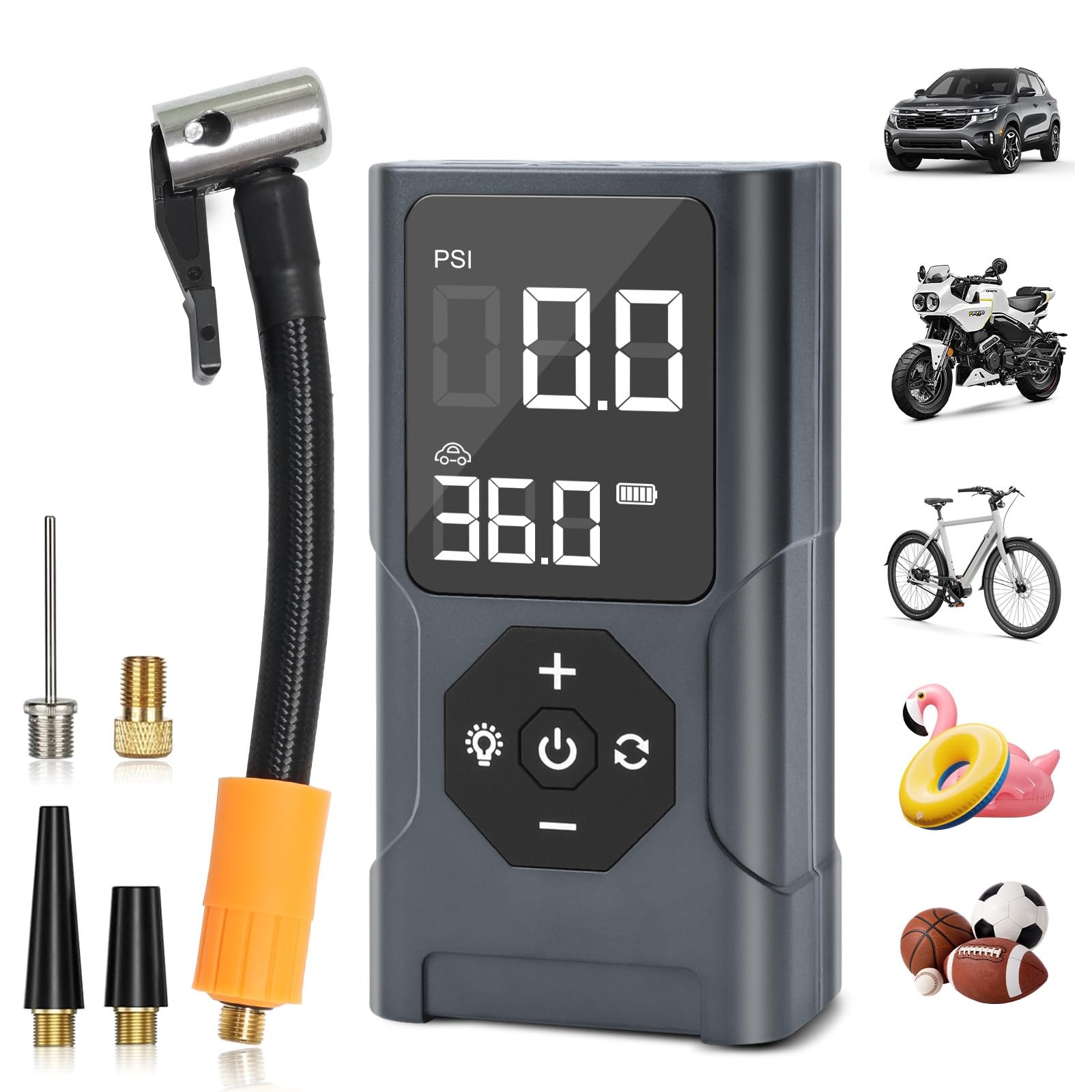 Tire Inflator Portable Air Compressor - Air Pump For Car Tires with Digital P...$15.24View on eBay
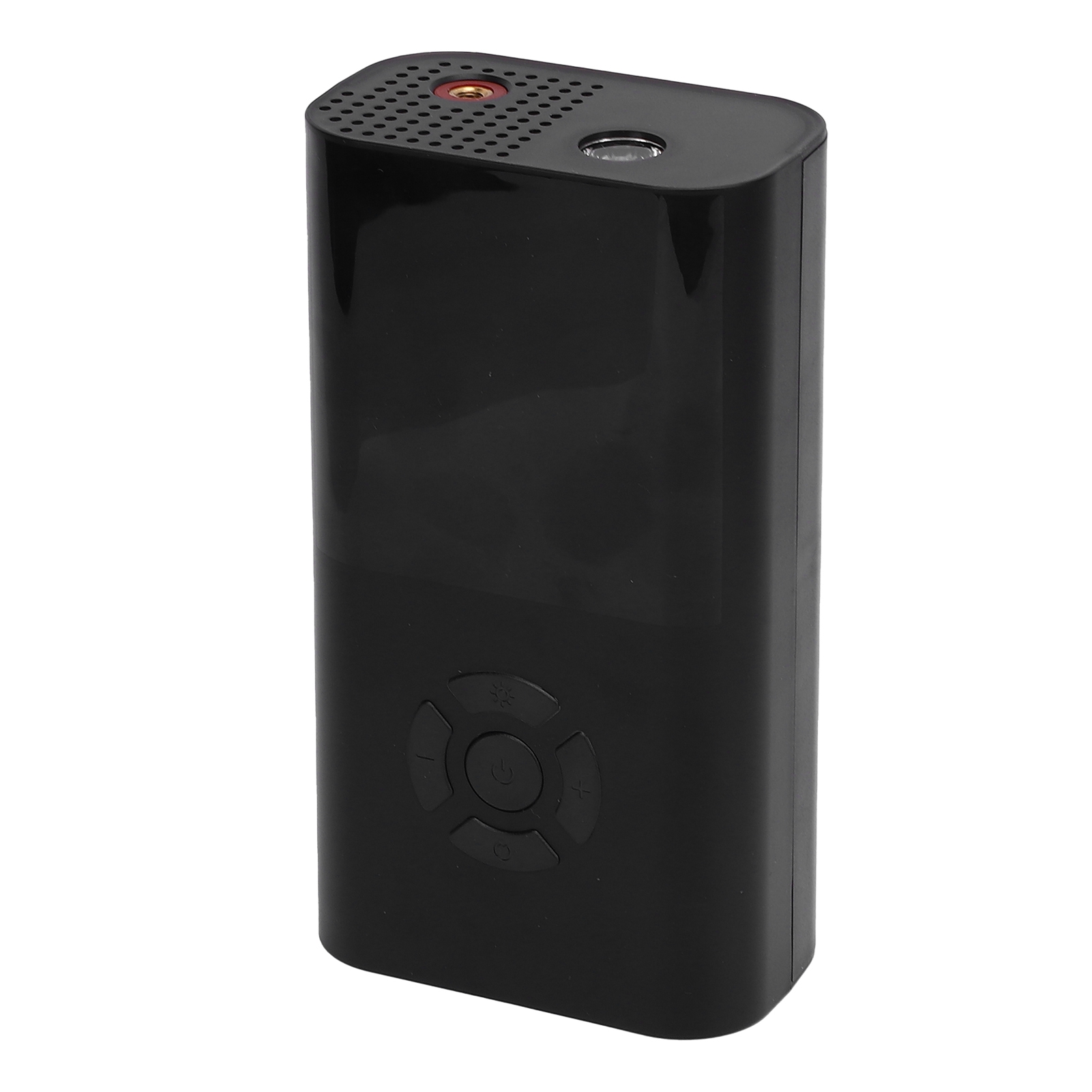 Portable Tire Inflator 5 To 150PSI LCD Display Electric Car Pump With Emergency Starter Digital Pressure Meter For$60.99View on Mallflare
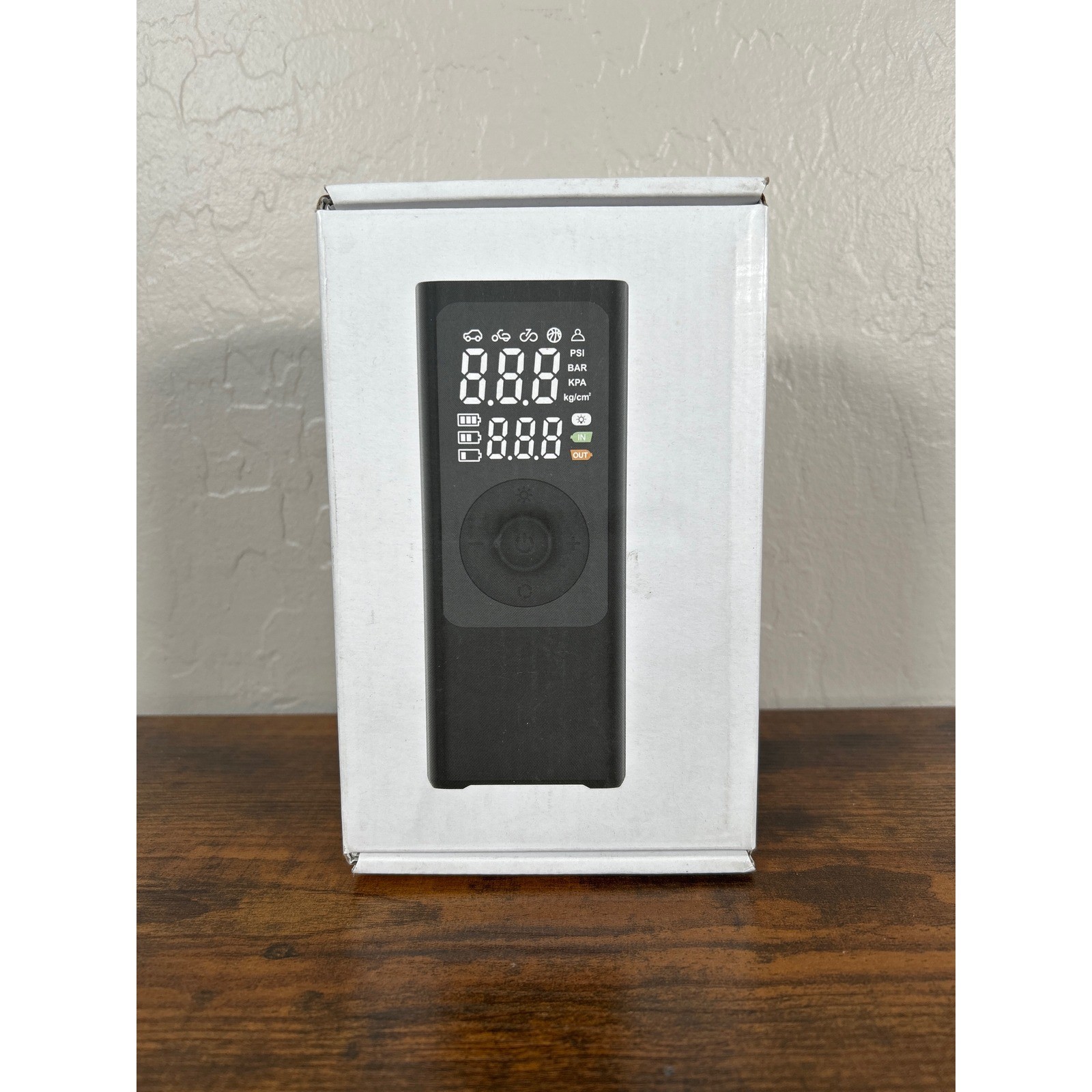 Portable Car Air Pump Digital Tire Inflator 100W CZK-5613 Black Handheld USB$20.00View on eBay
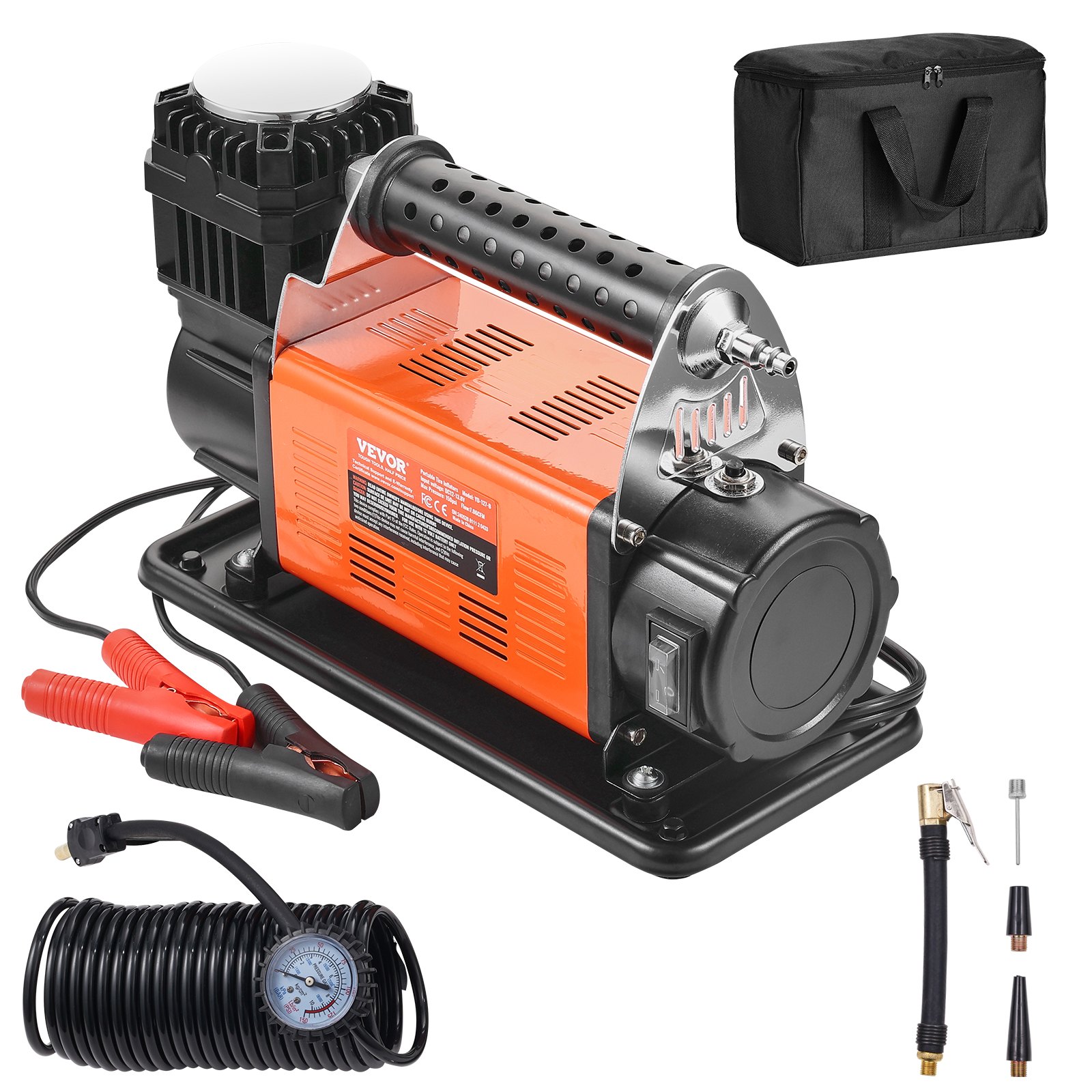 12V Portable Tire Inflator, 7.06CFM Heavy Duty Air Compressor, 150PSI Offroad Air Pump With Adapters For Car SUV RV$123.99View on Mallflare
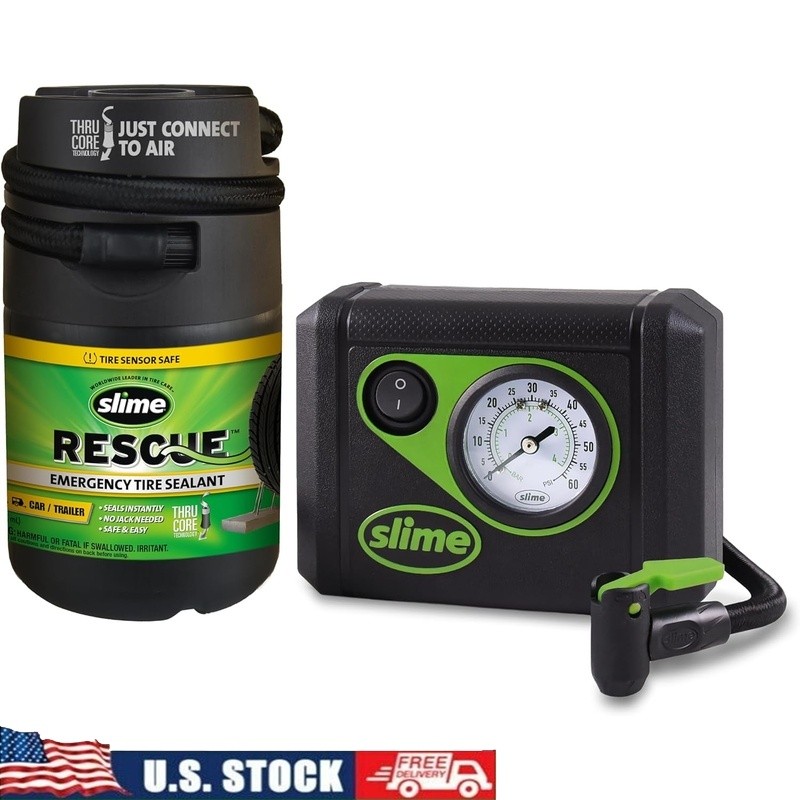 Emergency Tire Repair Kit Inflator Sealant Portable Flat Tire Fix Tool Easy Use$20.30View on eBay
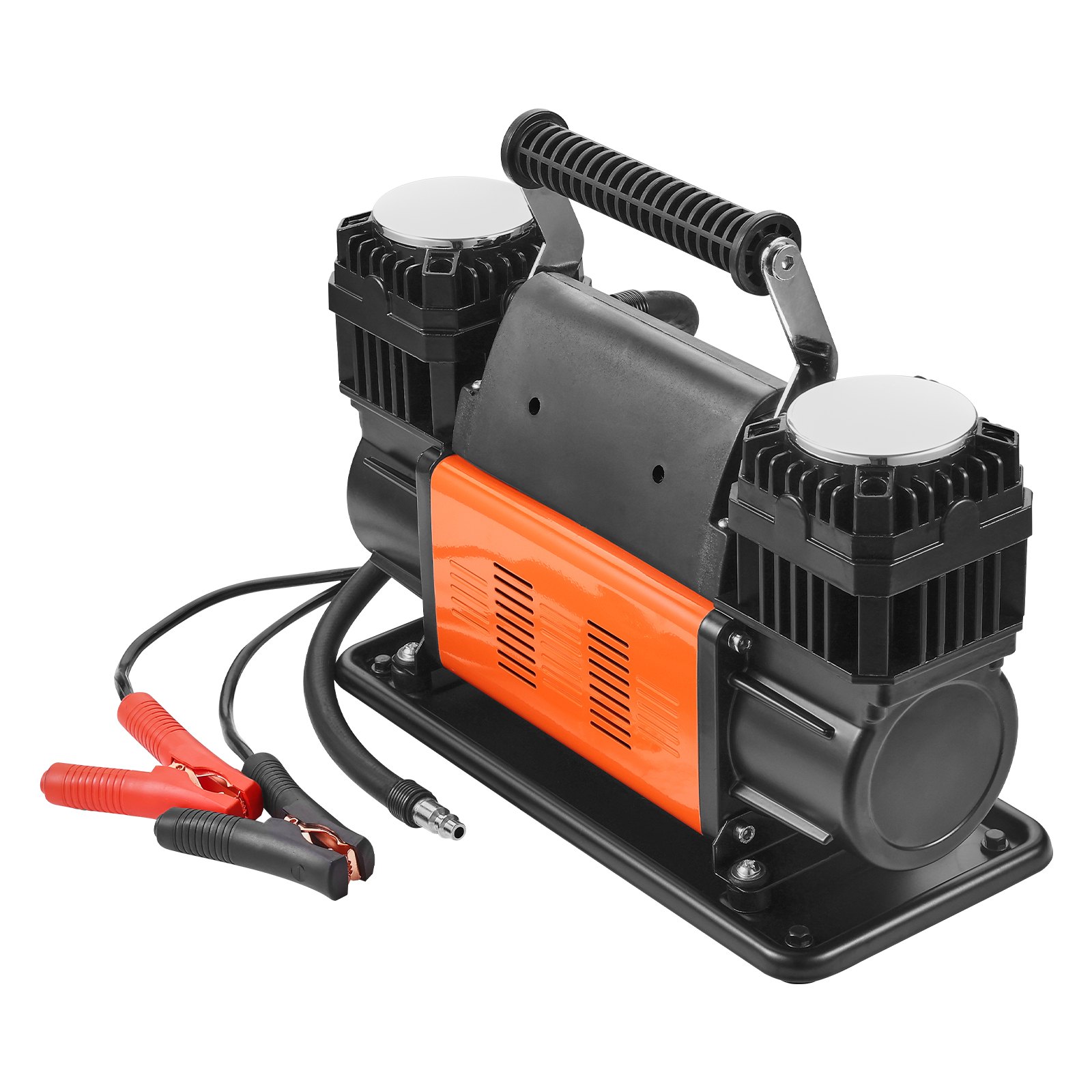 10.6 CFM Heavy Duty Air Compressor, 30s Fast Inflation | Dual-Cylinder Portable Tire Inflator, 12V 150PSI Offroad Air$155.99View on Mallflare
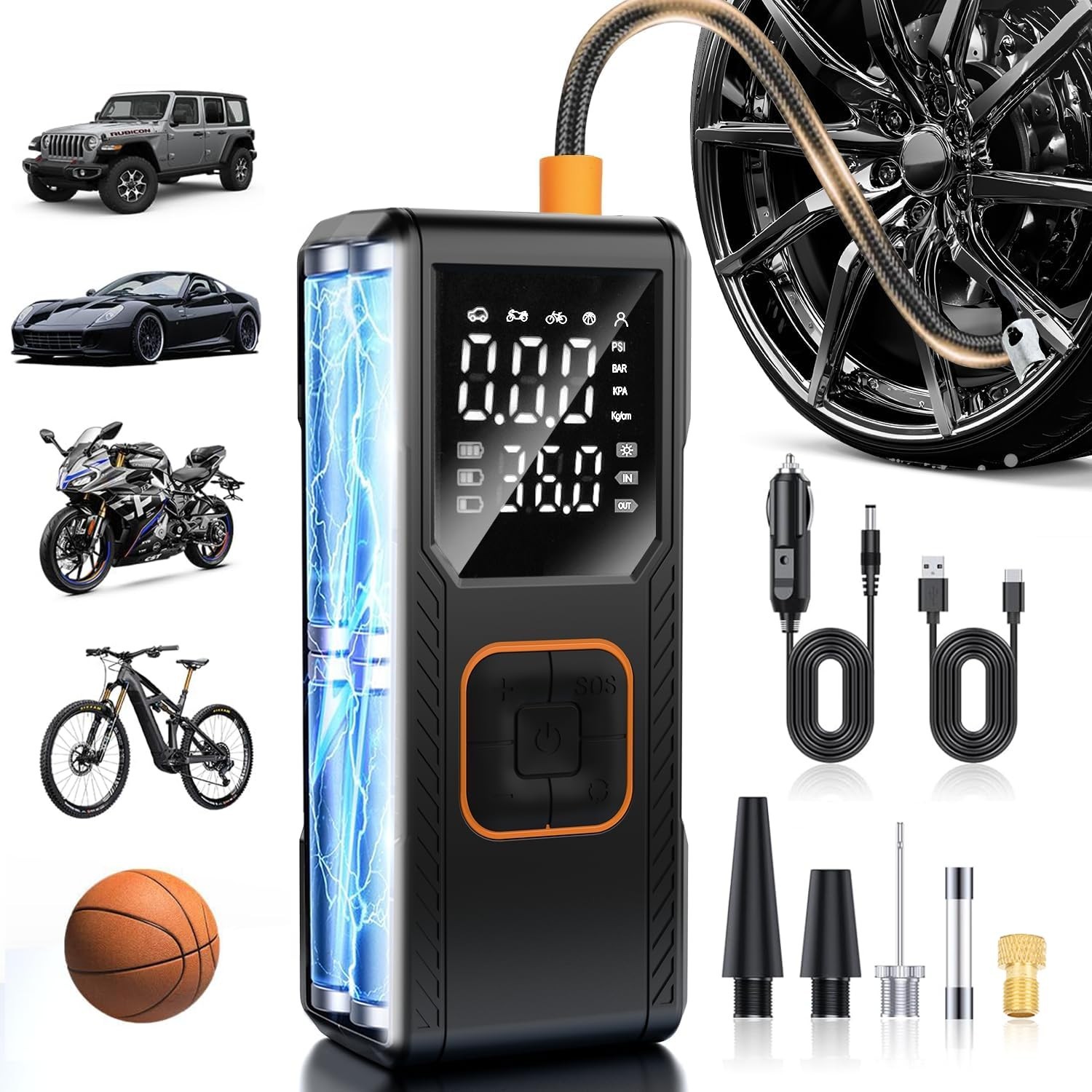 Tire Inflator Portable Air Compressor, 150PSI Cordless Air Pump For Car Tires...$36.08View on eBay
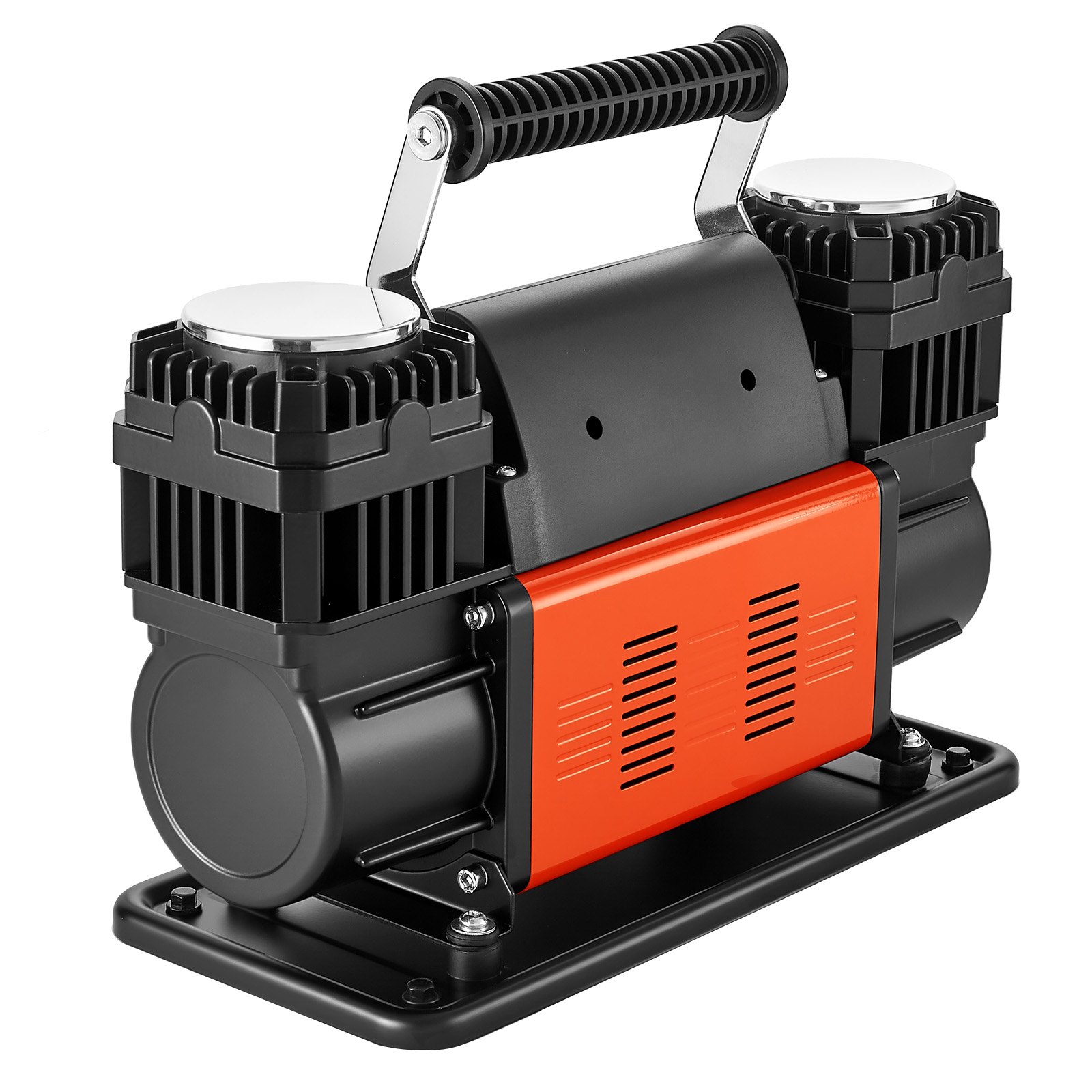 Dual-Cylinder Heavy Duty Air Compressor, 10.6CFM Portable Tire Inflator, 12V 150PSI Offroad Air Pump With Digital$180.99View on Mallflare
 Tire Inflator Portable Air Compressor, 150 PSI Air Pump for Car Tires, Bike T...$39.94View on eBay
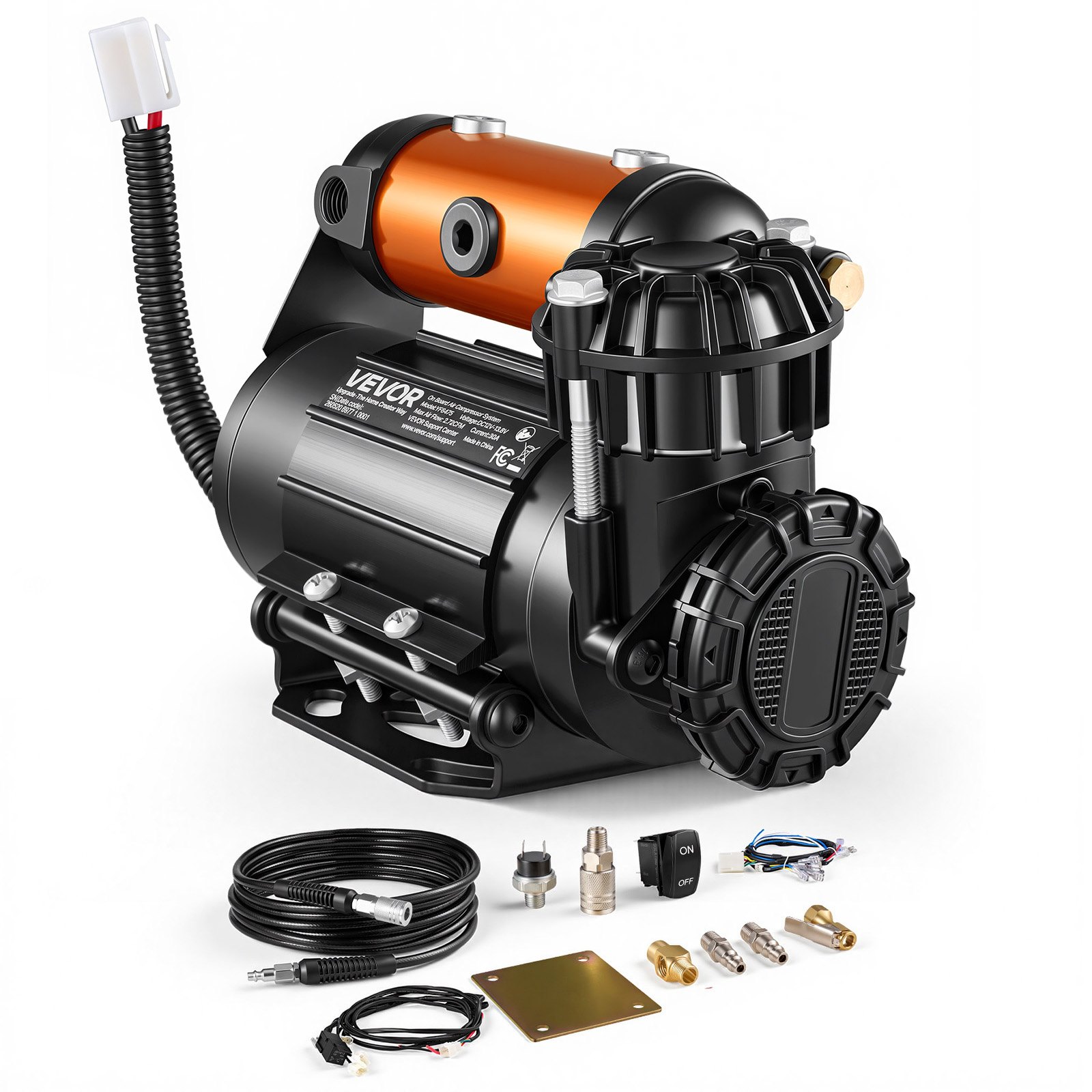 12V Air Compressor 0.5HP 2.72 SCFM Portable Tire Inflator Max 210PSI, Heavy Duty Offroad Air Pump with Differential Lock Harness, Adapters & 19FT Air Hose for Pickup Truck SUV Off-Road Vehicles$248.99View on Mallflare
- Tire Inflator Portable Air Compressor, 150 PSI Air Pump for Car Tires, Bike T...$39.99View on eBay
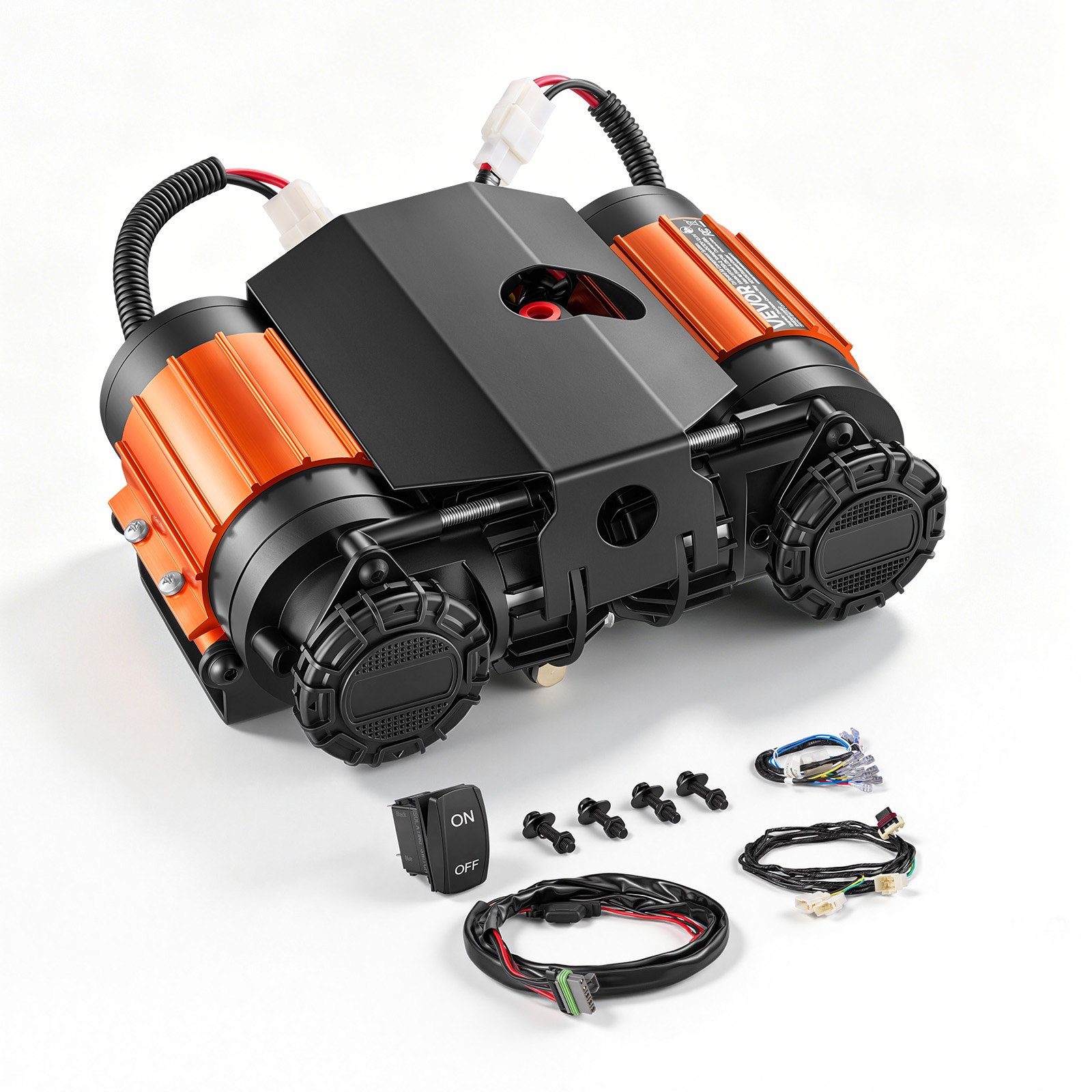 12V Dual-Cylinder Air Compressor 1HP 4.73 SCFM Portable Tire Inflator, Max 150PSI Heavy Duty Offroad Air Pump with Differential Lock Harness for Pickup Trucks SUVs Off-Road Vehicles$357.99View on Mallflare
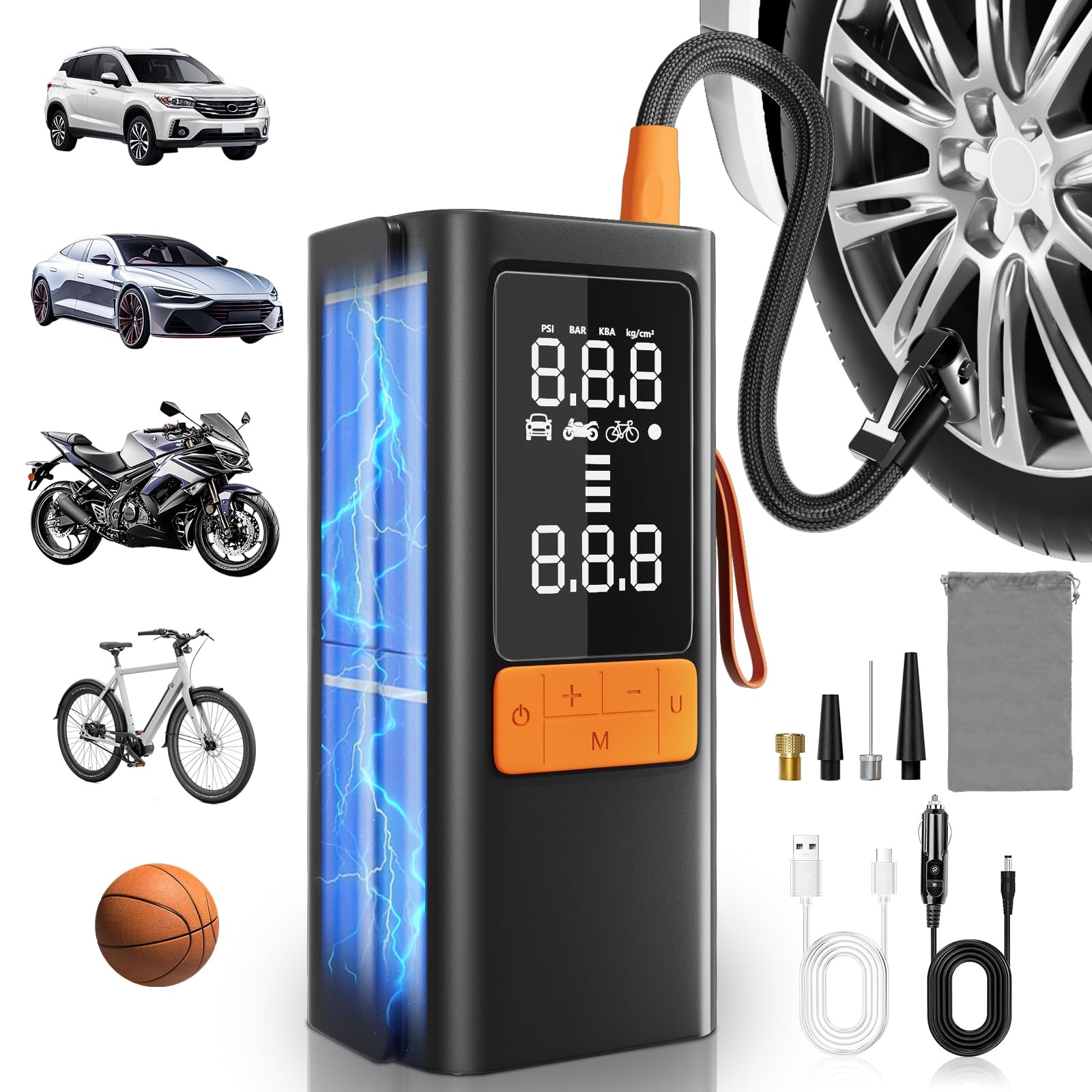 Tire Inflator Portable Air Compressor, 150 PSI Air Pump for Car Tires, Bike T...$40.76View on eBay
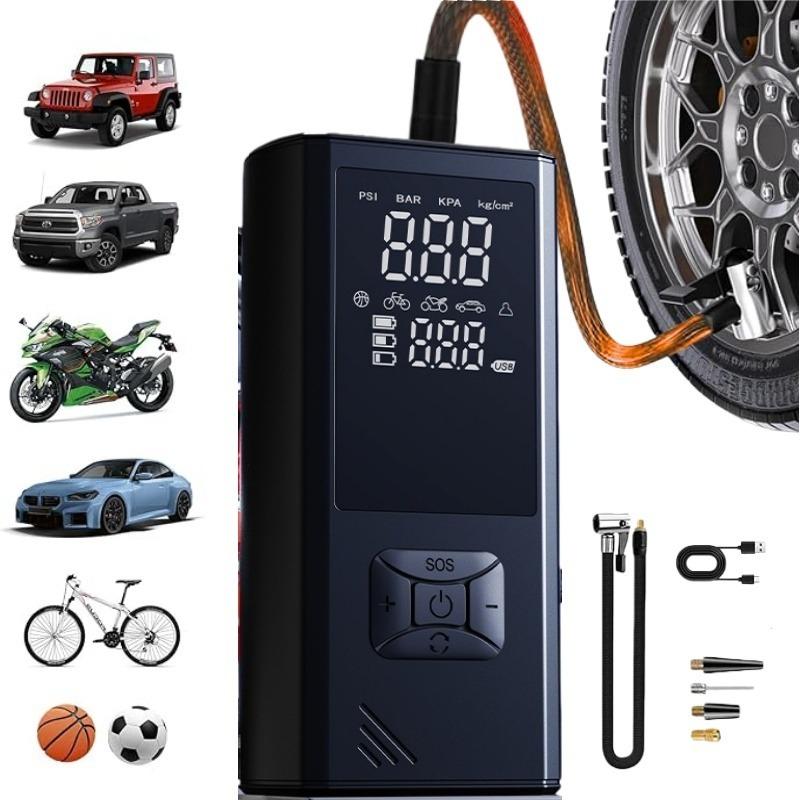 Portable Wireless Car Tire Inflator Suitable For Cars, Motorcycles, Bicycles, And Sports Balls Features Digital Pressure$32.99View on Mallflare
Highlights
- Corded 12V units commonly deliver 100–150 PSI and 1–3 CFM; battery models drop to 0.5–1.5 CFM and lose pressure as the pack drains.
- Metal piston/gear internals with a finned cylinder handle 10–15 minutes continuous duty; all-plastic pumps overheat and seize in 3–5 minutes.
- Truck and RV tires need 80–110 PSI and high volume; only 150 PSI corded units with 1/4 NPT hose and a clip-on chuck can seat beads reliably.
- Digital auto-stop gauges accurate to ±1–2 PSI are standard on good units; analog dials often drift ±5 PSI and are harder to read at night.
Best use cases
- Daily commuter car (32–36 PSI): pick a compact cordless 150 PSI unit with 6000mAh+ battery and auto-stop; skip low-flow 120 PSI pocket pumps.
- Truck, SUV, or RV towing (80–110 PSI): choose a corded 12V 150 PSI unit rated 2+ CFM with metal gears; battery inflators cannot sustain the volume.
- Emergency only, stored in trunk: a 12V corded 100–150 PSI inflator with 10-ft cable and LED light is the reliable, low-cost choice; skip novelty USB pumps.
- Bikes, balls, and air mattresses: any 100–120 PSI unit with included nozzle/needle adapters works; high-flow truck units are overkill.
Buying tips
- Match max PSI to your tire: passenger cars need 32–40 PSI, light trucks 50–80 PSI, heavy RV 80–110 PSI — buy at least 150 PSI rated for headroom.
- Check flow rating: 1 CFM or higher for car tires; 2 CFM+ for truck/RV to avoid 15+ minute fill times.
- Prefer metal piston/cylinder and braided hose; all-plastic pumps and coiled vinyl hoses fail under heat and pressure.
- For cordless, demand 6000mAh+ and USB-C charging; smaller packs finish one tire at best before sagging.
Specs
| Max Pressure | 100–150 PSI (150 for truck/RV) |
|---|---|
| Power Source | 12V DC corded vs rechargeable battery |
| Flow Rate | 1–3 CFM (2+ CFM for truck) |
| Gauge Type | Digital auto-stop ±1–2 PSI / Analog ±5 |
Related searches
What to check before buying
- Measure your tire's max PSI on the sidewall and ensure the inflator rating exceeds it by 20+ PSI.
- Confirm power source: 12V socket reach (10-ft cord typical) or battery charge state before a trip.
- Verify chuck type fits your valve stems: standard clip-on or screw-on; Presta adapters needed for road bikes.
- Check duty cycle: 10 minutes on/10 off is typical for compact units; continuous-rated for shop-style use.
FAQ
Data sources: eBay / Amazon listings and product attribute feeds Data updated Nov 15, 2026.
Some links on this page are affiliate links. If you buy after clicking one, we may earn a commission at no extra cost to you. This does not change which products appear here or their order. Affiliate disclosure.