Photos from current listings. Actual item, color, and included accessories may vary.
Tire Plug Kit Buying Guide
A tire plug kit is an emergency repair system that inserts a rubber string or screw-style plug into a punctured tread so you can reinflate and reach a service station. The core trade-off is between traditional T-handle string plugs (strong, requires reaming, needs force) and push-in screw/rubber-nail plugs (fast, no tools, but limited to small straight punctures). Buy a string kit with hardened steel tools and vulcanizing cement for a durable, roadworthy repair; treat screw-plug-only kits as temporary get-you-home aids.

At a glance
- Category
- Emergency Tire Tools
- Data updated
- Nov 15, 2026
Current offers
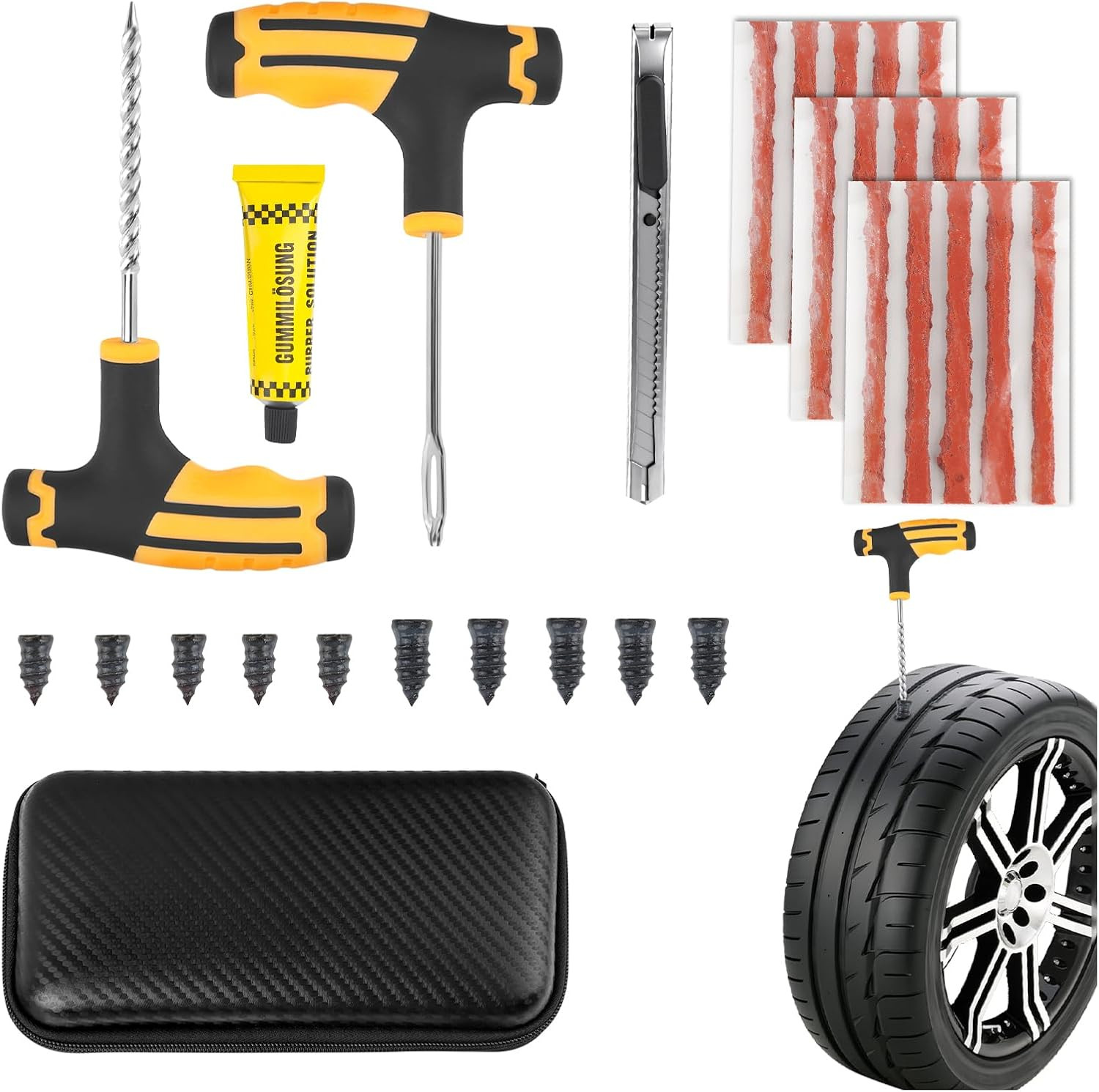 30PCS Car Tire Plug Kit,Essential Car Emergency Flat Tire Repair Kit Contains Dr$13.81
 View on eBay
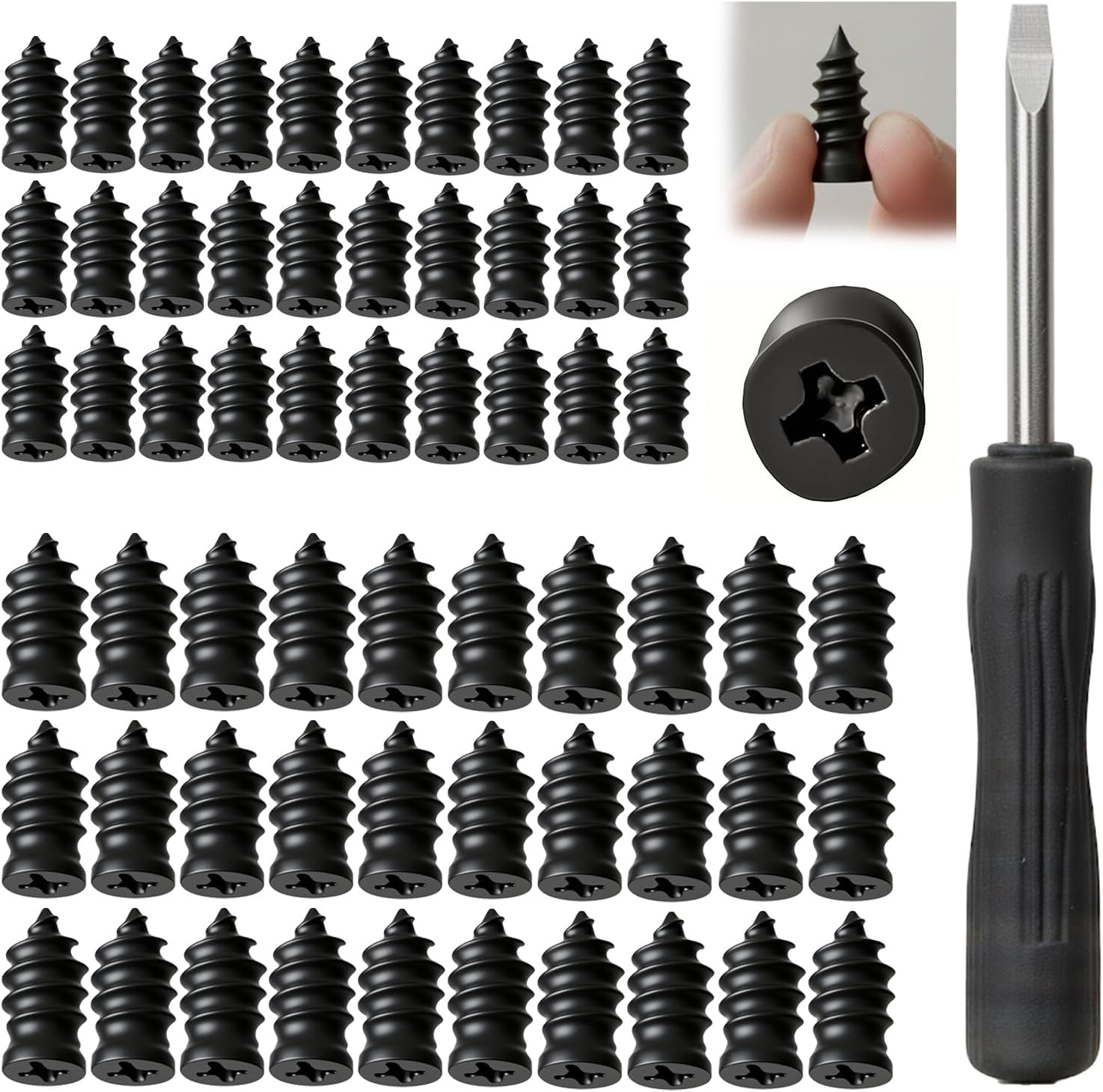 60Pcs Tire Repair Rubber Nail, Screw Plugs Self-Service Vacuum Kit Tires Quick Puncture Tools$14.99
 View on Mallflare
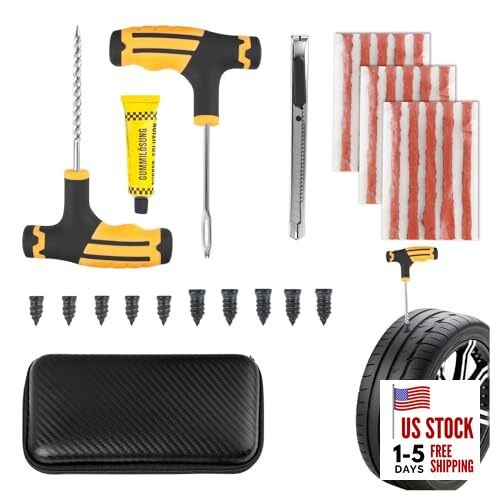 30PCS Car Tire Plug Kit,Essential Car Emergency Flat Tire Repair Kit Contains$14.57View on eBay
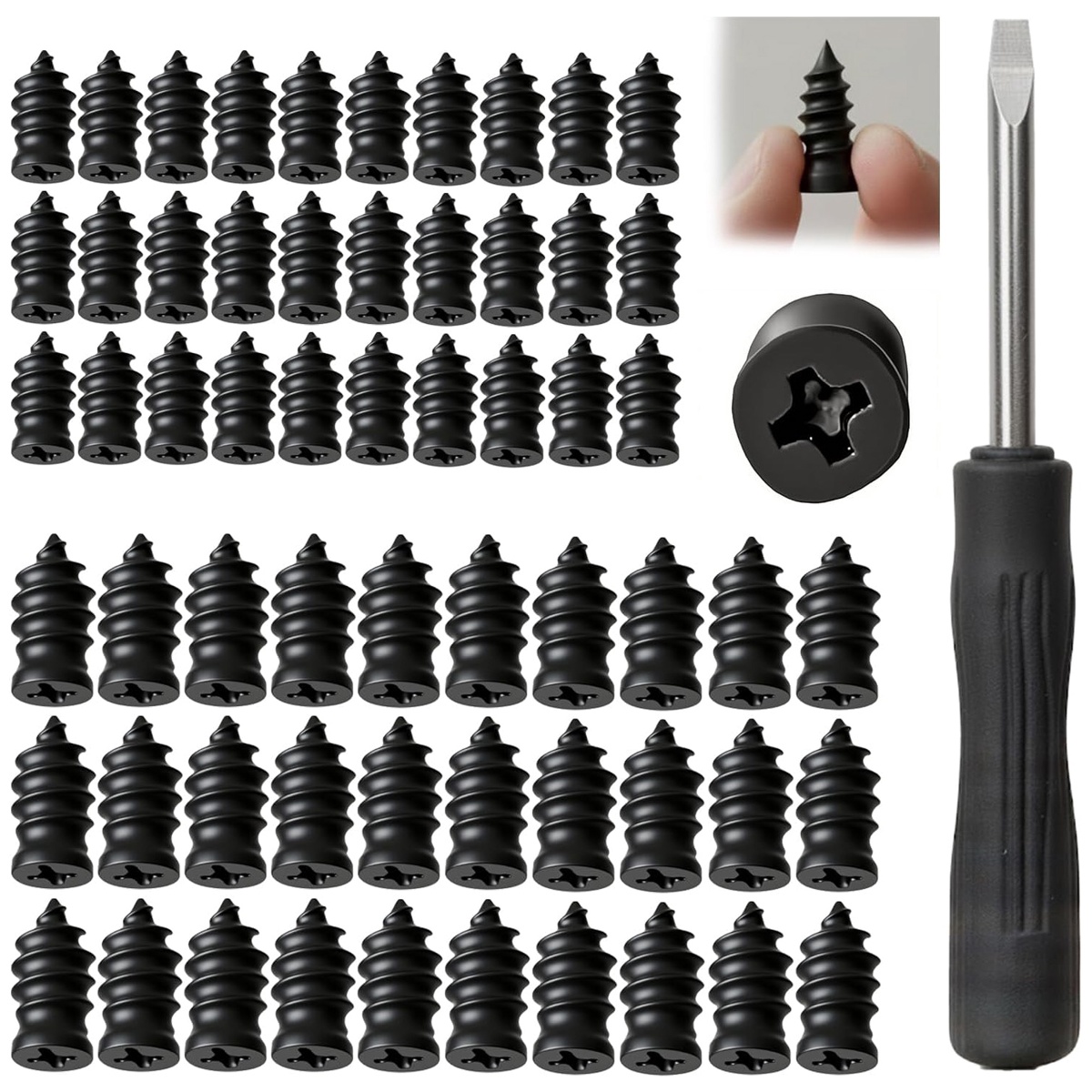 60Pcs Tire Repair Rubber Nail, Screw Plugs Kit Tires Quick Puncture Tools For Auto Motorcycle, Truck, Tractor$19.99View on Mallflare
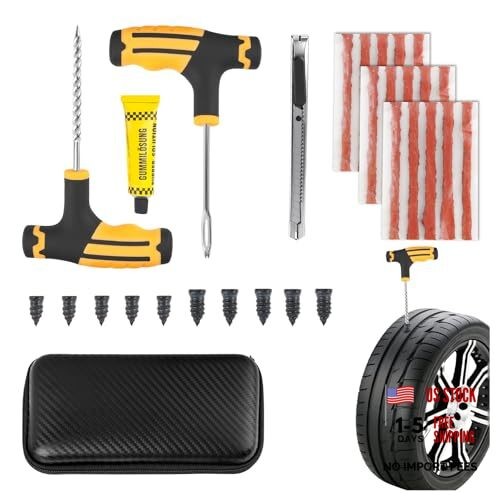 30PCS Car Tire Plug Kit,Essential Car Emergency Flat Tire Repair Kit Contains$14.57View on eBay
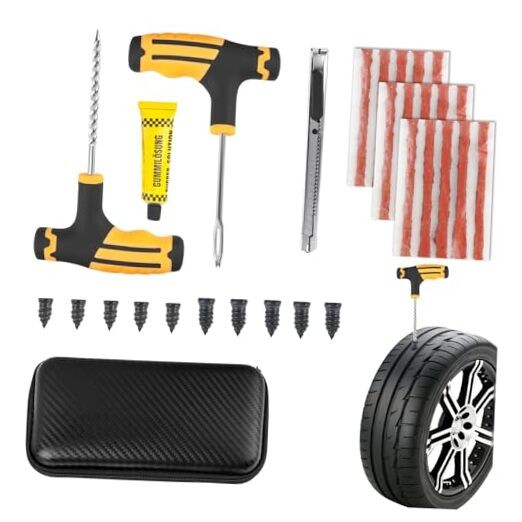 30PCS Car Tire Plug Kit,Essential Car Emergency Flat Tire Repair Kit Contains$14.57View on eBay
 30PCS Car Tire Plug Kit,Essential Car Emergency Flat Tire Repair Kit Contains$14.57View on eBay
- 30PCS Car Tire Plug Kit,Essential Car Emergency Flat Tire Repair Kit Contains$15.38View on eBay
- 30PCS Car Tire Plug Kit,Essential Car Emergency Flat Tire Repair Kit Contains$15.38View on eBay
- 30PCS Car Tire Plug Kit,Essential Car Emergency Flat Tire Repair Kit Contains$15.38View on eBay
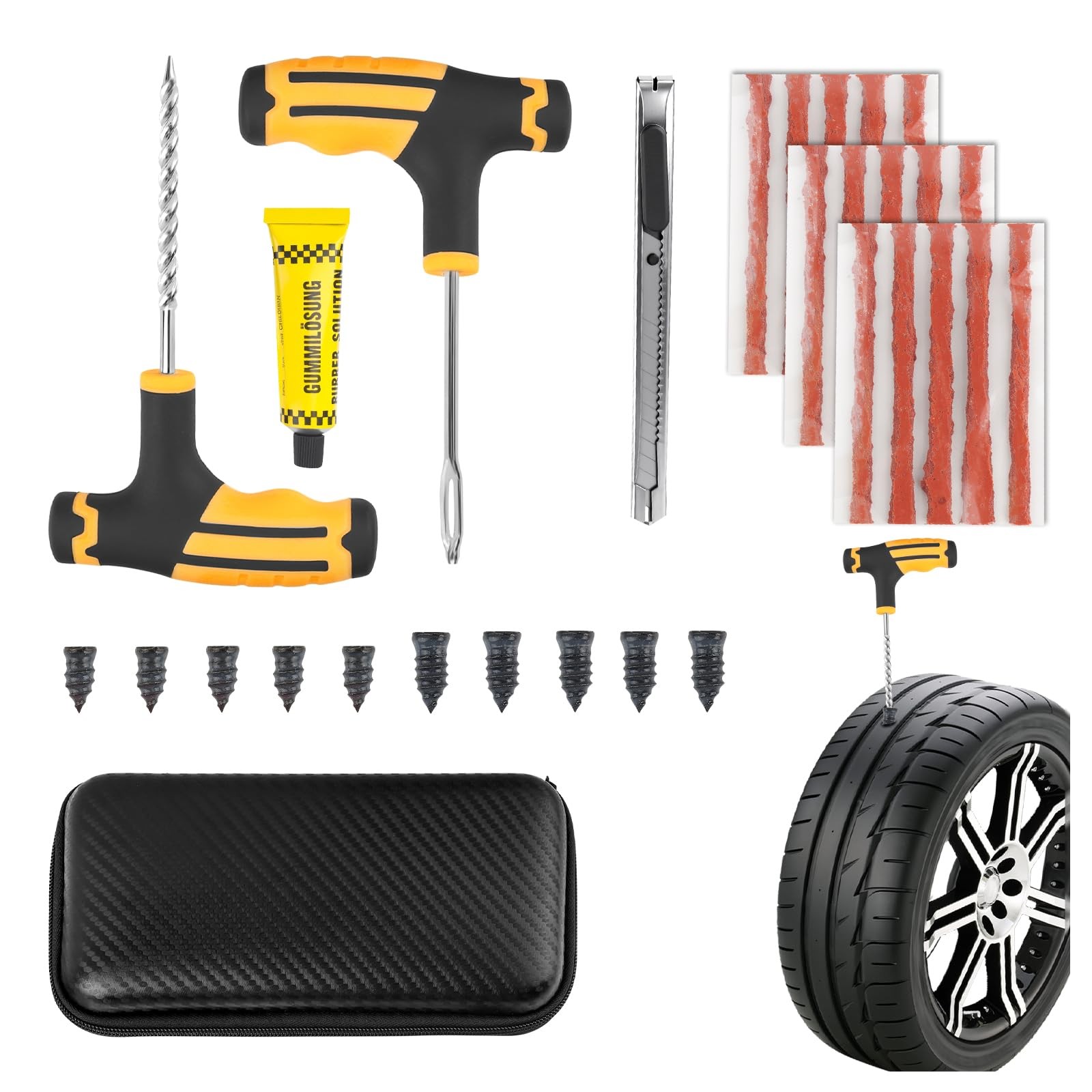 Car Tire Plug Kit 30PCS with Drill & Rubber Screws - Emergency Tubeless Tire$16.62View on eBay
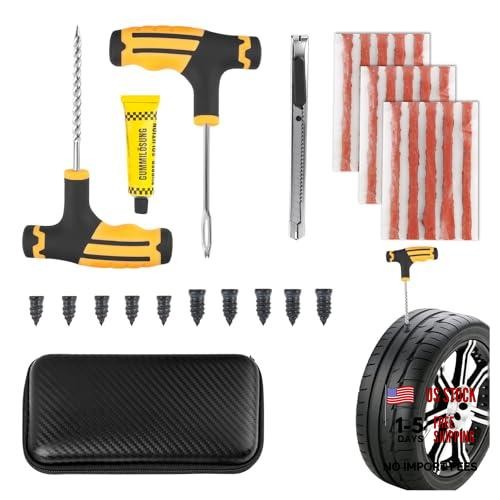 30PCS Car Tire Plug Kit,Essential Car Emergency Flat Tire Repair Kit Contains$17.30View on eBay
- 30PCS Car Tire Plug Kit,Essential Car Emergency Flat Tire Repair Kit Contains$19.31View on eBay
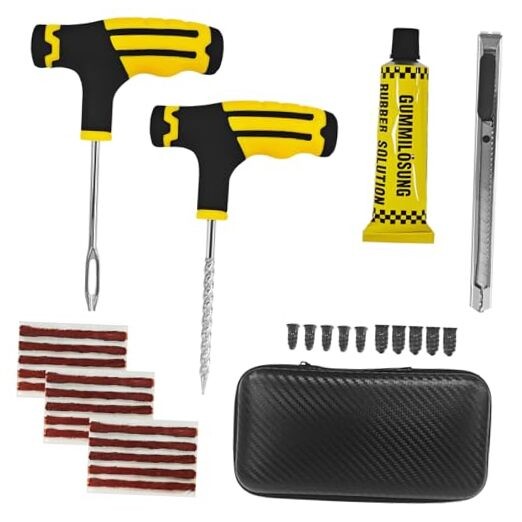 Tire Plug Kit Car Emergency Flat Tire Repair Tool Set Drill Rubber Repair 30PCS$19.98View on eBay
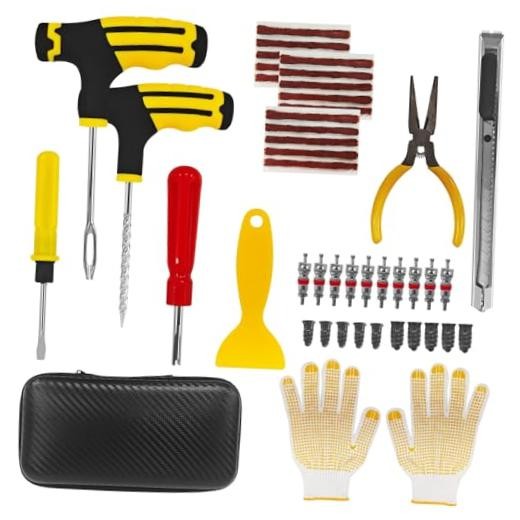 Tire Plug Kit Car Emergency Flat Tire Repair Tool Set Drill Rubber Repair 45PCS$22.67View on eBay
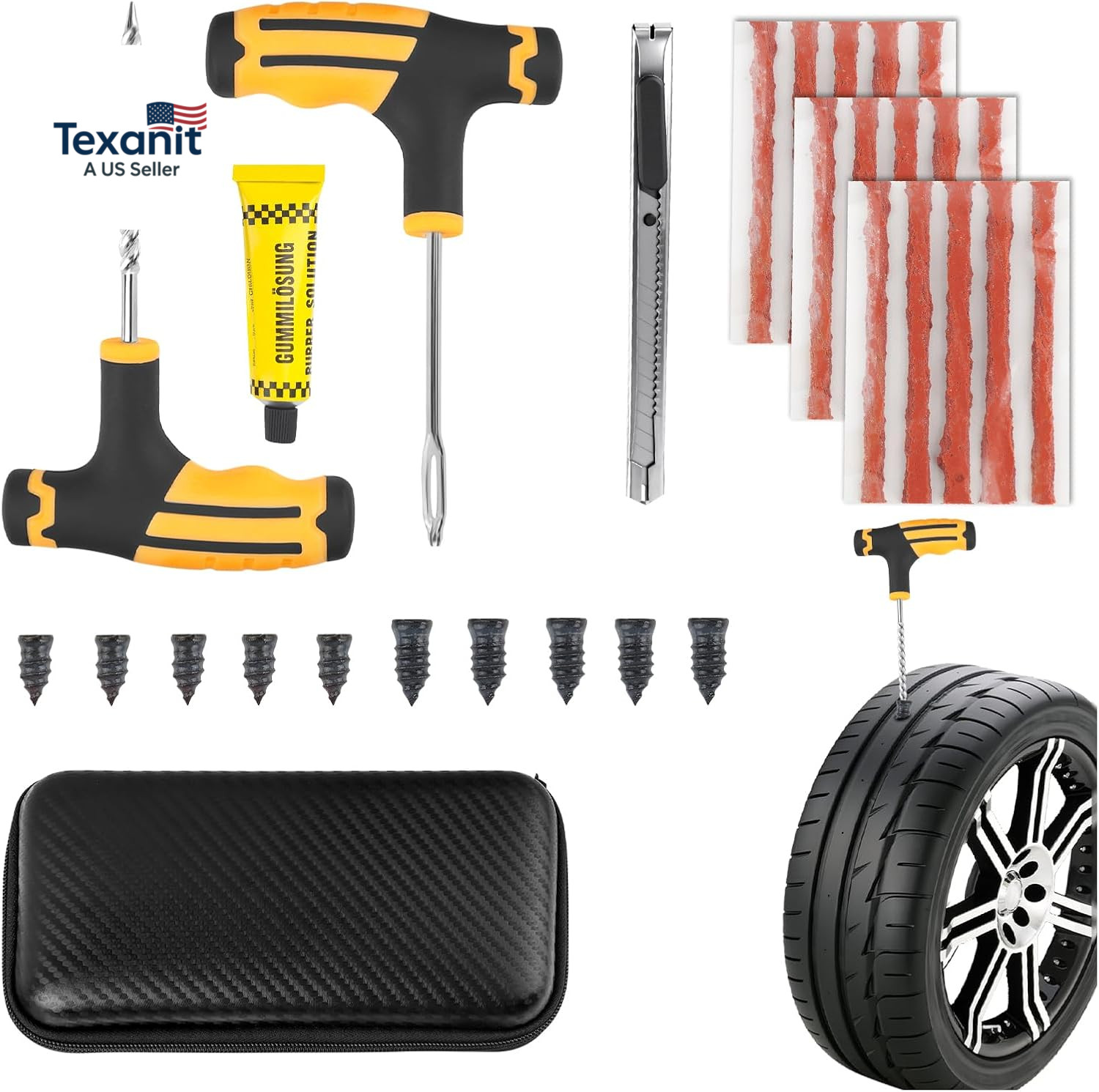 30PCS Car Tire Plug Kit,Essential Car Emergency Flat Tire Repair Kit Contains Dr$22.91View on eBay
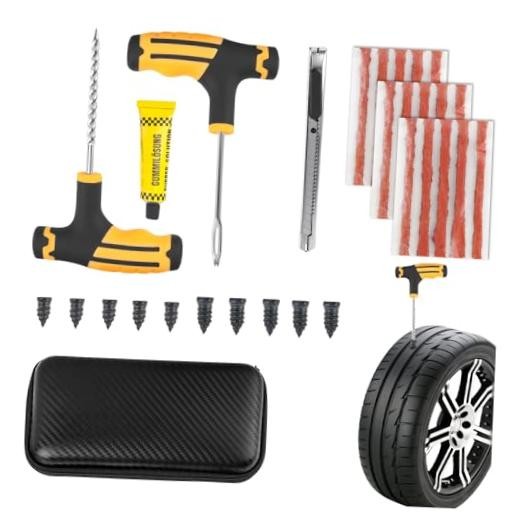 30PCS Car Tire Plug Kit,Essential Car Emergency Flat Tire Repair Kit Contains$23.05View on eBay
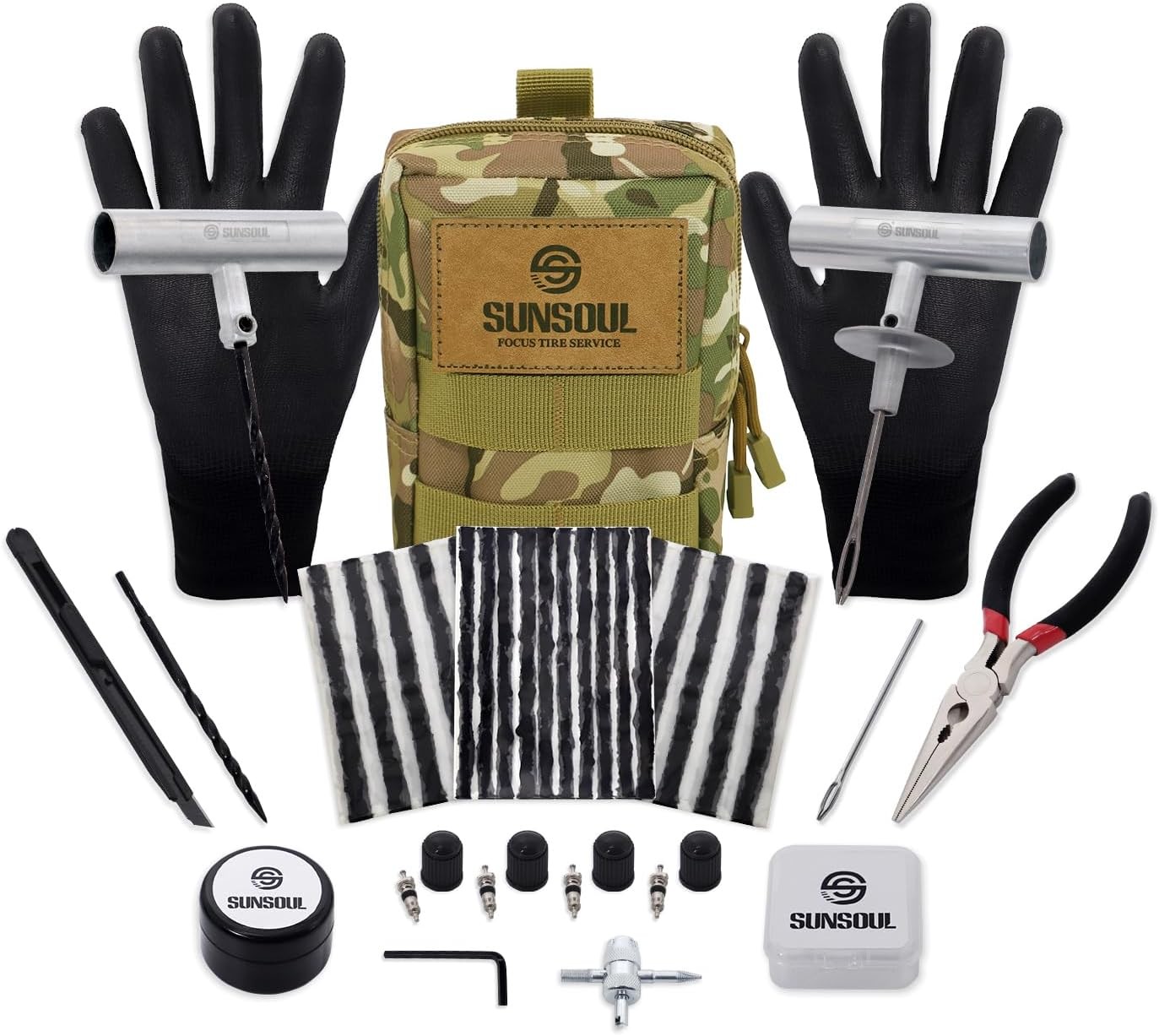 Heavy Duty Tire Plug Kit - 40Pcs Off Road Emergency Puncture Repair Tools$23.98View on eBay
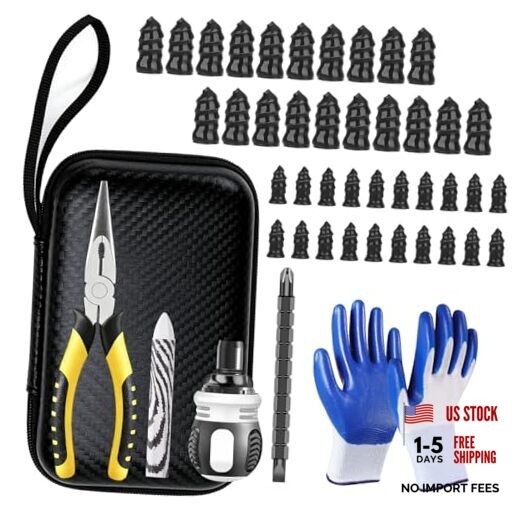 Tire Repair Kit, Tire Plug Kit, No Need to Remove Emergency Tire Repair Kit$28.04View on eBay
 Tire Repair Kit, Tire Plug Kit, No Need to Remove Emergency Tire Repair Kit$29.45View on eBay
Highlights
- String-plug kits use hardened steel T-handle reamers and inserters; screw/rubber-nail kits are plastic-handled push tools limited to small tread punctures.
- Vulcanizing cement (not rubber cement) chemically bonds the plug to the tire casing; cement-free kits rely on friction and are temporary.
- Plug diameter must match the injury: standard 5-6 mm strings seal nail holes; larger 8-10 mm injuries need thicker plugs or a patch.
- Self-vulcanizing string plugs are rated for the legal speed and load of the tire only when installed per industry puncture-repair guidelines in the tread area.
Best use cases
- Best fit: a string-plug T-handle kit kept in every vehicle for nail/screw punctures in the tread — choose one with a reamer, inserter, 5-6 mm plugs, and cement.
- Wrong fit: sidewall or shoulder punctures — no plug kit is legal or safe there; these require tire replacement, so skip plugging and call for a tow.
- Best fit: screw/rubber-nail push kits for quick temporary sealing of small straight tread holes when no tools are available; plan a proper internal patch afterward.
- Wrong fit: large tears, cuts over 6 mm, or run-flat/deflated-sidewall damage — plugs will not hold; carry a spare or use a tire sealant compatible with TPMS instead.
Buying tips
- Choose hardened steel T-handle tools with textured grips; thin chrome-plated handles bend under the force needed to ream a radial tire.
- Pick a kit with both a reamer and an inserter plus 5-6 mm self-vulcanizing strings and a tube of vulcanizing cement for a permanent tread repair.
- Match plug count to use: a 20-30 piece kit covers several repairs for one vehicle; 60+ piece screw-plug assortments suit shops or multiple vehicles.
- Confirm the plugs are rated for radial passenger tires and the kit includes a valve-core tool and pressure gauge for a complete roadside repair.
Specs
| Plug Type | String / Screw-rubber-nail / Combo |
|---|---|
| Tool Material | Hardened steel T-handle vs plastic |
| Plug Diameter | 5-6 mm standard; 8-10 mm heavy-duty |
| Kit Contents | Reamer, inserter, plugs, cement, valve tool |
Related searches
What to check before buying
- Verify your tire's puncture is in the tread center, not the sidewall or shoulder, and measure the hole — plugs suit 5-6 mm injuries.
- Check you can safely jack and access the puncture; carry a jack, lug wrench, and inflator since a plug kit does not lift the vehicle.
- Confirm the kit's tools fit your wheel and lug size and that you have a 12V inflator or spare air source to refill the tire.
- Match plug type to climate and tire: self-vulcanizing strings work in heat and cold; rubber cement dries out, so check kit age before storing long-term.
FAQ
Data sources: eBay / Amazon listings and product attribute feeds Data updated Nov 15, 2026.
Some links on this page are affiliate links. If you buy after clicking one, we may earn a commission at no extra cost to you. This does not change which products appear here or their order. Affiliate disclosure.