Photos from current listings. Actual item, color, and included accessories may vary.
Tire Inflator With Gauge Buying Guide
A tire inflator with gauge combines an air compressor and pressure readout so you can inflate and verify tire pressure in one step. The core trade-off is between corded 12V compressors that run indefinitely from your car's outlet and cordless units that trade runtime for portability. Choose a corded 12V compressor if you inflate multiple tires regularly; choose cordless only if you accept recharging and lower duty cycle.

At a glance
- Category
- Emergency Tire Tools
- Data updated
- Nov 15, 2026
Current offers
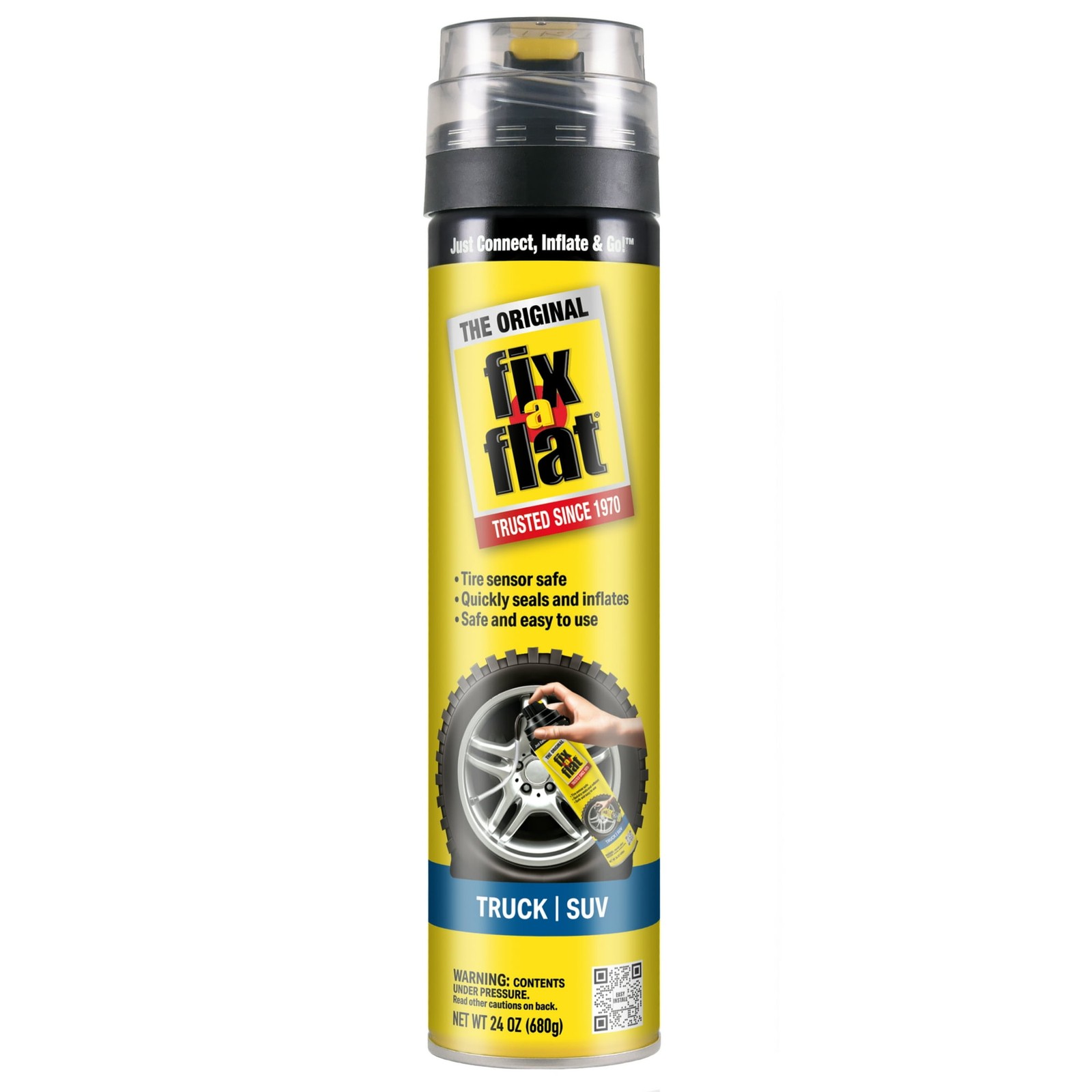 Fix-A-Flat S60420 Aerosol Emergency Flat Tire Repair and Inflator, for Standard$7.99
 View on eBay
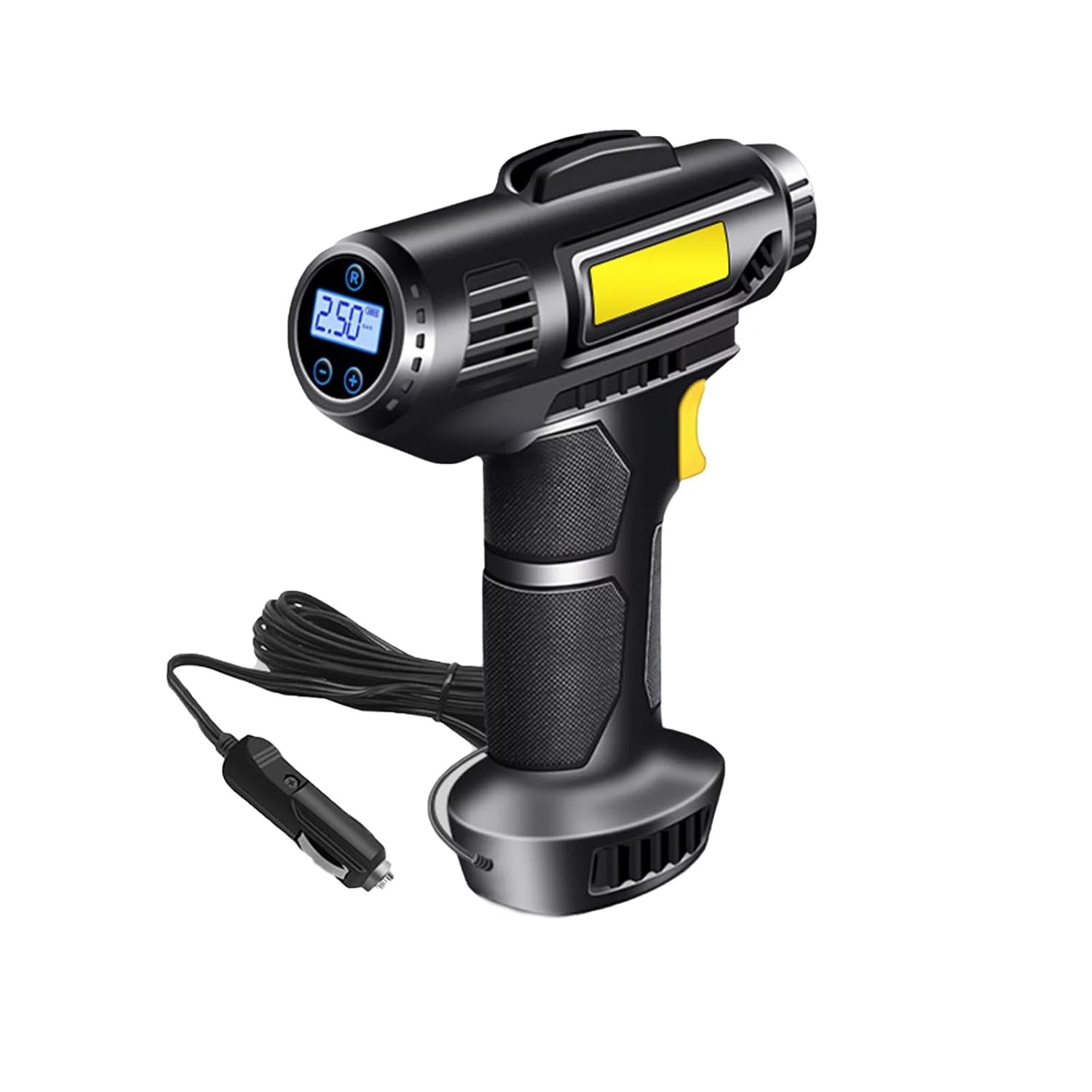 Wireless Handheld Car Tyre Air Pump Compressor Electric Air- Portable Air For Car Tires$22.99
 View on Mallflare
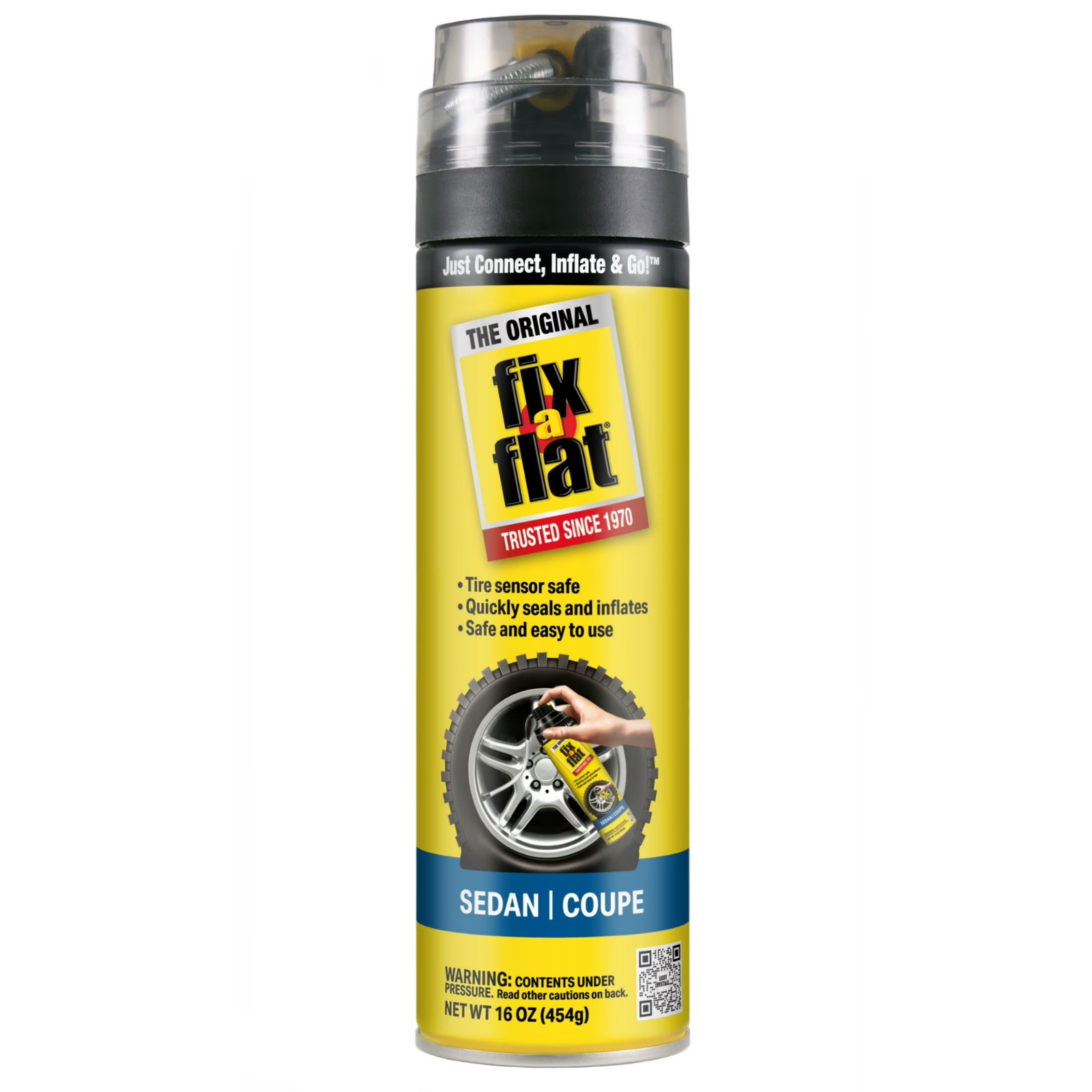 Fix-A-Flat S60420 Aerosol Emergency Flat Tire Repair and Inflator for Standard$8.85View on eBay
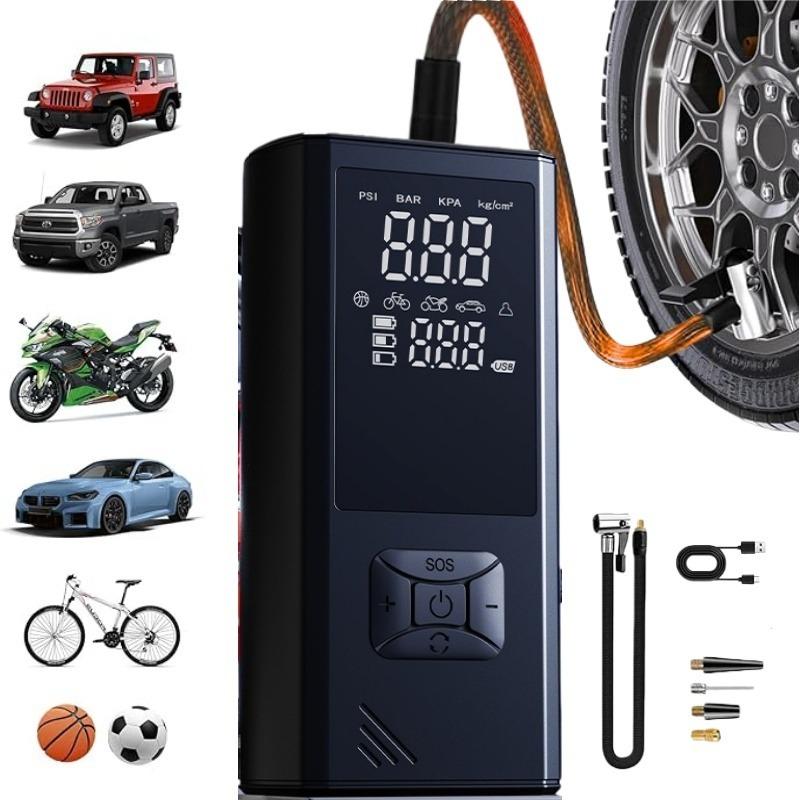 Portable Wireless Car Tire Inflator Suitable For Cars, Motorcycles, Bicycles, And Sports Balls Features Digital Pressure$32.99View on Mallflare
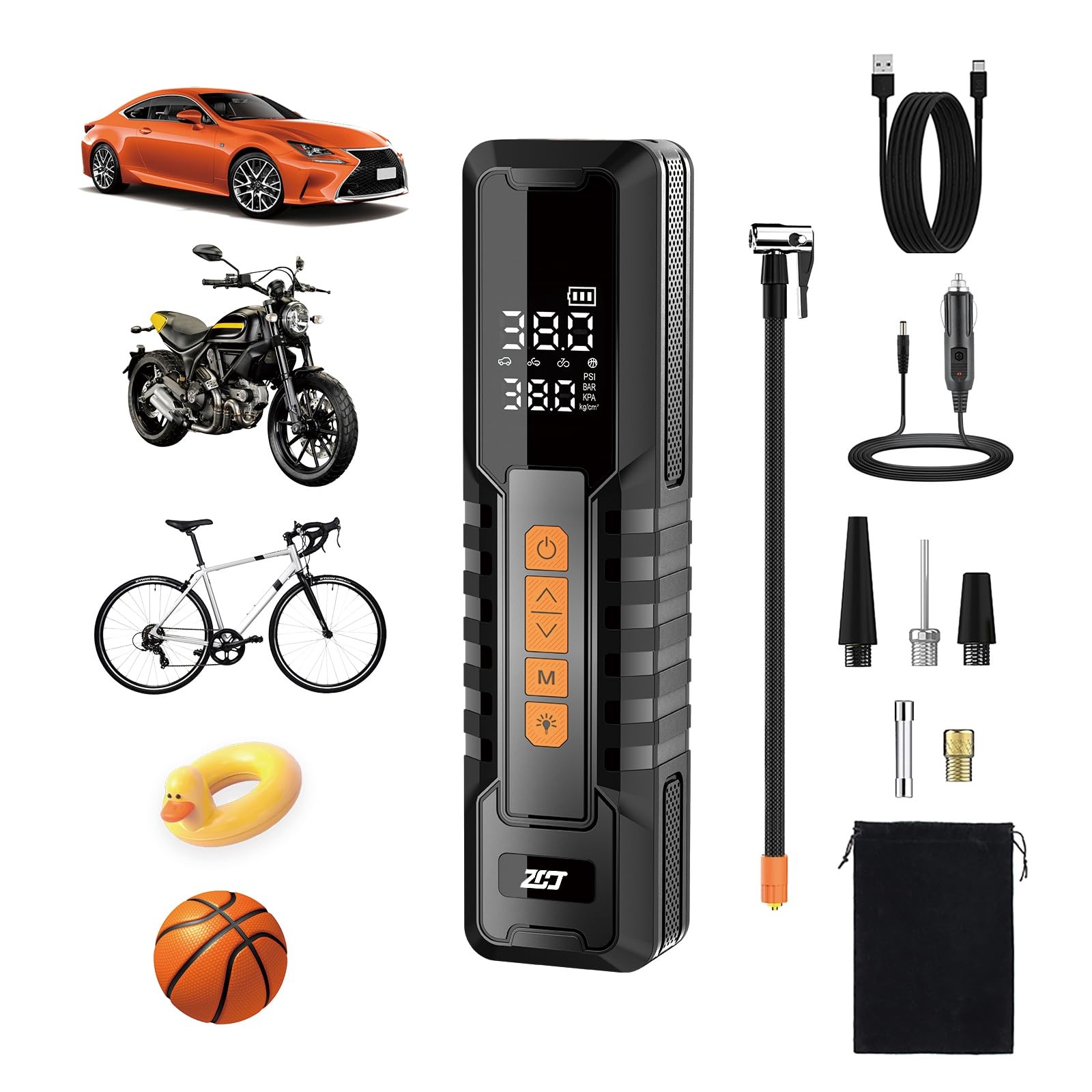 Tire Inflator Portable Air Compressor – Emergency Flat Tire Rescue & Pressure...$12.86View on eBay
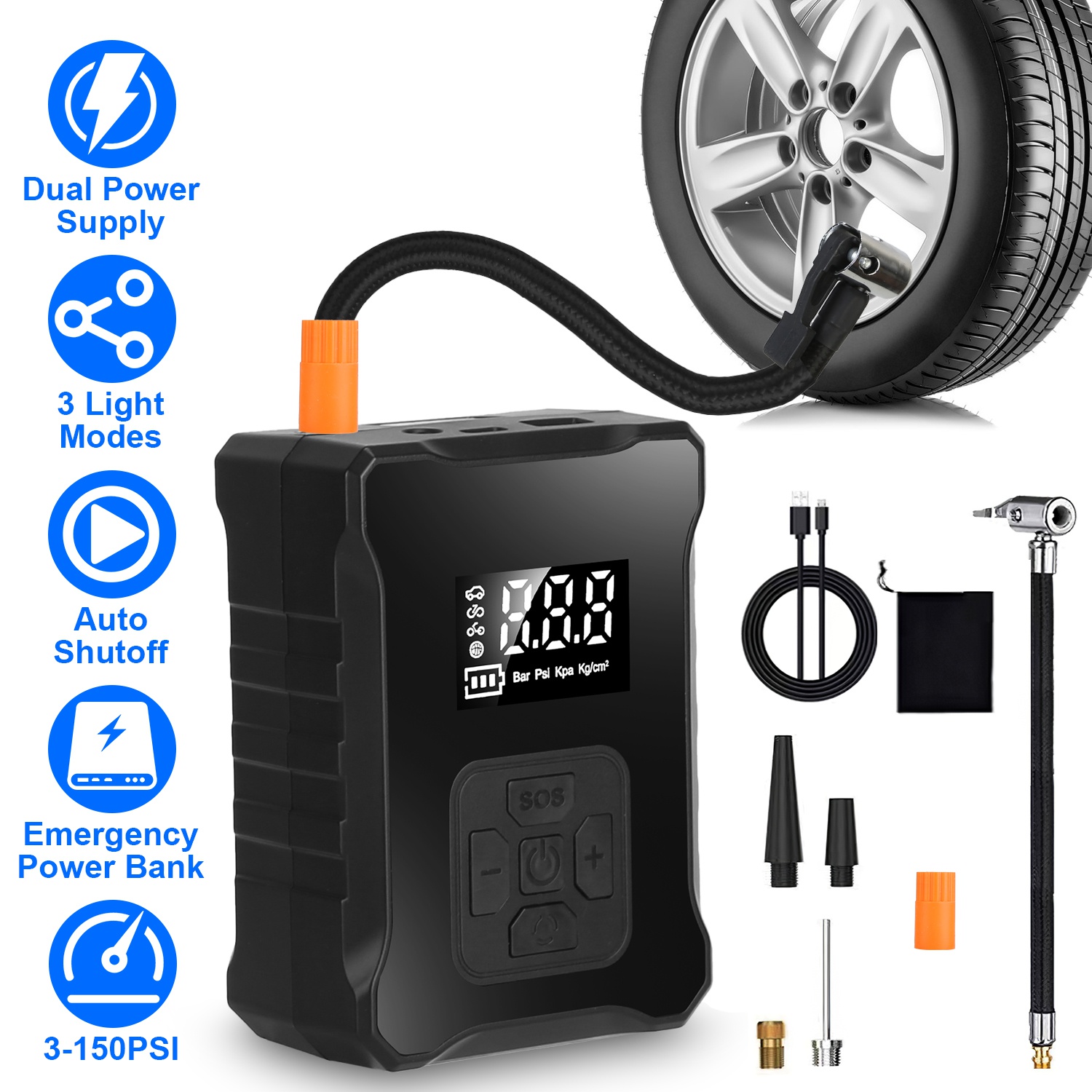 1Pc 150PSI Cordless Tire Inflator Digital Air Compressor With LED Light Emergency Power Bank For Cars Motorcycles$37.99View on Mallflare
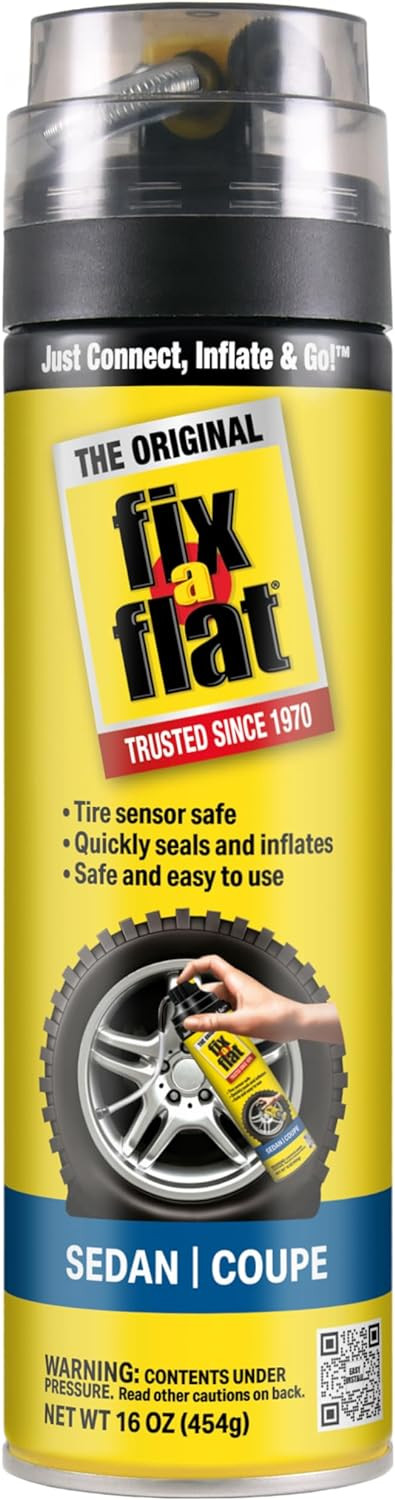 Fix a Flat Tire Repair Aerosol 16oz Emergency Inflator Seal Punctures Quick$12.89View on eBay
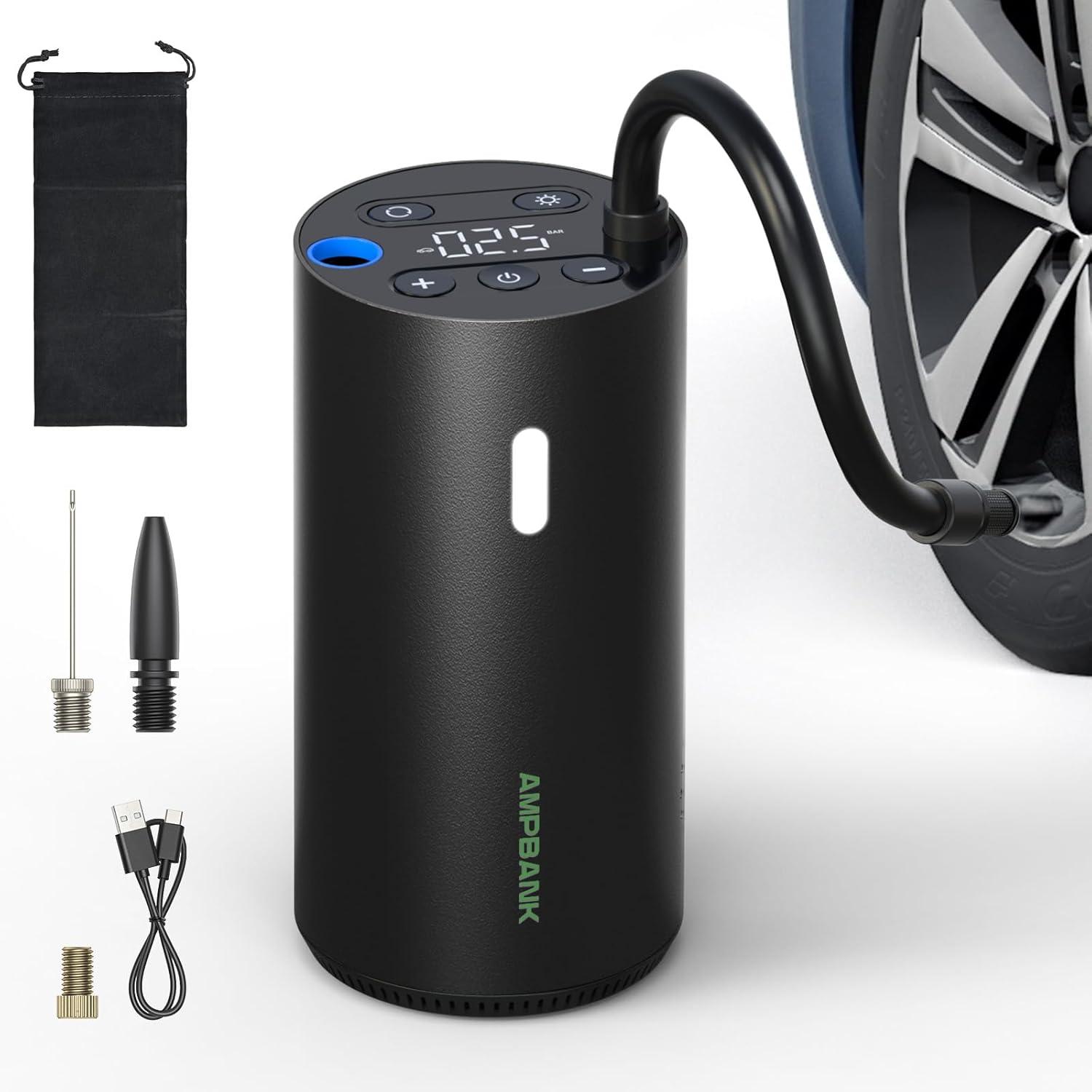 AMPBANK AT004 Smart Portable Tire Air Pump For Cars, Motorcycles, Bicycles And Balls With Pressure Gauge And LED Screen$38.99View on Mallflare
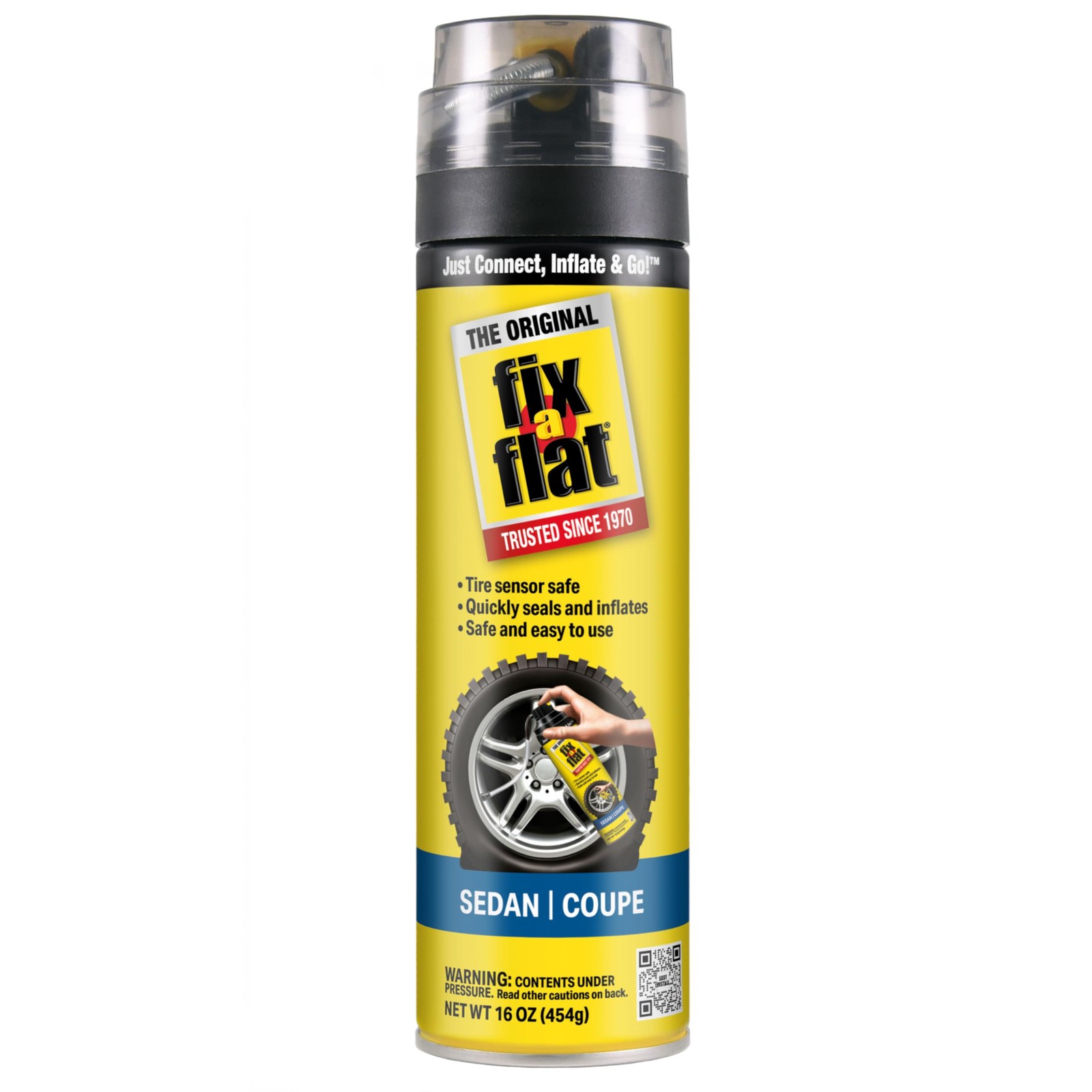 Fix-a-flat S60420 Aerosol Emergency Flat Tire Repair And Inflator, For$12.89View on eBay
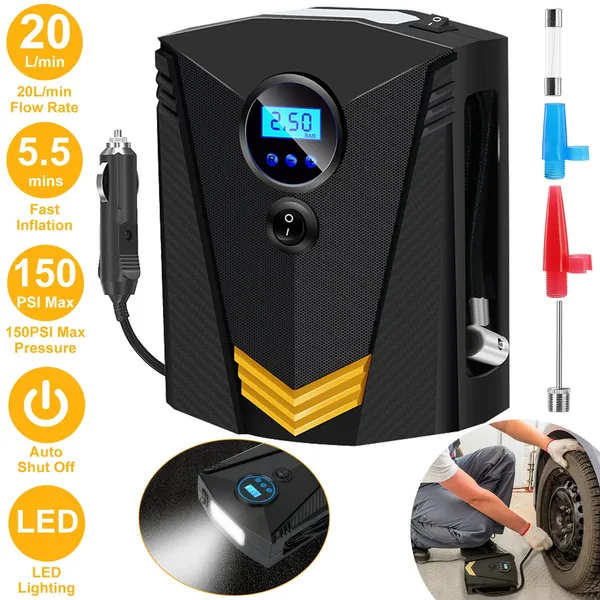 Tire Inflator 12V DC 100W 150PSI Digital Pump W/LCD Display Electric Air Compressor 20L/Min Air Flow$38.99View on Mallflare
 Fix a Flat Tire Repair Aerosol 16oz Emergency Inflator Seal Punctures Quick$12.99View on eBay
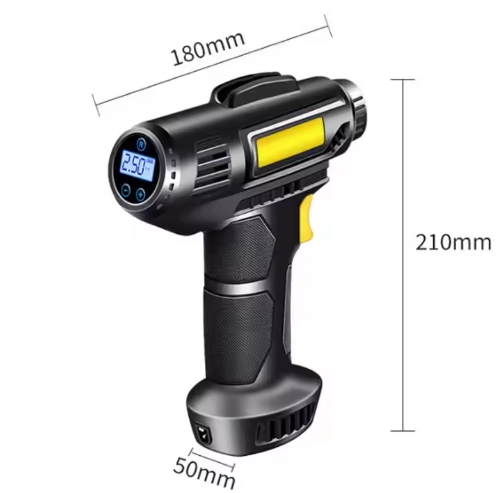 Car Tire Inflator Wireless Intelligent Digital Display Portable Handheld Car Bicycle$40.99View on Mallflare
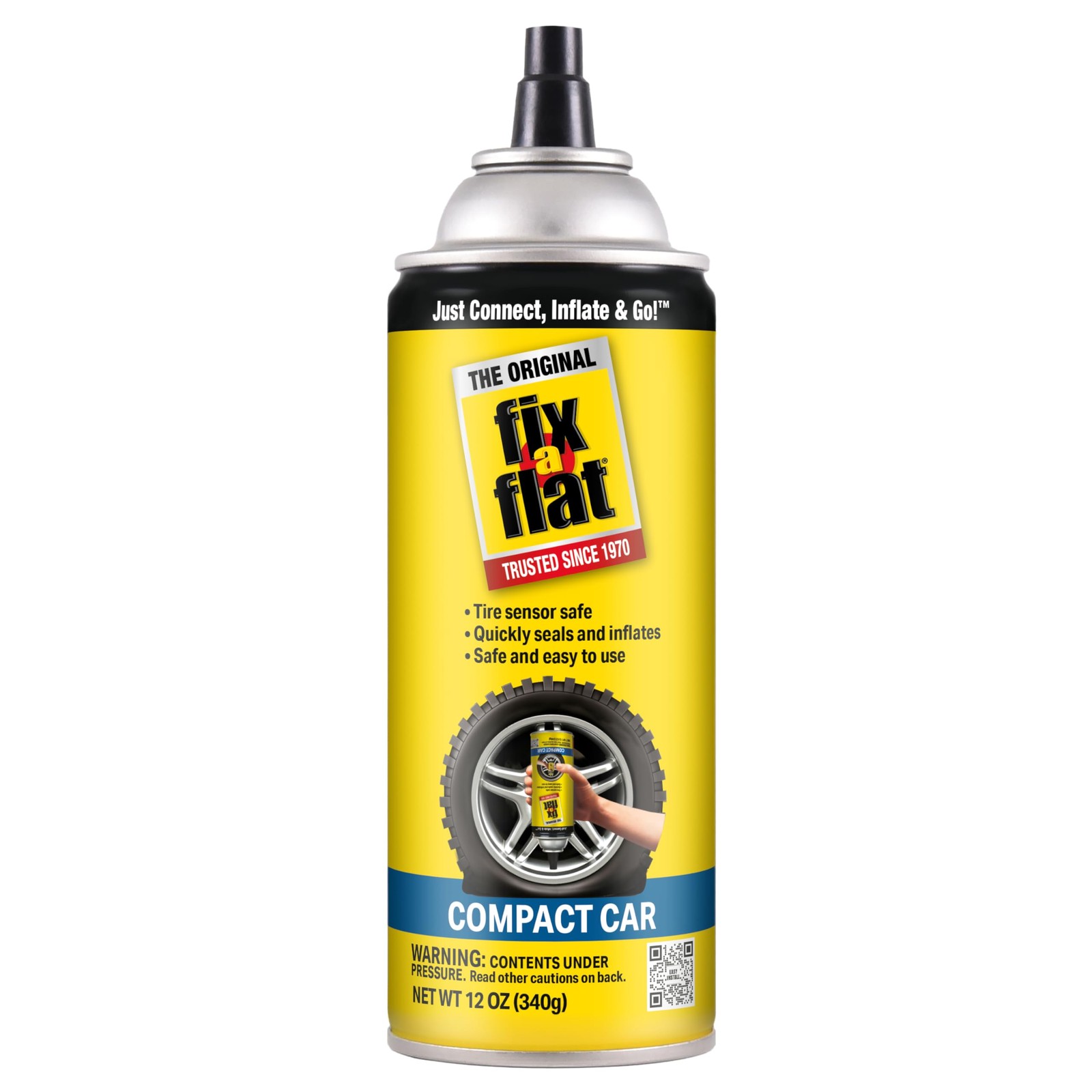 Fix A Flat 12oz Emergency Tire Repair Inflator Seal and Inflate Solution$14.29View on eBay
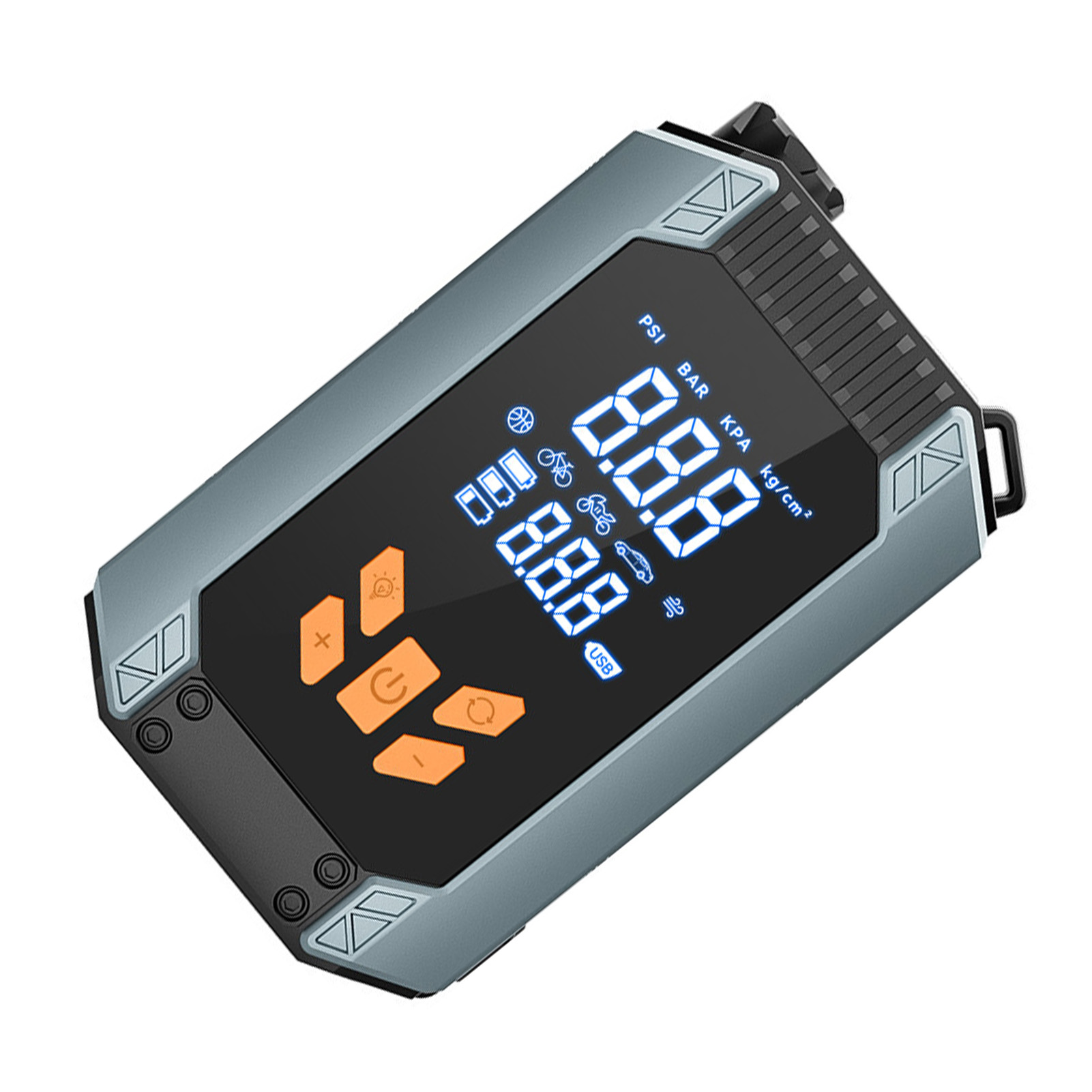 Cordless Tire Inflator 150PSI Auto Shutoff 6000mAh Electric Portable Car Pump With Pressure Gauge LED Light For$41.99View on Mallflare
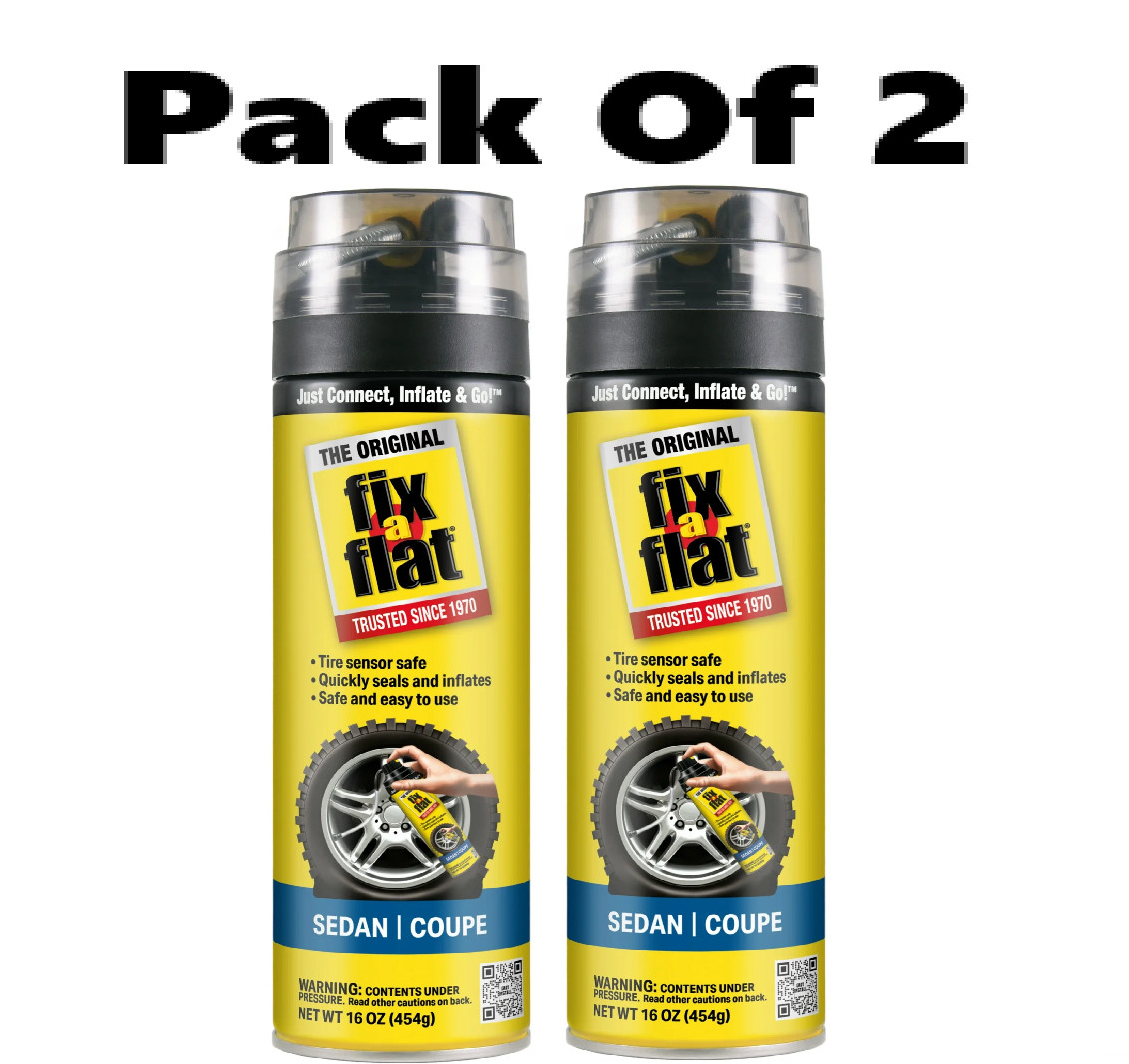 Fix-A-Flat S60420 Aerosol Emergency Flat Tire Repair and Inflator, for Standard$14.99View on eBay
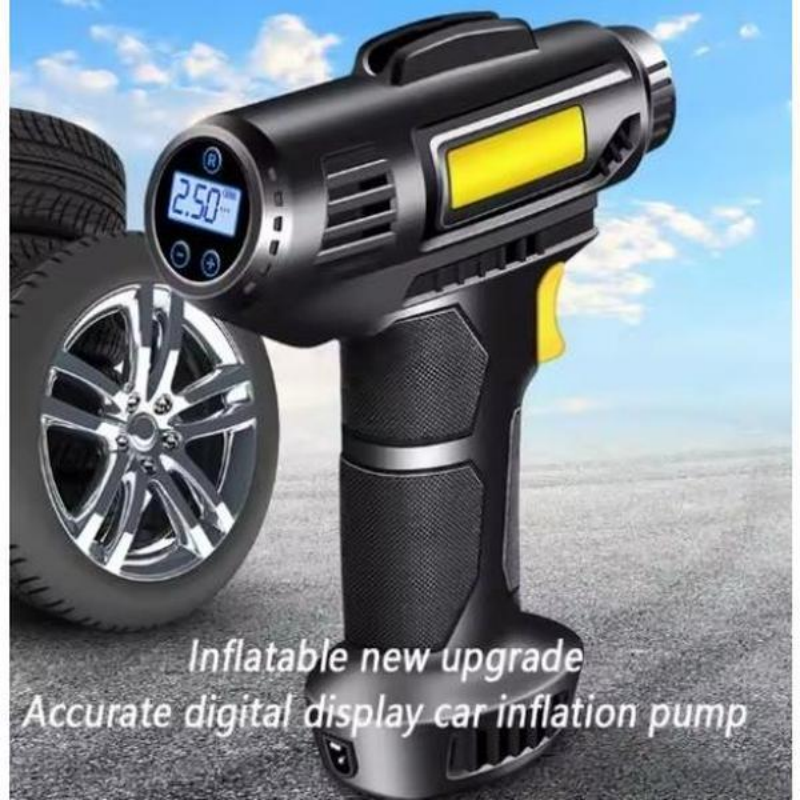 Intelligent Digital Display Wireless Portable Handheld Car Tire And Bicycle Air Pump$42.99View on Mallflare
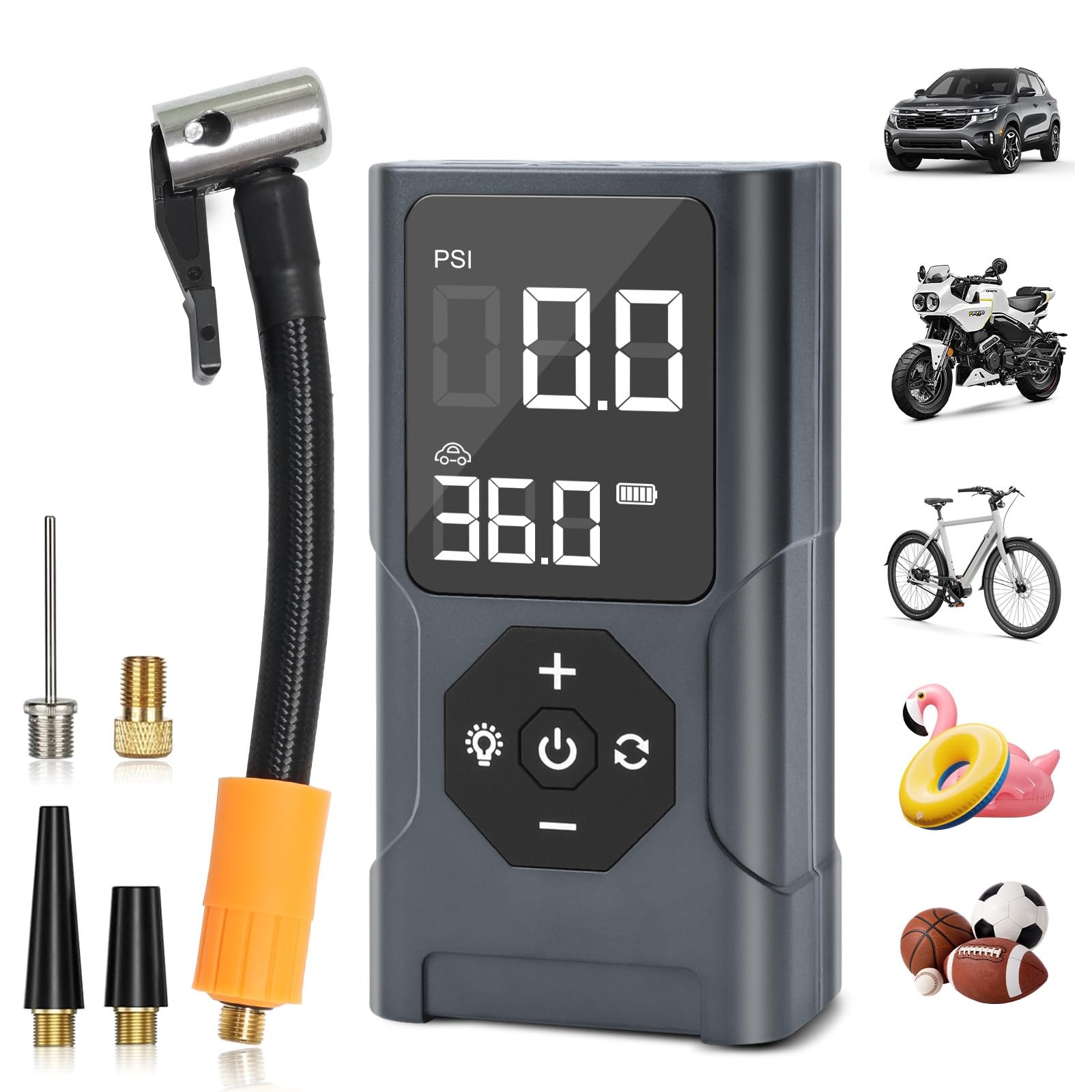 Tire Inflator Portable Air Compressor - Air Pump For Car Tires with Digital P...$15.24View on eBay
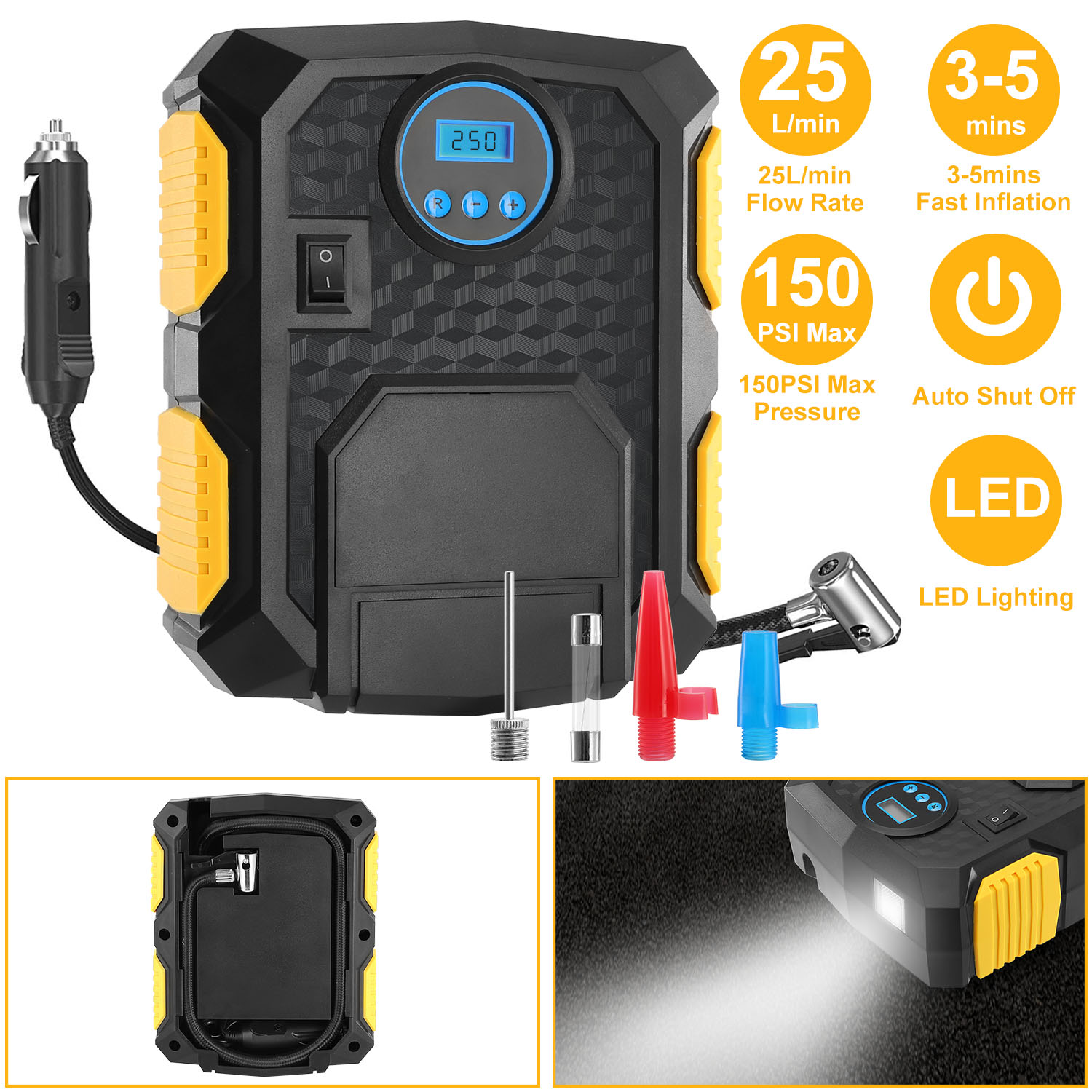 Tire Inflator 12V DC 120W 150PSI With LCD Electric Air Compressor 25L Per Min Large Air Flow$46.99View on Mallflare
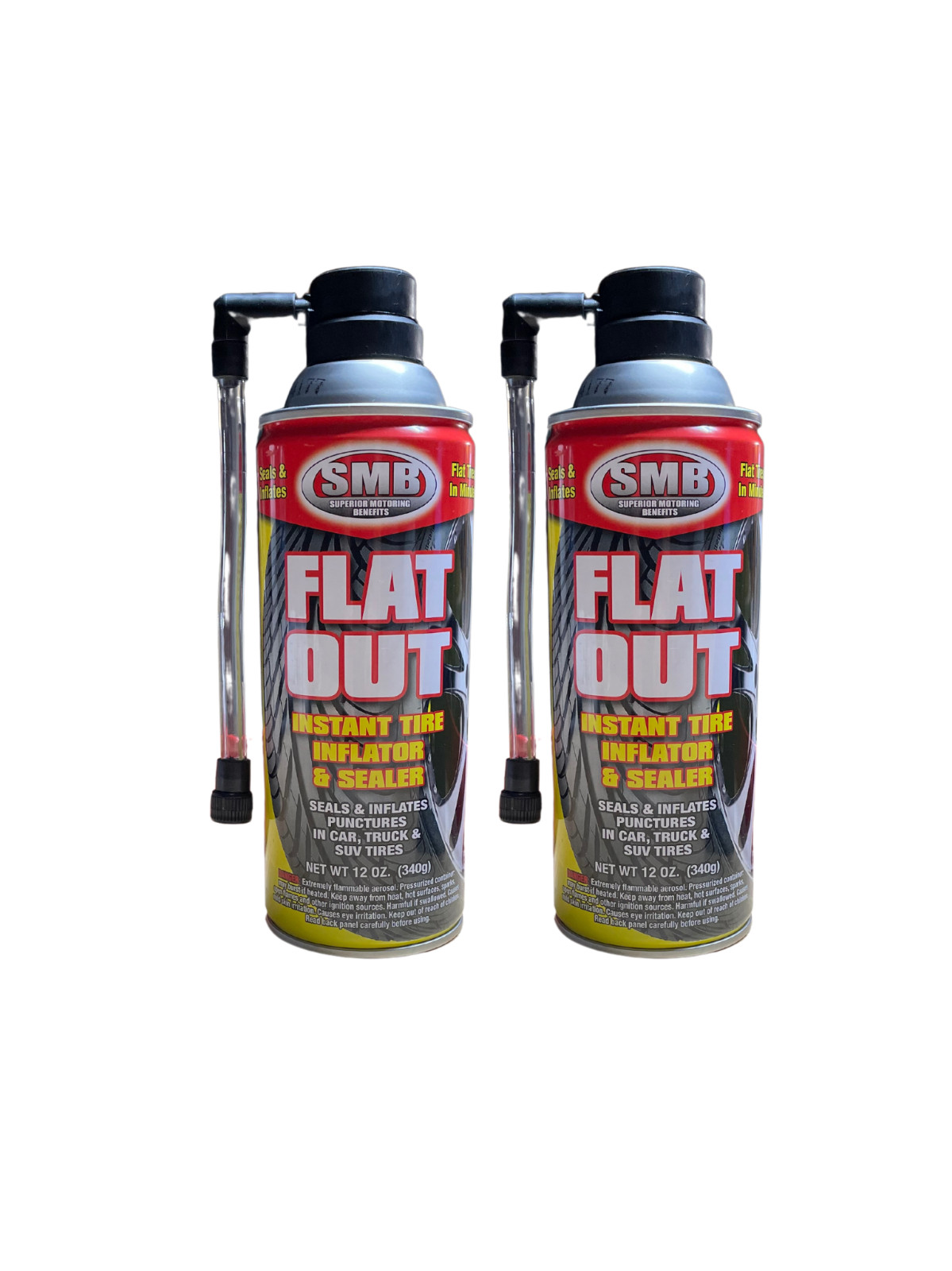 Flat Out Fix a Flat Emergency Tire Inflator and Sealer - (2) 12oz Cans With Hose$16.75View on eBay
 Portable Tire Inflator Pump 150PSI With Digital Pressure Gauge 6000mAh High Capacity Fast Inflation For Car Motorcycle$47.99View on Mallflare
Highlights
- Corded 12V DC compressors draw 10-15 amps from the accessory socket and deliver continuous duty; cordless units use 12V or 20V battery packs with 5-10 minute runtimes before thermal cutoff.
- Cylinder and motor construction determines duty cycle: metal-cylinder direct-drive pumps handle 10+ minutes continuous, while plastic-gear budget pumps overheat after 3-5 minutes.
- Analog gauges are mechanical Bourdon-tube dials accurate to ±2-3 PSI; digital gauges use pressure sensors accurate to ±1 PSI but depend on battery and can drift after drops.
- Aerosol emergency inflators like Fix-A-Flat 16oz seal and inflate a single standard tire to roughly 20-30 PSI but are single-use, incompatible with TPMS sensors, and not reusable.
Best use cases
- Best fit: corded 12V compressor with digital gauge for drivers who top off four tires monthly — continuous duty and no battery to maintain.
- Best fit: compact cordless inflator with built-in gauge for motorcycle, bicycle, and sports-ball inflation where portability matters more than multi-tire runtime.
- Wrong fit: aerosol sealant-inflator for routine pressure maintenance — it is a one-time puncture repair, not a reusable inflator, and can damage TPMS sensors.
- Wrong fit: plastic-gear budget pump for inflating large SUV or truck tires from flat — thermal cutoff will interrupt before reaching 35 PSI.
Buying tips
- Match maximum PSI to your tire: passenger cars need 32-36 PSI, light trucks 50-80 PSI; choose a compressor rated at least 1.5x your target pressure for fast, cool running.
- Check amperage draw: a 15A compressor needs a 15A-fused accessory socket; vehicles with 10A sockets require a lower-draw unit or direct battery clamp connection.
- Prefer metal-cylinder pumps over plastic-cylinder for any use beyond emergency top-offs — metal cylinders dissipate heat and extend continuous runtime.
- For cordless, choose a unit with a standard 12V or 20V battery platform you already own; generic internal batteries lose capacity after 1-2 years of storage.
Specs
| Power Source | 12V DC corded vs cordless battery |
|---|---|
| Max Pressure | 100-150 PSI typical; 150+ for truck |
| Gauge Type | Digital ±1 PSI / Analog ±2-3 PSI |
| Duty Cycle | 3-5 min plastic / 10+ min metal |
Related searches
What to check before buying
- Confirm your tire's recommended PSI from the door-jamb placard and ensure the inflator's maximum pressure exceeds it by at least 50%.
- Measure your vehicle's accessory socket fuse rating (10A vs 15A) and match the compressor's amperage draw.
- Check valve type: Schrader is standard on cars; Presta adapters are needed for bicycles.
- For cordless units, verify the battery platform and charger are included or already owned.
FAQ
Data sources: eBay / Amazon listings and product attribute feeds Data updated Nov 15, 2026.
Some links on this page are affiliate links. If you buy after clicking one, we may earn a commission at no extra cost to you. This does not change which products appear here or their order. Affiliate disclosure.