Photos from current listings. Actual item, color, and included accessories may vary.
Heavy Duty Tire Inflator Buying Guide
Heavy-duty tire inflators are 12V portable compressors engineered to move high air volume at pressure for truck, SUV, RV, and off-road tires, and the core trade-off is duty cycle versus flow: single-cylinder units inflate slowly and overheat, while dual-cylinder metal-bodied designs sustain higher CFM and PSI for repeated fills. Choose a dual-cylinder metal-gear compressor rated near 10 CFM and 150 PSI for routine heavy-vehicle use, and treat plastic-housing or single-cylinder pumps as emergency-only compromises.


At a glance
- Category
- Emergency Tire Tools
- Data updated
- Nov 15, 2026
Current offers
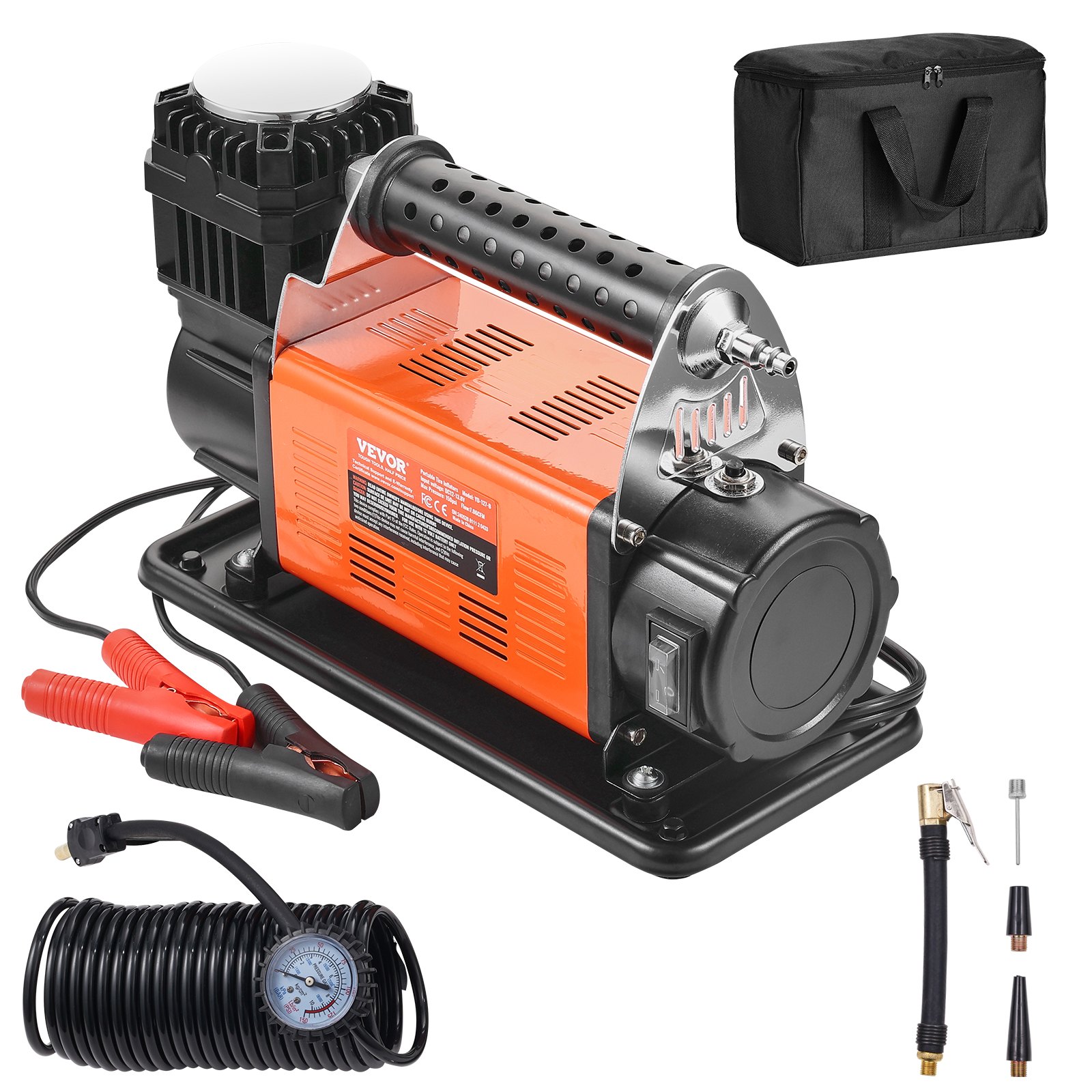 12V Portable Tire Inflator, 7.06CFM Heavy Duty Air Compressor, 150PSI Offroad Air Pump With Adapters For Car SUV RV$123.99
 View on Mallflare
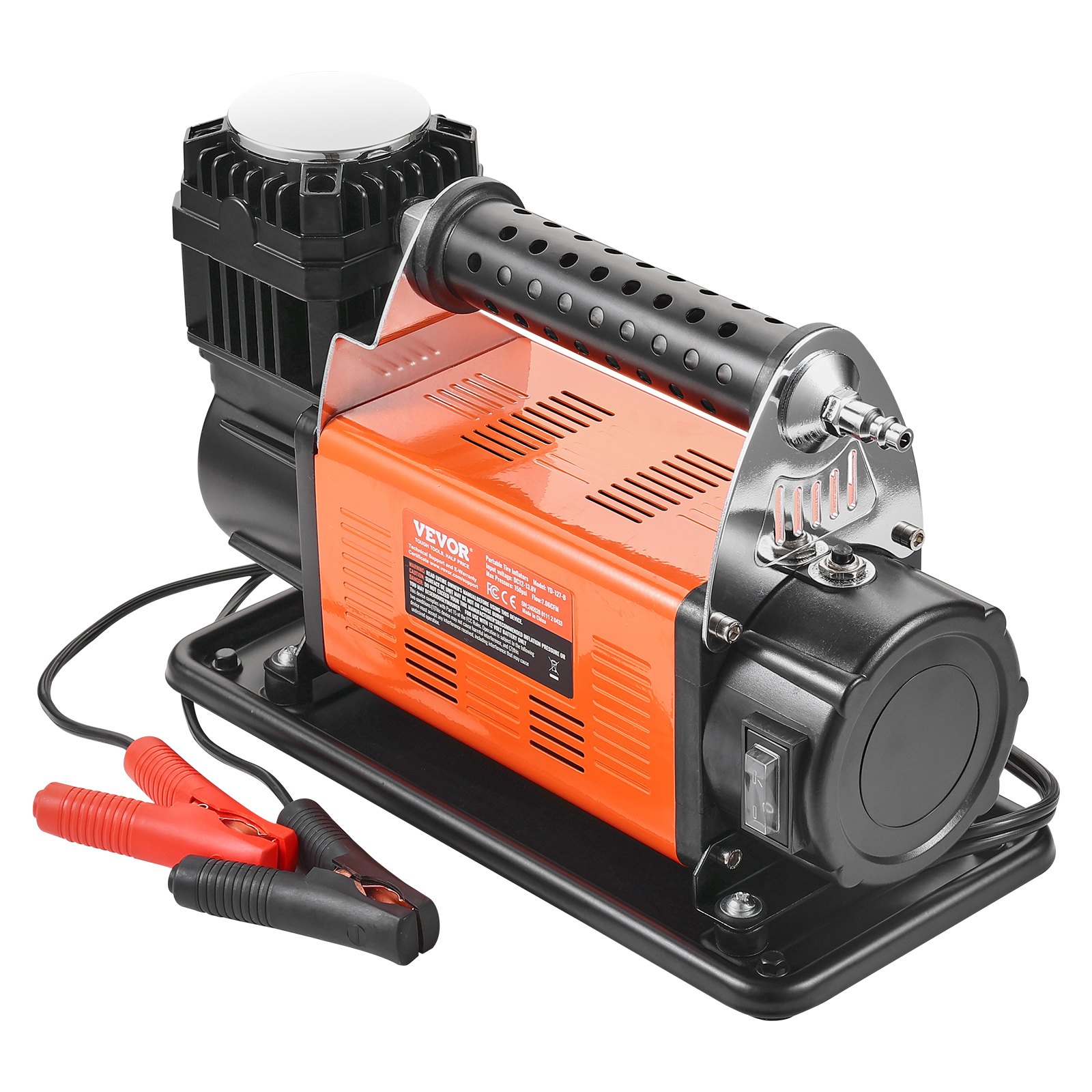 12V Heavy Duty Air Compressor - With Digital Pressure Gauge Tire Inflator Kit, 7.06 CFM Portable 150PSI Offroad Air Pump$146.99View on Mallflare
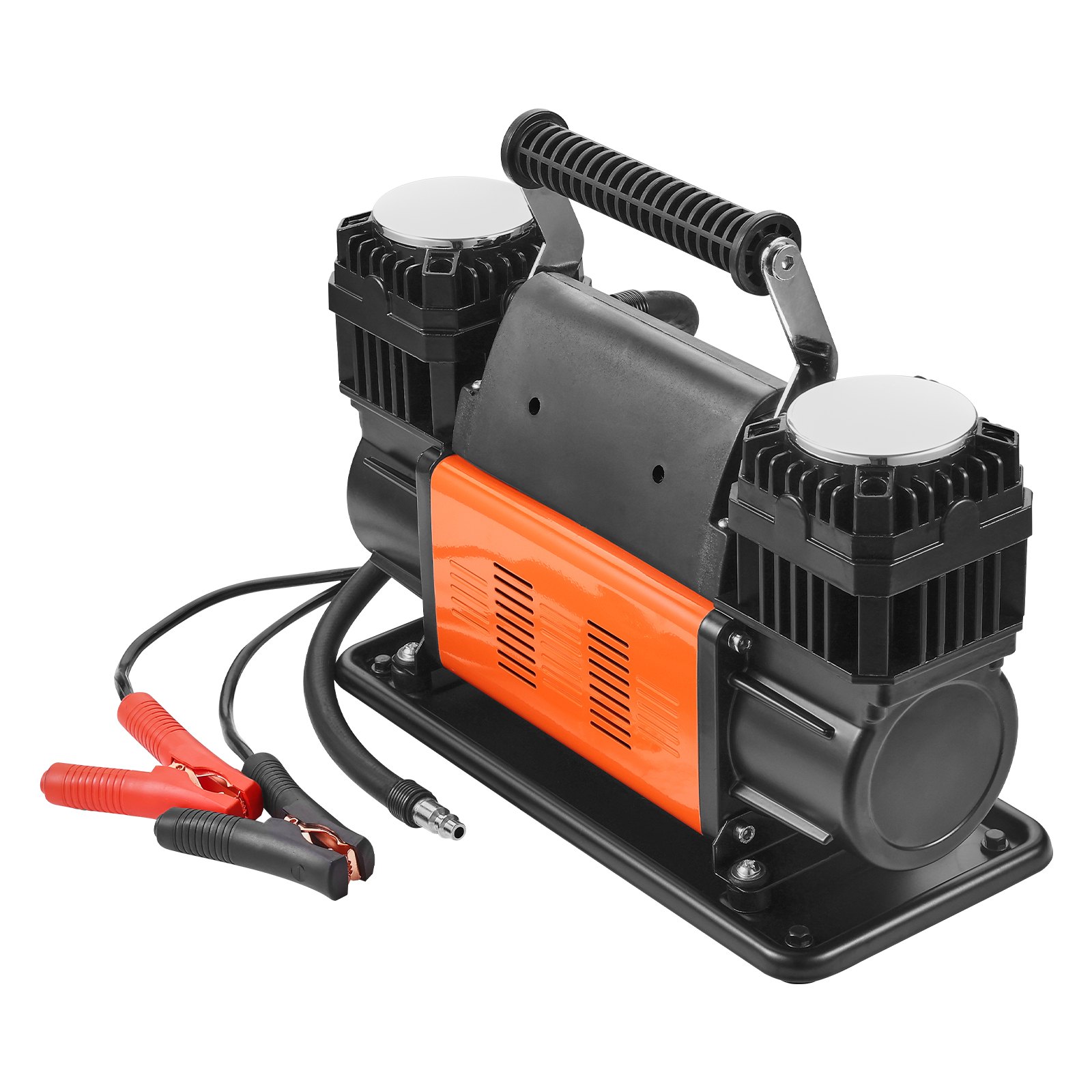 10.6 CFM Heavy Duty Air Compressor, 30s Fast Inflation | Dual-Cylinder Portable Tire Inflator, 12V 150PSI Offroad Air$155.99View on Mallflare
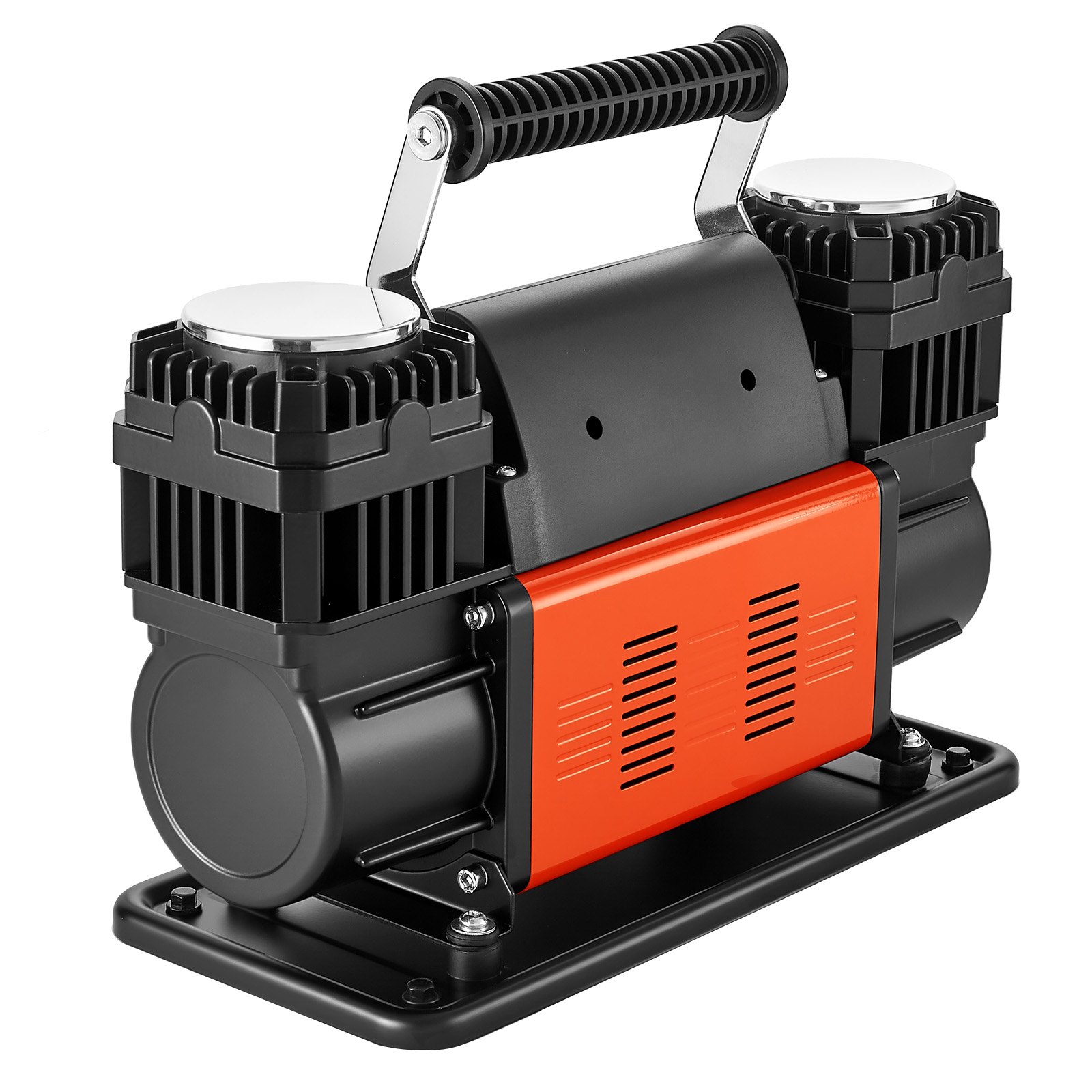 Dual-Cylinder Heavy Duty Air Compressor, 10.6CFM Portable Tire Inflator, 12V 150PSI Offroad Air Pump With Digital$180.99View on Mallflare
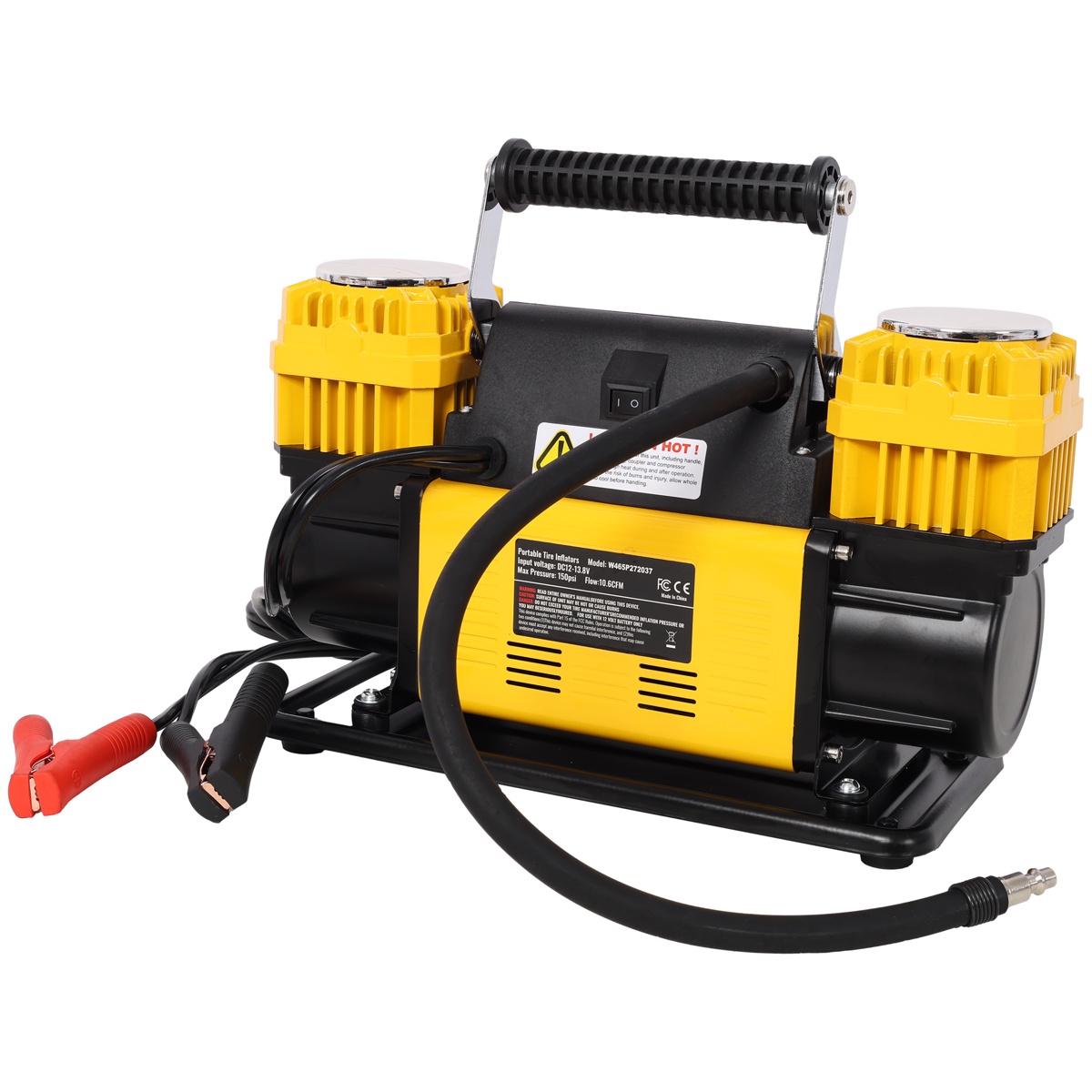 12V Dual Cylinder Heavy Duty Air Compressor,Tire Inflator with Pressure Gauge, Max 150 PSI,Tire Air Pump for Car, SUV, RV, Truck$236.99View on Mallflare
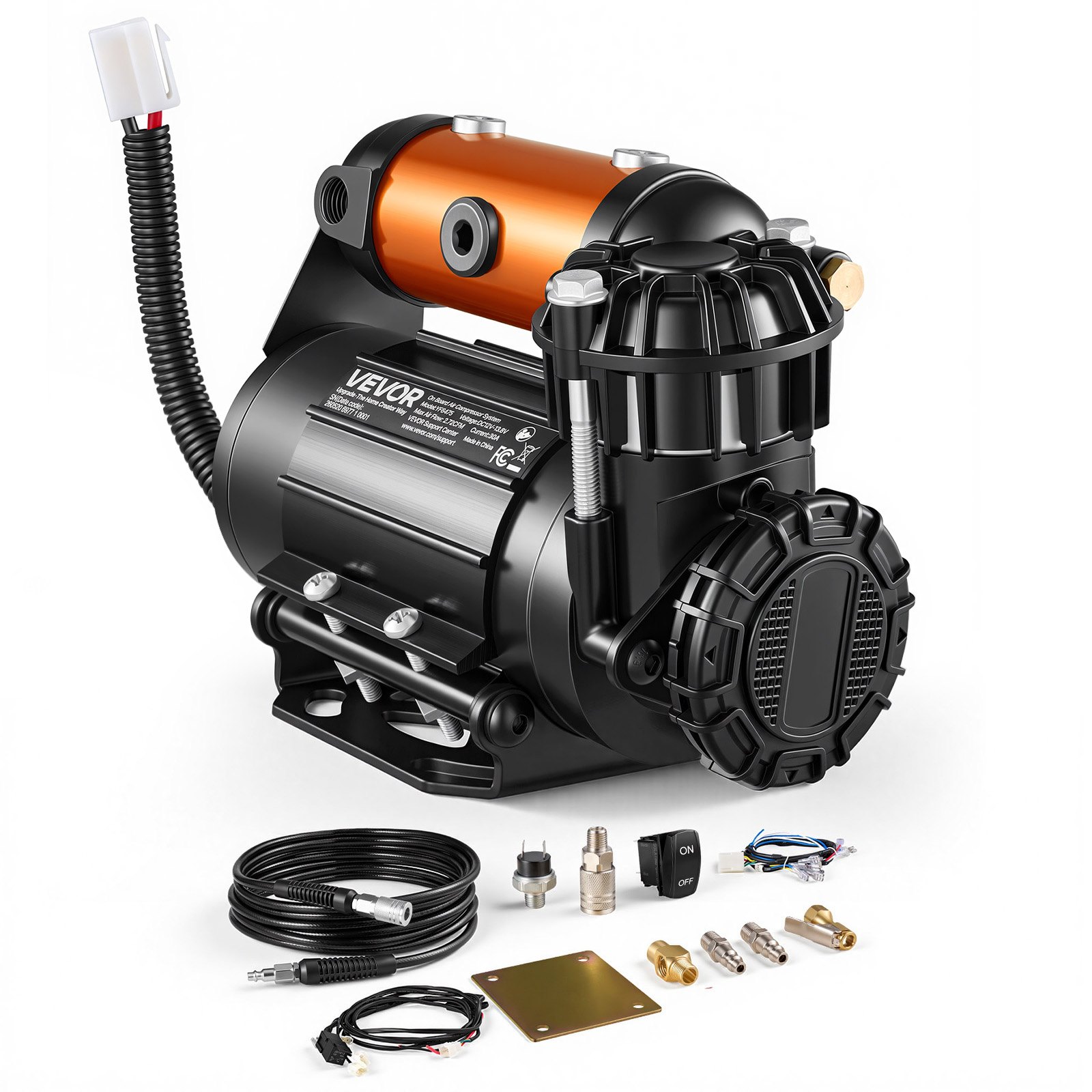 12V Air Compressor 0.5HP 2.72 SCFM Portable Tire Inflator Max 210PSI, Heavy Duty Offroad Air Pump with Differential Lock Harness, Adapters & 19FT Air Hose for Pickup Truck SUV Off-Road Vehicles$248.99View on Mallflare
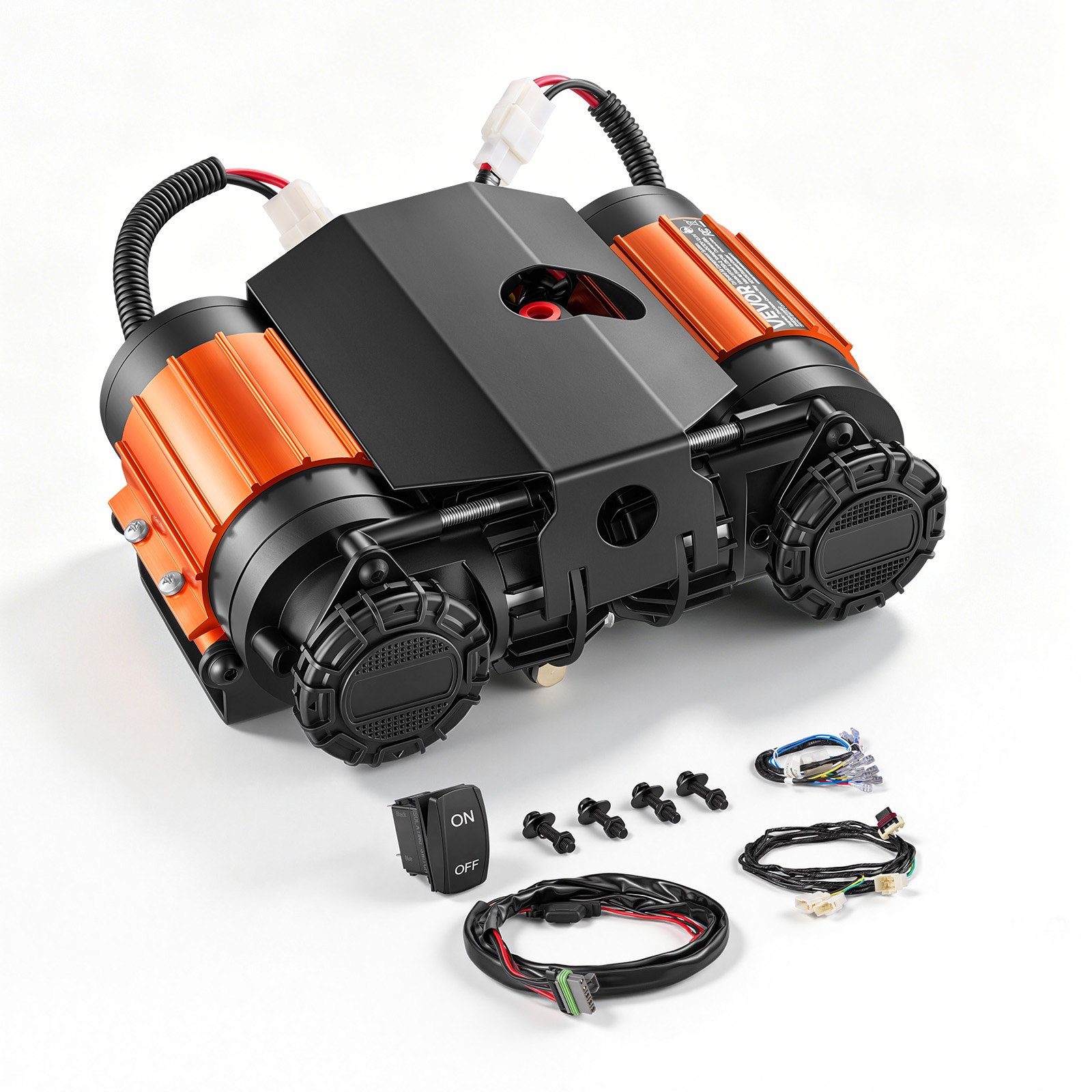 12V Dual-Cylinder Air Compressor 1HP 4.73 SCFM Portable Tire Inflator, Max 150PSI Heavy Duty Offroad Air Pump with Differential Lock Harness for Pickup Trucks SUVs Off-Road Vehicles$357.99View on Mallflare
Highlights
- Dual-cylinder architecture roughly doubles flow over single-cylinder units: about 10.6 CFM versus 7.06 CFM, cutting a 33-inch tire fill to roughly 30 seconds.
- Pressure ceilings split into tiers: 150 PSI covers most passenger, SUV, and light-truck tires, while 210 PSI units are needed for higher-pressure off-road and some RV applications.
- Metal-bodied, metal-gear construction with cooling fins defines duty cycle; plastic-housing pumps overheat quickly and are limited to one tire at a time.
- Direct-to-battery harnesses with alligator clips and long air hoses (about 19 ft) preserve amperage and reach all four corners without voltage drop.
Best use cases
- Buy a dual-cylinder 10.6 CFM, 150 PSI metal-bodied inflator if you routinely air down and refill 33-inch-plus off-road tires or tow a trailer; skip single-cylinder pumps that overheat after one tire.
- Choose a 210 PSI, 0.5 HP single-cylinder unit with a differential-lock harness if you need high-pressure capacity for pickup truck and off-road tires rather than maximum flow.
- Pick a compact 7.06 CFM single-cylinder compressor for occasional passenger-car top-offs and storage in a small trunk; skip it for sustained RV or truck use.
- Avoid any plastic-housing or cigarette-lighter-powered inflator for heavy-duty use; the 12V socket fuse typically caps output well below what truck tires require.
Buying tips
- Match flow to tire size: 7 CFM single-cylinder units suit passenger cars, while 10 CFM dual-cylinder units are the practical minimum for 33-inch and larger tires.
- Power directly from the battery with alligator clips; a 15A cigarette-lighter circuit cannot sustain a heavy-duty compressor and will blow fuses.
- Confirm the pressure ceiling against your tire's placard: 150 PSI covers most light-truck tires, but higher-pressure RV and off-road setups need a 200 PSI-plus unit.
- Check duty cycle ratings: metal-gear, finned dual-cylinder pumps handle repeated fills, while plastic-gear single-cylinder units should rest between tires.
Specs
| Cylinder Type | Single vs dual-cylinder |
|---|---|
| Max Pressure | 150 PSI vs 210 PSI |
| Air Flow | 2.7-10.6 CFM |
| Power Source | 12V alligator clips vs socket |
Related searches
What to check before buying
- Measure your tire's maximum placard pressure and confirm the inflator's PSI rating exceeds it with headroom.
- Verify the air hose length reaches from the battery bay to all four wheels, especially on long-wheelbase trucks and RVs.
- Confirm the power harness uses alligator clips rated for the compressor's amperage draw, not a 12V socket plug.
- Check that the included nozzle adapters fit your valve stems, Presta valves, and any air tools or inflatables you plan to use.
FAQ
Data sources: eBay / Amazon listings and product attribute feeds Data updated Nov 15, 2026.
Some links on this page are affiliate links. If you buy after clicking one, we may earn a commission at no extra cost to you. This does not change which products appear here or their order. Affiliate disclosure.