Photos from current listings. Actual item, color, and included accessories may vary.
Fix Flat Tire Inflator Buying Guide
A fix-flat-tire inflator is an aerosol can that combines a liquid sealant with propellant gas to both plug a puncture and partially re-inflate the tire. The primary trade-off is convenience versus repairability: aerosol sealant is fast and requires no tools, but it can coat the TPMS sensor, void the tire warranty, and may not hold a sidewall or large tread puncture. The clear decision rule: choose a 16 oz standard aerosol for a quick limp to a service station on a compact or midsize car, and skip it entirely for SUVs, LT tires, or any damage beyond a single nail in the tread.


At a glance
- Category
- Emergency Tire Tools
- Data updated
- Nov 15, 2026
Current offers
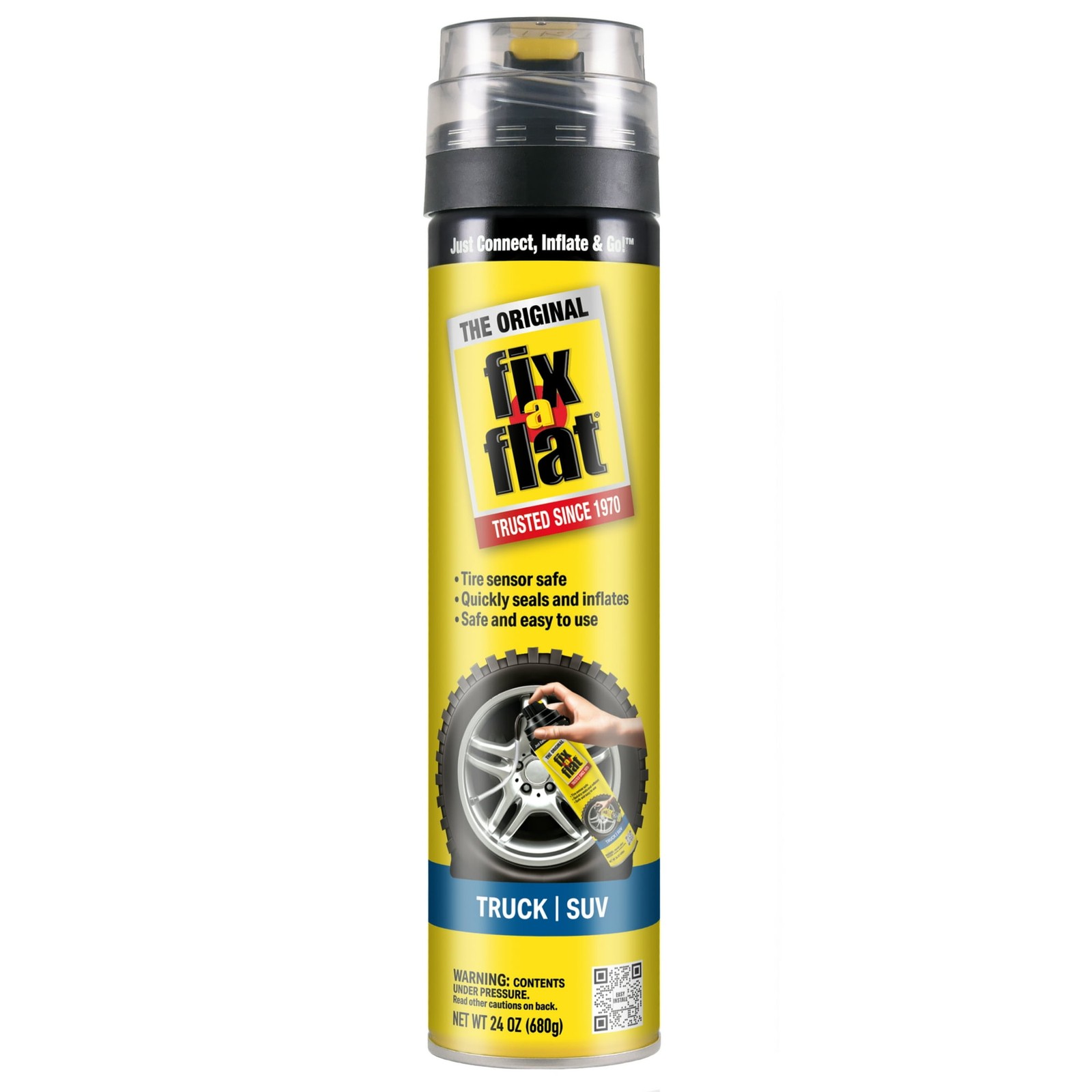 Fix-A-Flat S60420 Aerosol Emergency Flat Tire Repair and Inflator, for Standard$7.99
 View on eBay
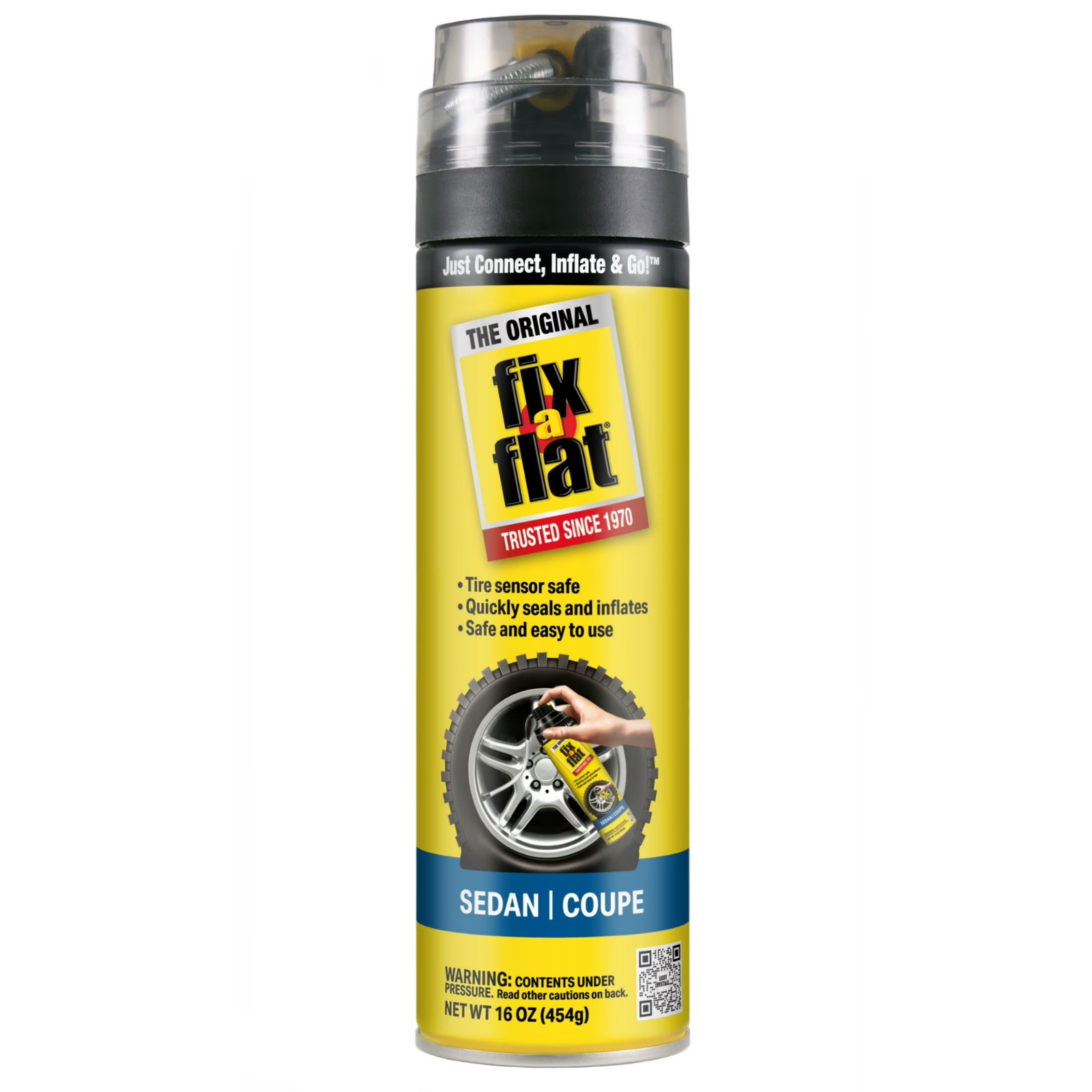 Fix-A-Flat S60420 Aerosol Emergency Flat Tire Repair and Inflator for Standard$8.85View on eBay
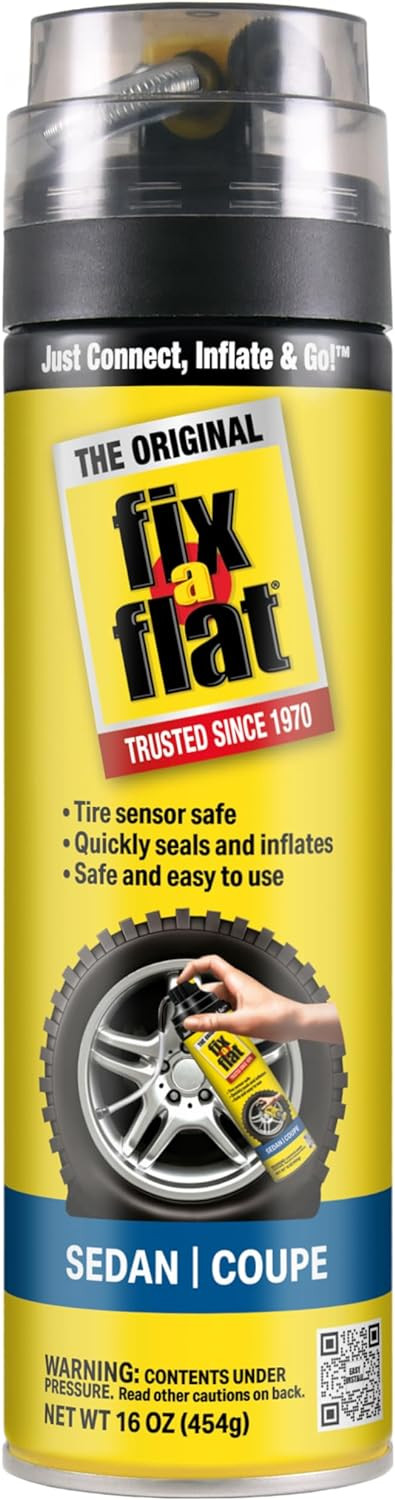 Fix a Flat Tire Repair Aerosol 16oz Emergency Inflator Seal Punctures Quick$12.89View on eBay
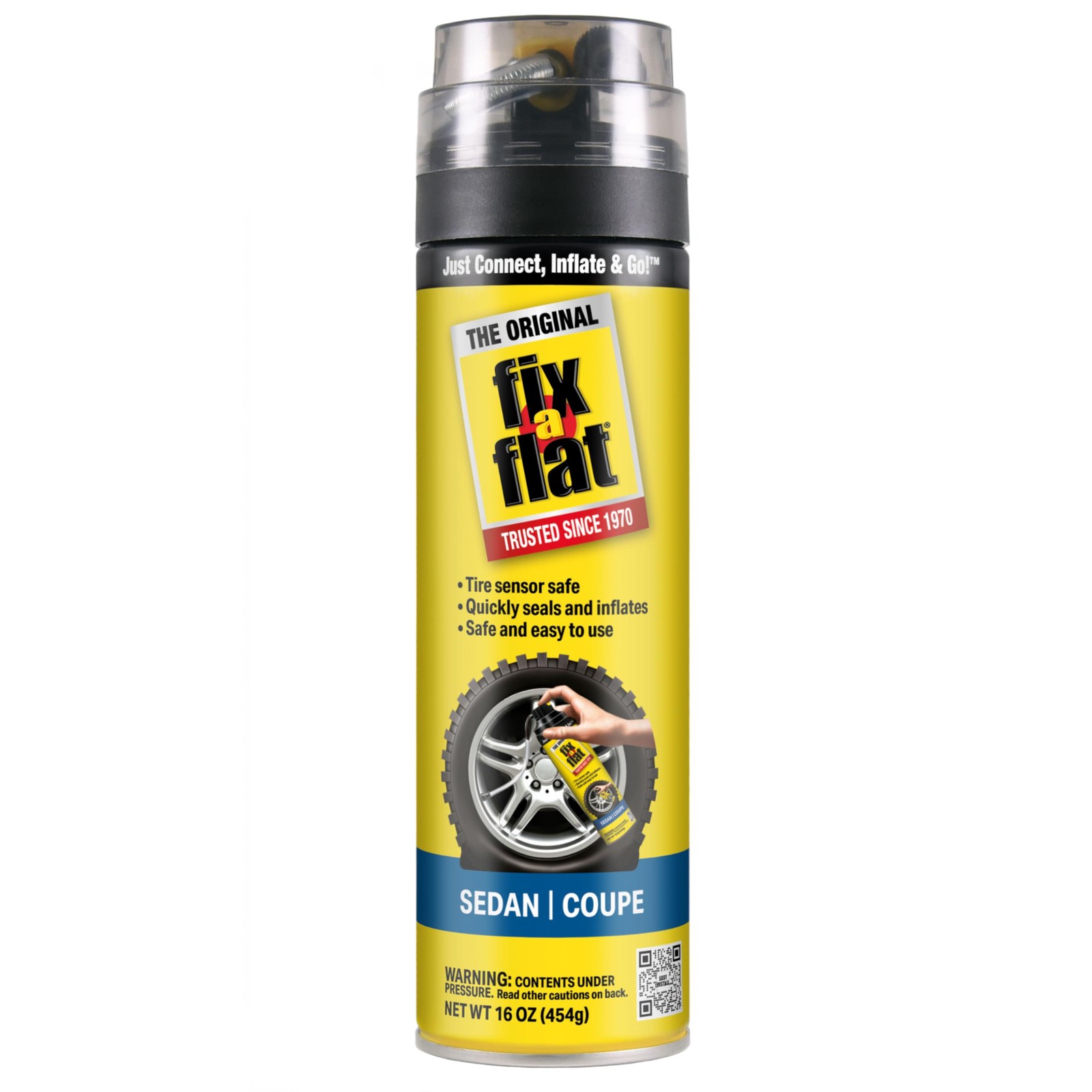 Fix-a-flat S60420 Aerosol Emergency Flat Tire Repair And Inflator, For$12.89View on eBay
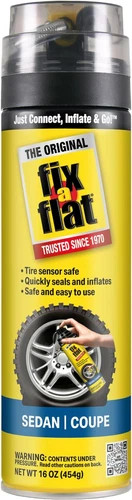 Fix a Flat Tire Repair Aerosol 16oz Emergency Inflator Seal Punctures Quick$12.99View on eBay
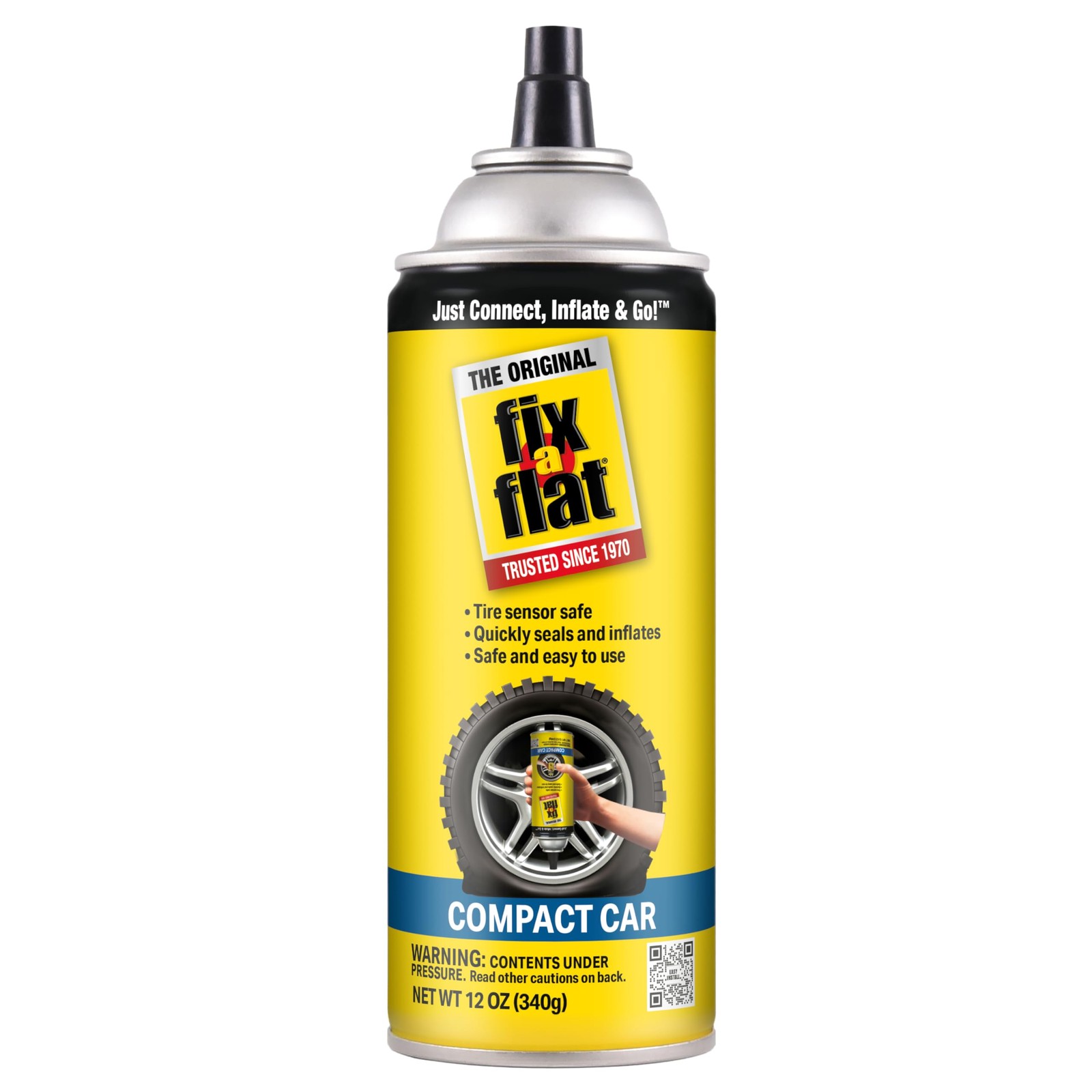 Fix A Flat 12oz Emergency Tire Repair Inflator Seal and Inflate Solution$14.29View on eBay
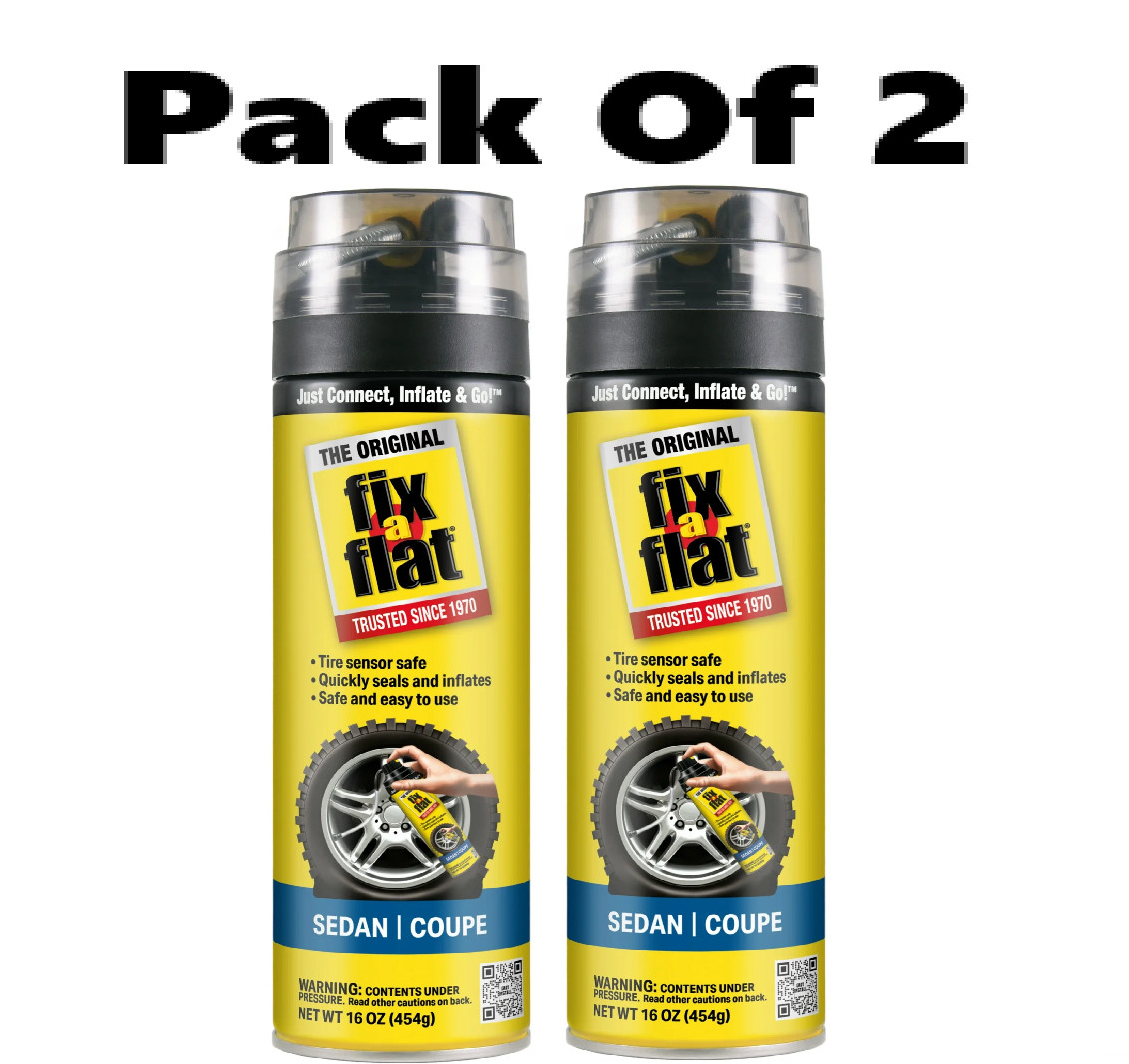 Fix-A-Flat S60420 Aerosol Emergency Flat Tire Repair and Inflator, for Standard$14.99View on eBay
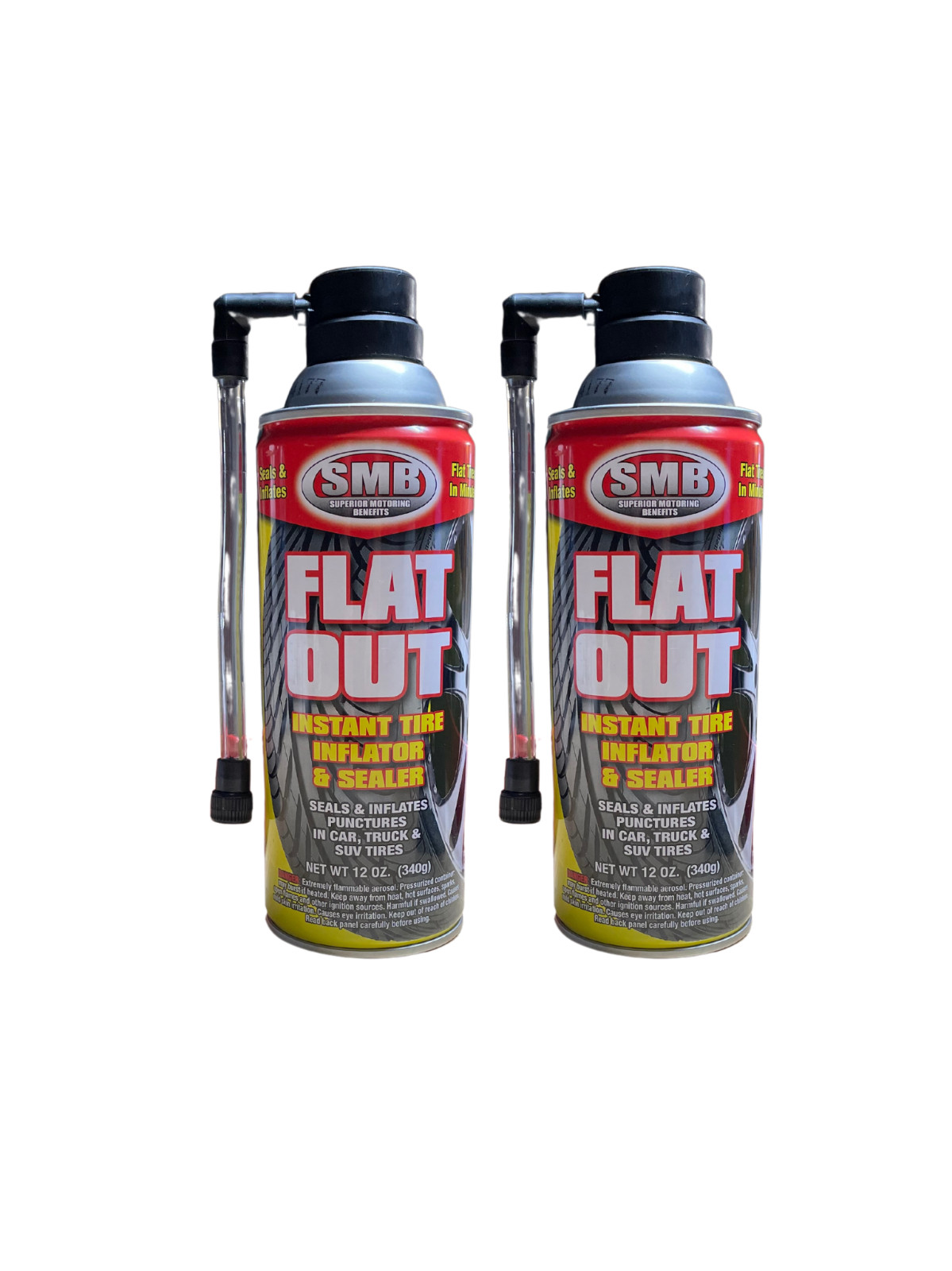 Flat Out Fix a Flat Emergency Tire Inflator and Sealer - (2) 12oz Cans With Hose$16.75View on eBay
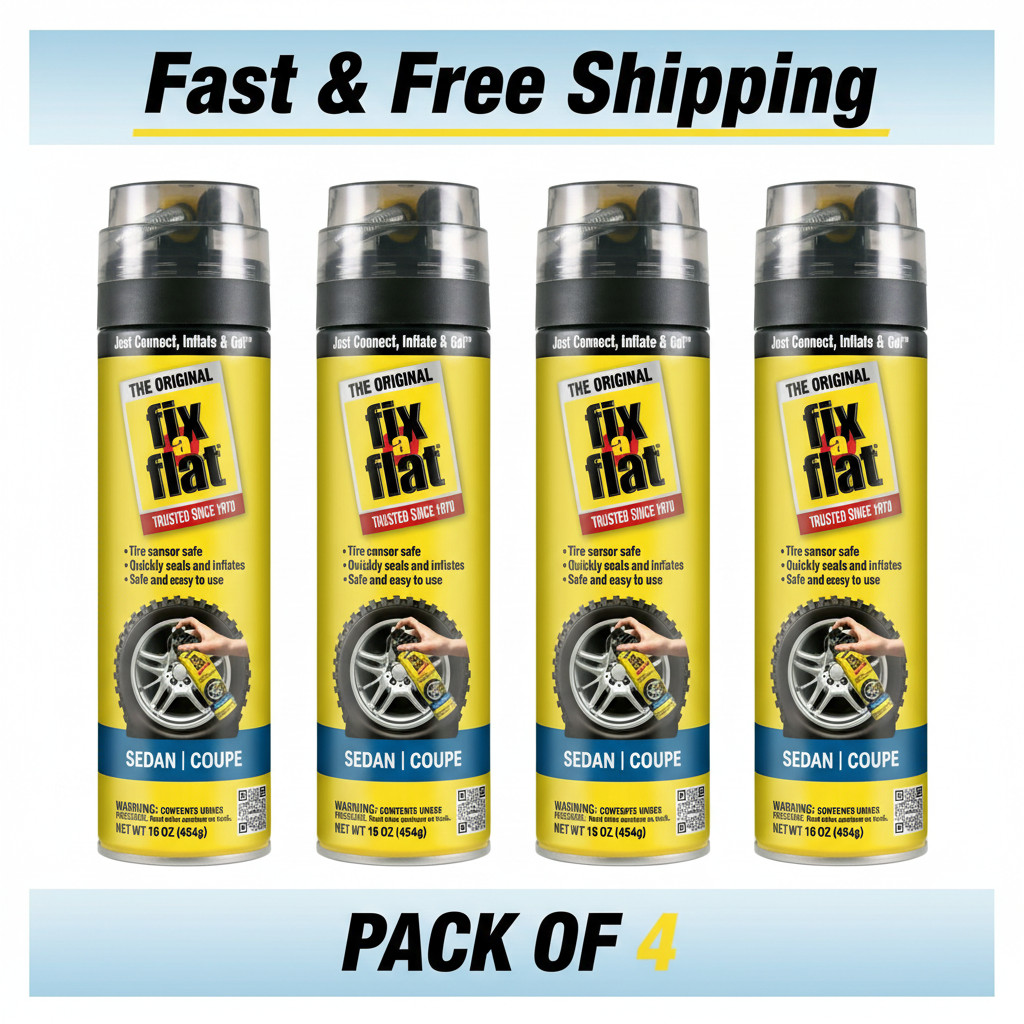 Fix-A-Flat S60420 Aerosol Emergency Flat Tire Repair and Inflator All Cars 4pack$19.88View on eBay
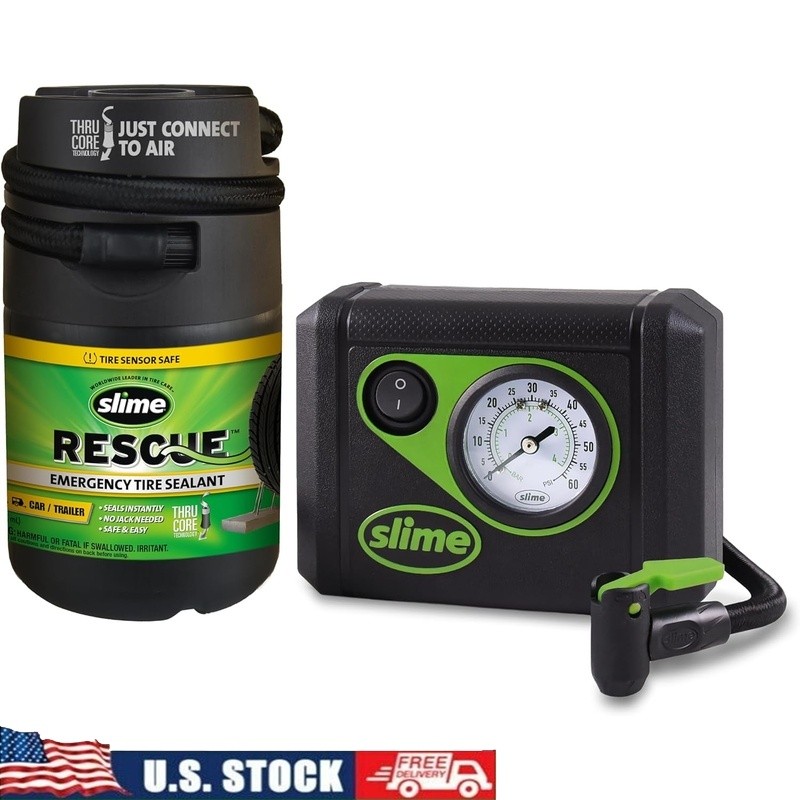 Emergency Tire Repair Kit Inflator Sealant Portable Flat Tire Fix Tool Easy Use$20.30View on eBay
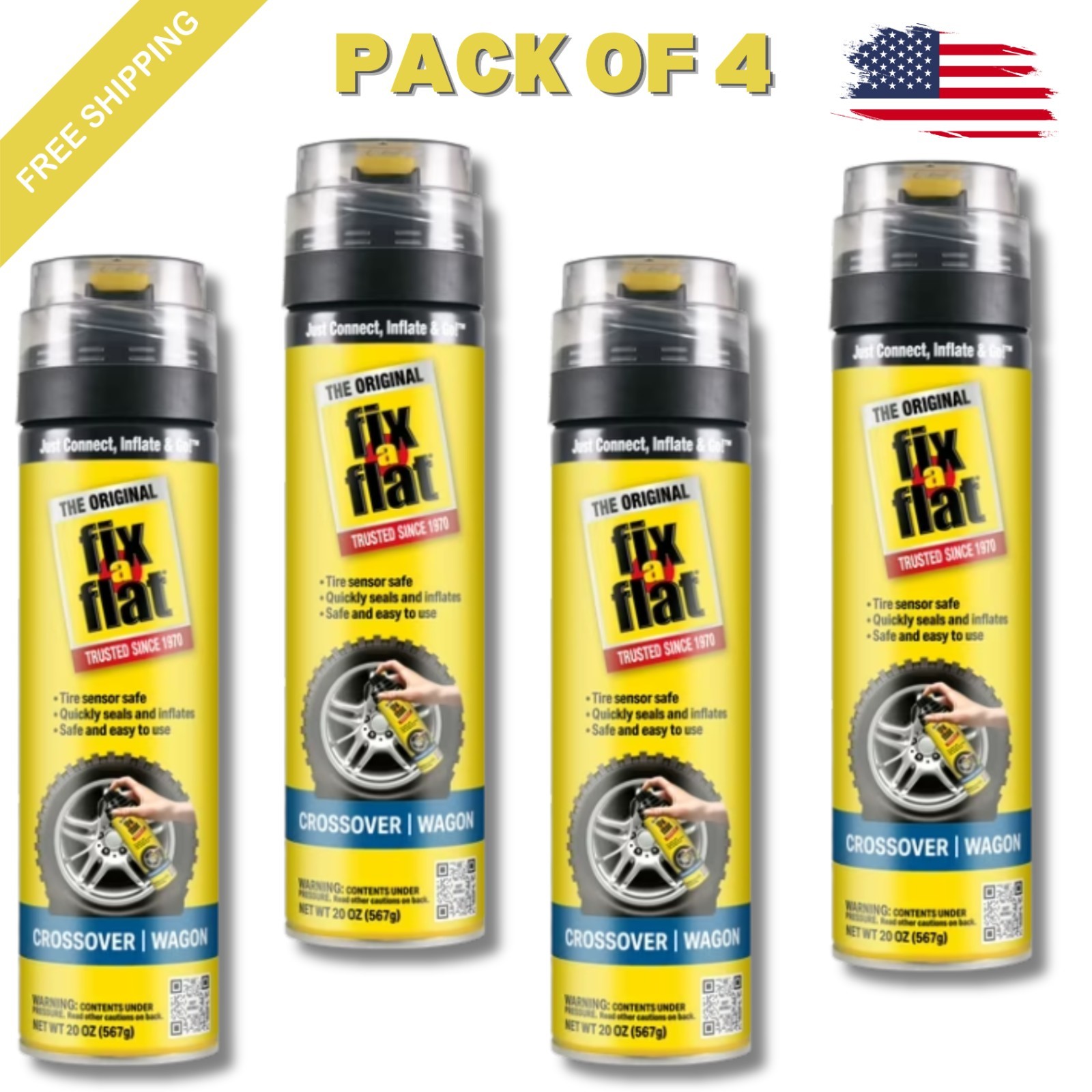 Fix-A-Flat S60420 Aerosol Emergency Flat Tire Repair and Inflator All Cars 4pack$21.00View on eBay
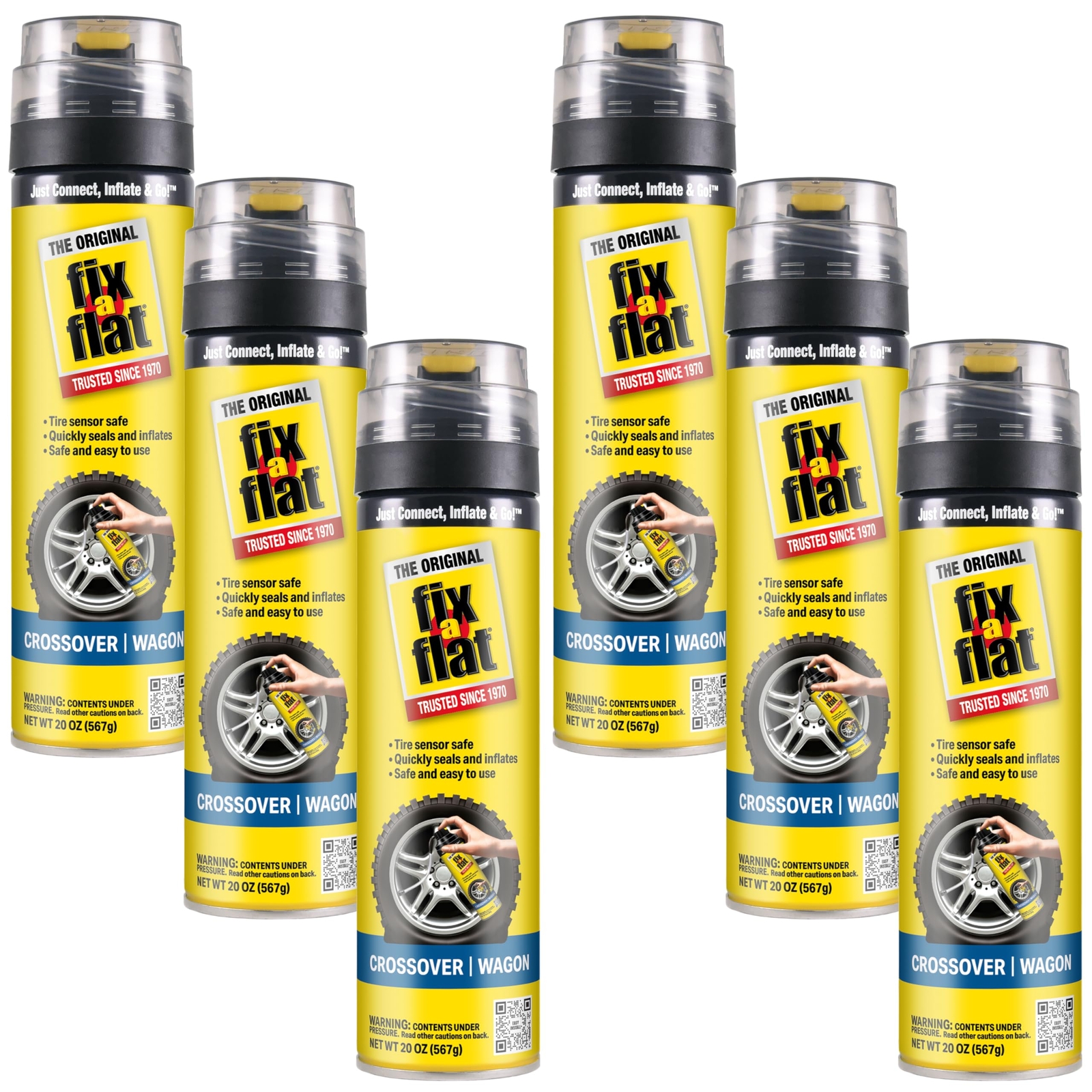 Fix A Flat 20oz 6 Pack Emergency Tire Repair Inflator Sealant for SUVs$82.39View on eBay
Highlights
- Standard-duty aerosols (e.g., Fix-A-Flat S60420) are formulated for passenger cars up to roughly 18 inches; they are not rated for light-truck or high-load tires.
- Can capacity drives inflation reach: 12 oz cans suit 13–15 inch compact tires, while 16 oz cans deliver enough gas for 16–18 inch passenger tires at 30–35 PSI.
- Sealant chemistry is water-based latex or glycol; water-based formulas are easier to clean from the wheel but still contaminate TPMS sensors on direct-fit stems.
- Aerosol cans rely on self-contained propellant, so they have a shelf life (typically 3–5 years) and must be replaced even if unopened; a 12V compressor with plug kit has no such expiration.
Best use cases
- Best fit: a single nail or screw in the tread of a passenger car with a 13–18 inch wheel — carry one 16 oz can per vehicle and drive below 50 mph to the nearest tire shop.
- Best fit: a compact spare tire that is underinflated — a 12 oz can adds enough pressure for a safe low-speed trip when no gas station air pump is nearby.
- Wrong fit: an SUV, crossover, or light truck with LT-rated tires — skip aerosol cans entirely and carry a 12V compressor plus a plug kit rated for higher volume.
- Wrong fit: sidewall cuts, bulges, or punctures larger than about 3/16 inch — sealant cannot bridge structural damage, so use a spare or call a tow.
Buying tips
- Match can size to wheel diameter: 12 oz for 13–15 inch compact tires, 16 oz for 16–18 inch passenger tires; a smaller can will not reach the recommended 30–35 PSI.
- Check the valve-stem type before use: direct TPMS sensors with metal stems can be damaged by sealant, while indirect ABS-based systems are unaffected.
- Prefer water-based latex sealant over older glycol formulas if you plan to have the tire professionally repaired — it rinses out more cleanly.
- Replace any aerosol can every 3–5 years based on the date code; propellant loss makes an expired can useless even if the sealant is still liquid.
Specs
| Can Size | 12 oz compact / 16 oz standard |
|---|---|
| Tire Fitment | Passenger car 13-18 in |
| Sealant Type | Water-based latex / glycol |
| TPMS Compatibility | Indirect-safe / direct-risk |
Related searches
What to check before buying
- Confirm your wheel diameter (13–18 inch passenger vs 17+ inch LT) so the can capacity matches the tire volume you need to inflate.
- Identify your TPMS type: direct metal-stem sensors require a sensor-safe sealant or a compressor-and-plug alternative.
- Check the tire sidewall for damage location — tread-only punctures qualify for sealant, sidewall damage does not.
- Verify the can's shelf-life date code and storage temperature range; aerosol cans should not be stored above 120°F in a trunk during summer.
FAQ
Data sources: eBay / Amazon listings and product attribute feeds Data updated Nov 15, 2026.
Some links on this page are affiliate links. If you buy after clicking one, we may earn a commission at no extra cost to you. This does not change which products appear here or their order. Affiliate disclosure.