Photos from current listings. Actual item, color, and included accessories may vary.
Cordless Tire Inflator Buying Guide
A cordless tire inflator is a battery-powered air compressor that trades the unlimited runtime of a 12V corded unit for grab-and-go convenience, so the core decision is battery architecture and pump quality. The primary trade-off is between a built-in lithium pack with auto shutoff and a bare-tool system that shares batteries with your power-tool platform. Buy a unit rated for continuous duty with metal cylinder and auto shutoff, and skip any inflator that advertises 150 PSI but states a low flow rate without a duty cycle.

At a glance
- Category
- Emergency Tire Tools
- Data updated
- Nov 15, 2026
Current offers
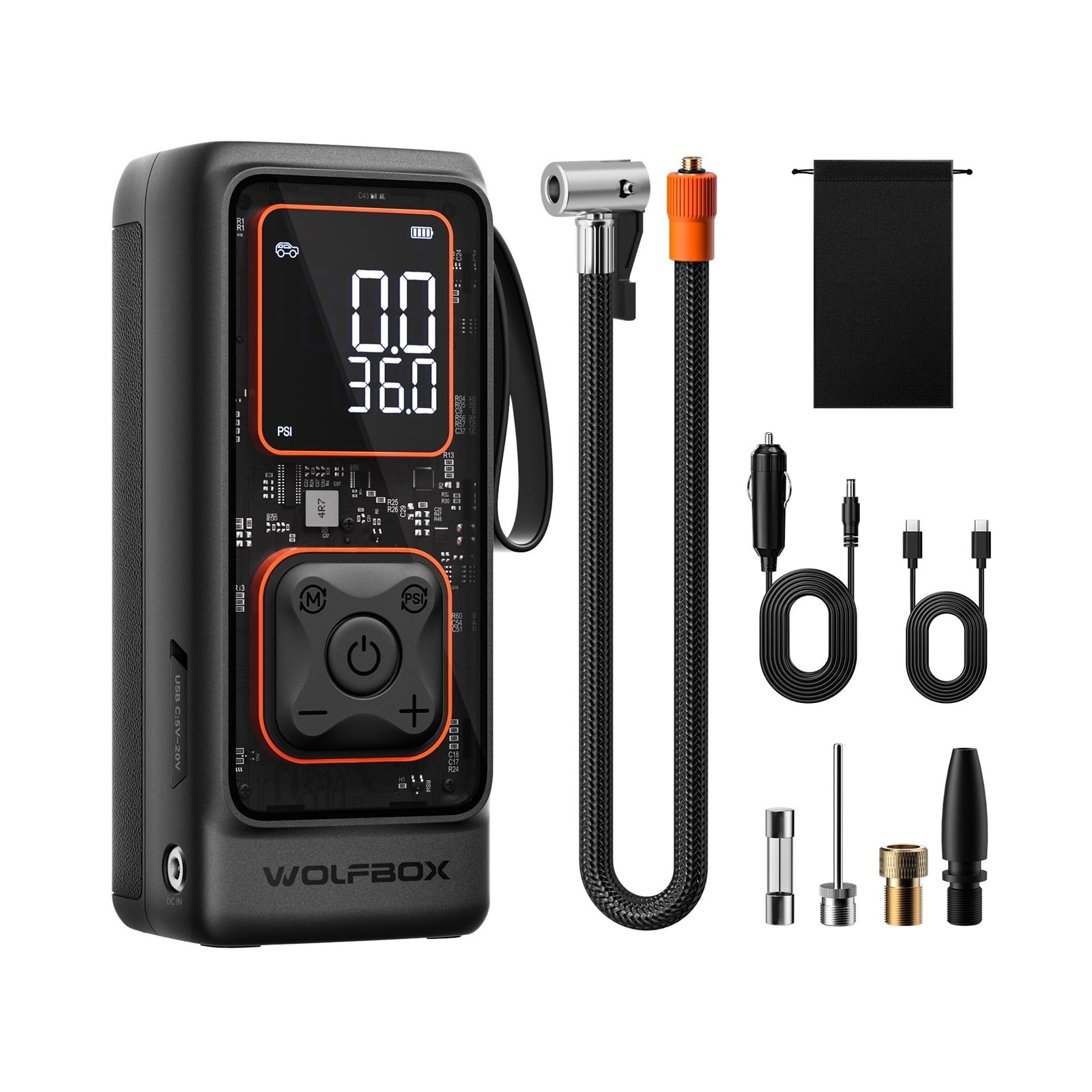 WOLFBOX Cordless Tire Inflator Portable Air Compressor, 150PSI Air Pump for C...$49.67
 View on eBay
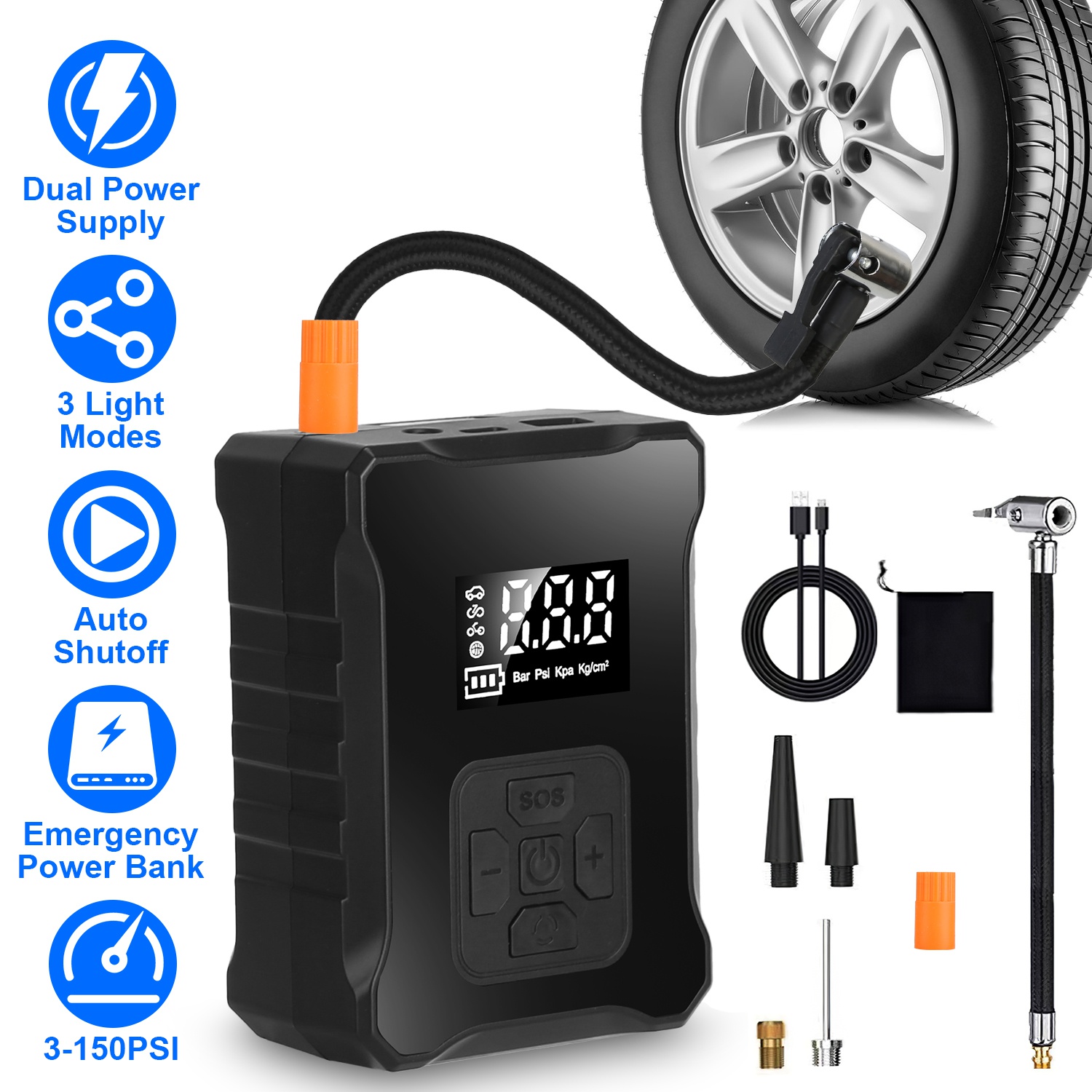 1Pc 150PSI Cordless Tire Inflator Digital Air Compressor With LED Light Emergency Power Bank For Cars Motorcycles$37.99
 View on Mallflare
- WOLFBOX Cordless Tire Inflator Portable Air Compressor, 150PSI Air Pump for C...$70.49View on eBay
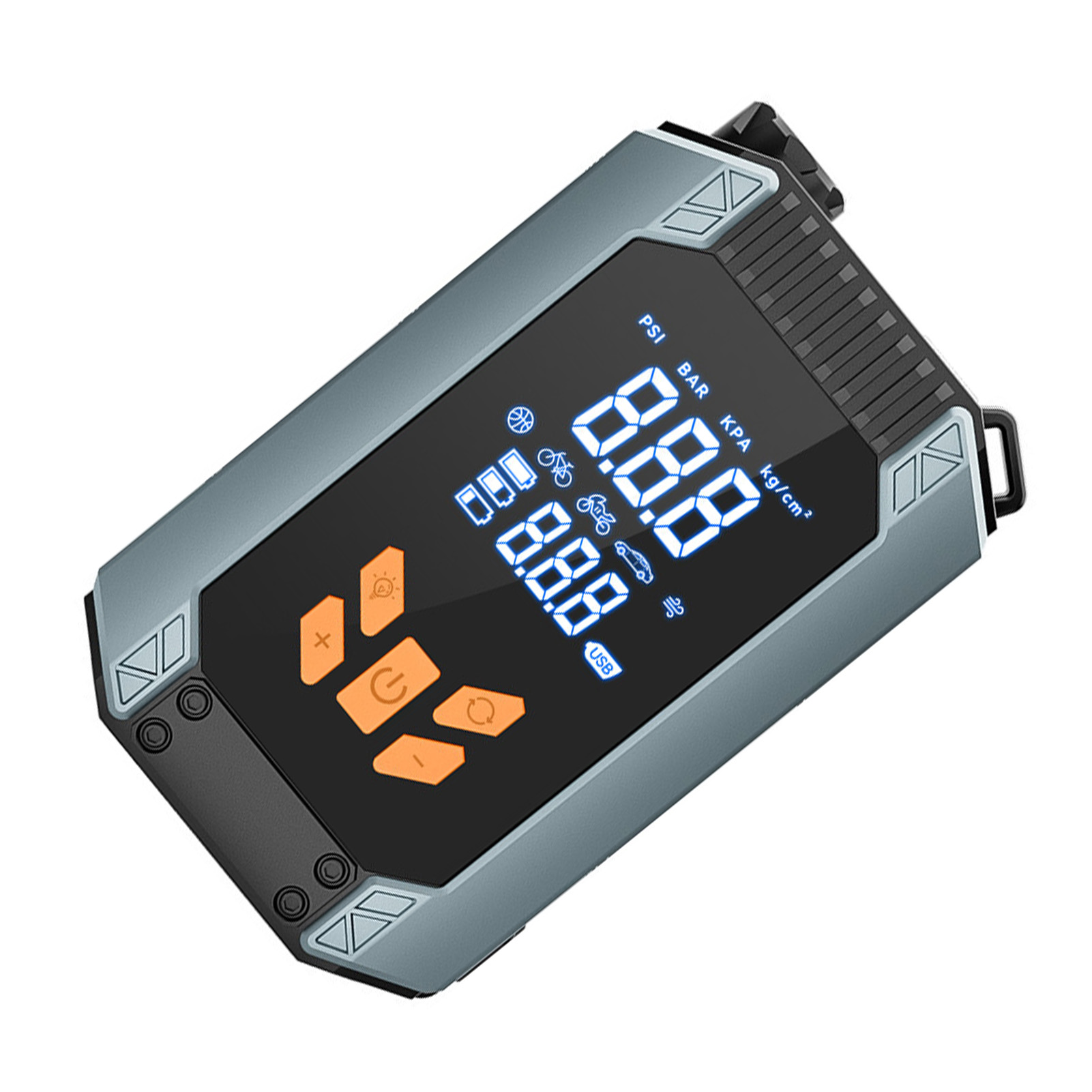 Cordless Tire Inflator 150PSI Auto Shutoff 6000mAh Electric Portable Car Pump With Pressure Gauge LED Light For$41.99View on Mallflare
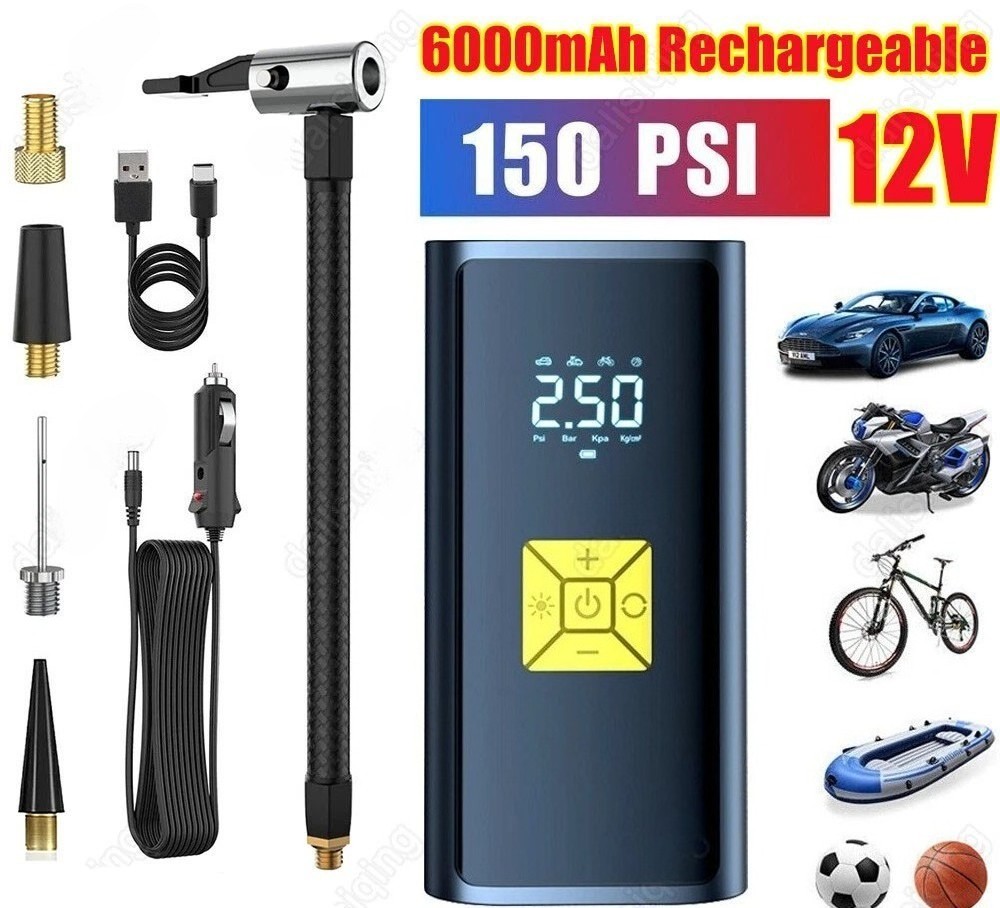 150 PSI Air Compressor Tire Inflator Fits Car Moto Bike Tires Air Pump Cordless$17.99View on eBay
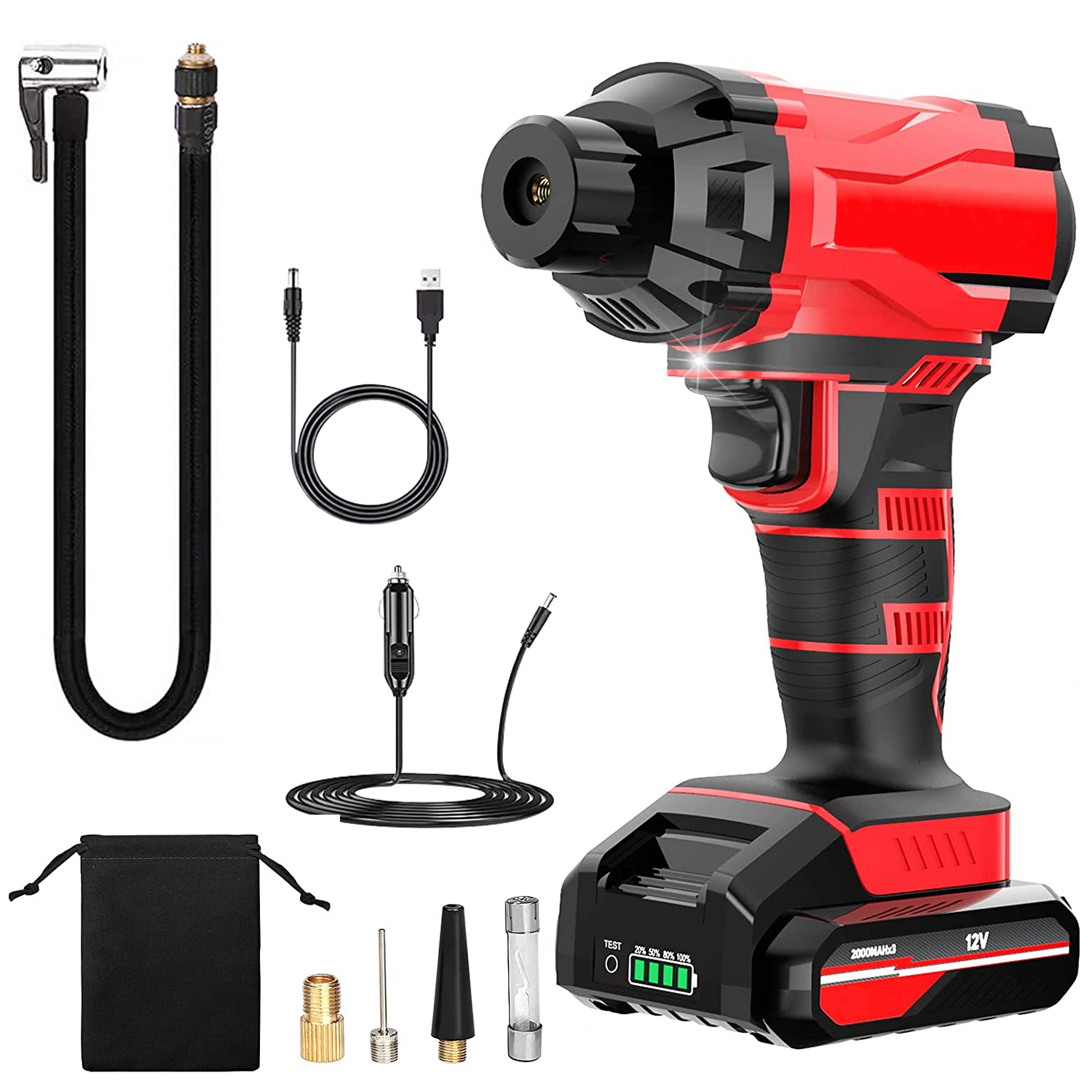 1Pc 150PSI Cordless Car Tire Inflator Rechargeable 2V Portable Electric Air Compressor With LED Light For Car Bike$49.99View on Mallflare
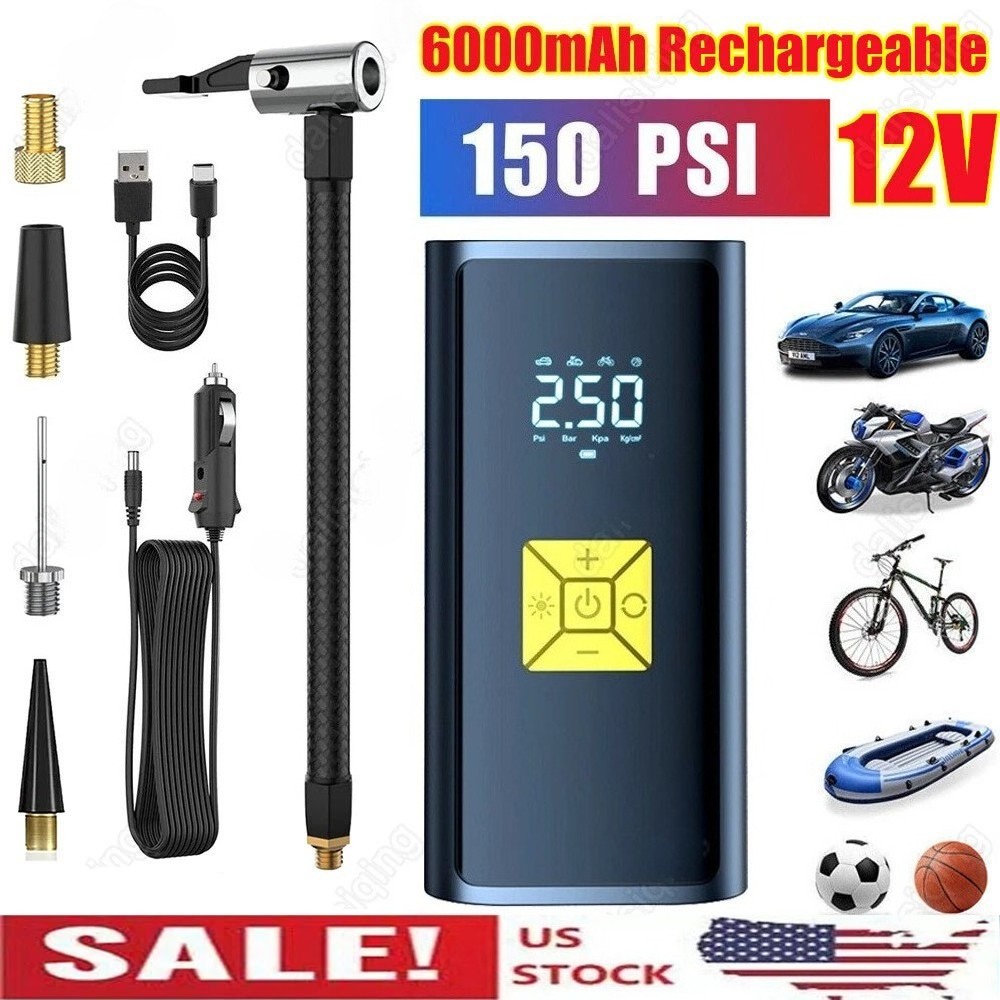 150 PSI Air Compressor Tire Inflator Fits Car Moto Bike Tires Air Pump Cordless$18.69View on eBay
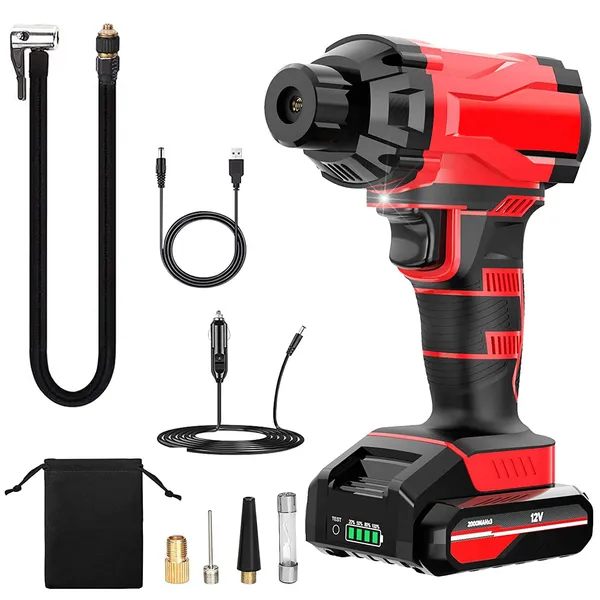 150PSI Cordless Car Tire Pump 6000mAh Rechargeable Inflator 12V Portable Electric Air Compressor With LED Light For Car$76.99View on Mallflare
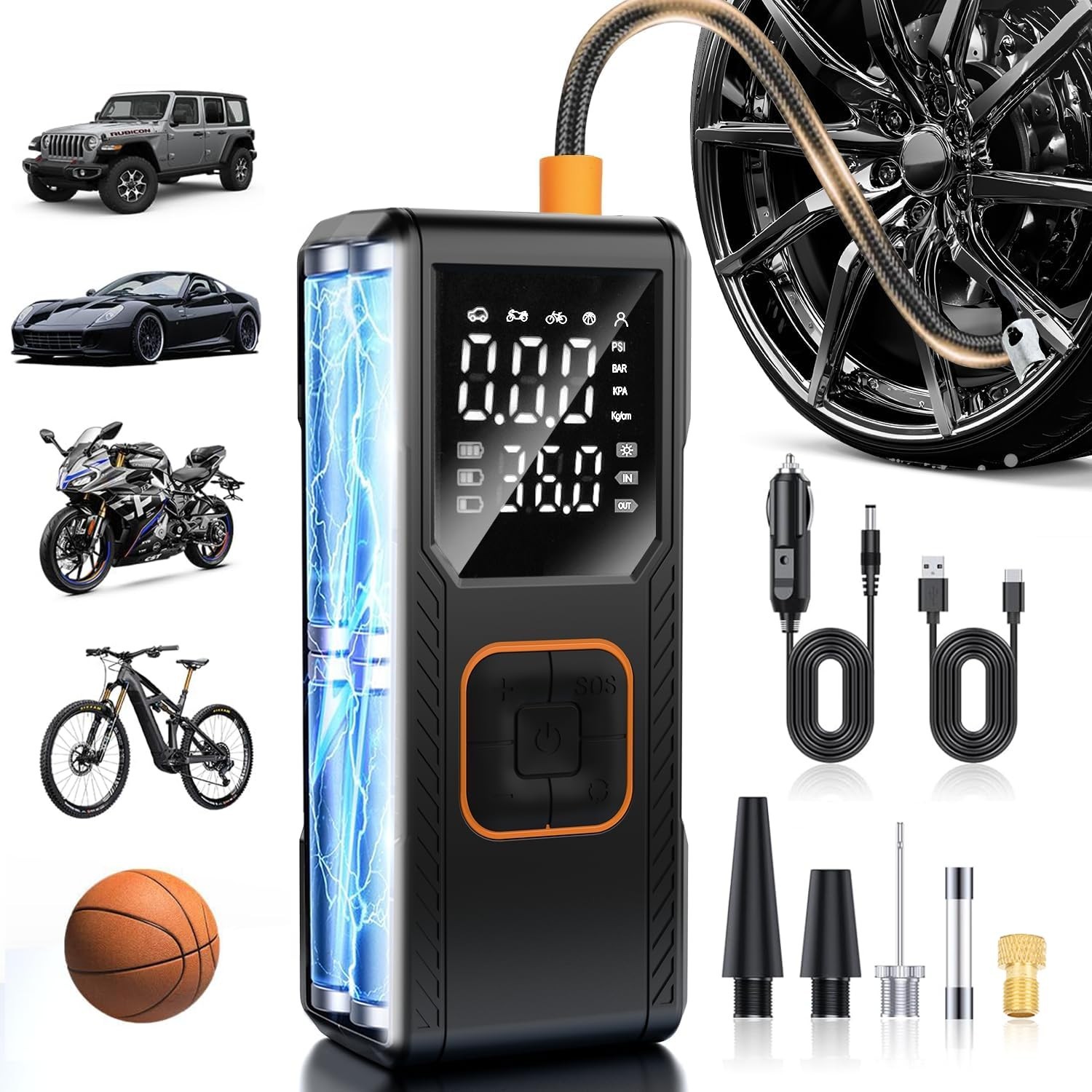 Tire Inflator Portable Air Compressor, 150PSI Cordless Air Pump For Car Tires...$36.08View on eBay
Highlights
- Pressure ceiling of 150 PSI suits car, motorcycle, and bike tires; trailer and light-truck tires need 100+ PSI with higher flow, which most compact inflators reach only slowly.
- Auto shutoff with a digital gauge removes over-inflation risk; analog dial units require manual monitoring and are less accurate at low bicycle pressures.
- Battery capacity in the 6000mAh range fills roughly 4-6 car tires from 30 to 35 PSI; bare-tool models run until the shared pack depletes and can use larger packs for more fills.
- Metal cylinder and gear construction handles heat better than all-plastic pumps, which overheat and slow during multi-tire top-offs; duty cycle is the real durability metric.
Best use cases
- Best fit for a daily commuter or one-car household: a 150 PSI auto-shutoff unit with built-in 6000mAh battery and LED light covers monthly top-offs and emergency fills without wiring.
- Choose a bare-tool inflator if you already own a power-tool battery platform; the shared pack delivers more runtime and avoids a proprietary charger, but you must buy the battery and charger separately if not owned.
- Skip compact cordless inflators for RV, trailer, or light-truck tires above 80 PSI; their low flow rate and short duty cycle make multi-tire fills slow and heat-stress the pump, so use a 12V high-flow or dual-cylinder corded compressor instead.
Buying tips
- Match the pressure rating to your tire: 150 PSI covers car, motorcycle, and bike; for tires above 80 PSI choose a unit with a stated high flow rate and longer duty cycle, not just a 150 PSI label.
- Prefer auto shutoff with a digital gauge that reads in 0.1 PSI increments; this is essential for bicycle tires at 80-120 PSI and for low-pressure off-road tires where a few PSI matters.
- Check the battery architecture: built-in lithium packs are convenient but non-replaceable, while bare-tool models use your existing 18V/20V packs and give longer runtime and replaceable power.
- Confirm the hose and chuck: a threaded Schrader/Presta chuck and a hose long enough to reach all four valve stems without stretching prevents bent valves and poor seals.
Specs
| Max Pressure | 150 PSI typical; 100+ PSI needed for LT |
|---|---|
| Power Source | Built-in Li-ion vs bare-tool 18V/20V |
| Auto Shutoff | Digital gauge with preset cutoff |
| Duty Cycle | Continuous vs 10-15 min on/off |
Related searches
What to check before buying
- Measure your tire's maximum cold pressure on the sidewall; ensure the inflator's rated pressure exceeds it with margin and that its flow rate suits your tire size.
- Verify the valve type: Schrader for cars and most bikes, Presta for road bikes; confirm the included chuck or adapter fits without tools.
- For bare-tool models, confirm your existing battery platform and charger are compatible, and budget for a battery and charger if you own none.
- Check the duty cycle and cordless runtime: if you routinely fill more than four tires in one session, choose a larger battery or a corded high-flow compressor.
FAQ
Data sources: eBay / Amazon listings and product attribute feeds Data updated Nov 15, 2026.
Some links on this page are affiliate links. If you buy after clicking one, we may earn a commission at no extra cost to you. This does not change which products appear here or their order. Affiliate disclosure.