Photos from current listings. Actual item, color, and included accessories may vary.
Strut Buying Guide
Struts are structural suspension assemblies combining a coil spring and hydraulic damper into one unit, and the core trade-off is bare shock (reusing worn springs/mounts) versus complete quick-strut assembly (new spring, mount, boot, and bearing). Buy a complete assembly for any vehicle over 80,000 miles or with visible spring corrosion; choose a bare strut only when springs and upper mounts are verified serviceable.


At a glance
- Category
- Suspension, Steering & Brake Parts
- Data updated
- Nov 15, 2026
Current offers
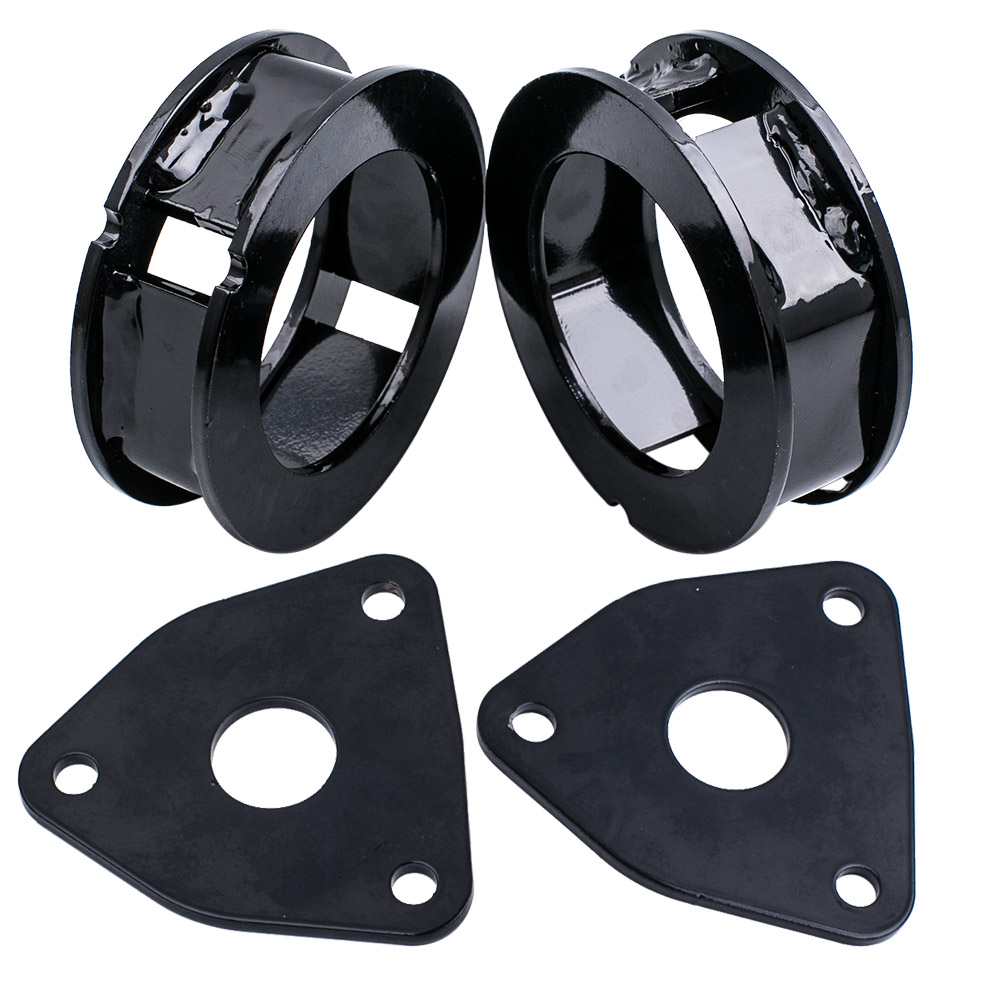 2.5'' Front Leveling Kit fit for Dodge Ram 1500 2012-2018 4x4 Strut preload spacers$84.99
 View on Mallflare
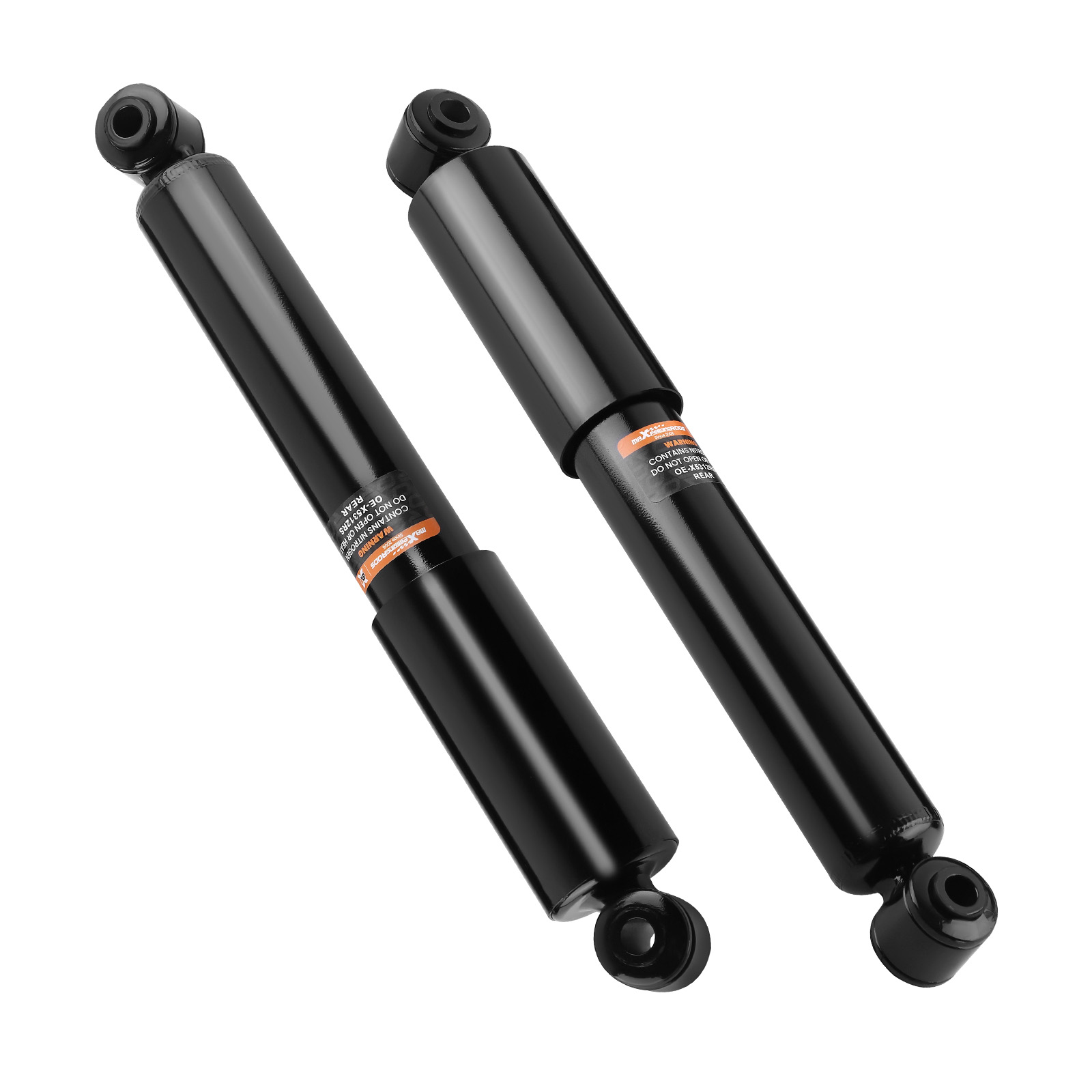 Suspension Quick Complete Rear Strut fit for Chrysler Town & Country 2008-2016$85.99View on Mallflare
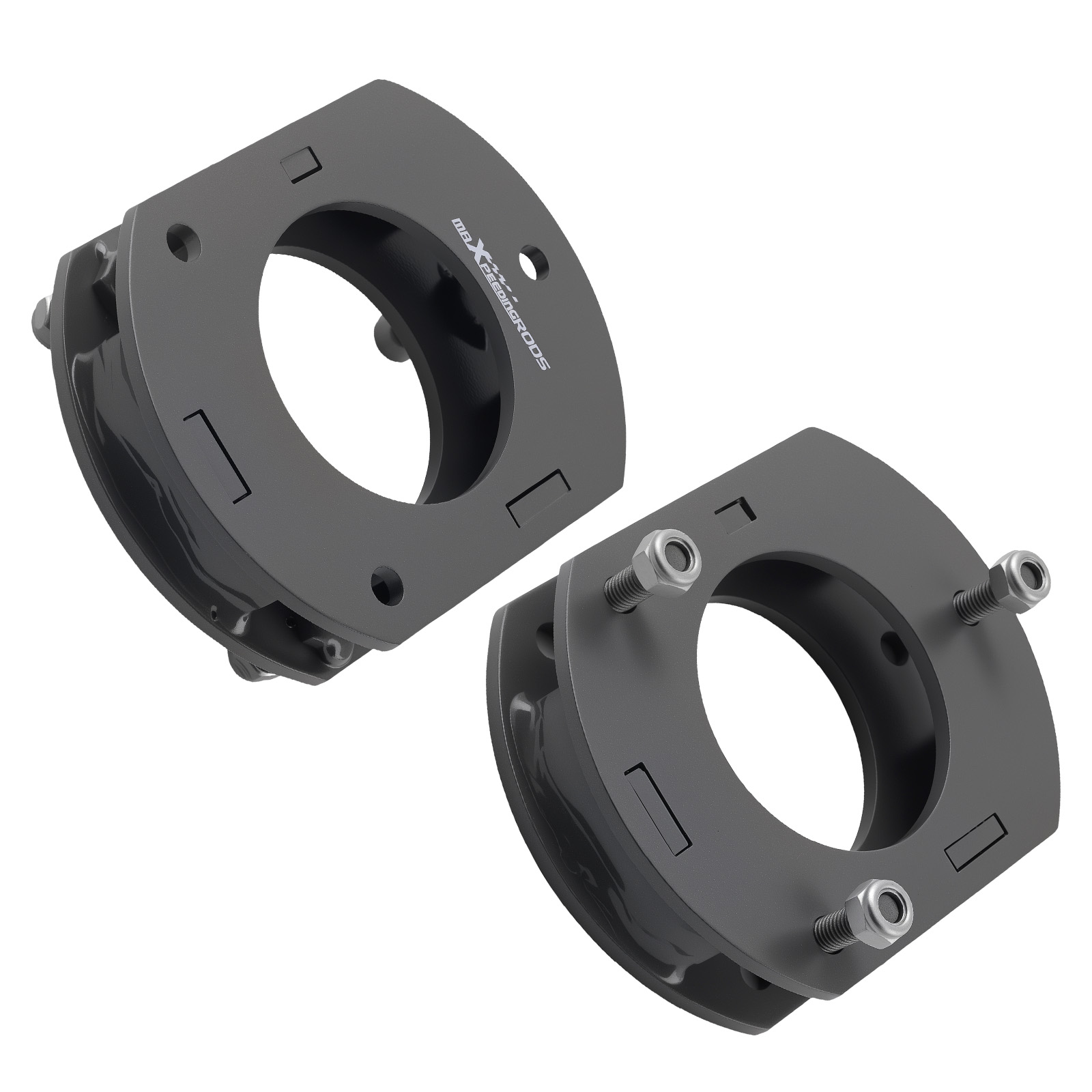 2in Front Leveling Lift Kit fit for Jeep Grand Cherokee WK2 11-22 W/Strut Spacers$88.99View on Mallflare
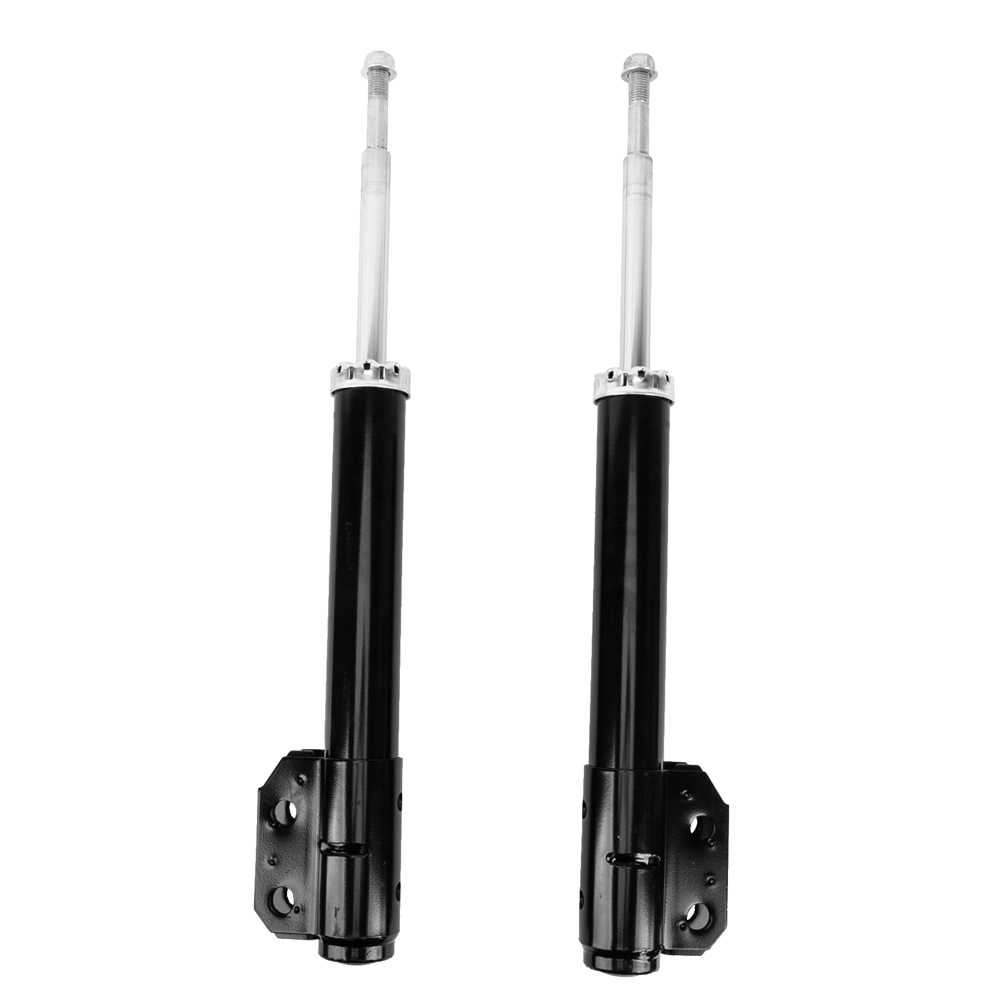 Front Pair ( R & L ) Shocks Struts For 1994-2004 Ford Mustang 3.8L 3.9L 4.6L$98.99View on Mallflare
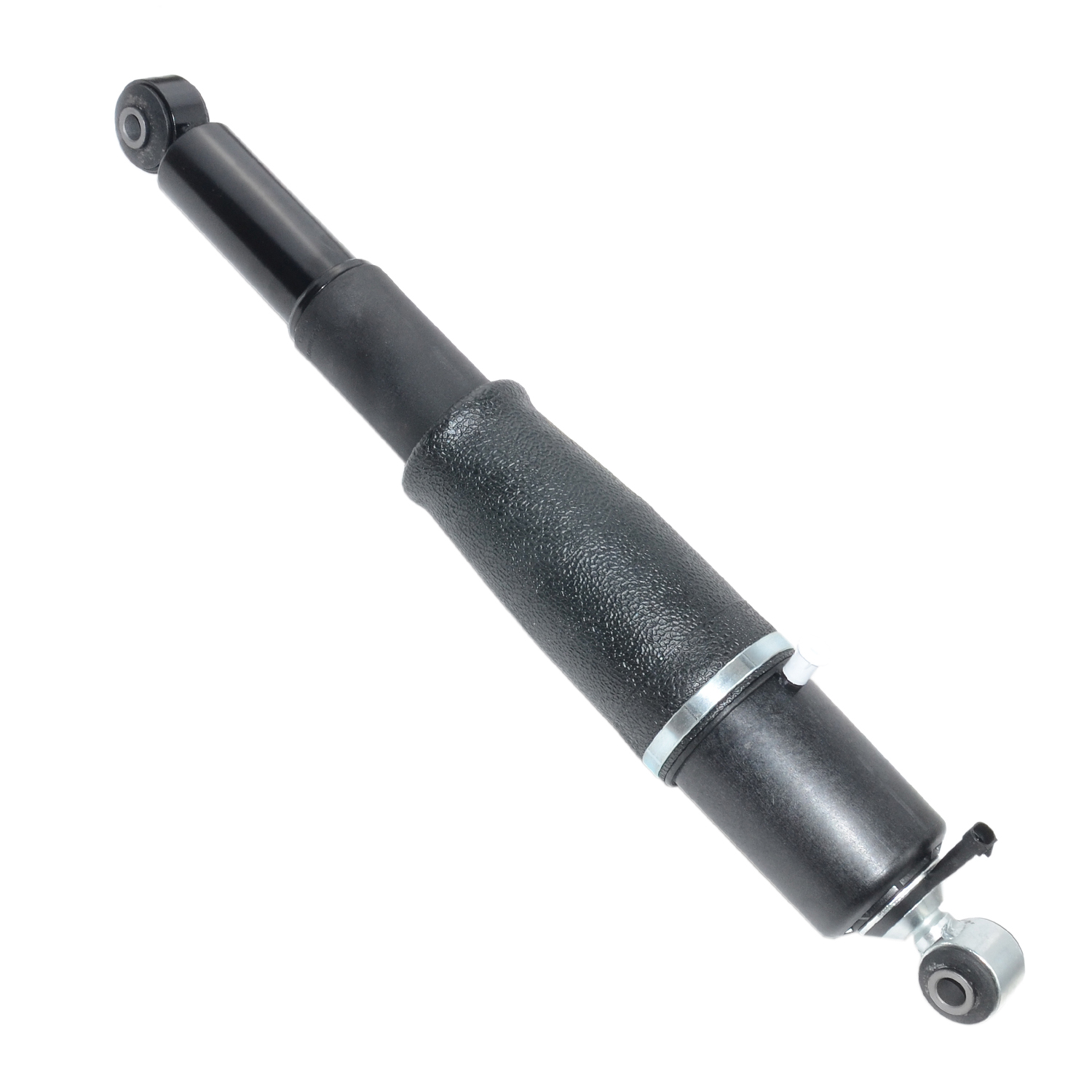 Rear Air Suspension Strut Shocks 19302786 25871432 23487280 For Cadillac Escalade Chevrolet Avalanche GMC Yukon$100.99View on Mallflare
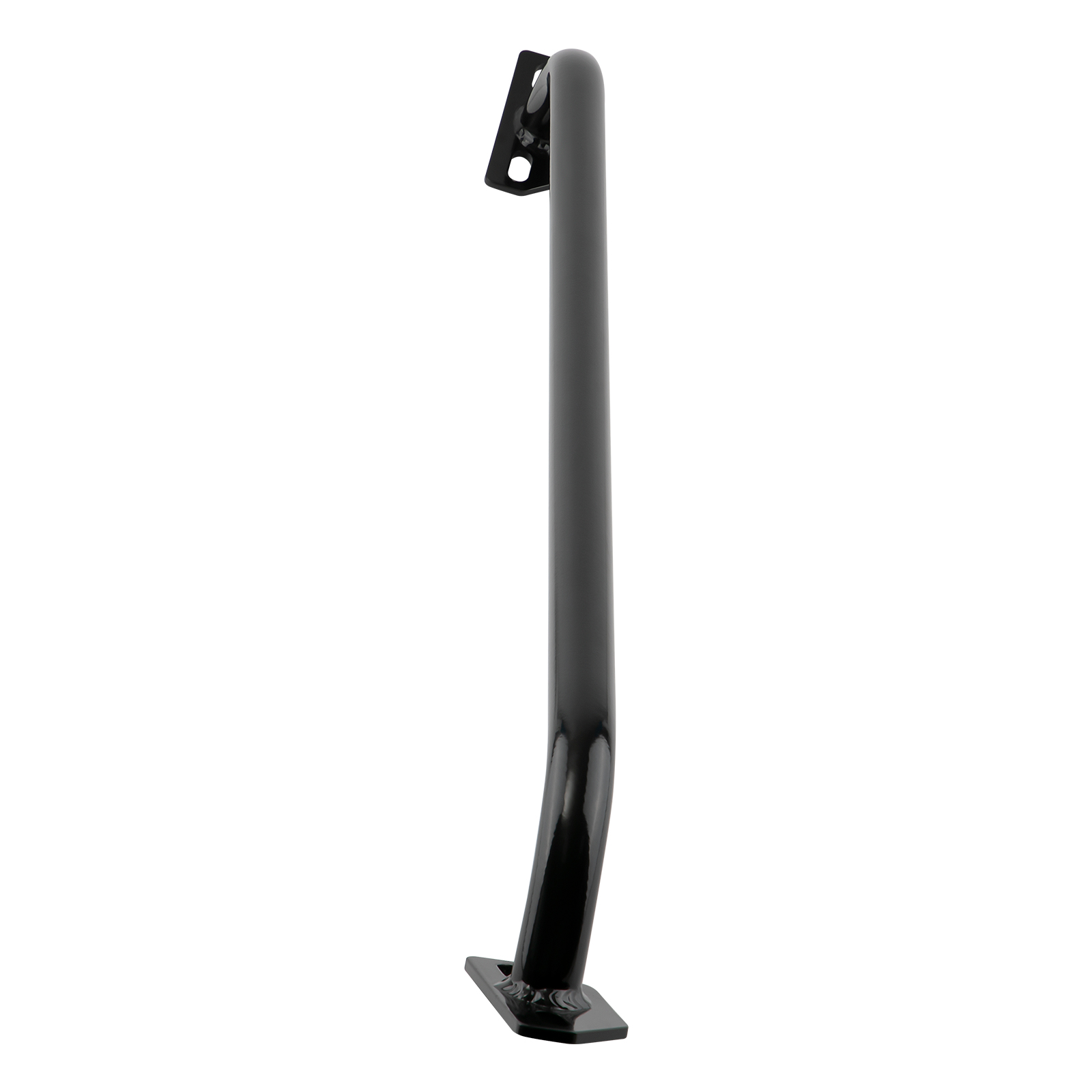 Front Upper Strut Tower Bar / Arm Single Heavy Duty Brace Fit for Chevrolet Camaro F-BODY V8 1993-2002$108.99View on Mallflare
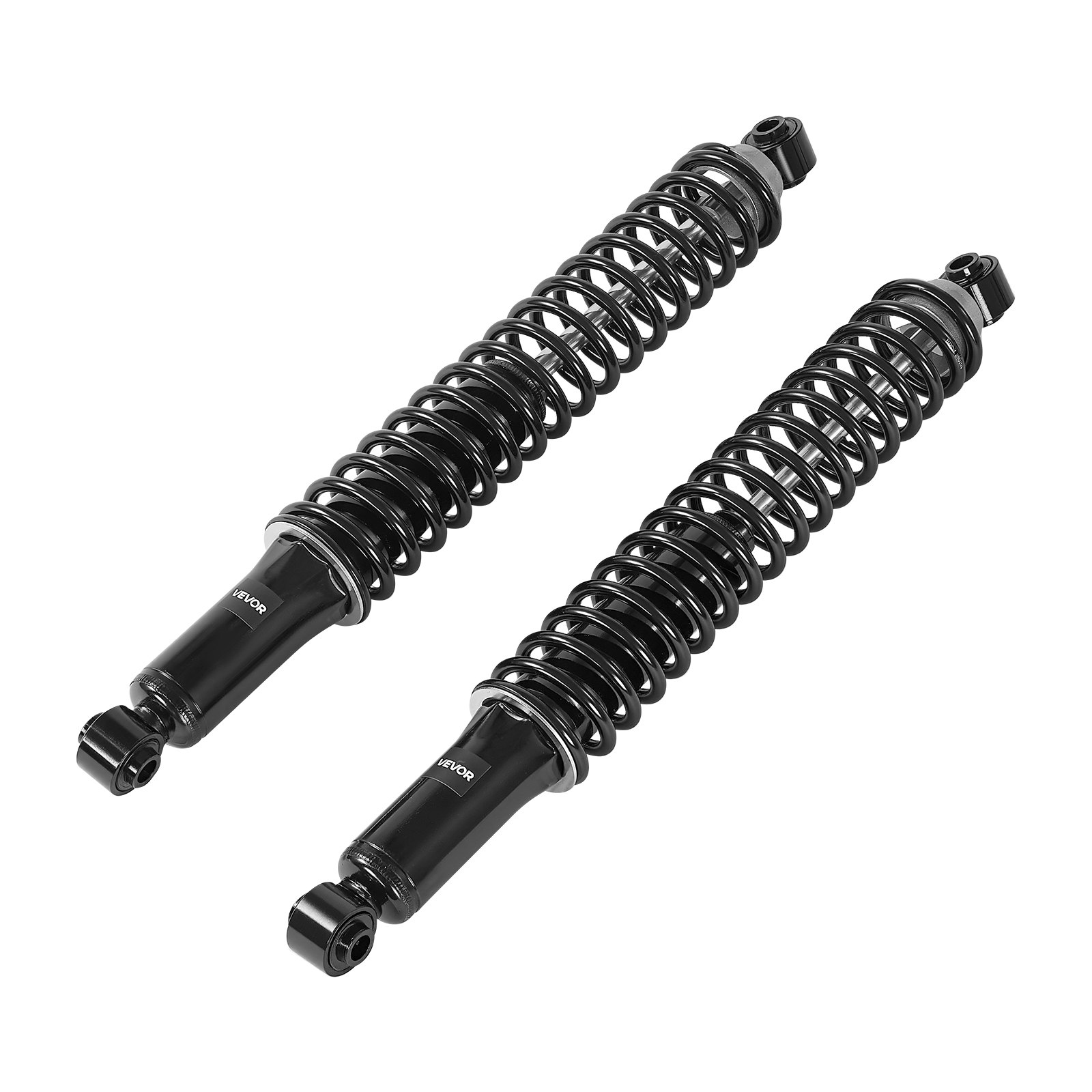 Rear Shock Absorber Strut Assembly, 2Pcs And With Coil Spring, Fit 2000-2006 Chevrolet Suburban 1500, Tahoe, GMC Yukon, Replace For OE 58639$114.99View on Mallflare
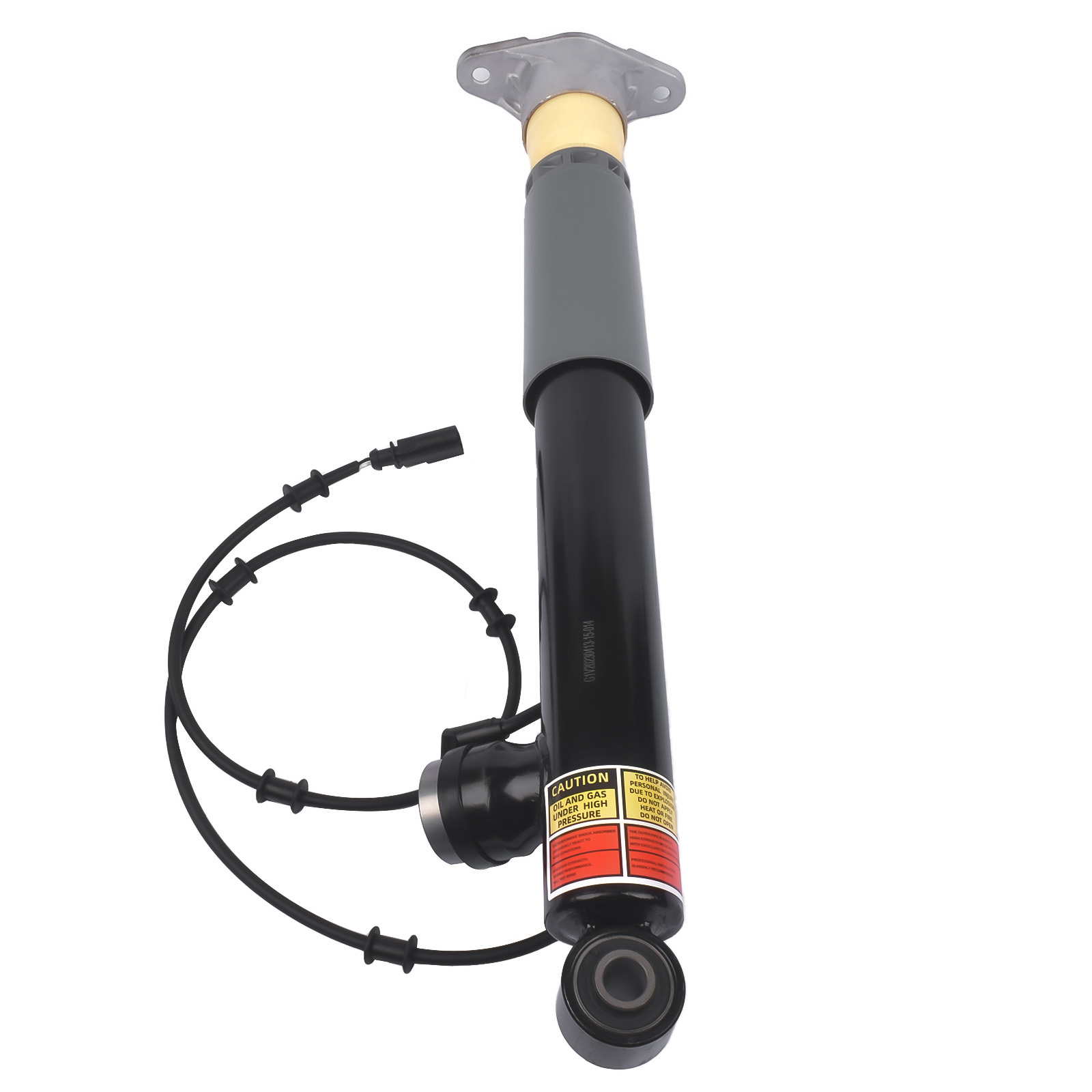 Rear Right Shock Absorber Strut with Electric Fits for Hyundai Equus 2011-2016 Genesis 2007-2016 554113N510 553213M500 553203M550$118.99View on Mallflare
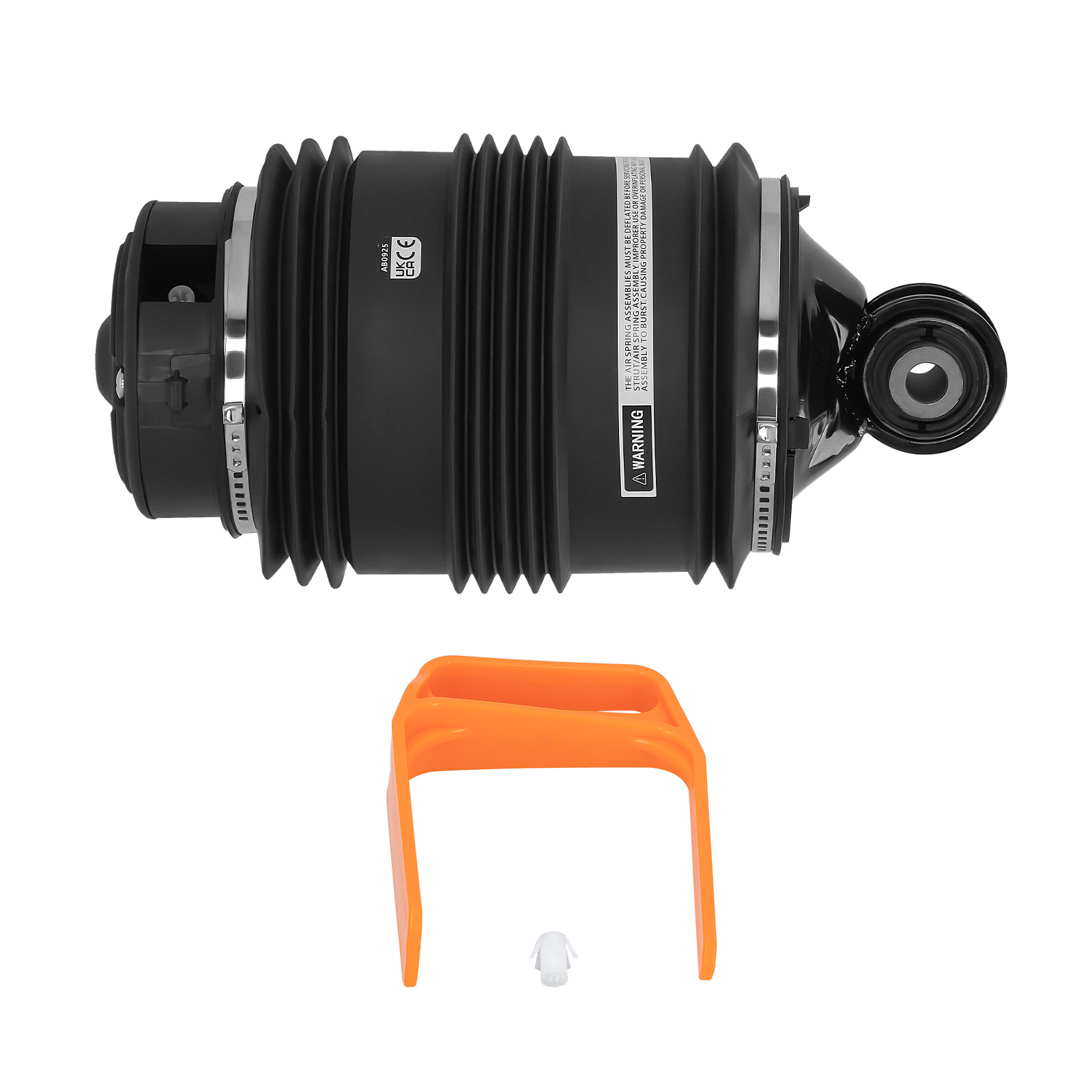 Rear Air Suspension Bellows Strut Bag fit for Mercedes-Benz E-class S211 A2113200925$127.99View on Mallflare
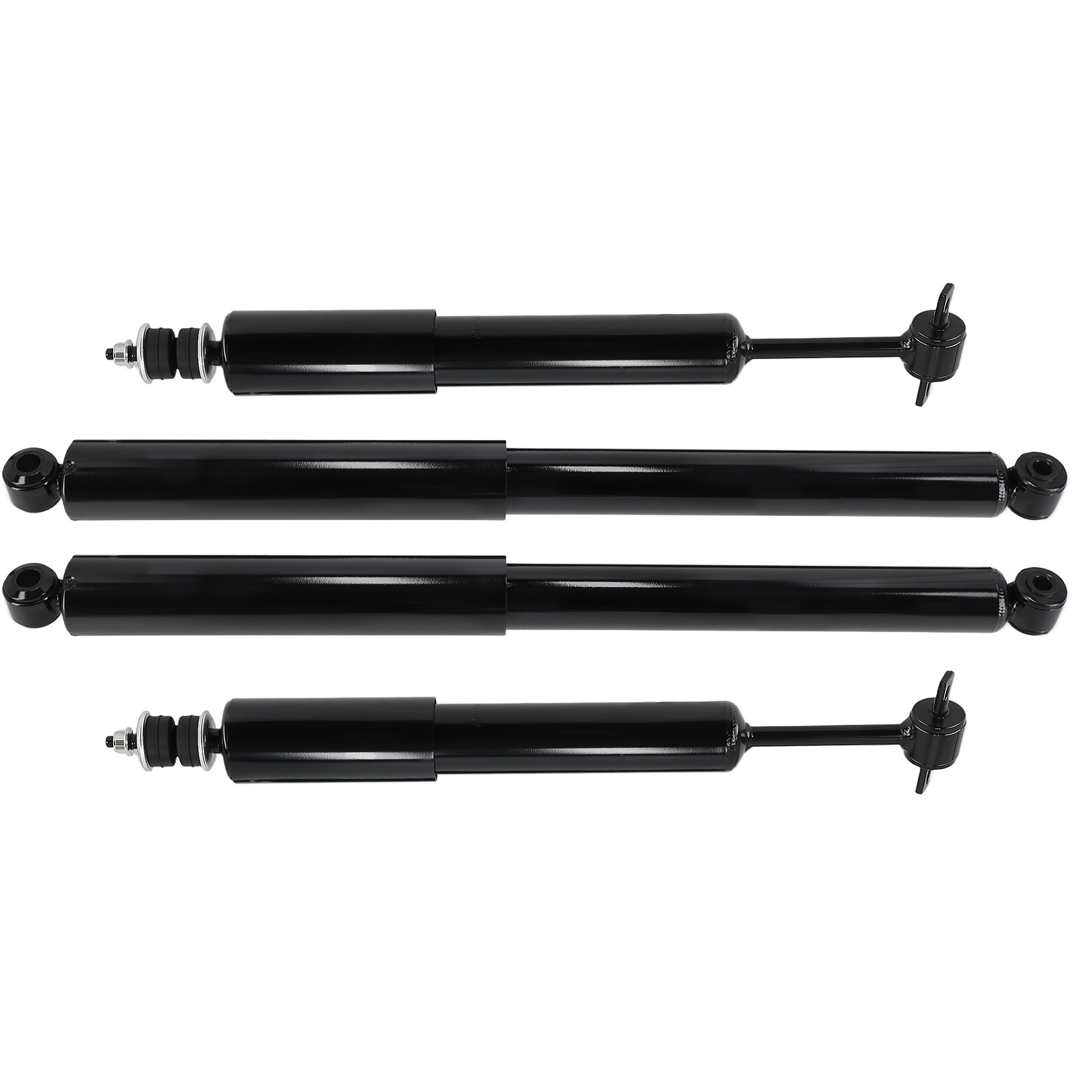 MaXpeedingrods Front Rear Complete Strut fit for Mazda B3000 B4000 1998-2009$131.99View on Mallflare
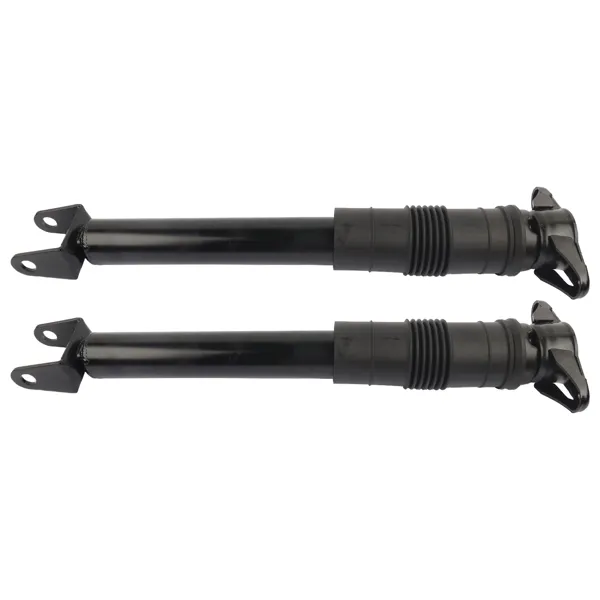 2x Rear Suspension Strut Shocks For 2011-2015 Dodge Durango Jeep Grand Cherokee$138.99View on Mallflare
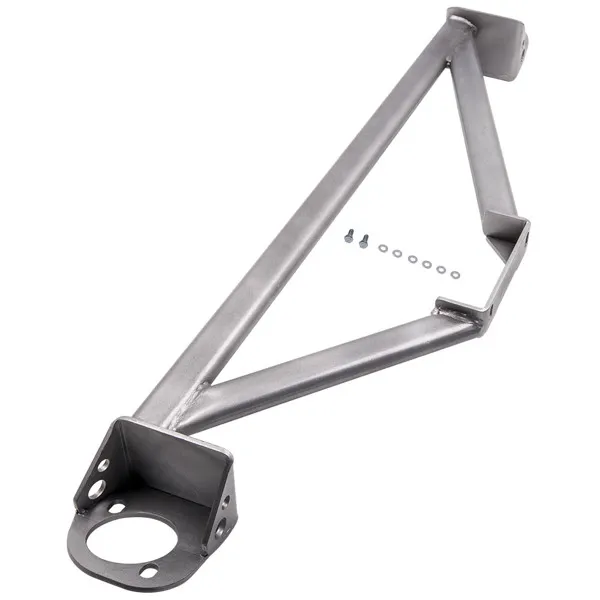 Front Upper Strut Bar Brace for Honda Civic EG EK Integra DC2 1992-2000 For CRX Del Sol$142.99View on Mallflare
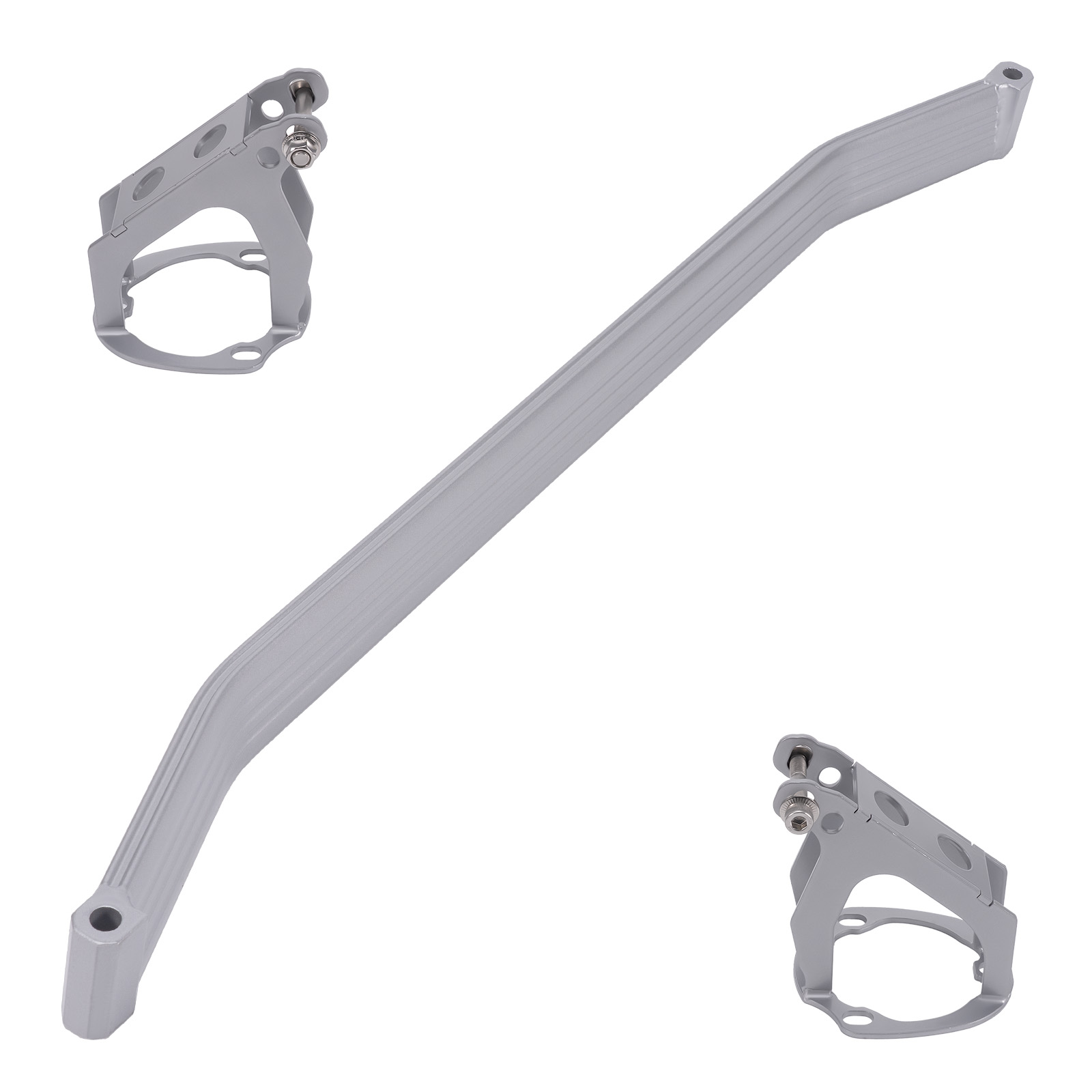 Front Upper Suspension Strut Bar Tower Brace Fit for Lexus IS250 IS350 2006-2013$151.99View on Mallflare
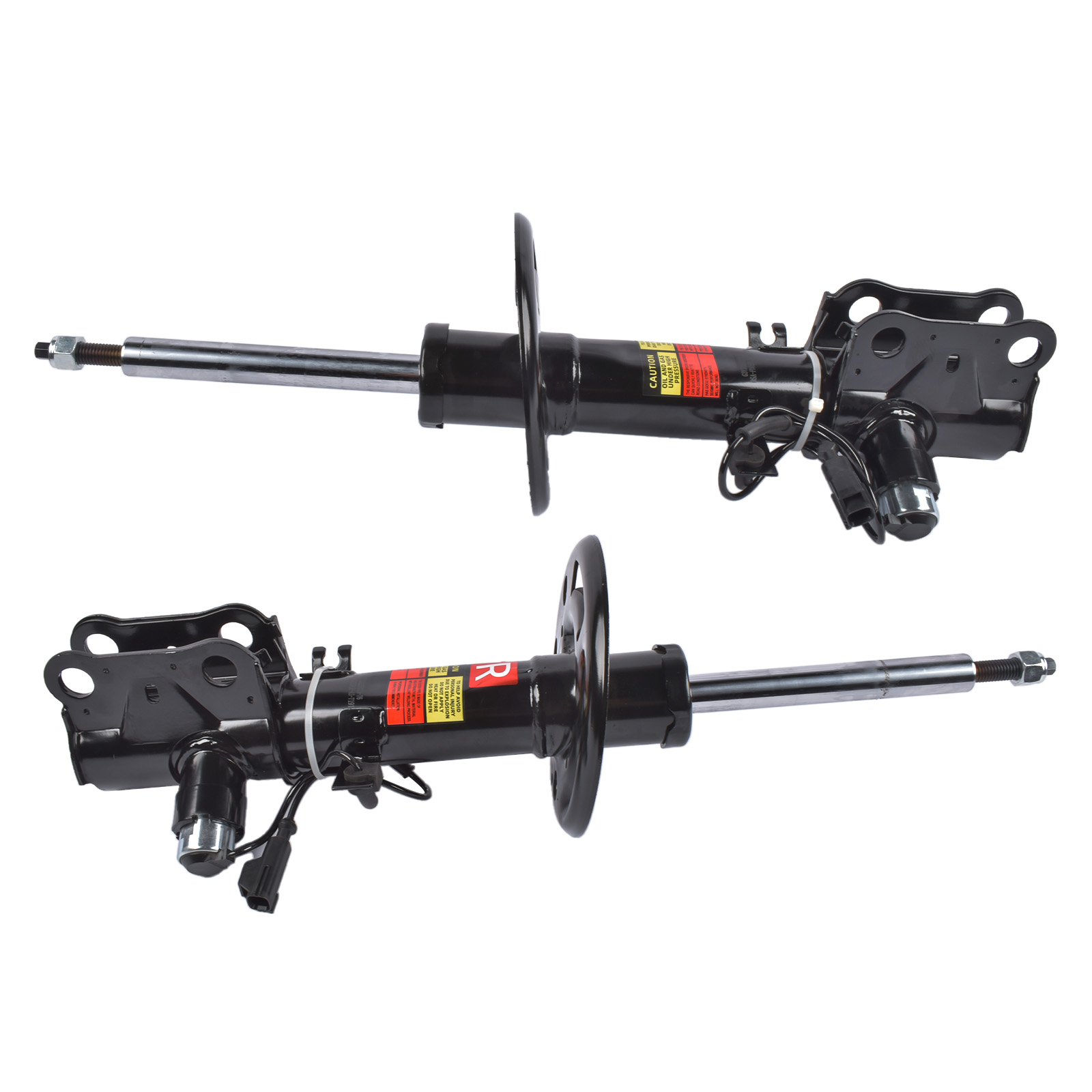 Pair Front Shock Absorber Struts w/Electric Replacement for Lincoln MKS 2013-2016 DA5Z18124K DA5Z18124J$152.99View on Mallflare
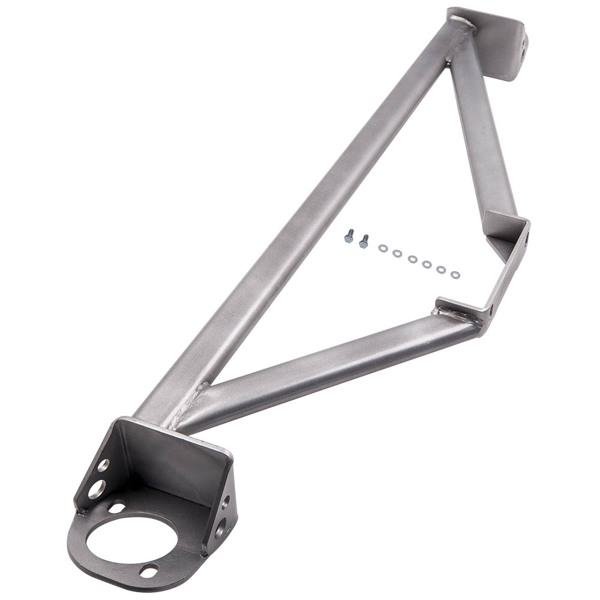 Front Upper Strut Bar Brace For Civic EG EK Integra DC2 1992-2000 For CRX Del Sol$155.99View on Mallflare
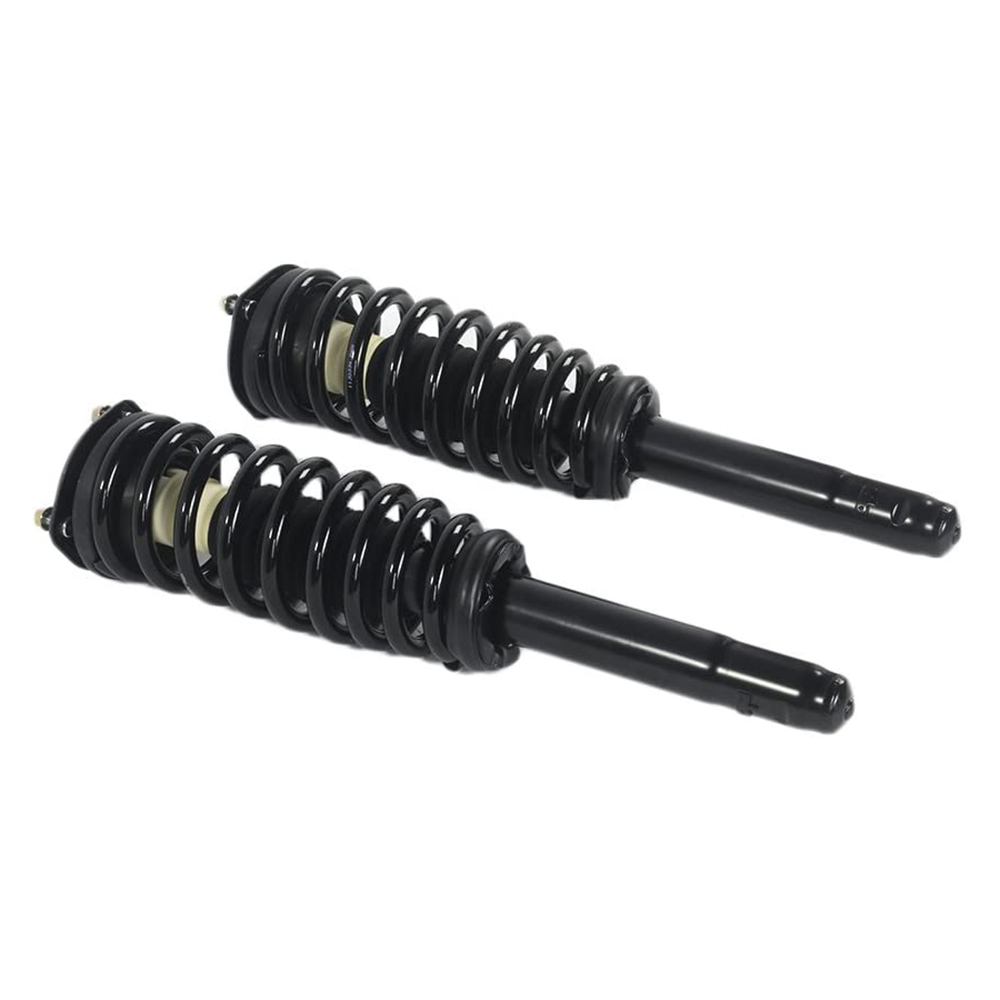 Pair Front Complete Strut Shock Absorber Assembly 172596 fit for 2006 2007 2008 2009 2010 2011 2012 Fusion$160.99View on Mallflare
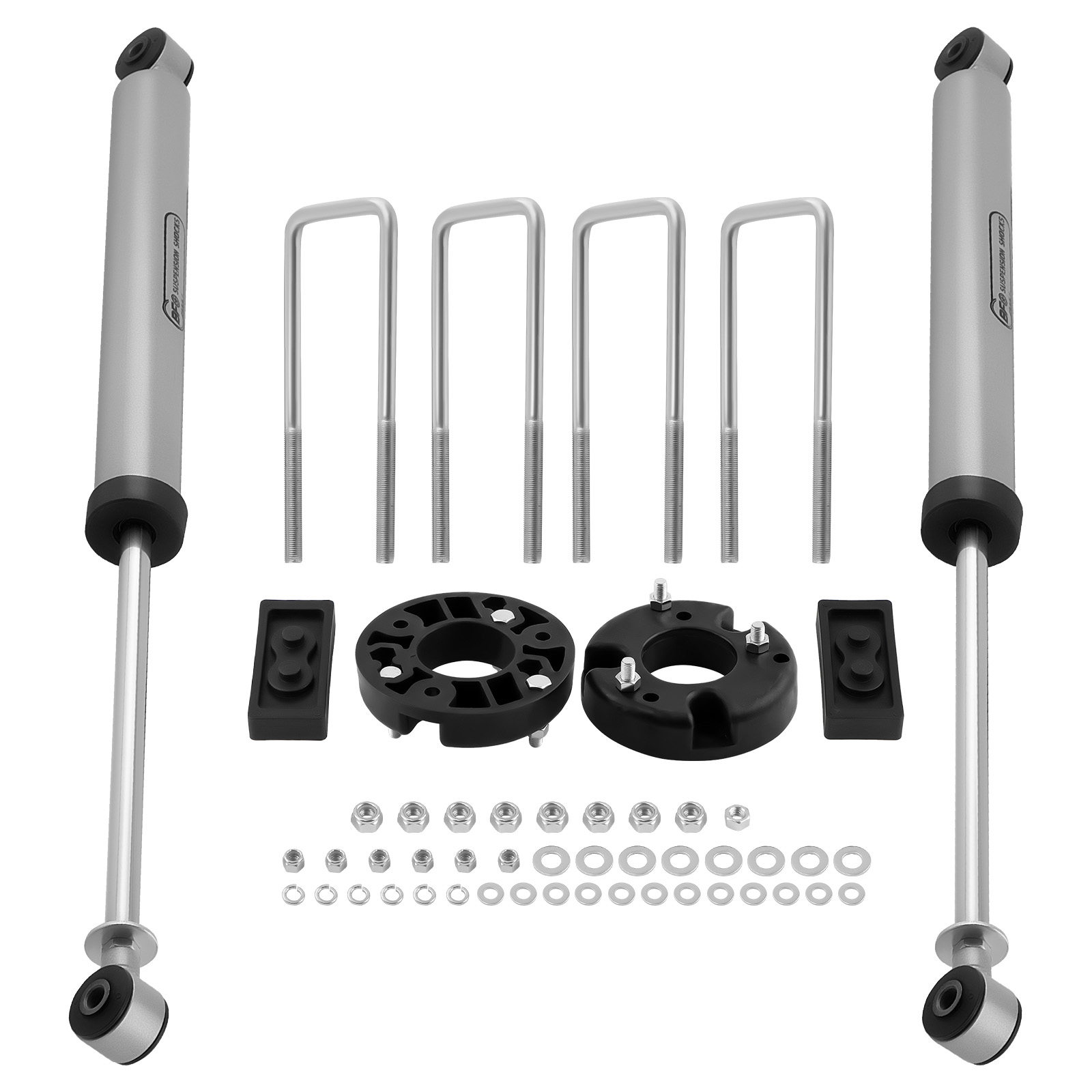 2 inch Leveling Lift Kit fit for Ford F150 2009-2020 Strut Extensions & Shocks$175.99View on Mallflare
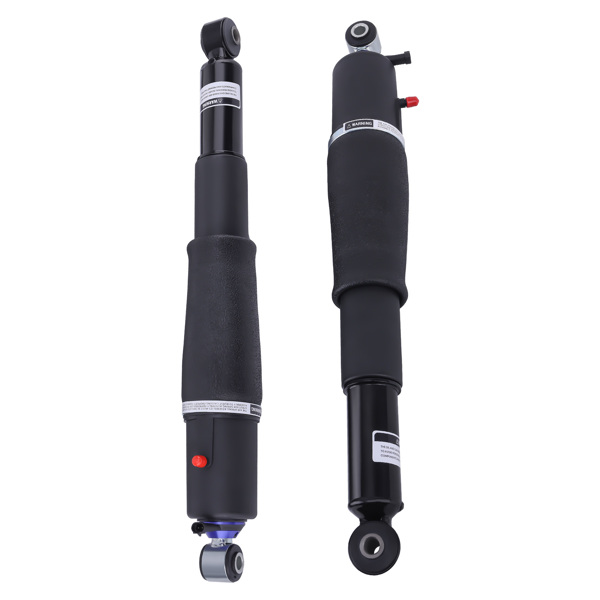 2x Rear Pair Air Suspension Shock Strut Fit For Cadillac Escalade Chevrolet Avalanche Suburban 1500 Tahoe GMC Yukon 2000-2014$180.99View on Mallflare
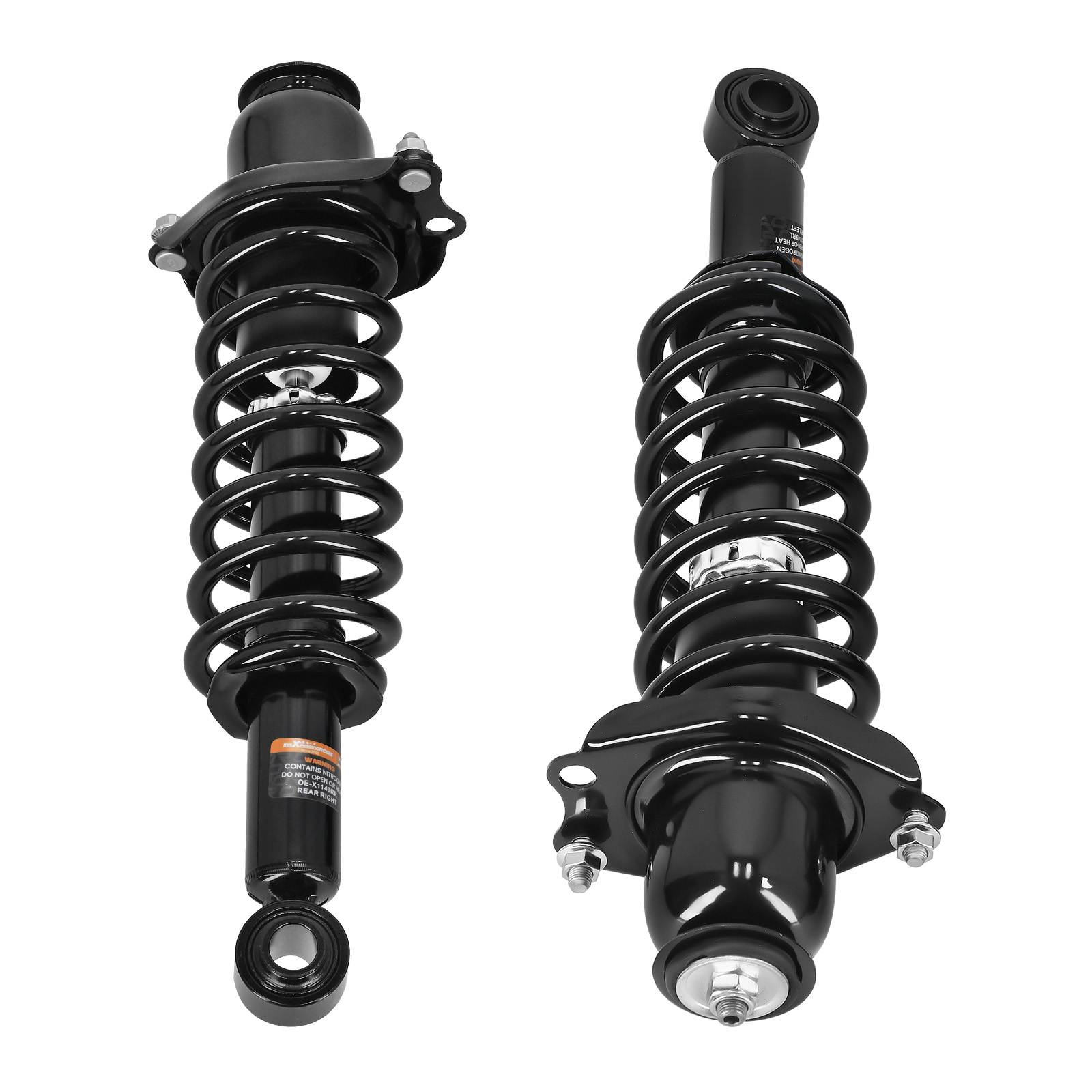 Pair Rear Complete Struts Shocks Absorber Assembly fit for Toyota Corolla 2014-2019$181.99View on Mallflare
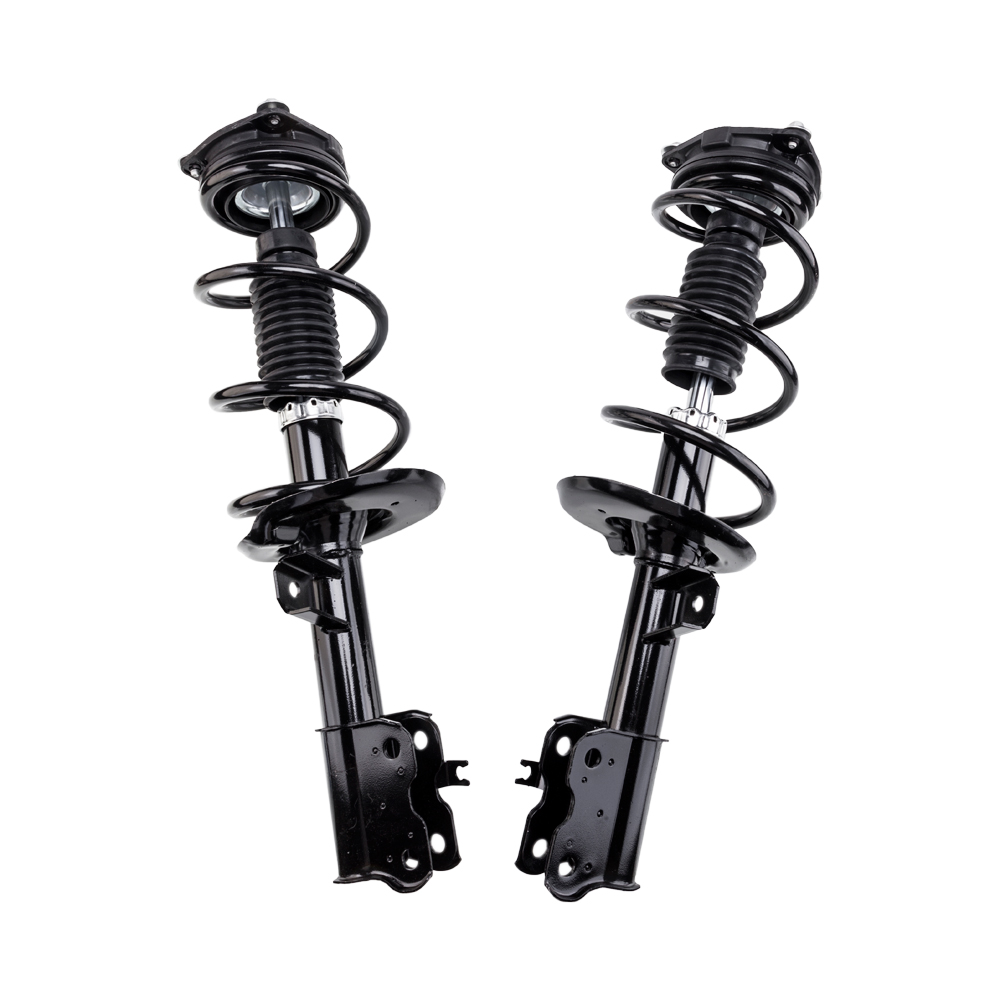 2Pcs Front Complete Struts W Springs Mounts For 08 09 10 11 12 Nissan Rogue$186.99View on Mallflare
Highlights
- Complete assemblies ship pre-assembled with coil spring, upper mount, bearing, and dust boot; bare struts require a spring compressor and separate mount purchase.
- Gas-charged monotube struts deliver firmer damping and better heat dissipation than twin-tube; OE replacements are typically twin-tube for ride compliance.
- Electronically adjustable struts (Hyundai Equus, Cadillac Escalade air/magneride) must match the OEM control protocol or trigger dash faults.
- Strut preload spacers (2–2.5 in) lift ride height without changing spring rate; full lift kits with longer struts are required beyond 2.5 in to preserve travel.
Best use cases
- Daily-driven sedan or SUV past 80,000 miles: buy complete quick-strut pairs per axle — skip bare struts to avoid reusing fatigued springs and cracked mounts.
- Lifted truck/Jeep under 2.5 in: use strut preload spacers only; for 3 in or more, buy extended-travel struts to prevent topping out the damper.
- Air-suspension luxury SUV (Escalade, Yukon, Avalanche): replace with air struts matched to the OEM compressor and ride-height sensors — passive coils disable auto-leveling.
- Performance or track use: choose monotube struts with matched spring rates; stock twin-tube units fade under repeated high-load cycles.
Buying tips
- Replace struts in pairs per axle: mismatched damping left-to-right causes uneven tire wear and unpredictable handling.
- Match the strut to the exact trim and drivetrain — AWD, sport suspension, and magnetic ride packages use different lengths and valving.
- For 2–2.5 in leveling, use steel or billet aluminum preload spacers; plastic spacers deform under load and are a false economy.
- On air-to-coil conversions, verify spring rate supports the vehicle's curb weight plus payload; undersprung conversions sag and bottom out.
Specs
| Assembly Type | Complete quick-strut vs bare shock |
|---|---|
| Damper Design | Twin-tube (OE ride) vs monotube (firm) |
| Adjustability | Passive / electronic / air-leveling |
| Lift Compatibility | Stock to 2.5 in spacers; longer struts above |
Related searches
What to check before buying
- Measure fender-to-ground height at all four corners to confirm stock ride height and detect existing sag before ordering.
- Confirm wheel diameter and tire clearance — 2.5 in strut spacers can cause upper control arm contact on some platforms.
- Check stud pattern and top-mount bolt circle against the new assembly; mismatched mounts require drilling or adapter plates.
- For air or electronic struts, verify the vehicle has the original compressor, height sensors, and wiring intact before install.
FAQ
Data sources: eBay / Amazon listings and product attribute feeds Data updated Nov 15, 2026.
Some links on this page are affiliate links. If you buy after clicking one, we may earn a commission at no extra cost to you. This does not change which products appear here or their order. Affiliate disclosure.