Photos from current listings. Actual item, color, and included accessories may vary.
Brake Caliper Buying Guide
A brake caliper is the hydraulic clamp that squeezes the pads against the rotor to stop the vehicle, and the core trade-off is rebuild-grade OEM replacement versus cheap no-name castings with unknown metallurgy. Durable options use new or remanufactured calipers with correct piston bore and bracket geometry; compromises are bare castings with missing brackets, wrong piston counts, or no corrosion coating. Always match side, position (front/rear), and OEM interchange number before buying.

At a glance
- Category
- Suspension, Steering & Brake Parts
- Data updated
- Nov 15, 2026
Current offers
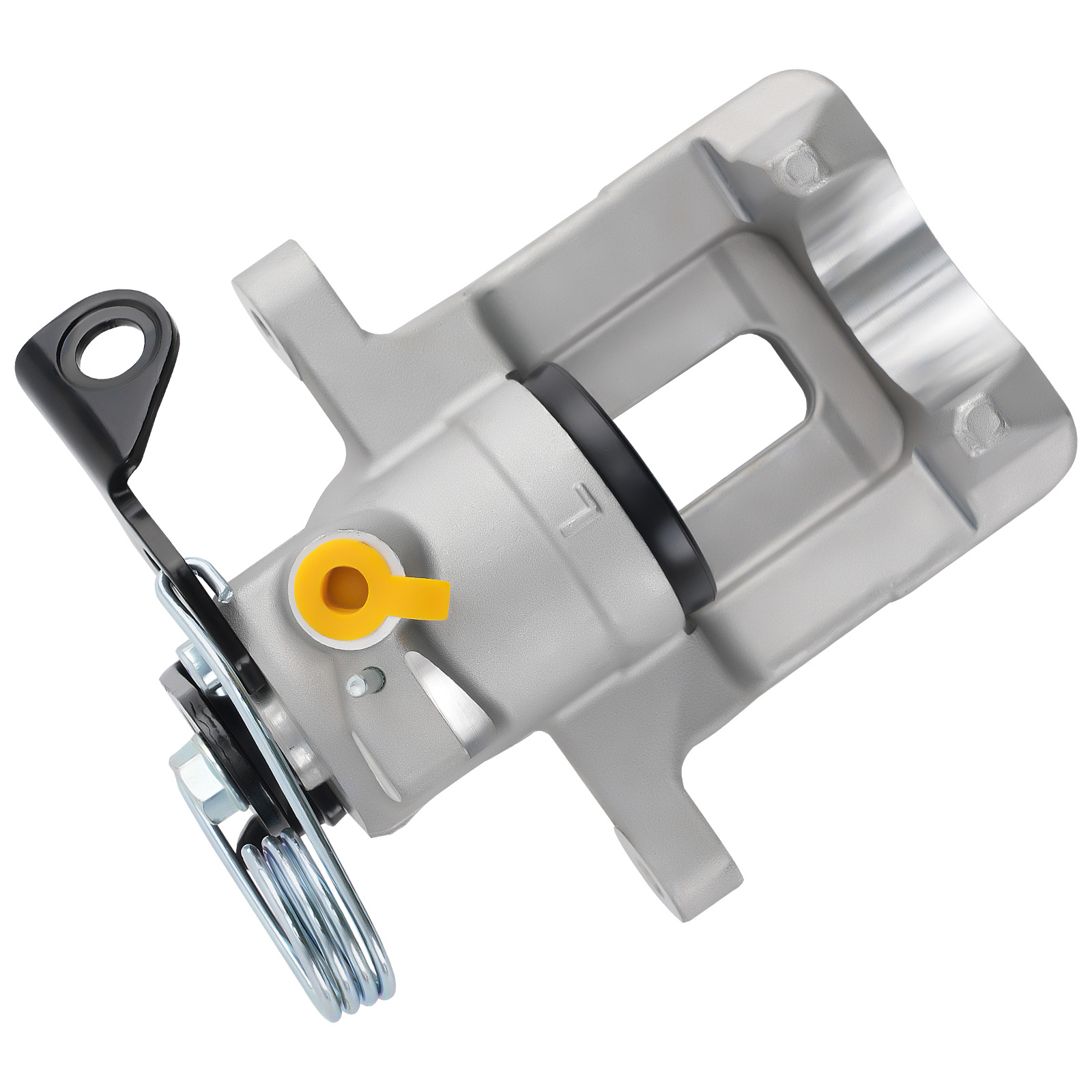 Rear Left Brake Caliper Sliding fit for Audi A6 A4 1998-2005 Passat B5$83.99
 View on Mallflare
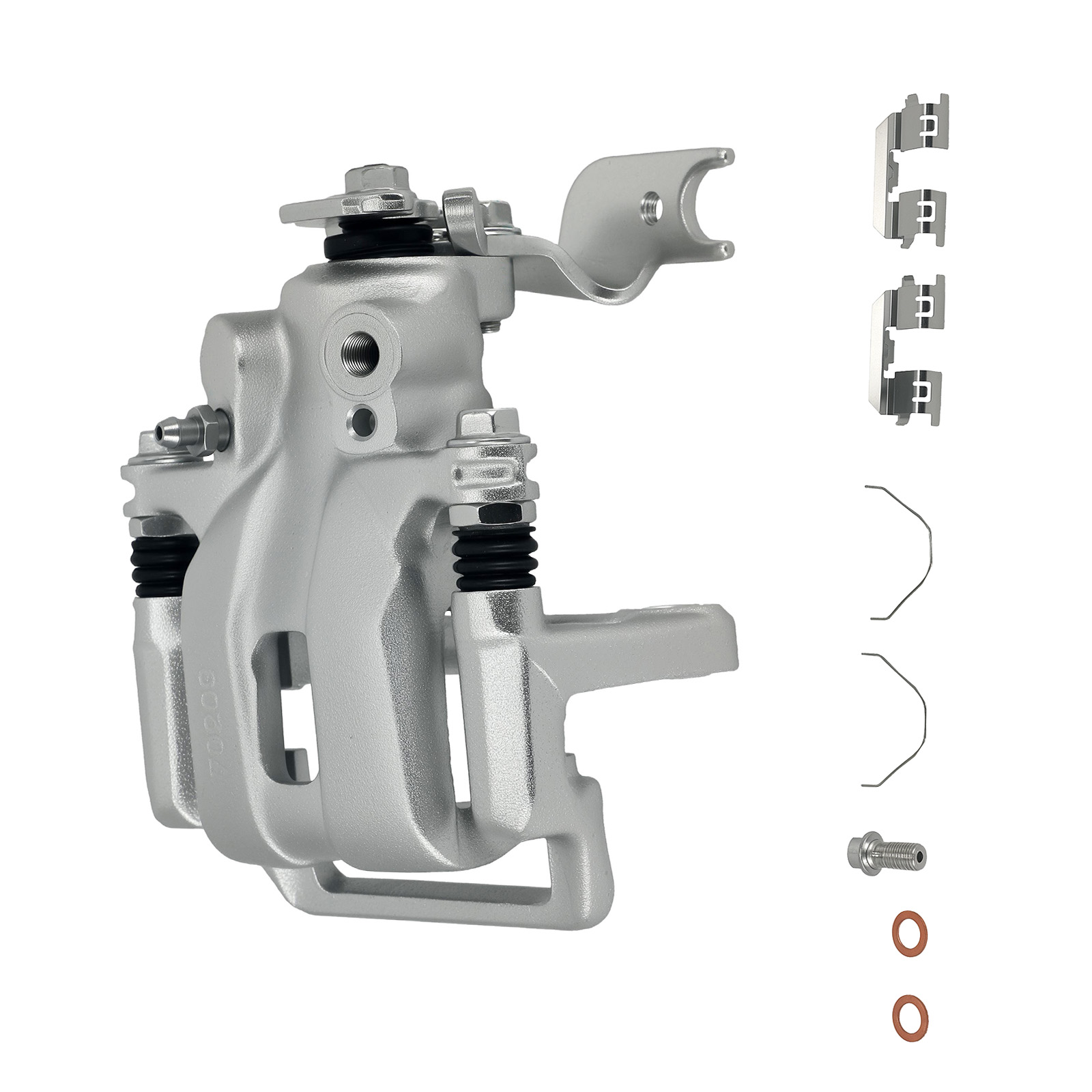 Disc Left Rear Brake Caliper Kit fit for Honda Accord 2013-2017 with Bracket$89.99View on Mallflare
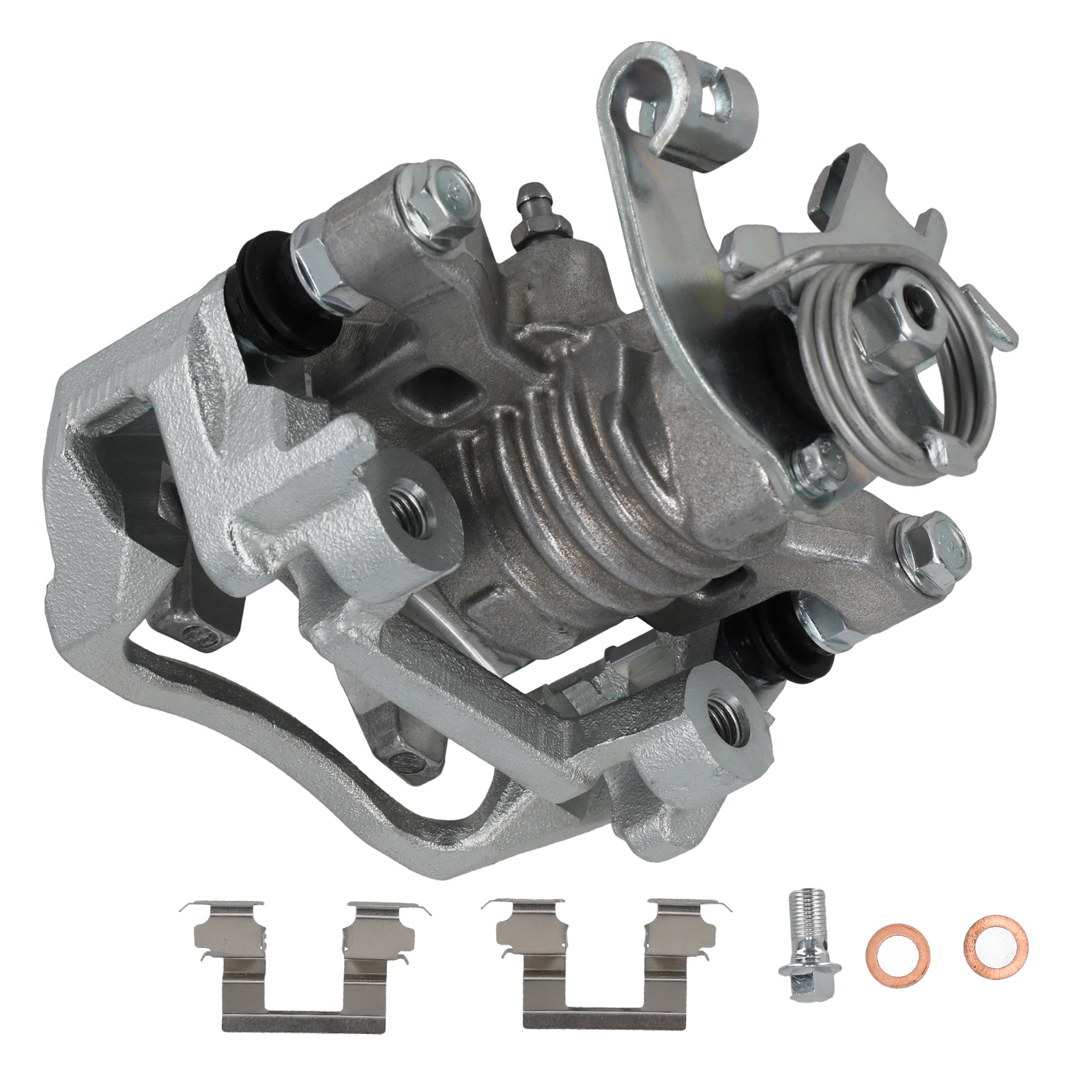 Rear Passenger Side Brake Caliper fit for Pontiac G6 2005-2010 FRC11621 18-B4892$93.99View on Mallflare
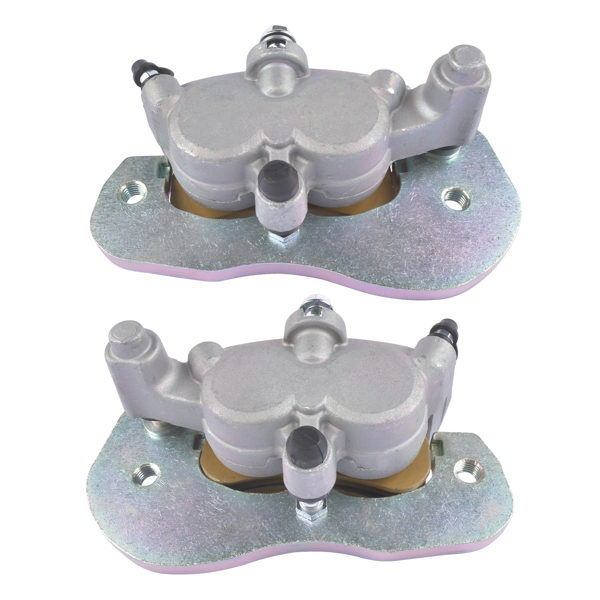 2pcs Front Brake Calipers & Sintered Pads Replacement For Defender Maverick 705601462 705601463$98.99View on Mallflare
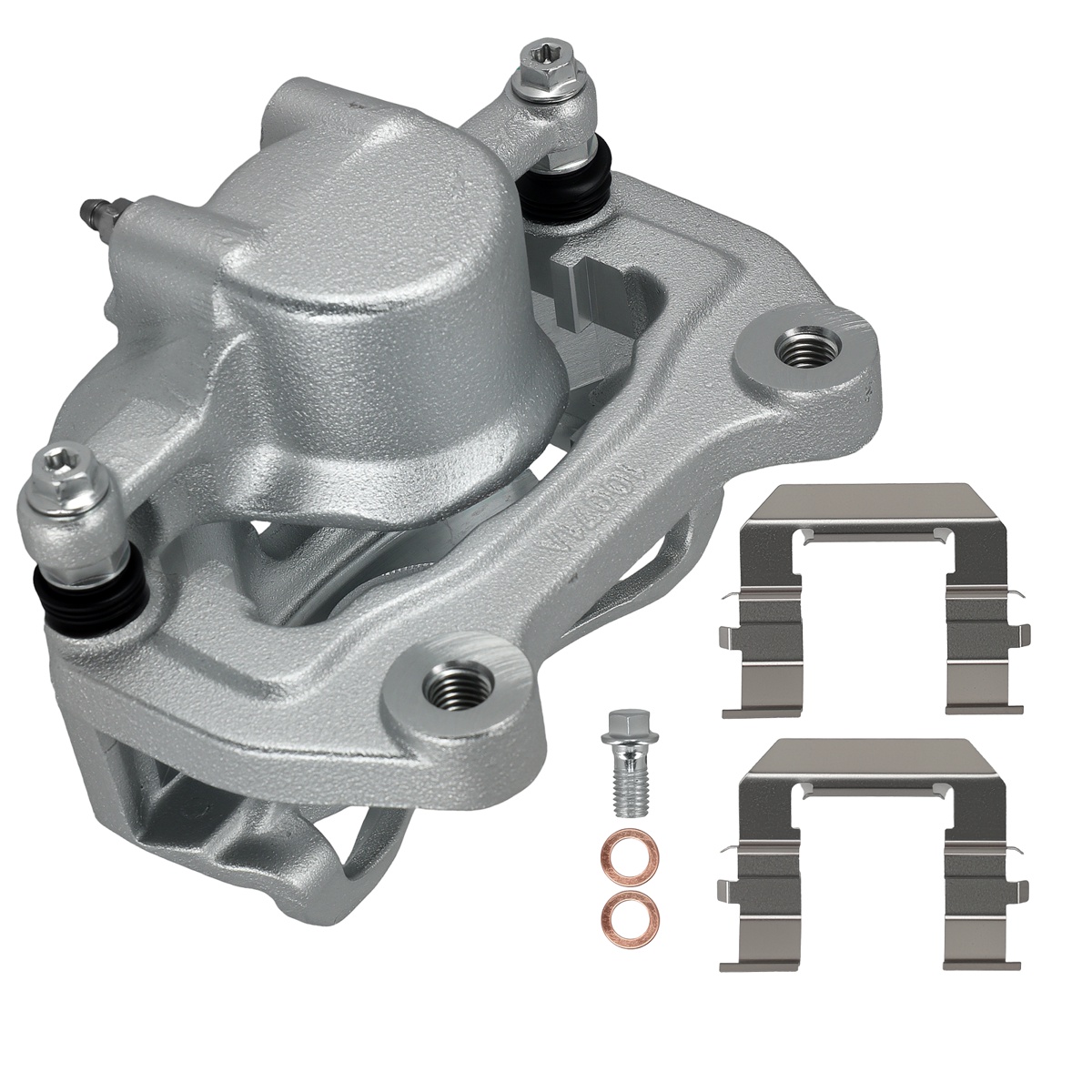 1x Front Left Disc Brake Caliper w/Bracket fit for Buick Allure Cascada LaCrosse$101.99View on Mallflare
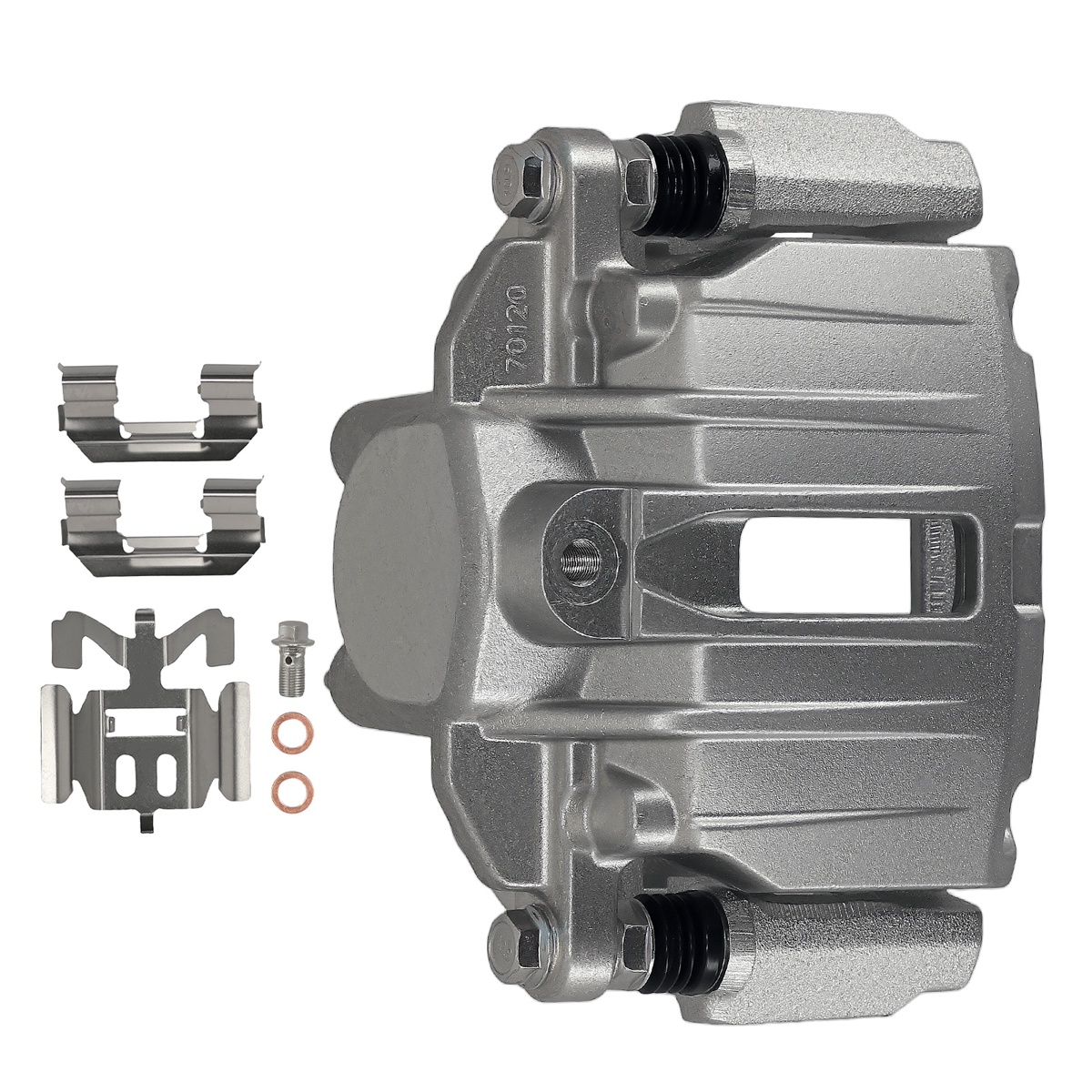 Brake Caliper w/ Bracket Rear Right fit for Cadillac DeVille/Escalade 1999-2002$101.99View on Mallflare
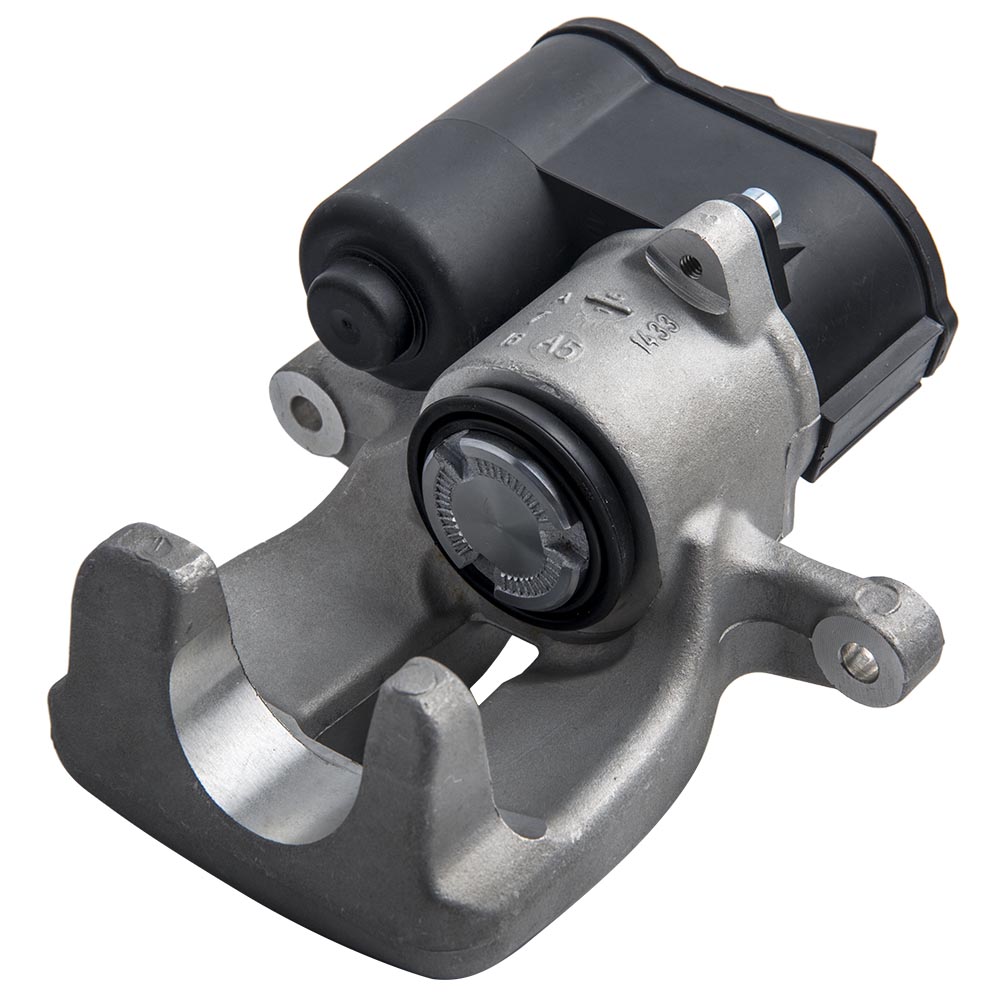 Rear Left Drive Side Electric Brake Caliper fit for VW Passat 3C5 2005-2011 New$117.99View on Mallflare
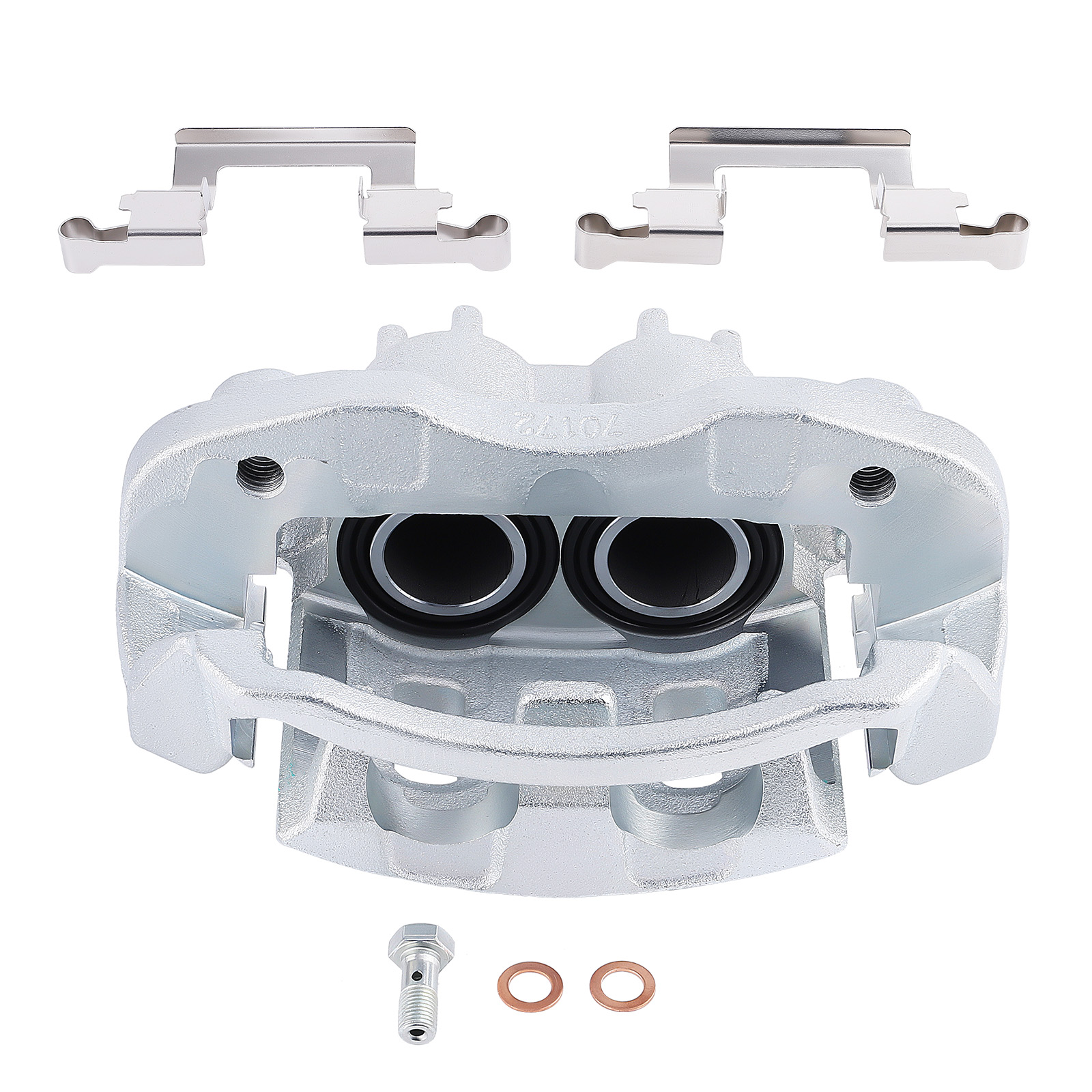 Rear Left Brake Caliper w/ Bracket fit for Ford Excursion 00-05 F-250 F-35 18P4753$118.99View on Mallflare
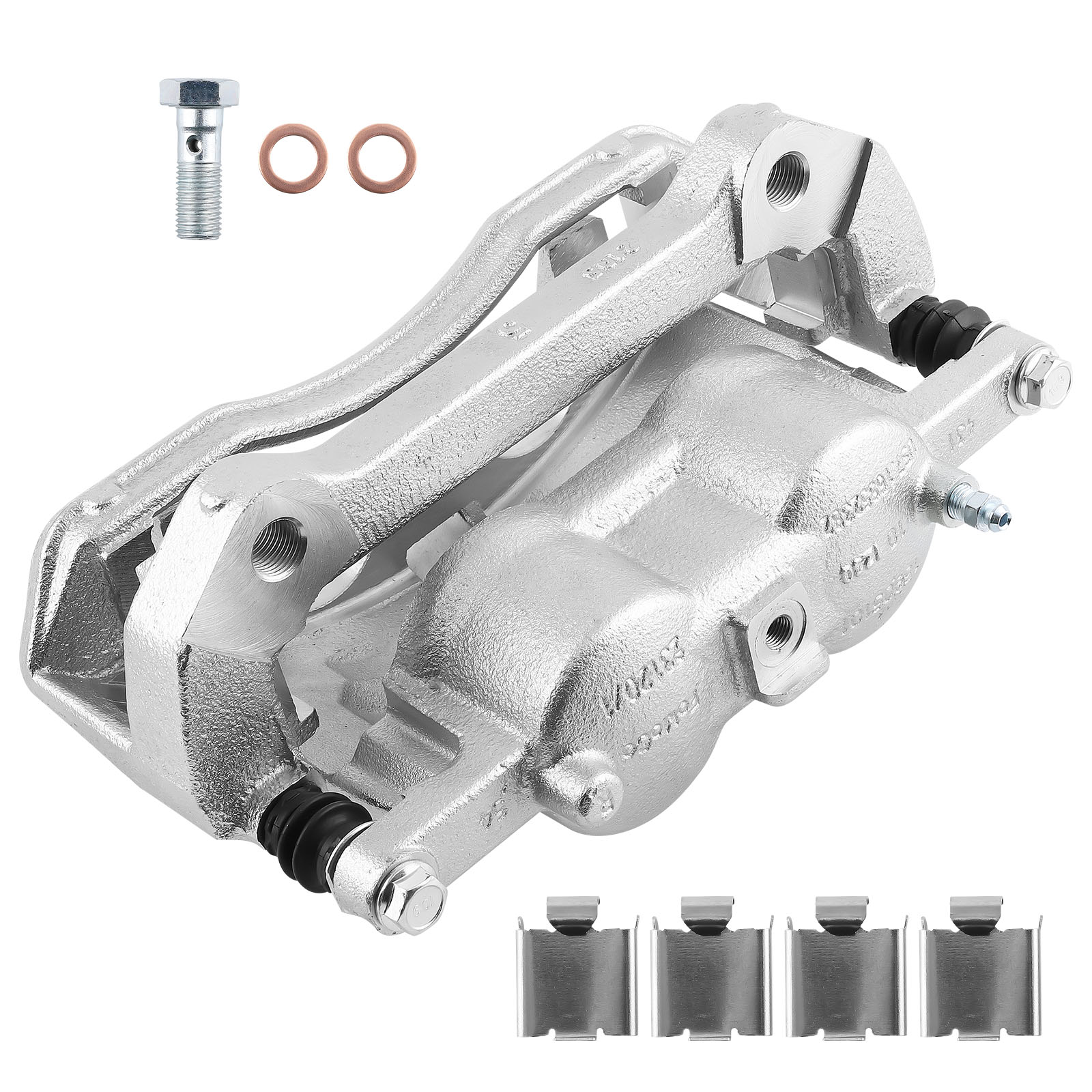 Front Right Brake Caliper w / Bracket fit for Ford Expedition F-150 Lincoln 18-P5236$124.99View on Mallflare
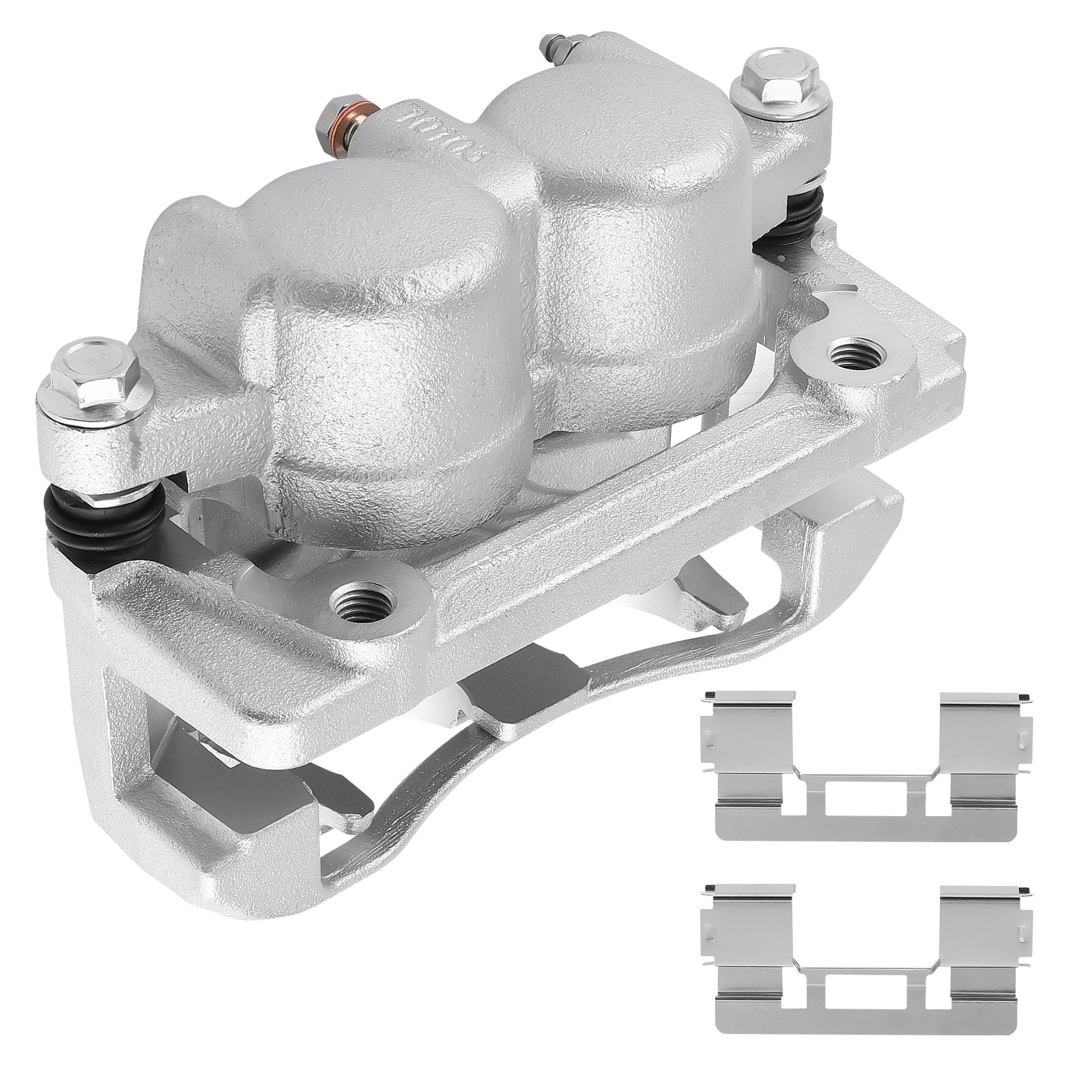 Front Left Disc Brake Caliper fit for Ford F-150 Lincoln Mark LT 06-08 18P4975$129.99View on Mallflare
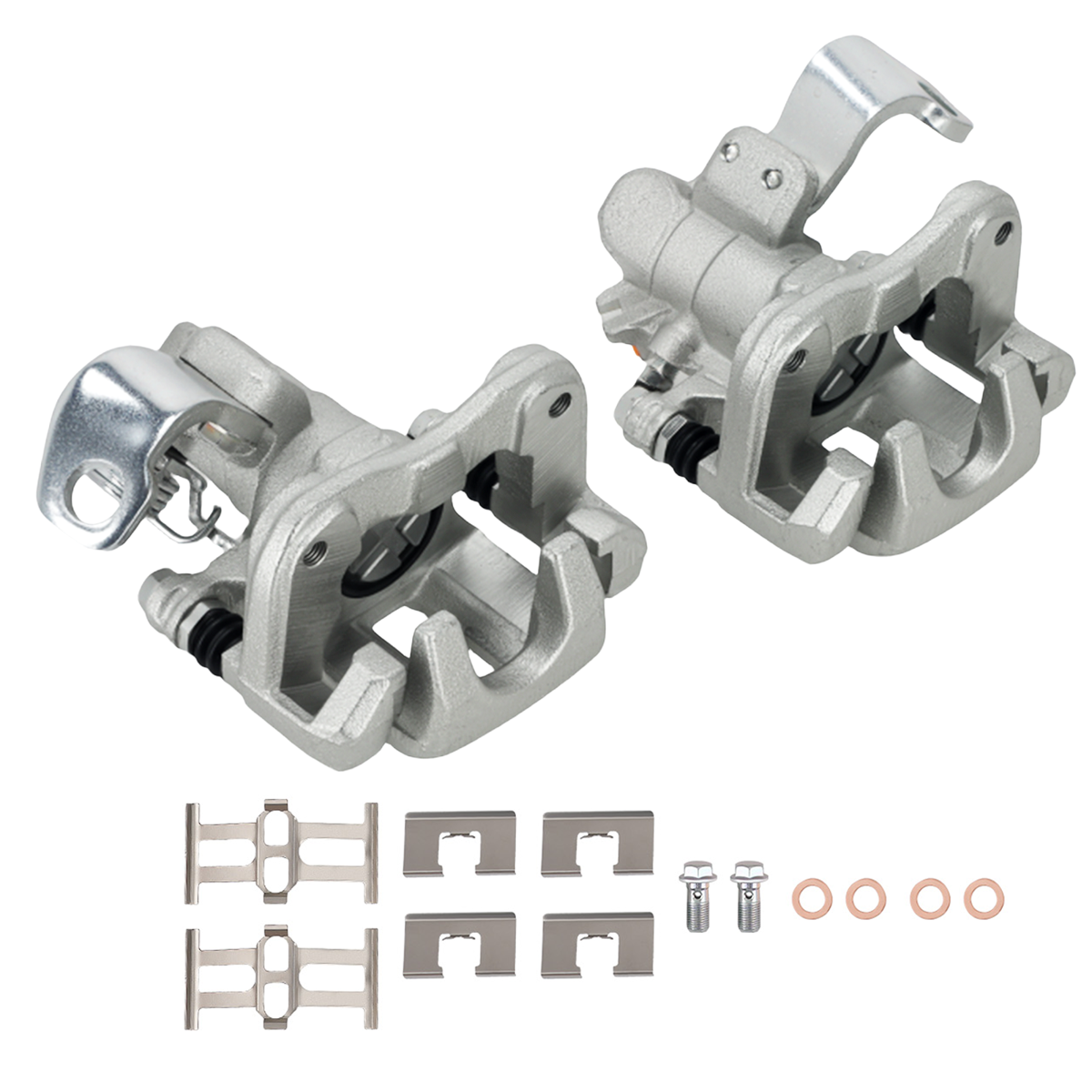 Disc Brake Caliper Pair fit for Honda Civic 2006-2015 43019TR3A01 43018TR3A01$129.99View on Mallflare
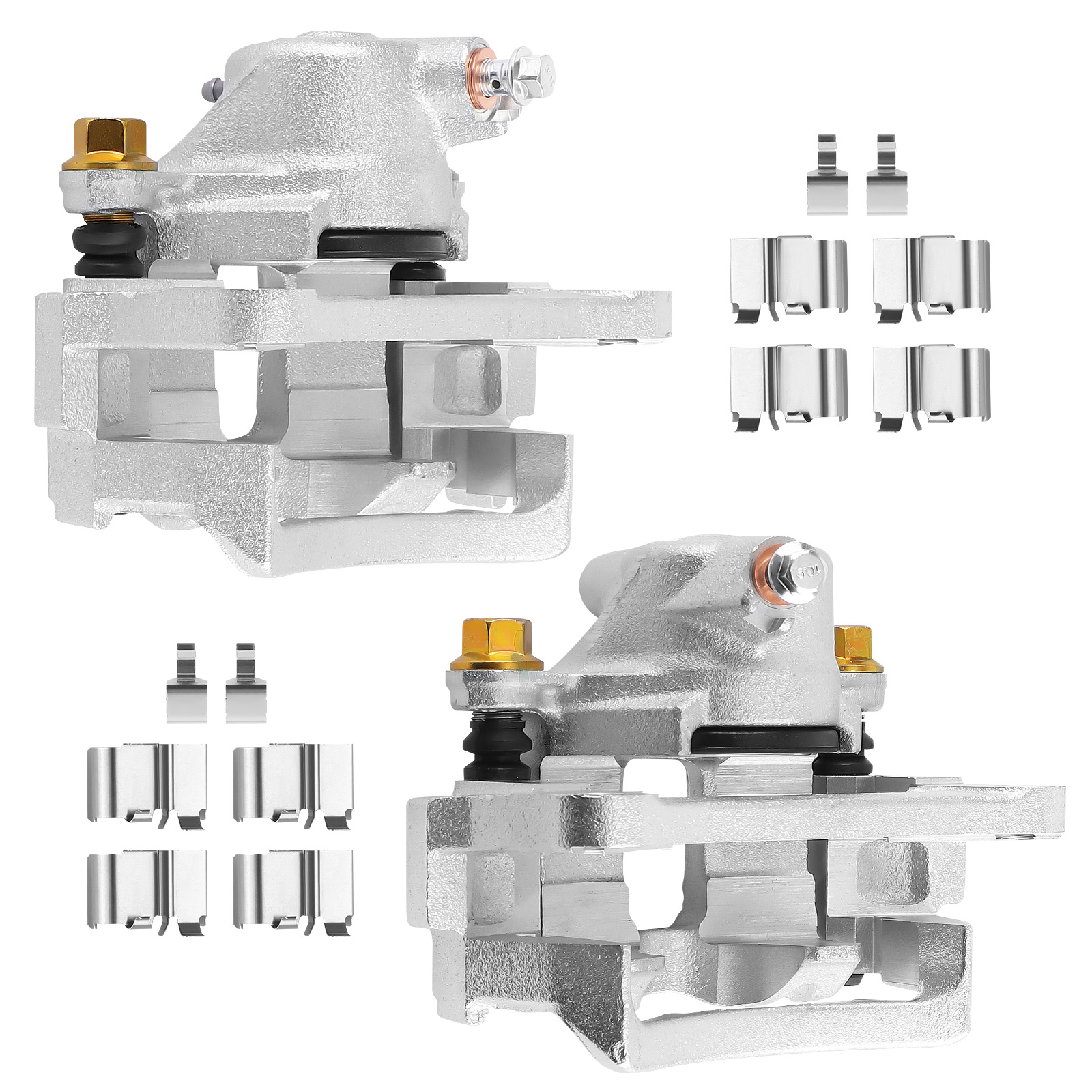 Pair Rear Brake Calipers w/Brackets fit for Toyota 4Runner 2003-09 FJ Cruiser 07-14$132.99View on Mallflare
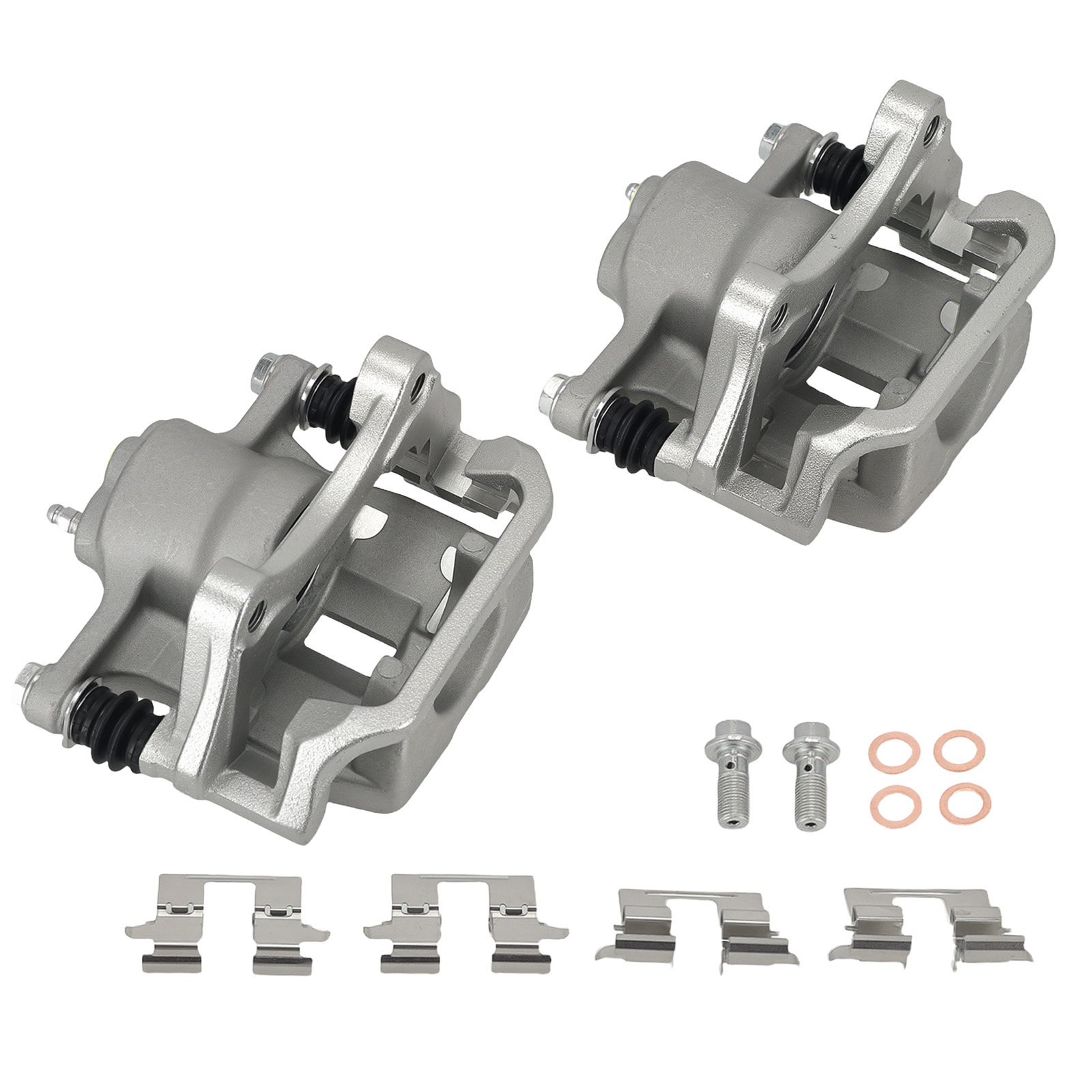 Rear Disc Brake Caliper fit for Toyota Highlander 2008-13 478500E050 19-B3350$141.99View on Mallflare
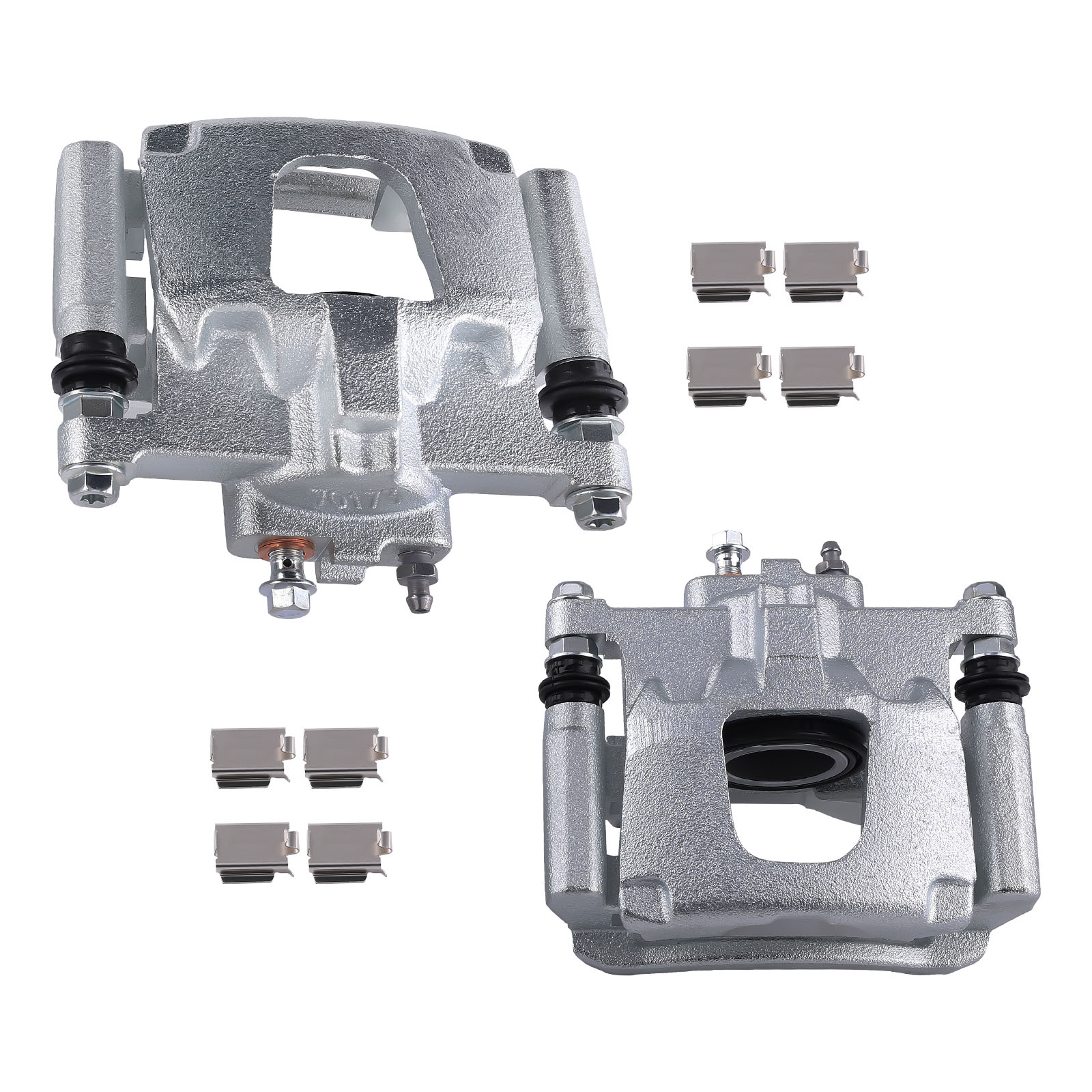 Rear Left Right Brake Caliper w / Bracket fit for Dodge Nitro 07-2018 Jeep Liberty$141.99View on Mallflare
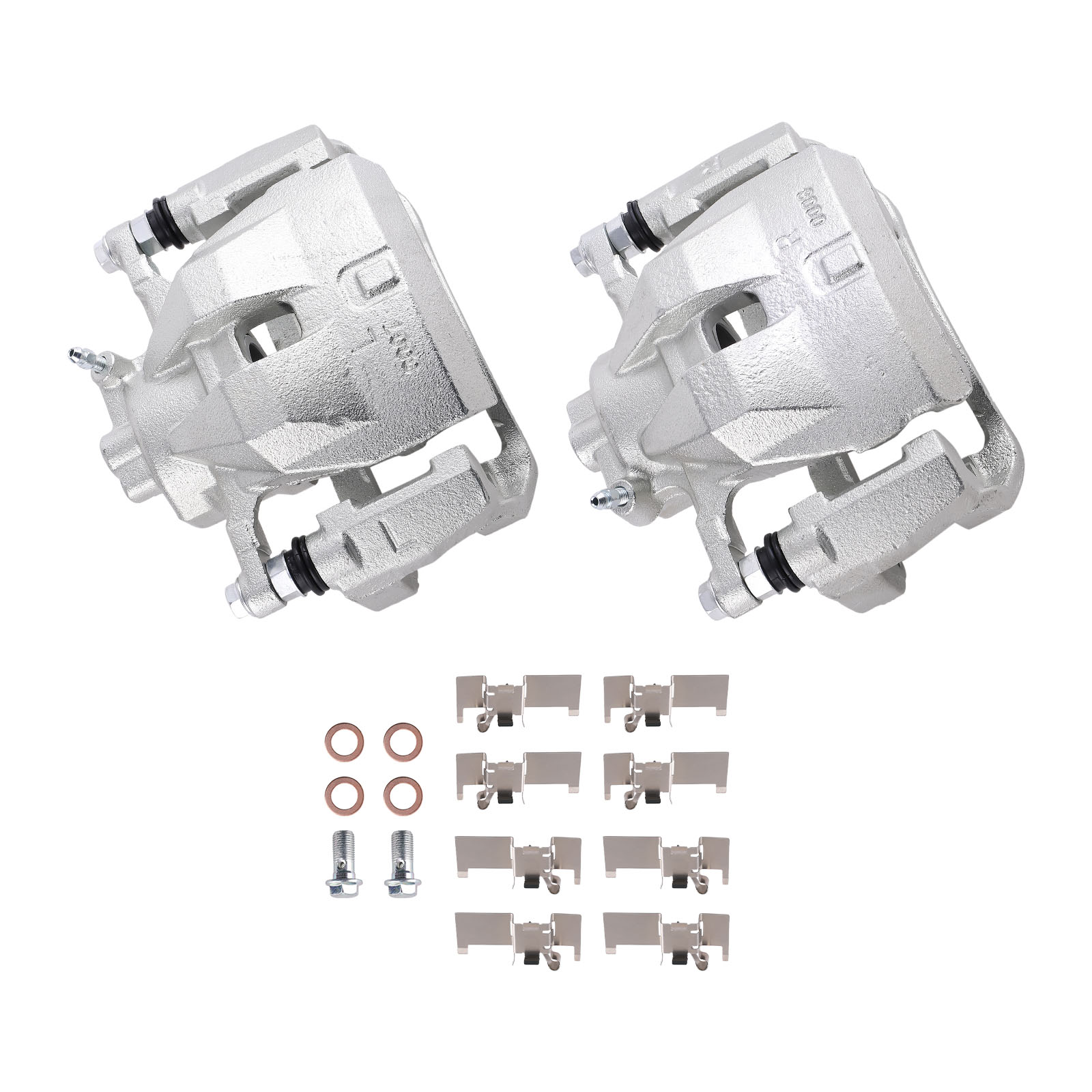 Front Left/Right Disc Brake Calipers fit for Lexus ES350 2007-12 2016-18 19B3129$143.99View on Mallflare
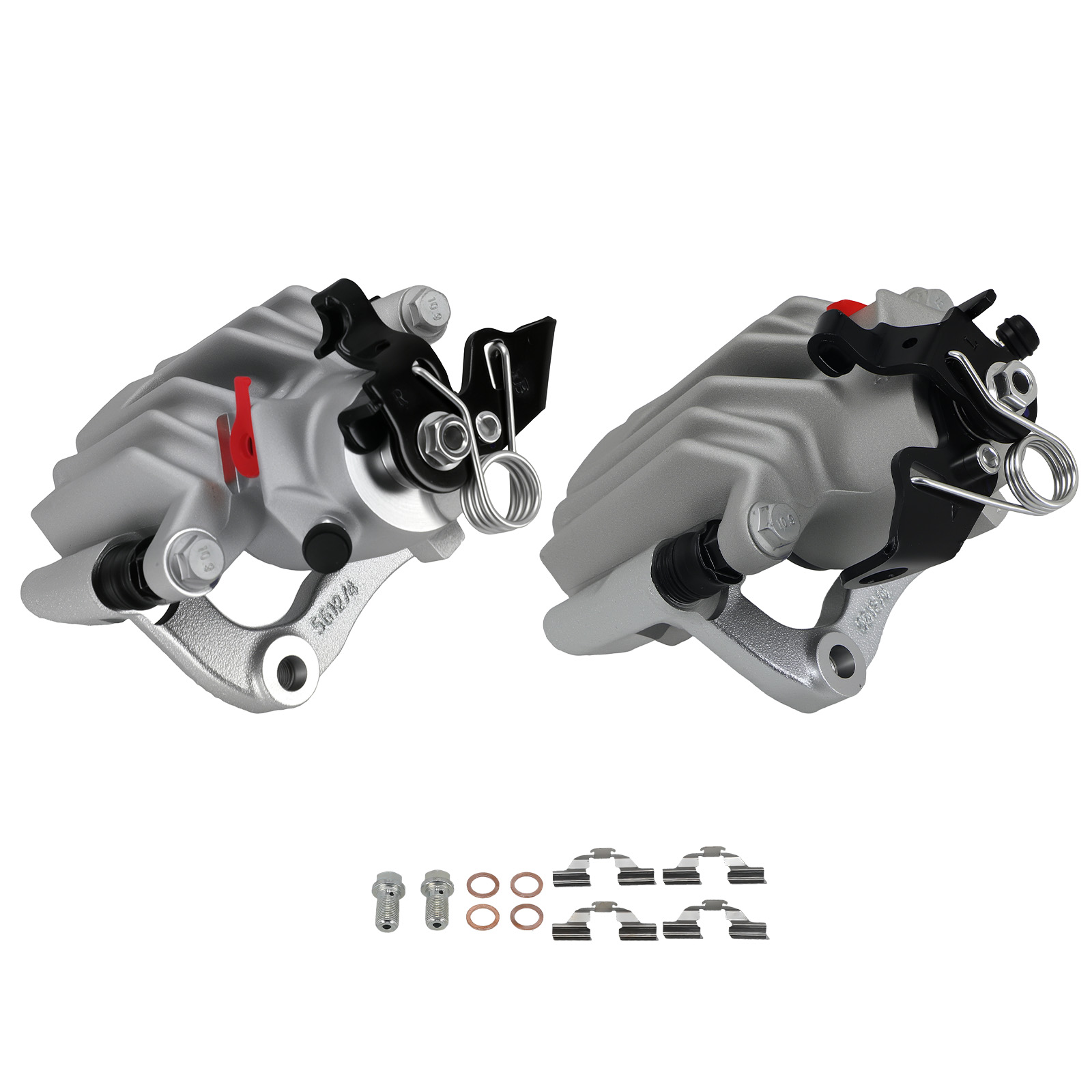 Rear Brake Caliper Assembly fit for Volkswagen Jetta 00-05 08-09 Left and Right Side$143.99View on Mallflare
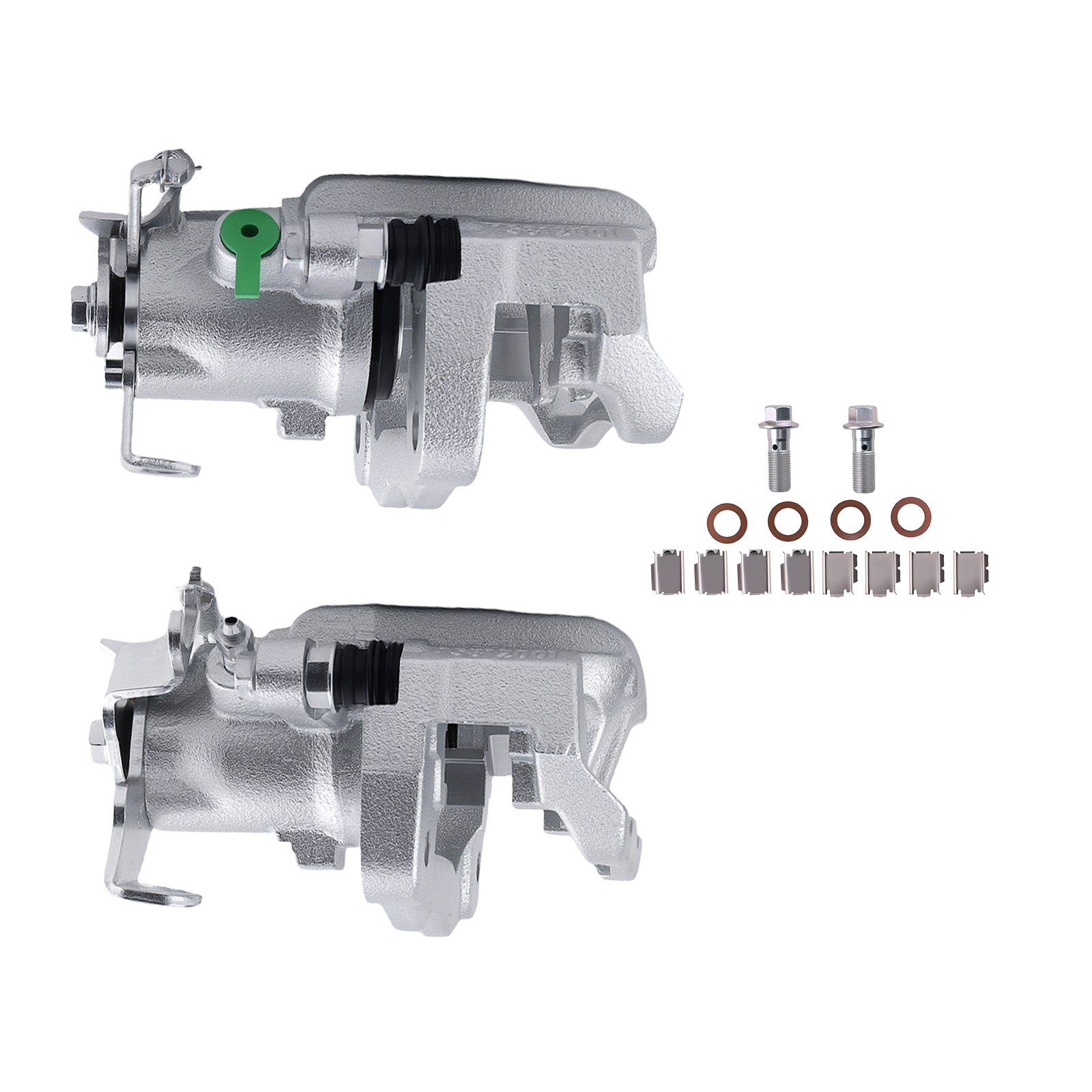 Rear Brake Caliper Kit fit for VW Routan 2009-2012/Dodge Grand Caravan 2008-2012$151.99View on Mallflare
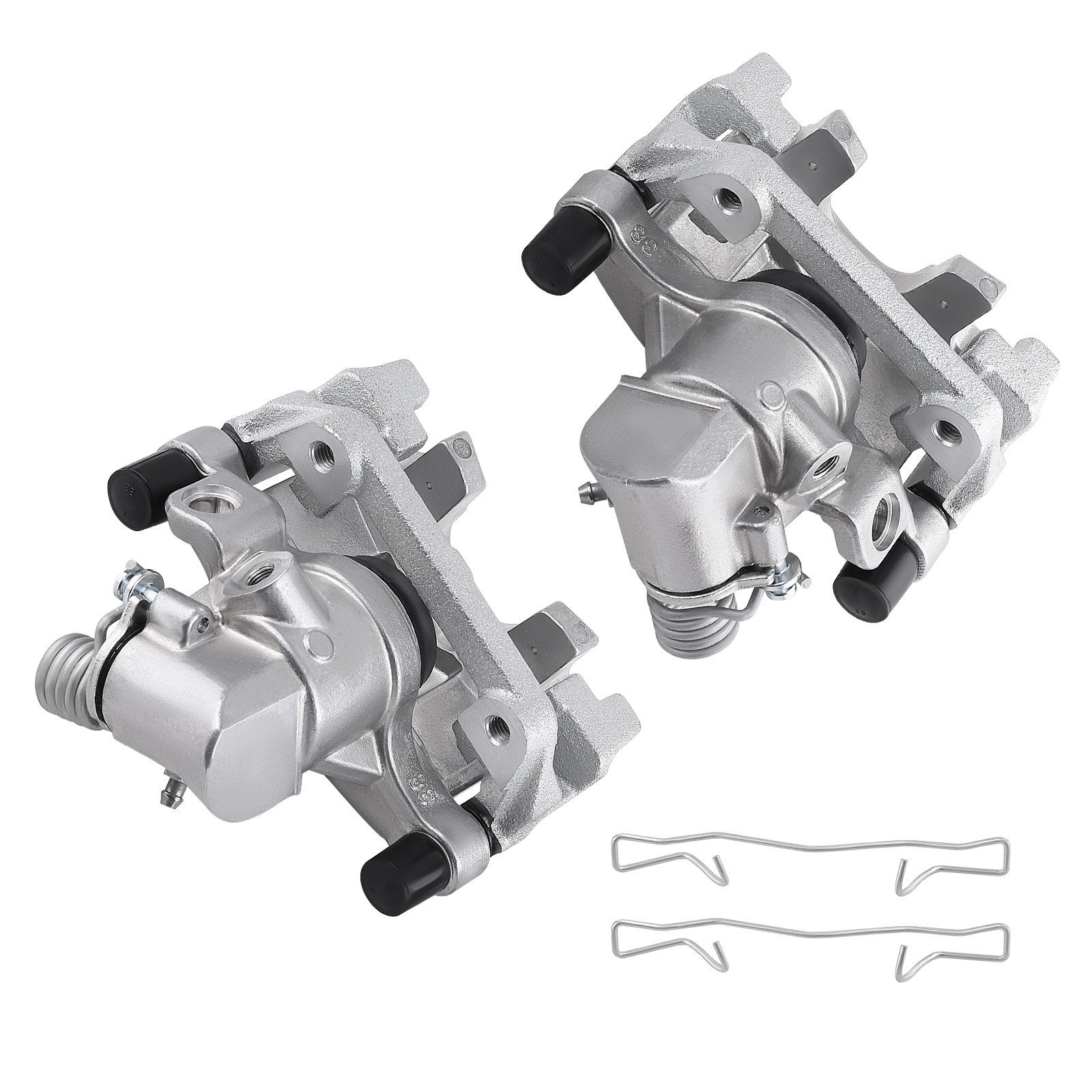 Pair Rear Brake Calipers w/Bracket fit for Ford EcoSport 2018-22 Focus 2012-2018$152.99View on Mallflare
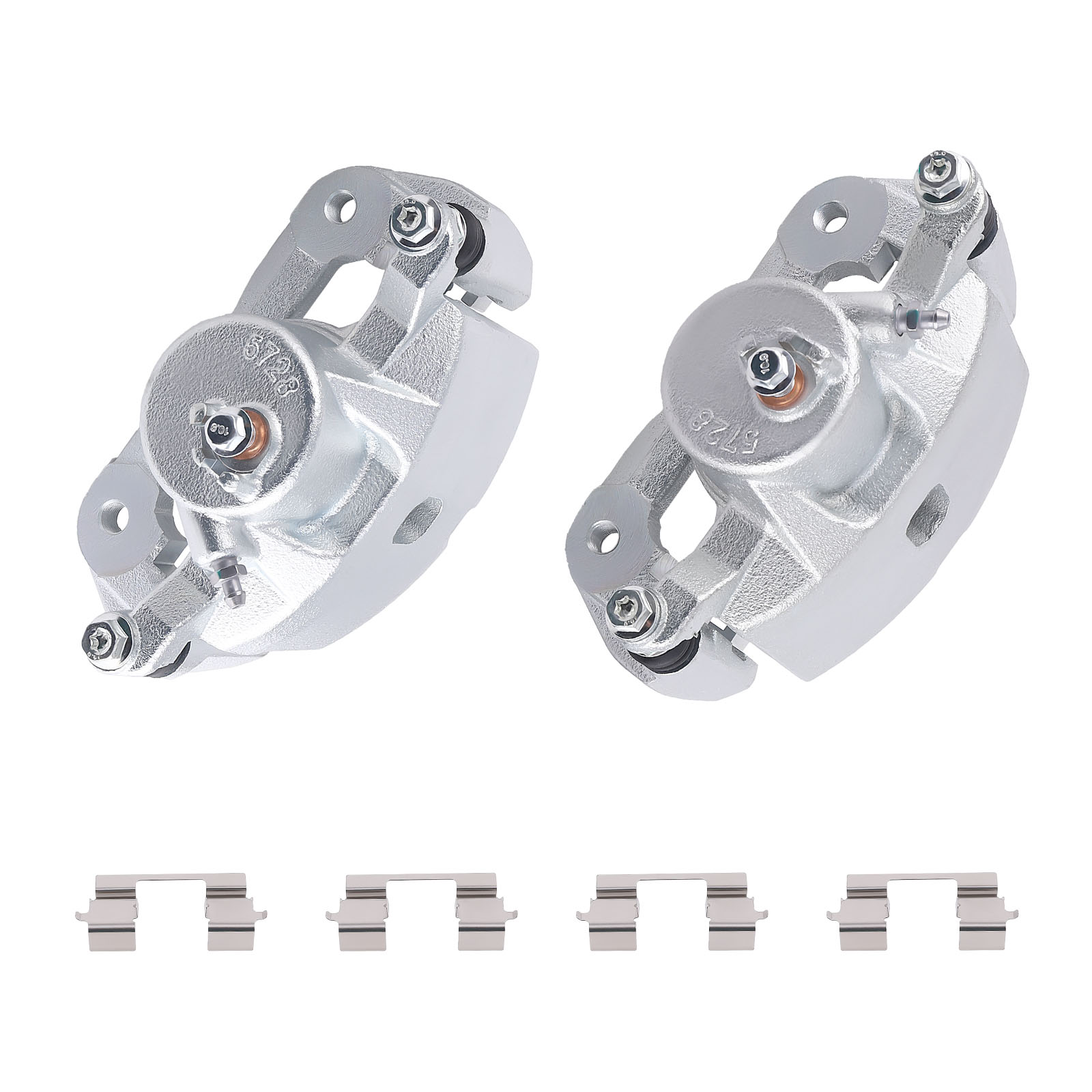 Pair Front Brake Calipers fit for Honda Civic EX-L EX 2013 2014 2015 19B2660 19B2661$156.99View on Mallflare
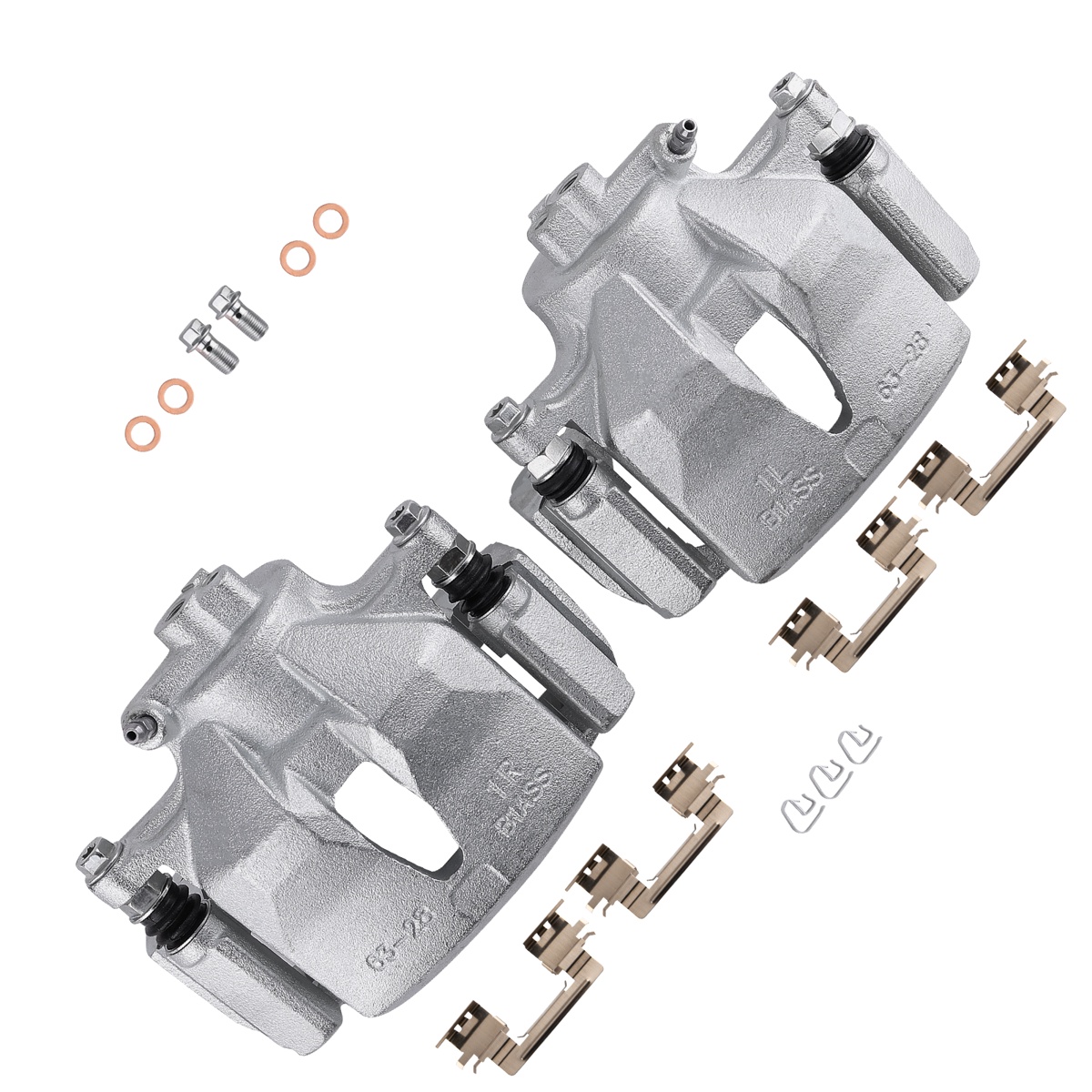 2pcs Front Brake Calipers fit for Toyota Camry SE XLE 2005-2006 19-B2714 19-B2715$159.99View on Mallflare
Highlights
- Floating vs fixed: single-piston floating calipers slide on guide pins and dominate OEM passenger cars; fixed multi-piston calipers are performance/truck units and require different pad and bleed procedures.
- Piston bore and piston count must match the vehicle's hydraulic spec exactly; a mismatched bore changes pedal travel and front/rear brake bias.
- Bracket inclusion matters: 'with bracket' calipers bolt directly to the knuckle; bare calipers reuse the old bracket and require new guide-pin grease and boots.
- Corrosion protection separates tiers: zinc-coated or e-coated castings resist road salt; uncoated bare iron calipers seize at the guide pins within a few winters.
Best use cases
- Daily-driven sedan or crossover with a seized or leaking caliper: buy a new or reman loaded caliper with bracket and hardware, matched to OEM interchange number, for both sides if mileage is high.
- Truck or full-size SUV towing: choose calipers rated for the GVWR and verified against the VIN, because F-150 and Expedition calipers differ by year and brake package.
- Track or heavy-performance use: skip bargain castings and use fixed multi-piston calipers with matching rotors, pads, and master-cylinder bias.
- Wrong fit to avoid: buying a bare caliper when the old bracket is corroded, or buying a single side on a high-mileage axle—calipers wear in pairs.
Buying tips
- Match by OEM interchange number (for example 18-B4892 or 18P4753), not by model name alone; the same model year can carry two different brake packages.
- Verify position and side: front left, front right, rear left, and rear right are not interchangeable, and left/right are defined from the driver's seat.
- For floating calipers, confirm guide pins and boots are included or buy a guide-pin kit; a dry or torn pin boot is the leading cause of uneven pad wear.
- Prefer coated or e-coated castings in salt-belt climates; bare iron calipers pit and seize at the sliding surfaces.
Specs
| Caliper Type | Floating single-piston vs fixed multi |
|---|---|
| Position & Side | Front/rear, left/right specific |
| Bracket Included | With bracket vs bare caliper |
| Body Finish | E-coated/zinc vs bare iron |
Related searches
 brake caliperbrake caliper replacementford brake caliperford focus brake caliperhonda cr v brake caliperchevrolet brake caliperacura brake caliperaudi a4 brake caliperdodge brake caliperford escape brake caliperford mustang brake calipertoyota highlander brake caliper2005 toyota camry brake calipercadillac escalade brake caliperchevrolet tahoe brake calipernissan frontier brake caliperchevrolet silverado 1500 brake caliperchrysler brake caliperdodge grand caravan brake caliper
What to check before buying
- Record the VIN and the brake option code from the door jamb or glovebox label, then cross-reference the caliper interchange number.
- Measure rotor thickness and diameter; a worn rotor below minimum thickness requires replacement alongside the caliper.
- Check wheel clearance: multi-piston or larger-bore calipers may not clear the factory wheel spokes without a spacer.
- Confirm brake fluid type (DOT 3/4 or DOT 4 LV) and plan a full flush, since contaminated fluid is a common cause of caliper piston seal failure.
FAQ
Data sources: eBay / Amazon listings and product attribute feeds Data updated Nov 15, 2026.
Some links on this page are affiliate links. If you buy after clicking one, we may earn a commission at no extra cost to you. This does not change which products appear here or their order. Affiliate disclosure.