Photos from current listings. Actual item, color, and included accessories may vary.
Wheel Hub Buying Guide
A wheel hub is the rotating carrier that mounts the wheel and, in modern sealed units, integrates the wheel bearing, ABS tone ring, and mounting flange into one non-serviceable assembly. The core trade-off is between a pressed-in bare bearing plus reused hub flange versus a complete hub & bearing assembly, and between economy white-label units and OEM-grade or tier-1 branded assemblies with defined bearing preload and seal quality. The decision rule: any vehicle with an integrated ABS sensor or unitized bearing requires a complete hub & bearing assembly matched by OEM interchange number, while older press-fit designs can use a bearing kit only if the spindle and hub flange pass a runout and race-seat inspection.

At a glance
- Category
- Suspension, Steering & Brake Parts
- Data updated
- Nov 15, 2026
Current offers
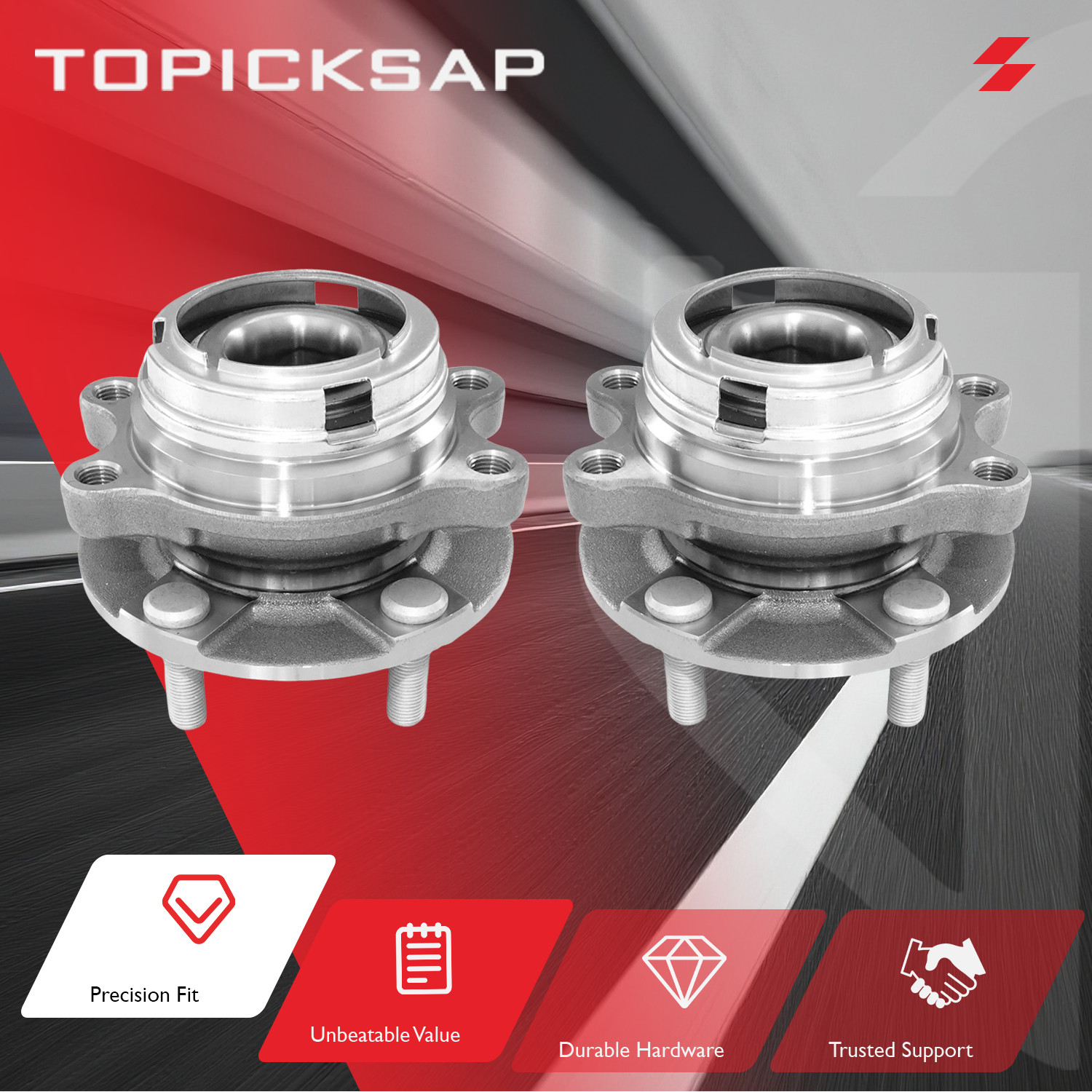 2X Front wheel Bearings and hub Assembly for Nissan Maxima Altima 2009 - 2019$95.65
 View on eBay
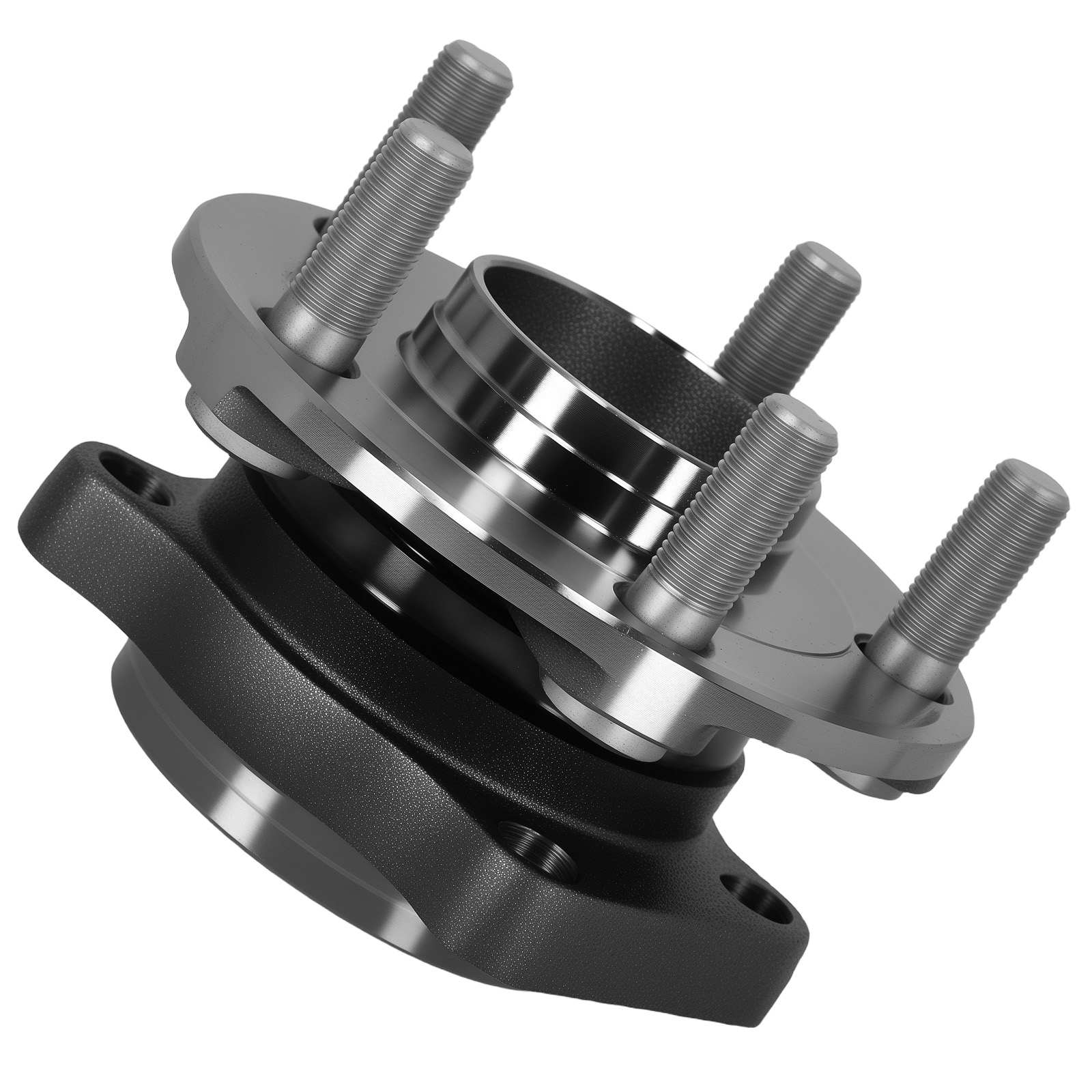 Front Wheel Hub & Bearing Kit fit for Subaru Legacy/Outback 05-14 28373AG00A 5 Bolt$66.99
 View on Mallflare
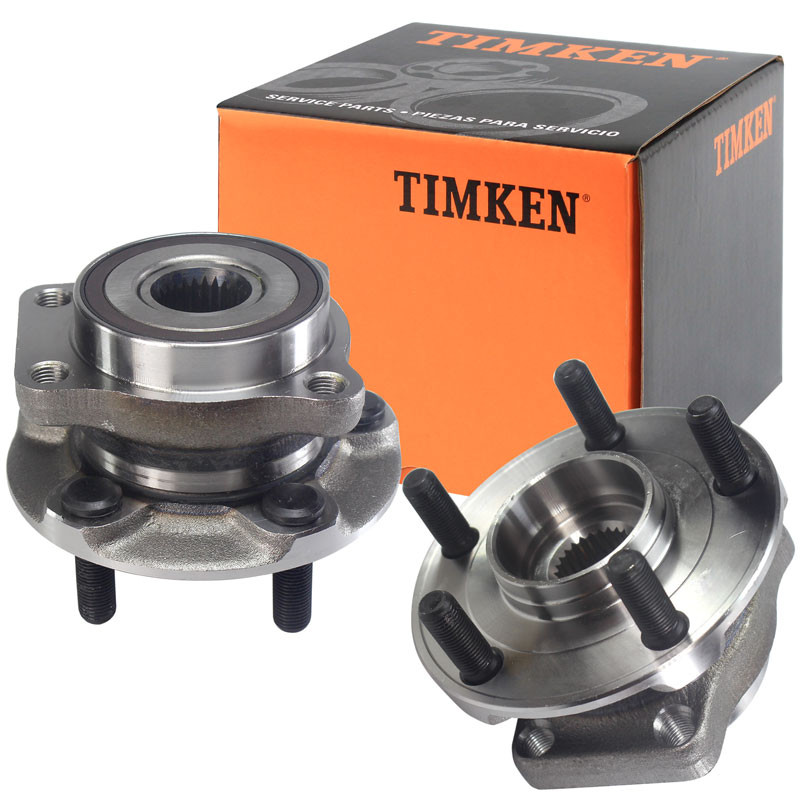 TIMKEN Front Wheel Bearing Hub Assembly Pair For Subaru Forester 2014 - 2018$121.67View on eBay
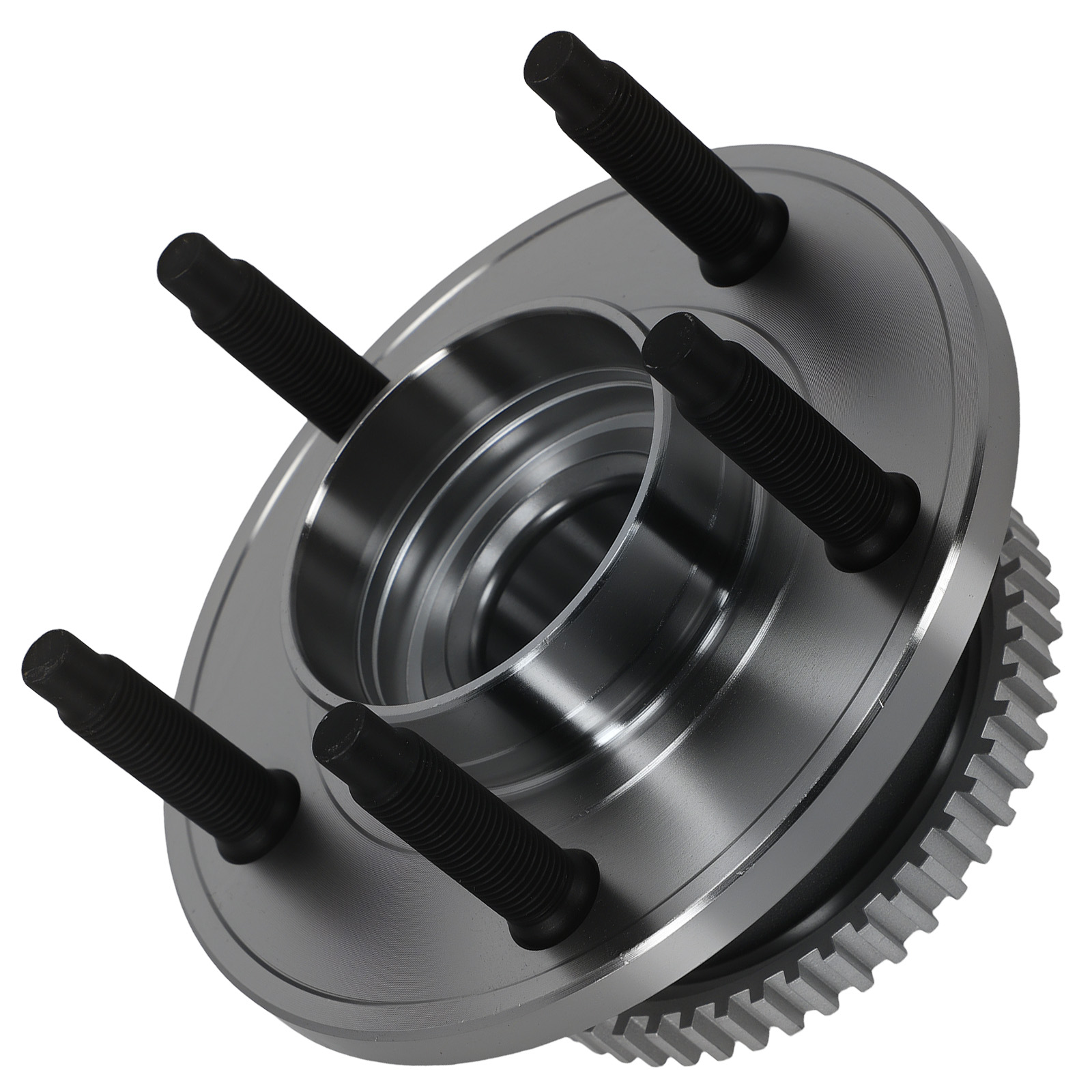 Front Wheel Hub & Bearing fit for Ford Mustang 05-14 4R332B663AA WA513221 5 Bolt ABS$66.99View on Mallflare
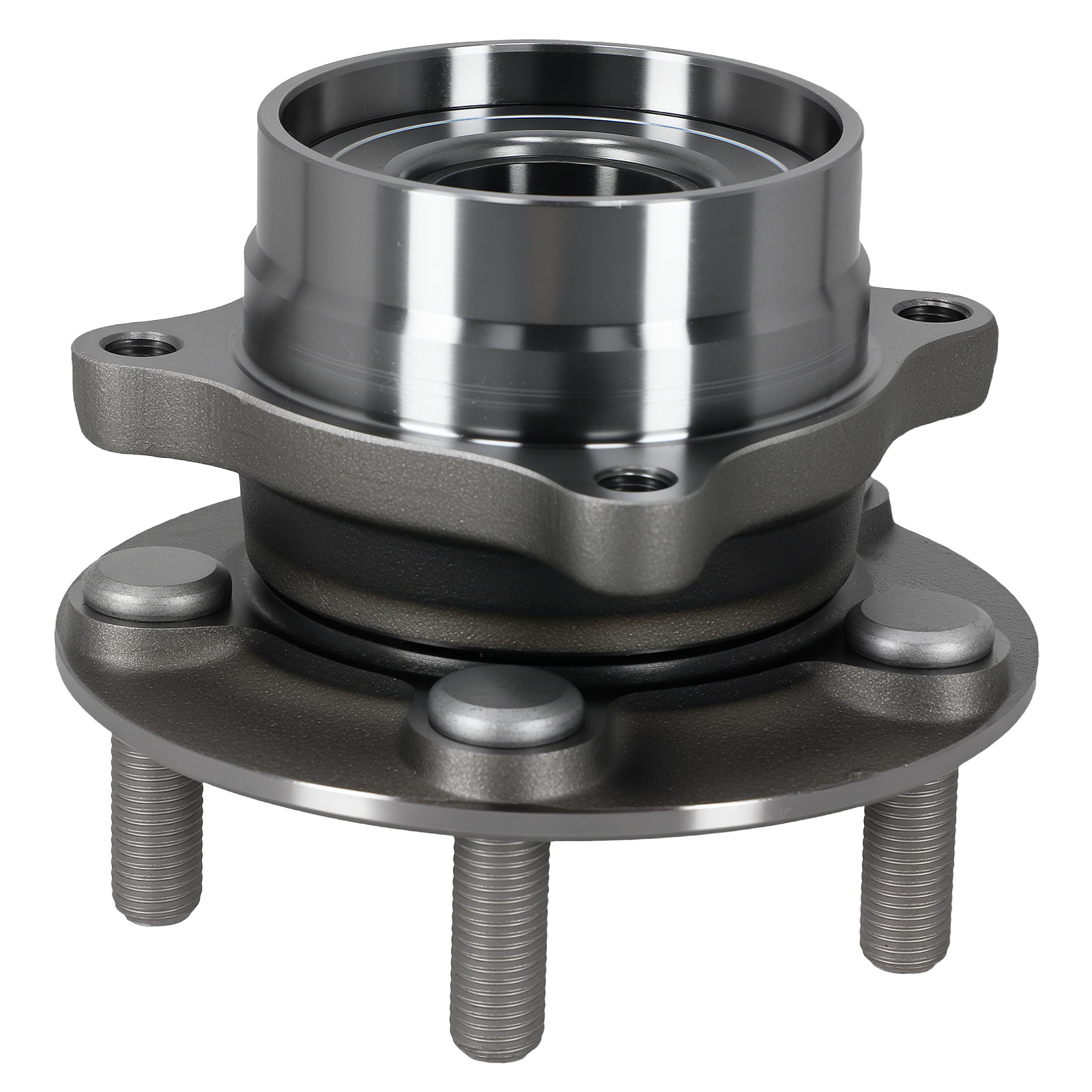 Front Wheel Hub & Bearing Set fit for Toyota Prius 2004-2009 HA590064 5-Bolt Square$75.99View on Mallflare
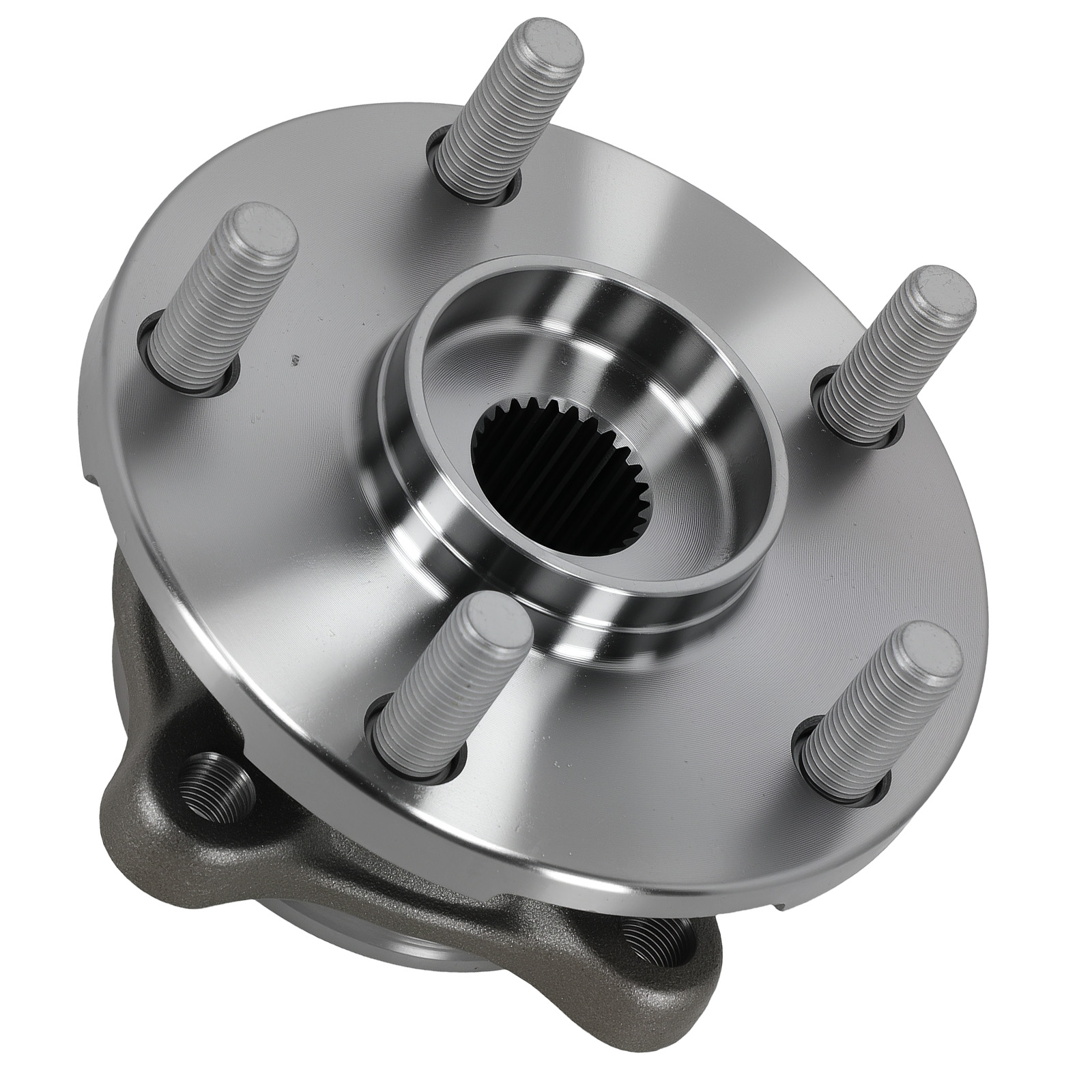 Front Wheel Hub & Bearing fit for Lexus HS250h/Toyota Prius V 513257 5 Bolt ABS$75.99View on Mallflare
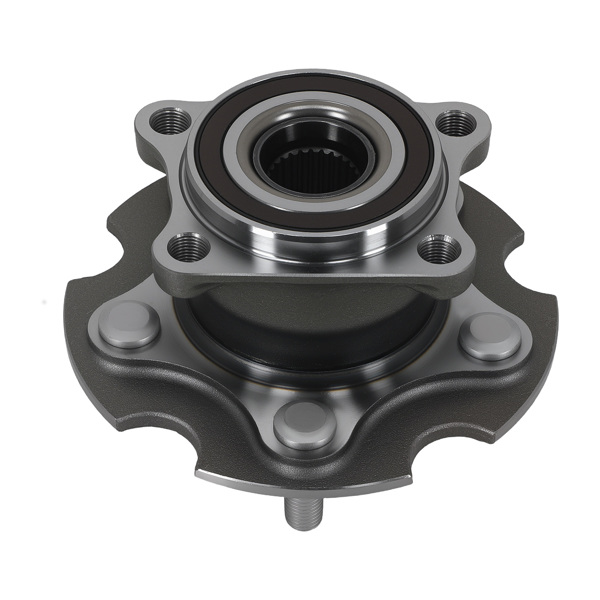 Wheel Hub Bearing Assembly Fit For Lexus NX300h NX200t 2015-2019 512374 5 Lug$76.99View on Mallflare
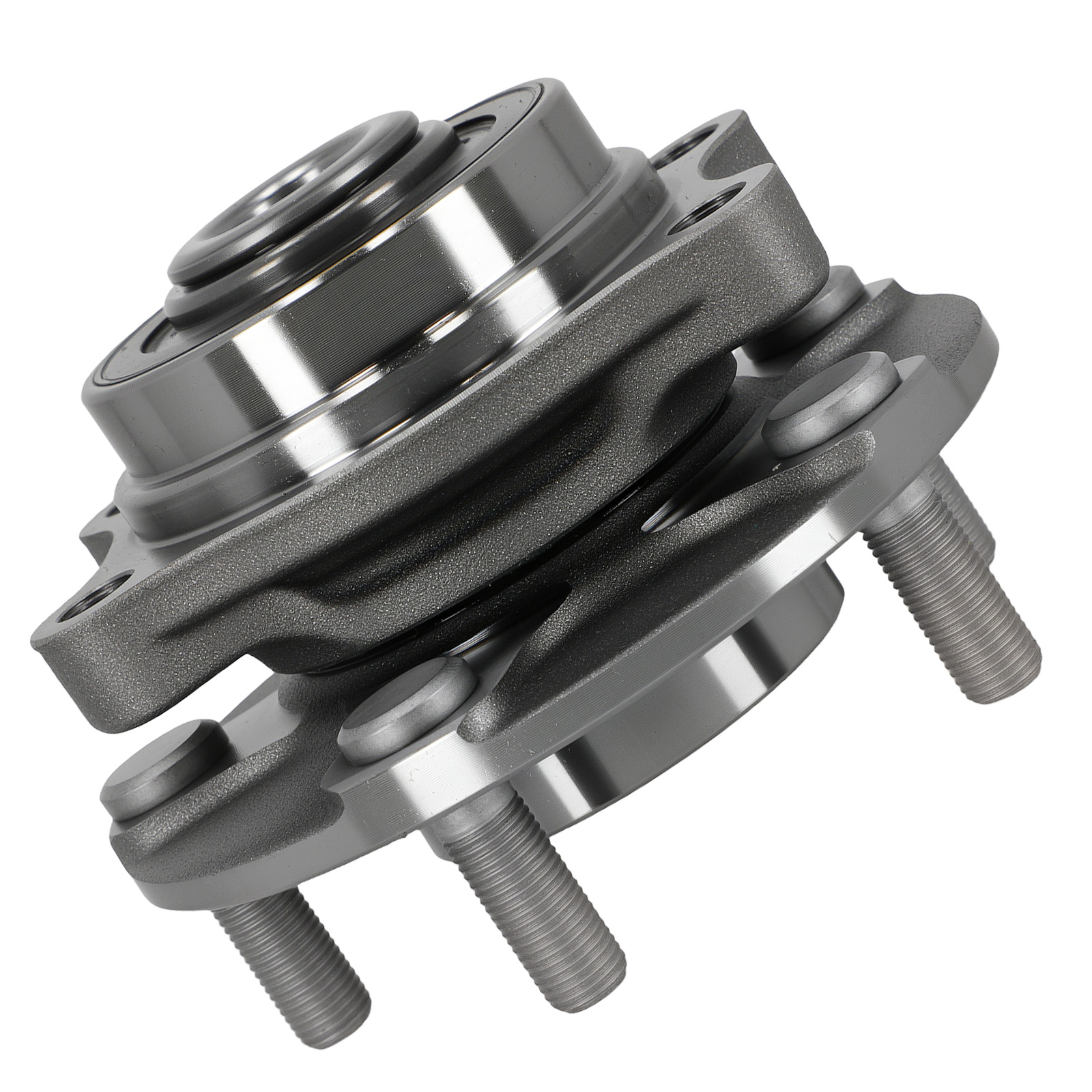 Front LH RH Wheel Hub Bearing 5 Bolt Kit fit for G35/350Z 2003-2009 513268 WE60568$76.99View on Mallflare
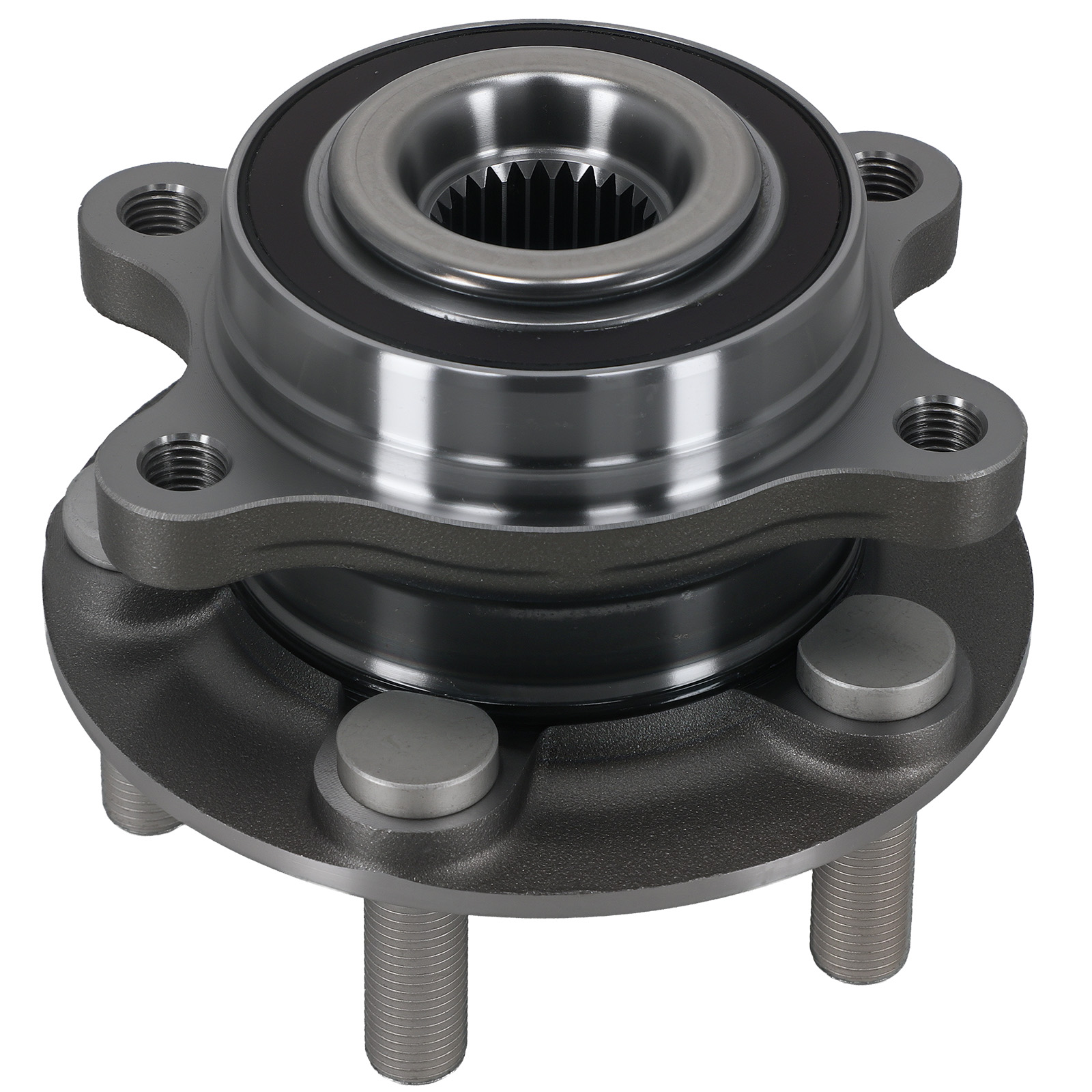 Front Left Right Wheel Hub Bearing fit for Lincoln MKX MKZ 2016-2020 513394$87.99View on Mallflare
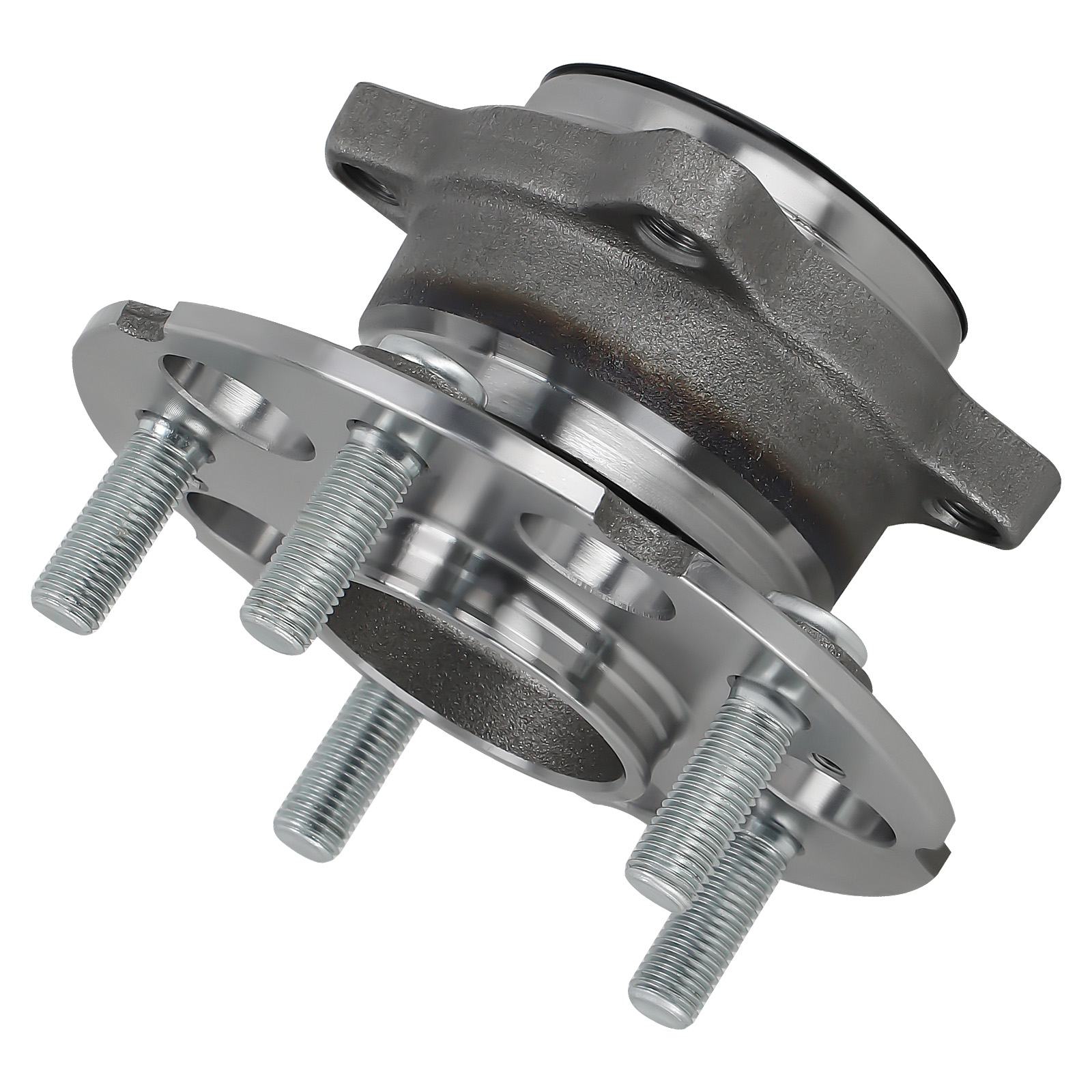 1x Rear Wheel Hub Bearing assy fit for Acura RDX 2013 - 2015 AWD HA590461 512501$87.99View on Mallflare
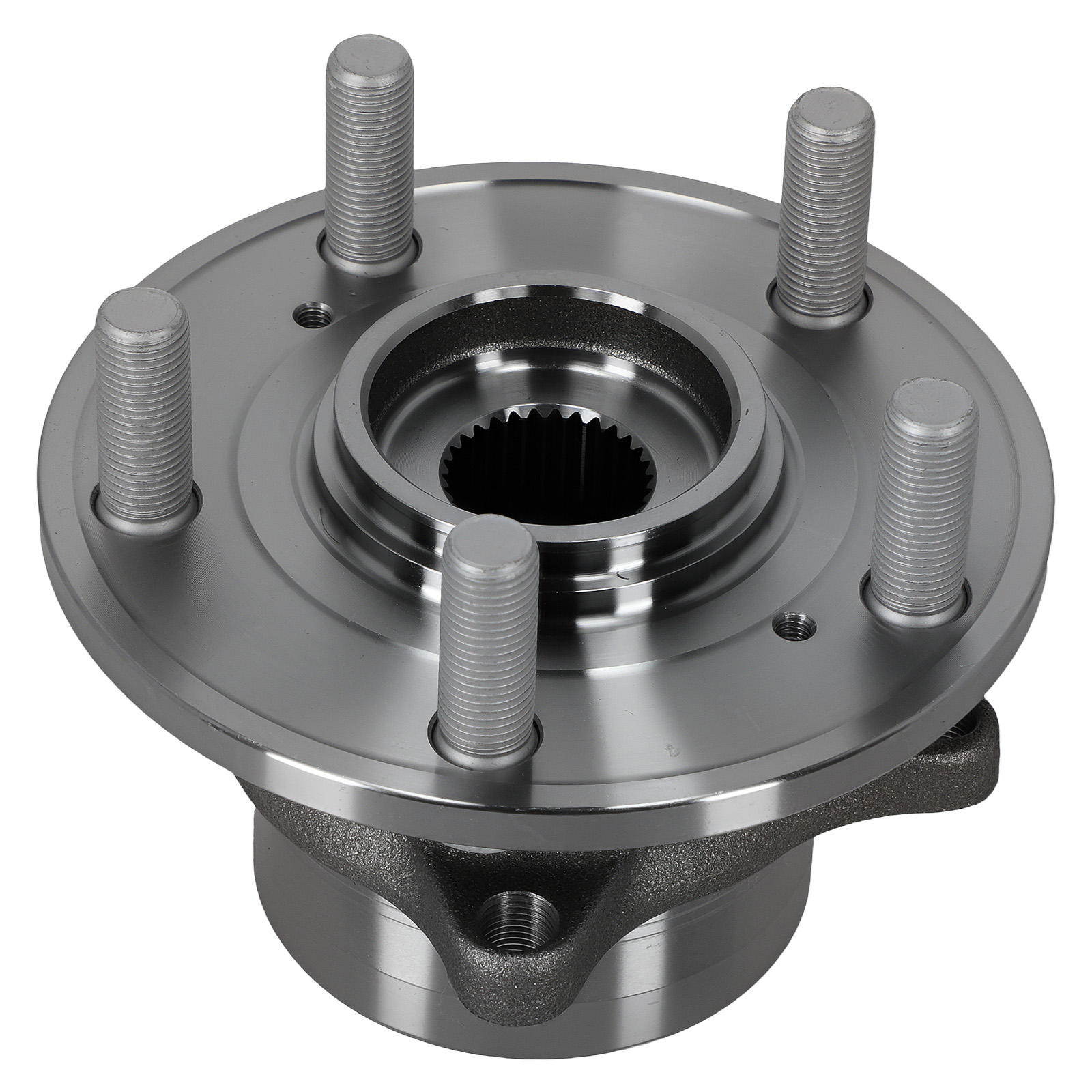 Front Wheel Hub & Bearing 513267 fit for Acura MDX 2007-2013 ZDX 2010-2013 5 Bolt$91.99View on Mallflare
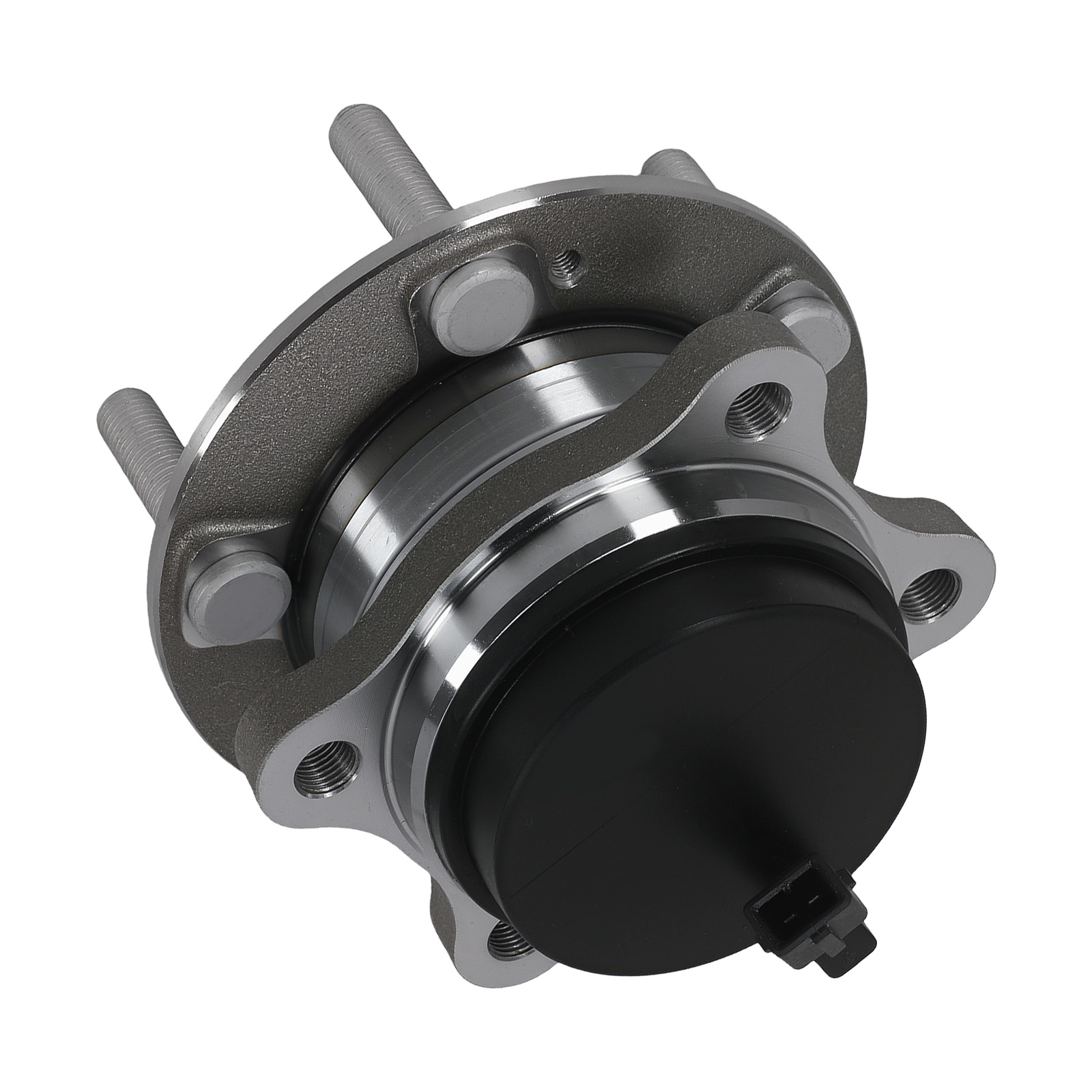 5-Bolt Rear Wheel Hub fit for Hyundai Santa Fe Sport XL 2013-2019 746-0005 FWD ABS$92.99View on Mallflare
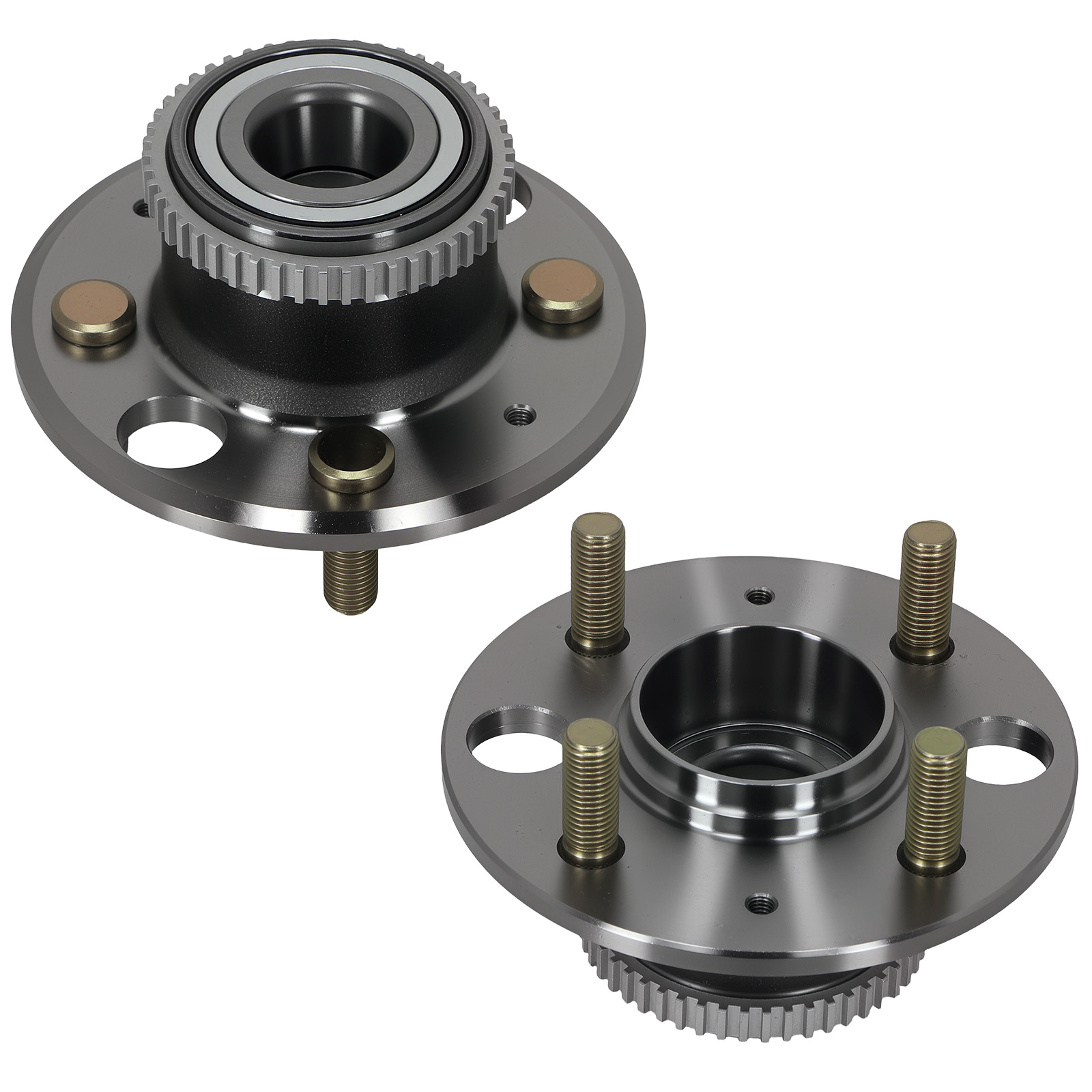 Rear LH RH 4 Lug Wheel Hub Kit fit for Acura Integra Honda 513105 with ABS System$96.99View on Mallflare
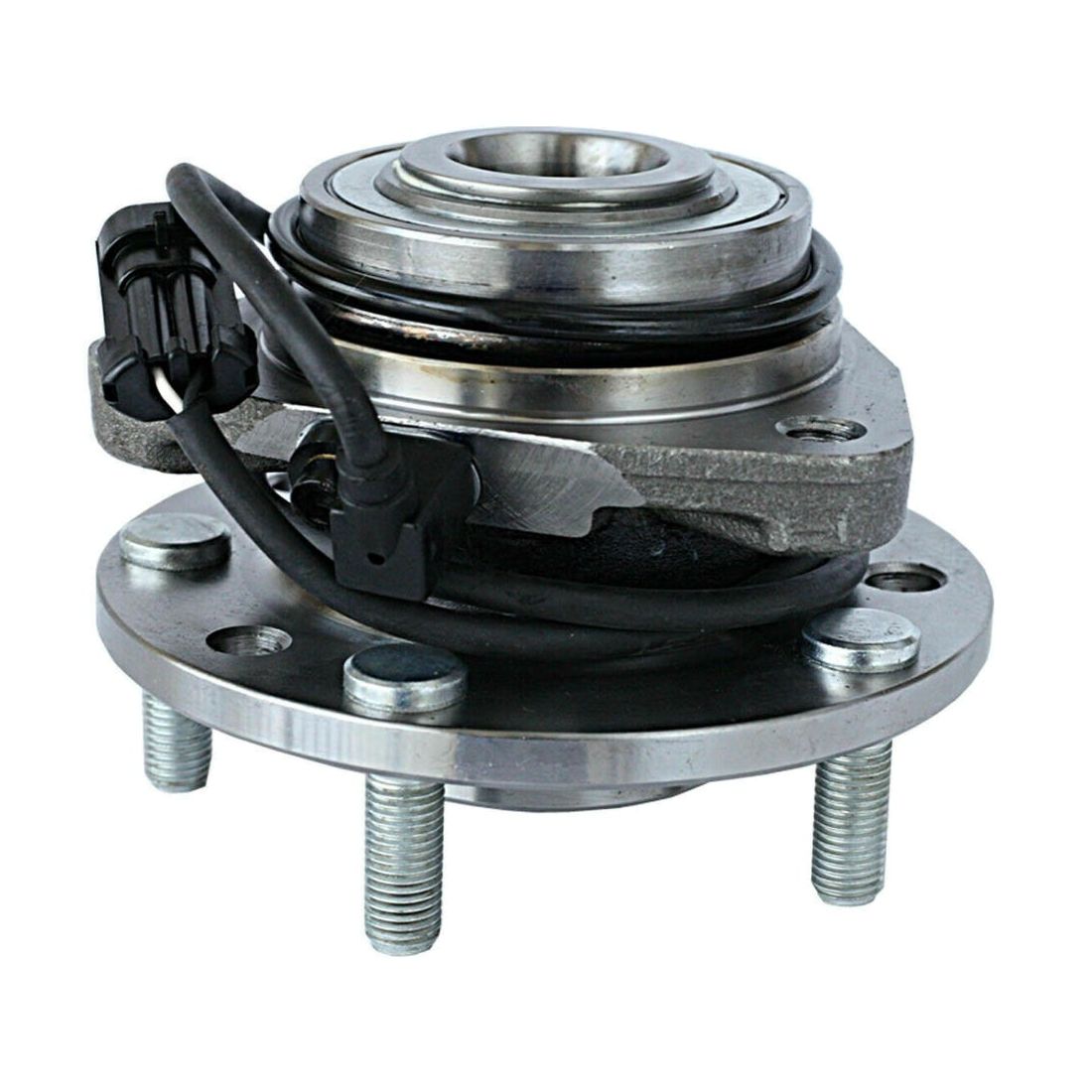 Front Wheel Hub Assembly AZER For Chevrolet GMC Isuzu Oldsmobile$98.99View on Mallflare
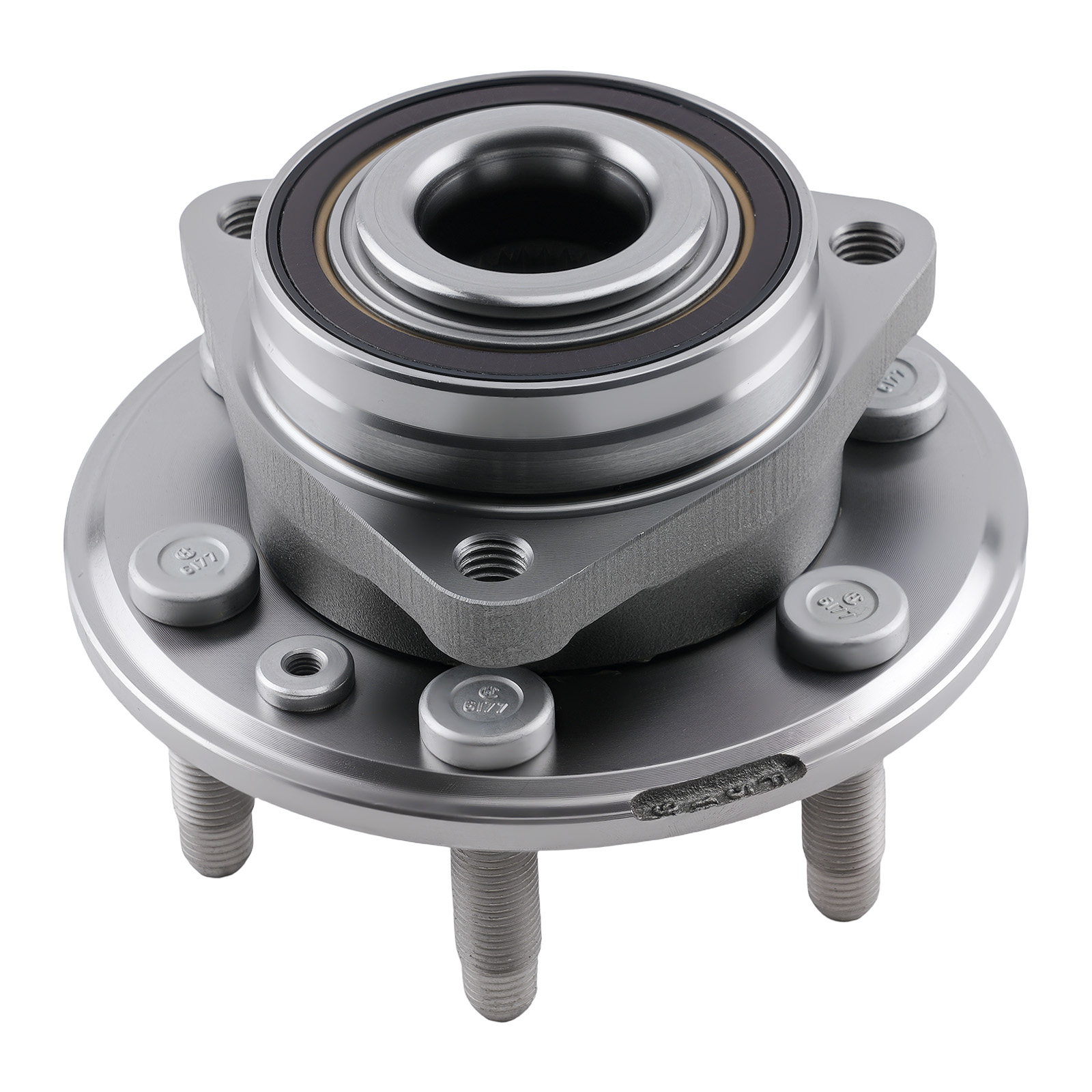 Front/Rear Left Right Wheel Hub fit for CADILLAC SRX 2010-2016 40162003E 3-Bolt$99.99View on Mallflare
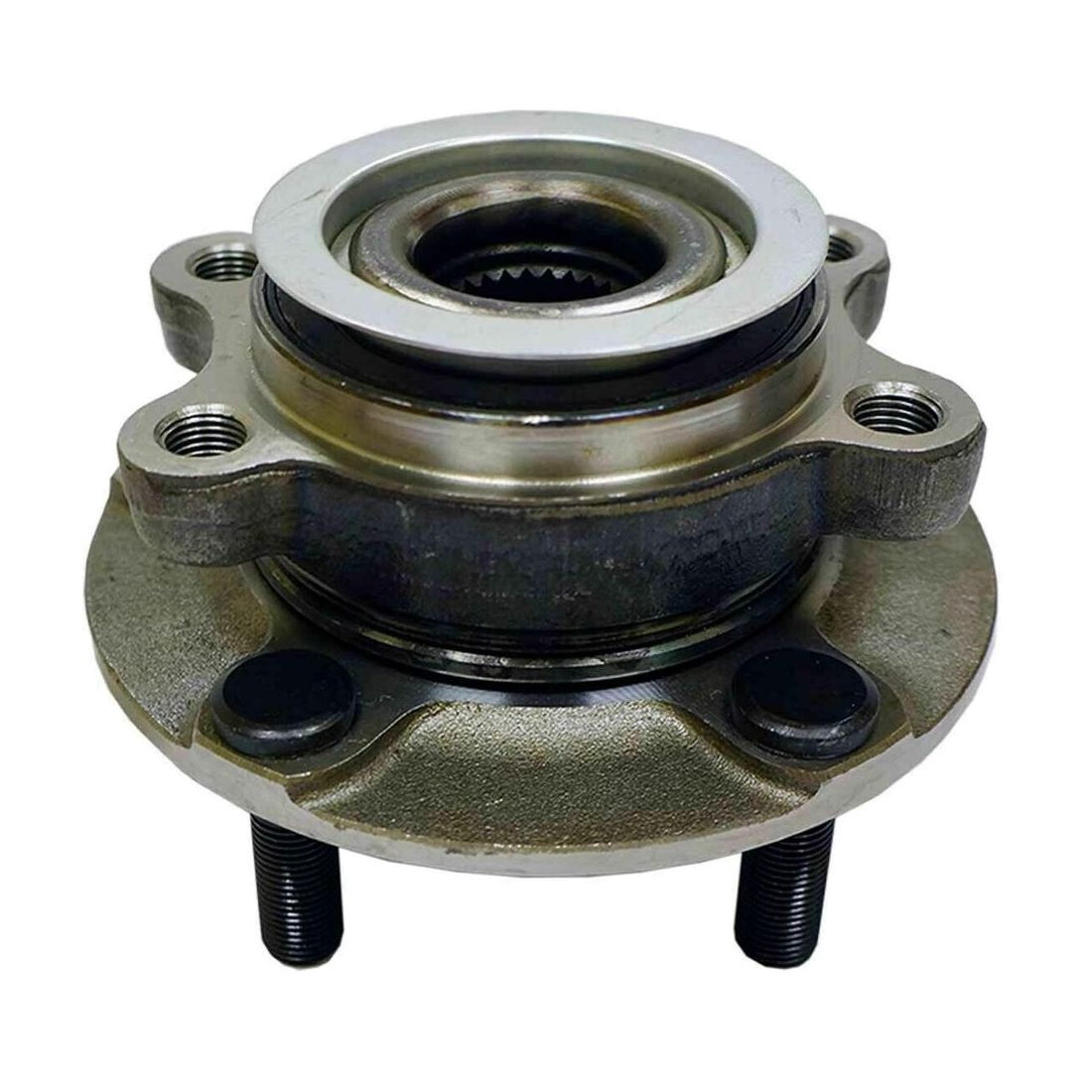 Front Wheel Hub Assembly For 08-13 Rogue 14-15 Select 07-12 Sentra$103.99View on Mallflare
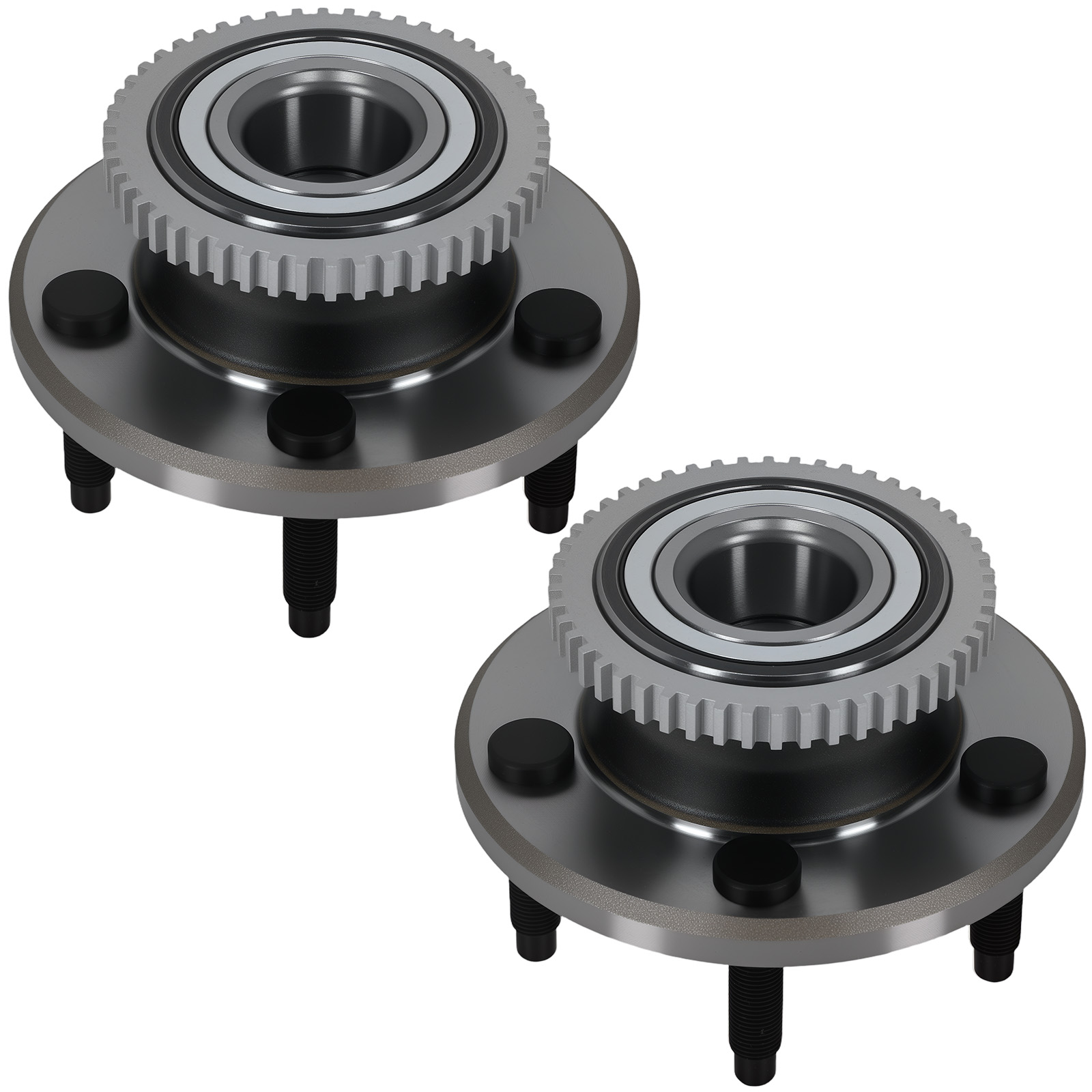 Front Wheel Hub Assembly fit for Ford Mustang 2005-2014 HA590017 5 Bolt Tone Ring$113.99View on Mallflare
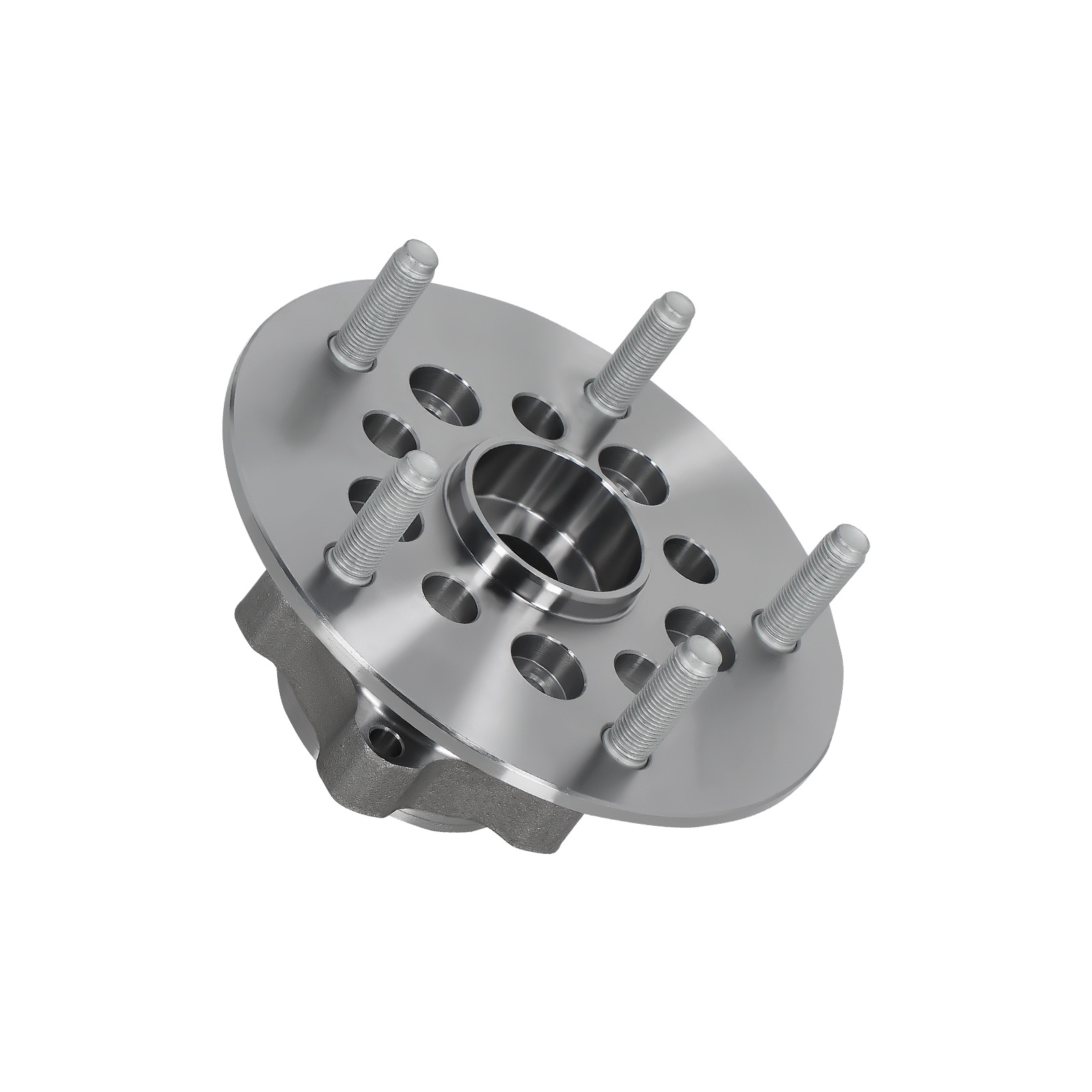 Front Wheel Hub Component BR930937 fit for Ford Transit 150-350 2015-2019 Pentagonal$115.99View on Mallflare
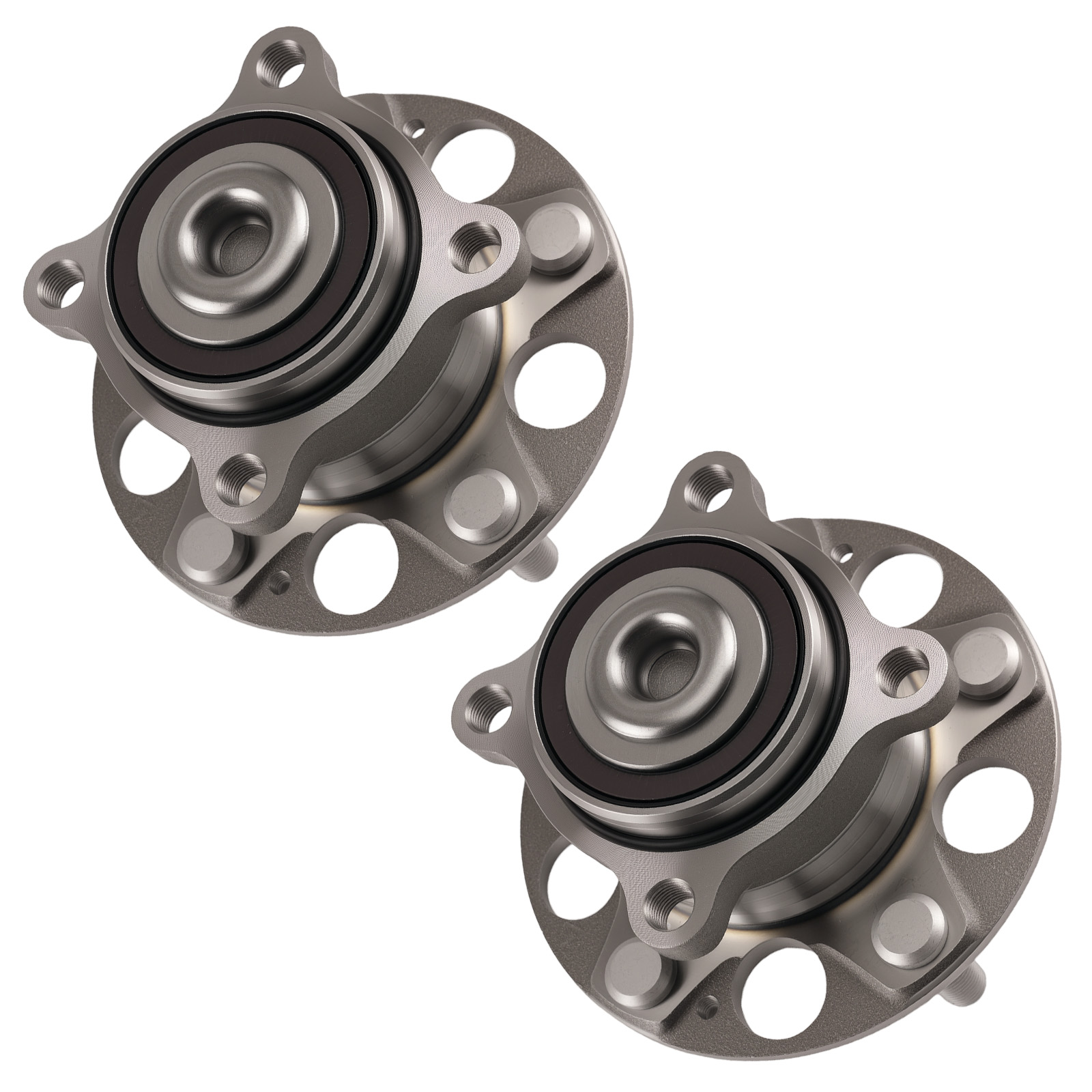 Rear LH RH Wheel Hub Unit fit for Honda Accord TSX 2008-2014 42200TR0A02 ABS$116.99View on Mallflare
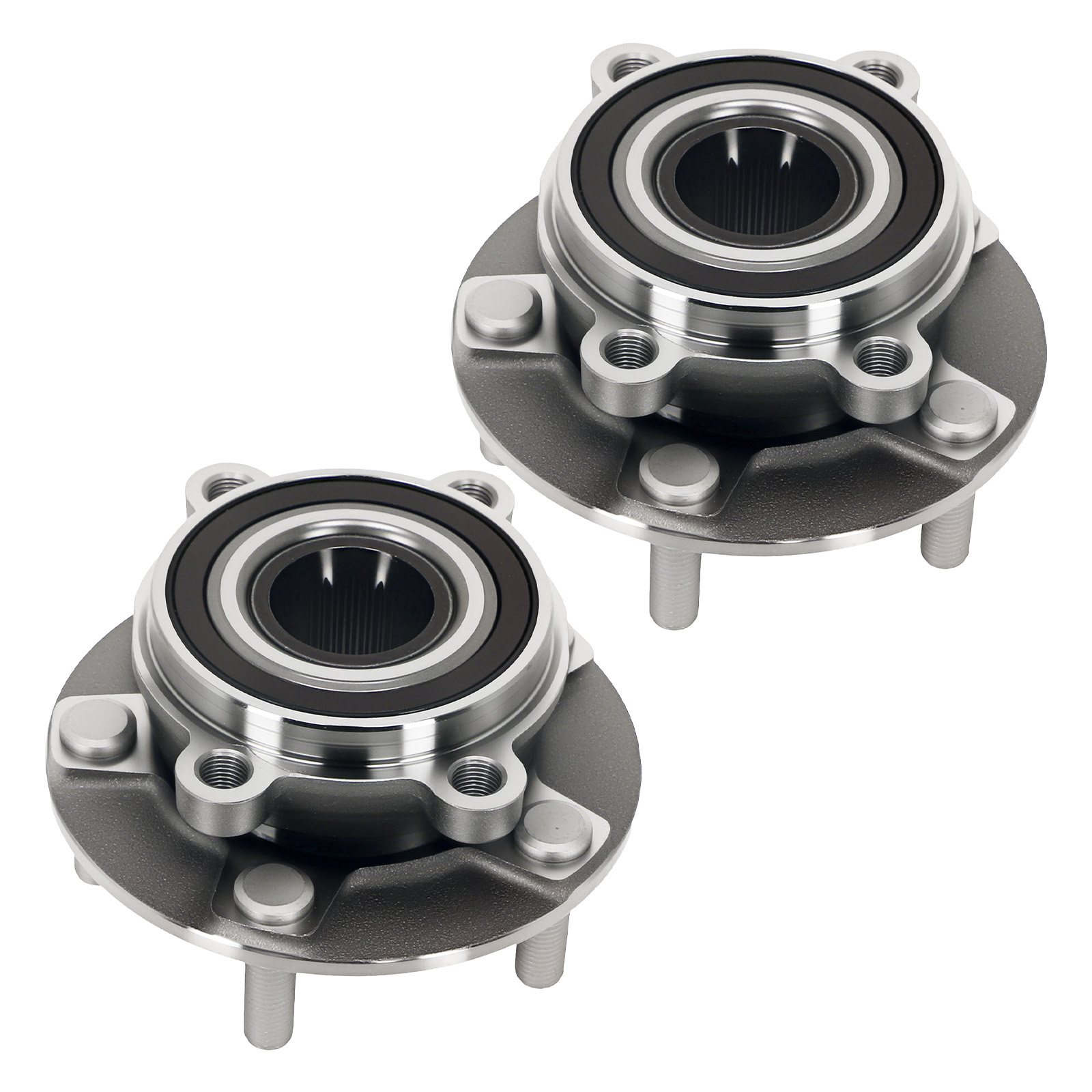 Front Wheel Hub & Bearing Set fit for Mazda 6 2014-2021 513347 5 Bolt ABS Left Right$128.99View on Mallflare
Highlights
- Unitized hub & bearing assemblies are non-serviceable: the bearing races, ABS tone ring, and flange are permanently matched, so replacement is the whole unit, not a re-grease.
- Bearing type is the durability divider: tapered roller and angular-contact ball bearings carry radial and axial loads; cheap deep-groove ball units in the same flange fail earlier under cornering load.
- ABS encoder type must match exactly: magnetic ring (active) versus toothed tone wheel (passive) determines whether the speed sensor reads correctly and disables traction control if wrong.
- Flange and stud grade sets clamp load: OEM-equivalent hubs use grade 10.9 or higher studs and forged flanges; economy hubs with soft studs stretch and cause wheel-end vibration and stud failure.
Best use cases
- Best fit: daily-driven sedans and crossovers with integrated ABS (Camry, Focus, Cherokee, RDX) — buy a complete hub & bearing assembly cross-referenced to the OEM number and axle position.
- Best fit: older press-fit hub designs (many pre-2010 trucks and rear axles) — a bearing-and-race kit is valid only if the spindle and hub flange show no scoring, heat discoloration, or runout above spec.
- Wrong fit: performance or track use with economy white-label hubs — skip low-cost units and choose a tier-1 branded assembly rated for the vehicle's axle load and cornering loads.
- Wrong fit: mixing a bare bearing into a unitized hub housing — skip this entirely; the assembly is engineered as one sealed unit and cannot be rebuilt reliably.
Buying tips
- Match by OEM interchange number and axle position (front/rear, left/right), not by vehicle name alone; the same model year can carry different hub designs across trims and drivetrains.
- Count the wheel studs and measure the flange pilot diameter before ordering; a 4-bolt and 5-bolt hub are not interchangeable even if the bearing bore matches.
- Confirm ABS type: active magnetic encoder hubs are not interchangeable with passive toothed-ring hubs, and the wrong type triggers a persistent wheel-speed code.
- Choose forged steel flanges and grade 10.9+ studs for towing or heavy loads; economy cast or soft-stud hubs are the first failure point under high clamp load.
Specs
| Assembly Type | Unitized hub & bearing vs bare bearing |
|---|---|
| Bearing Design | Tapered roller / angular-contact ball |
| ABS Encoder | Active magnetic ring vs passive tone wheel |
| Stud & Flange Grade | Forged flange, grade 10.9+ studs |
Related searches
What to check before buying
- Record the OEM hub part number from the vehicle's parts catalog and the axle position; the interchange number is the primary fit key, not the model name.
- Measure wheel stud count, stud thread pitch, and flange pilot diameter to confirm the replacement hub matches the wheel and brake rotor hat.
- Identify the ABS encoder type on the original hub (magnetic ring vs toothed tone wheel) and confirm the replacement matches the vehicle's speed sensor system.
- Inspect the spindle or knuckle bore for scoring, corrosion, and runout before fitting a press-in bearing; a damaged bore requires knuckle replacement, not a new bearing.
FAQ
Data sources: eBay / Amazon listings and product attribute feeds Data updated Nov 15, 2026.
Some links on this page are affiliate links. If you buy after clicking one, we may earn a commission at no extra cost to you. This does not change which products appear here or their order. Affiliate disclosure.