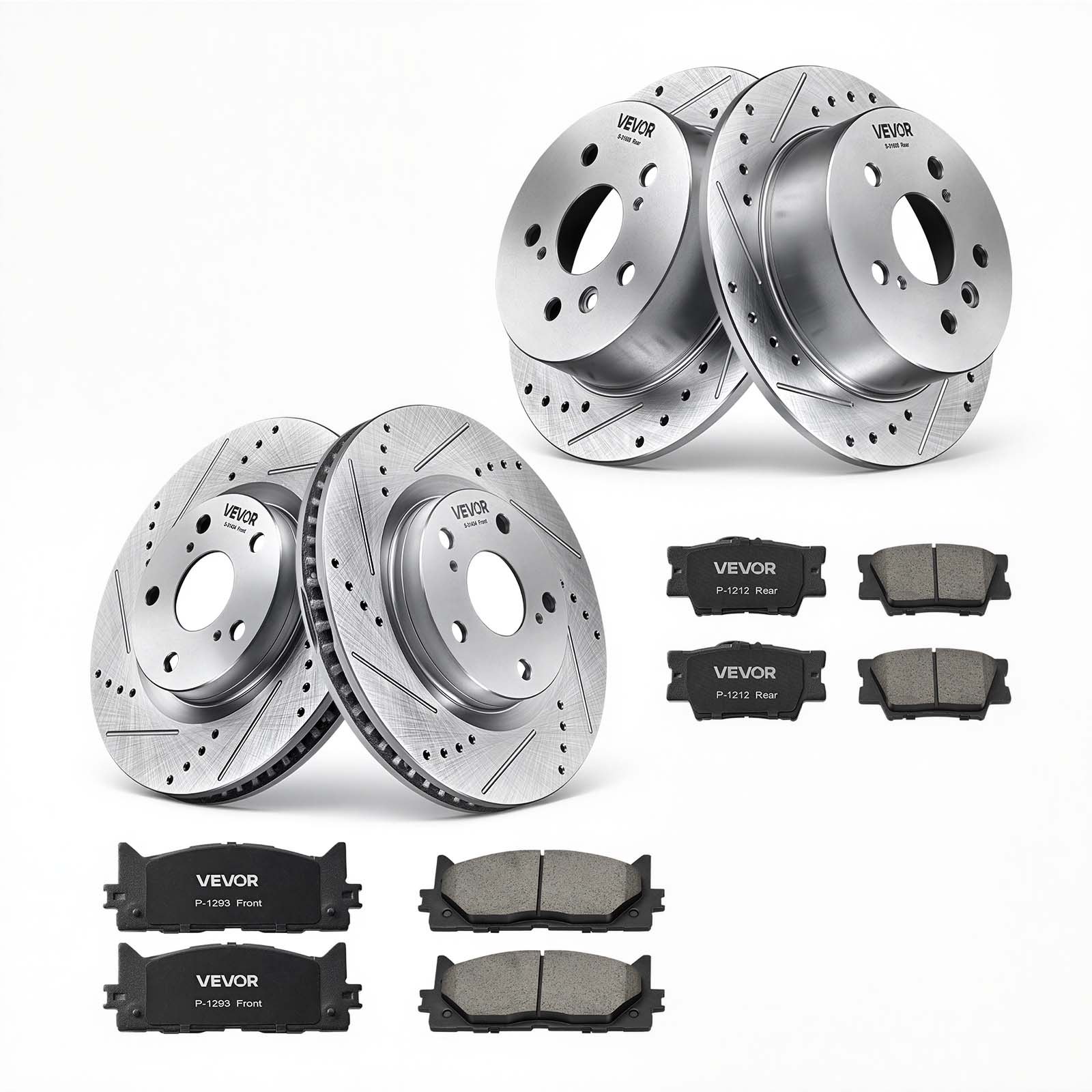

Photos from current listings. Actual item, color, and included accessories may vary.
Rear Brake Pad Buying Guide
Rear brake pads are the friction components that clamp the rear rotors to slow and stop a vehicle, and they split into ceramic, semi-metallic, and organic formulations that trade dust/noise against heat tolerance and bite. The key decision is matching pad compound to your driving cycle (daily commute vs. towing/hauling) and confirming fitment by axle-specific part numbers, not by generic vehicle marketing. Durable choices come from established friction brands with shims, chamfers, and scorched surfaces; compromises appear as no-name pads that skip noise hardware or use low-metallic content that chews rotors.


At a glance
- Category
- Suspension, Steering & Brake Parts
- Data updated
- Nov 15, 2026
Current offers
Highlights
- Ceramic pads run cooler and quieter with low dust but have lower cold bite than semi-metallic; semi-metallic pads handle heat better for towing and aggressive driving at the cost of dust and rotor wear.
- Rear pads are typically thinner and smaller than front pads; using front-spec pads on the rear axle or mixing compounds across axles can upset brake balance and ABS/ESC behavior.
- Quality pads include nitrile rubber-coated steel shims, chamfered edges, and slot designs to control vibration; economy pads often skip shims, causing squeal and uneven wear.
- Pad wear sensors and electronic parking brake (EPB) compatibility matter: some rear pads require a wear sensor connector or a specific backing plate shape for EPB calipers.
Best use cases
- Best fit for daily commuting and stop-and-go traffic: choose ceramic rear pads with shims and chamfers for low dust and quiet operation; skip semi-metallic unless you frequently tow.
- Best fit for towing, hauling, or mountain driving: choose semi-metallic or heavy-duty rear pads rated for higher heat; skip low-dust ceramic pads that can fade under sustained load.
- Best fit for vehicles with electronic parking brakes: choose rear pads listed with EPB compatibility and any required wear sensor; skip generic pads that lack the correct backing plate or sensor notch.
- Wrong fit: buying a front-and-rear kit when only rear pads are worn; rear and front axles wear at different rates, and mixing new rear pads with worn front pads can affect balance. Replace axle pairs, not necessarily both axles.
Buying tips
- Match pads by exact year, make, model, and trim (and sometimes brake package code); rear pad shapes vary within the same model generation, so verify the part number against your VIN or brake code.
- Measure rear rotor thickness against the minimum specification stamped on the rotor; if below spec or heavily scored, replace rotors with pads rather than pad-slapping.
- Choose pads with included abutment hardware and shims; reusing old clips or skipping shims causes rattle, drag, and uneven wear.
- For ceramic pads, confirm they are scorched or burnished from the factory; unbranded ceramics without break-in treatment may require longer bed-in and can exhibit temporary low bite.
Specs
| Pad Compound | Ceramic / Semi-metallic / Organic |
|---|---|
| Axle Fitment | Rear-specific part numbers |
| Noise Hardware | Shims + chamfers + slots |
| Wear Sensor | With or without connector |
Related searches
What to check before buying
- Confirm your rear caliper type (floating vs. fixed) and whether an electronic parking brake is present; EPB calipers often require pads with a specific piston interface.
- Check for a rear pad wear sensor on your vehicle; if present, buy pads with the correct sensor connector or reuse the old sensor only if the pad has the mounting notch.
- Verify rear rotor diameter and thickness against the pad's compatible rotor range; oversized or undersized rotors can cause pad overhang or insufficient contact.
- Inspect rear caliper slide pins and boots; seized pins will destroy new pads regardless of compound, so service or replace calipers before installation.
FAQ
Data sources: eBay / Amazon listings and product attribute feeds Data updated Nov 15, 2026.
Some links on this page are affiliate links. If you buy after clicking one, we may earn a commission at no extra cost to you. This does not change which products appear here or their order. Affiliate disclosure.