Photos from current listings. Actual item, color, and included accessories may vary.
Rear Brake Disc Buying Guide
Rear brake discs are the rotating cast-iron (or composite) friction surfaces that clamp with the rear caliper to stop the rear axle; the primary trade-off is plain solid vented vs. drilled/slotted metallurgy and coating, where cheap uncoated blanks rust and warp while coated or vented discs handle heat and corrosion. The clear decision rule: buy discs that match your exact axle width, bolt pattern, and thickness spec, and choose coated or vented rotors for daily/towing duty over bare blanks for track-only use.


At a glance
- Category
- Suspension, Steering & Brake Parts
- Data updated
- Nov 15, 2026
Current offers
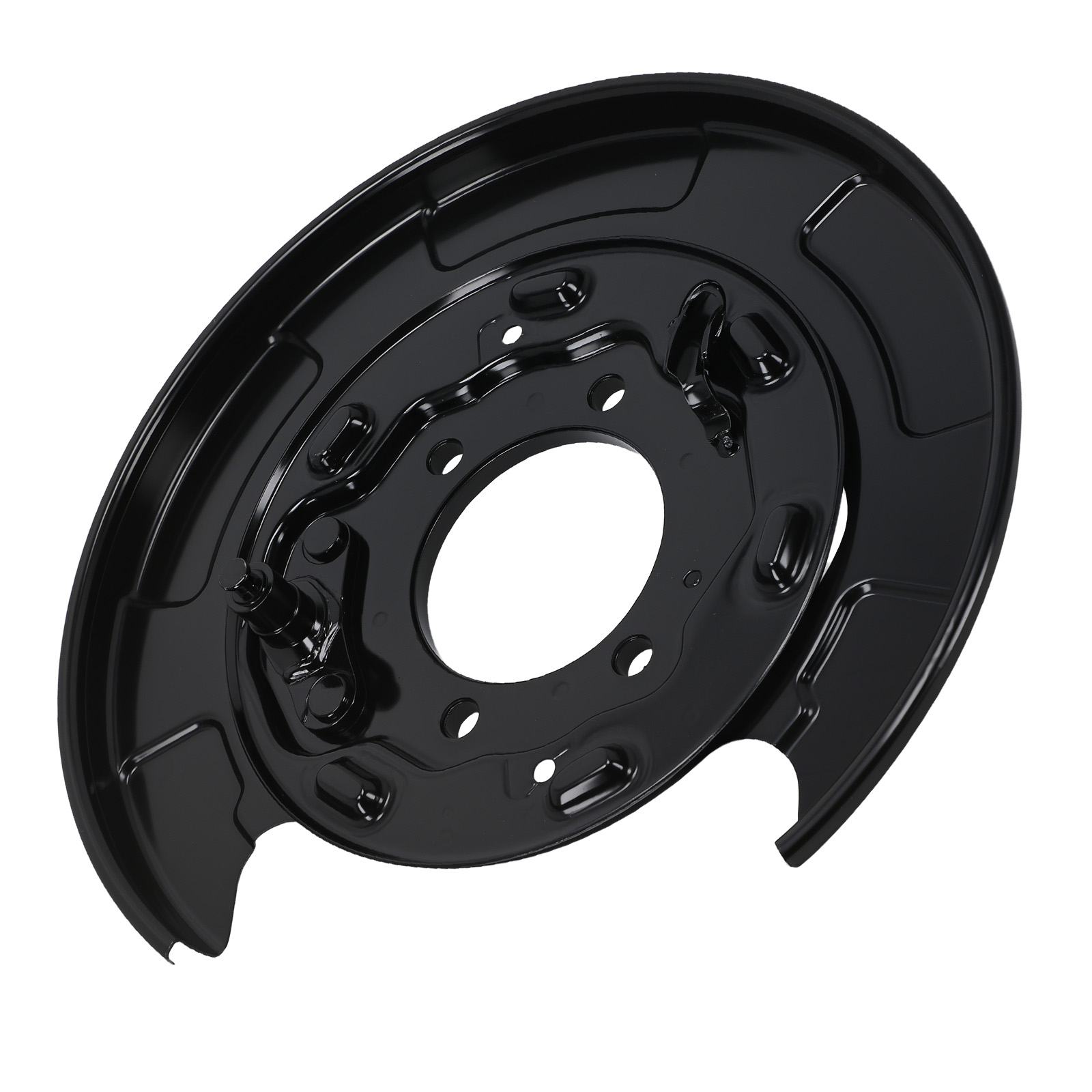 Rear Right Disc Brake Dust Shield fit for Subaru Forester Impreza 2008-14 26704FG000$85.99
 View on Mallflare
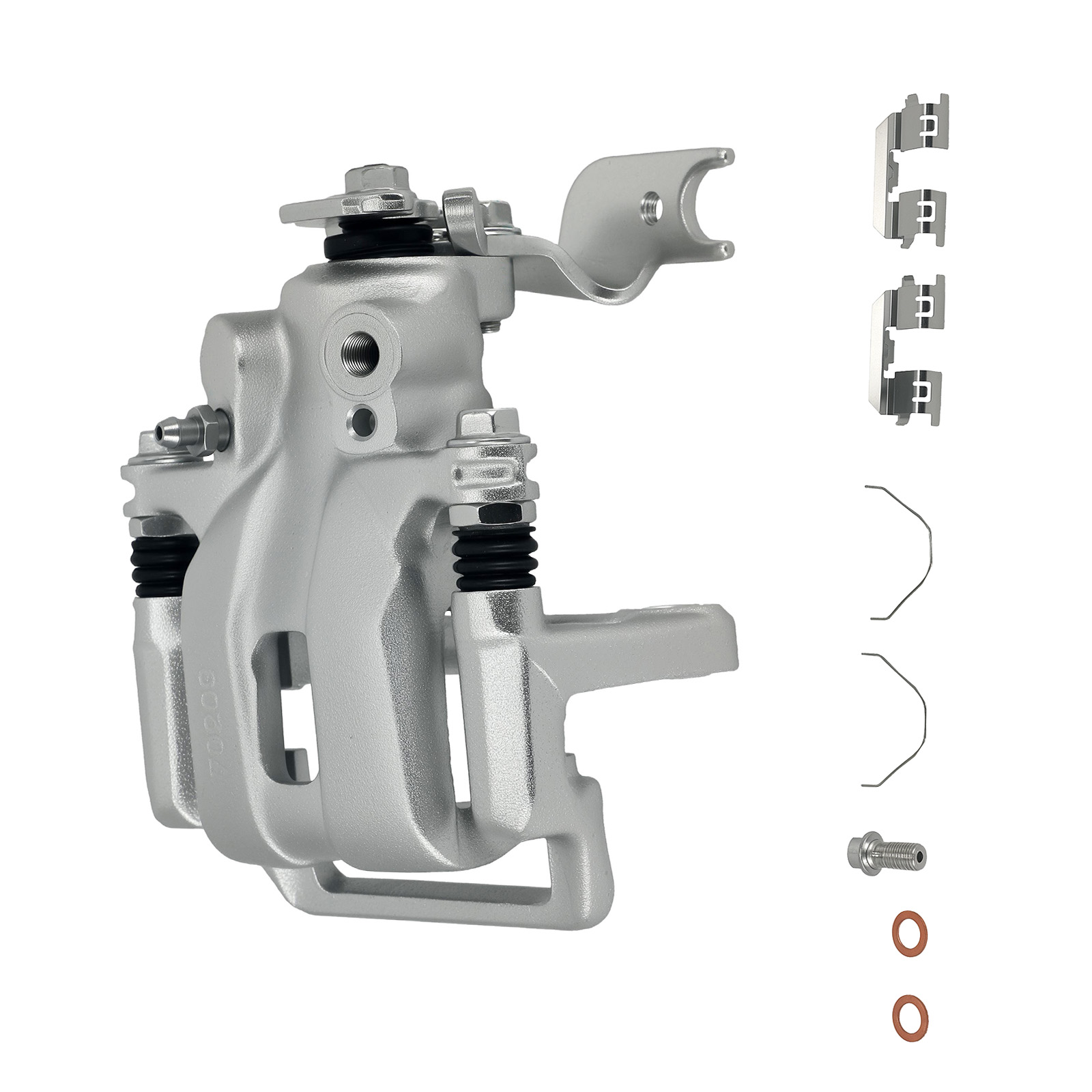 Disc Left Rear Brake Caliper Kit fit for Honda Accord 2013-2017 with Bracket$89.99View on Mallflare
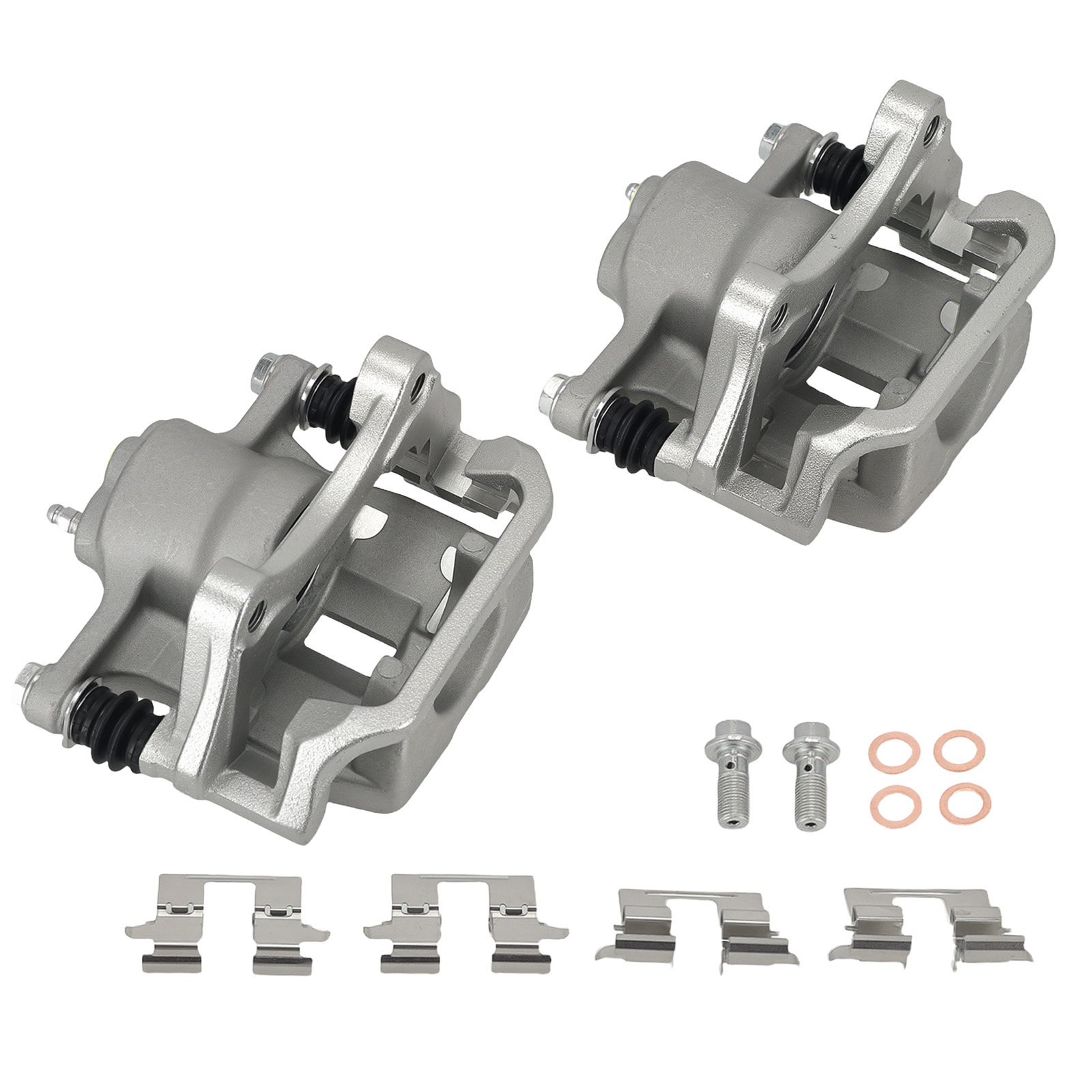 Rear Disc Brake Caliper fit for Toyota Highlander 2008-13 478500E050 19-B3350$141.99View on Mallflare
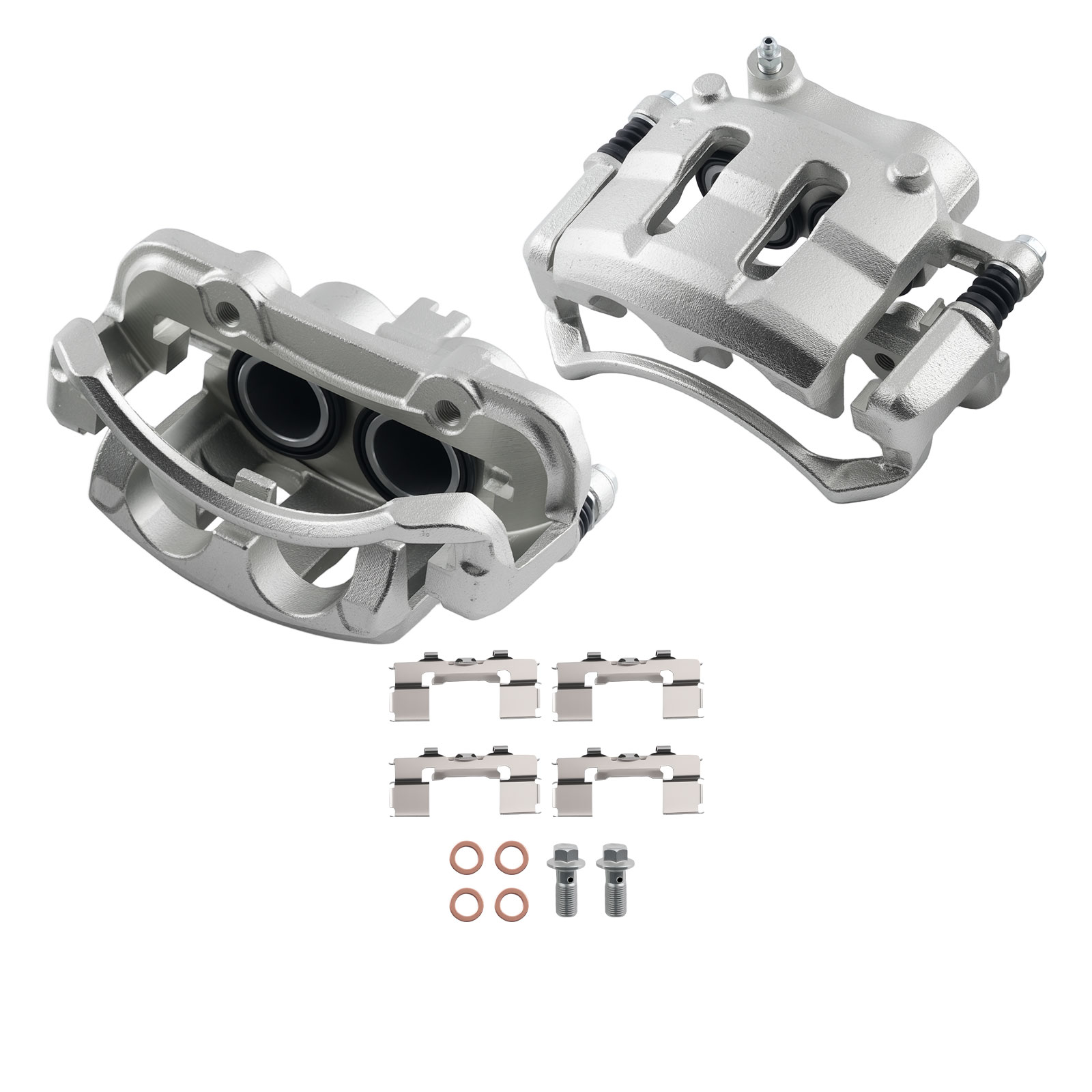 Rear Disc Brake Calipers Set fit for Nissan Frontier Pickup D21 with Bracket 19B1672$167.99View on Mallflare
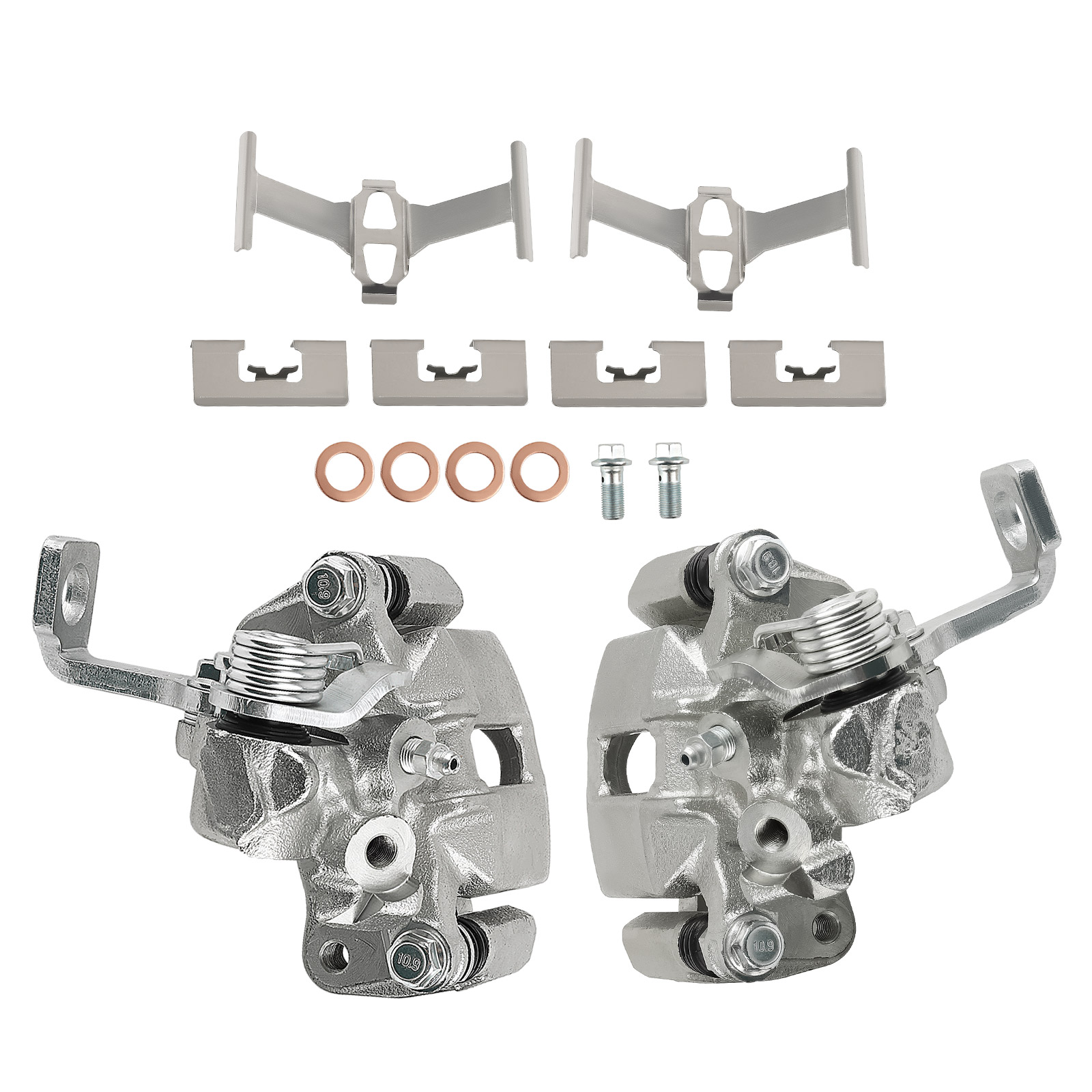 2x Disc Brake Caliper w/ Bracket fit for Honda Civic Acura Integra Rear Left & Right$172.99View on Mallflare
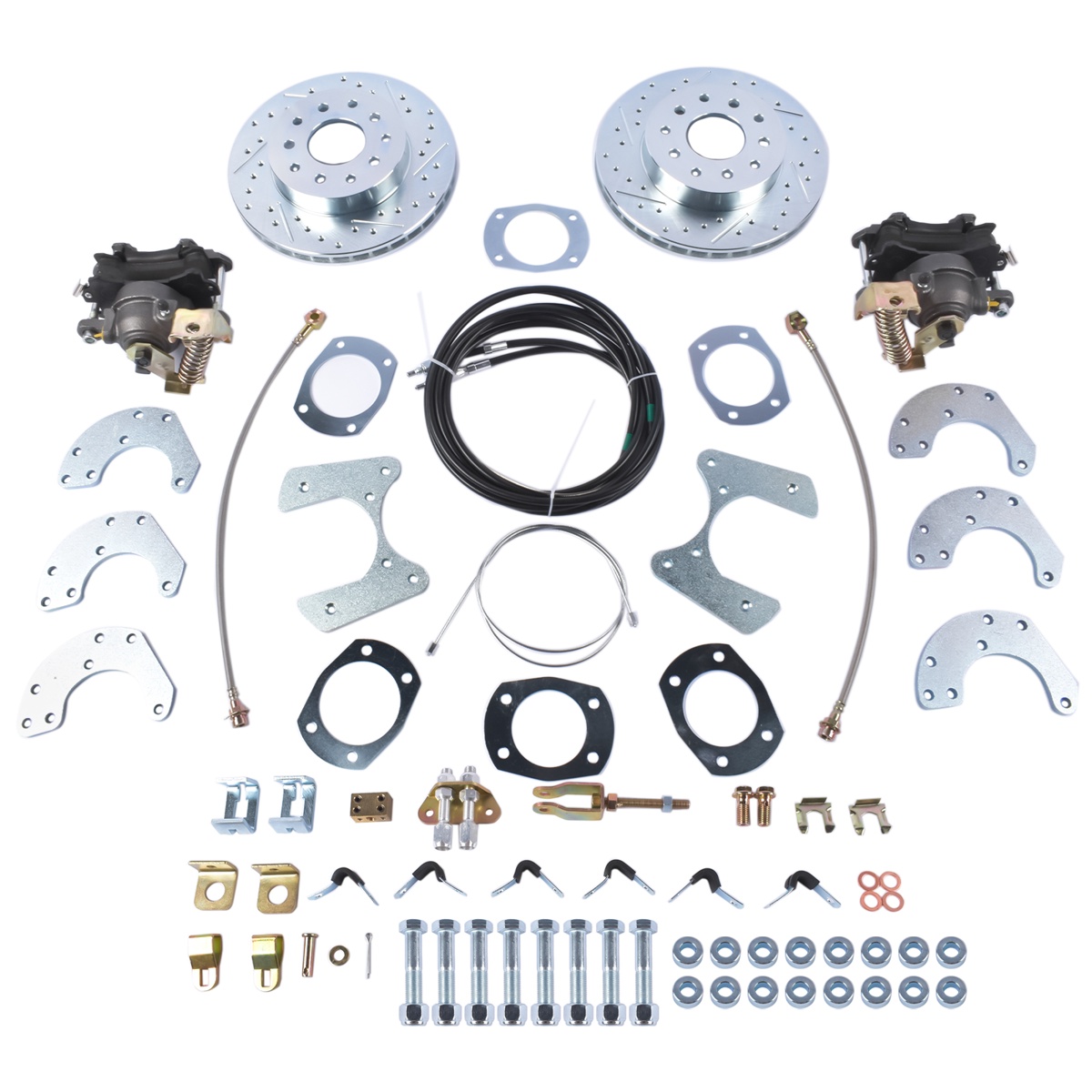 DBK9 Complete Rear-End Bolt-On Disc Brake Conversion Kit for Ford 8 Inch or 9 Small Bearing$598.99View on Mallflare
Highlights
- Solid vs. vented: solid rear discs are common on light cars and dissipate less heat; vented discs (two plates with internal vanes) are required for towing, heavier SUVs, and performance driving.
- Coating matters: geomet-coated or zinc-plated rotors resist salt-belt corrosion on the hat and edges, while uncoated blanks rust within one winter and can seize to the hub.
- Thickness and runout are the wear limits: minimum thickness (stamped on the hat) and lateral runout under 0.05 mm prevent pedal pulsation; machining below minimum thickness is unsafe.
- Drilled/slotted rotors improve wet bite and outgassing but crack under sustained heat; for street use choose slotted-only or plain vented, and reserve cross-drilled for light track duty with matched pads.
Best use cases
- Daily driver sedan or hatchback (e.g., Civic, Accord, Corolla): choose plain solid or lightly vented coated rotors in stock diameter; skip cross-drilled rotors as they add noise and crack risk with no street benefit.
- Towing or heavy SUV (e.g., Highlander, Frontier): pick vented rear rotors with high-carbon metallurgy and a coated hat; skip thin solid blanks that overheat and warp under trailer load.
- Track or autocross car: use slotted or plain vented rotors with track-compound pads and inspect for cracks every event; skip cheap drilled rotors and uncoated blanks that fail heat cycling.
- Lifted truck or custom axle (Ford 8-inch/9-inch conversion): use a complete bolt-on rear disc conversion kit with matched caliper brackets and parking-brake provisions; skip mix-and-match junkyard parts without verified bracket geometry.
Buying tips
- Measure rotor diameter and thickness with a micrometer: stock diameter must match the caliper bracket, and thickness must be above the stamped minimum (typically 0.5-1.0 mm wear allowance).
- Match bolt pattern and center bore exactly: 5x100, 5x114.3, and 6x139.7 are not interchangeable, and a larger center bore requires hub-centric rings to avoid vibration.
- Choose coated (geomet/zinc) rotors in salt-belt climates and plain or lightly oiled blanks in dry climates; never install a rotor with grease on the friction face.
- For conversions, buy a complete kit with calipers, brackets, hoses, and parking-brake cables sized for the axle; partial kits often lack the correct bracket offset and cause pad misalignment.
Specs
| Rotor Type | Solid vs Vented (vaned) |
|---|---|
| Surface Finish | Plain / Slotted / Cross-drilled |
| Coating | Geomet / Zinc / Uncoated |
| Material Grade | G3000 cast iron / High-carbon |
Related searches
What to check before buying
- Verify your vehicle's exact rear rotor diameter, thickness, and minimum thickness from the door jamb sticker or factory service manual before ordering.
- Confirm wheel clearance: larger rotors and caliper brackets may require 16-inch or larger wheels and specific spoke clearance.
- Check parking-brake type: drum-in-hat vs. integral caliper parking brake determines whether the rotor has an inner drum surface.
- Inspect hub and axle flange runout and cleanliness; rust or debris on the hub face causes lateral runout and pedal pulsation even with new rotors.
FAQ
Data sources: eBay / Amazon listings and product attribute feeds Data updated Nov 15, 2026.
Some links on this page are affiliate links. If you buy after clicking one, we may earn a commission at no extra cost to you. This does not change which products appear here or their order. Affiliate disclosure.