Photos from current listings. Actual item, color, and included accessories may vary.
Honda Strut Buying Guide
Honda struts are the vertical damper assemblies that locate the wheel, carry spring load, and control rebound on Civic, CR-V, Fit, and Integra chassis. The core trade-off is between bare replacement dampers and complete quick-strut assemblies with new springs and mounts, plus the architecture split between OE-height units and adjustable coilovers. Buy complete assemblies with matched springs and mounts for stock ride height, and choose coilovers only when you need explicit ride-height or damping adjustment.


At a glance
- Category
- Suspension, Steering & Brake Parts
- Data updated
- Nov 15, 2026
Current offers
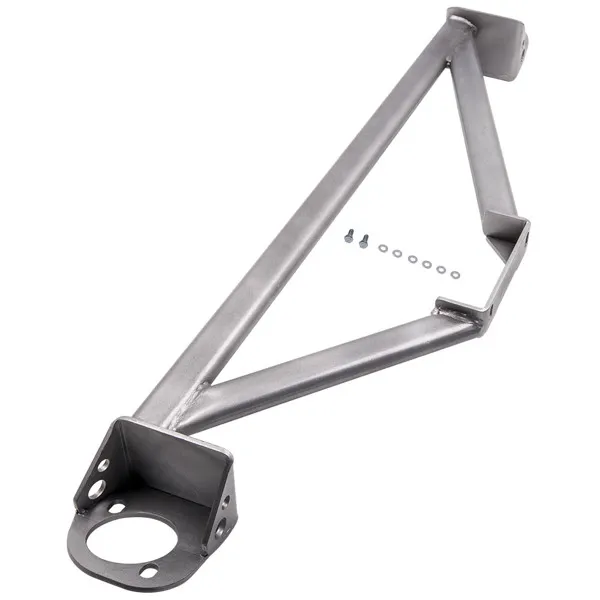 Front Upper Strut Bar Brace for Honda Civic EG EK Integra DC2 1992-2000 For CRX Del Sol$142.99
 View on Mallflare
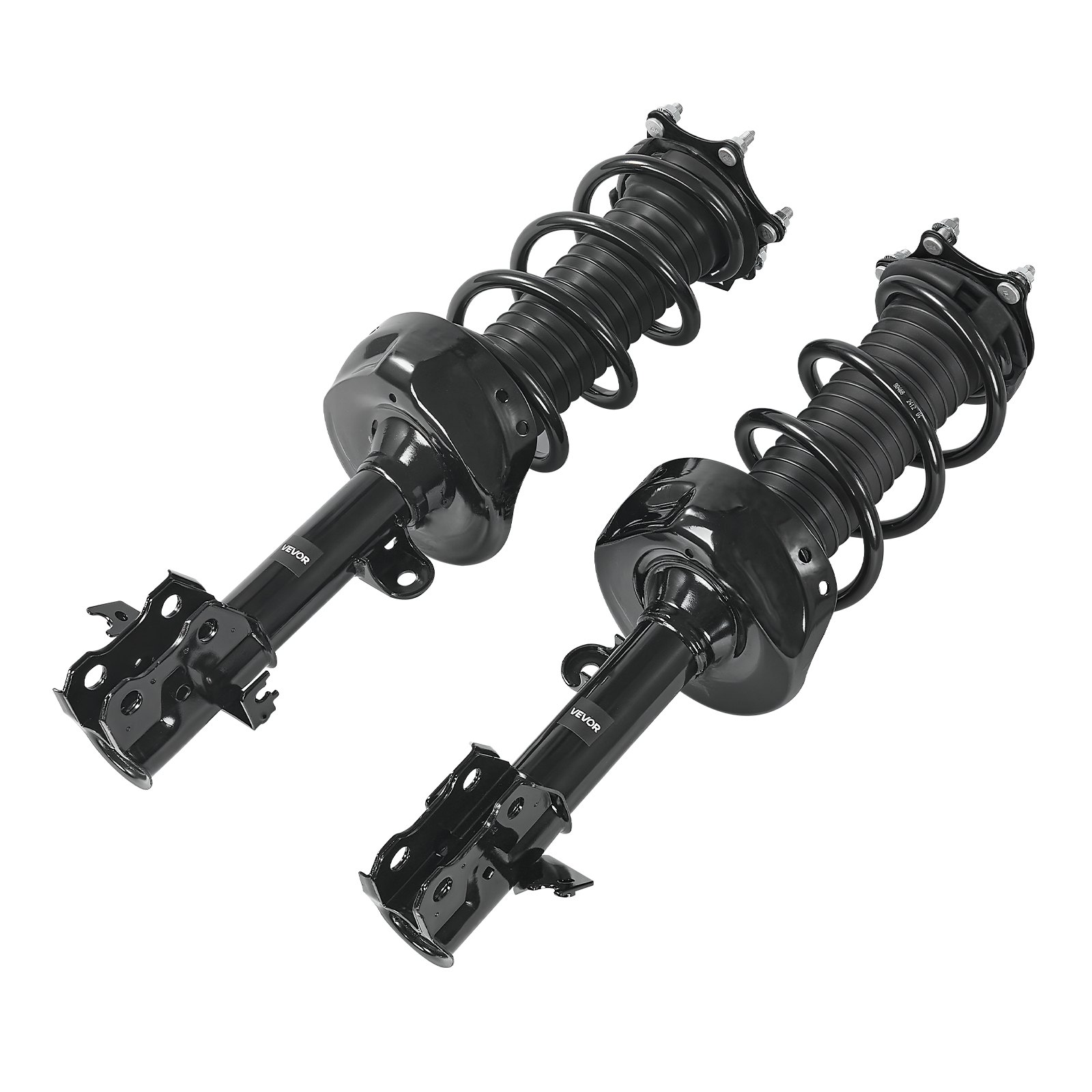 Front Shock Absorber Strut Assembly, 2Pcs And With Coil Spring, Compatible 2007-2014 Honda CR-V, Automotive Replacement Struts, OE 272491/272492$192.99View on Mallflare
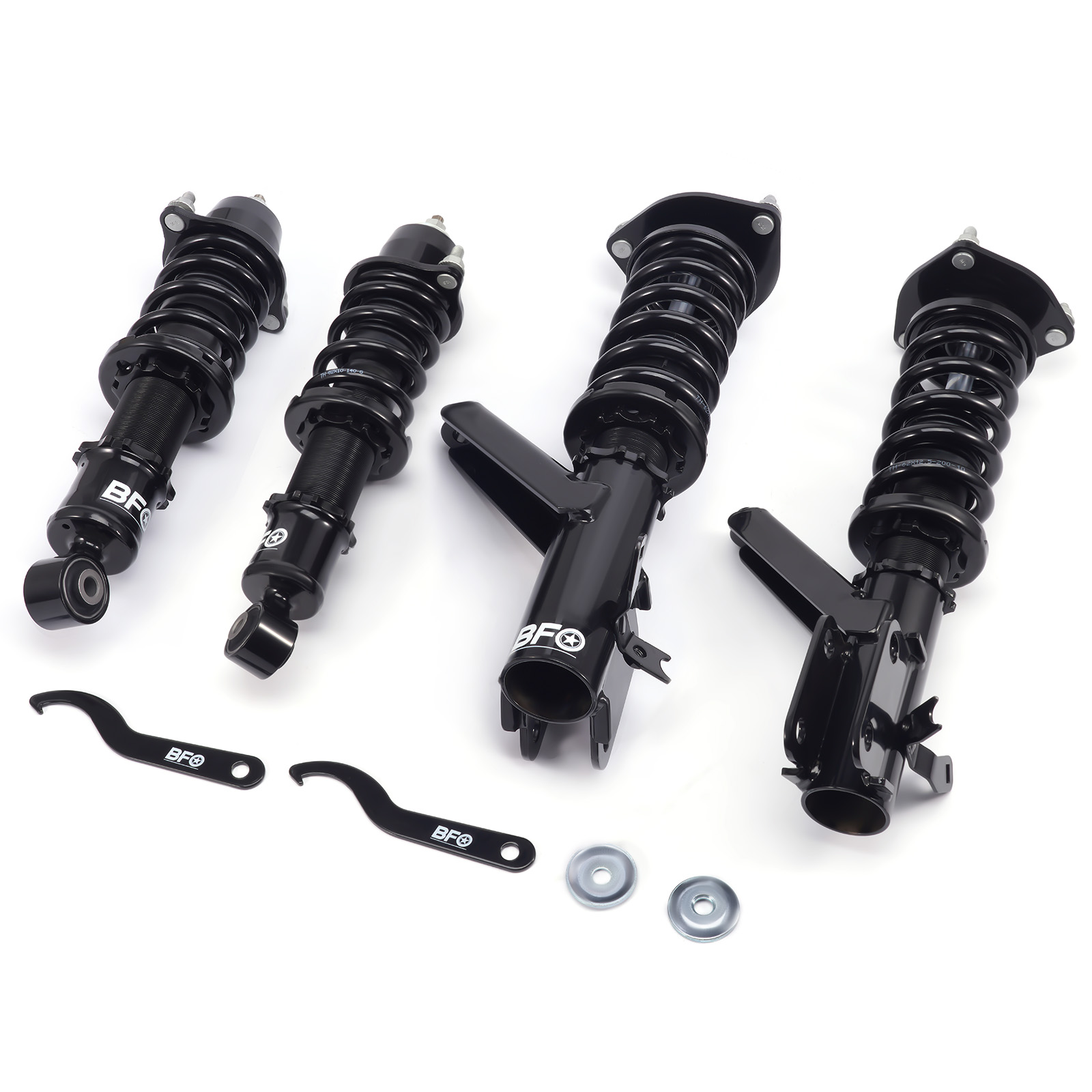 BFO Coilovers Suspension Struts Shocks fit for Honda Civic VII 2001-2005$386.99View on Mallflare
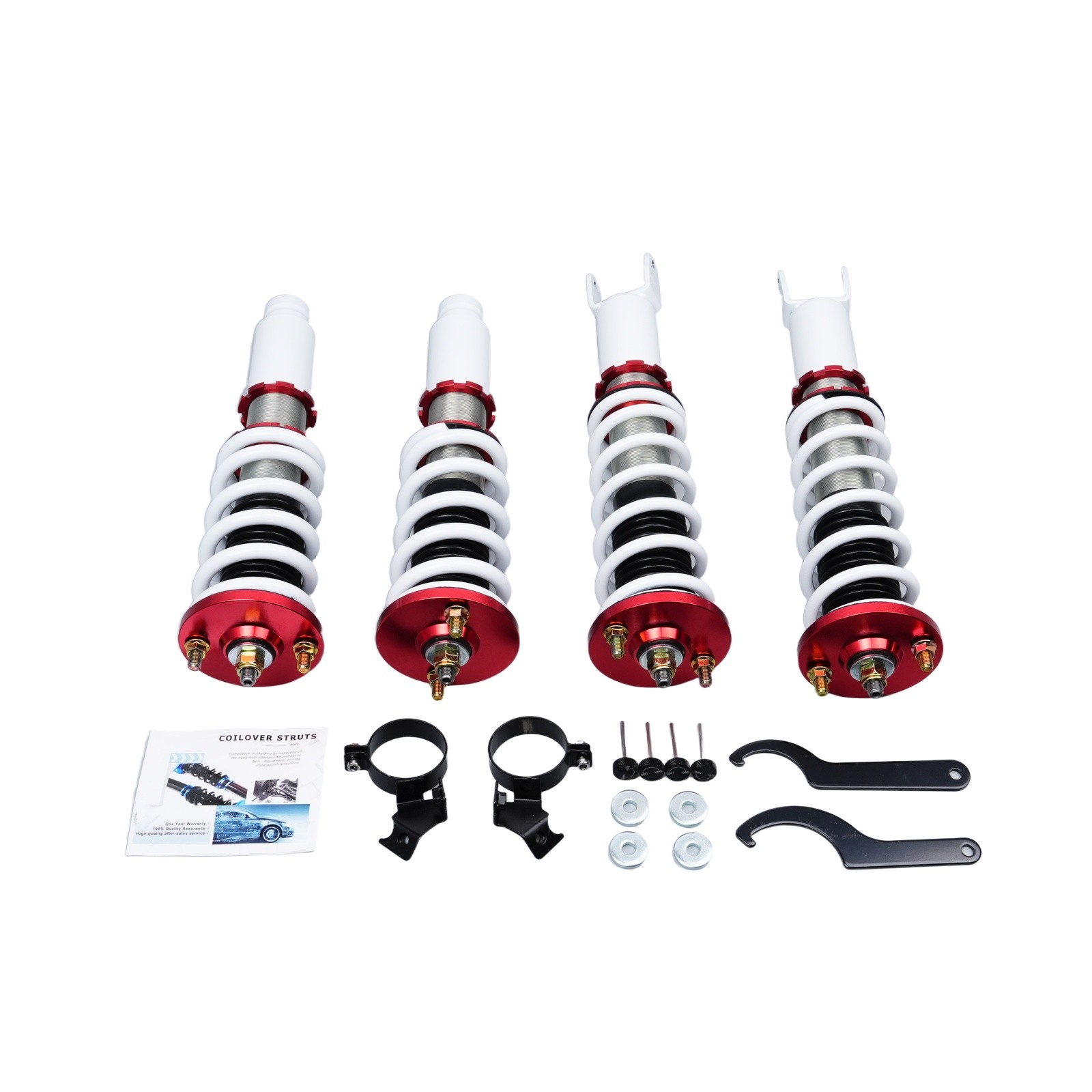 Set Of4 Shock Suspension Absorber Struts Coilovers Kits For 1992-2000 -Honda Civic$389.99View on Mallflare
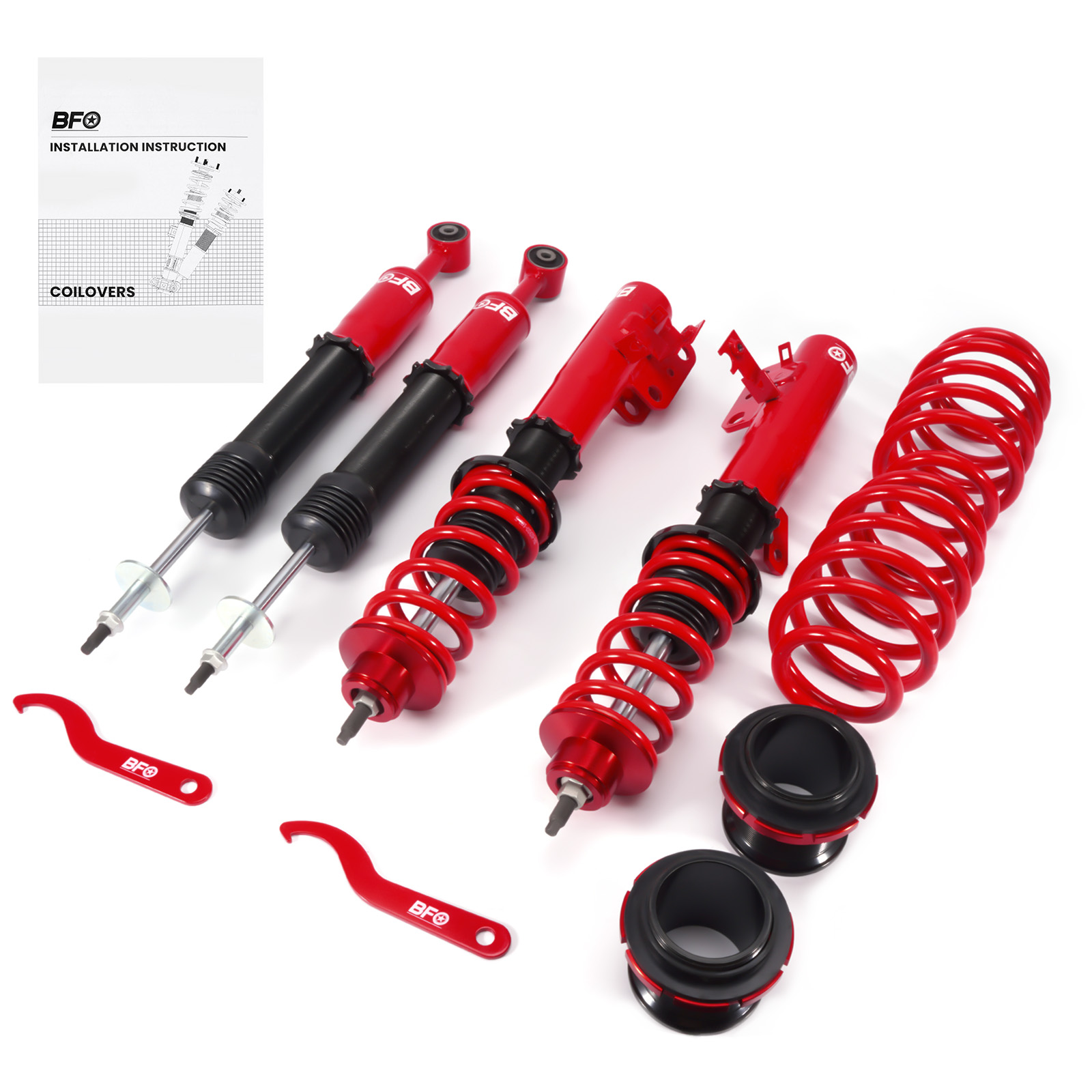 Coilovers Shocks Struts Suspension Lowering Kit fit for Honda Fit 2009-2013$392.99View on Mallflare
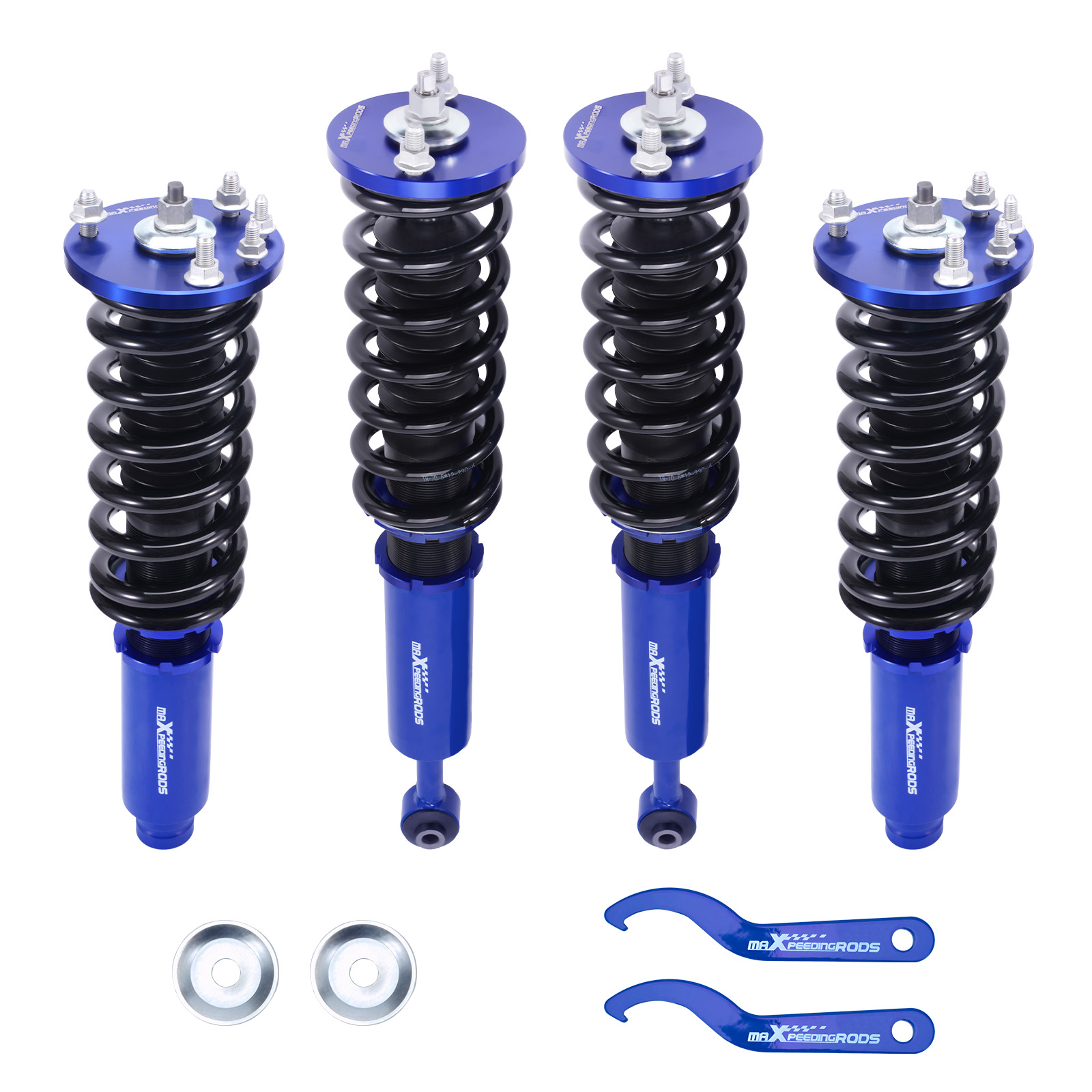 Coilovers Struts Shock Suspension Kit FIT For Honda Accord 1998-2002 Acura CL 2001-2003$428.99View on Mallflare
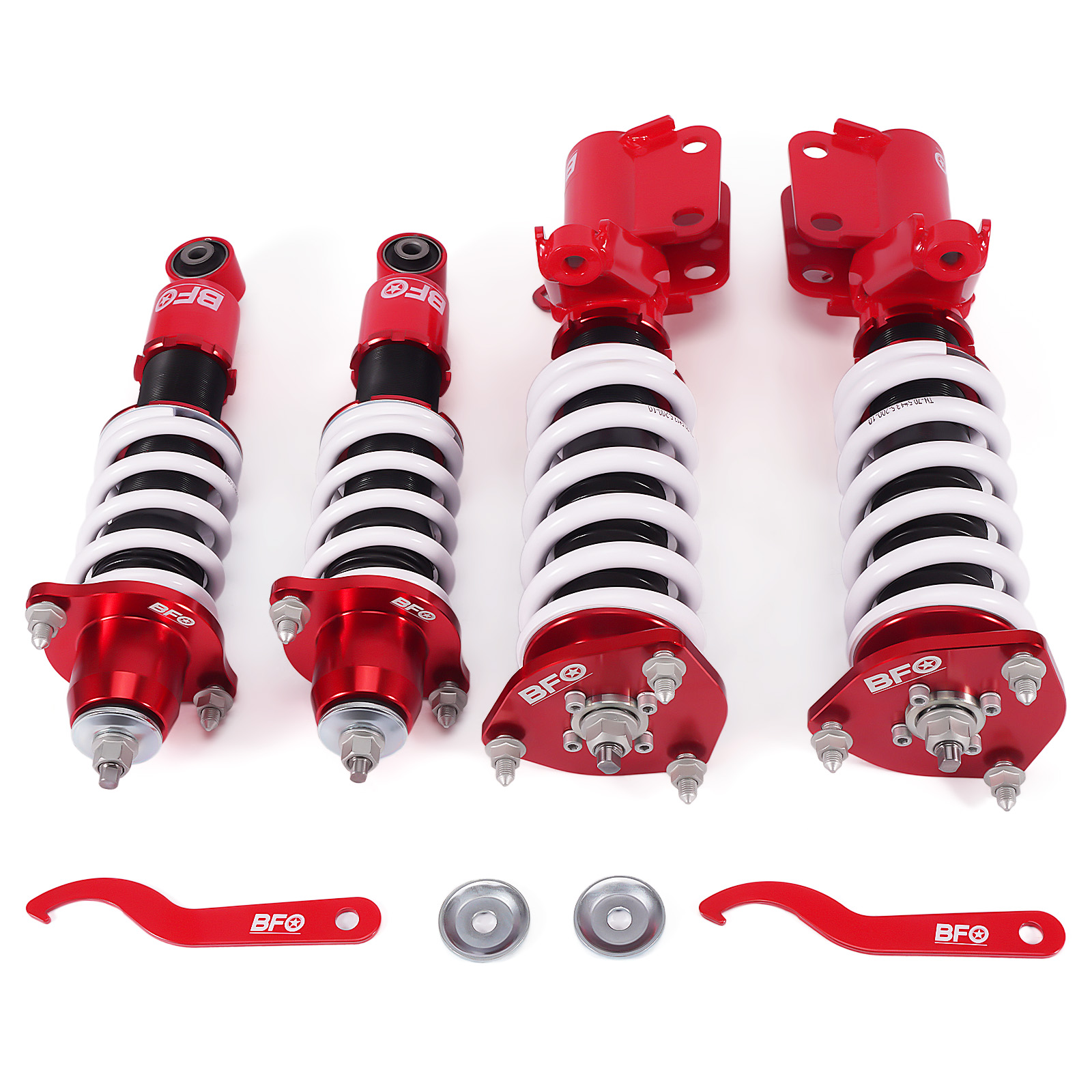 BFO Coilovers Suspension Shocks Struts Springs Kit fit for Honda Civic 2001-2005$453.99View on Mallflare
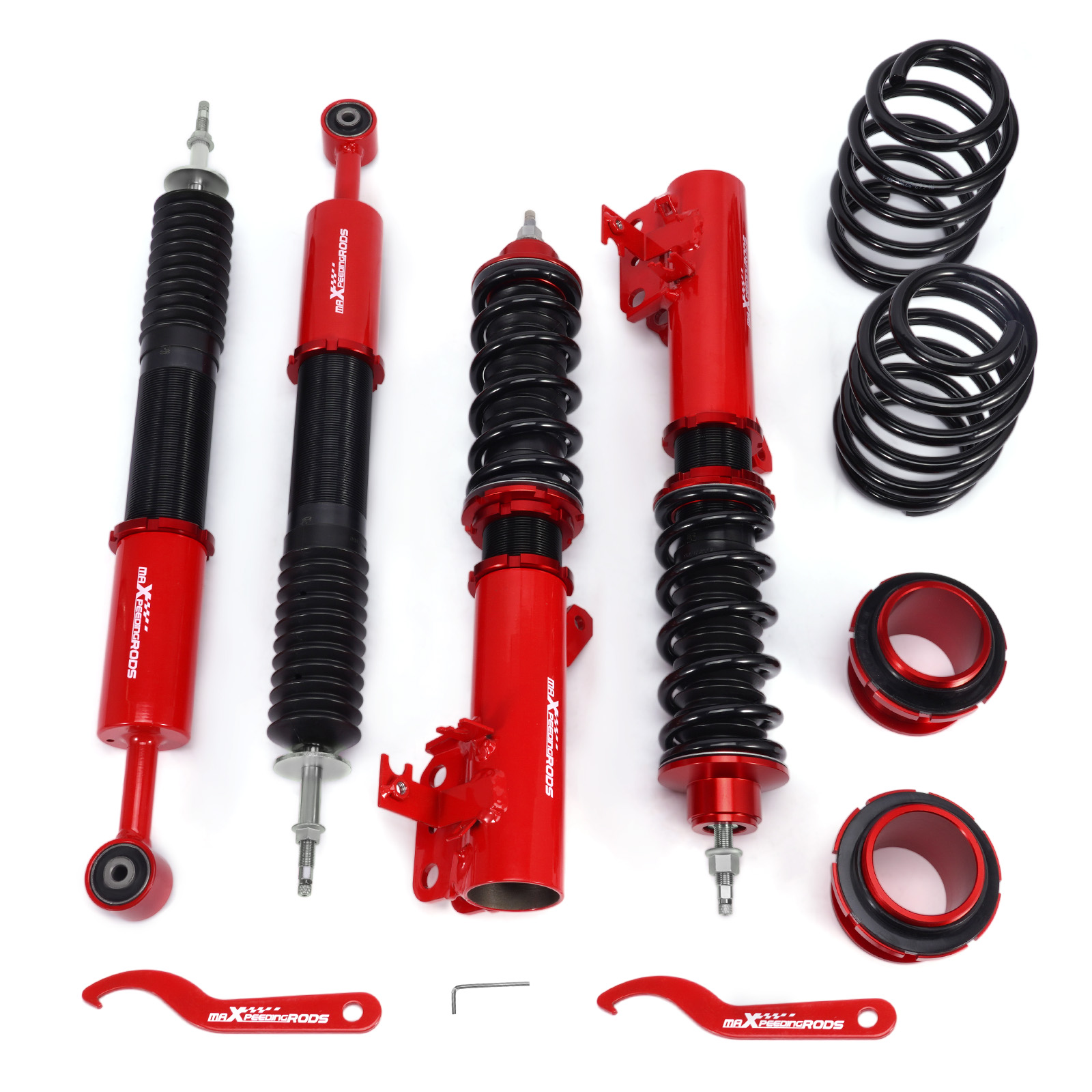 24 Way Coilovers Suspension Lowering Kit fit for 09-14 Honda Fit 1.5L Shocks Struts$504.99View on Mallflare
Highlights
- Quick-strut assemblies ship pre-assembled with coil spring, upper mount, and bearing, eliminating spring compressors and reusing worn OEM mounts.
- Twin-tube dampers dominate OE Honda fitments; monotube coilovers resist fade better but stiffen the daily ride and demand corner weighting.
- Front strut braces tie the upper damper towers to cut cowl flex; they add chassis rigidity only and do not replace worn dampers or springs.
- Adjustable coilovers use threaded spring perches for ride-height change and separate rebound/compression clicks, unlike fixed OE-height struts.
Best use cases
- Daily-driven Civic or CR-V with blown dampers: pick a complete front or four-corner quick-strut assembly at OE ride height; skip bare cartridges and lowering springs.
- Fit or Civic used for autocross or track days: select a threaded coilover kit with matched spring rates and damping adjustment; skip OE replacement struts that cannot change height.
- Civic EG/EK or Integra DC2 street build chasing sharper turn-in: add a front upper strut brace only after dampers and bushings are healthy; skip it as a fix for clunks or leaks.
Buying tips
- Match strut part numbers to exact year, body code, and engine (e.g., Civic EG/EK 1992-2000 vs Fit 2009-2013) because lower clevis and top-hat bolt patterns differ.
- Replace struts in axle pairs; a new damper against a worn one causes uneven roll stiffness and unpredictable brake-side load transfer.
- For coilovers, confirm spring rate and damping adjuster type; 24-way single-adjustable units tune rebound only, not separate compression.
- Budget new upper mounts and bearings with any bare damper purchase; reusing collapsed rubber mounts negates the new strut's damping.
Specs
| Strut Architecture | Twin-tube OE vs monotube coilover |
|---|---|
| Assembly Type | Quick-strut complete vs bare damper |
| Height Adjustment | Fixed OE height vs threaded perch |
| Damping Adjustment | Fixed valving vs 24-way rebound |
Related searches
What to check before buying
- Record your chassis code, model year, and drive layout; verify the listing explicitly covers that body and engine.
- Measure current fender-to-hub gap and confirm the chosen coilover's minimum and maximum drop clears your tire and wheel offset.
- Inspect top-mount stud length and strut-to-knuckle bolt diameter; Honda varies these across generations and trims.
- Confirm the kit includes dust boots, bump stops, and hardware; missing stops let the damper bottom out and fail early.
FAQ
Data sources: eBay / Amazon listings and product attribute feeds Data updated Nov 15, 2026.
Some links on this page are affiliate links. If you buy after clicking one, we may earn a commission at no extra cost to you. This does not change which products appear here or their order. Affiliate disclosure.