Photos from current listings. Actual item, color, and included accessories may vary.
Honda Control Arm Buying Guide
Honda control arms are the pivoting links that connect the chassis to the wheel hub, and the primary trade-off is stamped steel with rubber bushings versus forged aluminum or serviceable ball joints. The decision rule: replace complete assemblies with pressed-in ball joints and hardened studs, not bare arms that force you to reuse worn joints.
Arm Construction:Stamped steel vs forged aluminumBushing Type:Rubber OEM vs polyurethaneBall Joint:Pressed-in, staked, non-serviceableAdjustability:Fixed length vs camber/toe adjustable
Typical price range$95.99 – $398.99


At a glance
- Category
- Suspension, Steering & Brake Parts
- Data updated
- Nov 15, 2026
Current offers
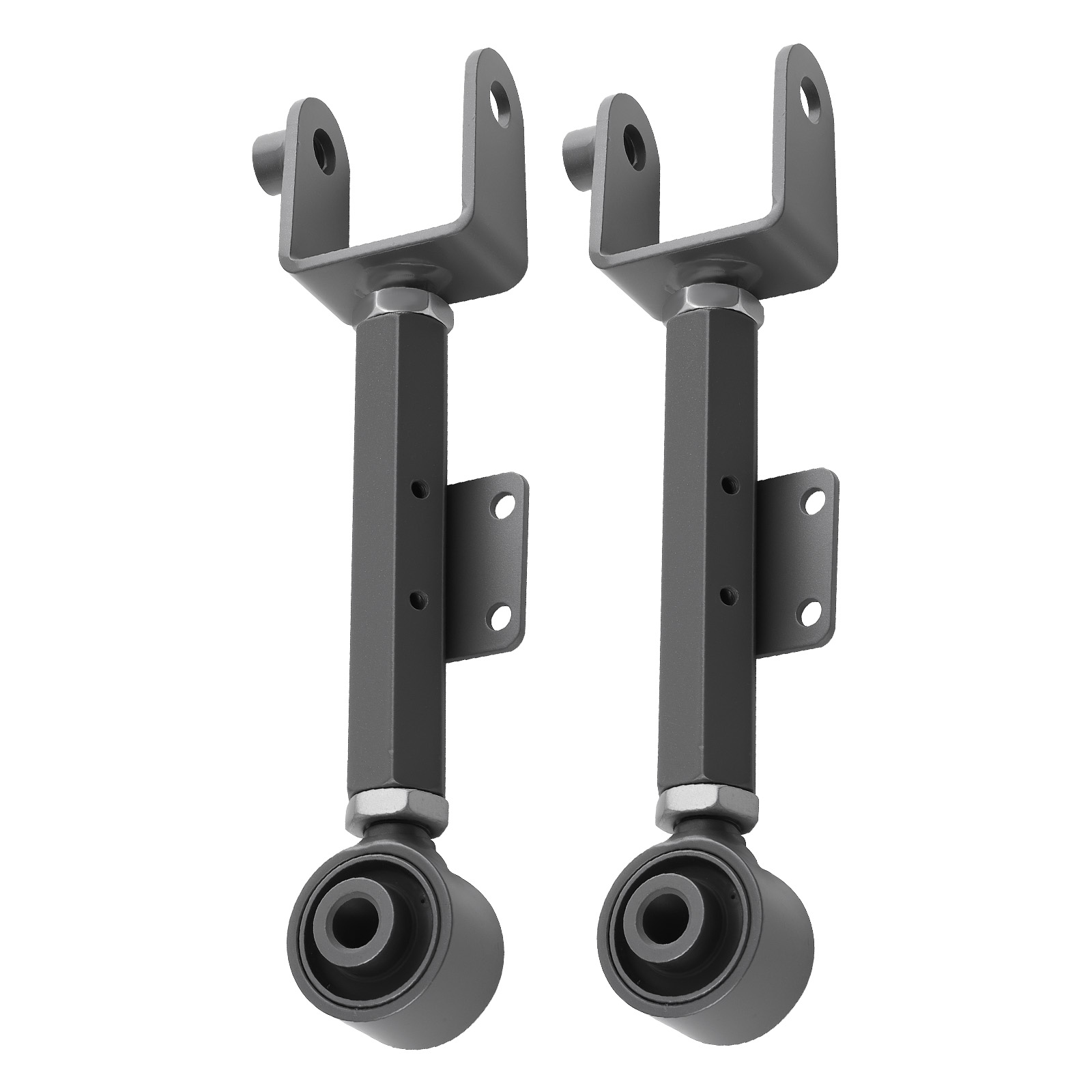 2pcs Suspension Kit Rear Camber Toe Control Arms Fit For Honda CR-V 07-16 FWD/AWD$95.99
 View on Mallflare
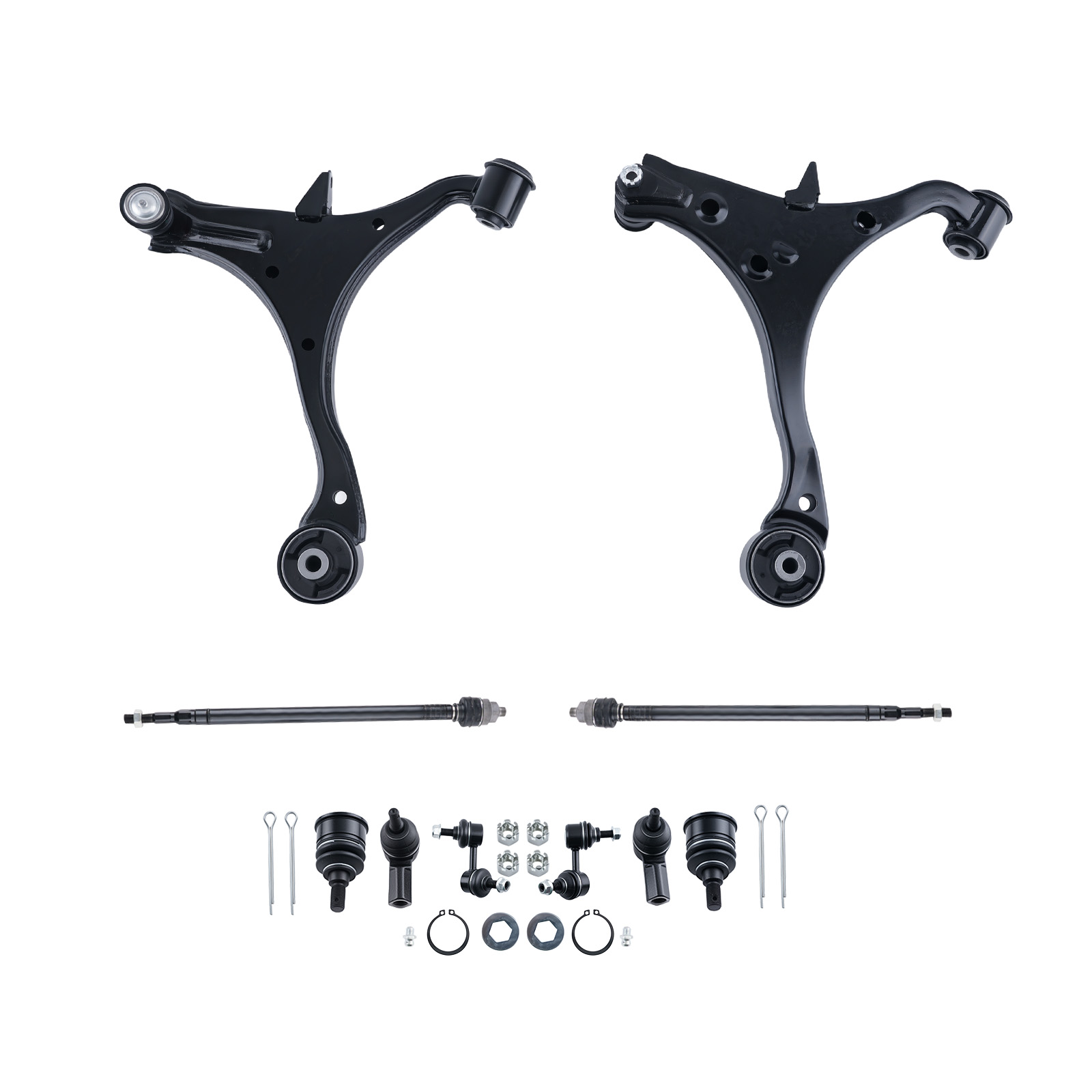 10pcs Front Suspension Control Arms Kit fit for 2001 2002-2005 Honda Civic Acura EL$174.99View on Mallflare
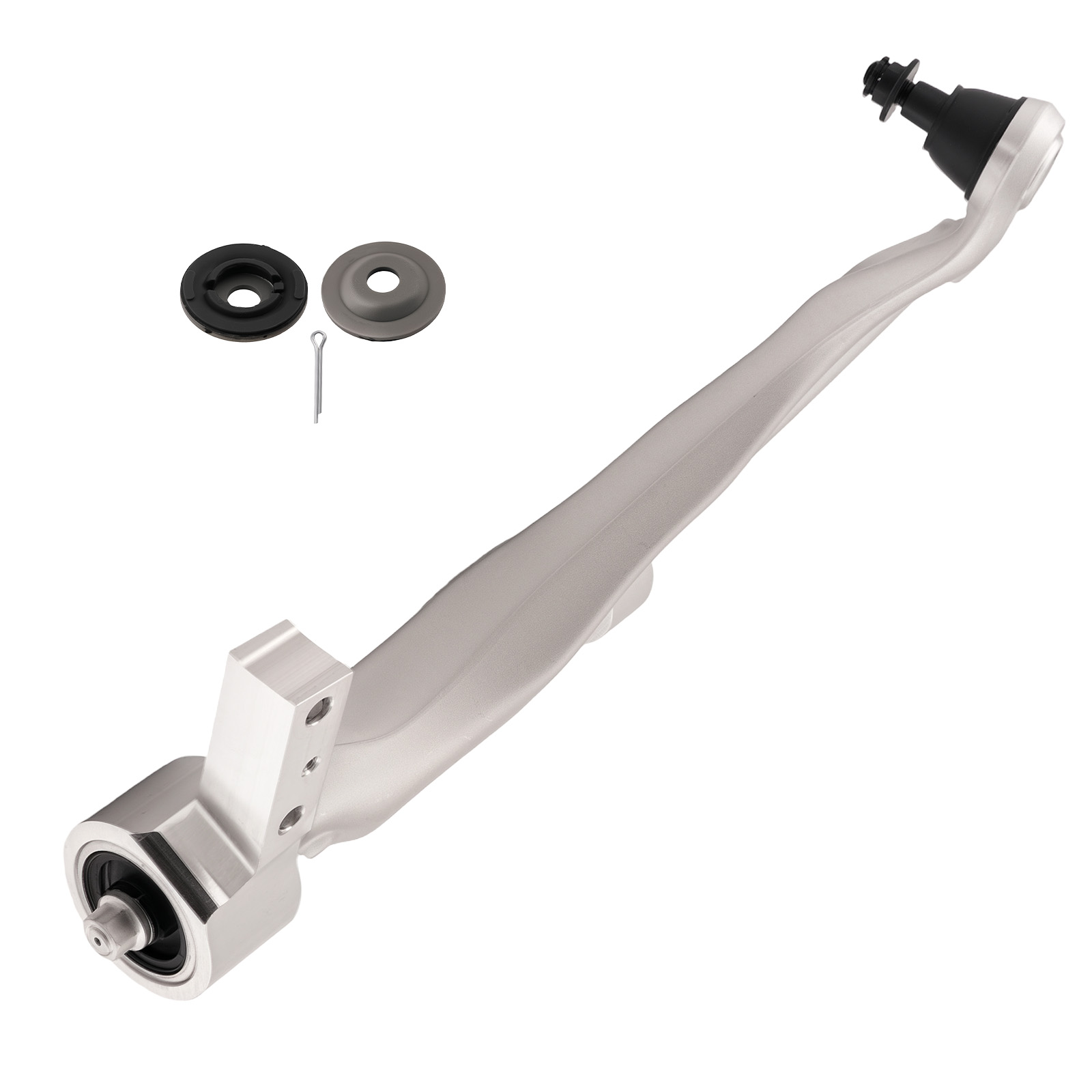 RH Front Right Lower Control Arm w/ Ball Joint fit for 2009-2014 2015 Honda Pilot$189.99View on Mallflare
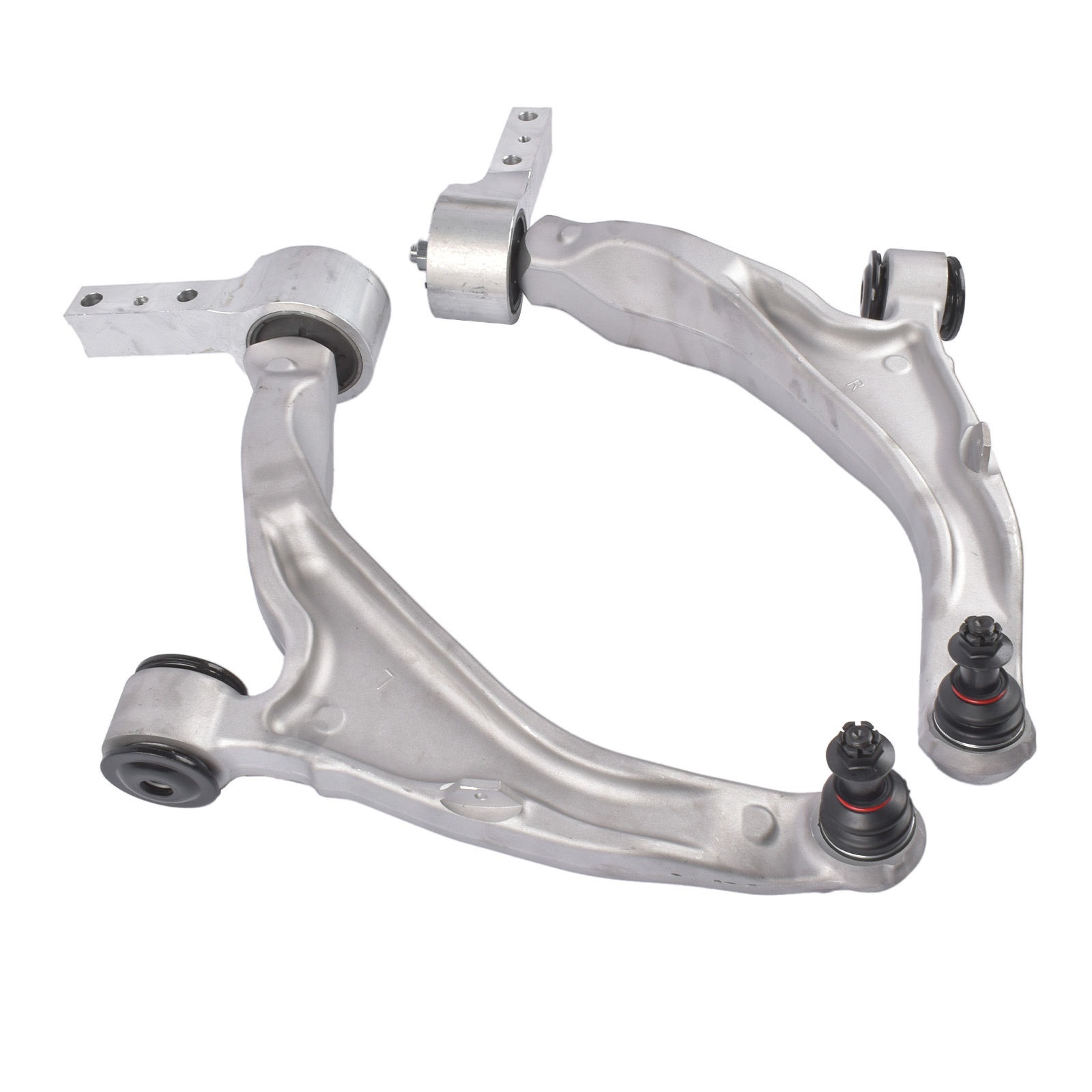 Front & Lower Control Arms w/Ball Joints Replacement for Honda Pilot 2009 2010 2011-2015 K621550 K621551$198.99View on Mallflare
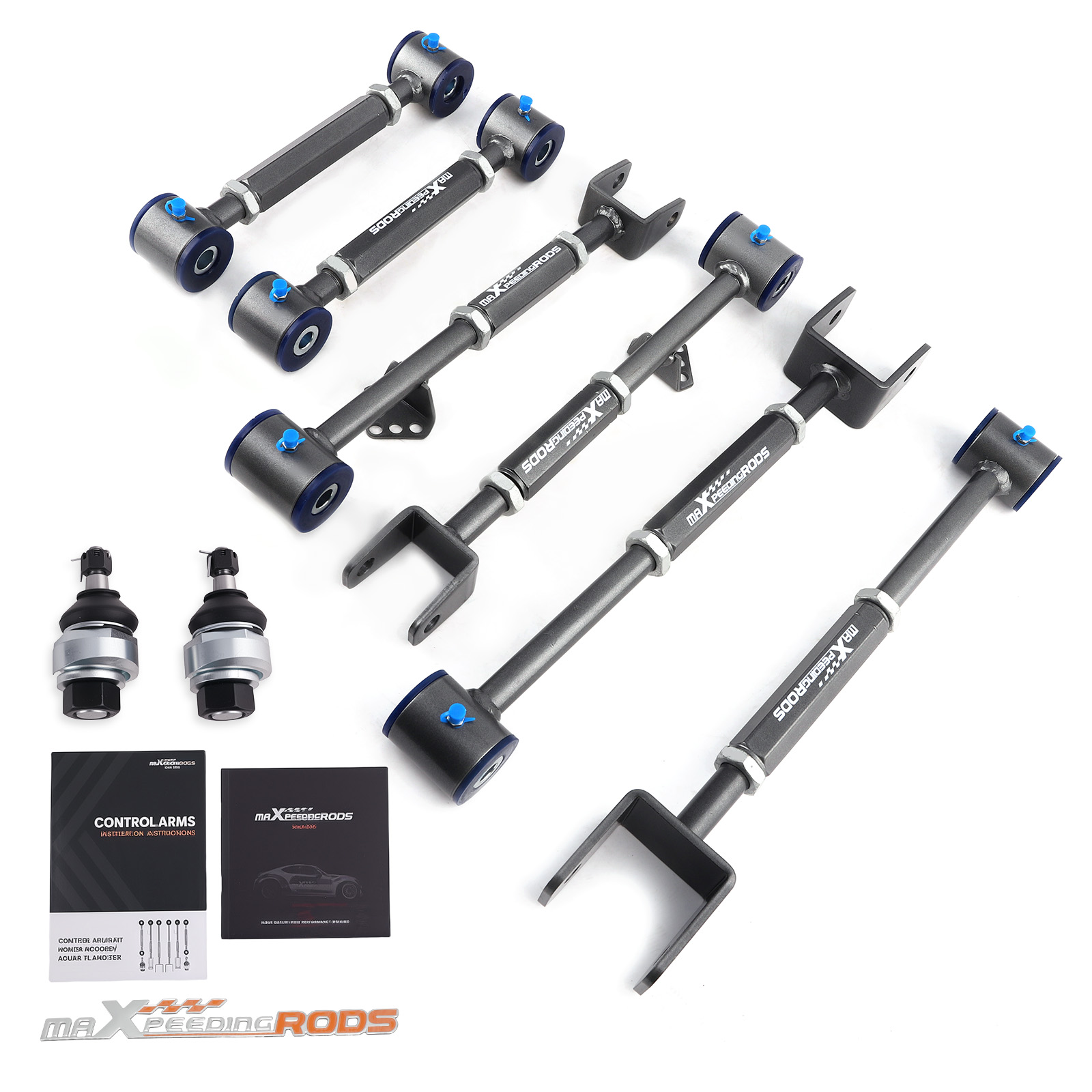 Front Ball Joint & Rear Camber Control Arms Toe Kits fit for 2008-2017 Honda Accord$235.99View on Mallflare
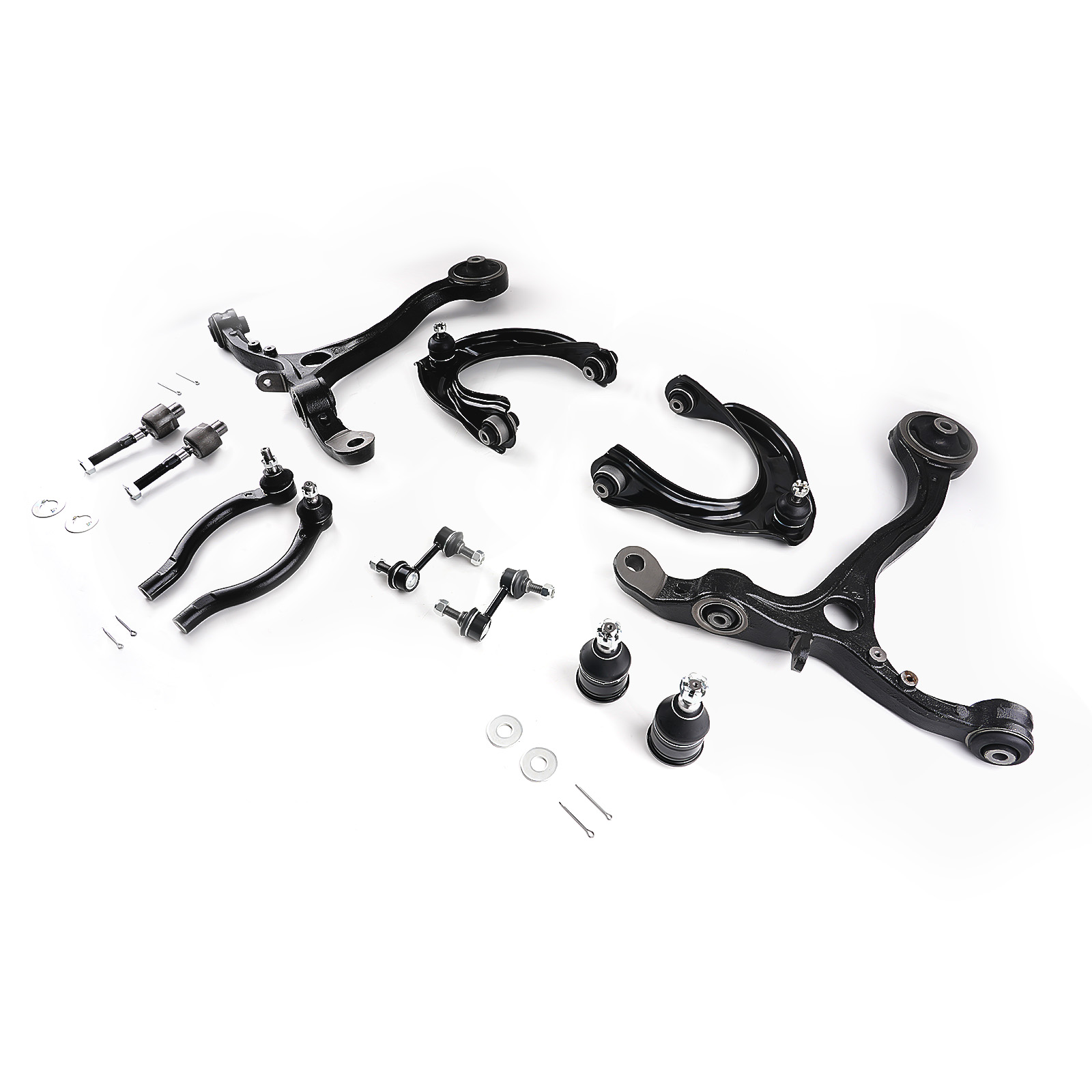 12pcs Front Upper & Lower Control Arms Set fit for 2008-2012 Honda Accord 2.4L 3.5L$253.99View on Mallflare
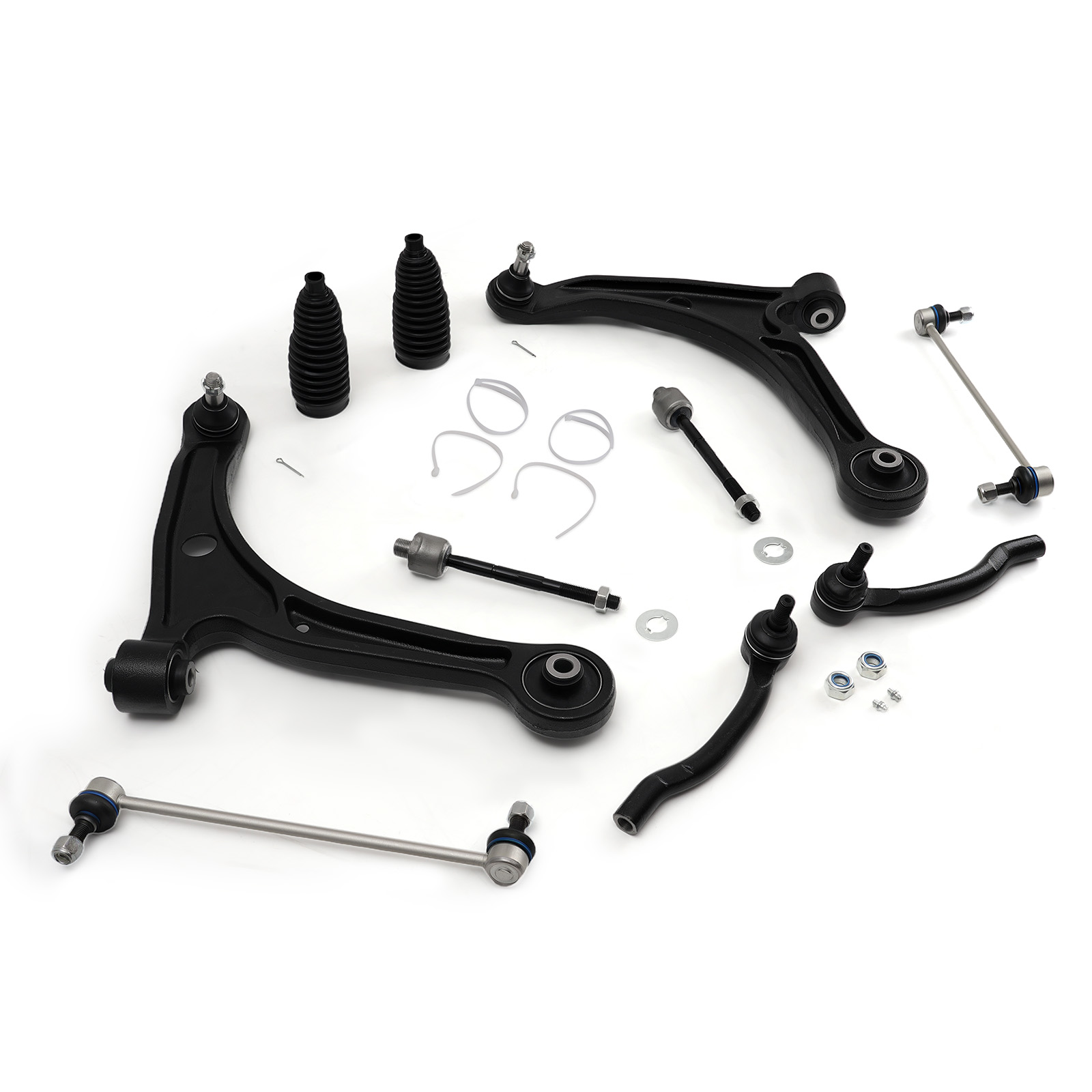 10x Front Suspension Lower Control Arms Kit fit for Honda Pilot 2006-2008 Acura MDX$266.99View on Mallflare
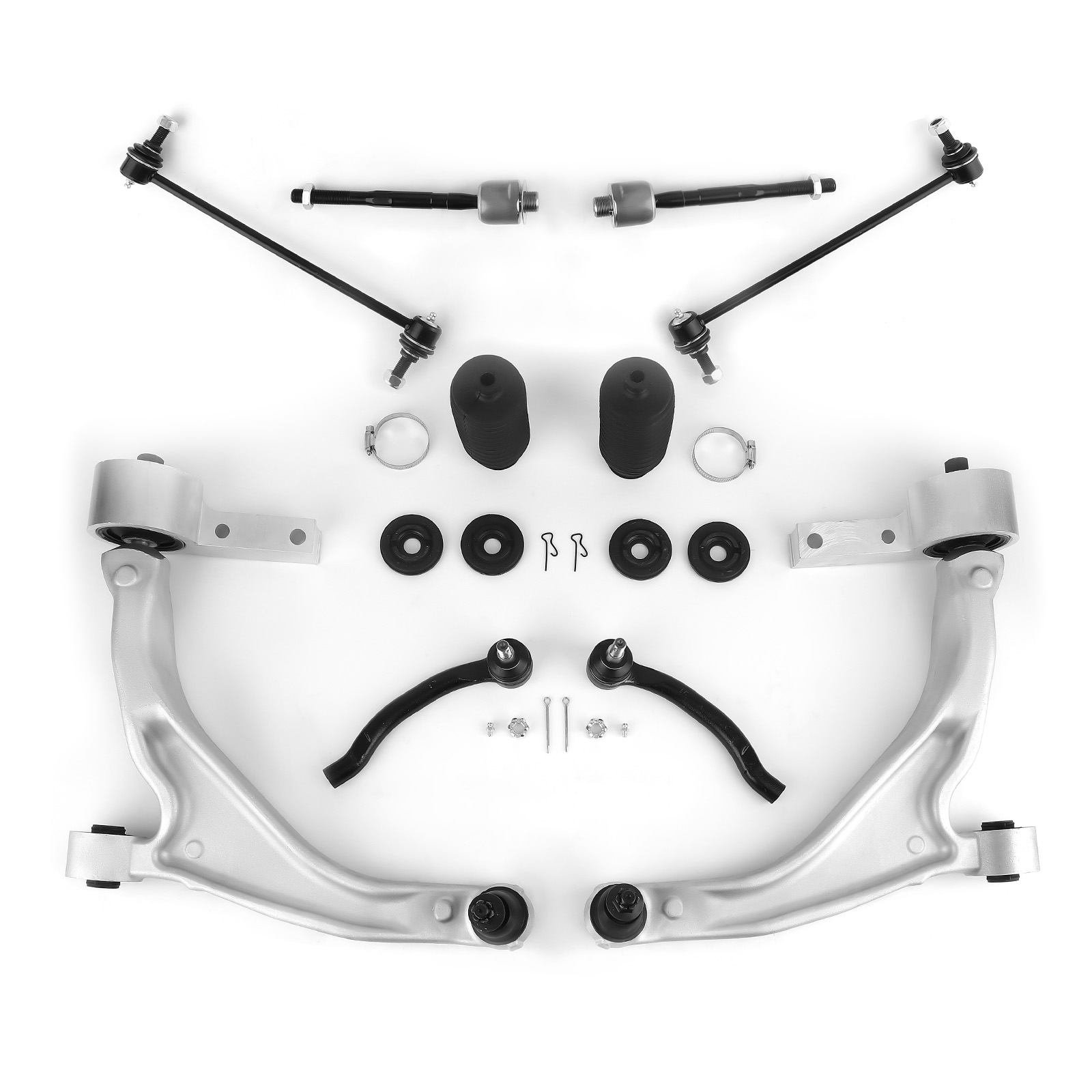 10pcs Front Lower Control Arms Tie Rods Suspension Kit fit for 2009-2015 Honda Pilot$398.99View on Mallflare
Highlights
- Stamped steel arms dominate Civic/CR-V/Accord; stamped welds fatigue at the spring seat, while forged aluminum arms resist cracking under load.
- Ball joint studs use hardened metric threads (typically M12x1.25 or M14x1.5); reused or soft studs strip and cause wheel detachment.
- Bushings are the wear point: rubber degrades at 80k-120k miles, while polyurethane lasts longer but transmits more road noise.
- Camshaft-style rear camber/toe arms (CR-V 07-16, Accord 08-17) are adjustable links; fixed-length arms cannot correct lowered or worn suspension geometry.
Best use cases
- Daily-driven Civic/Accord/CR-V with clunking over bumps: buy a complete front lower arm pair with new ball joints and bushings, not a bare arm.
- Lifted or lowered Pilot/MDX: choose adjustable rear camber and toe arms to bring alignment back into factory spec after ride-height changes.
- Budget repair on a high-mileage beater: a 10-12 piece kit covering both sides is efficient, but skip kits that reuse original ball joint housings.
- Track or autocross use: forged aluminum arms with spherical bearings or polyurethane bushings; rubber-bushing stamped arms flex and dull steering response.
Buying tips
- Match the arm to the exact chassis code and drive type (e.g., CR-V 07-16 FWD vs AWD rear arms differ), not just the model year range.
- Buy arms with ball joints already pressed and staked; reusing a worn joint or pressing your own risks improper seating and premature failure.
- Confirm ball joint stud diameter and thread pitch against the knuckle; Honda uses M12 and M14 studs depending on model and position.
- For lifted/lowered cars, pick slotted or turnbuckle-style adjustable arms; fixed arms cannot restore camber and toe to factory tolerances.
Specs
| Arm Construction | Stamped steel vs forged aluminum |
|---|---|
| Bushing Type | Rubber OEM vs polyurethane |
| Ball Joint | Pressed-in, staked, non-serviceable |
| Adjustability | Fixed length vs camber/toe adjustable |
Related searches
What to check before buying
- Lift the front and grab the wheel at 12 and 6 o'clock; play indicates a worn ball joint or arm bushing before ordering.
- Measure your fender-to-hub ride height and note any lift or drop; adjustable arms are mandatory outside factory ride height.
- Verify drive type (FWD/AWD) and engine (2.4L vs 3.5L) because arm shape and clearance differ on Accord and CR-V.
- Check the knuckle and subframe mounting bolt sizes and condition; seized or rusted bolts often require replacement hardware.
FAQ
Data sources: eBay / Amazon listings and product attribute feeds Data updated Nov 15, 2026.
Some links on this page are affiliate links. If you buy after clicking one, we may earn a commission at no extra cost to you. This does not change which products appear here or their order. Affiliate disclosure.