Photos from current listings. Actual item, color, and included accessories may vary.
Front Brake Disc Buying Guide
Front brake discs (rotors) are the rotating friction surfaces your calipers clamp to stop the vehicle; the core trade-off is between a basic solid or vented one-piece casting and a higher-carbon, coated, or two-piece design that resists warping, cracking, and corrosion. Durable options meet or exceed the vehicle's original rotor thickness and vane count and carry a rust-preventive coating; compromises skimp on mass, use low-carbon iron, or omit coatings, leading to pulsation and premature rust jacking.


At a glance
- Category
- Suspension, Steering & Brake Parts
- Data updated
- Nov 15, 2026
Current offers
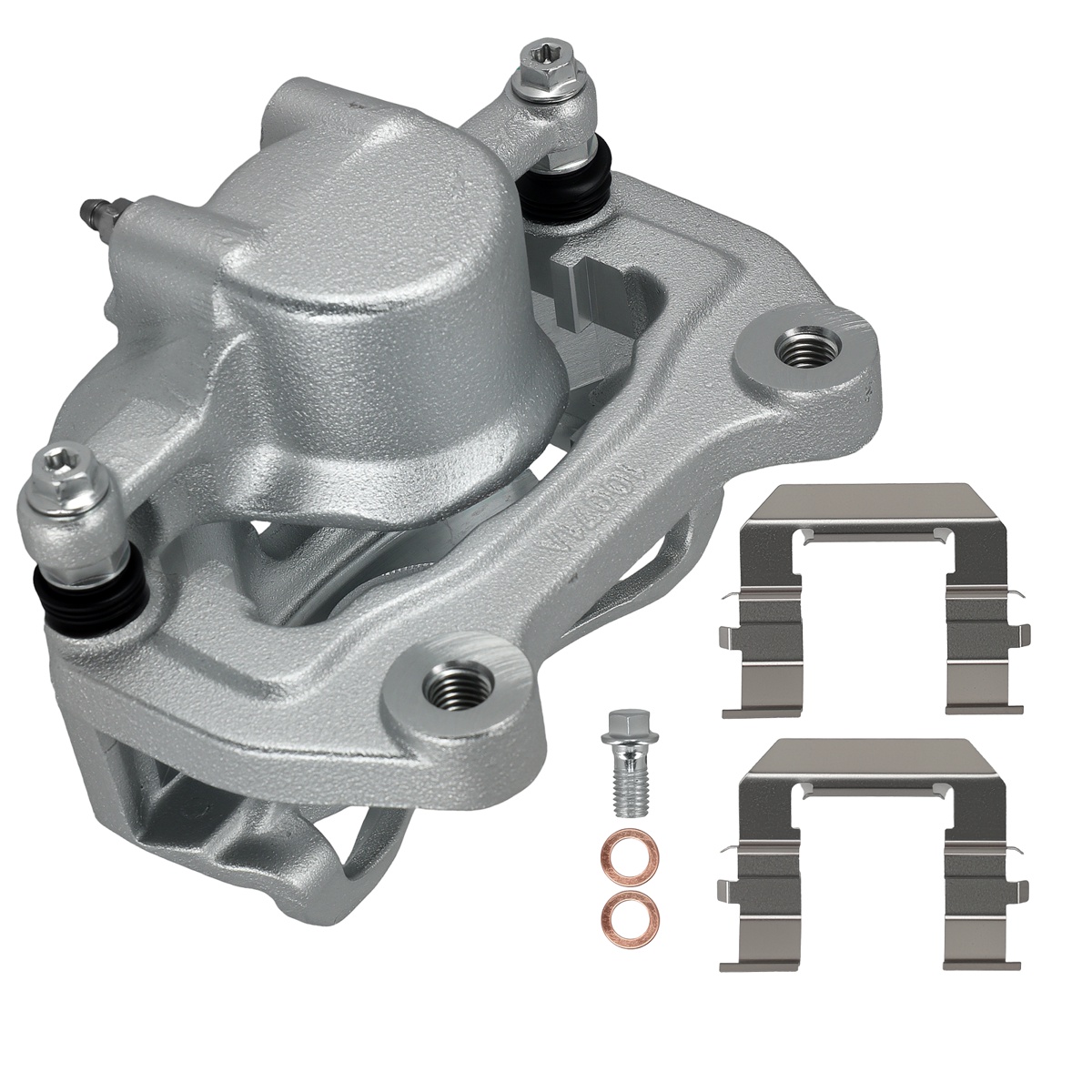 1x Front Left Disc Brake Caliper w/Bracket fit for Buick Allure Cascada LaCrosse$101.99
 View on Mallflare
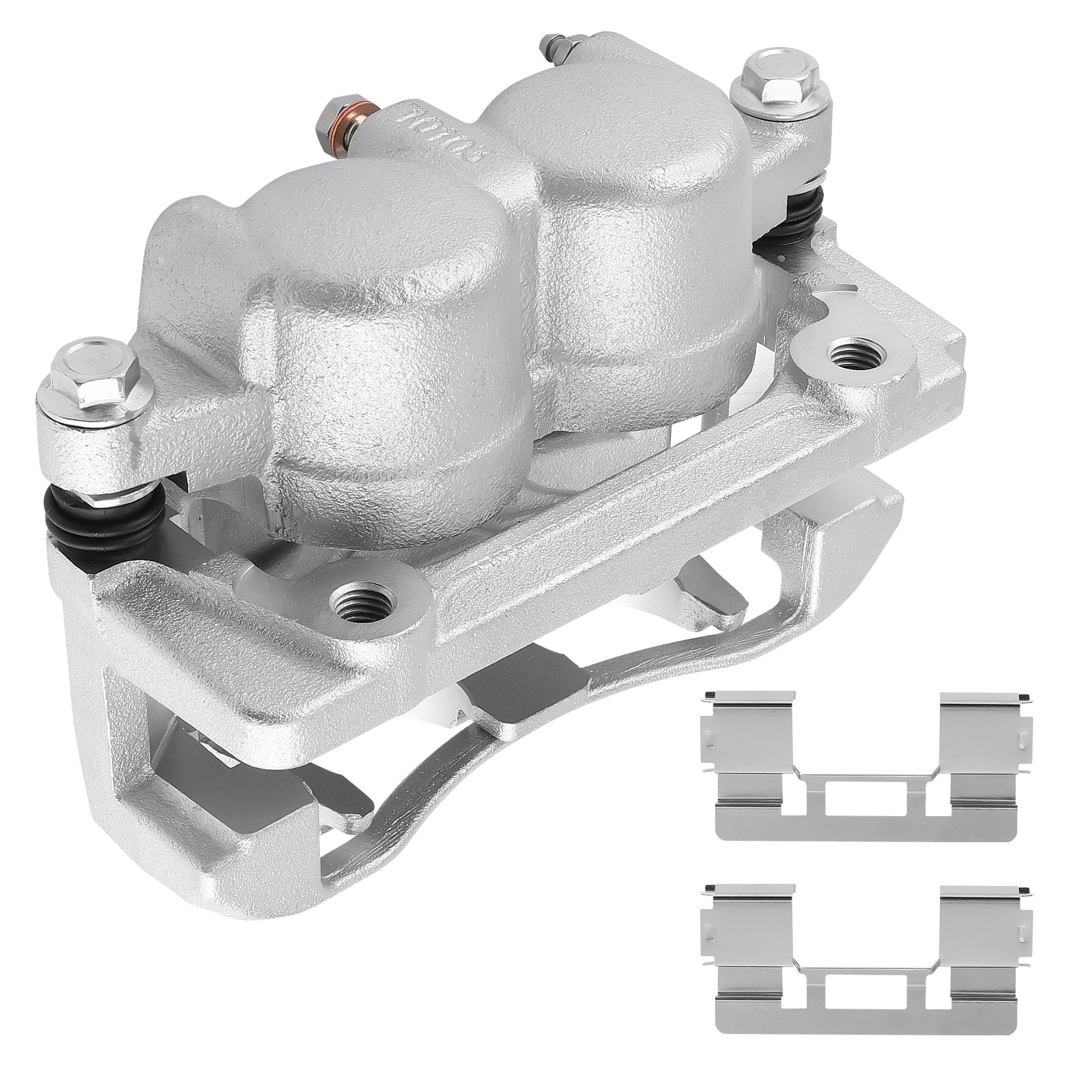 Front Left Disc Brake Caliper fit for Ford F-150 Lincoln Mark LT 06-08 18P4975$129.99View on Mallflare
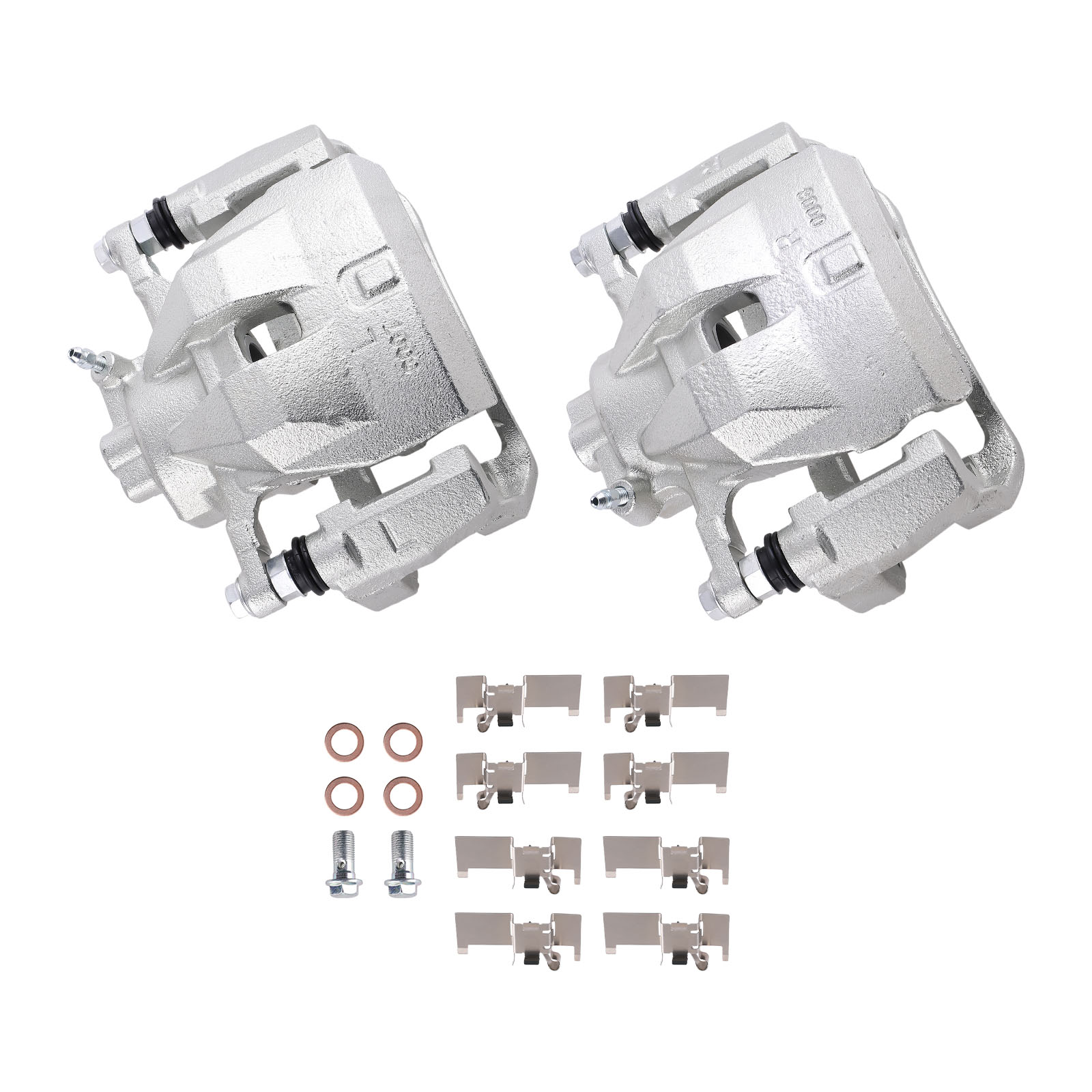 Front Left/Right Disc Brake Calipers fit for Lexus ES350 2007-12 2016-18 19B3129$143.99View on Mallflare
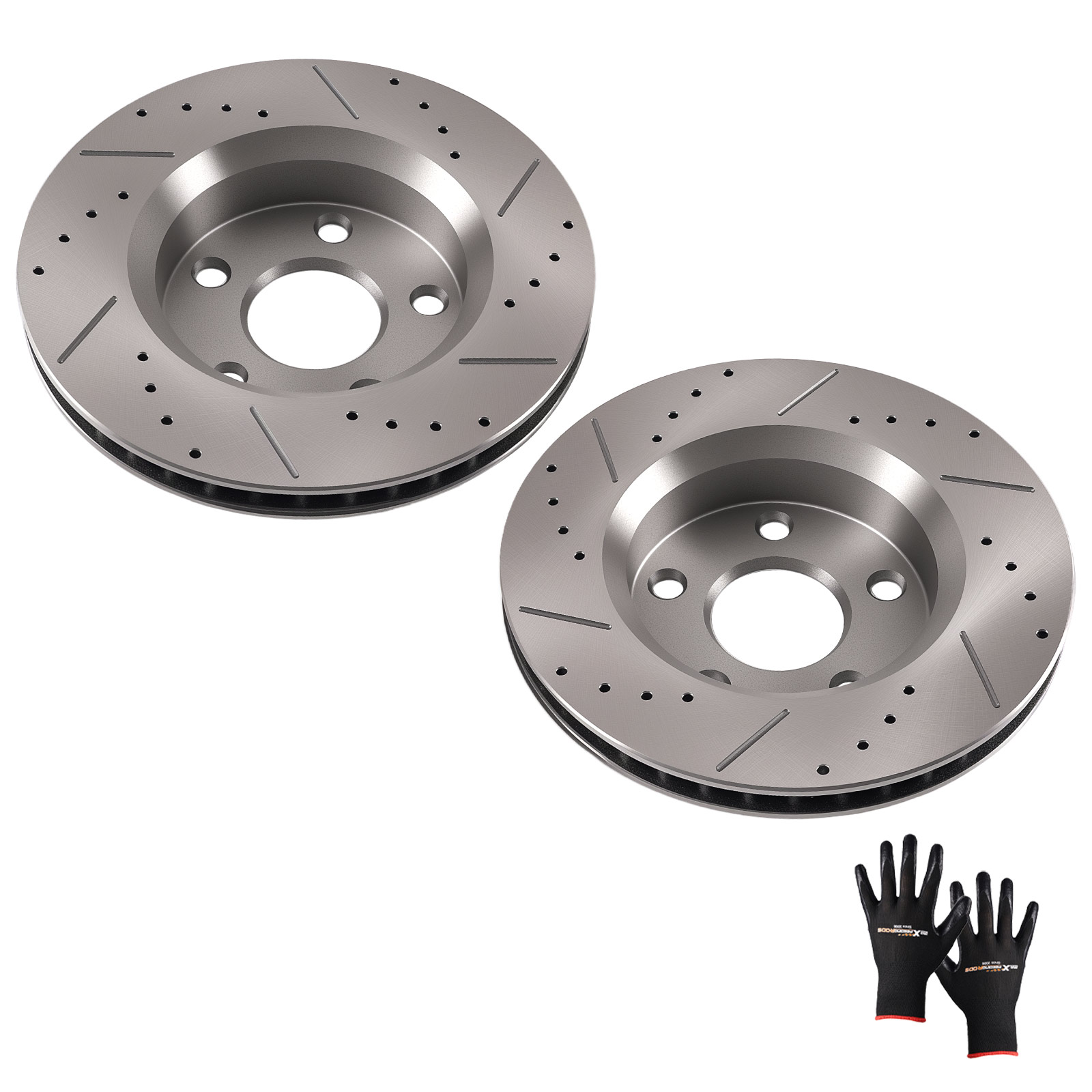 Front 302mm Brake Rotors Kit fit for Jeep Wrangler 2007-2018/Wrangler JK 2018 S53040$146.99View on Mallflare
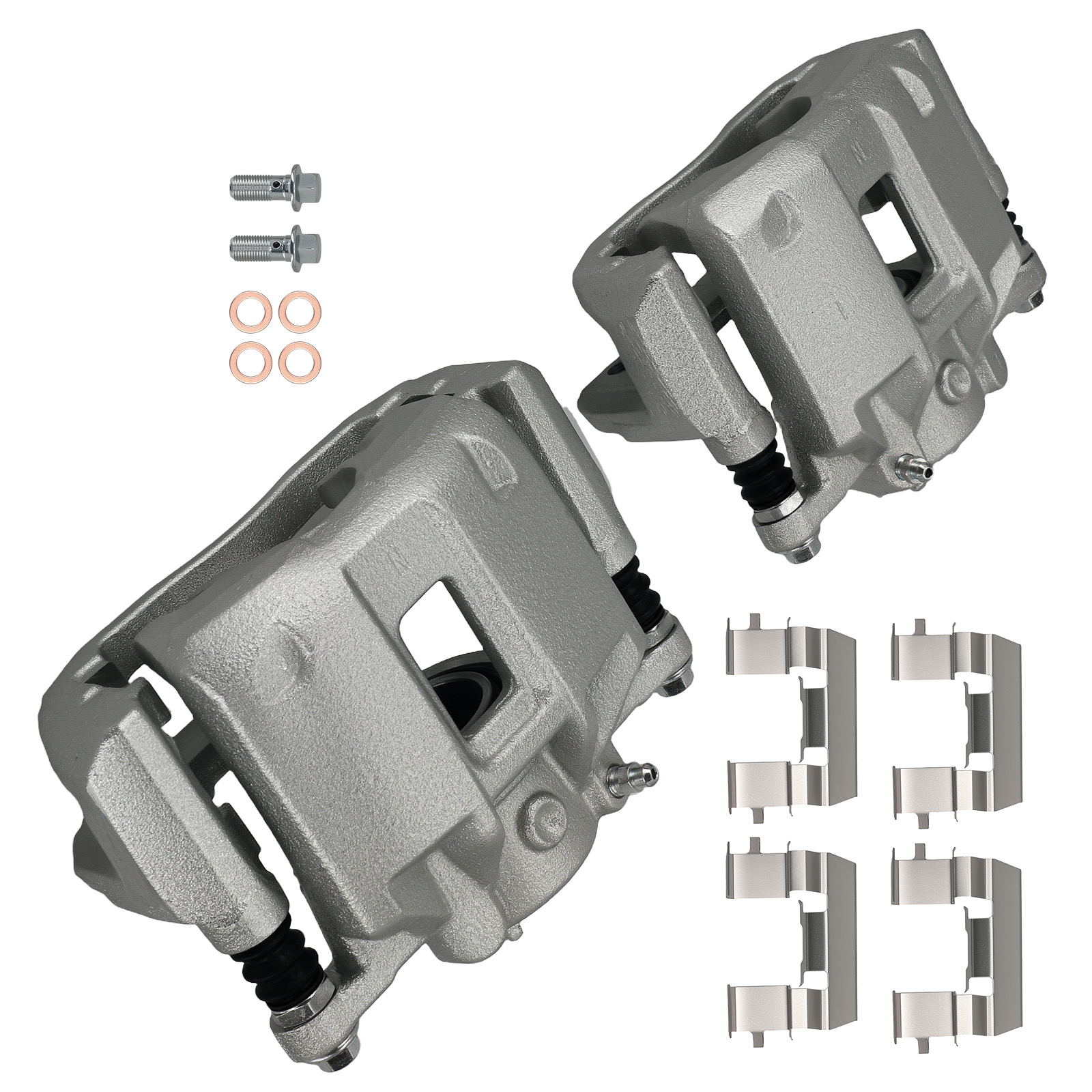 Front Left/Right Disc Brake Calipers fit for Acura RL/TSX 1999-2014 19-B2584 19B2585$160.99View on Mallflare
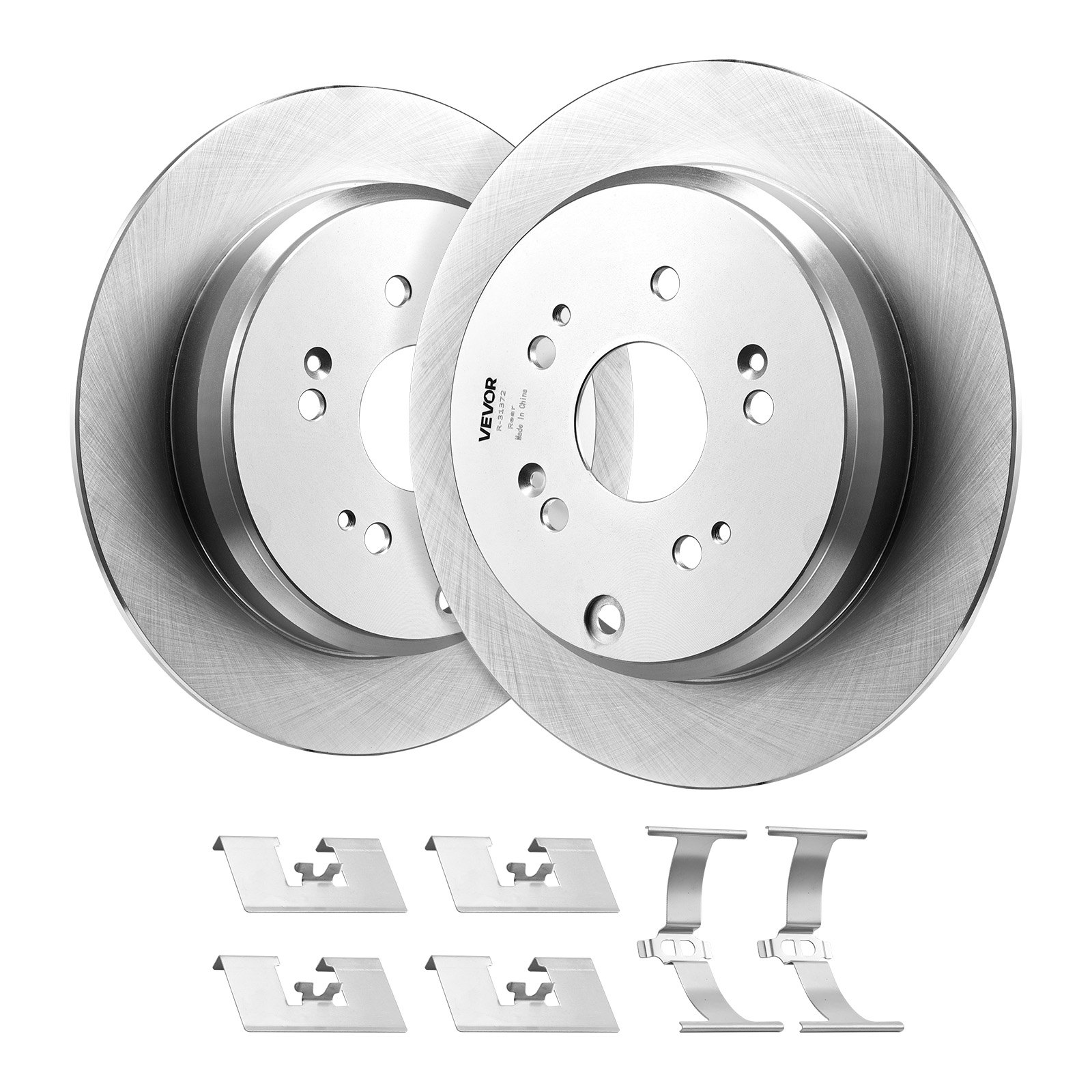 Front & Rear Brake Kit Compatible With 2012-2016 Honda CR-V (AWD Models), Ceramic Replacement Kits, 12 Inch Hollow Structure Rotors, 12 Solid R-31455$185.99View on Mallflare
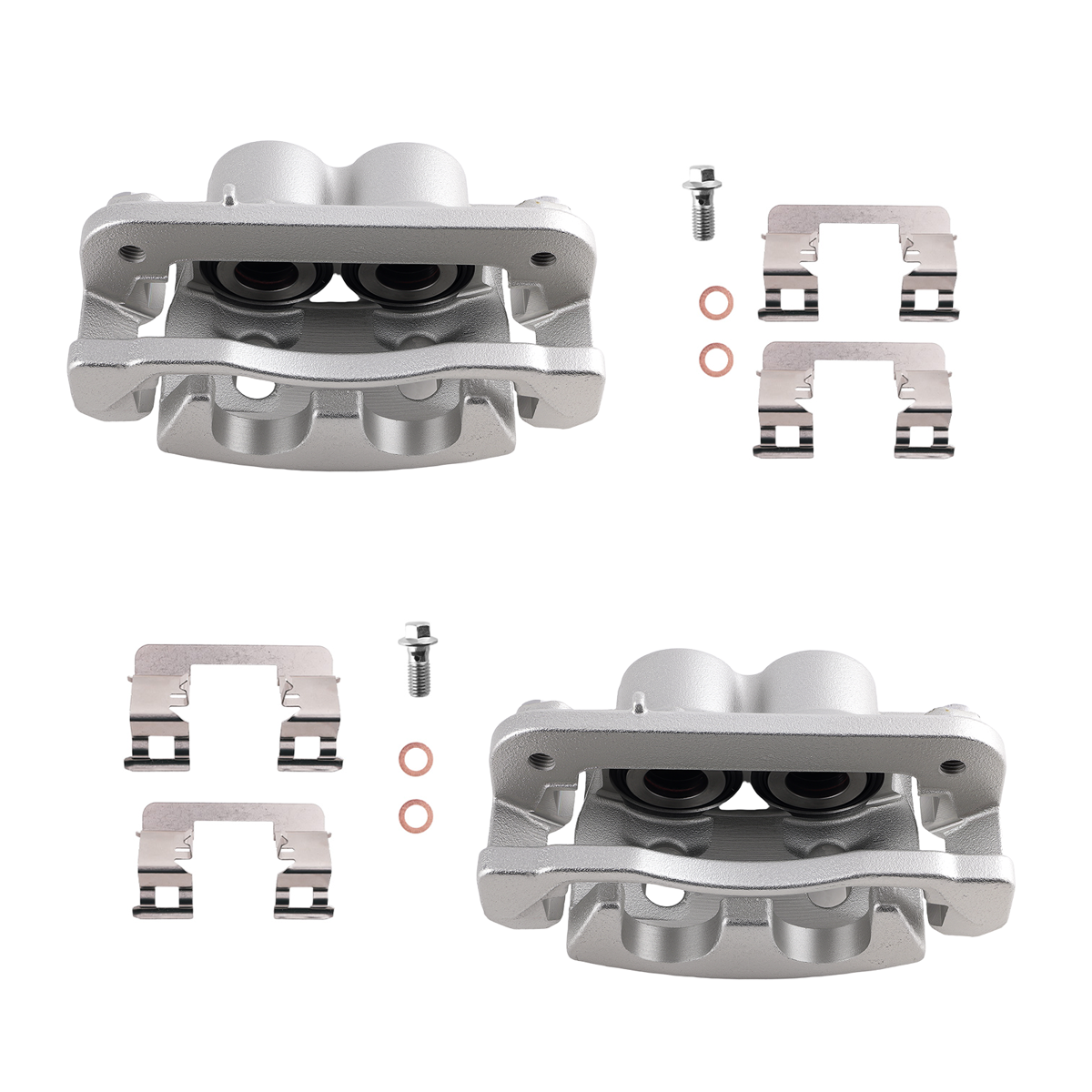 Front Driver/Passenger Disc Brake Calipers fit for Chevrolet Tahoe 2008-20 18-P4919A$187.99View on Mallflare
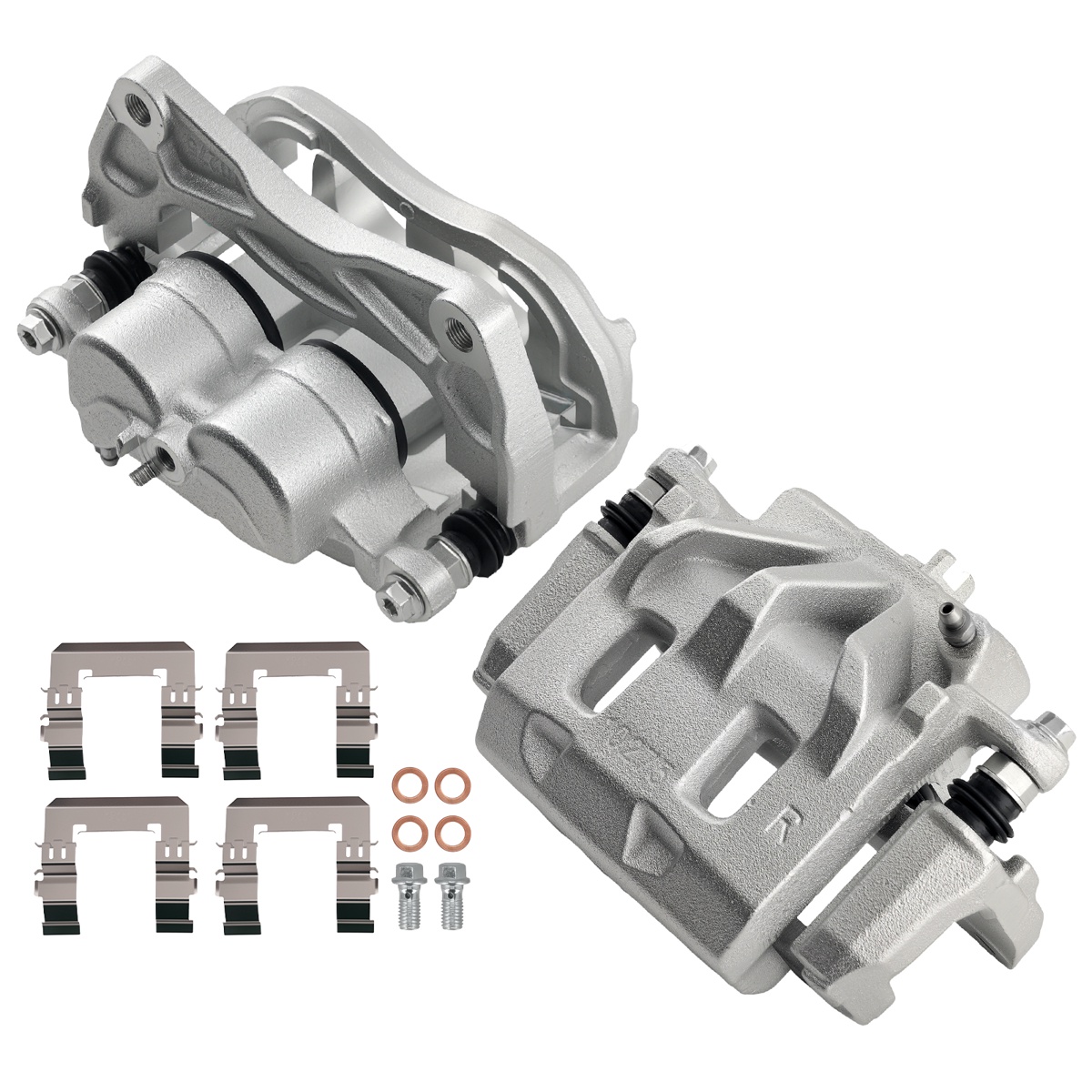 Front Disc Brake Calipers Set fit for Subaru WRX 2015-2021/Tribeca 2008-14 19-B3348$188.99View on Mallflare
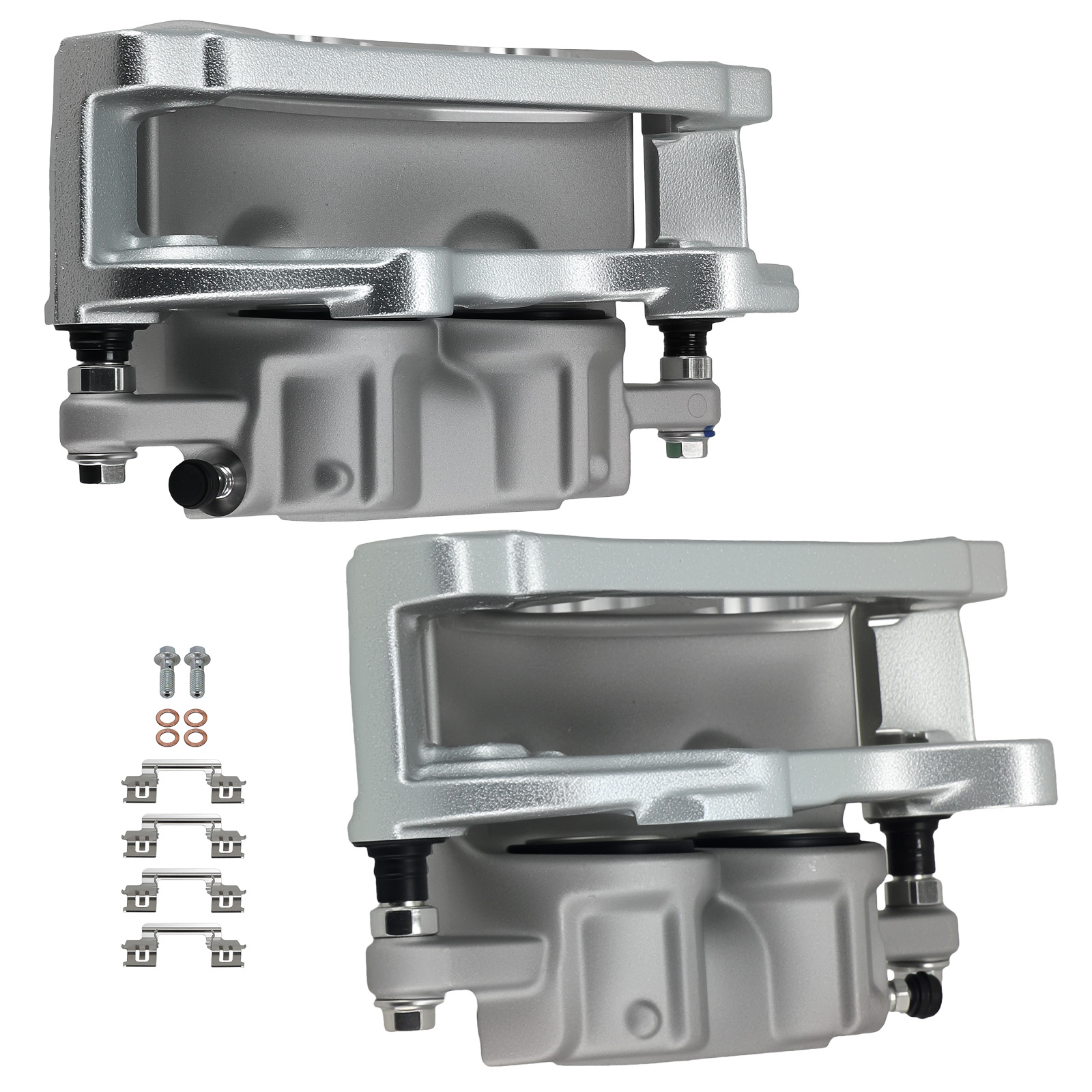 Front Disc Brake Calipers Assembly fit for Chrysler 300 2005-2011 18-B5017 18-B5016$190.99View on Mallflare
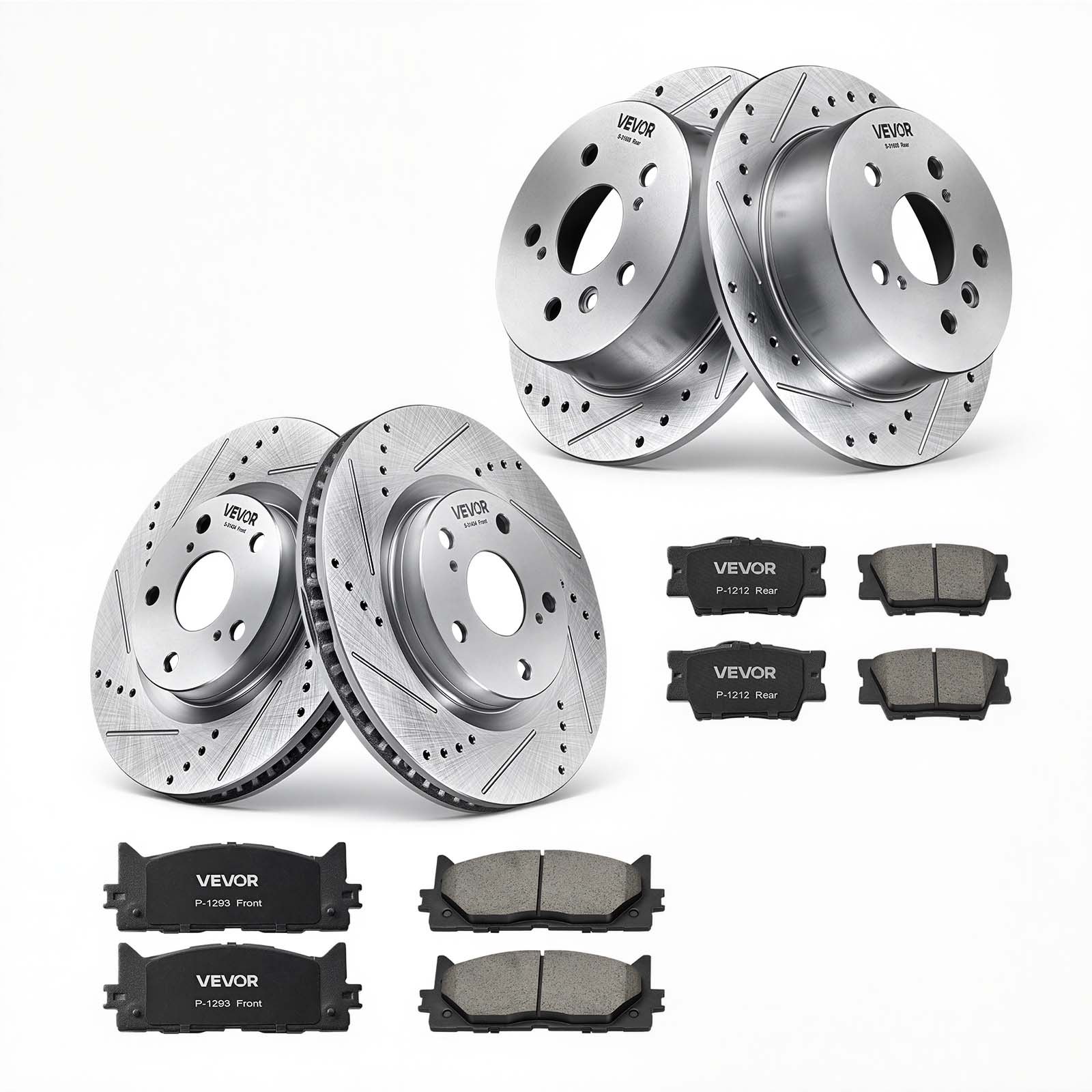 Front & Rear Brake Kit Ceramic Pads and Drilled Slotted Rotors, Compatible with 2012-2017 Toyota Camry, 2013-2018 Avalon, Lexus ES 350, ES 300h$224.99View on Mallflare
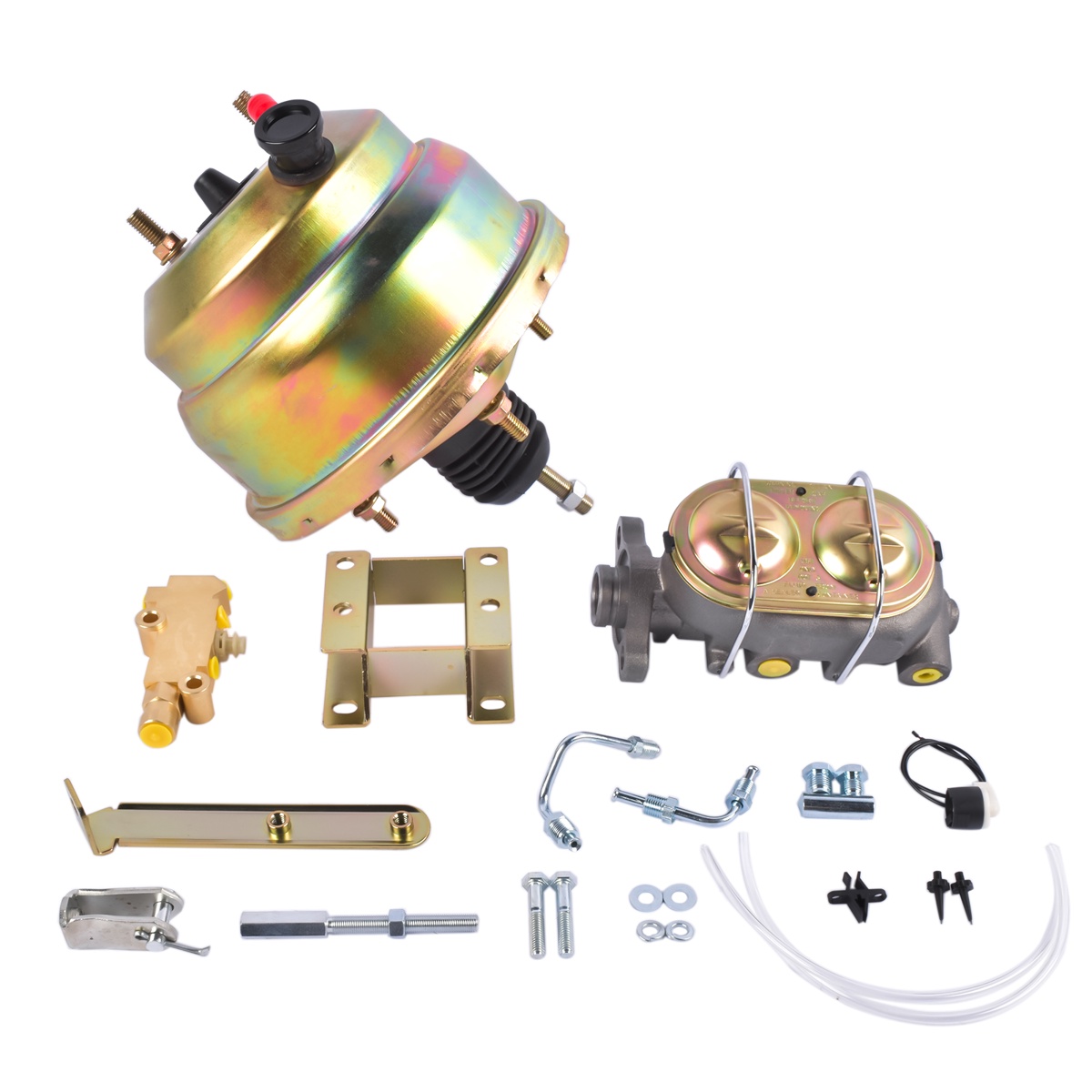 Front Power Disc Brake Conversion 8 Inch Dual Booster Fit for Chevrolet Bel Air 1955-1957 One-Fifty Series Two-Ten$260.99View on Mallflare
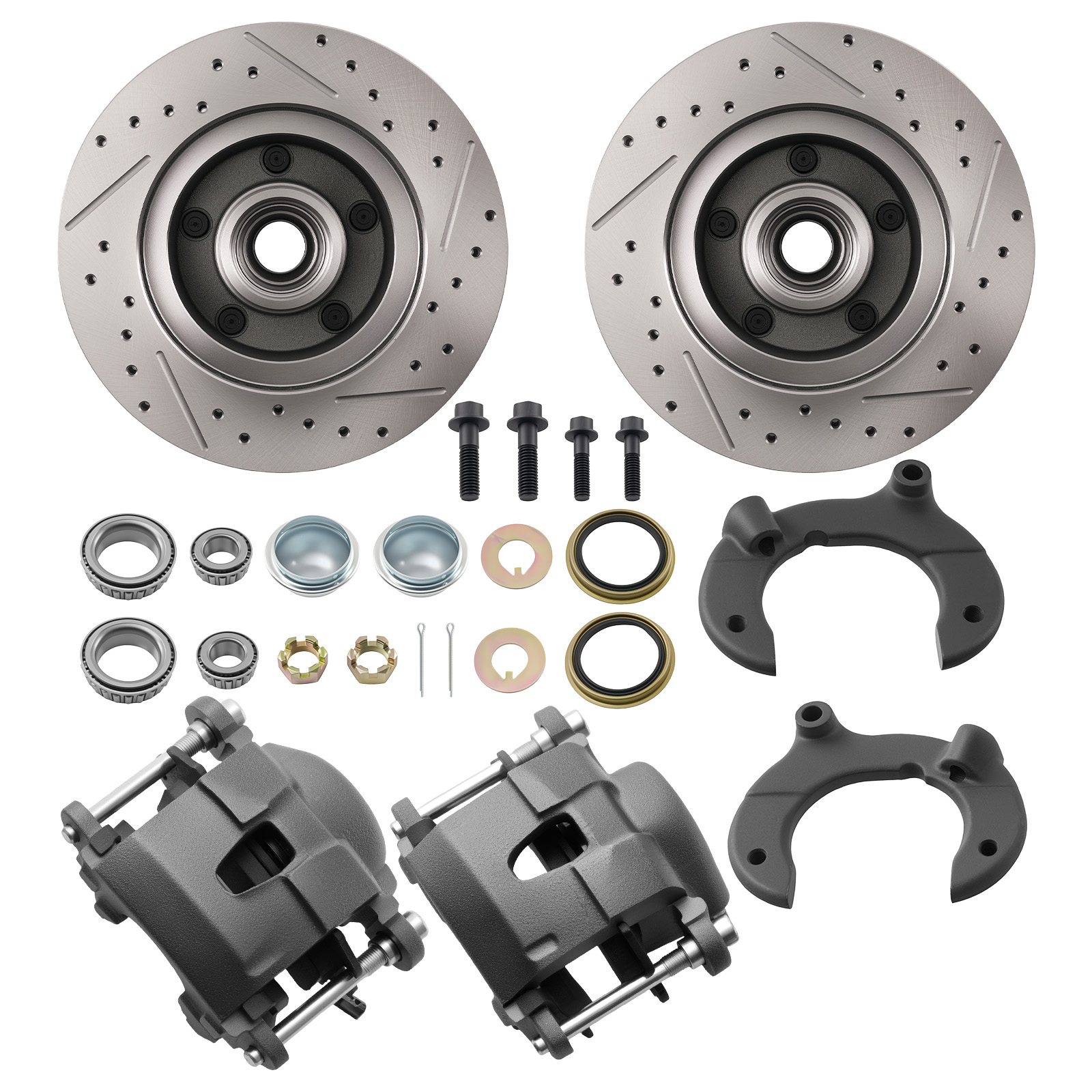 11" Slotted Front Disc Brake Conversion fit for Ford Mustang II 1974-78 5 x 4.5"$480.99View on Mallflare
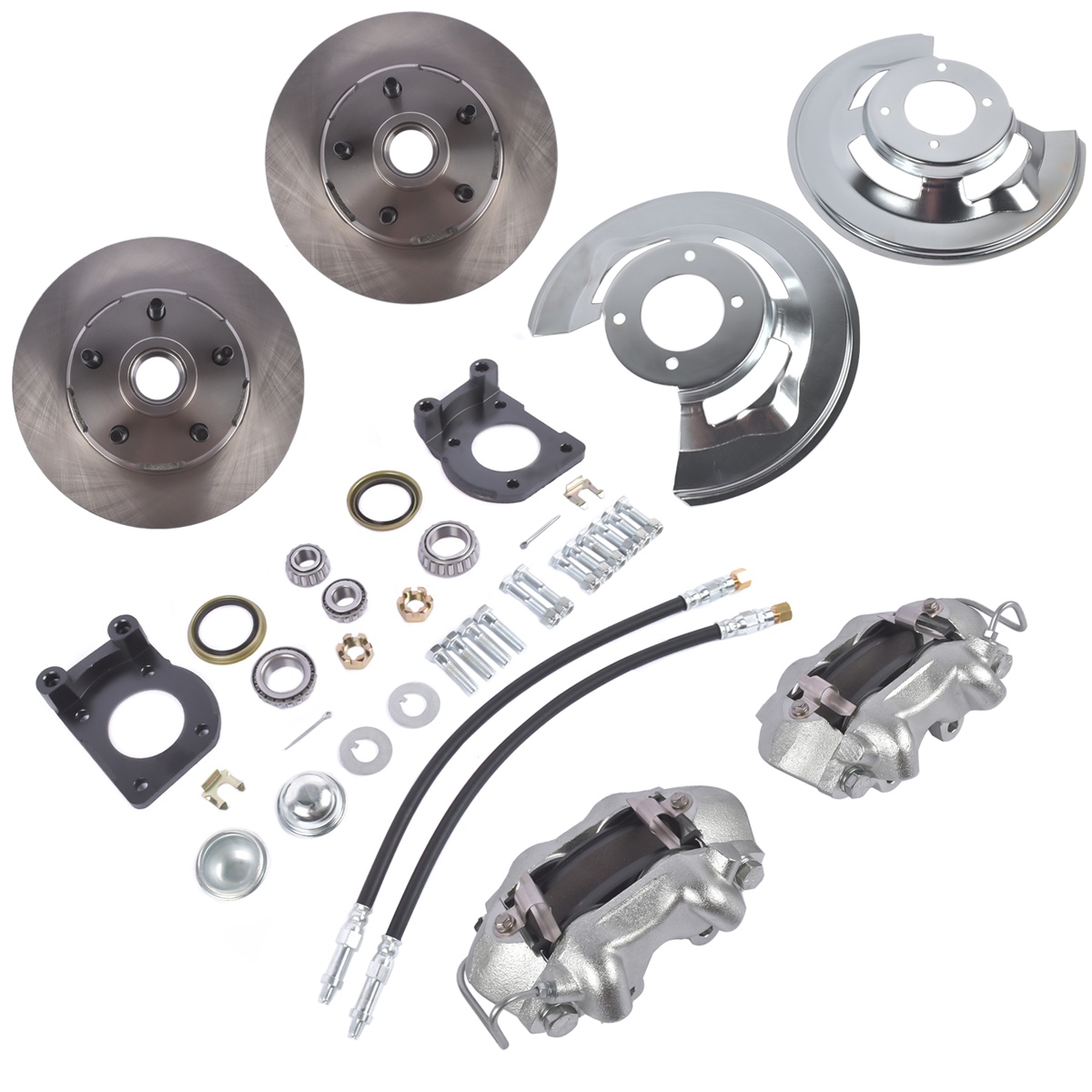 Power Complete Front Disc Brake Conversion Kit V-8 4 Piston Replacement for 1964 1965 1966 1967 Ford Mustang$673.99View on Mallflare
Highlights
- Vane architecture separates performance tiers: solid rotors suit light-duty rear or low-speed use, while vented (internal-vane) rotors are mandatory for front axles to manage heat fade.
- Rotor mass and minimum thickness (stamped on the hat) set heat capacity and warp resistance; a replacement must match or exceed OEM nominal thickness and never fall below the minimum-machining spec.
- Higher-carbon G3000-grade iron and symmetric vane casting improve thermal stability and crack resistance versus generic gray iron with asymmetric or straight vanes.
- Corrosion protection differs by tier: bare iron rusts on the hat and edges immediately, while geometrically coated (GEOMET) or zinc-coated rotors keep the non-friction surfaces clean and prevent pad knock-back from rust jacking.
Best use cases
- Daily-driven sedan or crossover: choose a vented one-piece rotor with a full-geometric coating in OEM diameter and thickness; skip drilled rotors, which add crack-initiation sites without meaningful cooling gain.
- Towing, mountain descents, or heavy payload: pick a higher-carbon vented rotor or a two-piece floating design with directional vanes; skip solid rotors and budget uncoated castings that will warp under sustained heat.
- Track or spirited driving: select a two-piece floating rotor with curved directional vanes and high-carbon iron; skip one-piece drilled rotors and any rotor below OEM thickness.
- Light-duty rear axle or low-speed utility use: a solid rotor is acceptable only where the factory specified one; never downgrade a vented front axle to a solid rotor.
Buying tips
- Measure the rotor diameter and thickness with a caliper and match the stamped minimum thickness on the old hat; a rotor thinner than the minimum-machining spec must be replaced, not resurfaced.
- Confirm the rotor's overall height and hat offset, bolt-hole pattern (5x114.3, 5x120, etc.), and center-bore diameter — a rotor that sits at the wrong offset will misalign the caliper and cause drag.
- For coated rotors, verify the coating is on the hat, edges, and cooling vanes, not just the friction face; full-geometric coating is the durability benchmark.
- Match vane count and direction to the OEM design: directional curved vanes must be installed on the correct side, while straight-vane rotors are side-agnostic; mismatched direction reverses airflow and reduces cooling.
Specs
| Rotor Type | Vented vs Solid / Drilled / Slotted |
|---|---|
| Construction | One-piece cast vs Two-piece floating |
| Iron Grade | G3000 high-carbon vs generic gray iron |
| Coating | Full-geometric coated vs bare iron |
Related searches
What to check before buying
- Record the vehicle's exact year, make, model, trim, and axle (front vs rear) plus whether it has a heavy-duty or performance brake package, since rotor diameter changes within the same model year.
- Measure the existing rotor's diameter, thickness, and overall height, and confirm the wheel bolt pattern and center bore before ordering.
- Check wheel clearance: larger-diameter rotors may require a minimum wheel size (often 16 or 17 inches) and can interfere with the caliper bracket or inner wheel barrel.
- Inspect the caliper bracket, pads, and hardware — a new rotor should be paired with fresh pads and cleaned, lubricated slide pins; reuse of worn pads on a new rotor causes uneven bedding.
FAQ
Data sources: eBay / Amazon listings and product attribute feeds Data updated Nov 15, 2026.
Some links on this page are affiliate links. If you buy after clicking one, we may earn a commission at no extra cost to you. This does not change which products appear here or their order. Affiliate disclosure.