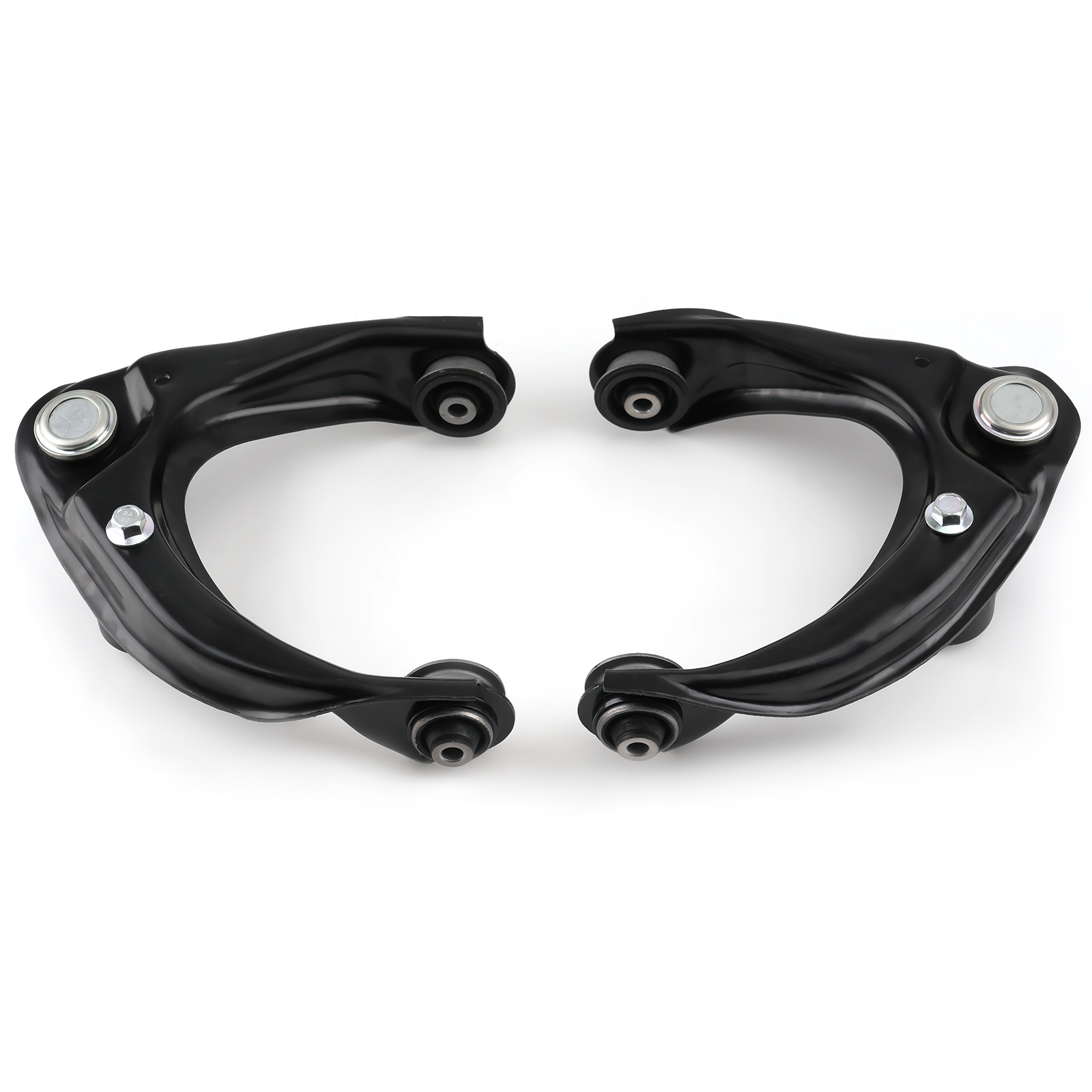

Photos from current listings. Actual item, color, and included accessories may vary.
Ford Fusion Control Arm Buying Guide
Ford Fusion control arms are stamped-steel or cast-aluminum suspension links that locate the front wheels and carry the ball joint, and the critical trade-off is stamped-steel with pressed ball joints versus cast-aluminum or serviceable forged units. Durable replacement means matching the exact generation (2006–2012 CD3 vs 2013–2020 CD4), buying loaded arms with the ball joint and bushings pre-installed, and replacing in axle pairs with a torque-to-spec alignment afterward.


At a glance
- Category
- Suspension, Steering & Brake Parts
- Data updated
- Nov 15, 2026
Current offers
Highlights
- Generation split: 2006–2012 Fusion uses CD3-platform front lower arms with different geometry and ball-joint tapers than 2013–2020 CD4 cars — arms are not interchangeable.
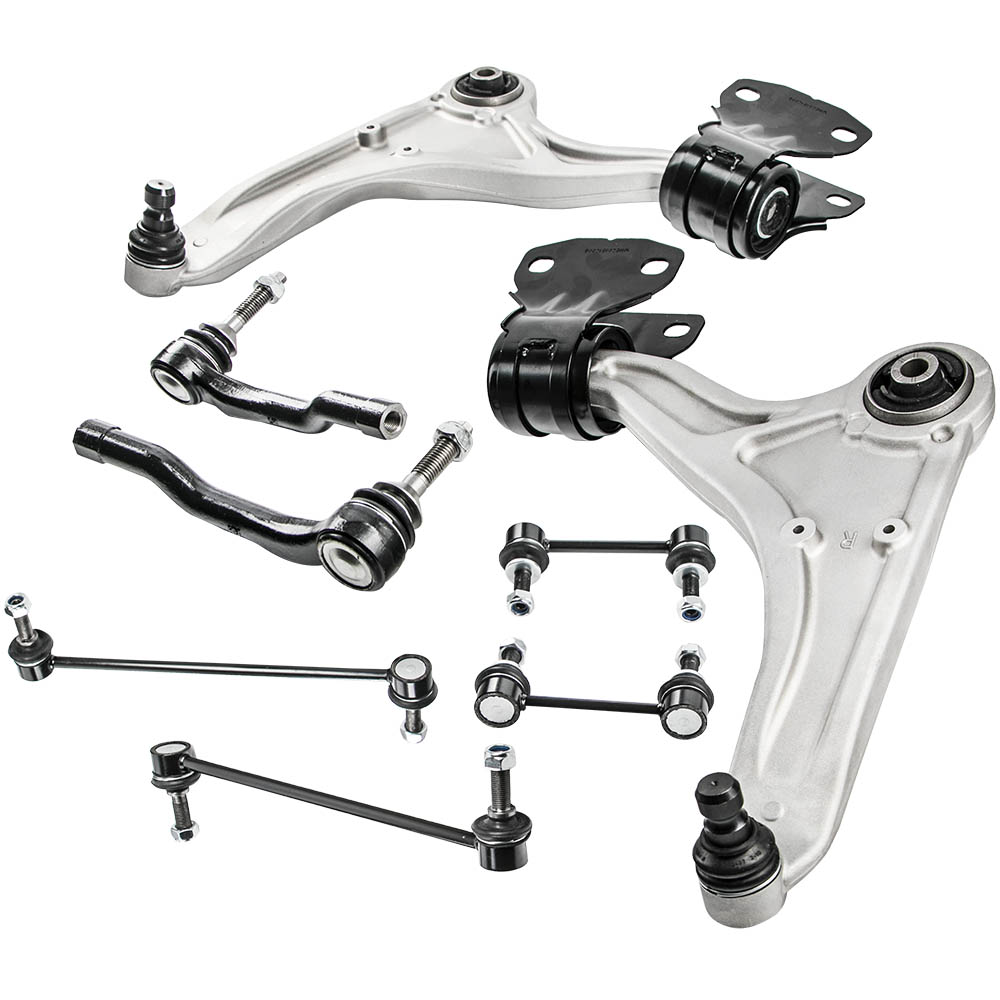
- Fusion front lowers are commonly stamped steel with press-fit ball joints and rubber bushings; replacement arms are often loaded assemblies with joint and bushings already installed.
- Upper front control arms exist mainly on 2006–2012 cars and on some 2013+ trims, so confirm upper vs lower position before ordering any pair.
- Loaded assemblies cut install time and avoid pressing joints, but cheap unloaded arms with reused bushings wear faster and ruin alignment.
Best use cases
- Daily-driven 2013–2020 Fusion with clunking or uneven tire wear: buy loaded lower control arms in LH/RH pairs plus new stabilizer links and tie rods in one kit.
- 2006–2012 Fusion or Milan with worn upper ball joints: purchase upper arms with integrated joints, not just bushings, and replace both sides together.
- MKZ or Mazda 6 shared-platform owners: verify the part actually lists your model and year, because CD3 and CD4 arms differ in taper and bushing durometer.
- Skip bare arms when the ball joint is worn — pressing a new joint into a corroded arm costs more in labor than a loaded assembly.
Buying tips
- Match the platform year first: 2006–2012 CD3 arms will not fit 2013–2020 CD4 cars, and AWD vs FWD front lower arms can differ.
- Choose loaded arms with ball joint and bushings pre-installed; bare arms require a press and risk damaging the new joint during install.
- Buy in pairs per axle — replacing one side alone leaves mismatched bushing stiffness and causes pull and uneven wear.
- Prefer arms with corrosion coating and OE-style rubber bushings over polyurethane for a stock ride; poly transfers noise on daily drivers.
Specs
| Platform Fitment | CD3 2006-2012 vs CD4 2013-2020 |
|---|---|
| Arm Material | Stamped steel / cast aluminum |
| Assembly Type | Loaded w/ joint+bushings vs bare |
| Position | Front lower / front upper pairs |
Related searches
What to check before buying
- Confirm model year and platform (CD3 2006–2012 vs CD4 2013–2020) plus FWD/AWD before ordering any arm.
- Inspect the ball-joint taper and stud diameter against your spindle — mismatch causes noise and premature failure.
- Budget for a professional alignment immediately after installation; camber and toe shift when arms are replaced.
- Check that stabilizer links, tie rods, and sway-bar bushings are included or ordered, since seized fasteners usually need replacement.
FAQ
Data sources: eBay / Amazon listings and product attribute feeds Data updated Nov 15, 2026.
Some links on this page are affiliate links. If you buy after clicking one, we may earn a commission at no extra cost to you. This does not change which products appear here or their order. Affiliate disclosure.