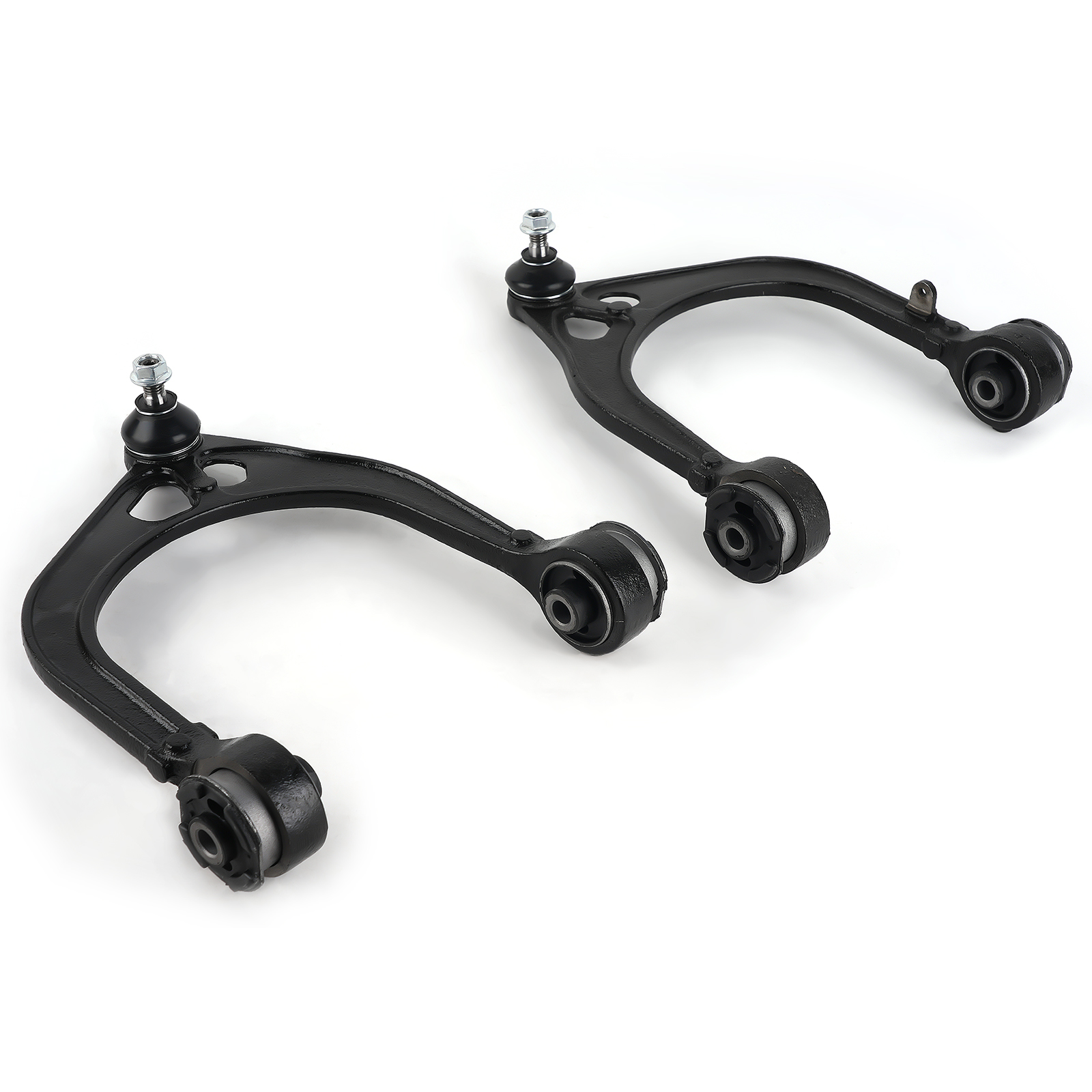

Photos from current listings. Actual item, color, and included accessories may vary.
Dodge Charger Control Arm Buying Guide
Dodge Charger control arms are the pivoting links connecting the chassis to the wheel hub, and the primary trade-off is stamped steel with rubber bushings versus cast aluminum or forged arms with serviceable ball joints. Buy the arm that matches your Charger's drive layout (RWD vs AWD) and generation, and demand a pressed-in or threaded ball joint plus correct bushing durometer; avoid plastic or no-name unbranded arms that cannot carry the car's curb weight.


At a glance
- Category
- Suspension, Steering & Brake Parts
- Data updated
- Nov 15, 2026
Current offers
Highlights
- RWD Chargers (LX/LD platform) use a front upper arm with an integrated ball joint and a front lower arm with a pressed-in ball joint; AWD cars use different knuckles and lower arms.
- OEM-grade arms are stamped steel or cast aluminum; plastic is never a structural material for a control arm and signals a non-load-bearing or decorative part.
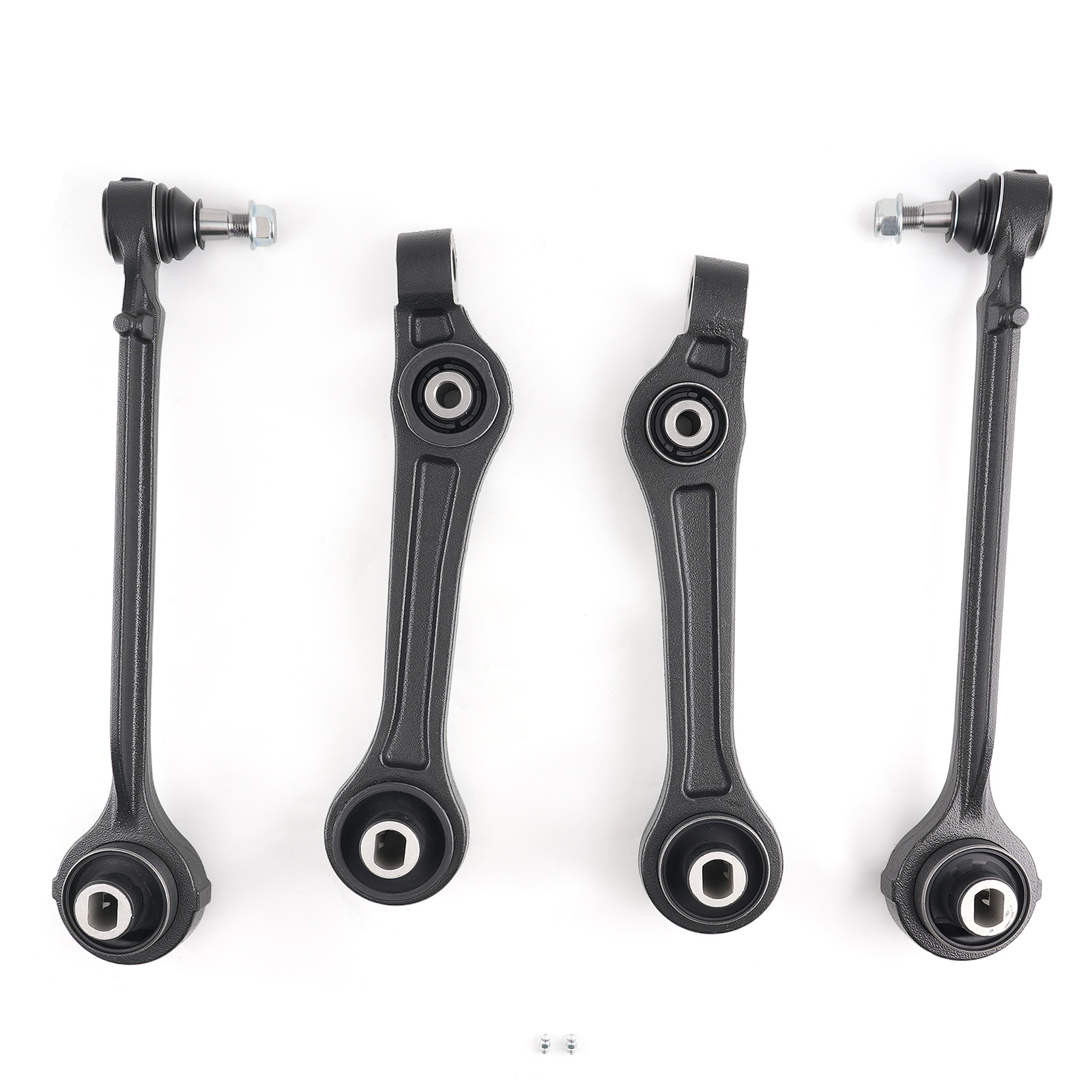
- Serviceable ball joints (bolt-in or threaded) allow replacement without buying a whole arm, while staked or riveted joints force full-arm replacement.
- Rubber bushings are the NVH compromise; polyurethane bushings sharpen steering response but transmit more road noise and require periodic greasing.
Best use cases
- Daily-driven RWD Charger with worn bushings: buy a complete front lower control arm kit with new ball joints and rubber bushings — it restores factory ride and alignment in one job.
- Track or spirited-driving Charger: choose cast aluminum or forged arms with polyurethane bushings and serviceable ball joints; skip rubber-bushed stamped arms that flex under load.
- AWD Charger or one with magnetic ride: pick AWD-specific lower arms and confirm the arm clears the axle and strut; RWD arms will not fit and will bind the CV joint.
Buying tips
- Match the arm to the drive layout: RWD front upper and lower arms differ from AWD arms in ball-joint angle and knuckle mounting; ordering RWD parts for an AWD car causes binding.
- Check bushing type: OEM-style rubber for quiet daily driving, 75–95 durometer polyurethane for track use; poly transmits noise and needs greasing.
- Inspect arm material: cast aluminum or stamped steel with welded reinforcement handles load; any plastic or composite arm is not a suspension part — reject it.
Specs
| Arm Material | Stamped steel / cast aluminum |
|---|---|
| Ball Joint Type | Serviceable vs staked/riveted |
| Bushing Grade | Rubber OEM vs polyurethane |
| Drive Fitment | RWD vs AWD (not interchangeable) |
Related searches
What to check before buying
- Confirm your Charger's generation (LX 2006–2010, LD 2011–2023) and drive type (RWD vs AWD) before ordering any arm.
- Measure the ball-joint stud taper and thread pitch against the old arm; mismatched tapers cause play and premature failure.
- Check clearance to the strut, axle, and brake caliper after installation; AWD arms are shaped to clear the halfshaft.
- Verify the kit includes new nuts, cotter pins, and alignment specs; reuse of torque-to-yield fasteners is not acceptable.
FAQ
Data sources: eBay / Amazon listings and product attribute feeds Data updated Nov 15, 2026.
Some links on this page are affiliate links. If you buy after clicking one, we may earn a commission at no extra cost to you. This does not change which products appear here or their order. Affiliate disclosure.