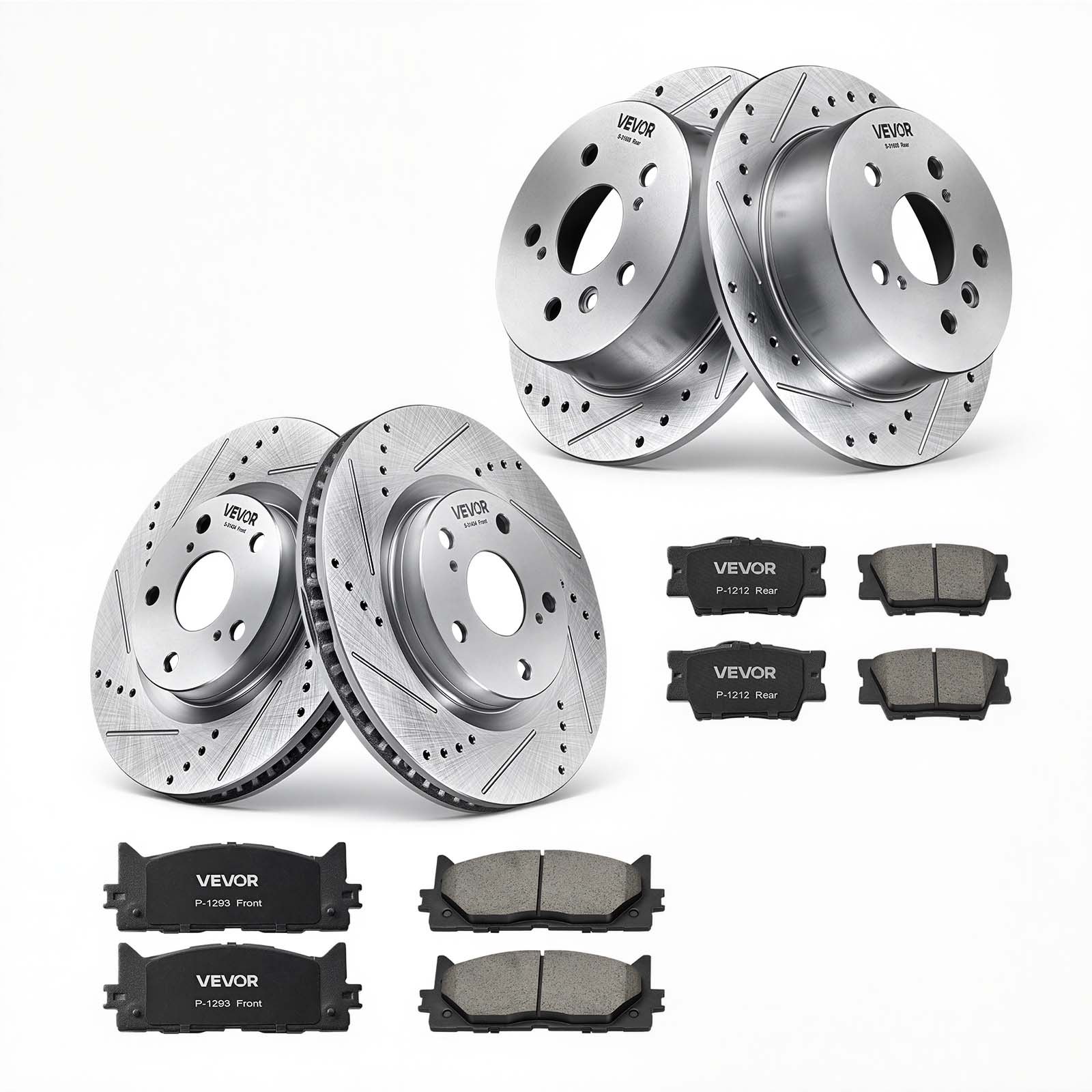

Photos from current listings. Actual item, color, and included accessories may vary.
Ceramic Brake Pad Buying Guide
Ceramic brake pads use ceramic fibers and fillers to deliver quiet, low-dust stopping power for daily driving, but their lower heat tolerance means they are not a universal upgrade. The core trade-off is low-dust, low-noise street comfort versus fade resistance and rotor wear under heavy loads. Buy ceramic only for normal passenger-car use; for towing, track, or heavy payloads, choose semi-metallic or a performance ceramic blend.


At a glance
- Category
- Suspension, Steering & Brake Parts
- Data updated
- Nov 15, 2026
Current offers
Highlights
- Ceramic pads run cooler and quieter than semi-metallic because ceramic fibers and fillers conduct less heat into the caliper, but they fade earlier above roughly 600–700°F.
- Low-dust ceramic compounds keep wheels visibly cleaner, yet their harder friction material can raise rotor wear and require rotor replacement at pad service.
- Performance ceramic blends add aramid or metallic fibers to raise fade thresholds and are the correct choice for spirited driving or light towing.
- Dual-piston or larger calipers common on SUVs and trucks need pads with matching backing-plate thickness and shim designs to avoid noise and uneven wear.
Best use cases
- Best fit: daily commuter sedans and crossovers in mixed city and highway use — choose standard ceramic pads for quiet, low-dust braking and clean wheels.
- Wrong fit: frequent heavy towing, mountain descents, or track sessions — skip standard ceramic and choose semi-metallic or a performance ceramic pad rated for higher sustained temperatures.
- Best fit: vehicles with alloy wheels where dust visibility matters — ceramic is the correct pick; if the vehicle sees heavy loads, step up to a performance ceramic rather than a basic one.
- Wrong fit: worn or scored rotors — ceramic pads should pair with new or resurfaced rotors within manufacturer thickness specs, or you will get noise, vibration, and uneven wear.
Buying tips
- Match pads to exact rotor thickness and caliper piston count; a pad that is too thick for a worn rotor causes drag and overheating.
- Confirm the pad backing plate and shim design matches your caliper — factory shims and abutment clips are required for noise-free ceramic performance.
- Choose ceramic for vehicles under roughly 5,000 lb gross weight used for normal driving; above that, prefer semi-metallic or a heavy-duty ceramic blend.
- Check pad wear sensor compatibility (electronic or mechanical) before buying; missing sensors trigger dash warnings on many modern cars.
Specs
| Pad Compound | Ceramic / Semi-metallic / Performance blend |
|---|---|
| Fade Threshold | ~600–700°F standard ceramic |
| Dust & Noise | Low dust / Low squeal vs semi-metallic |
| Rotor Compatibility | New or resurfaced above min thickness |
Related searches
What to check before buying
- Measure rotor thickness with a micrometer and confirm it is above the minimum specification stamped on the rotor hat before fitting new ceramic pads.
- Verify wheel clearance and caliper piston count — larger multi-piston calipers may require a different pad backing-plate profile.
- Confirm the pad set includes abutment clips, shims, and wear sensors for your specific caliper design.
- Check that the pad compound is rated for your typical load and terrain; ceramic is not suitable for sustained heavy braking.
FAQ
Data sources: eBay / Amazon listings and product attribute feeds Data updated Nov 15, 2026.
Some links on this page are affiliate links. If you buy after clicking one, we may earn a commission at no extra cost to you. This does not change which products appear here or their order. Affiliate disclosure.