Photos from current listings. Actual item, color, and included accessories may vary.
Brake Master Cylinder Buying Guide
A brake master cylinder converts pedal force into hydraulic pressure, and its bore size, seal material, and reservoir configuration determine pedal feel and durability. Buyers must choose between an exact OEM-fit replacement (matched bore and port layout) and a universal or performance upgrade that risks poor modulation. The decision rule: match the bore diameter and mounting/port pattern to your original unit, and only step up to a larger bore if you have upgraded calipers that demand more fluid volume.


At a glance
- Category
- Suspension, Steering & Brake Parts
- Data updated
- Nov 15, 2026
Current offers
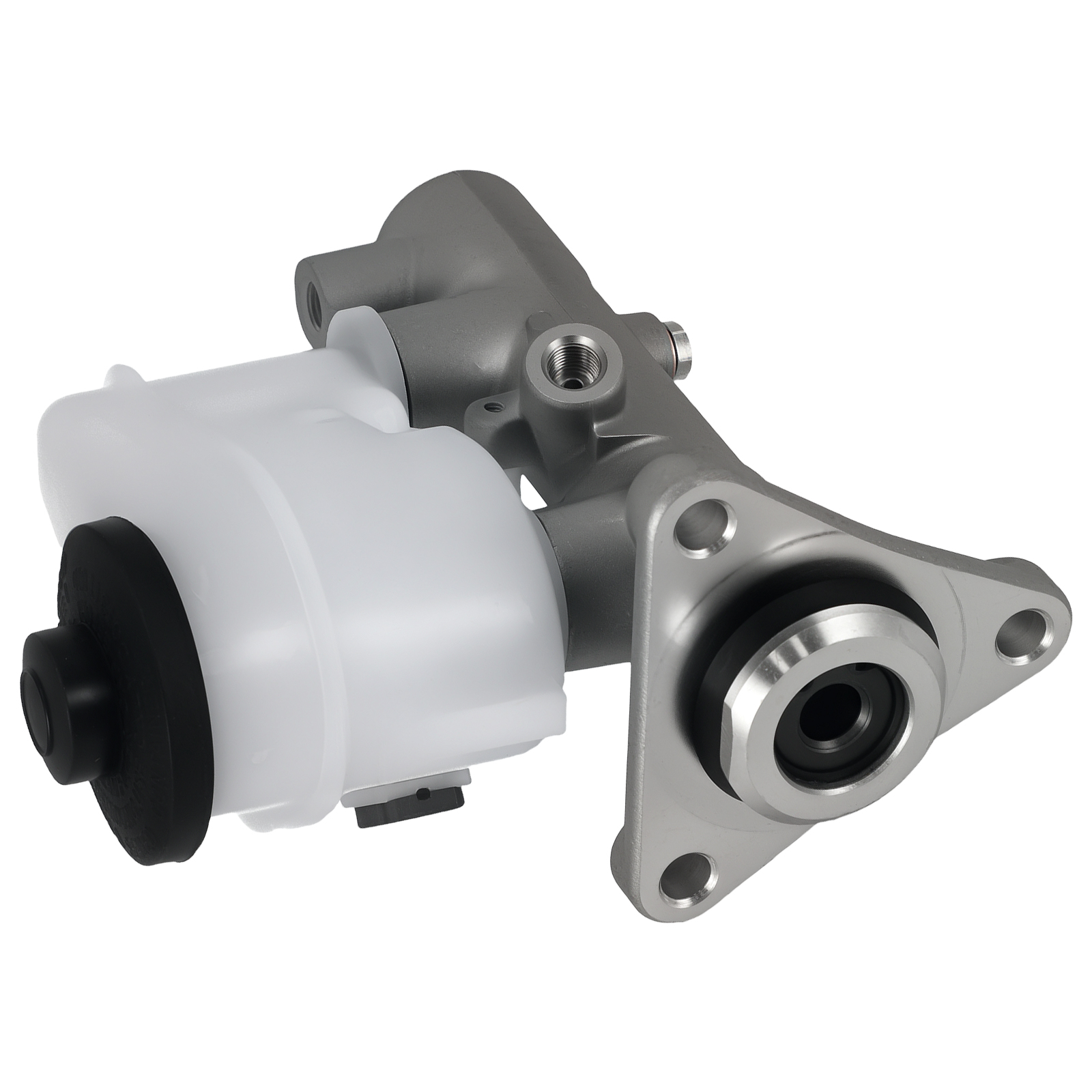 Brake Master Cylinder 0.813" Bore fit for Toyota Corolla 1992-2002 Geo Prizm 1993-97$67.99
 View on Mallflare
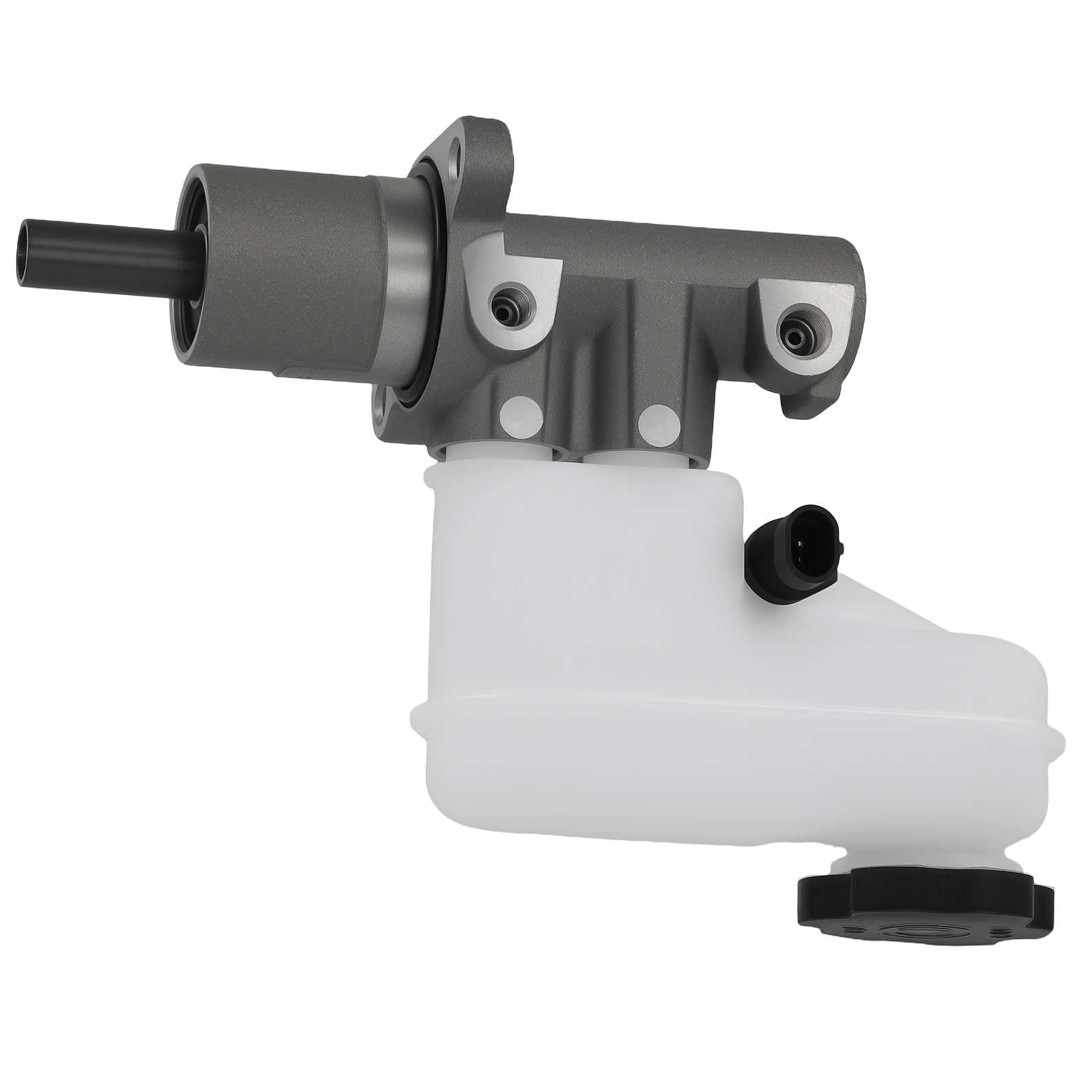 Aluminum Brake Master Cylinder fit for Pontiac Torrent 2006 M630327 w/ Sensor$72.99View on Mallflare
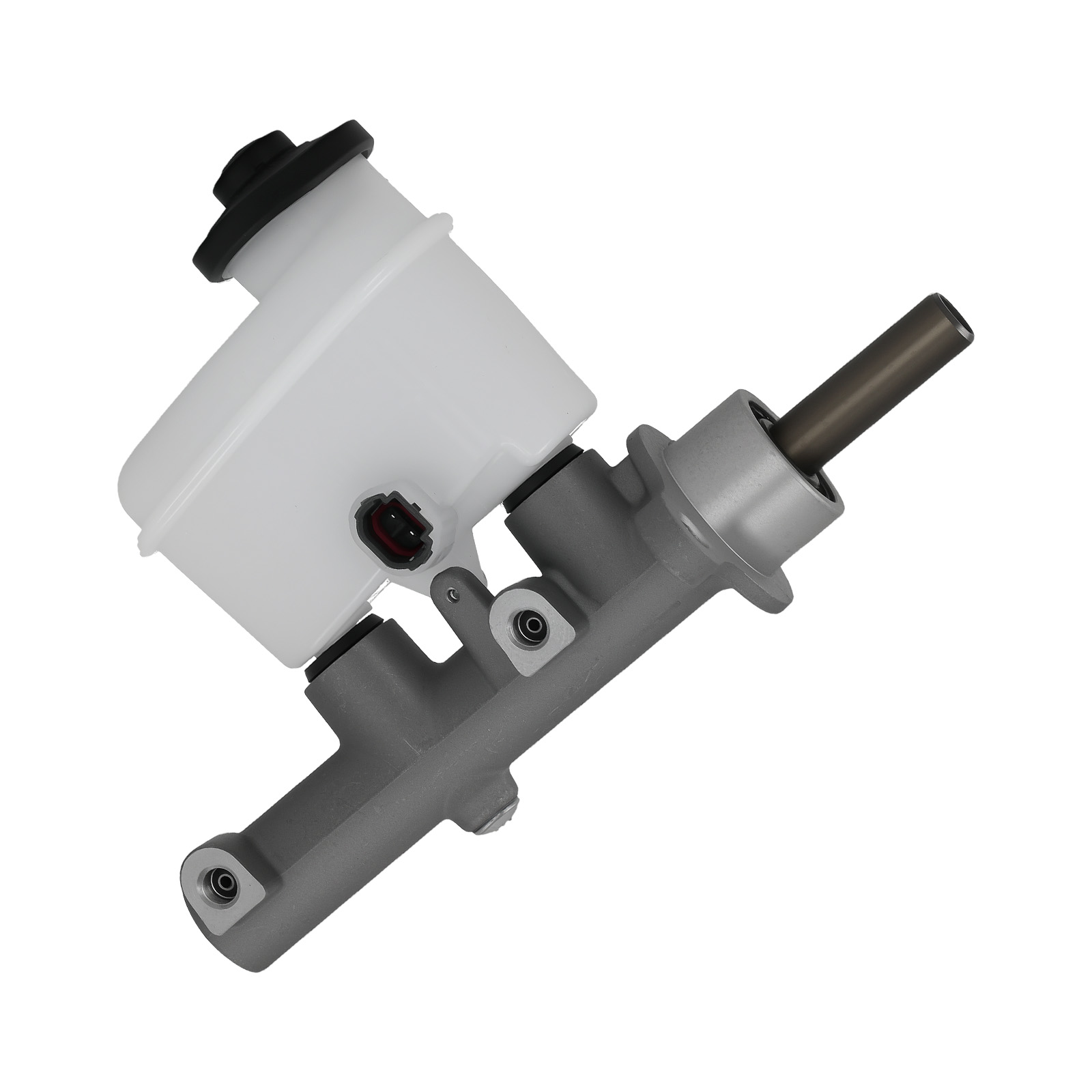 Brake Master Cylinder Kit fit for Toyota Tacoma 2001-04 M630118 0.813" Bore$73.99View on Mallflare
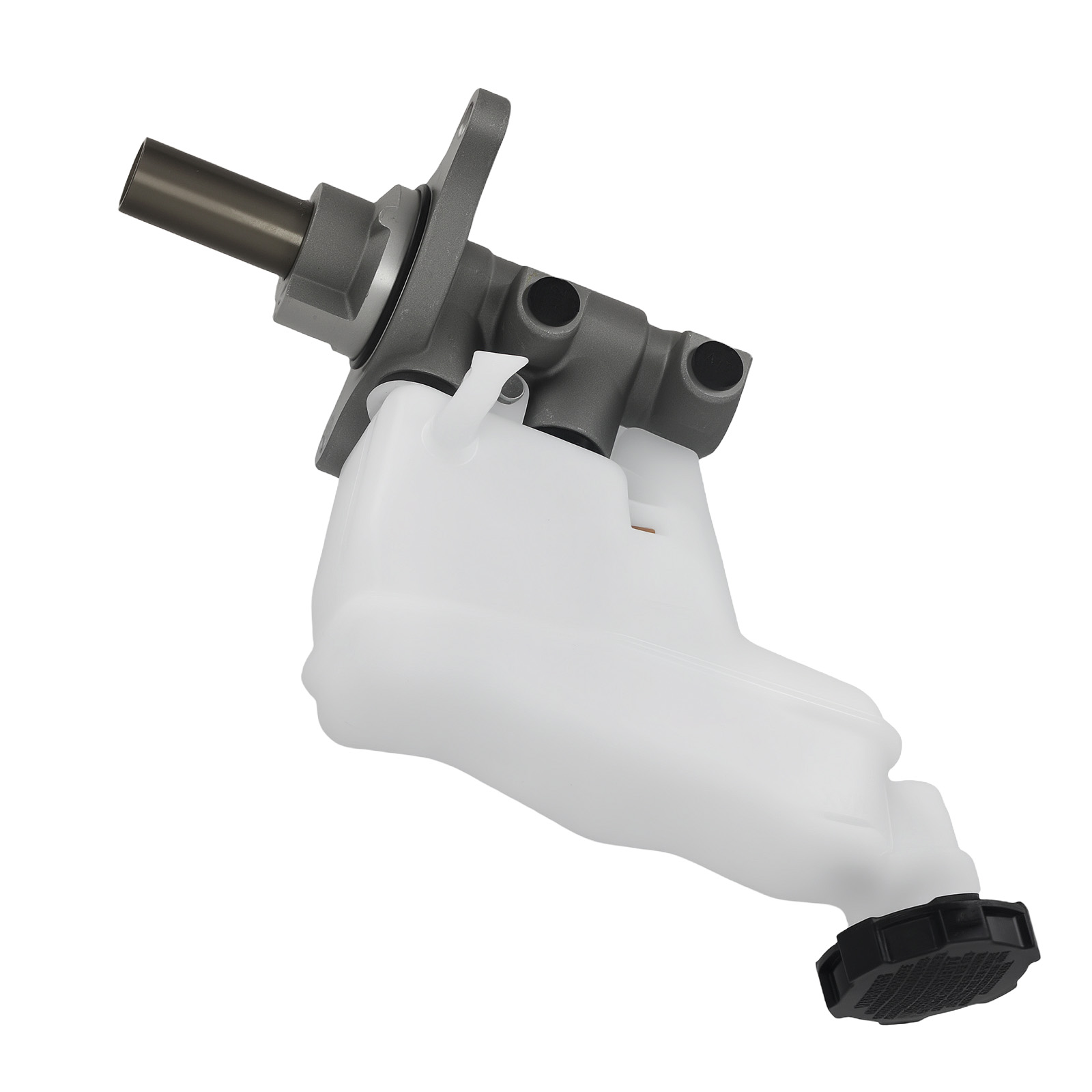 Aluminum Brake Master Cylinder fit for Kia Forte 2014-2018 585102V200 w/Reservoir$74.99View on Mallflare
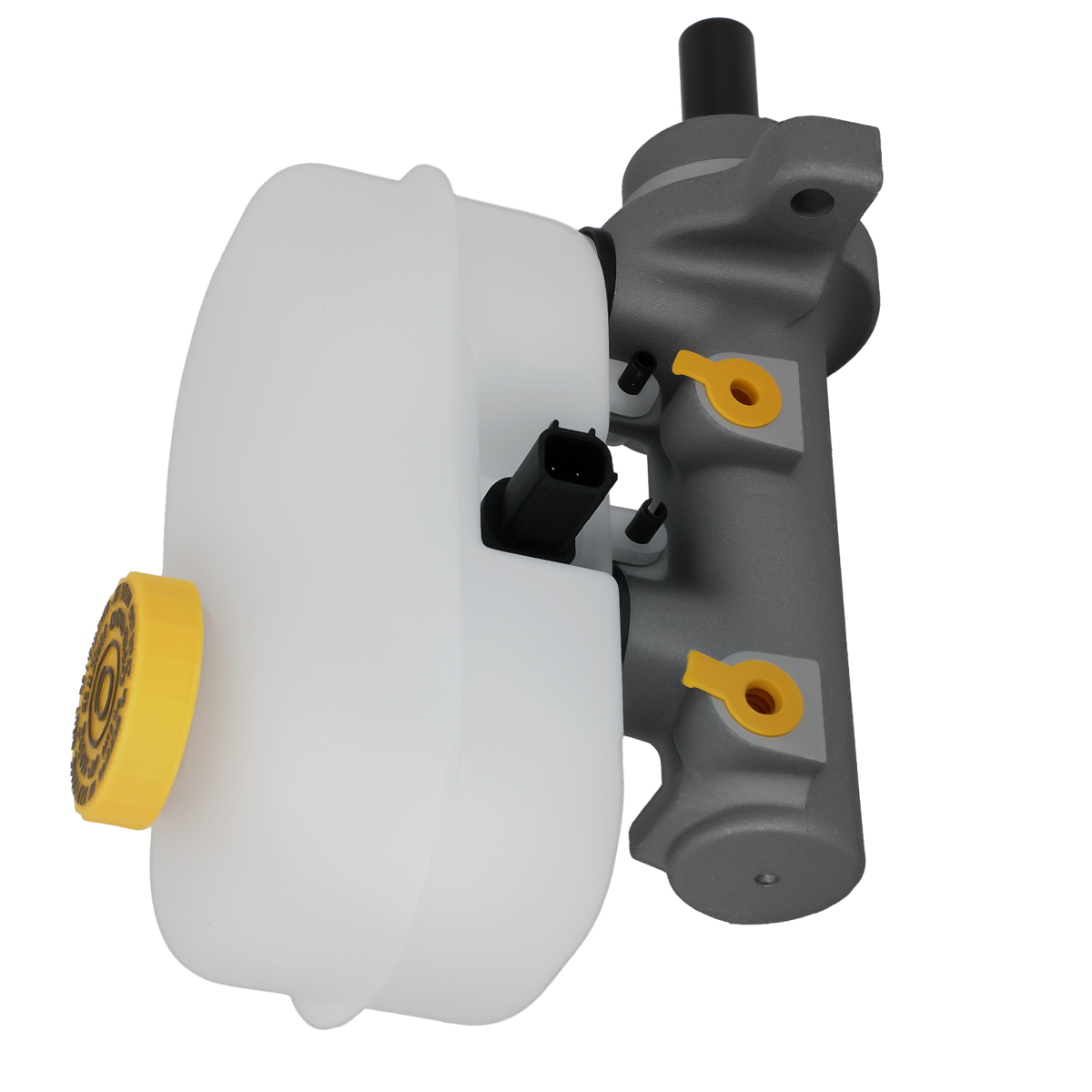 Brake Master Cylinder w/ Reservoir fit for Dodge Durango 1999-2003 M134437 102967$79.99View on Mallflare
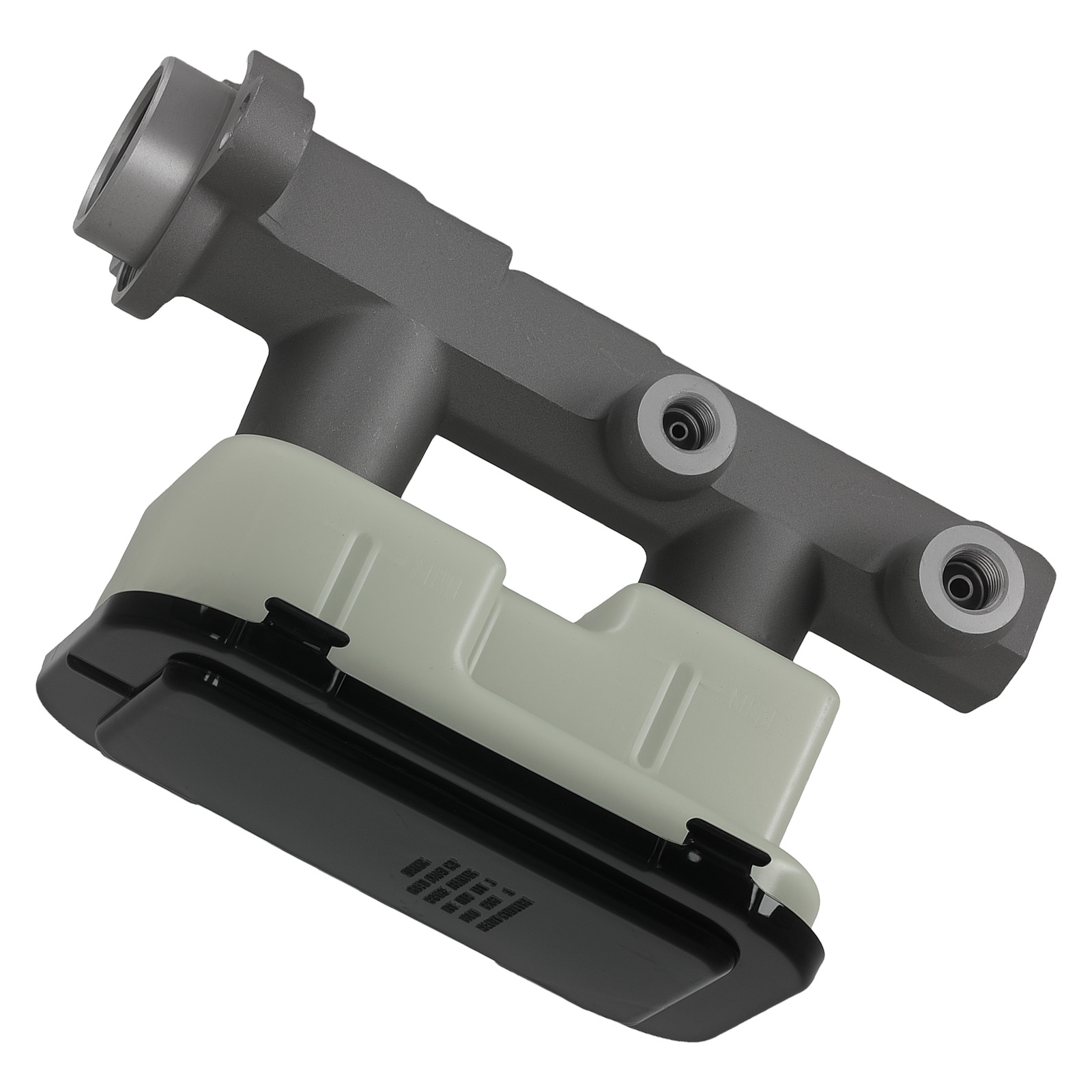 Brake Master Cylinder fit for GMC S15 1983-1990/S15 Jimmy 1983-1991 M390320 18013433$82.99View on Mallflare
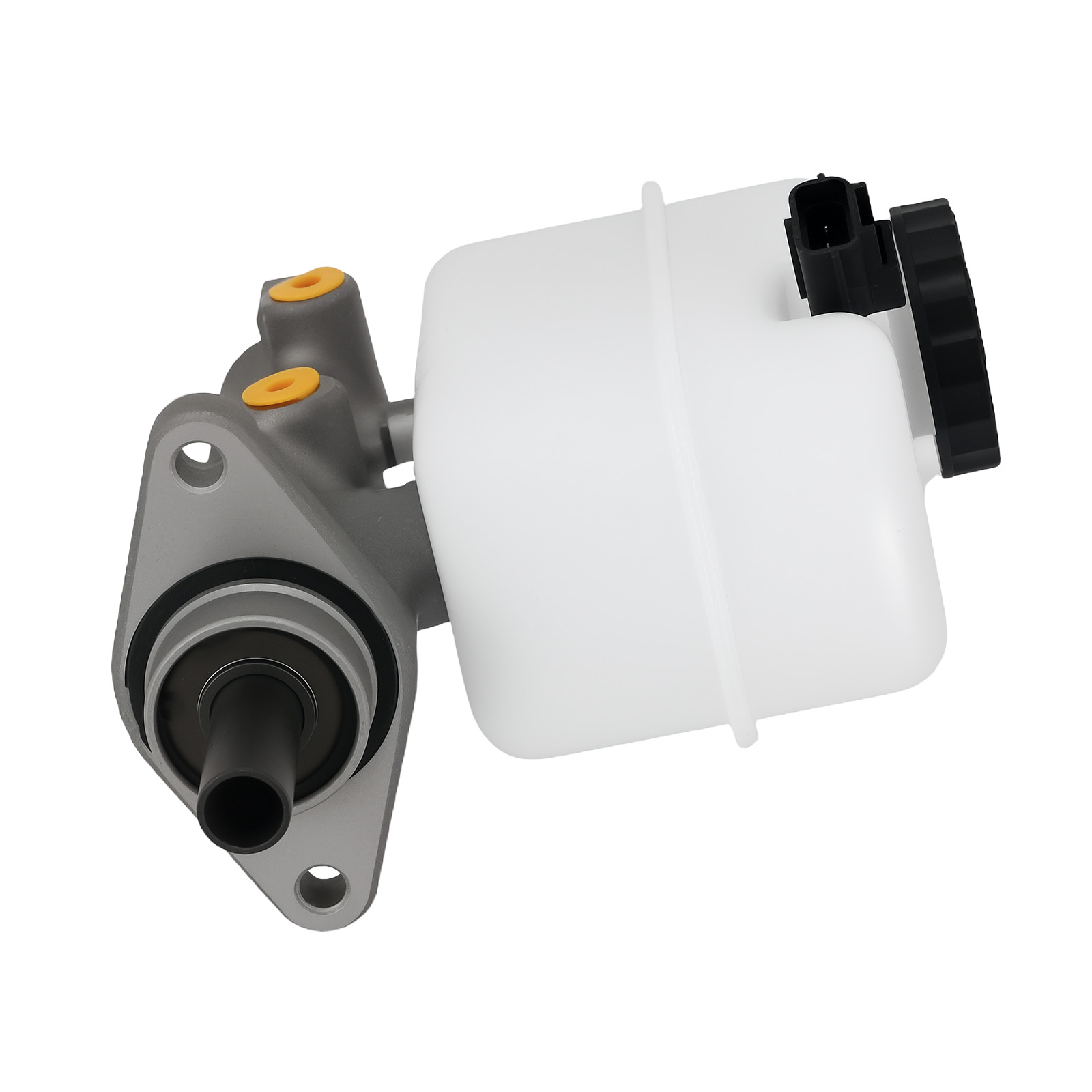 Aluminium Brake Master Cylinder Assembly fit for Ford Explorer 2006-2010 M630525$90.99View on Mallflare
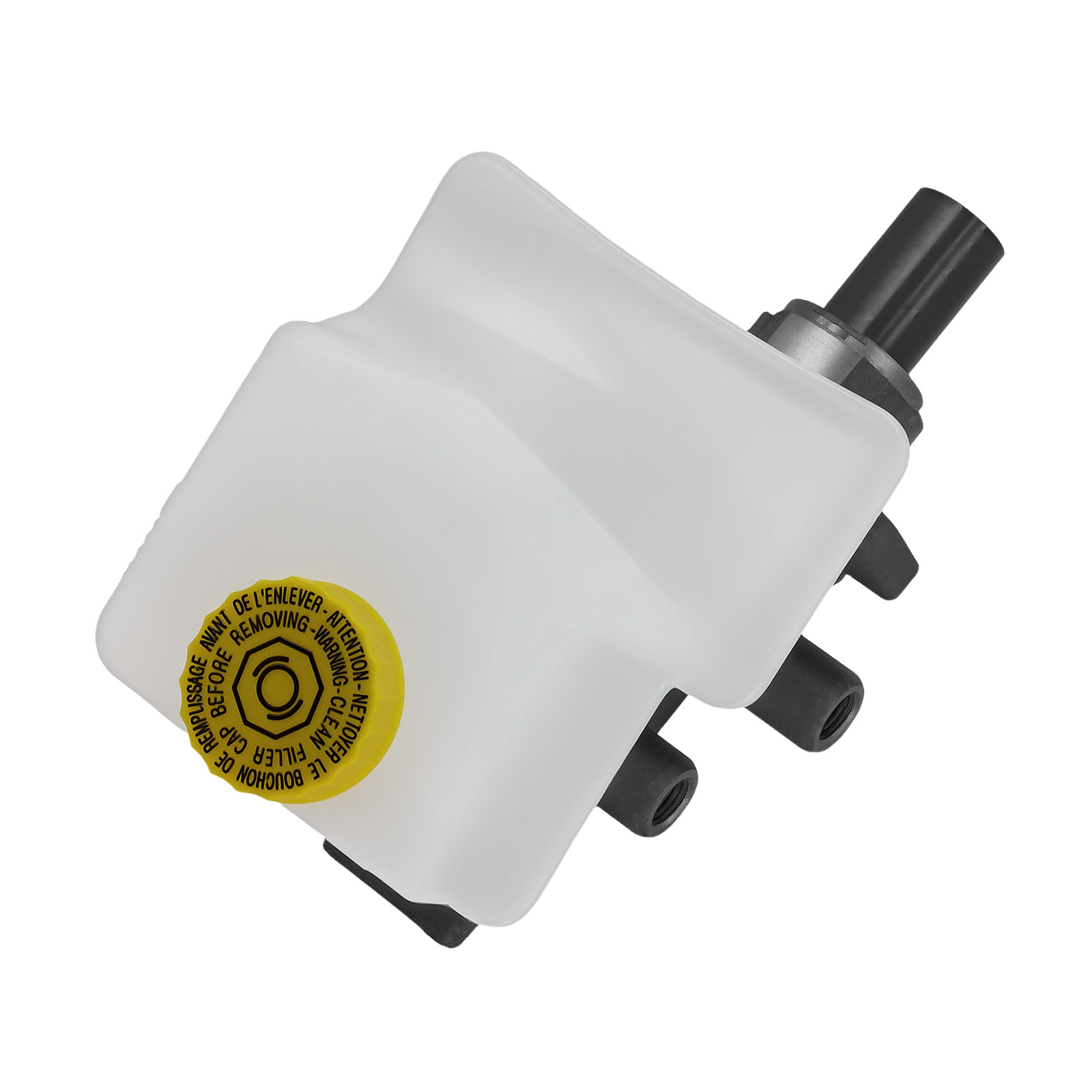 Brake Master Cylinder w/Reservoir fit for Dodge Durango/Jeep Grand Cherokee 2011-16$107.99View on Mallflare
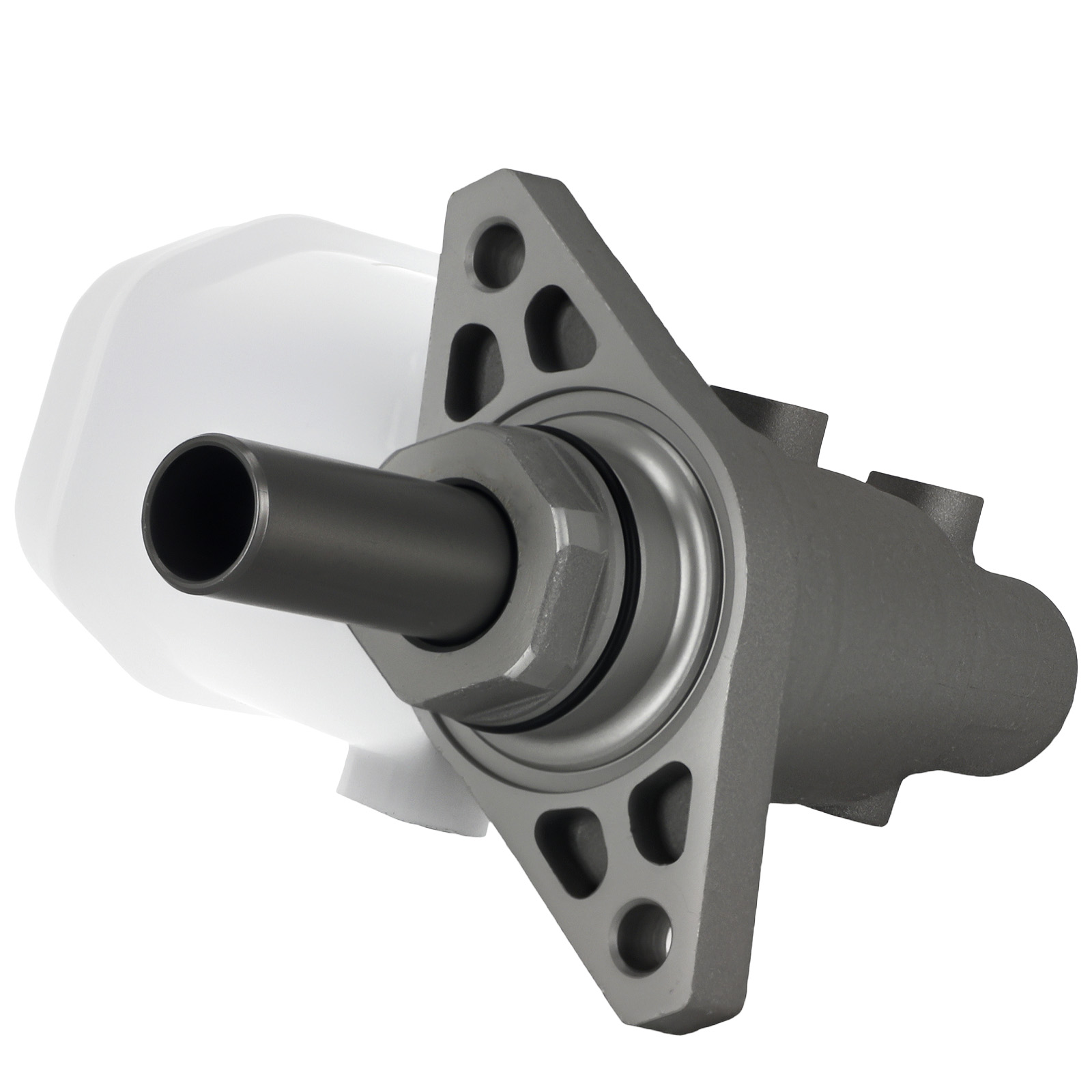 Brake Master Cylinder w/Reservoir fit for Toyota 4Runner 3.4L/4.0L 2002-2009$115.99View on Mallflare
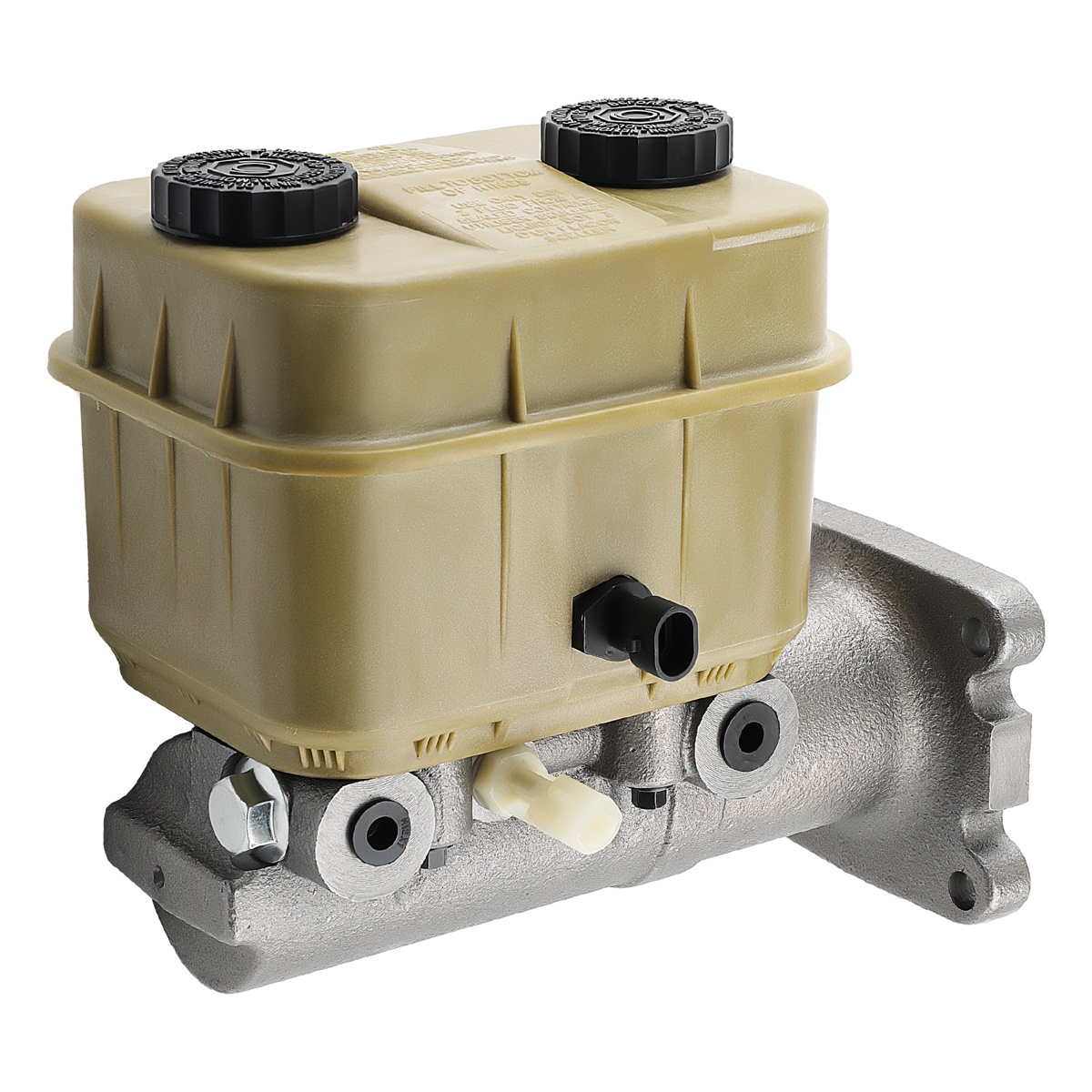 Brake Master Cylinder fit for Blue Bird Ford F53 F600 Hino Kenworth M630276$231.99View on Mallflare
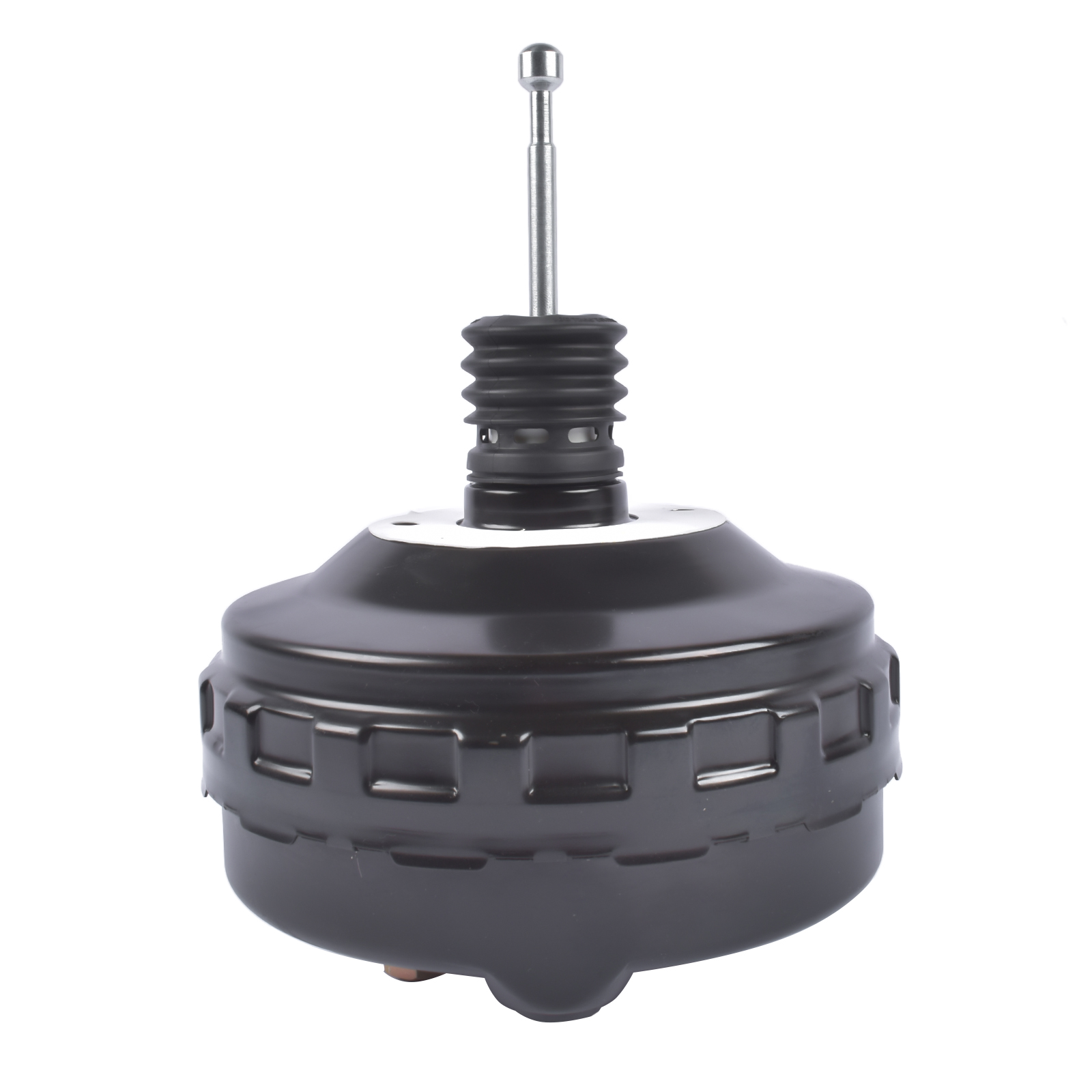 Vacuum Power Brake Booster Fits for Buick Allure LaCrosse Regal Chevy Malibu Orlando 2010-2017 w/o Master Cylinder 13317102 1780880$166.99View on Mallflare
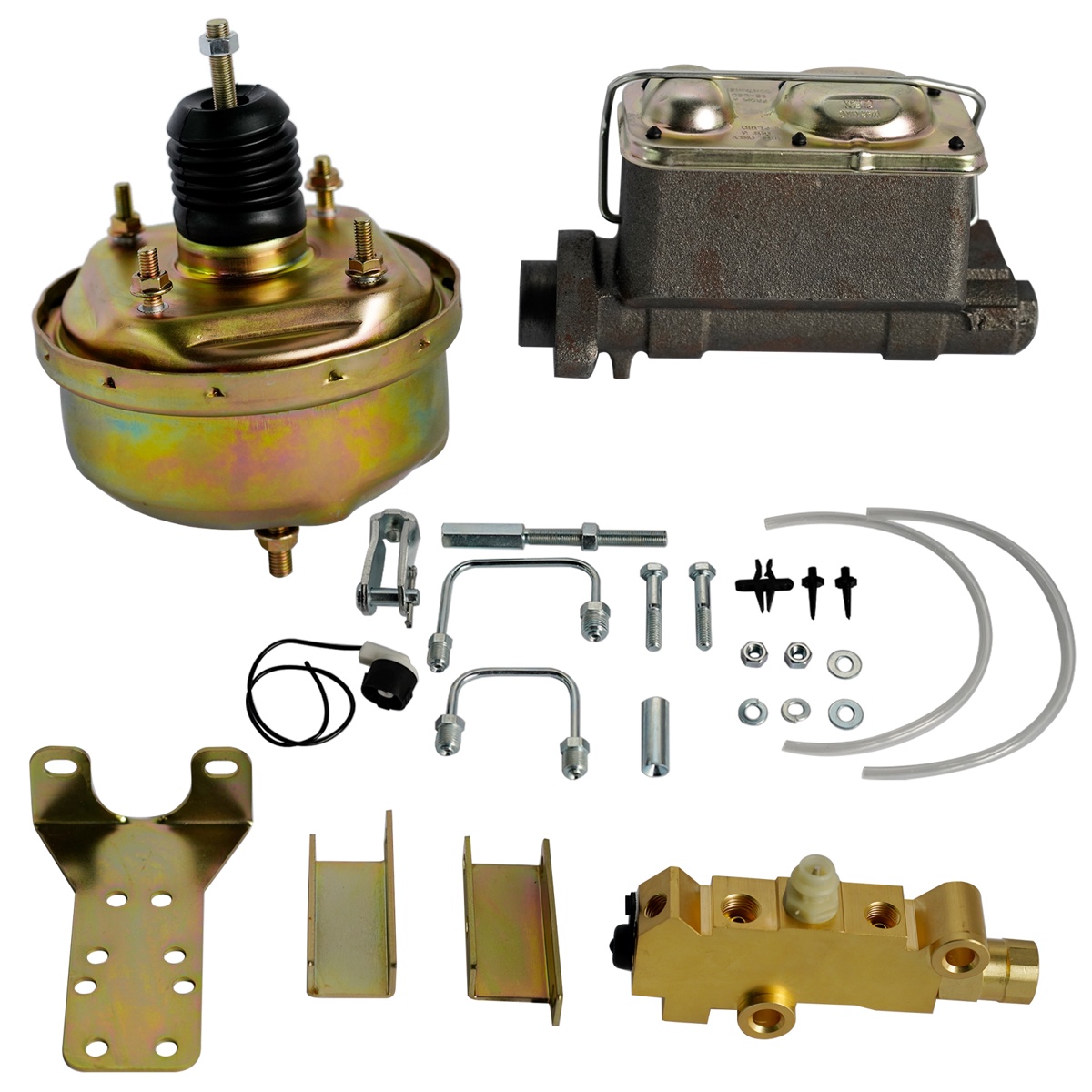 Power Brake Booster Master Cylinder Kit 7" for 1964-1966 Ford Mustang 1960-1966 Falcon$211.99View on Mallflare
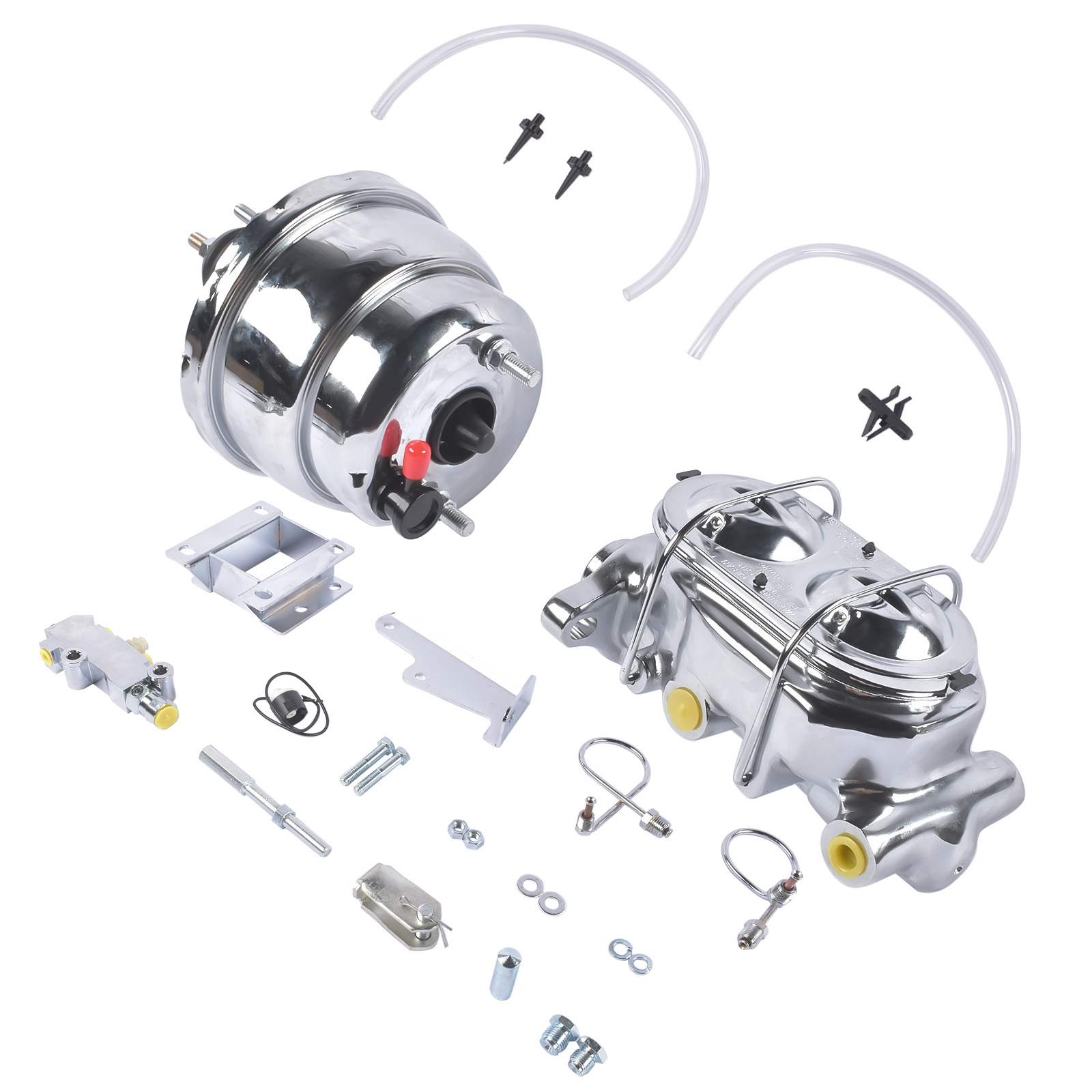 7'' Chrome Power Brake Booster Master Cylinder Disc Drum Kit Fits for Chevy Bel Air One-Fifty Two-Ten Series 1955-1957$294.99View on Mallflare
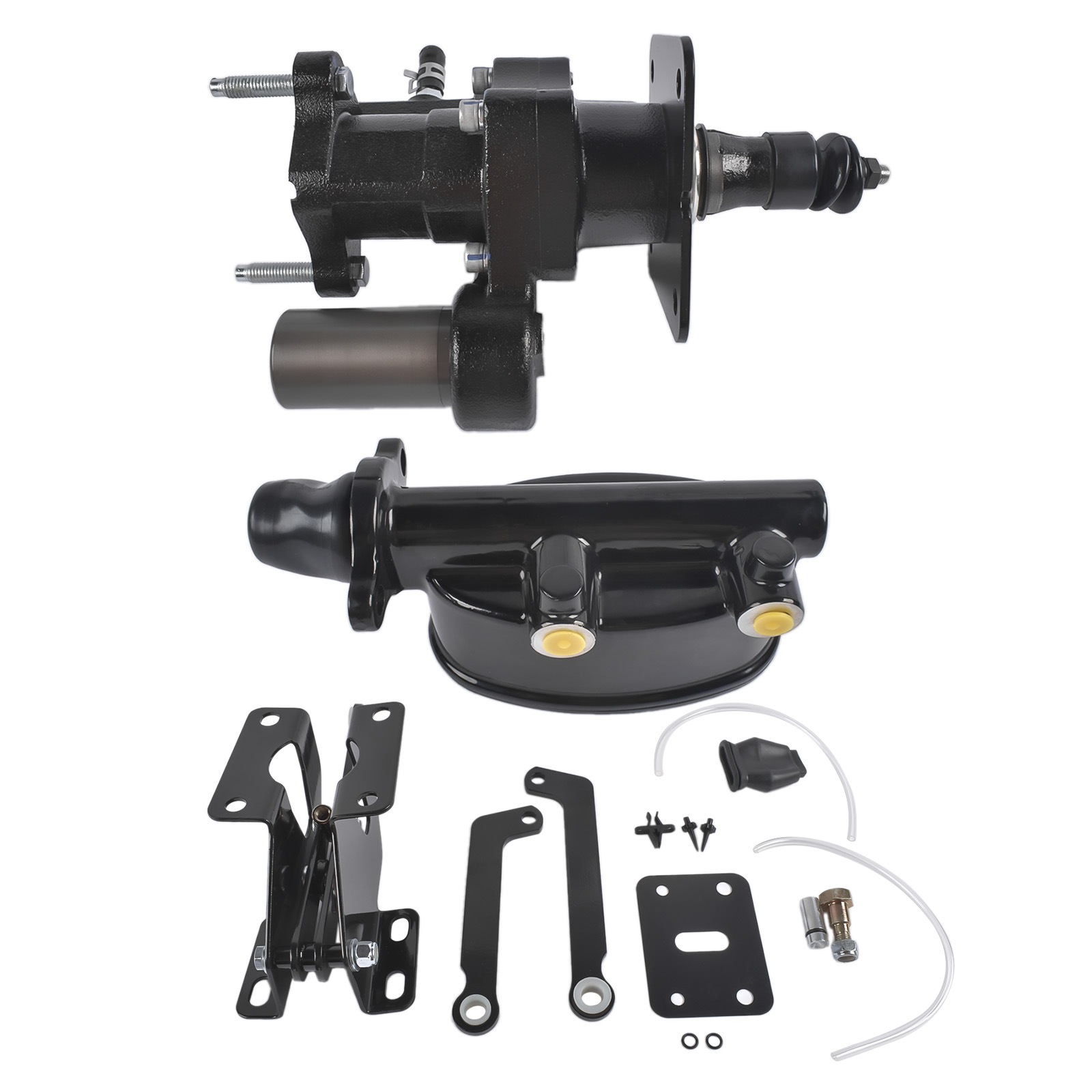 Hydro Brake Booster Master Cylinder + Bracket Replacement for Dodge A B E Hoses Plymouth$588.99View on Mallflare
Highlights
- Bore diameter controls pedal travel and clamping force: a 0.813 in (13/16 in) bore is common on compact cars, while 1 in and larger bores suit trucks and SUVs with bigger calipers.
- Aluminum bodies dissipate heat faster and resist corrosion, but cast iron units tolerate higher line pressures and are standard on many heavy-duty and older applications.
- Reservoir-included assemblies simplify installation but must match the original outlet port orientation and fluid level sensor connector or the warning light will not function.
- Seal grade separates durable units from failures: EPDM rubber is compatible with DOT 3/4 glycol fluid, while natural rubber or nitrile seals swell and leak when exposed to the wrong fluid.
Best use cases
- Daily-driven compact or sedan (Corolla, Forte, Prizm): pick the exact OEM bore and port layout, typically 0.813 in, with a reservoir-matched assembly; skip oversized performance cylinders that make the pedal touchy in traffic.
- Truck or SUV towing and hauling (Tacoma, Durango, Explorer, 4Runner): choose the stock bore for your chassis and a cast-iron or reinforced aluminum body; skip universal cylinders unless the mounting flange and line fittings are confirmed identical.
- Restoration or classic vehicle (S15, older Ford F53): match the original cast-iron unit and reservoir style for concours correctness; skip modern aluminum conversions unless you also upgrade seals and verify pedal ratio.
- Heavy-duty or commercial chassis (Blue Bird, F600, Kenworth, Hino): select the OEM-equivalent bore and pressure rating; skip light-duty passenger-car cylinders that cannot handle the higher fluid volume and line pressure.
Buying tips
- Measure the original bore with a caliper or read the stamping on the old cylinder; a 1/16 in bore change alters pedal travel and brake bias noticeably.
- Count outlet ports and note their angles: a two-port unit with a proportioning valve port differs from a four-port ABS-ready cylinder, and misrouting causes hard-pedal or leak issues.
- Match the reservoir shape and sensor connector: integrated reservoirs with a fluid-level sensor require the correct plug or the dash warning will stay lit.
- Confirm the mounting flange bolt spacing and pushrod length; a cylinder that bolts up but has the wrong pushrod depth will not build pressure or will drag the brakes.
Specs
| Bore Diameter | 0.813 in / 7/8 in / 1 in / 1-1/8 in |
|---|---|
| Body Material | Aluminum vs cast iron |
| Reservoir Type | Integrated / remote / none |
| Port Configuration | 2-port / 4-port / ABS-ready |
Related searches
What to check before buying
- Verify the bore diameter stamped on your original cylinder and the outlet port count and orientation before ordering.
- Measure the mounting flange bolt-hole spacing and the pushrod length from the brake booster to the piston.
- Check the reservoir style (integrated, remote, or none) and the fluid-level sensor connector type on your vehicle.
- Confirm brake fluid type (DOT 3, DOT 4, or DOT 5.1) and that the new cylinder's seals are compatible; never mix silicone DOT 5 with glycol systems.
FAQ
Data sources: eBay / Amazon listings and product attribute feeds Data updated Nov 15, 2026.
Some links on this page are affiliate links. If you buy after clicking one, we may earn a commission at no extra cost to you. This does not change which products appear here or their order. Affiliate disclosure.