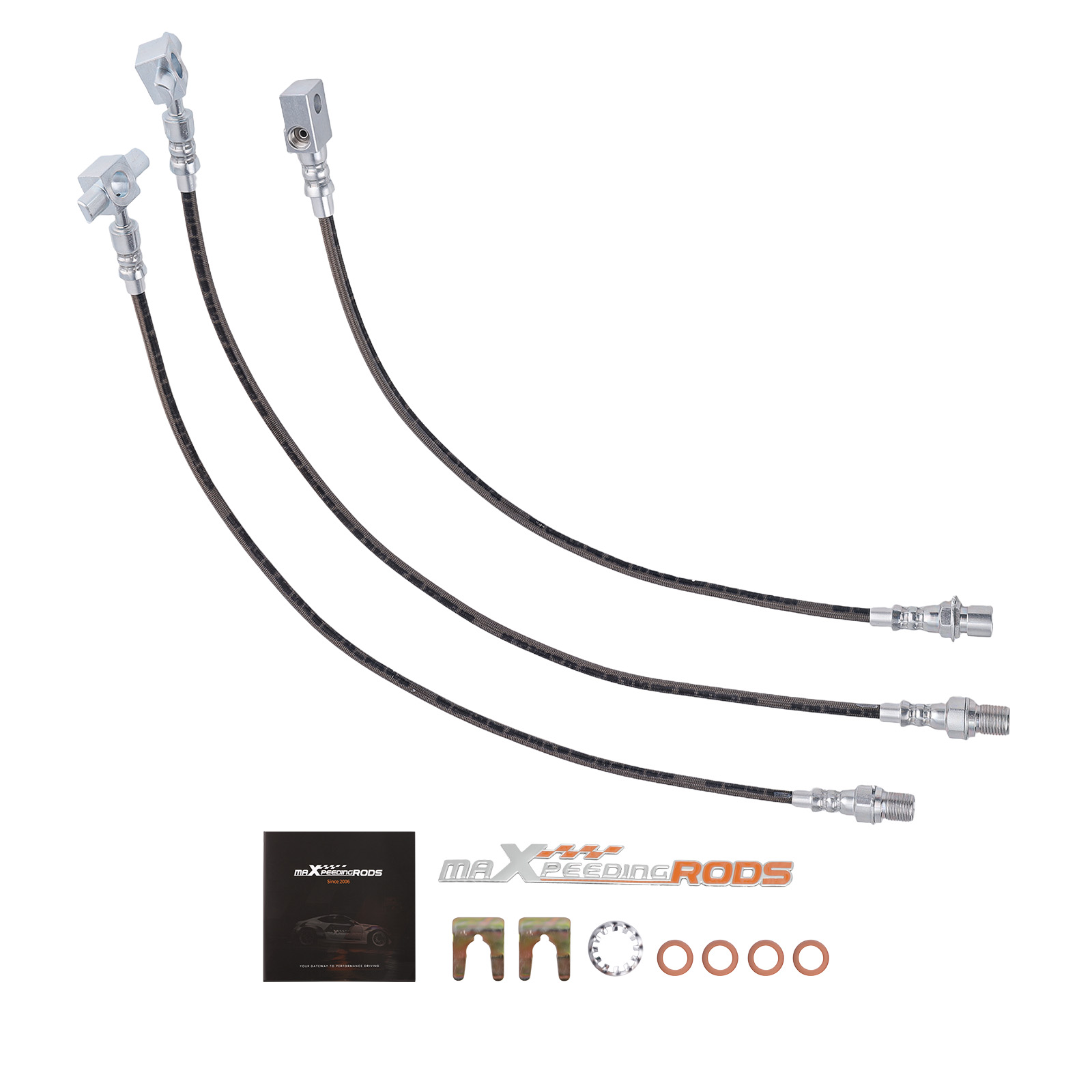

Photos from current listings. Actual item, color, and included accessories may vary.
Brake Line Buying Guide
Brake lines are the hydraulic conduits that transmit pedal force to the calipers and wheel cylinders; the core trade-off is between OEM-style mild steel (cheap, corrosion-prone, short service life) and corrosion-resistant upgrades like stainless steel or coated tubing, with correct ISO/bubble flares and compatible fittings being non-negotiable for safety. Buy a pre-bent stainless or coated kit matched to your exact vehicle generation and ABS layout; skip universal cut-to-length mild steel unless you have professional flaring tools and can guarantee the correct flare type.


At a glance
- Category
- Suspension, Steering & Brake Parts
- Data updated
- Nov 15, 2026
Current offers
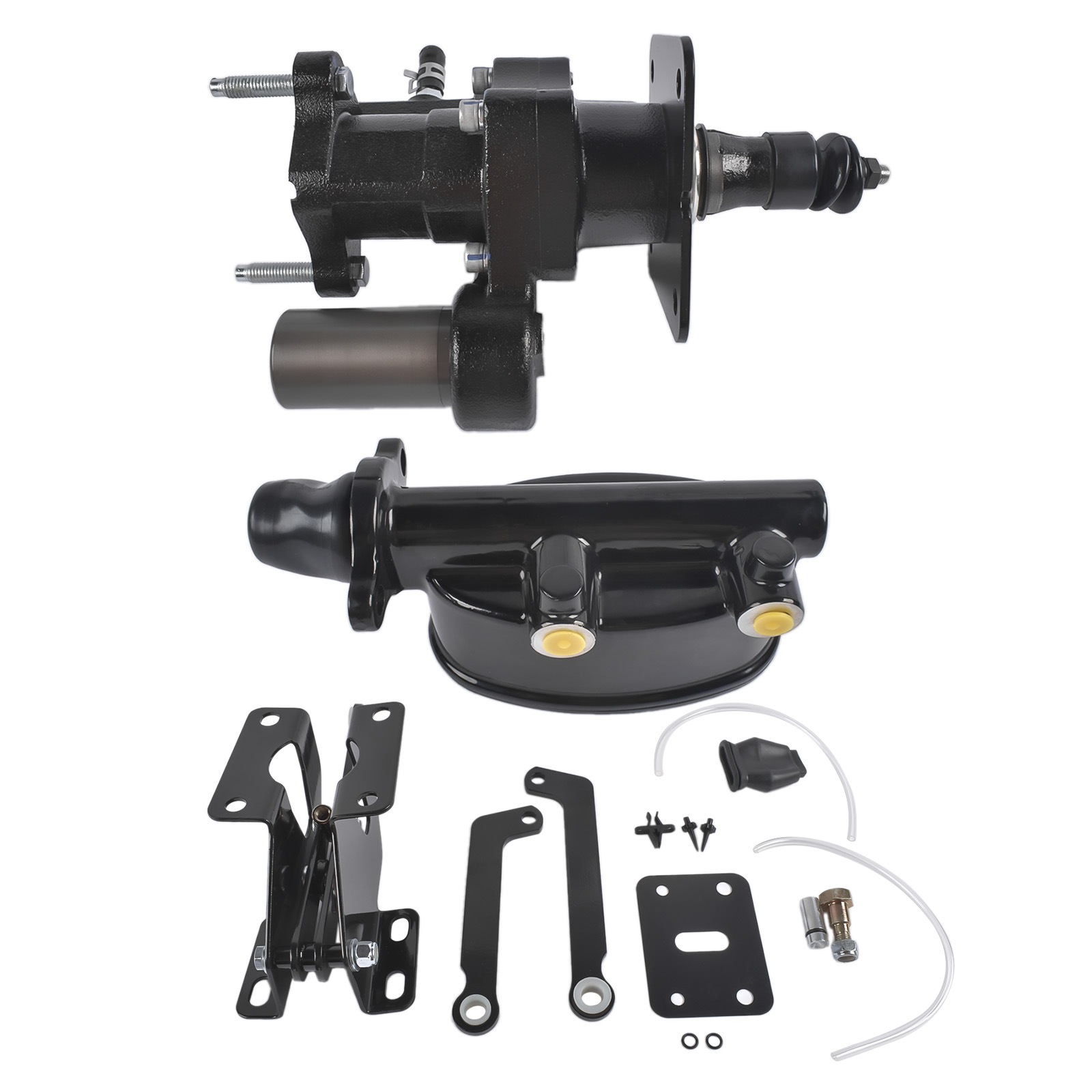
Highlights
- Stainless steel lines (304 or 316 grade) resist road salt and moisture far better than OEM mild steel, which typically rusts through in 8–12 winters in salt-belt states.
- Pre-bent kits are formed to the exact OEM routing for a specific chassis generation, while universal kits require cutting, bending, and flaring on the vehicle.
- Flare type must match the vehicle: ISO/bubble flares are standard on most European and many Asian cars, while SAE 45-degree double flares are common on older domestic vehicles.
- Lifted or modified suspensions change the routing and require longer flex lines or re-routed hard lines to avoid stretching and abrasion at full droop.
Best use cases
- Best fit: a daily driver in a rust-belt state — choose a pre-bent 304 stainless kit for your exact year, make, model, and ABS configuration; skip generic mild steel tubing.
- Best fit: a lifted truck or off-road build — select extended stainless braided flex lines plus pre-bent hard lines designed for the lift height; skip stock-length lines that bind at full articulation.
- Wrong fit: a race-only or custom chassis build — universal cut-to-length tubing with AN fittings is appropriate, but pre-bent OEM kits will not match custom routing; skip pre-bent kits here.
Buying tips
- Measure your existing line diameter: most passenger cars use 3/16 in (4.75 mm) hard line, while some trucks and older vehicles use 1/4 in (6.35 mm); match the kit to your stock size.
- Confirm the flare type before ordering — count the bubble or double-flare style at the caliper and master cylinder fittings, because mismatched flares leak under pressure.
- For lifted applications, add the lift height to the flex-line length: a 4-inch lift needs roughly 4 inches of additional flex-line length to avoid binding at full droop.
- Choose 304 stainless for corrosion resistance in salted-road climates; 316 offers better marine/saltwater resistance but is rarely needed for street vehicles.
Specs
| Material Grade | 304 stainless / coated mild steel |
|---|---|
| Line Diameter | 3/16 in (4.75 mm) or 1/4 in (6.35 mm) |
| Flare Type | ISO bubble / SAE 45° double |
| Kit Format | Pre-bent OEM route / universal cut-to-length |
Related searches
What to check before buying
- Record your vehicle's exact year, make, model, body style, and ABS/non-ABS configuration — pre-bent kits are generation-specific and ABS routing differs.
- Inspect the fittings at the master cylinder, proportioning valve, and each caliper or wheel cylinder to identify flare type and thread size before ordering.
- Measure lift height and suspension travel if modified; stock-length flex lines can fail at full droop on lifted vehicles.
- Confirm the kit includes the correct flex lines, clips, and brackets — hard lines alone will not complete the job if your flex lines are original.
FAQ
Data sources: eBay / Amazon listings and product attribute feeds Data updated Nov 15, 2026.
Some links on this page are affiliate links. If you buy after clicking one, we may earn a commission at no extra cost to you. This does not change which products appear here or their order. Affiliate disclosure.