Photos from current listings. Actual item, color, and included accessories may vary.
Brake Kit Buying Guide
A brake kit is a bundled set of rotors, pads, calipers, lines, or hardware that restores or upgrades a vehicle’s stopping system. The primary trade-off is between OE-equivalent replacement kits (stock diameter, blank rotors, ceramic/semi-metallic pads) and big-brake or heavy-duty kits that add thermal mass and piston count at the cost of wheel clearance and unsprung weight. The decision rule: buy a replacement kit only if it matches your exact vehicle’s brake code and rotor dimensions; buy a big-brake or heavy-duty kit only if you have confirmed wheel barrel clearance and a matching master-cylinder bias.

At a glance
- Category
- Suspension, Steering & Brake Parts
- Data updated
- Nov 15, 2026
Current offers
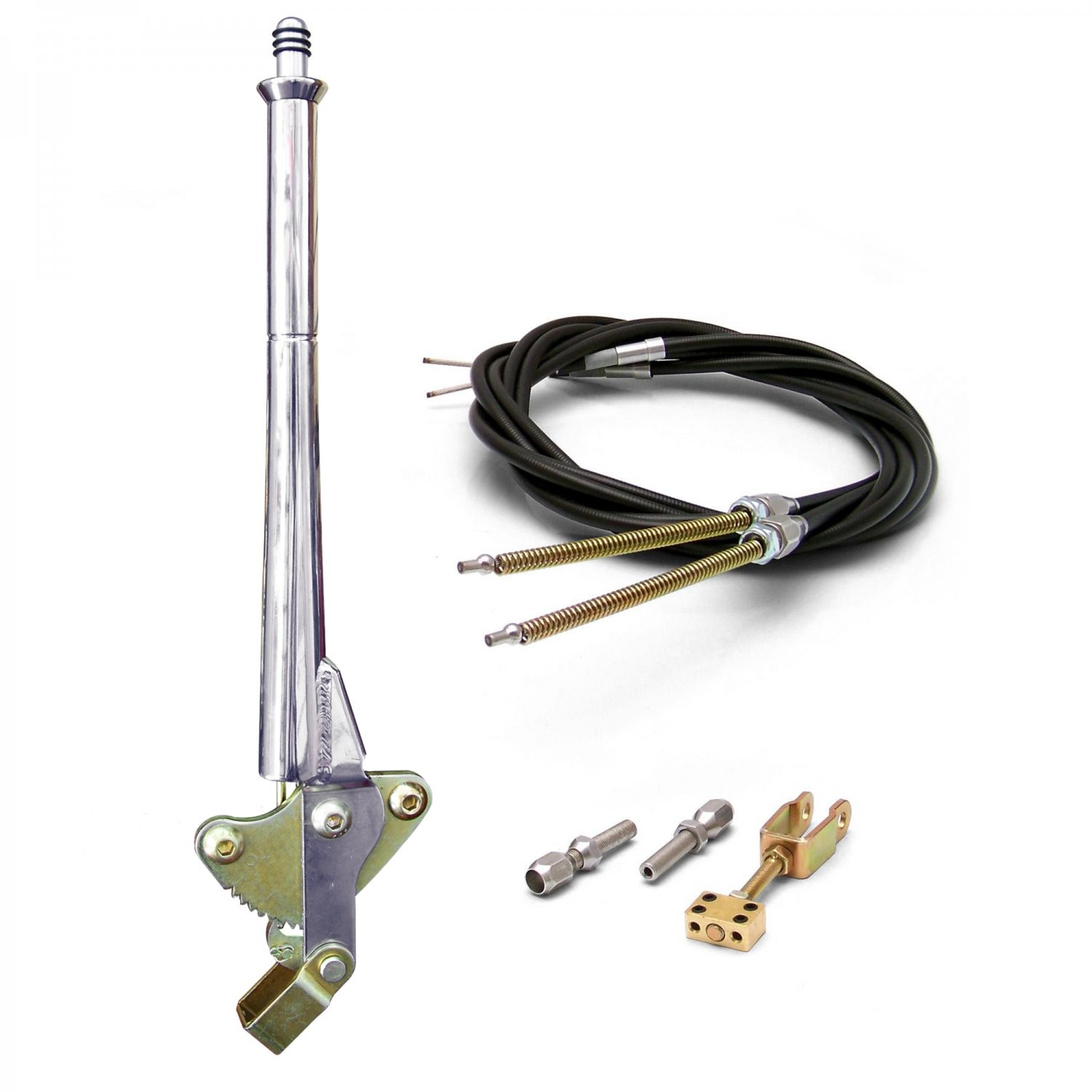 Transmission Mount Emergency Hand Brake Kit 16" w/ Cable Kit$399.95
 View on eBay
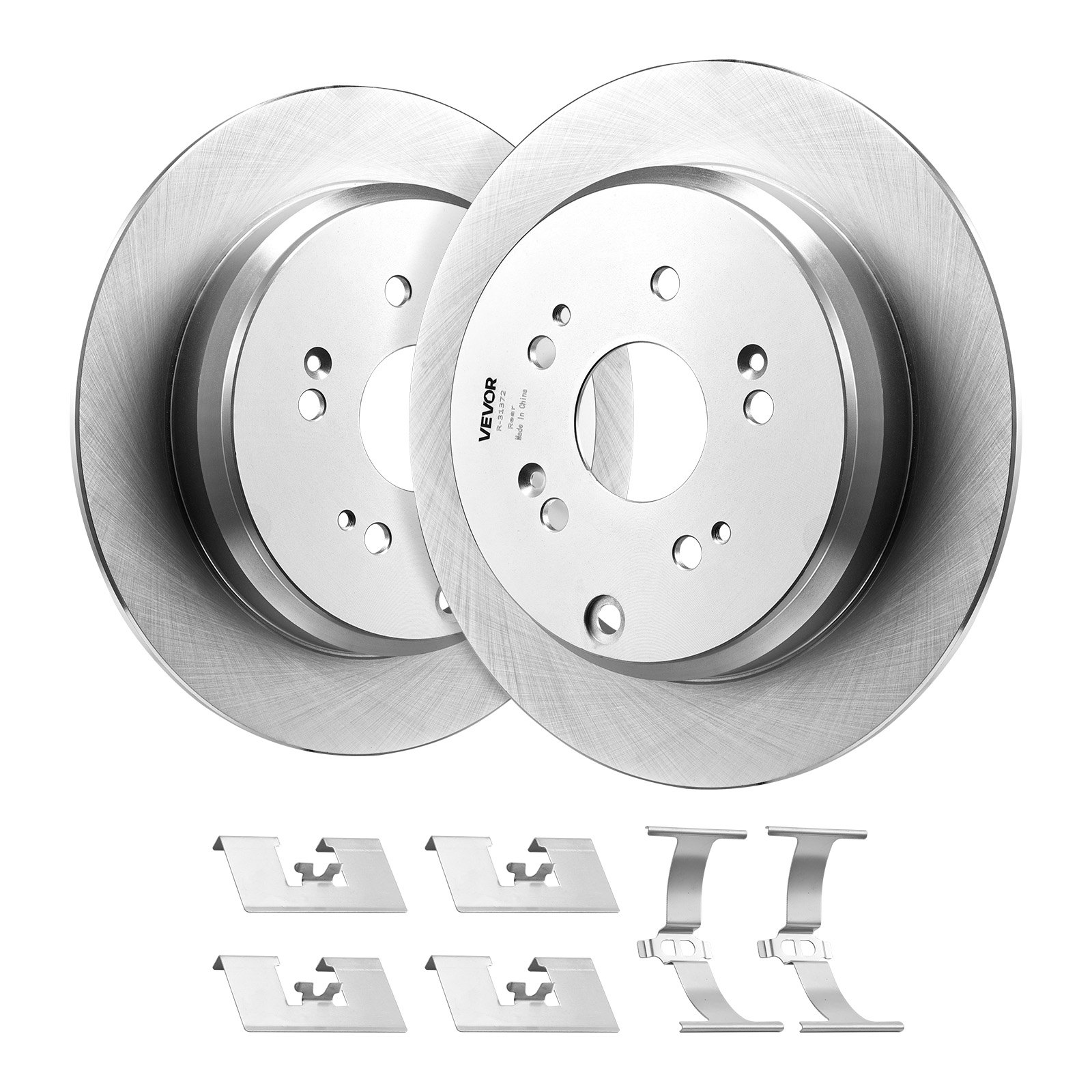 Front & Rear Brake Kit Compatible With 2012-2016 Honda CR-V (AWD Models), Ceramic Replacement Kits, 12 Inch Hollow Structure Rotors, 12 Solid R-31455$185.99
 View on Mallflare
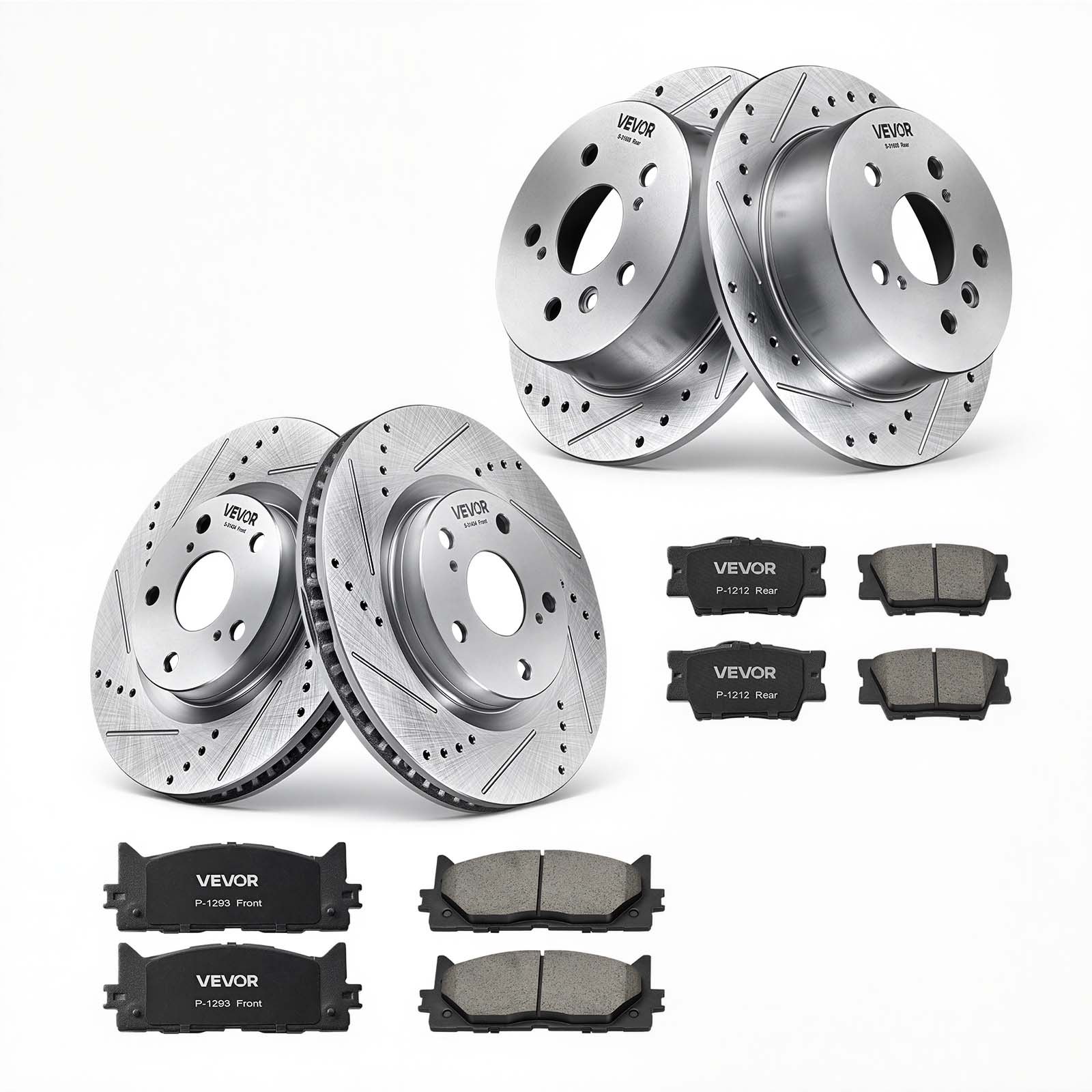 Front & Rear Brake Kit Ceramic Pads and Drilled Slotted Rotors, Compatible with 2012-2017 Toyota Camry, 2013-2018 Avalon, Lexus ES 350, ES 300h$224.99View on Mallflare
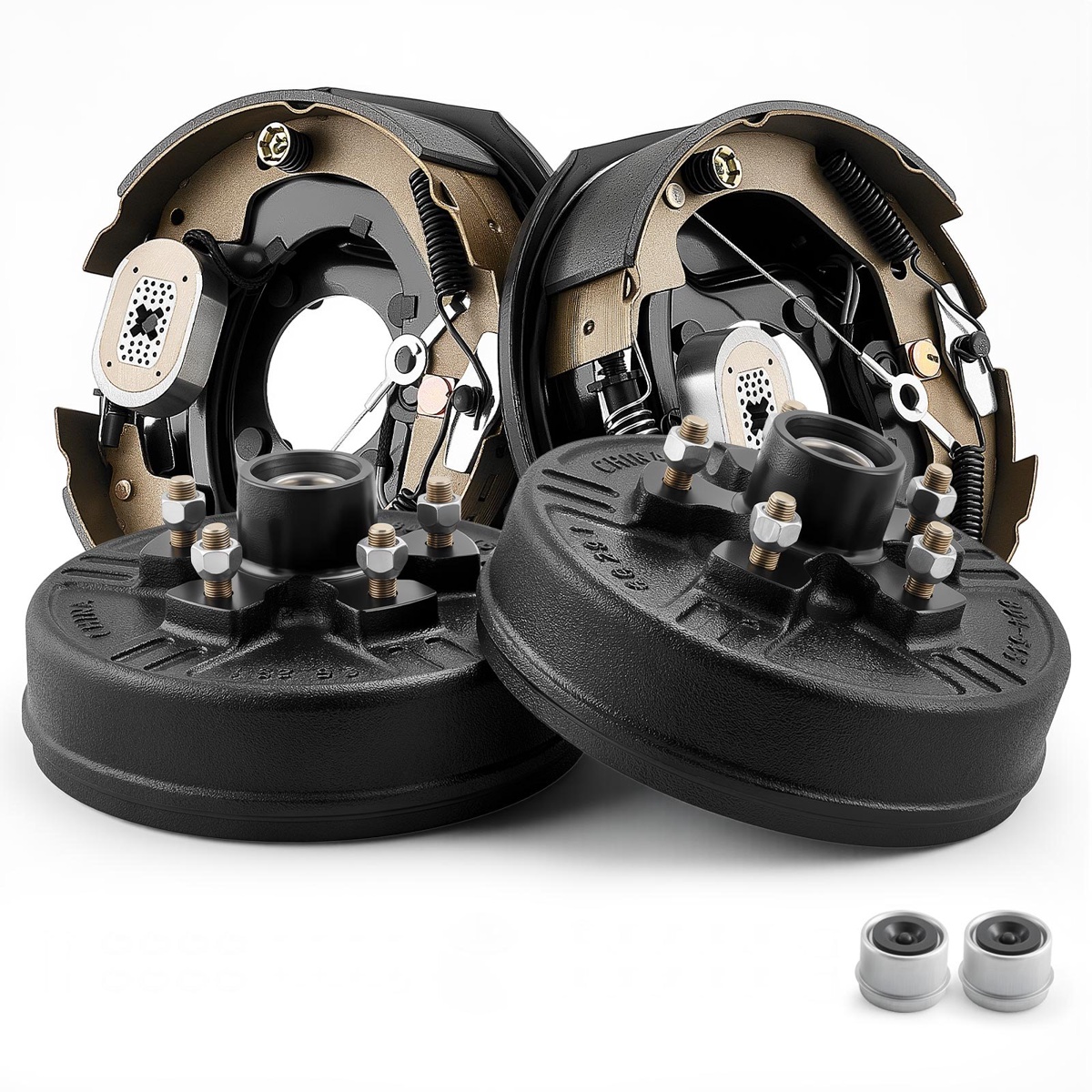 Electric Trailer Brake Assembly, 10 x 2-1/4 Inch, Brakes Kit, Great for Trailers, RVs, Self-Adjusting, for 3500 lbs Backing Plates for Braking System Part Replacement, 1 Pair$237.99View on Mallflare
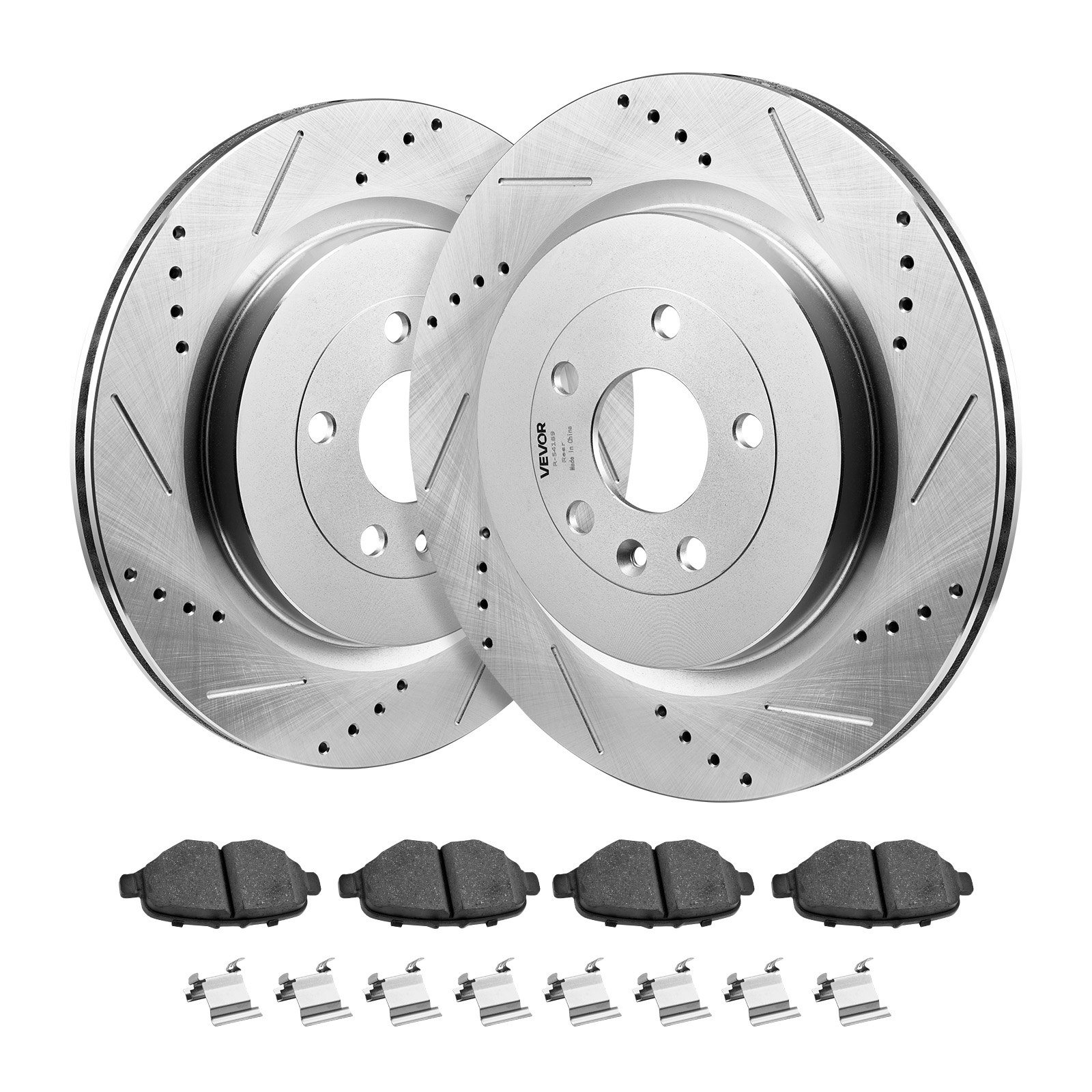 Front And Rear Brake Kit Fits For 2013-2015 Ford Explorer (Limited, Sport, XLT; Heavy Duty Brakes), 2018 Platinum, XLT; 2 Piston Caliper)$256.99View on Mallflare
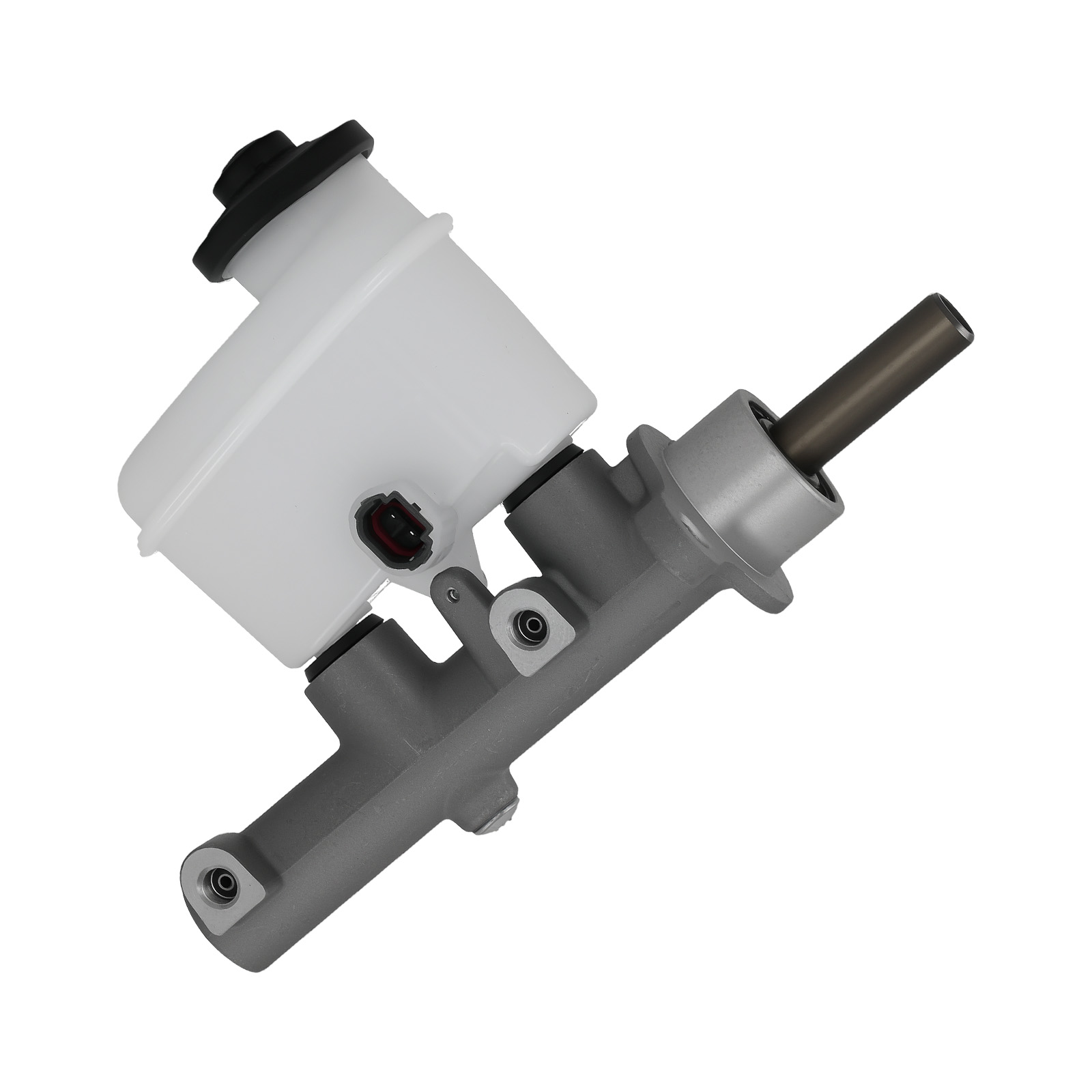 Brake Master Cylinder Kit fit for Toyota Tacoma 2001-04 M630118 0.813" Bore$73.99View on Mallflare
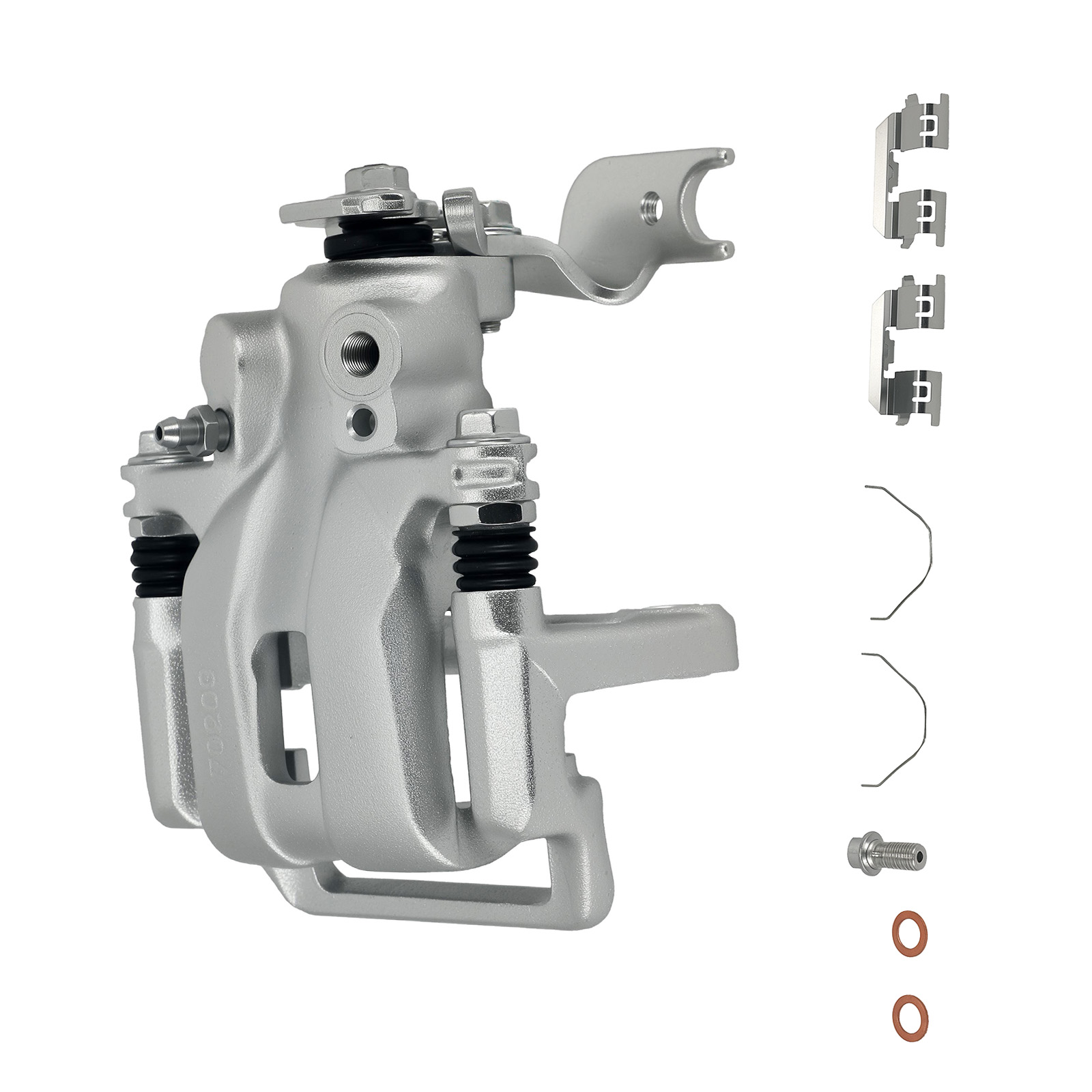 Disc Left Rear Brake Caliper Kit fit for Honda Accord 2013-2017 with Bracket$89.99View on Mallflare
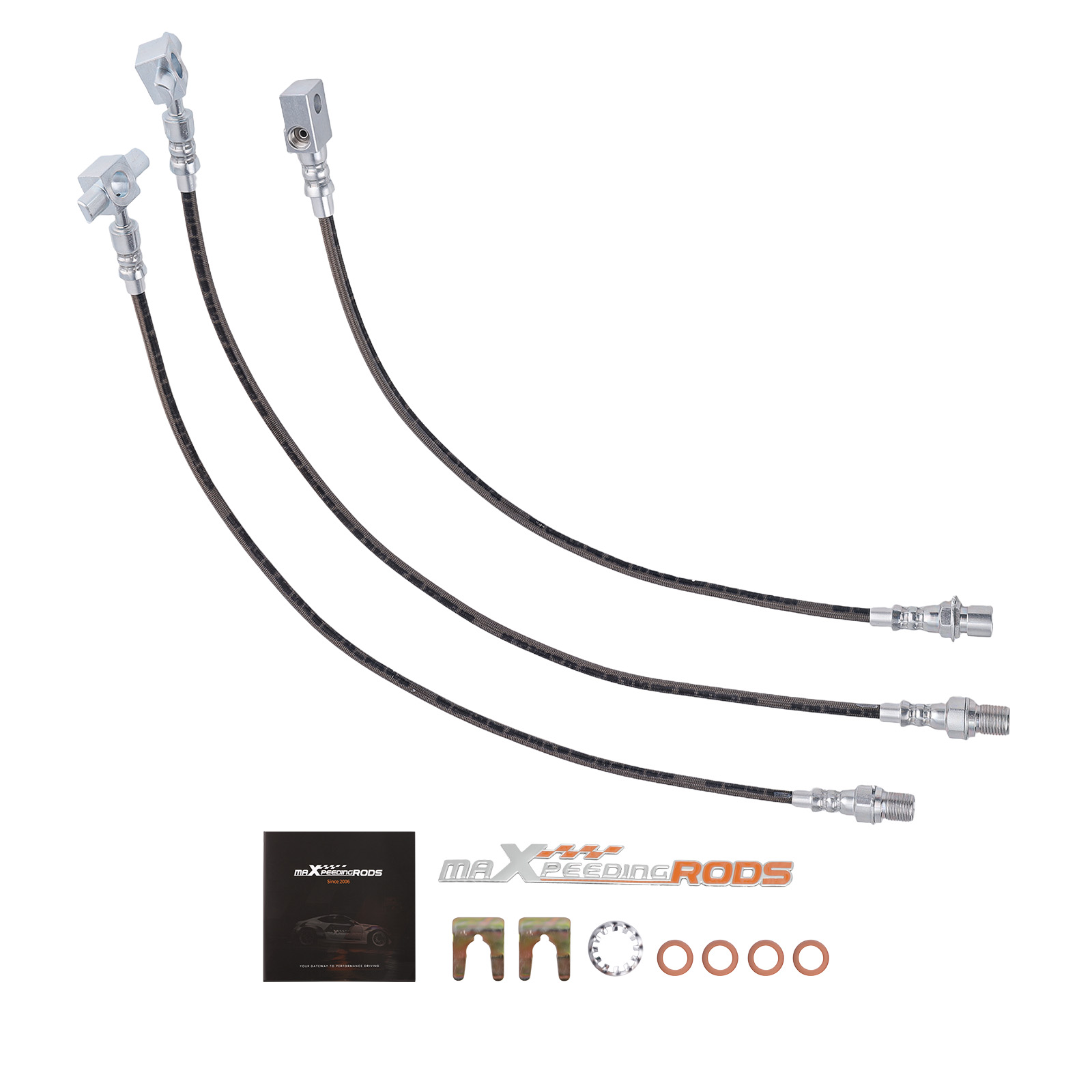 Stainless Steel Brake Lines Kit fit for Chevy GMC C10 K10 C15 K15 71-87 Lifted$108.99View on Mallflare
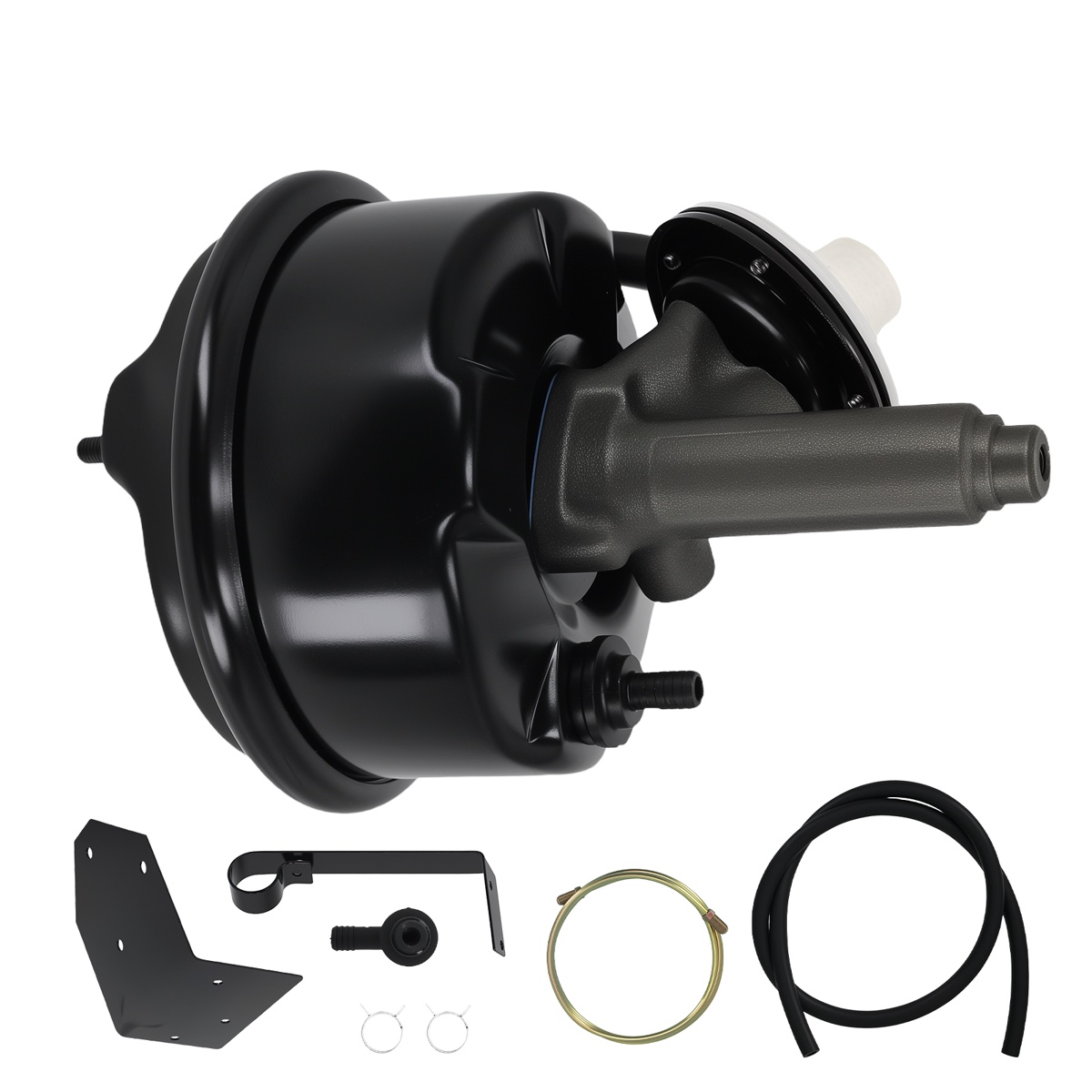 Remote Vacuum Brake Booster Kit Fit fit for Land Rover 2.3 Boost Ratio Brackets NEW$127.99View on Mallflare
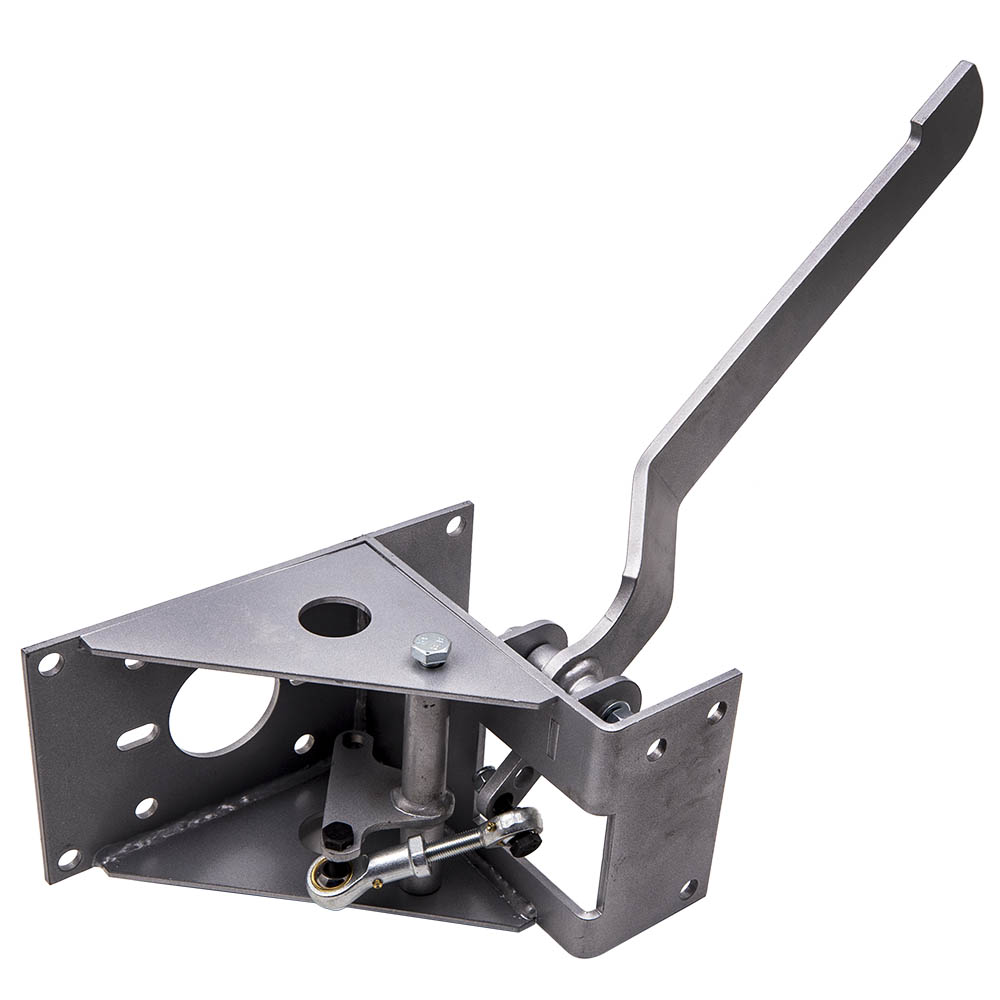 Brand New Universal 90 Degree Under Dash Manual Brake Pedal Kit fit for Chevy Ford Dodge$129.99View on Mallflare
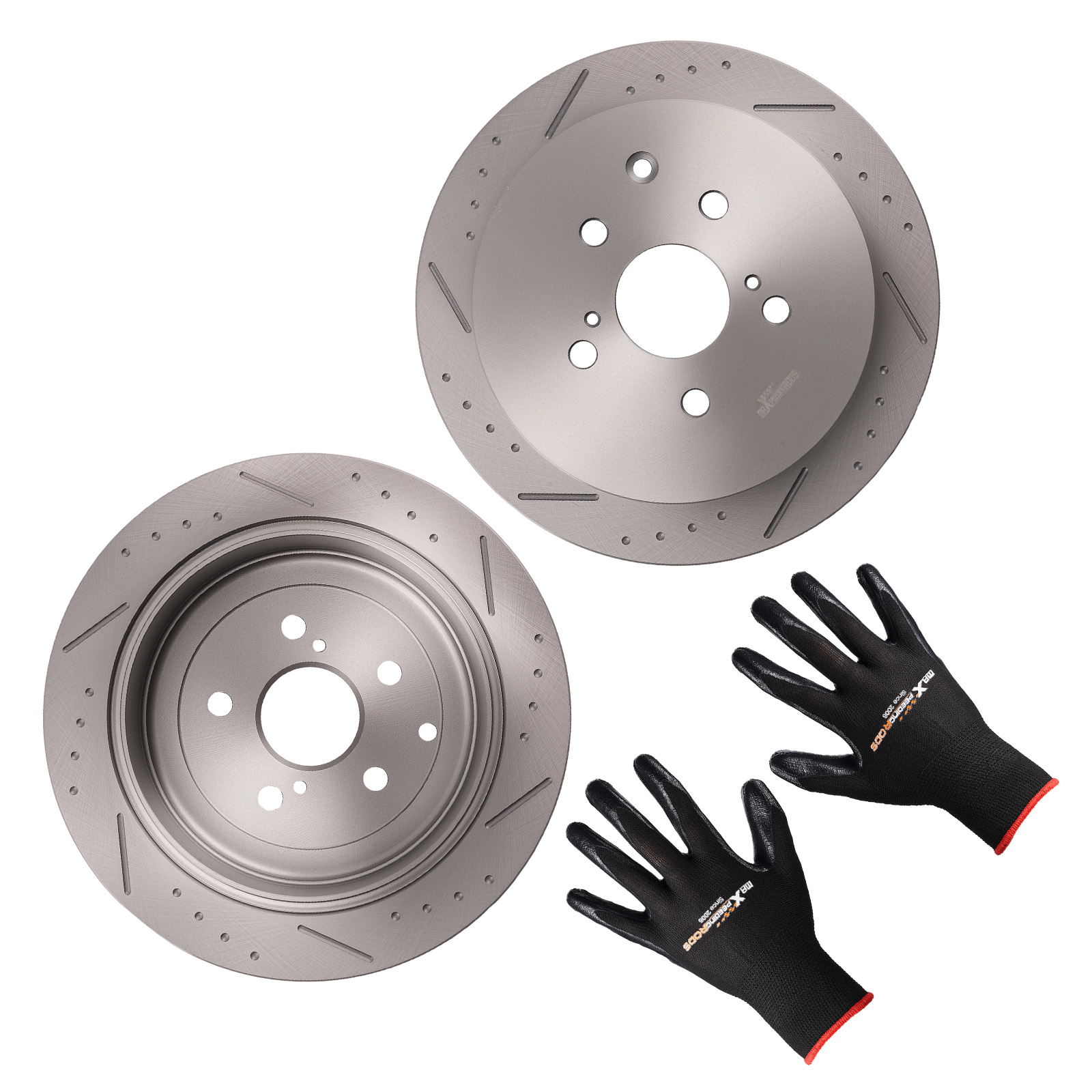 Rear Brake Rotors Kit fit for Lexus RX450h 2010-2015 Toyota Highlander 2014-2019$129.99View on Mallflare
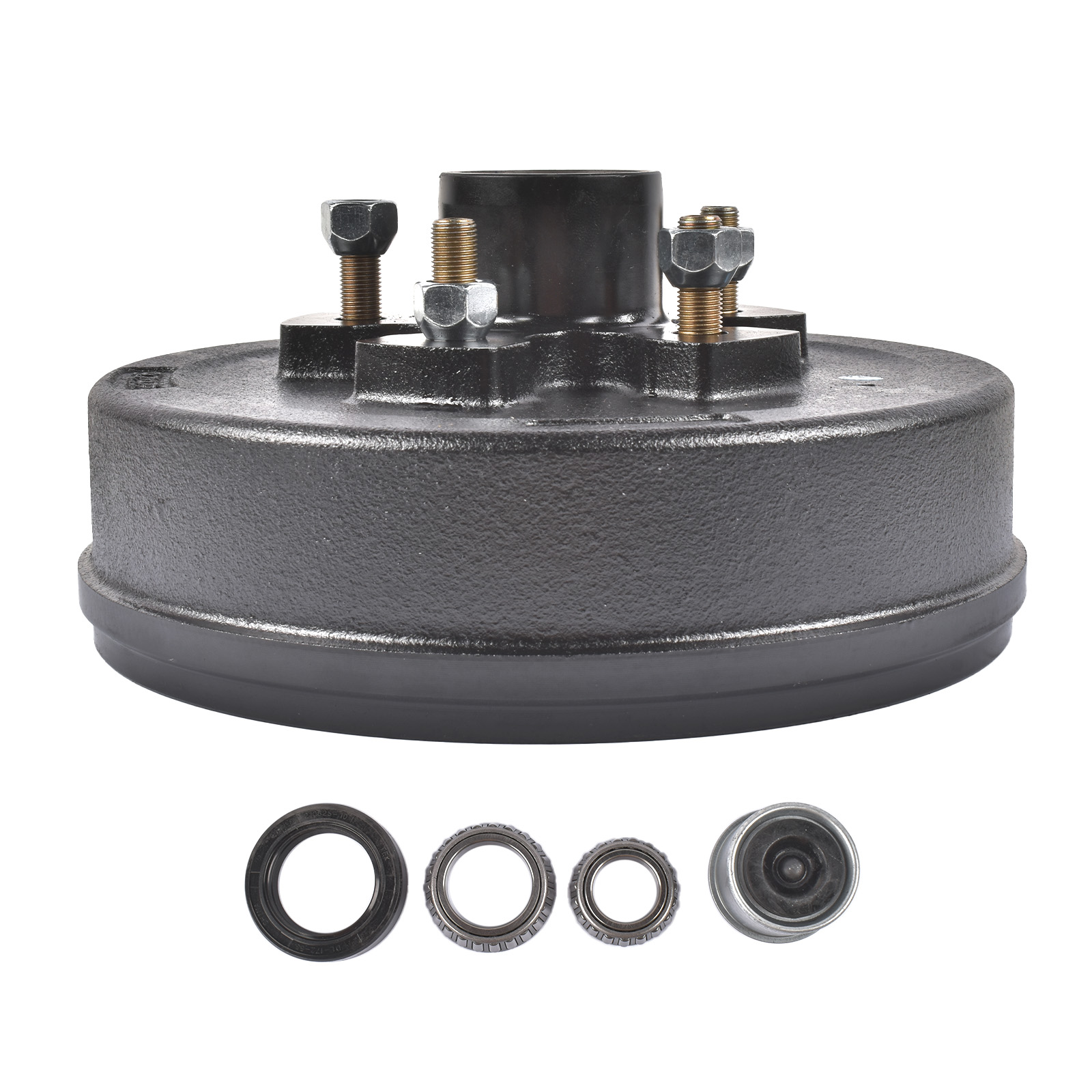 A3- 5 on 4.5" Trailer Brake Hub Drum Kits 10x2-1/4" for 3500 lbs Axle Hub-Drum Only$132.99View on Mallflare
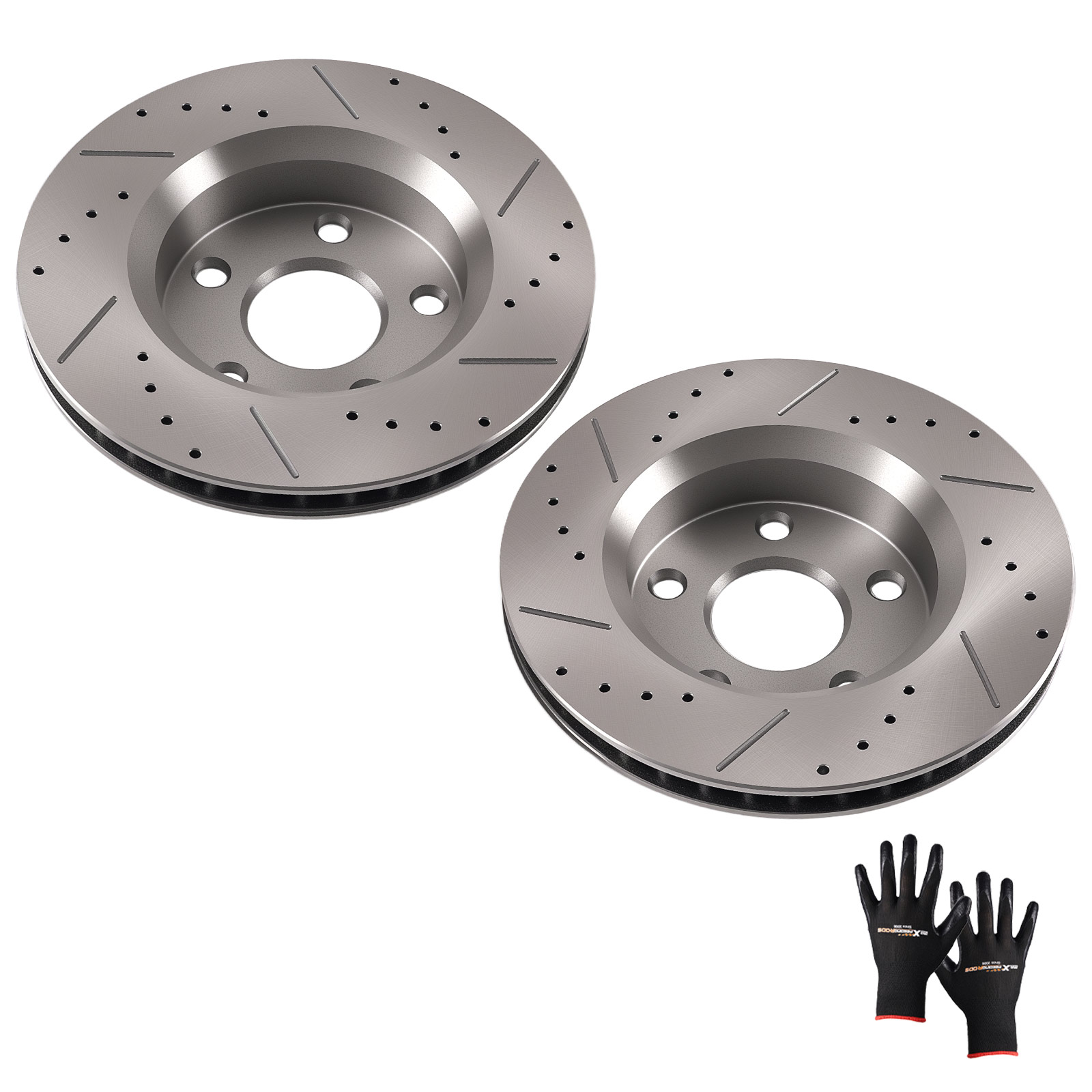 Front 302mm Brake Rotors Kit fit for Jeep Wrangler 2007-2018/Wrangler JK 2018 S53040$146.99View on Mallflare
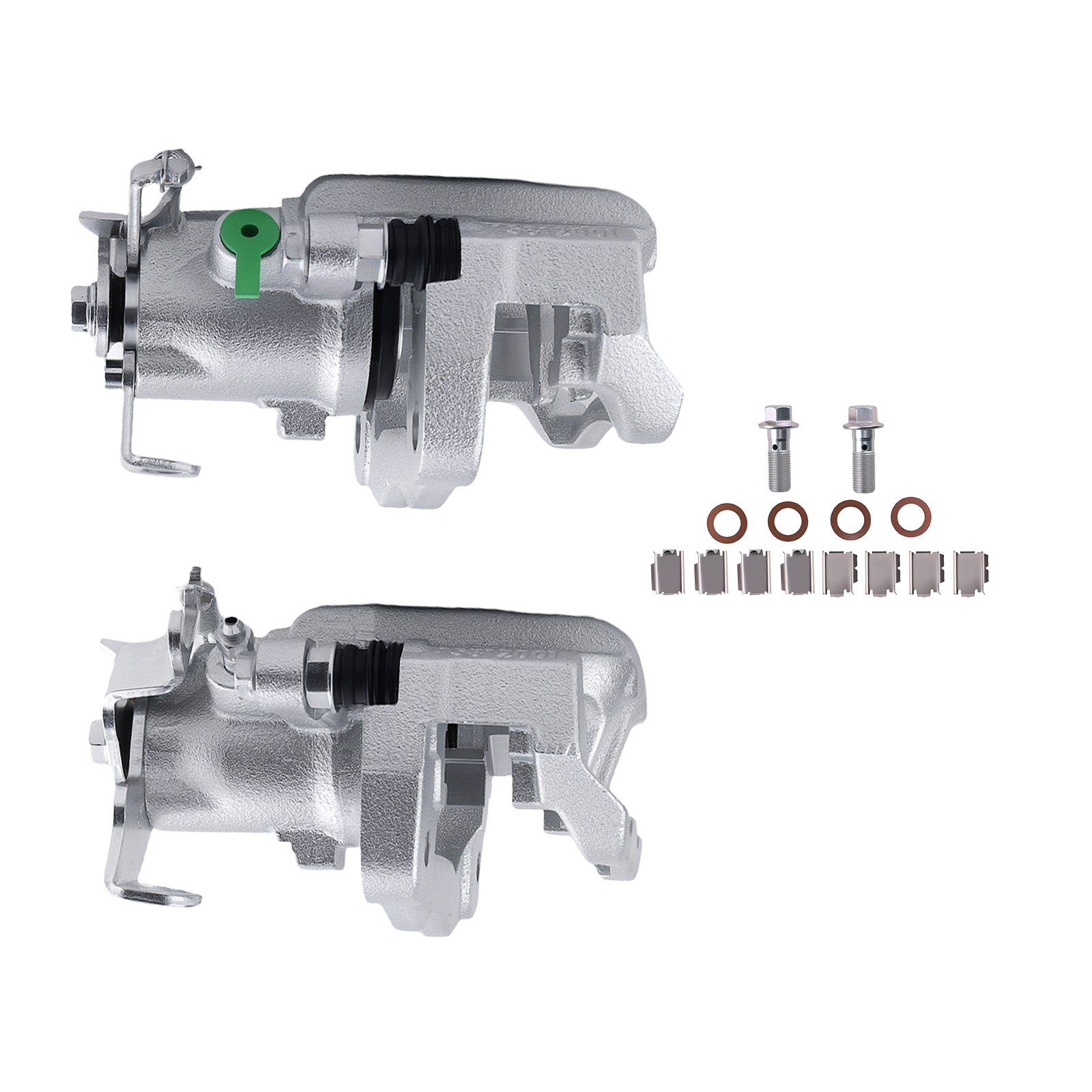 Rear Brake Caliper Kit fit for VW Routan 2009-2012/Dodge Grand Caravan 2008-2012$151.99View on Mallflare
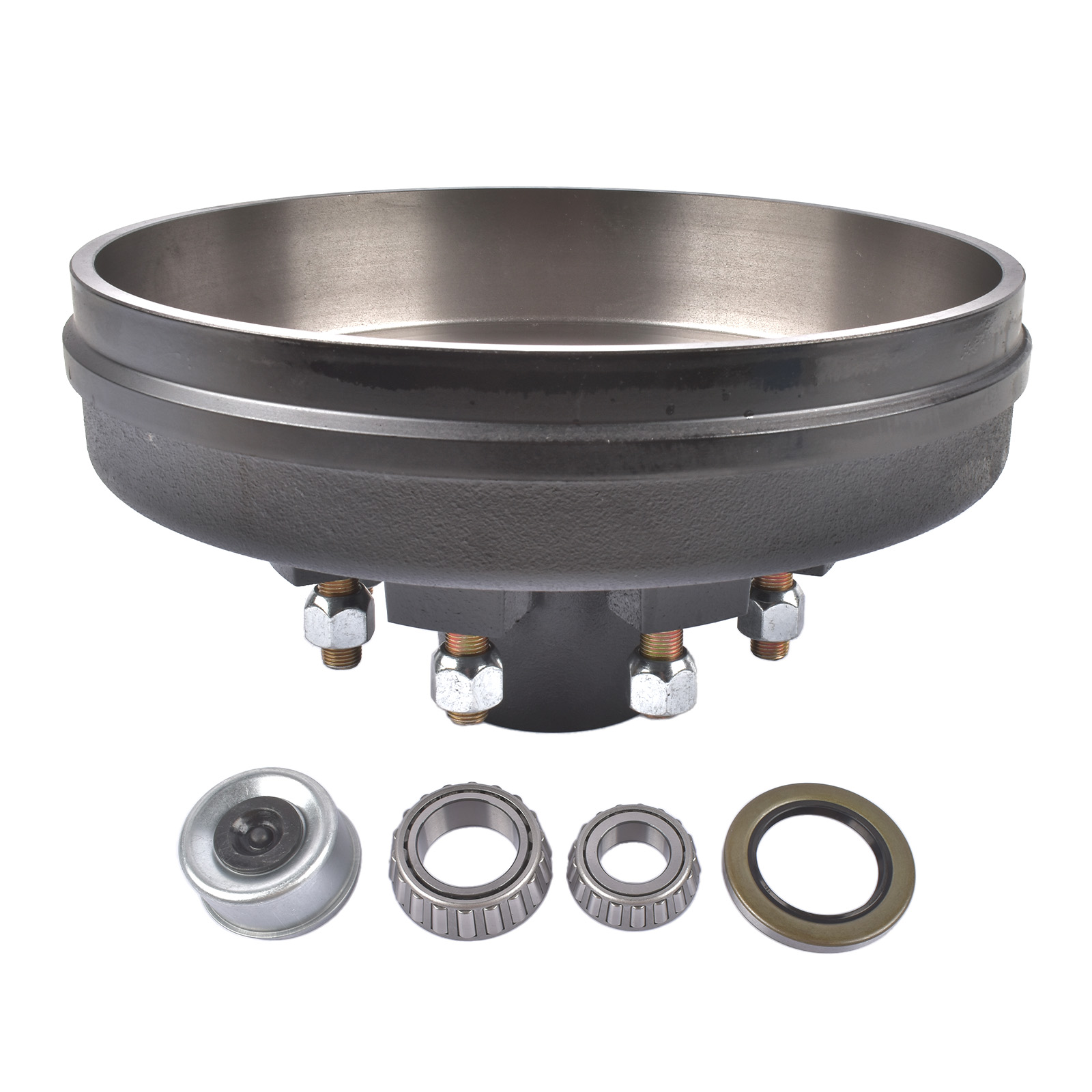 A3- 8 on 6.5" Trailer Brake Hub Drum Kits 12x2" for 7000-8000 lbs Axle Hub-Drum Only$158.99View on Mallflare
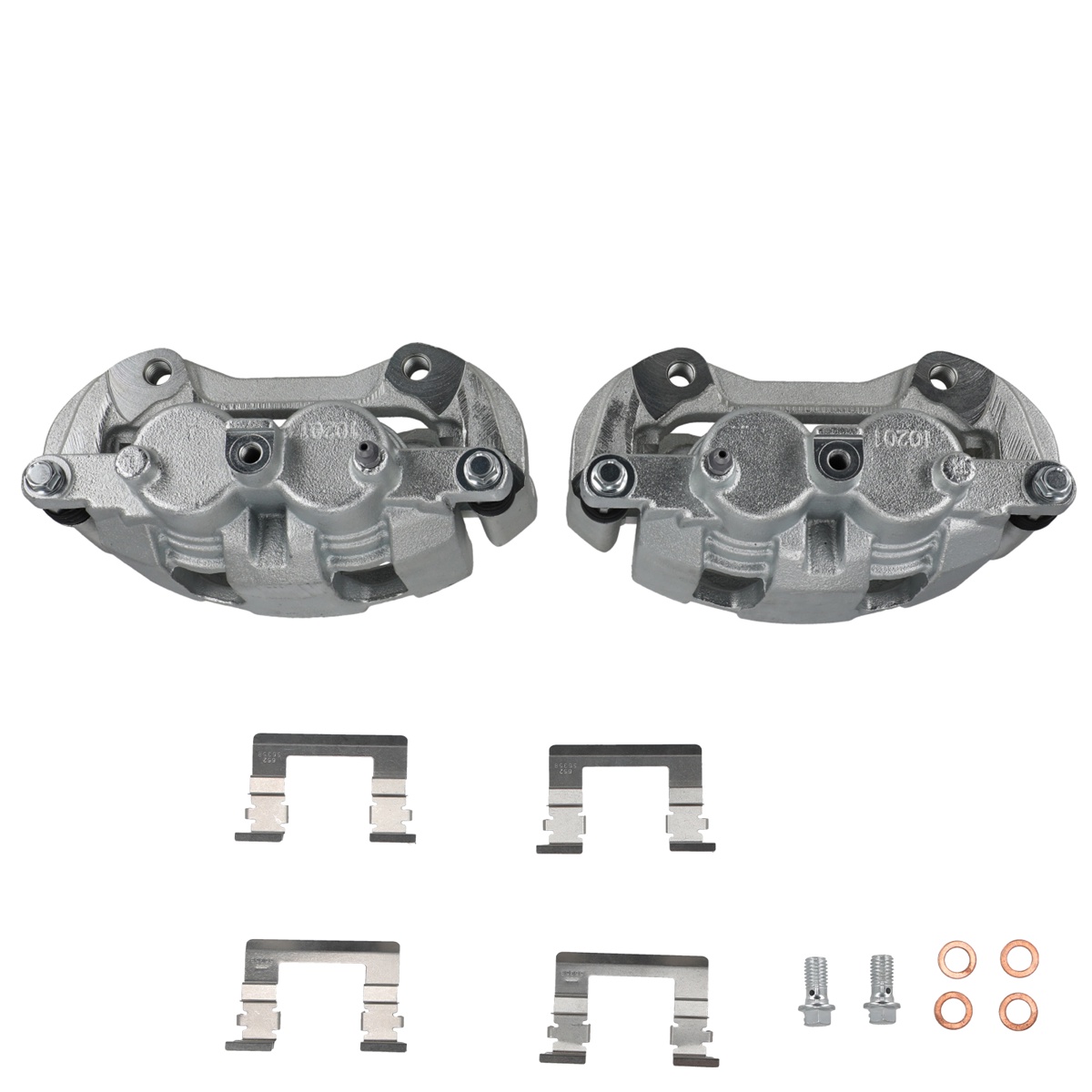 Front Brake Caliper Kit fit for Buick Lucerne Impala Monte Carlo 18B4988 18B4989$176.99View on Mallflare
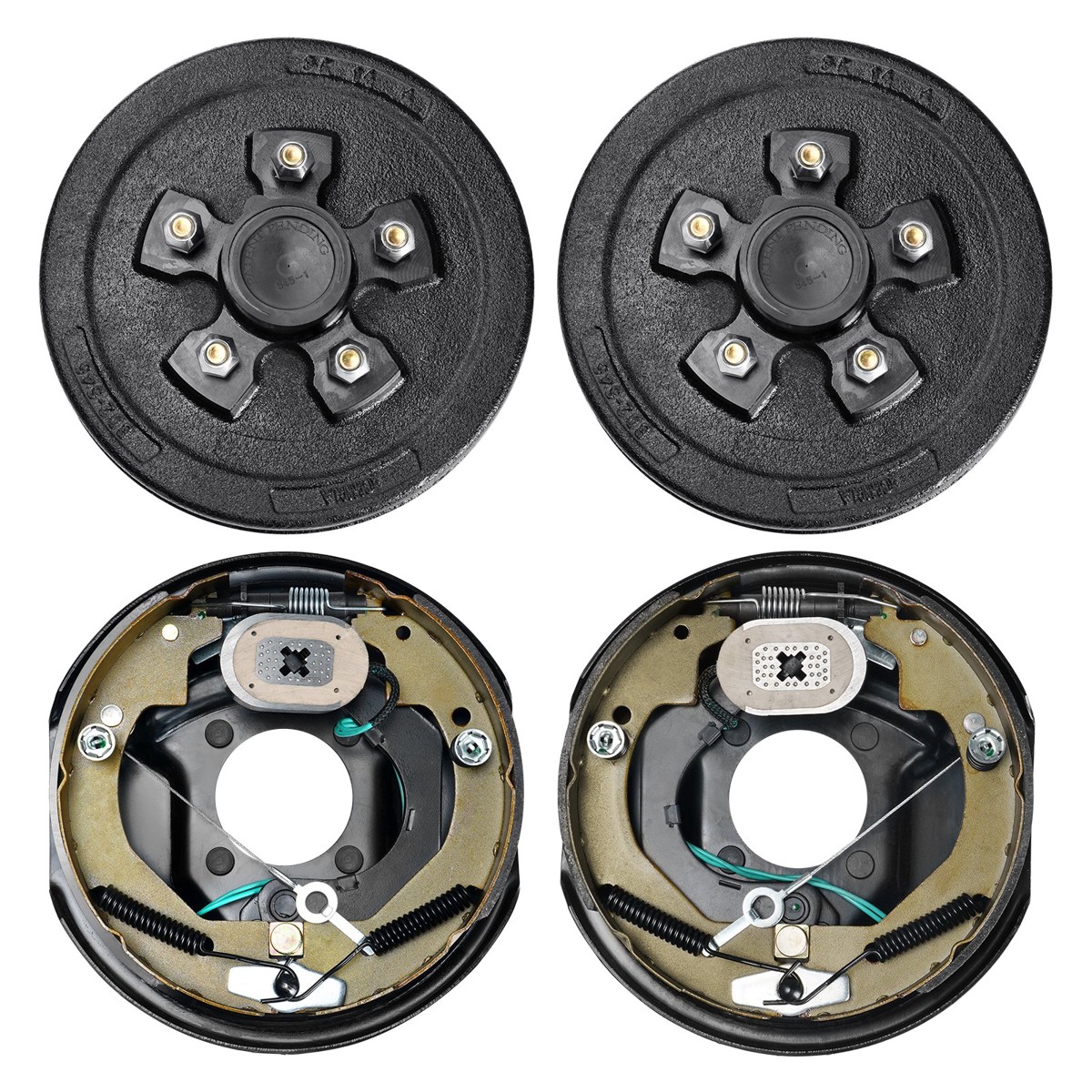 Trailer Hub Drum Kits 5 On 4.5" B.C. With 10" X 2-1/4" Electric Brakes, Self-Adjusting Brake Assembly For 3500 Lbs Axle, 4-Hole Mounting, Backing Plates For System Part Replacement$202.99View on Mallflare
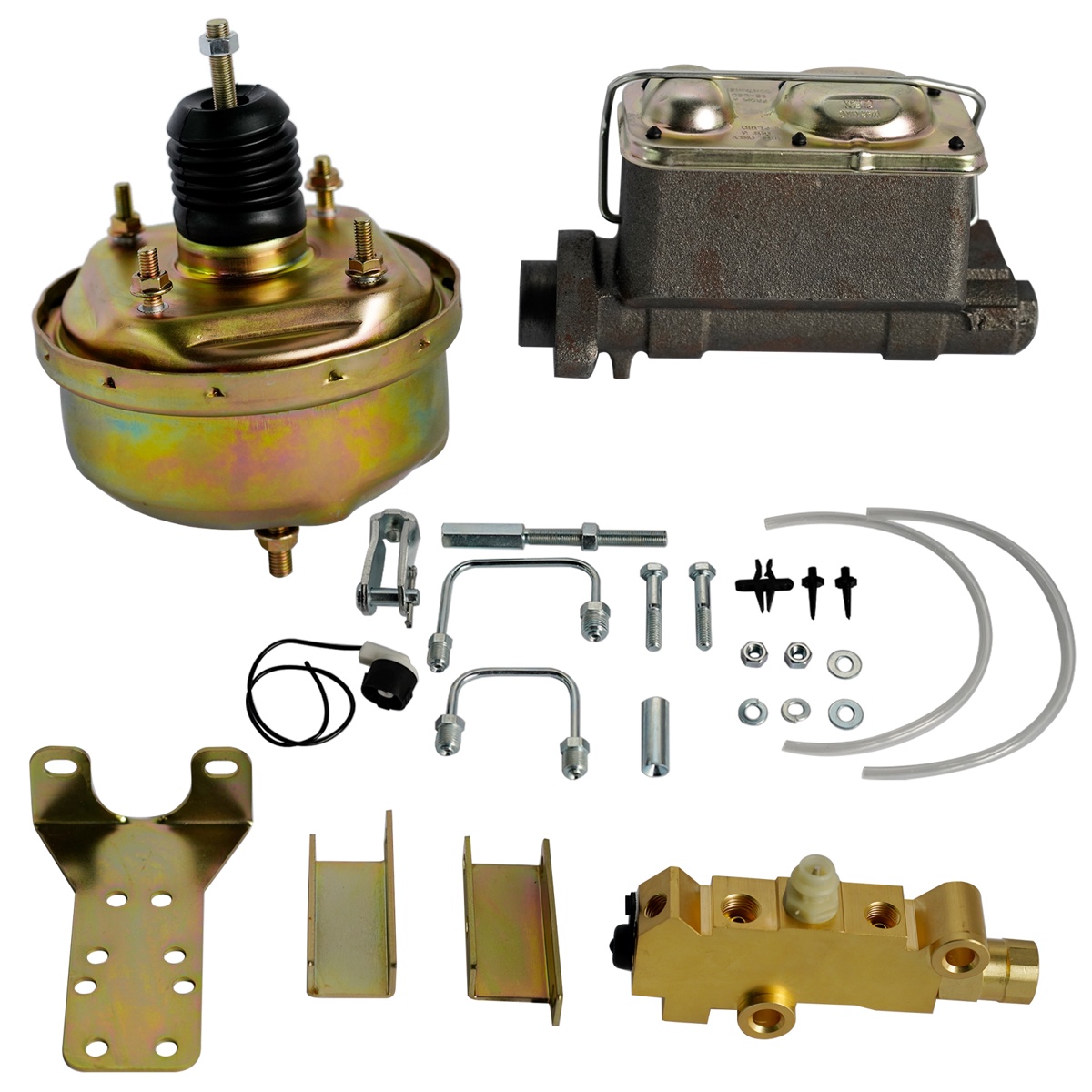 Power Brake Booster Master Cylinder Kit 7" for 1964-1966 Ford Mustang 1960-1966 Falcon$211.99View on Mallflare
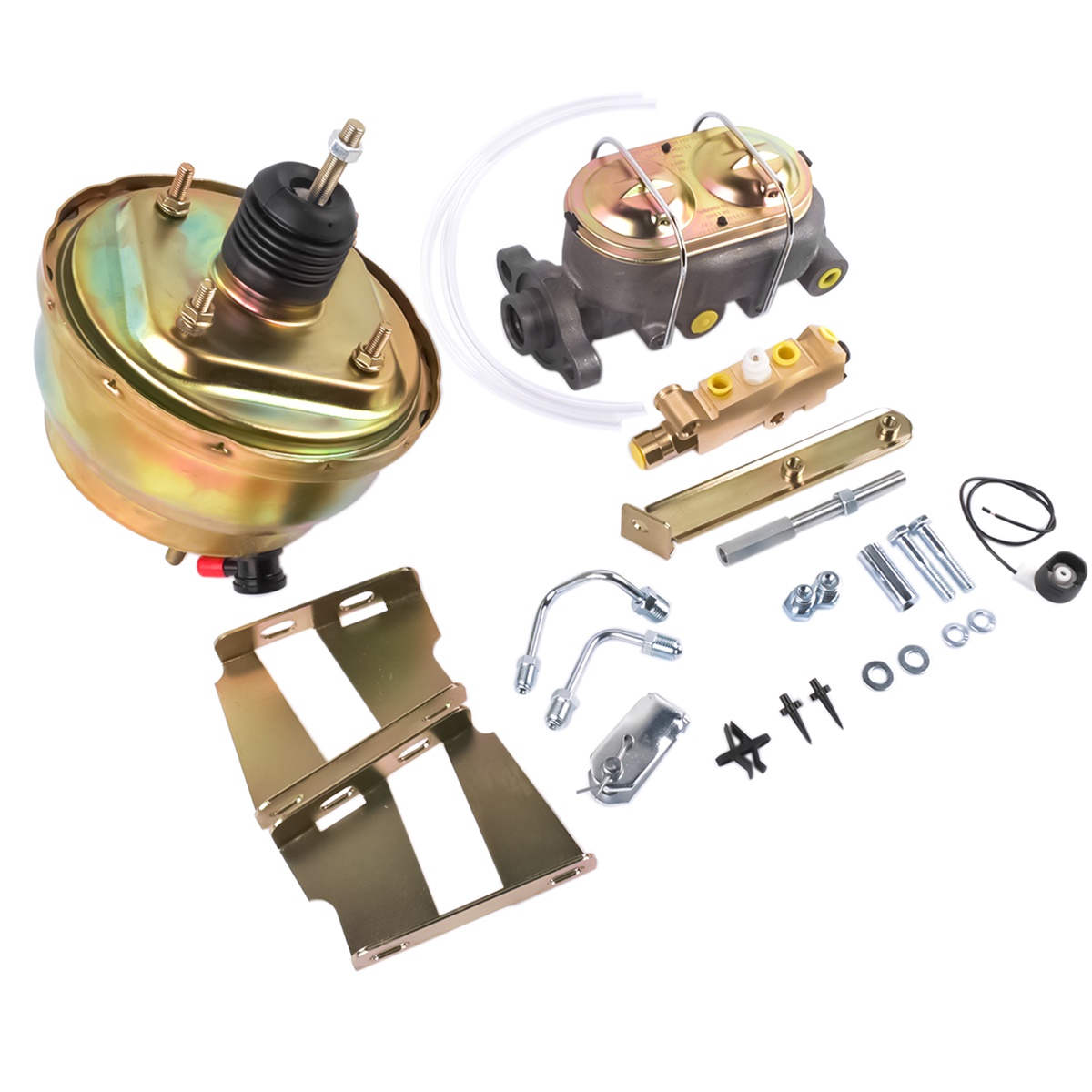 8" Power Brake Booster Disc/Drum Valve Kit Fit for Chevrolet Bel Air Nomad 150 210 Series 1955-1957$233.99View on Mallflare
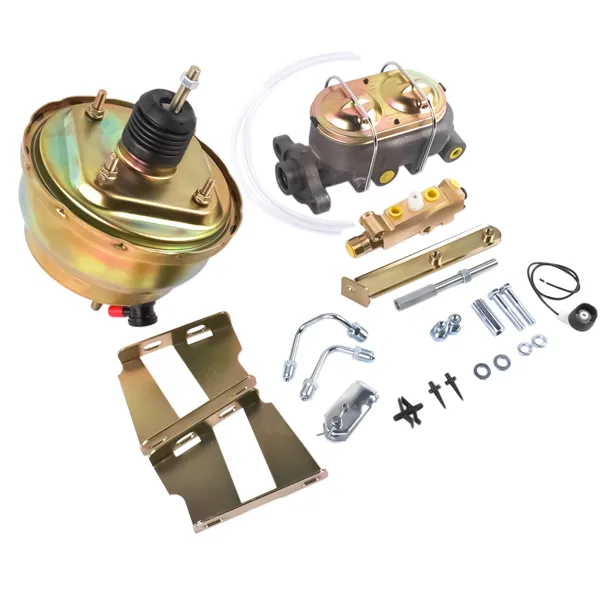 8" Power Brake Booster Disc/Drum Valve Kit for Chevrolet Bel Air Nomad 150 210 Series 1955-1957$234.99View on Mallflare
Highlights
- Replacement kits are defined by rotor diameter and thickness (e.g., 12.0 in / 300 mm solid vs 12.4 in / 315 mm vented) and must match the vehicle’s brake option code, not just make and model.
- Big-brake kits use larger-diameter, thicker rotors (often 13–14 in) plus multi-piston fixed calipers; they require 17–18 in wheels and add 5–10 lb per corner of unsprung mass.
- Caliper piston count and bore area change pedal bias: 2-piston sliding calipers are OE-style, while 4/6-piston fixed calipers need a matched master cylinder or proportioning valve.
- Rotor construction matters: vented and drilled/slotted rotors shed heat and gas but crack under sustained track use; solid rotors are stronger for street and towing.
Best use cases
- Daily-driven stock vehicle: choose an OE-replacement kit with blank or lightly slotted rotors and ceramic pads matched to your VIN’s brake code; skip drilled rotors and multi-piston calipers.
- Towing or mountain driving: pick a heavy-duty replacement kit with vented rotors, semi-metallic pads, and stainless lines; skip solid rotors and low-dust ceramic pads that fade under heat.
- Track or high-performance use: select a big-brake kit with 13–14 in two-piece rotors, 4/6-piston calipers, and dedicated track pads; skip any kit that reuses stock caliper brackets or stock-diameter rotors.
Buying tips
- Measure your wheel’s inner barrel diameter before buying a big-brake kit: most 4-piston 13 in kits need at least 17 in wheels, and 6-piston 14 in kits need 18 in wheels.
- Match the kit to your vehicle’s brake option code (e.g., heavy-duty vs standard, 2-piston vs 1-piston caliper) because the same model year can use different rotor offsets and knuckle mounts.
- For replacement rotors, measure minimum thickness stamped on the old rotor; a new rotor must be within 0.5 mm of the original nominal thickness to keep the caliper piston in range.
- Choose stainless braided lines only if they carry DOT approval and include new banjo bolts and copper washers; unapproved lines fail inspection and can chafe.
Specs
| Rotor Diameter | 11–14 in (stock vs big-brake) |
|---|---|
| Caliper Type | Sliding vs fixed multi-piston |
| Rotor Style | Blank / slotted / drilled |
| Wheel Clearance | 15–16 in stock / 17–18 in BBK |
Related searches
What to check before buying
- Confirm wheel clearance: measure from the wheel hub face to the inner barrel spoke and compare to the kit’s required caliper radius (often 1.5–2.0 in beyond stock).
- Verify master cylinder bore and pedal ratio: a big-brake kit with larger total piston area needs a larger bore master cylinder or a proportioning valve to avoid a long pedal.
- Check brake line fittings: match the kit’s line ends to your vehicle’s hard-line thread (metric bubble vs SAE inverted flare) and include the correct adapters.
- Confirm rotor hat offset and bolt pattern: measure the old rotor’s overall height and hat diameter; a mismatch will cause caliper misalignment or wheel spacer requirements.
FAQ
Data sources: eBay / Amazon listings and product attribute feeds Data updated Nov 15, 2026.
Some links on this page are affiliate links. If you buy after clicking one, we may earn a commission at no extra cost to you. This does not change which products appear here or their order. Affiliate disclosure.