Photos from current listings. Actual item, color, and included accessories may vary.
Brake Dust Shield Buying Guide
Brake dust shields are stamped steel or aluminum backplates that bolt behind the rotor to deflect water, road debris, and heat away from the rotor face and hub bearing. The primary trade-off is between thin OEM-style stamped metal that protects but rusts versus thicker coated or vented plates that resist corrosion and airflow loss. The decision rule: match the shield to your exact axle and rotor diameter, choose coated steel for salt-belt climates, and never substitute a generic universal plate for a vehicle-specific stamped fitment.


At a glance
- Category
- Suspension, Steering & Brake Parts
- Data updated
- Nov 15, 2026
Current offers
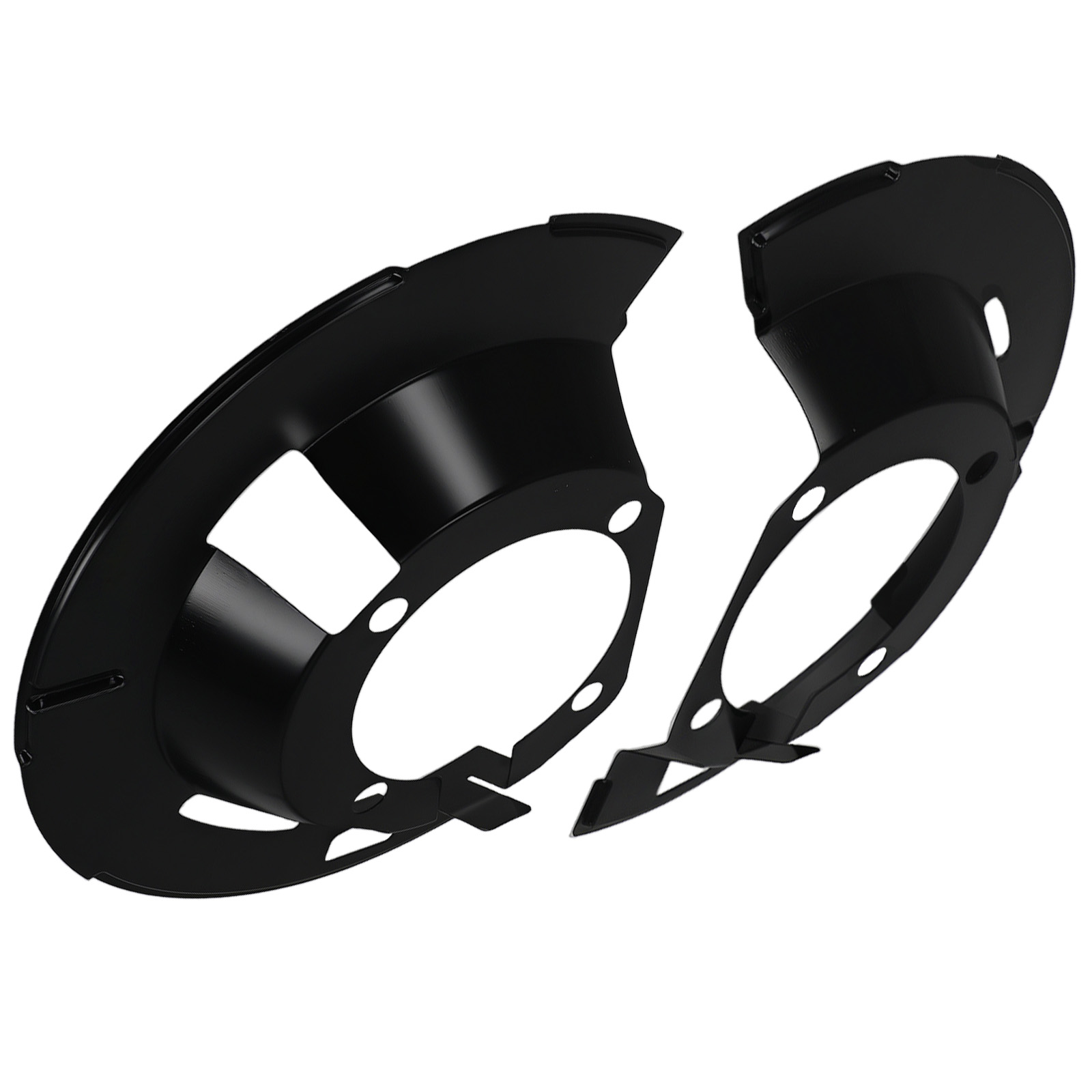 2x Front Brake Dust Shields fit for Dodge Ram 1500 2500 3500 2000-2002 5015128AA$70.99
 View on Mallflare
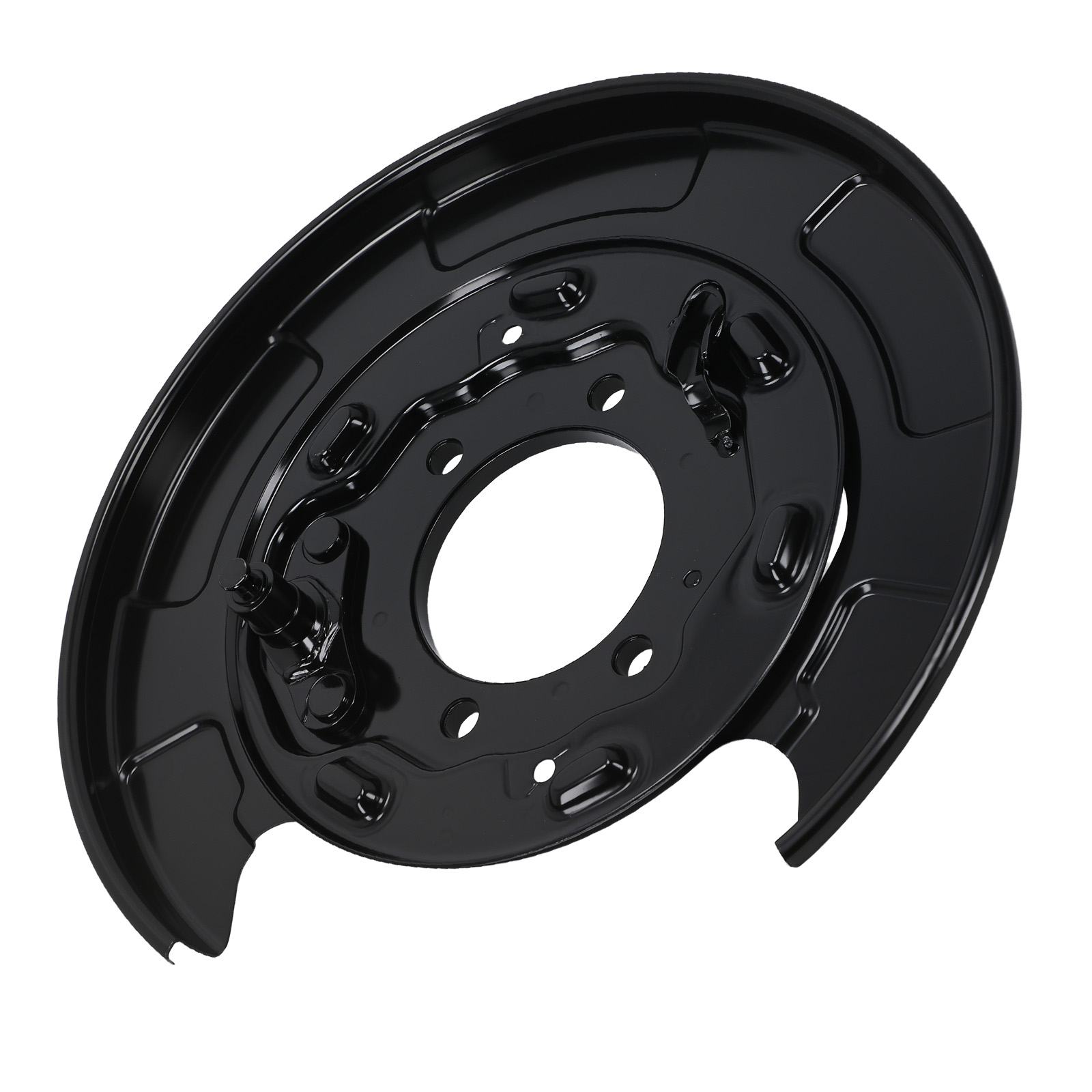 Rear Right Disc Brake Dust Shield fit for Subaru Forester Impreza 2008-14 26704FG000$85.99View on Mallflare
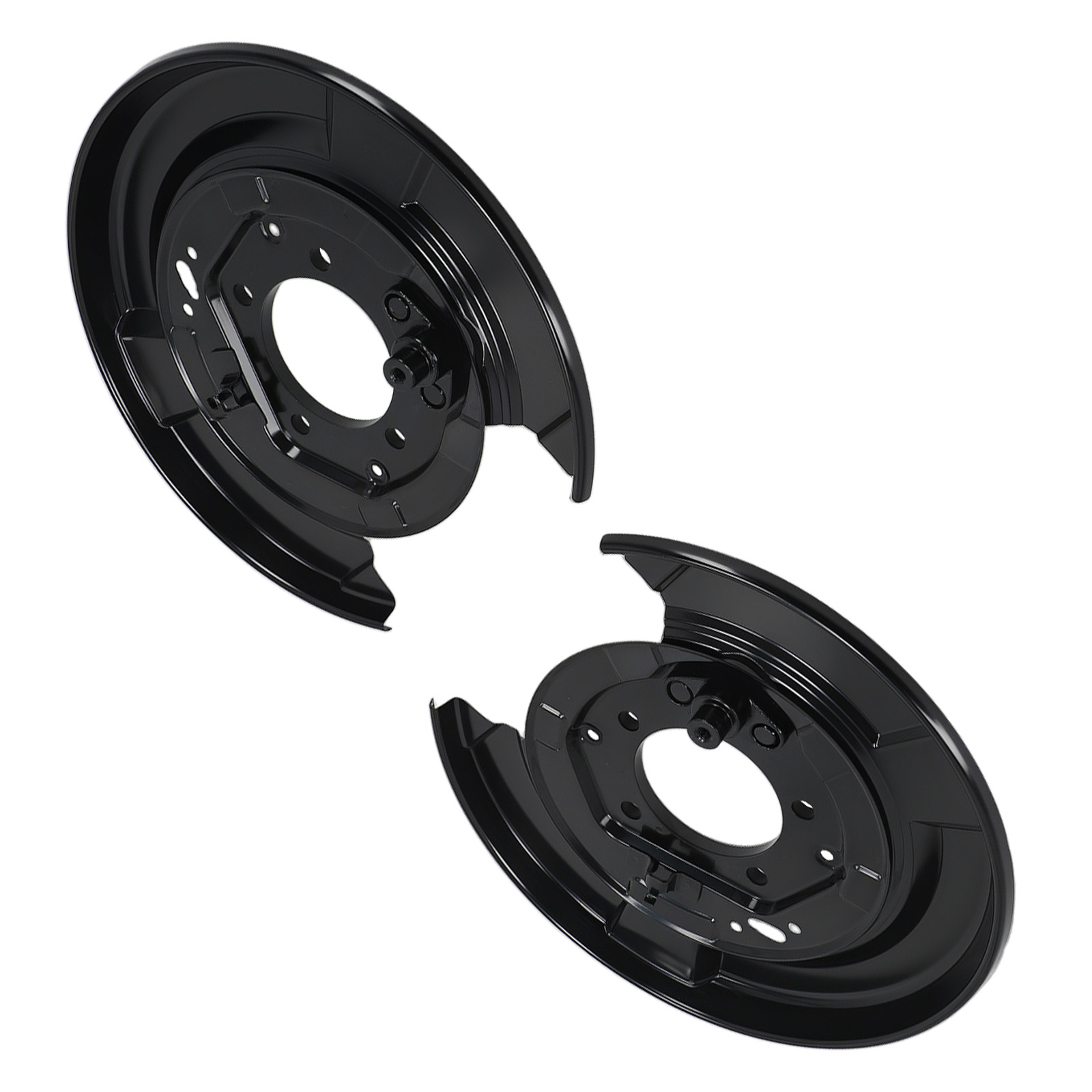 2Pcs Rear Brake Dust Shield fit for Lexus RX400h 2006-2008 4650448020 924373$101.99View on Mallflare
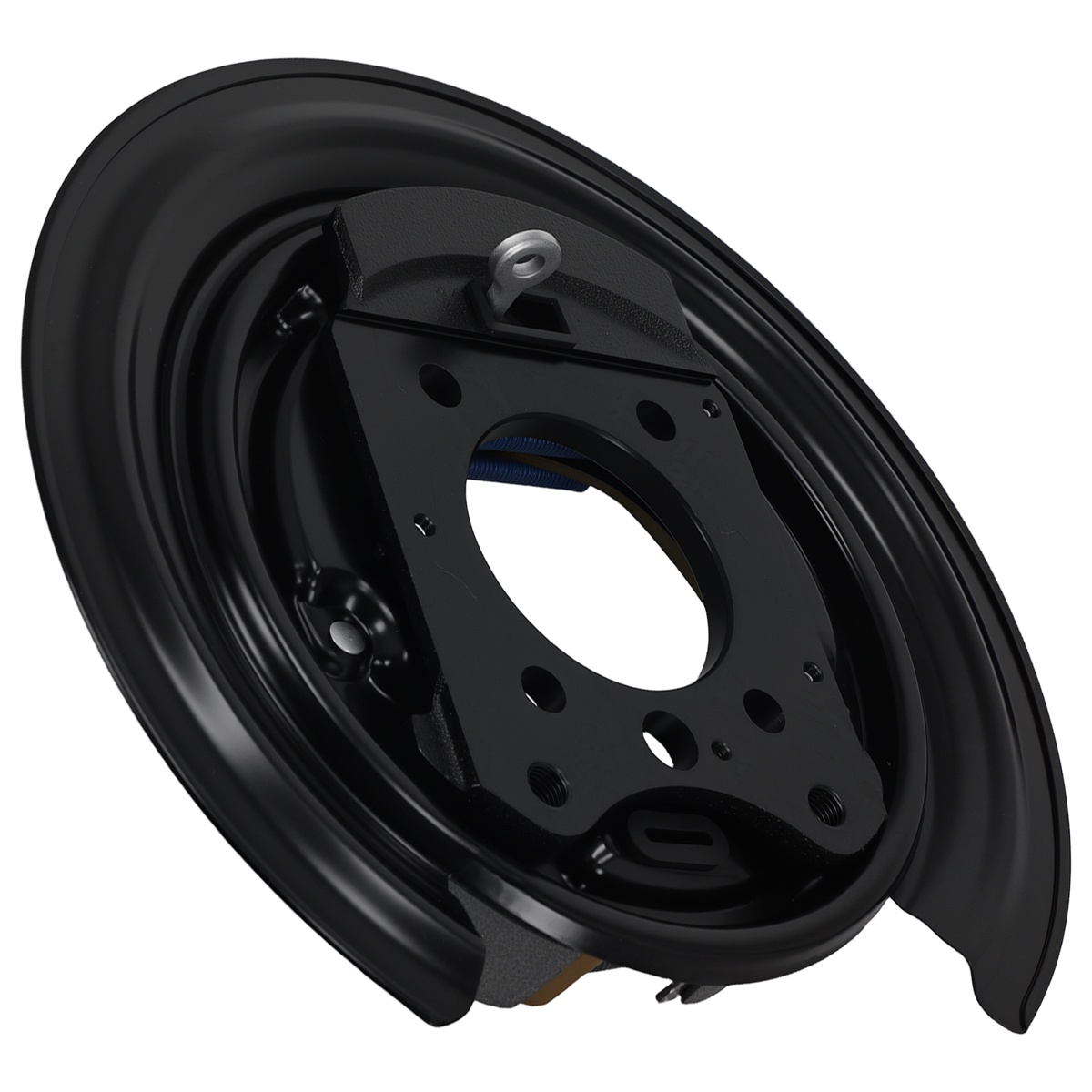 Black Brake Dust Shield Rear fit for Jeep Wrangler 2007-2018/Liberty 2008-2012$132.99View on Mallflare
Highlights
- OEM shields are typically 0.8-1.2 mm stamped steel; corrosion-resistant aftermarket units use 1.5-2.0 mm galvanized or powder-coated steel for longer service in road salt.
- Shields are side-specific and axle-specific: front and rear plates differ in offset, bolt pattern, and cutout for caliper and ABS sensor routing.
- Aluminum shields resist rust but dent easily; steel shields dent less but require zinc or powder coating to survive winter brine.
- Vented or louvered plates improve rotor cooling in heavy towing or track use but admit more debris than solid plates.
Best use cases
- Best fit: daily-driven trucks and SUVs in salt-belt states — pick powder-coated or galvanized steel specific to the front or rear axle.
- Best fit: off-road Jeeps and Subarus seeing gravel and mud — choose stamped steel with full hub and ABS sensor cutouts to avoid trapping debris.
- Wrong fit: track or heavy-tow vehicles seeking maximum rotor cooling — skip solid plates and use vented shields or dedicated brake cooling ducts.
- Wrong fit: any buyer substituting a universal trim-to-fit plate — skip it and buy the vehicle-specific stamped shield to preserve bolt holes and sensor clearance.
Buying tips
- Measure rotor diameter and hat height before ordering; a shield for a 12.2-inch rotor will not clear a 13.2-inch big-brake upgrade.
- Confirm left/right and front/rear orientation — many listings sell pairs for one axle, not a full vehicle set.
- Choose zinc-plated or powder-coated steel over bare steel if you drive on salted roads; bare plates rust through at the bolt holes within a few winters.
- Match the ABS sensor and caliper cutouts exactly; trimming a shield to fit can leave the sensor exposed to debris and trigger fault codes.
Specs
| Material Grade | Stamped steel vs aluminum |
|---|---|
| Steel Thickness | 0.8-2.0 mm; coated for salt |
| Axle Fitment | Front/rear and left/right specific |
| Rotor Clearance | Match rotor diameter and hat height |
Related searches
What to check before buying
- Verify your vehicle's exact year, model, axle, and rotor diameter against the shield's fitment before purchase.
- Check bolt-hole spacing and hub bore diameter with calipers, not by eye — a few millimeters of mismatch prevents seating.
- Inspect existing shield mounting points for rusted or snapped bolts; plan for extraction before installing new plates.
- Confirm clearance to the lower ball joint, tie rod, and brake hose at full steering lock after installation.
FAQ
Data sources: eBay / Amazon listings and product attribute feeds Data updated Nov 15, 2026.
Some links on this page are affiliate links. If you buy after clicking one, we may earn a commission at no extra cost to you. This does not change which products appear here or their order. Affiliate disclosure.