Photos from current listings. Actual item, color, and included accessories may vary.
Brake Booster Buying Guide
A brake booster amplifies pedal force using engine vacuum or an electric/hydraulic pump, and the core trade-off is matching the booster type, boost ratio, and mounting configuration to your vehicle's pedal feel and firewall space. The decision rule: buy by exact OEM part number or verified vehicle fitment (year/make/model/engine), never by generic 'universal' dimensions, and treat vacuum, hydro-boost, and electric pump systems as non-interchangeable architectures.


At a glance
- Category
- Suspension, Steering & Brake Parts
- Data updated
- Nov 15, 2026
Current offers
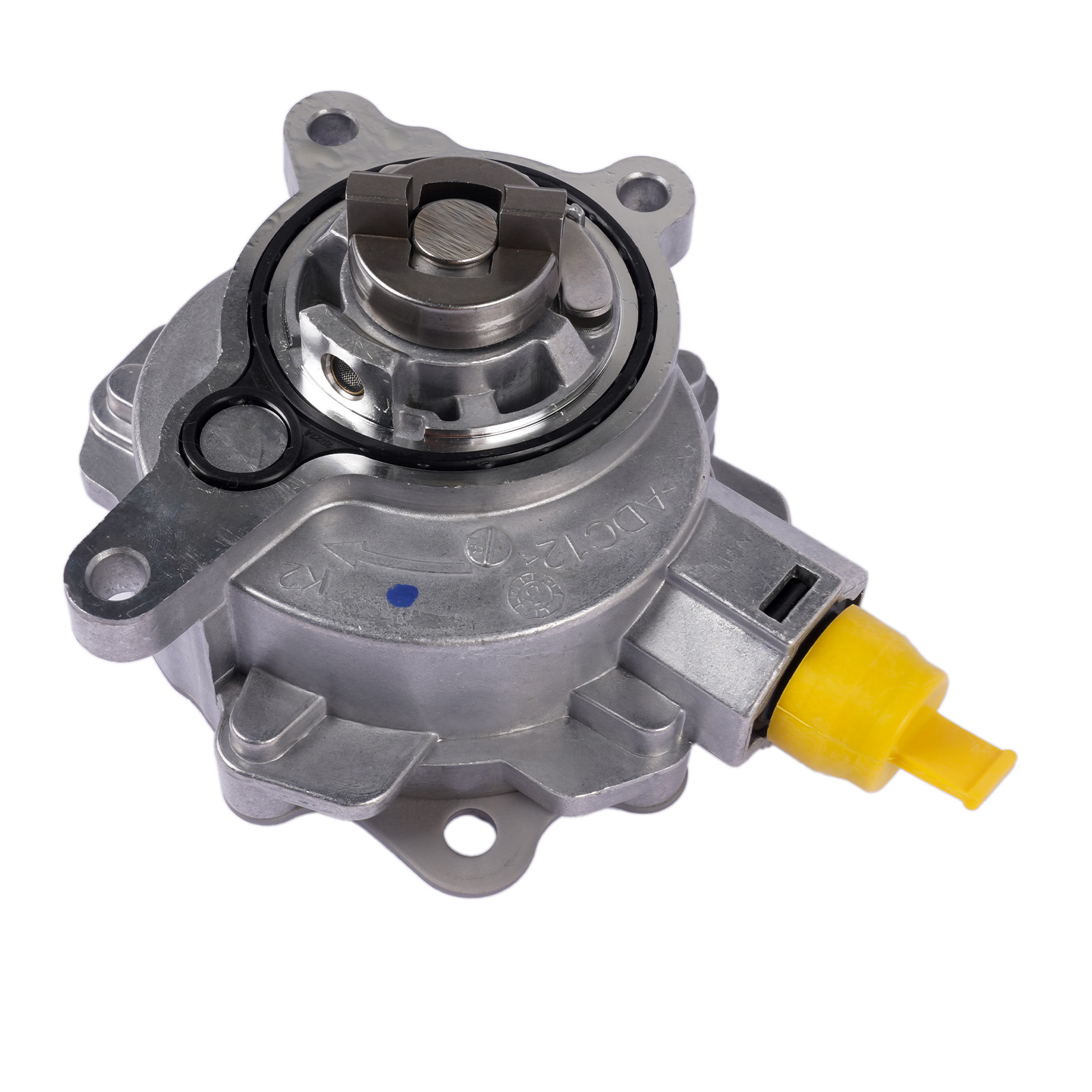 Power Brake Booster Vacuum Pump Replacement For Lincoln MKC MKX MKZ, Land Rover LR2 Discovery, Ford Escape Edge Explorer Focus LR047384$69.99
 View on Mallflare
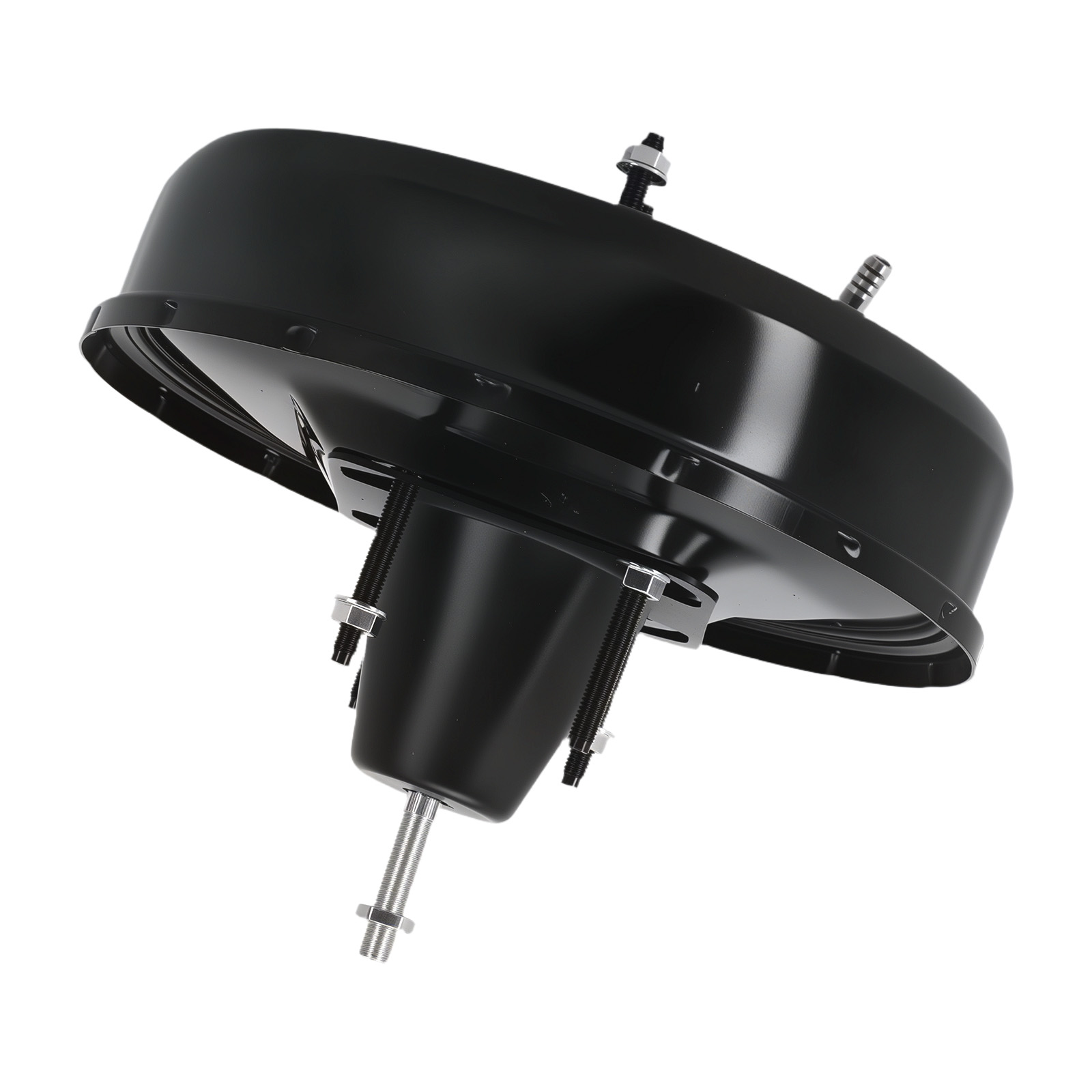 Black Power Brake Booster fit for Toyota Tundra Extended Cab 2004-2006 4.7L V8$95.99View on Mallflare
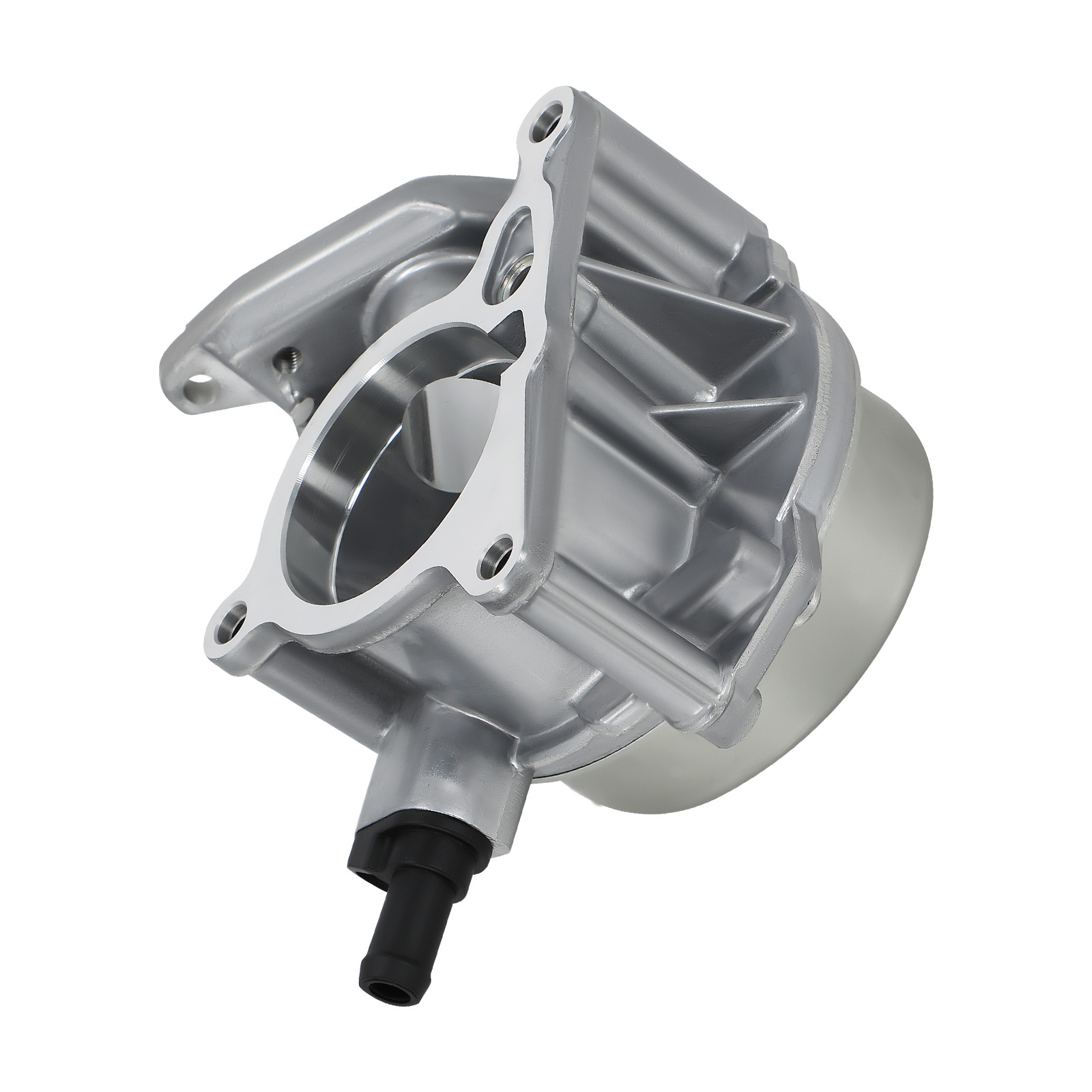 Brake Booster Vacuum Pump fit for Volkswagen Eos 2.0L A/T M/T 2009-2015 06H145100AE$99.99View on Mallflare
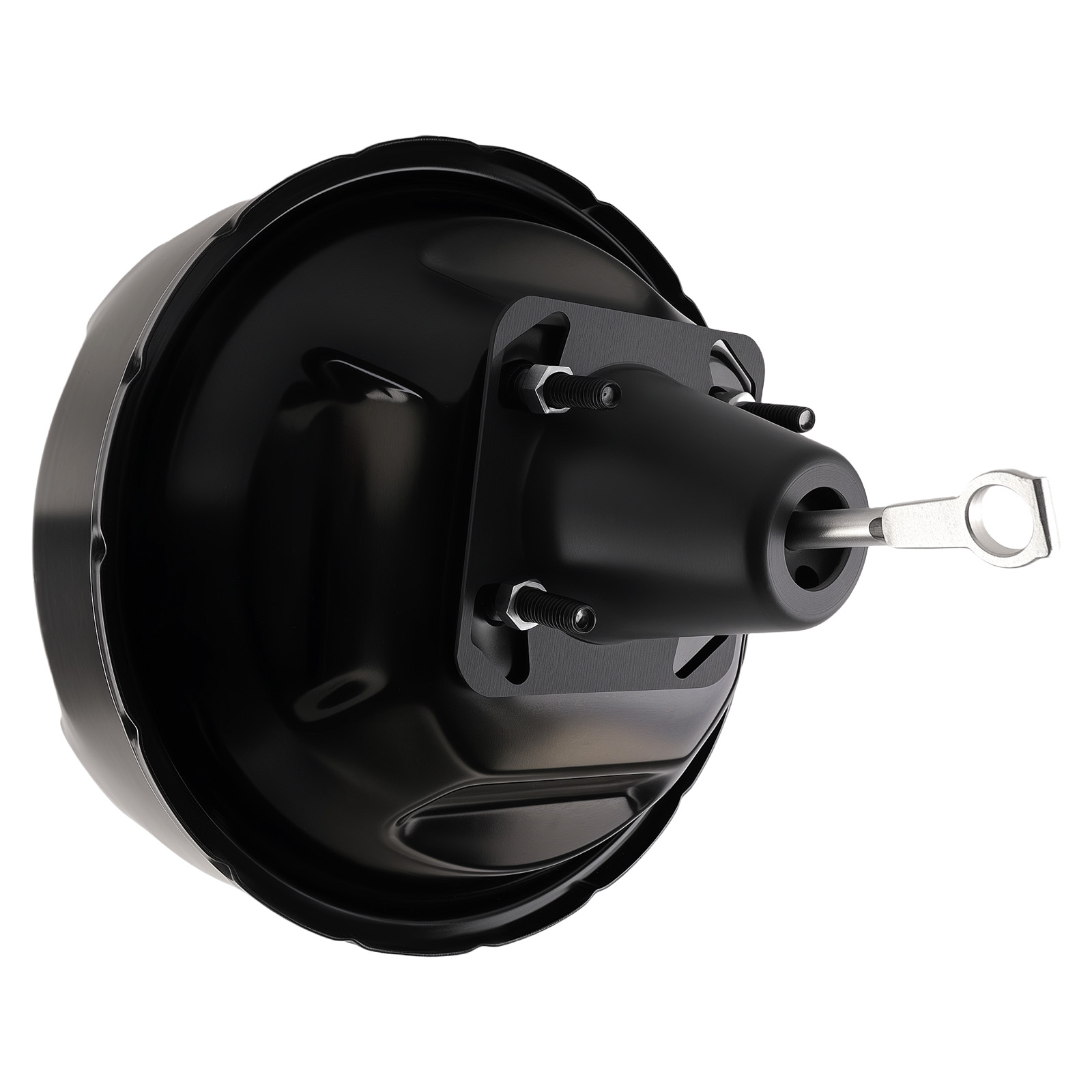 Vacuum Brake Booster Assembly fit for Ford Bronco F-150 1984-1988 5474211 E4TZ2005A$119.99View on Mallflare
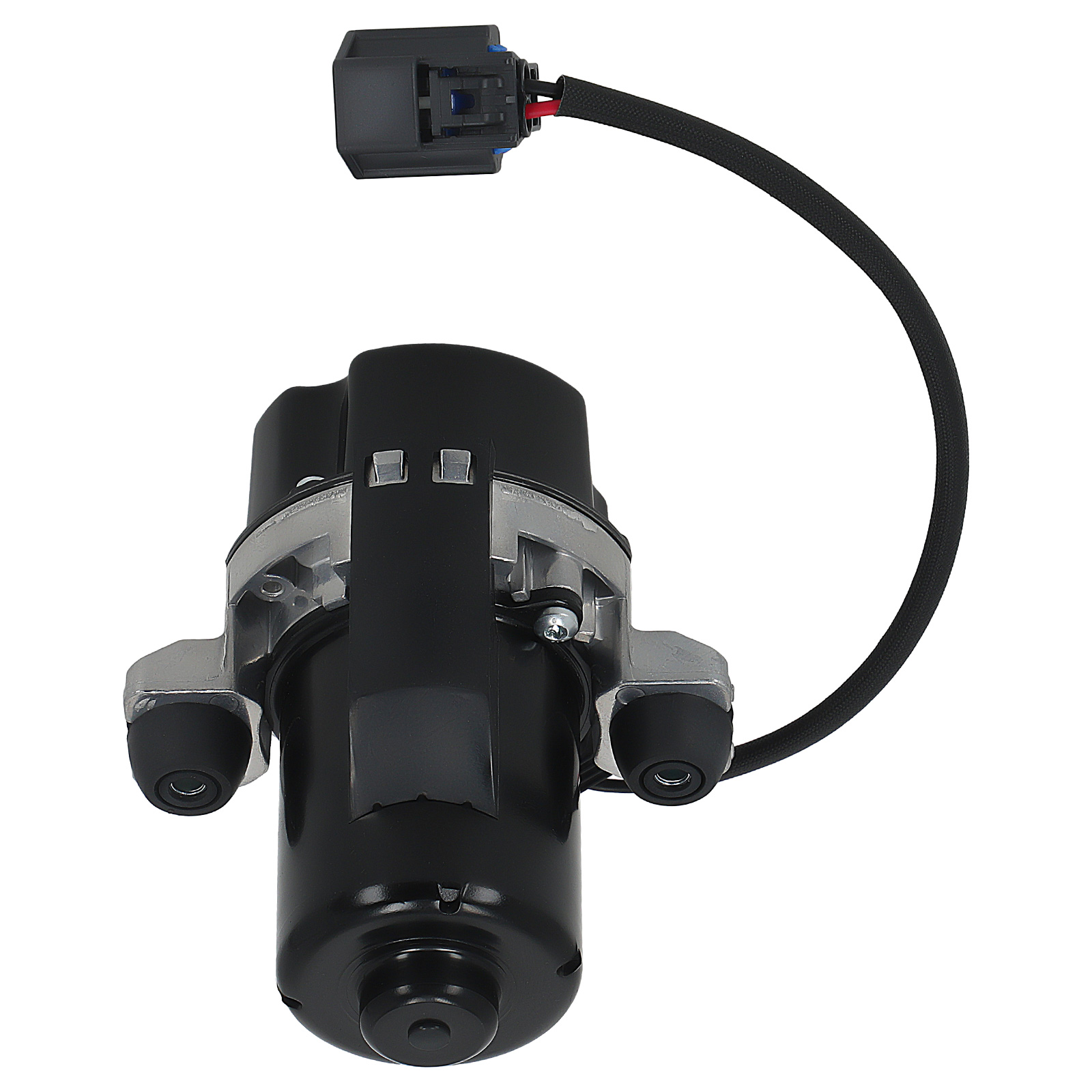 Power Brake Booster Vacuum Pump fit for Ram 3500 6.4L V8 - Gas 2019-2022 04581991AA$123.99View on Mallflare
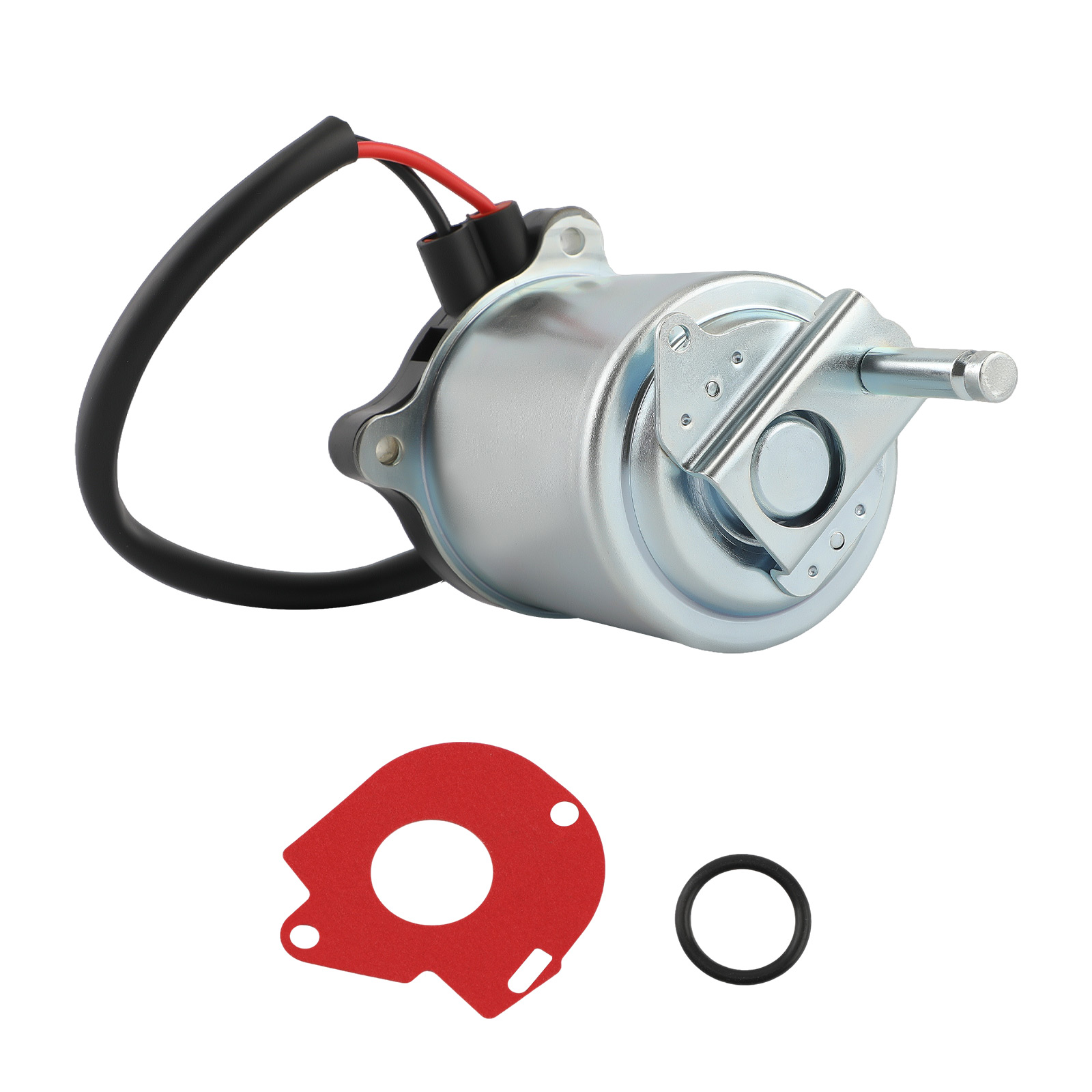 ABS Brake Booster Pump Motor Fit For 4RUNNER 2005 - 2020 Fit For LEXUS GX470 from 10/04 4707060050, 4707060030, 4796060050$123.99View on Mallflare
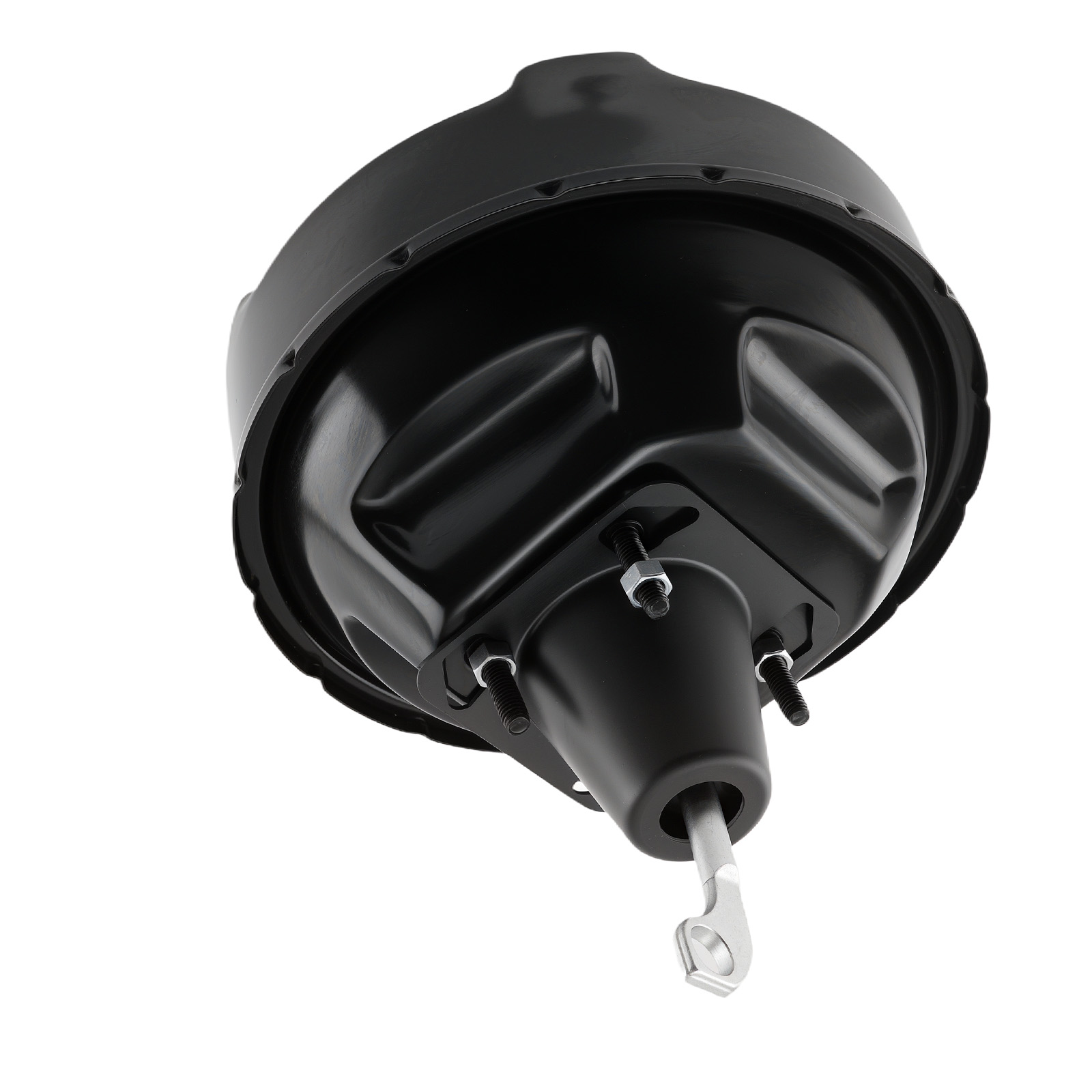 Power Vacuum Brake Booster fit for Ford Bronco /F-100 /F-150/F-250 1980-1983$124.99View on Mallflare
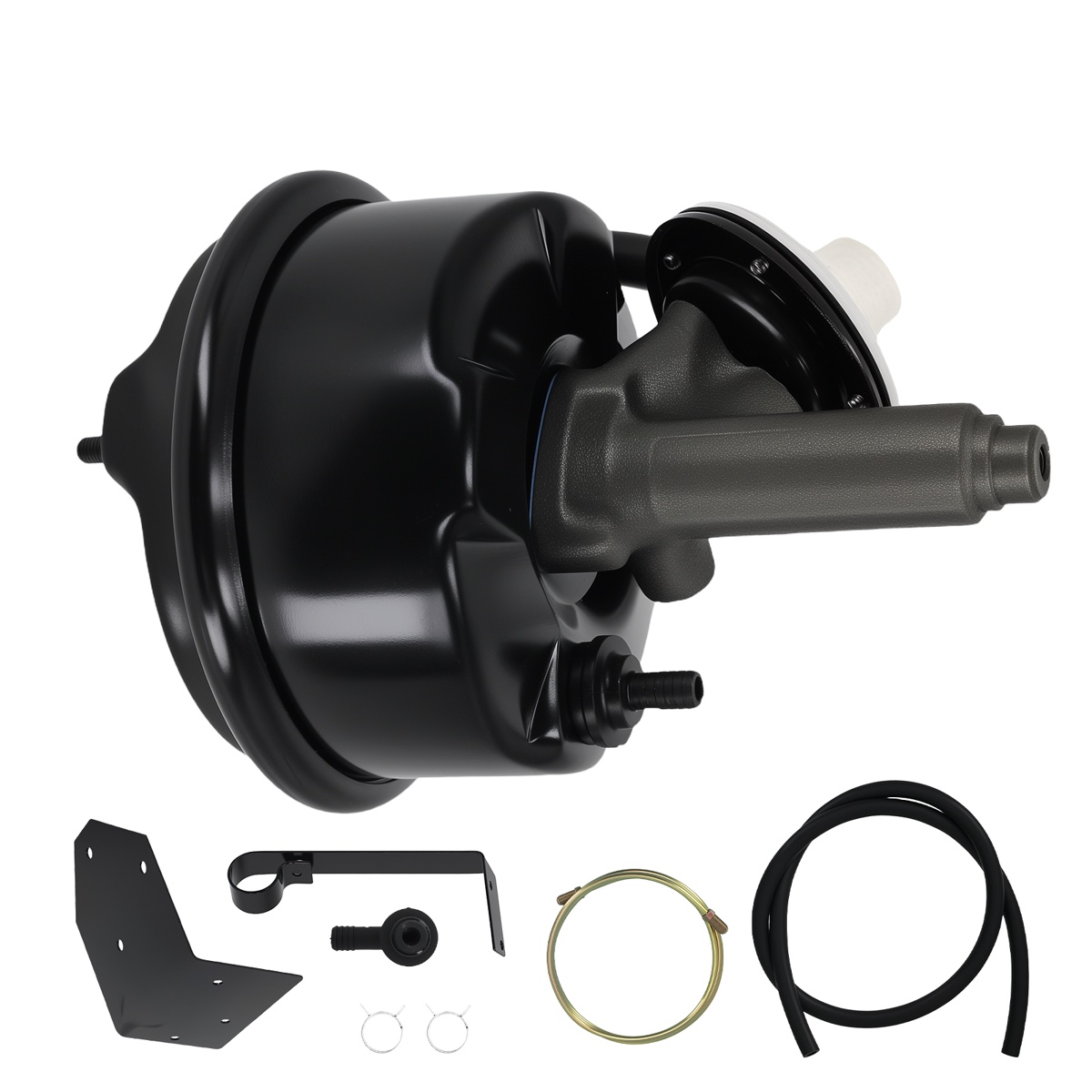 Remote Vacuum Brake Booster Kit Fit fit for Land Rover 2.3 Boost Ratio Brackets NEW$127.99View on Mallflare
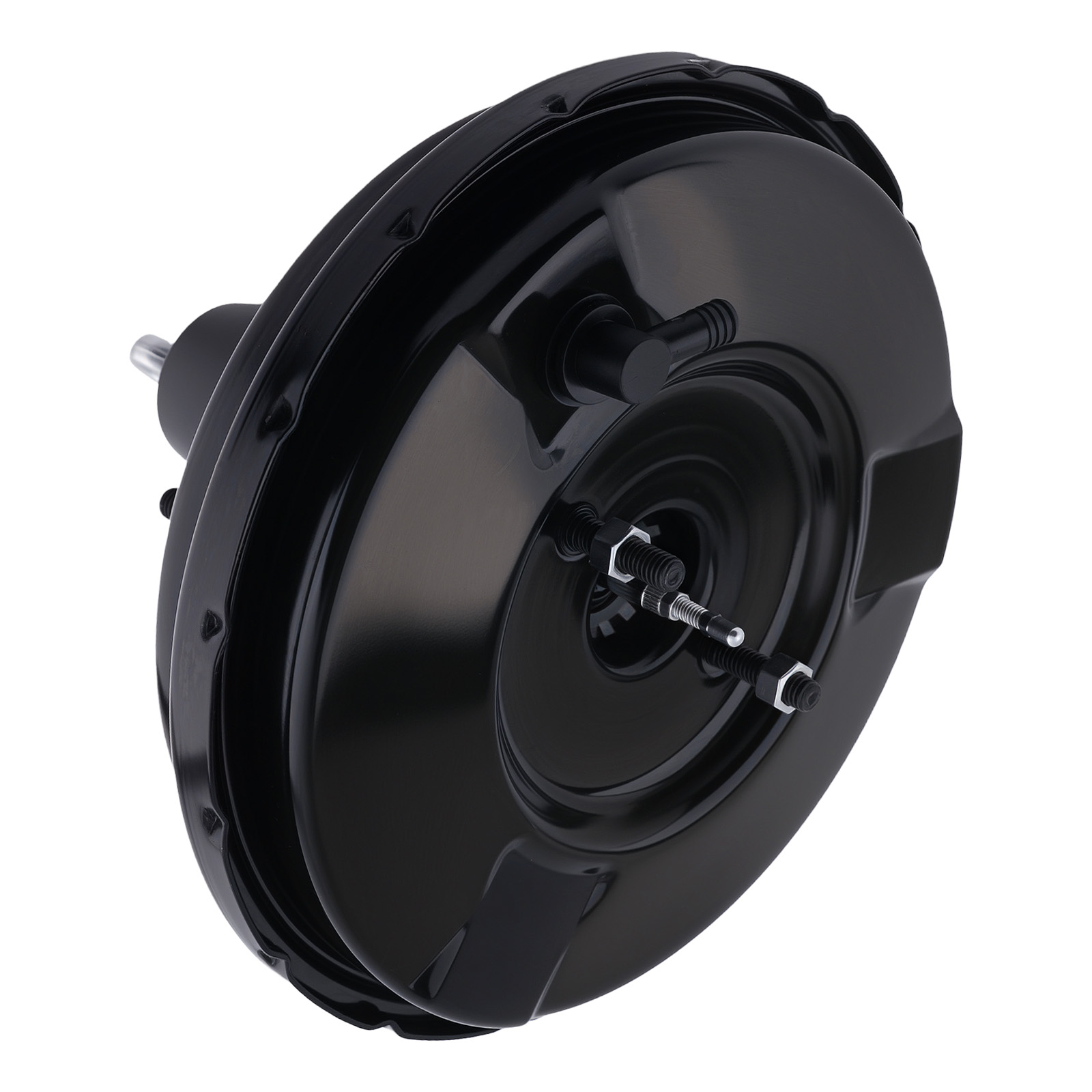 Brake Booster Assembly fit for Ford F-250 F-150 F-100 1977-1979 D7TZ2005A 54-73703$134.99View on Mallflare
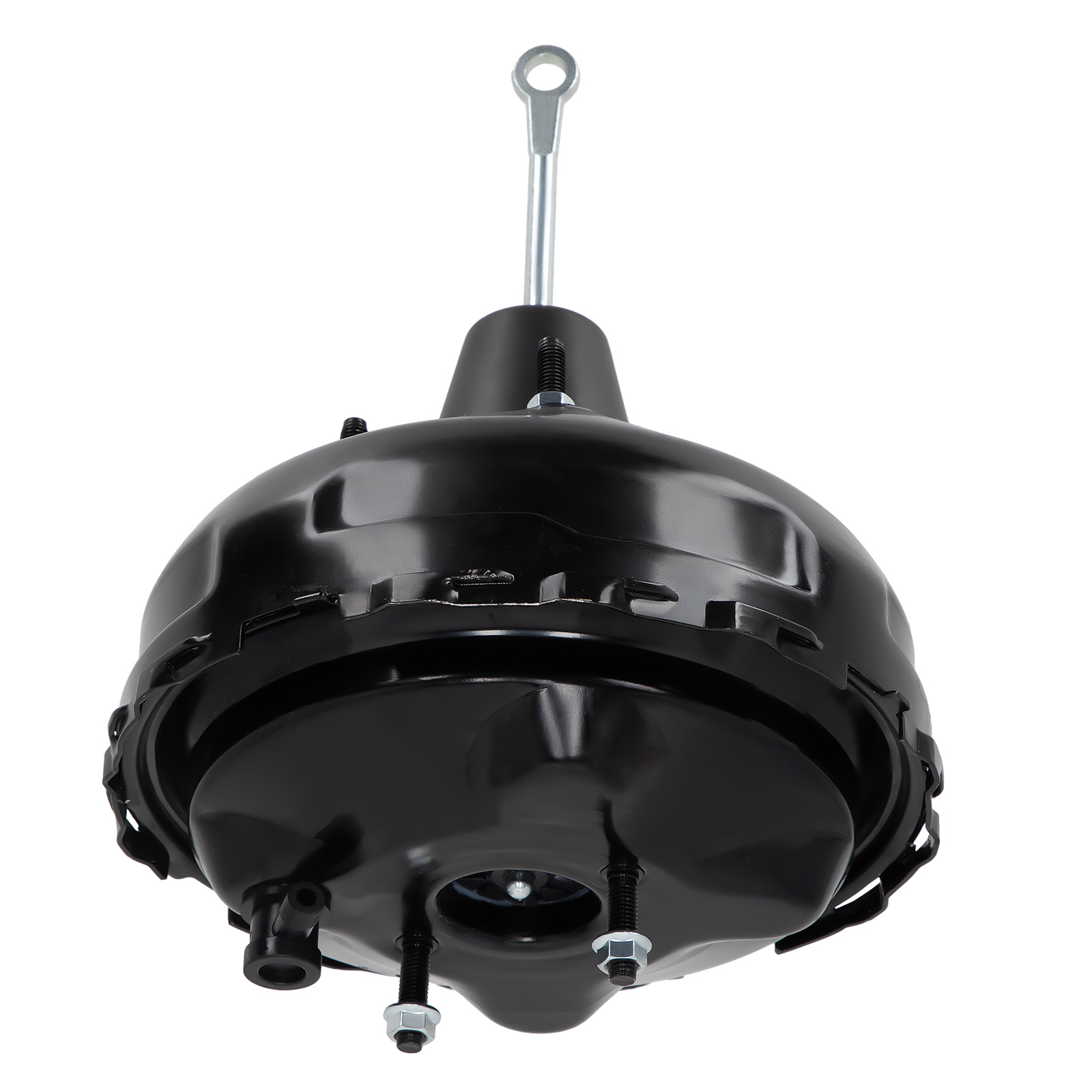 Vacuum Power Brake Booster fit for Chevrolet K1500 1997-1999 54-71085 18029873$140.99View on Mallflare
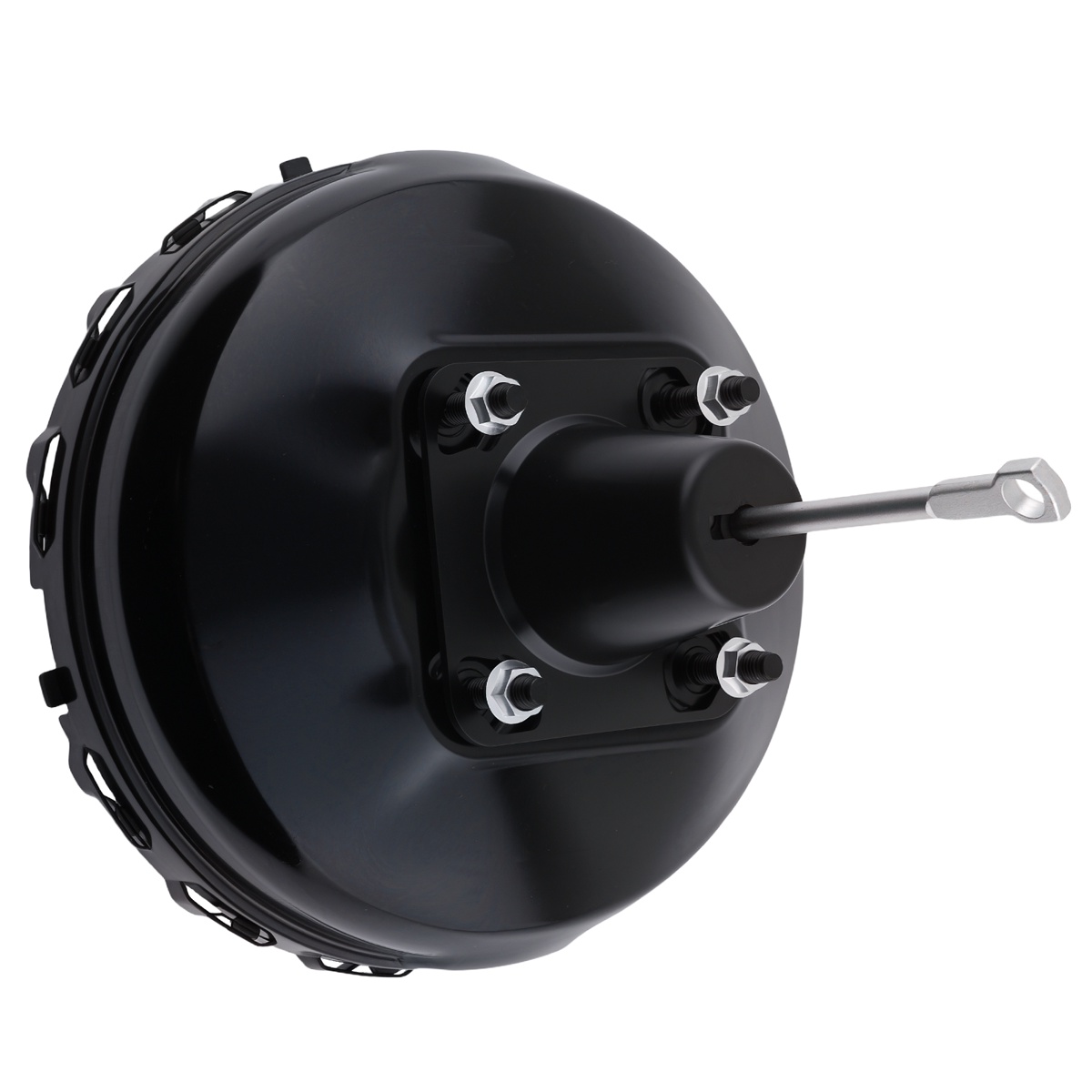 Power Brake Booster Vacuum Fits fit for GMC C2500 Chevrolet K2500 1988-94 54-71046$146.99View on Mallflare
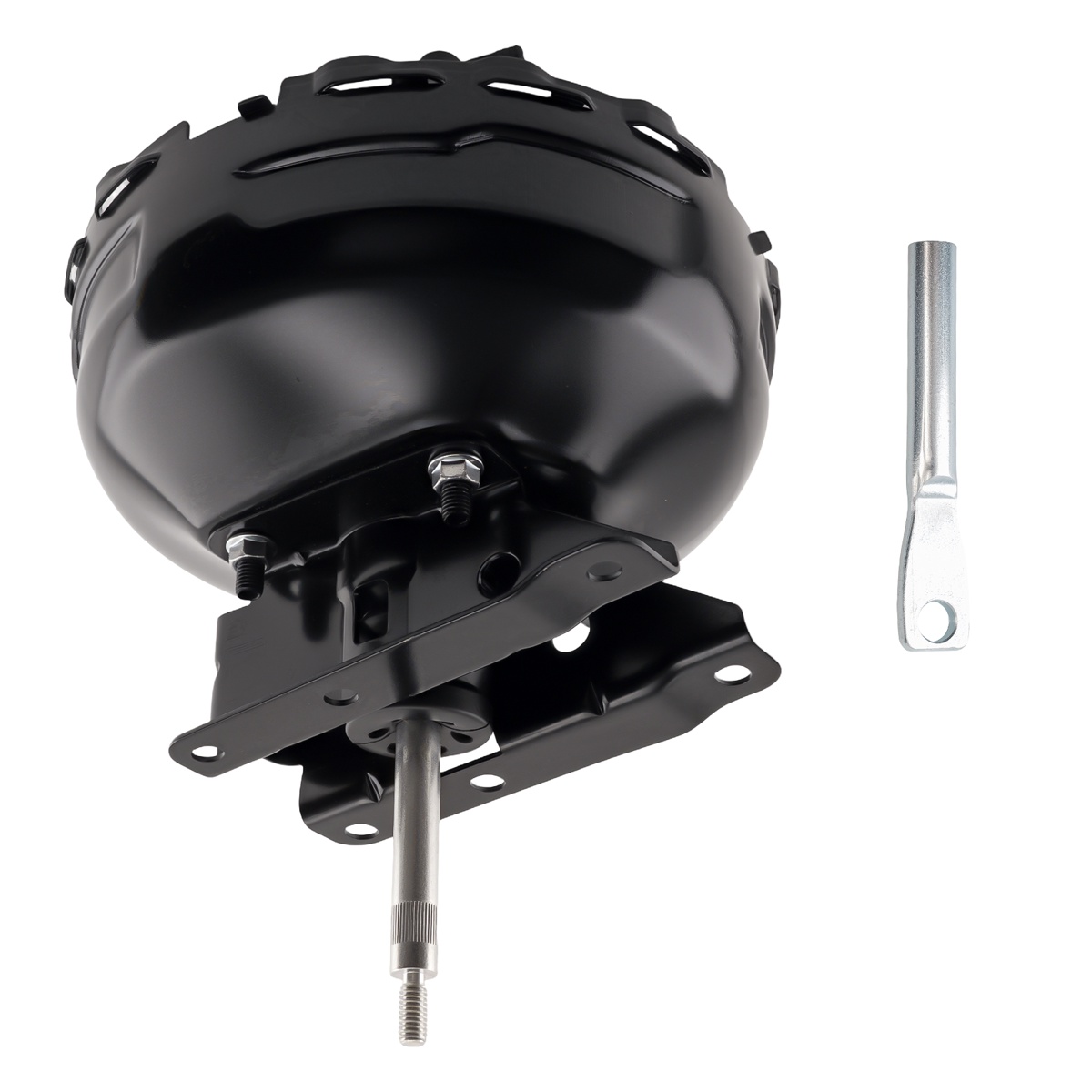 Power Brake Booster Vacuum fit for Chevy C10/C20/C30 1975-80 fit for GMC K15/K25 1975-78$165.99View on Mallflare
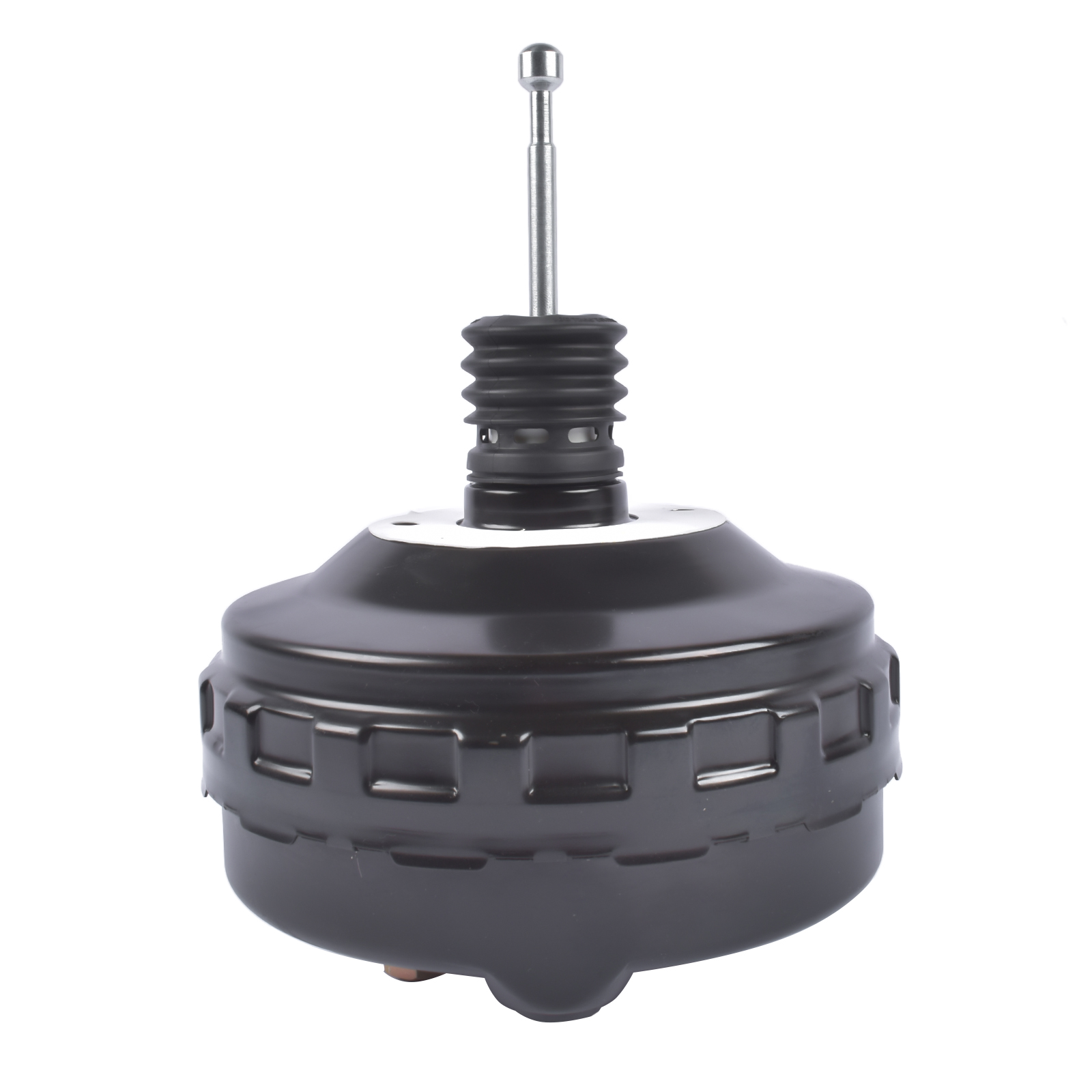 Vacuum Power Brake Booster Fits for Buick Allure LaCrosse Regal Chevy Malibu Orlando 2010-2017 w/o Master Cylinder 13317102 1780880$166.99View on Mallflare
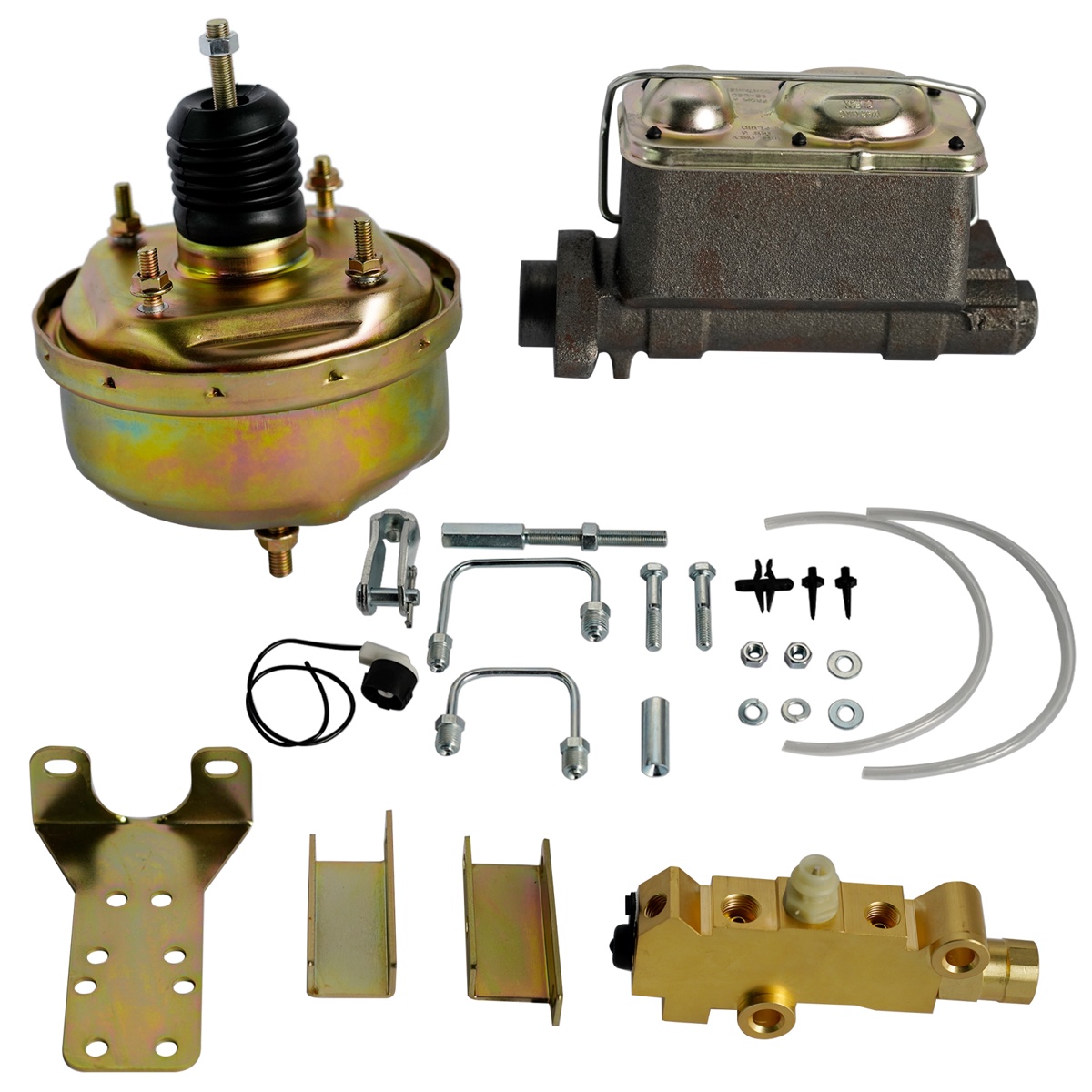 Power Brake Booster Master Cylinder Kit 7" for 1964-1966 Ford Mustang 1960-1966 Falcon$211.99View on Mallflare
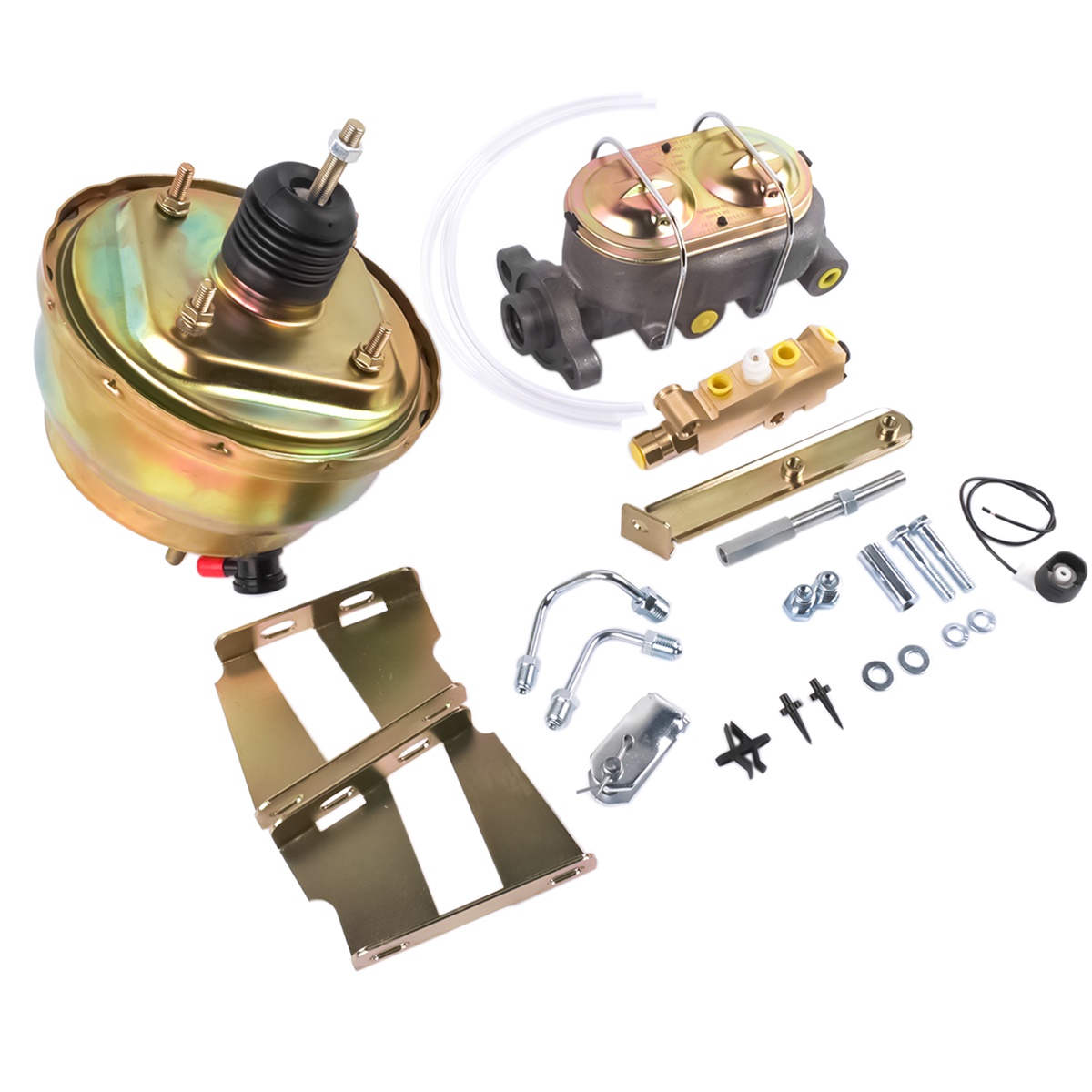 8" Power Brake Booster Disc/Drum Valve Kit Fit for Chevrolet Bel Air Nomad 150 210 Series 1955-1957$233.99View on Mallflare
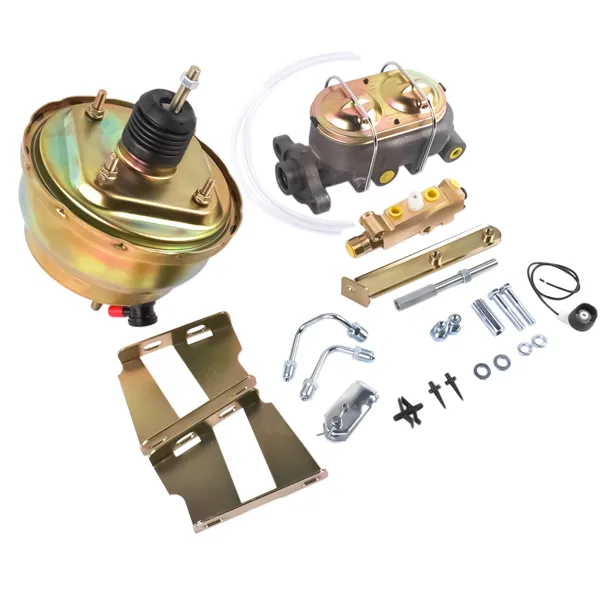 8" Power Brake Booster Disc/Drum Valve Kit for Chevrolet Bel Air Nomad 150 210 Series 1955-1957$234.99View on Mallflare
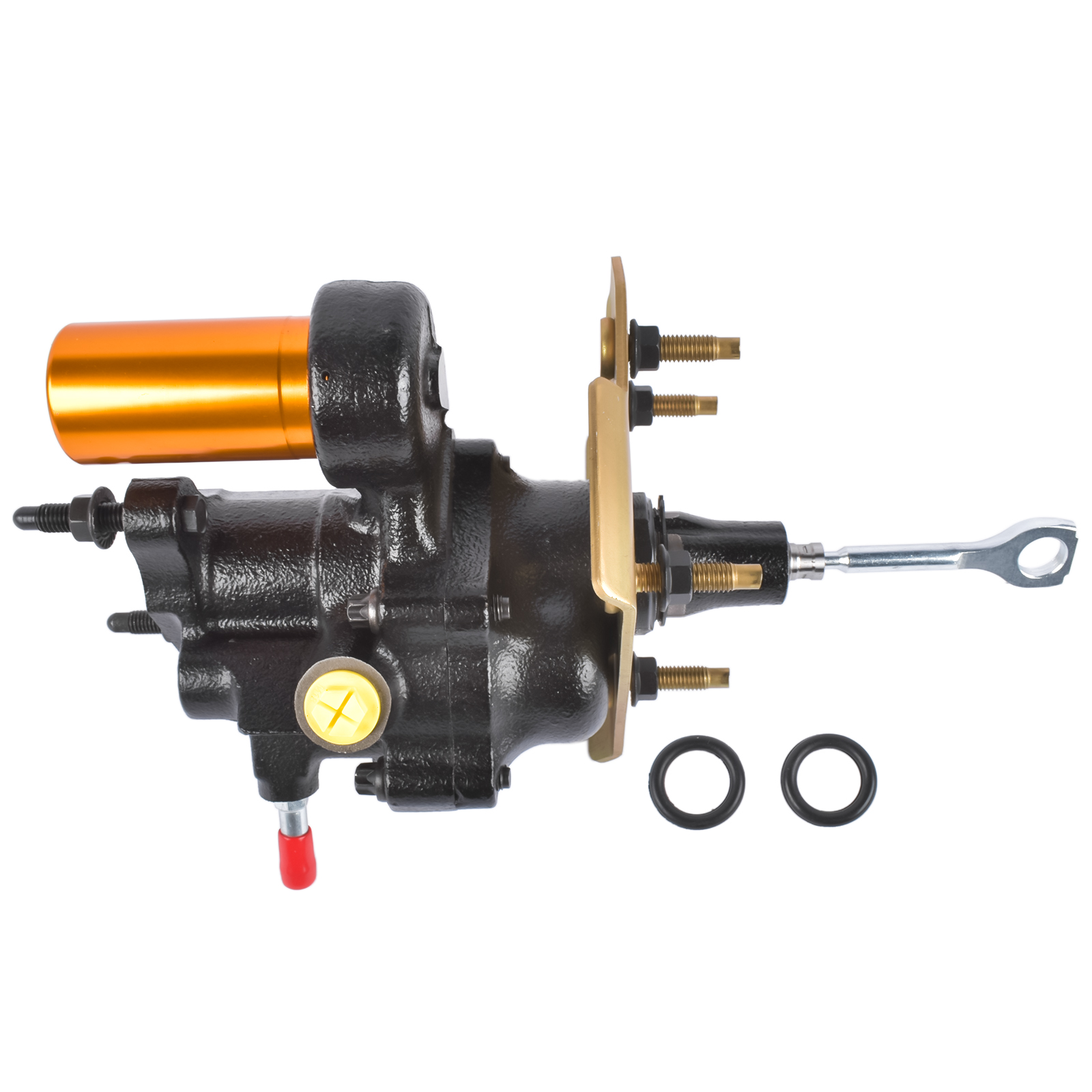 Hydraulic Power Brake Booster 15212823 15813688 52-7372 Fits for Hummer H2 6.0L V8 2005 2006 2007$244.99View on Mallflare
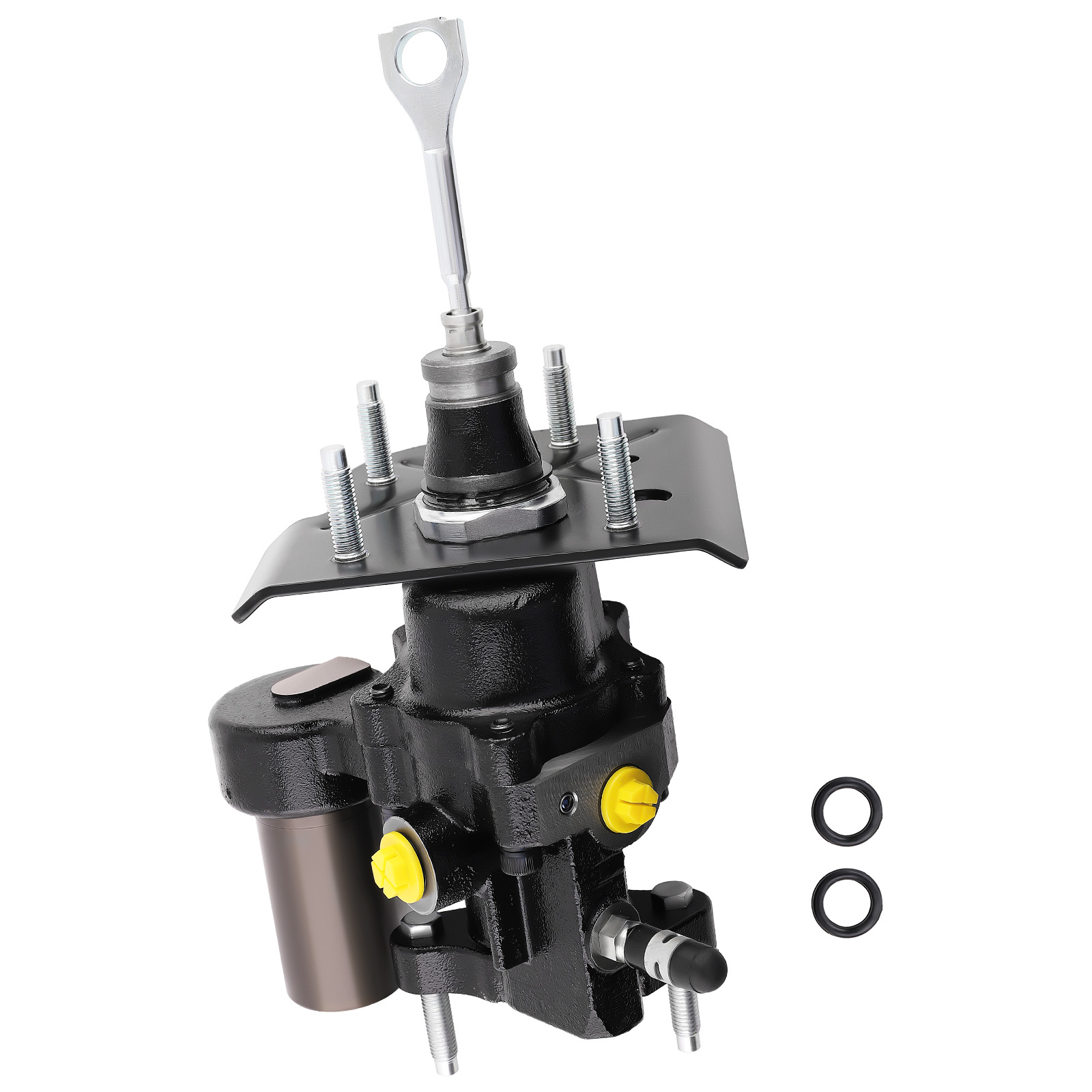 Hydraulic Power Brake Booster Fit For Chevrolet Silverado 2500 HD 2007-2010 52-7393、527393、20759772、527393$267.99View on Mallflare
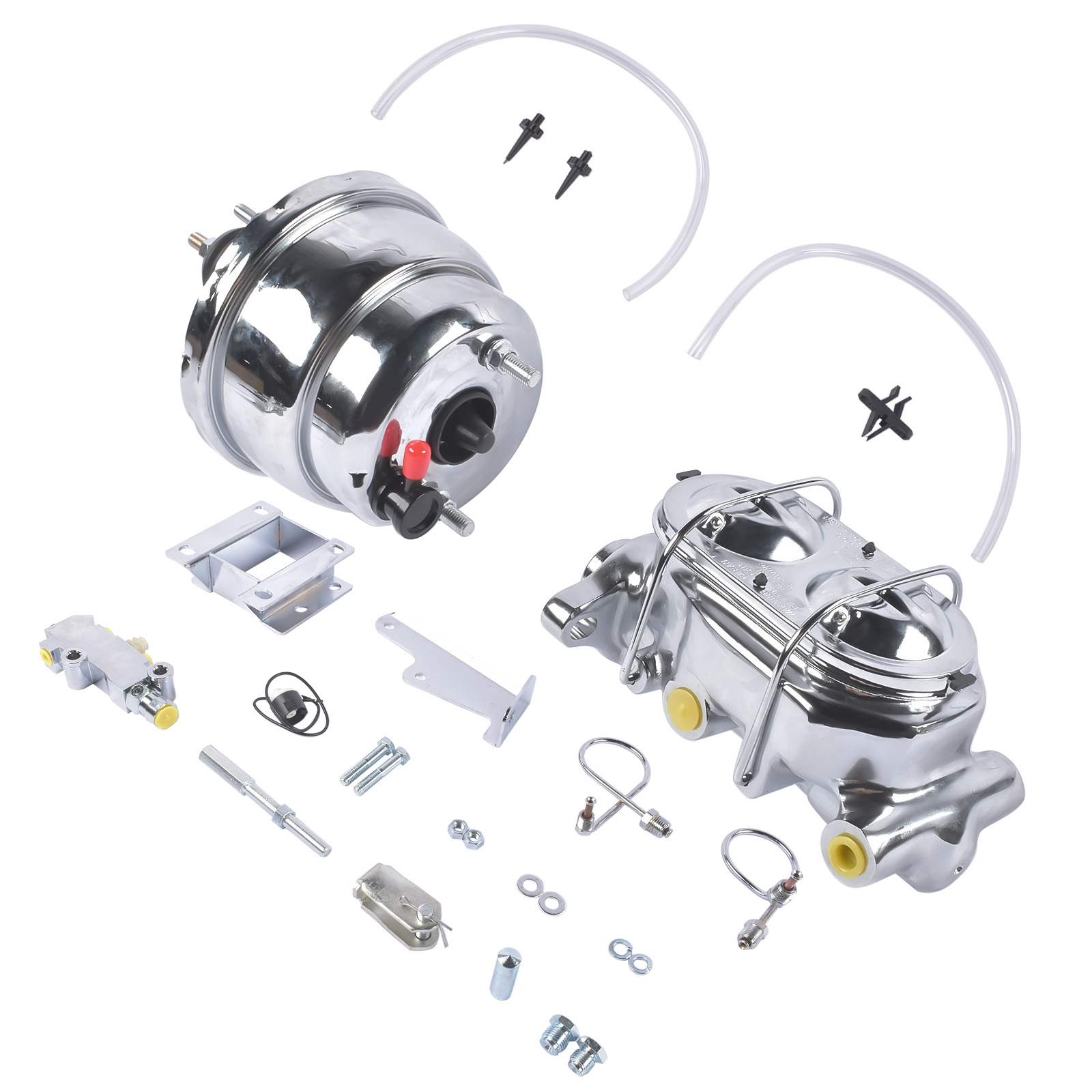 7'' Chrome Power Brake Booster Master Cylinder Disc Drum Kit Fits for Chevy Bel Air One-Fifty Two-Ten Series 1955-1957$294.99View on Mallflare
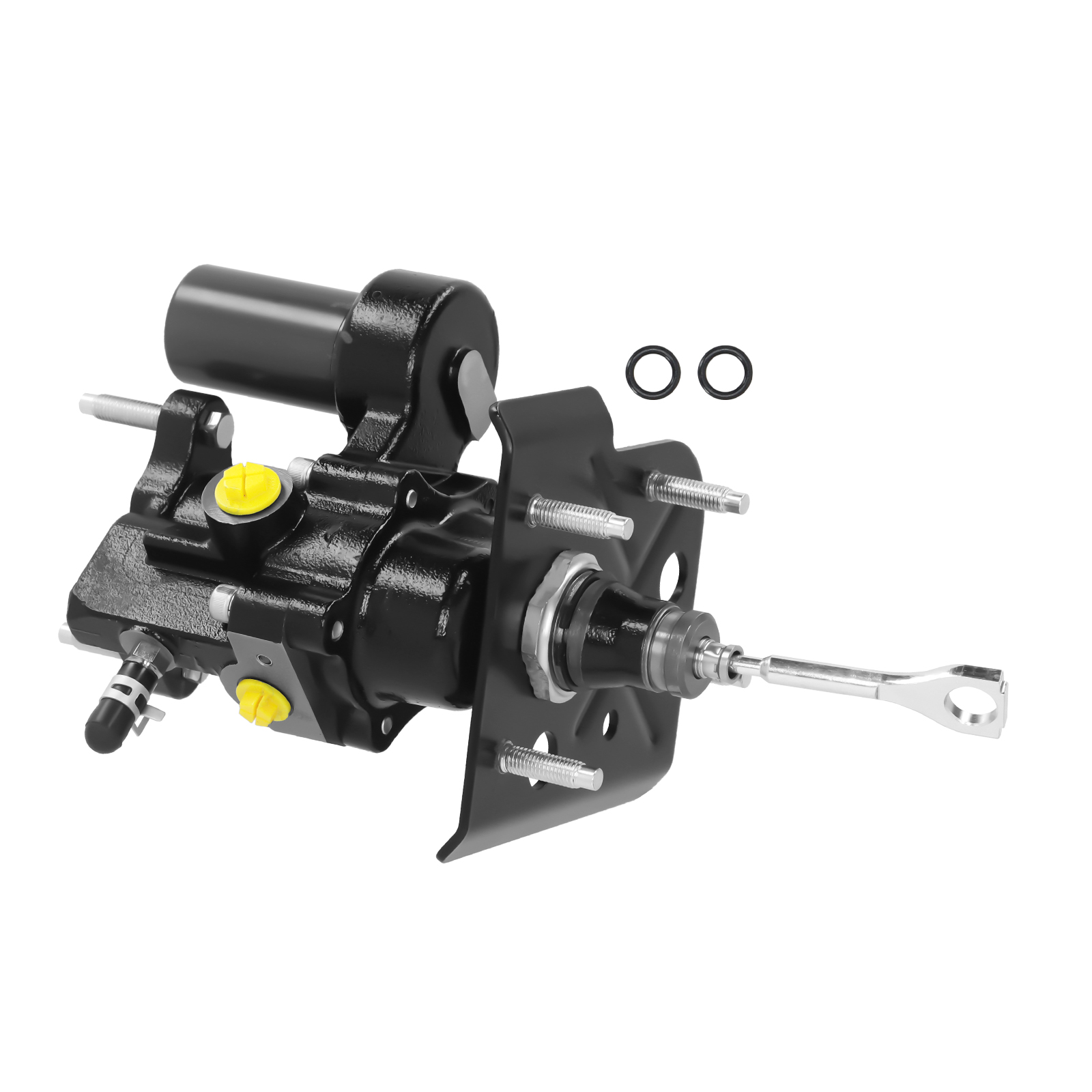 Hydraulic Power Brake Booster fit for Chevrolet Silverado 2500 3500/GMC Sierra$301.99View on Mallflare
Highlights
- Vacuum boosters rely on engine manifold vacuum; diesel and high-performance engines often need a separate vacuum pump or hydro-boost to achieve adequate assist.
- Boost ratio (typically 6:1 to 9:1) determines pedal effort: higher ratios reduce effort but can make modulation less precise in performance or towing use.
- Dual-diaphragm boosters deliver more assist in a shorter body length than single-diaphragm units, making them the standard for modern tight engine bays.
- Hydro-boost (hydraulic) systems use power-steering pressure instead of vacuum and require different plumbing, so they cannot be swapped with vacuum units.
Best use cases
- Stock daily-driver replacement: match the OEM part number and booster type (vacuum vs hydro-boost) exactly; skip 'upgraded' boost ratios unless the master cylinder and pedal ratio are also recalibrated.
- Classic truck or restomod with a big-cam engine producing low vacuum: choose a dual-diaphragm booster plus a vacuum reservoir or an electric vacuum pump; skip a stock single-diaphragm unit that will feel stiff.
- Diesel or heavy-duty tow rig: select the hydro-boost or factory electric-pump system specified for the chassis; skip generic vacuum boosters that lack the required assist and mounting.
- Lifted or engine-swapped vehicle with limited firewall clearance: measure booster diameter and depth before ordering a smaller-diameter dual-diaphragm unit; skip oversized boosters that contact the hood or valve covers.
Buying tips
- Identify the booster architecture first: engine-vacuum, hydro-boost (power-steering fed), or electric pump-assisted; each requires different lines, wiring, and master-cylinder compatibility.
- Use the OEM part number (e.g., 54-71085, 18029873, 06H145100AE) as the primary lookup; cross-reference by vehicle year, model, engine, and cab configuration.
- Measure firewall-to-master-cylinder depth and booster shell diameter; a dual-diaphragm 8-inch unit can replace a single 10-inch unit with similar assist in tighter space.
- For low-vacuum engines, budget for a vacuum reservoir or electric pump; a booster alone will not fix a sub-15 in-Hg vacuum signal.
Specs
| Booster Type | Vacuum / Hydro-boost / Electric pump |
|---|---|
| Diaphragm | Single vs Dual (tandem) |
| Boost Ratio | 6:1 to 9:1 typical |
| Fitment Method | OEM part number + year/make/model/engine |
Related searches
What to check before buying
- Confirm exact vehicle fitment: year, make, model, engine displacement, transmission, and cab/body style.
- Verify booster type and boost ratio match the factory system; hydro-boost and vacuum units are not interchangeable.
- Measure firewall clearance, booster diameter, and pushrod length before ordering.
- Inspect vacuum hose routing, check valve, and master-cylinder bore; ensure replacement booster includes or accepts the correct pushrod and mounting studs.
FAQ
Data sources: eBay / Amazon listings and product attribute feeds Data updated Nov 15, 2026.
Some links on this page are affiliate links. If you buy after clicking one, we may earn a commission at no extra cost to you. This does not change which products appear here or their order. Affiliate disclosure.