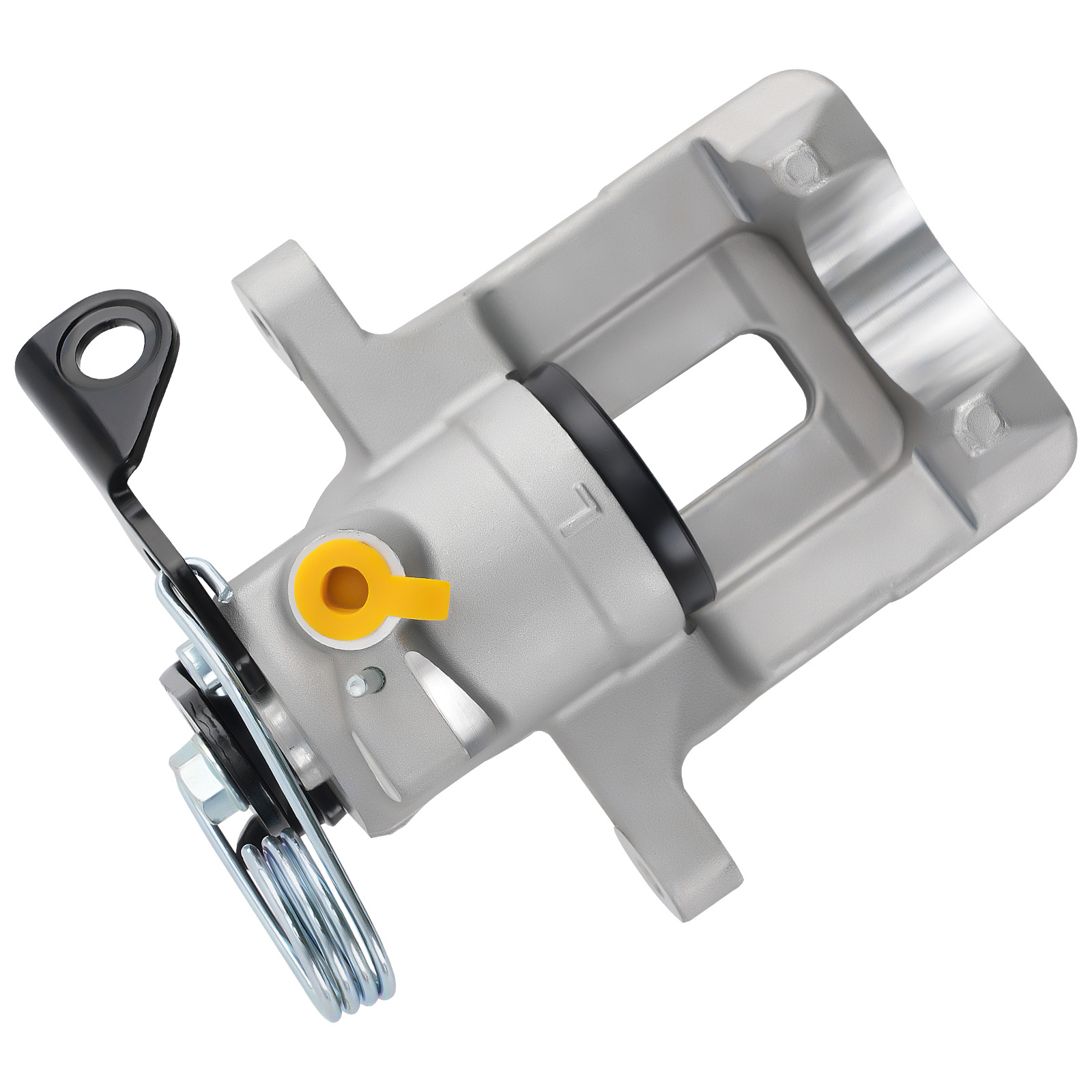

Photos from current listings. Actual item, color, and included accessories may vary.
Audi Brake Caliper Buying Guide
Audi brake calipers span floating single-piston designs, opposed multi-piston fixed calipers, and rear electric parking-brake (EPB) units, so the rebuild-or-replace decision hinges on caliper architecture and the electronics interface. The core trade-off is remanufactured OEM versus new aftermarket: reman units preserve OEM piston and seal quality but depend on core condition, while aftermarket castings vary in slide-pin and bleed-screw metallurgy. The decision rule: match caliper type, piston count, and EPB motor compatibility to the chassis code before choosing any tier—wrong generation fitment is the dominant failure mode.


At a glance
- Category
- Suspension, Steering & Brake Parts
- Data updated
- Nov 15, 2026
Current offers
Highlights
- Floating calipers run a single piston on slide pins; fixed calipers use opposed pistons (dual, quad, or six) with no slide hardware to seize.
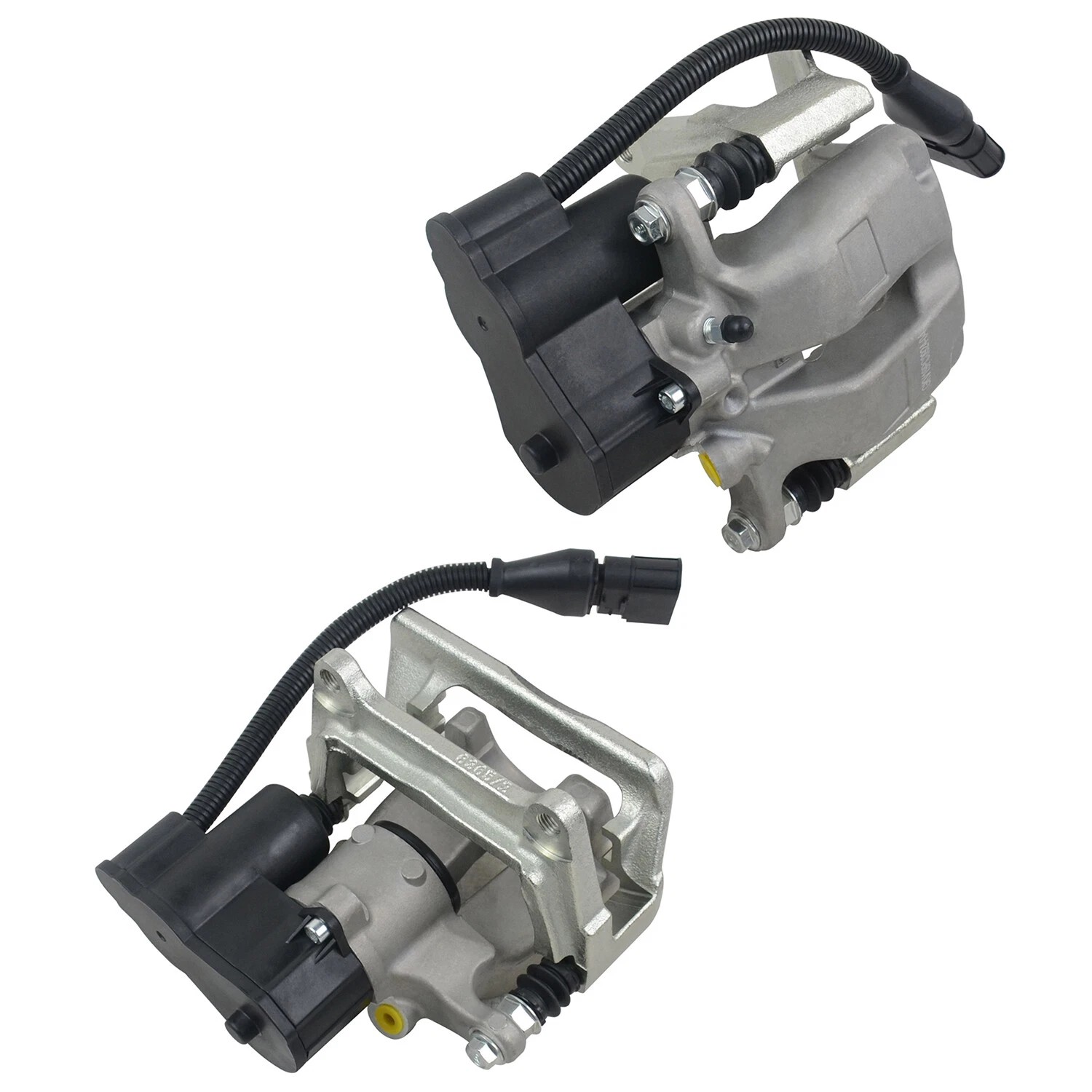
- Rear EPB calipers on A8 D3 and later models integrate a 12V motor and gearbox; replacement must match motor connector and caliper housing casting.
- Remanufactured OEM calipers retain factory piston bore and seal tolerances; economy aftermarket units often use lower-grade slide-pin boots that crack early.
- Audi chassis generations differ in caliper mounting ears and hose banjo angles—B5/A6 C5 rear units do not interchange with B6/B7 or C6 hardware.
Best use cases
- Best fit: daily-driven B5 Passat/A4/A6 with a seized rear slide pin—use a remanufactured floating caliper with new slide-pin boots and hardware, not a bare casting.
- Best fit: A8 D3 rear EPB fault (motor hum but no clamp force)—replace the complete caliper-motor assembly matched to 4E0615403A, not just the motor.
- Wrong fit: track-driven S4/S5 with fixed multi-piston calipers—do not substitute a floating caliper; piston count and rotor thickness differ.
- Skip: buying a pair of rear calipers without matching left/right parking-brake lever orientation and verifying rotor diameter and vented vs solid spec.
Buying tips
- Match chassis code first (B5, C5, B6/B7, C6, D3): caliper mounting bolt spacing and hose angle change between generations even on same-name models.
- On rear EPB units, confirm 12V motor connector pin count and gear housing shape—A8 D3 V8/V10 rear calipers use specific 4E0-series castings.
- Choose reman OEM over no-name new when the OEM core is rebuildable; reman preserves bore honing and piston coating that budget castings skip.
- Inspect slide-pin boot material: silicone or high-temp EPDM outlasts basic rubber, which cracks and causes uneven pad wear within a season.
Specs
| Caliper Type | Floating single-piston / Fixed opposed |
|---|---|
| Rear EPB | 12V motorized caliper (D3, C6+) |
| Piston Count | 1, 2, 4, or 6 depending on trim |
| Build Material | Cast iron or aluminum alloy |
Related searches
What to check before buying
- Record the chassis code and production year range from the VIN; caliper fitment splits at facelift boundaries.
- Measure rotor diameter and thickness—vented versus solid rear rotors dictate caliper carrier width.
- Check wheel clearance: fixed multi-piston calipers require more spoke clearance than floating units on the same car.
- Confirm brake fluid and ABS compatibility—new calipers must be bled with the ABS pump cycle procedure for the chassis.
FAQ
Data sources: eBay / Amazon listings and product attribute feeds Data updated Nov 15, 2026.
Some links on this page are affiliate links. If you buy after clicking one, we may earn a commission at no extra cost to you. This does not change which products appear here or their order. Affiliate disclosure.