Photos from current listings. Actual item, color, and included accessories may vary.
4 Link Suspension Buying Guide
A 4-link suspension uses four longitudinal links to locate a solid axle, available in parallel (needs a Panhard bar or Watts link) and triangulated (self-locating) layouts. The core trade-off is fabrication commitment versus geometry control: weld-on kits demand chassis welding and pinion-angle setup, while bolt-on kits trade ultimate strength for easier install. Buy triangulated for street/strip simplicity, parallel when you need maximum lateral adjustability or air-ride packaging.

At a glance
- Category
- Suspension, Steering & Brake Parts
- Data updated
- Nov 15, 2026
Current offers
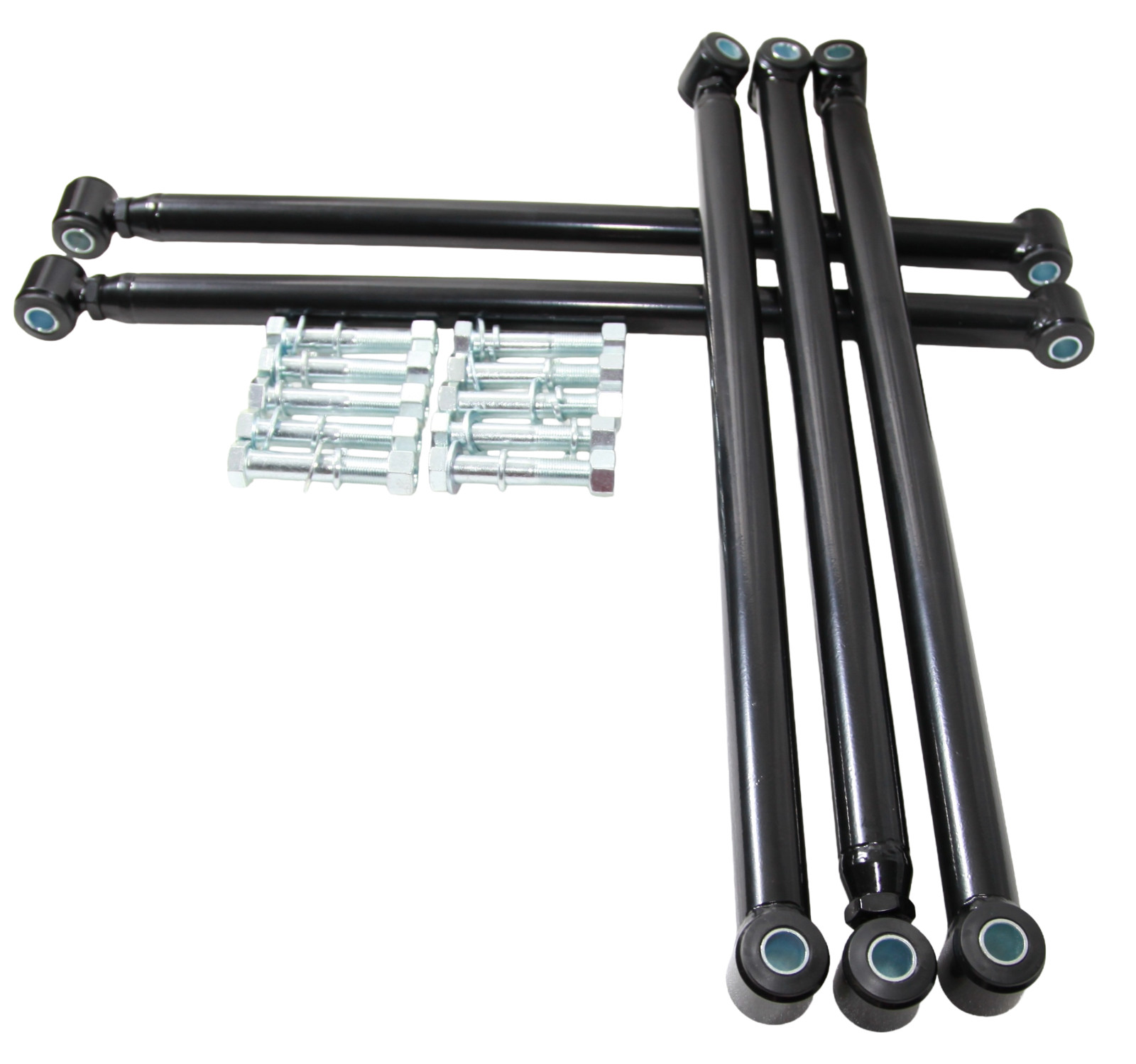 BLACK Weld On Parallel 4 Link Suspension Kit for Classic Car Air Ride 5-Bars Set$145.99
 View on eBay
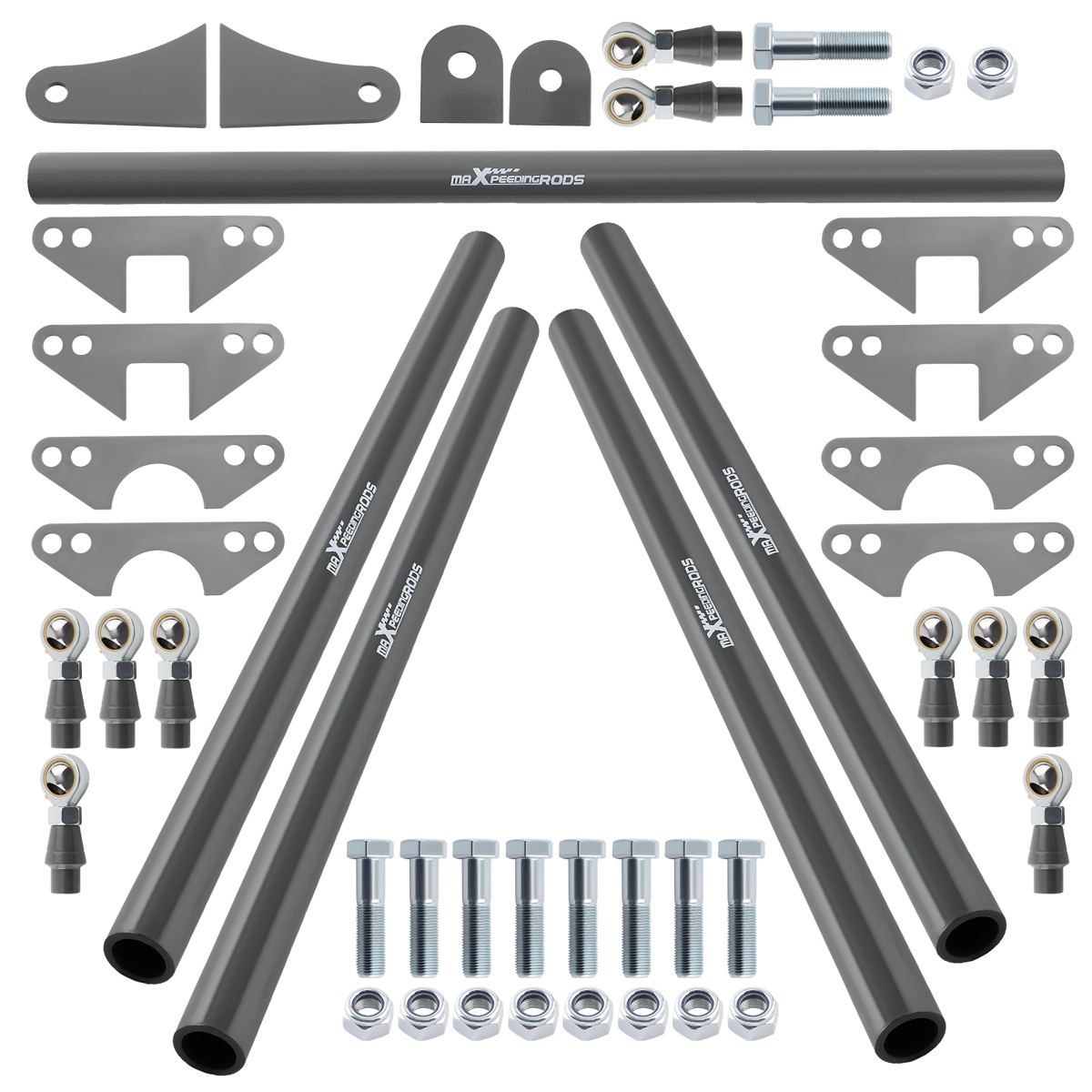 Rear Weld On Parallel 4 Link Bar Suspension Classic Car Rod Panhard Bolts$269.99
 View on Mallflare
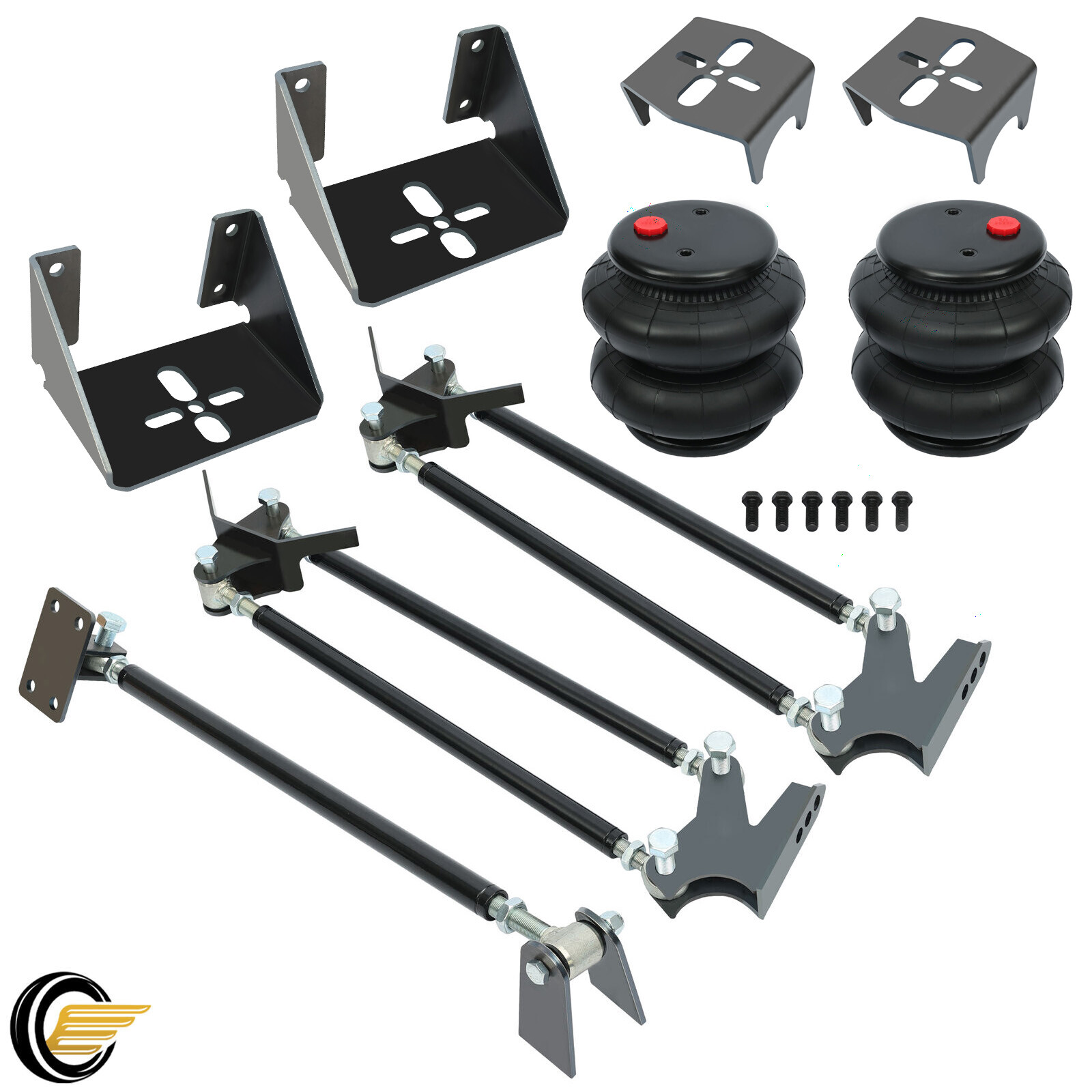 Parallel 4-Link Suspension Hot Rod Rat Truck Classic Car Air Ride 3" Universal$279.00View on eBay
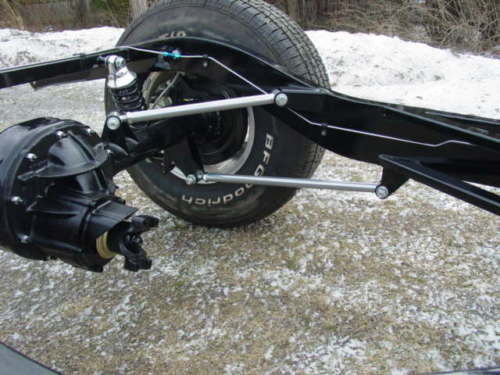 Weld On Triangulated 4 Link Suspension Hot Rod Rat Truck Classic Car USA MADE!!!$295.00View on eBay
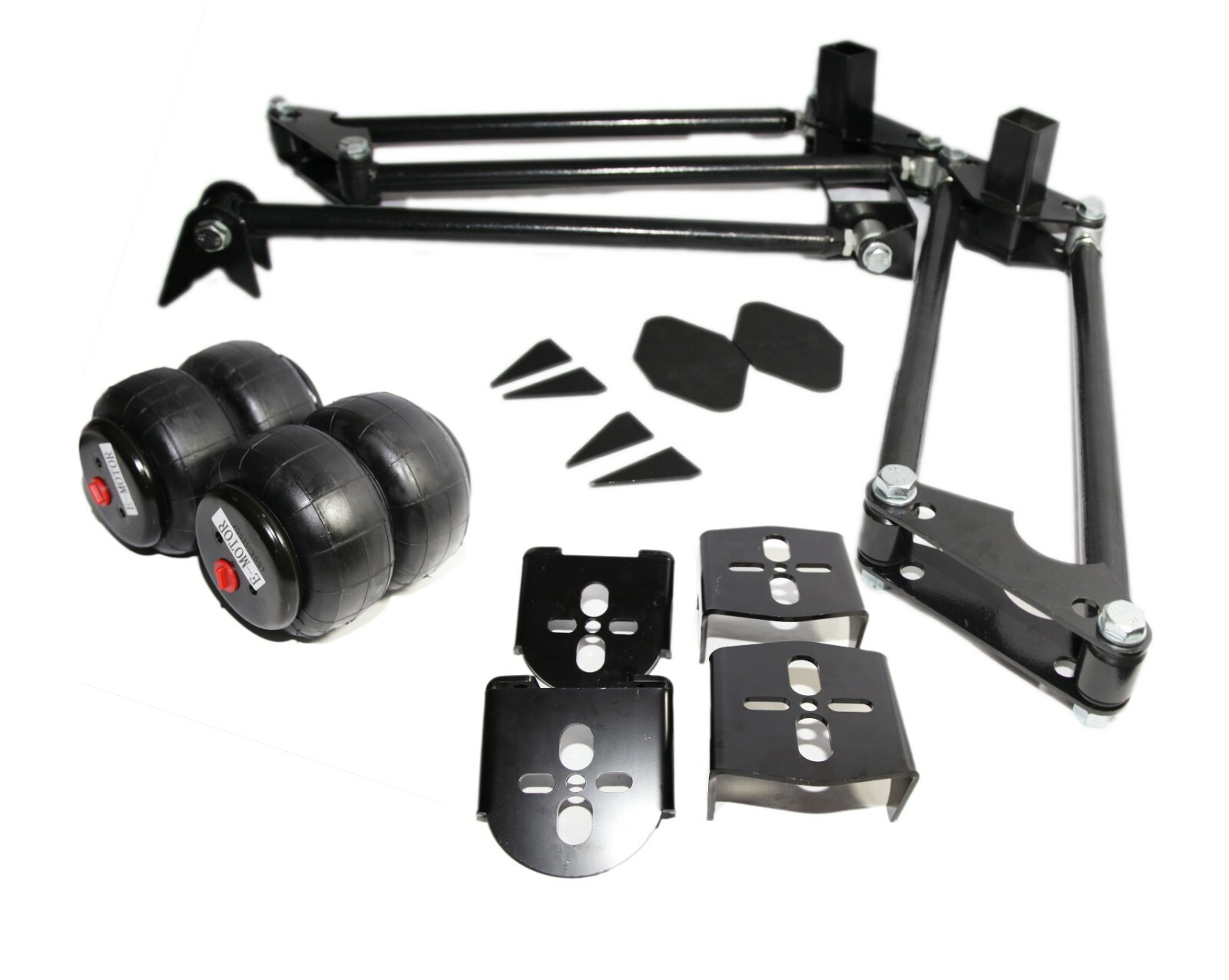 Air Bags Mount Bracket 4 Link Suspension Weld On Truck Classic Car Air Ride Kit$299.99View on eBay
Highlights
- Triangulated 4-link eliminates the Panhard bar by angling upper links inward; parallel 4-link requires a separate lateral locator (Panhard bar or Watts link).
- Weld-on brackets use mild steel plate (typically 3/16 to 1/4 inch) and must be welded to a clean axle tube and frame rail for load-bearing integrity.
- Parallel kits with 5-bar sets add a fifth link or track bar; confirm bar count and whether the kit includes bushings, rod ends, and axle brackets.
- Air-ride 4-link kits place air spring mounts above the axle; link length and bracket geometry determine ride height range and pinion angle sweep.
Best use cases
- Best fit: classic car or hot rod with a solid rear axle and air ride — choose a weld-on parallel 4-link with Panhard bar for adjustable lateral location and air spring packaging.
- Best fit: street/strip truck needing simple self-locating rear — choose triangulated 4-link to avoid Panhard bar clearance issues and reduce install complexity.
- Wrong fit: unibody or independent rear suspension vehicles — 4-link kits require a solid axle and frame rails; skip unless converting to a solid axle.
- Wrong fit: daily driver with no fabrication access — weld-on kits need chassis welding; choose a bolt-on kit only if the chassis has factory mounting points.
Buying tips
- Measure axle tube diameter and frame rail width before ordering; weld-on brackets are sized for specific tube diameters (commonly 2.75–3.25 inch) and mis-sized brackets require grinding.
- Confirm link bar count: a true 4-link has four bars; '5-bar' sets include a fifth link or track bar — verify what the fifth bar does before assuming it replaces a Panhard bar.
- For air ride, check that the kit includes air spring mounting plates and that link length matches your desired ride height; short links limit travel and cause pinion angle bind.
- Choose rod ends (spherical) for race use and polyurethane bushings for street comfort; rod ends transmit noise and require periodic replacement.
Specs
| Link Layout | Parallel vs Triangulated |
|---|---|
| Mount Type | Weld-on vs Bolt-on |
| Lateral Locator | Panhard / Watts / None |
| Bar Count | 4-bar vs 5-bar sets |
Related searches
What to check before buying
- Verify rear axle tube diameter and housing width; weld-on brackets must match the tube to avoid poor weld fit.
- Confirm frame rail spacing and whether the chassis is body-on-frame or unibody; 4-link kits need sturdy frame rails for bracket welding.
- Check pinion angle at ride height: parallel 4-link keeps pinion angle constant through travel; triangulated changes it slightly — plan for adjustable upper links.
- For air ride, confirm air spring diameter and mounting height clearance to the frame and exhaust routing before welding brackets.
FAQ
Data sources: eBay / Amazon listings and product attribute feeds Data updated Nov 15, 2026.
Some links on this page are affiliate links. If you buy after clicking one, we may earn a commission at no extra cost to you. This does not change which products appear here or their order. Affiliate disclosure.