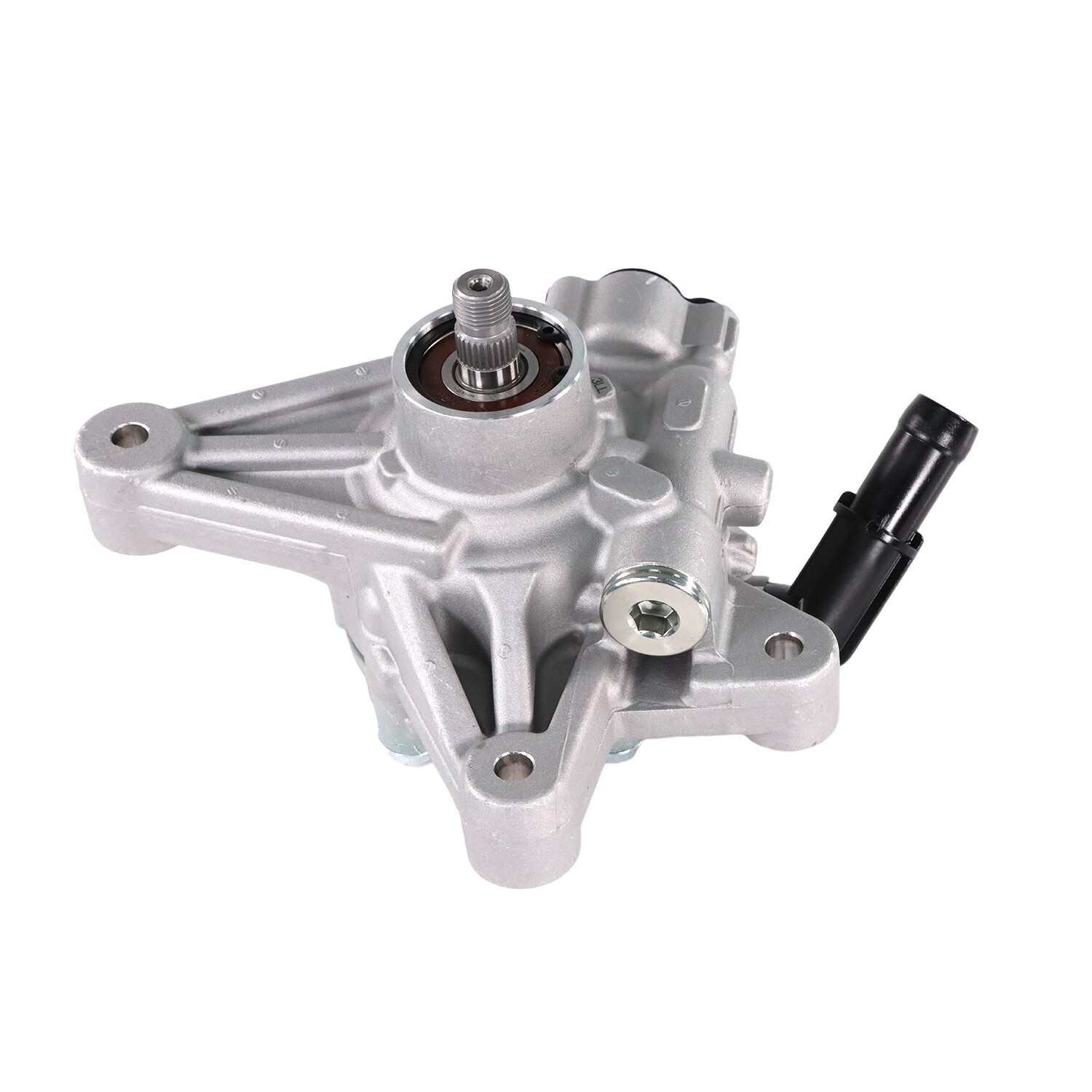

Photos from current listings. Actual item, color, and included accessories may vary.
2011 Honda Pilot Power Steering Pump Buying Guide
The 2011 Honda Pilot uses a hydraulic power steering pump that is a known wear item, with failure typically appearing as whining, stiff steering, or fluid leaks. The primary trade-off is between remanufactured OEM pumps (correct fitment, variable quality) and new aftermarket pumps (lower cost, but wide variance in seal and bearing quality). Buy only a pump that matches the Honda 21-534 / 96-665 interchange and includes the correct pulley and reservoir configuration for the 3.5L V6.


At a glance
- Category
- Suspension, Steering & Brake Parts
- Data updated
- Nov 15, 2026
Current offers
Highlights
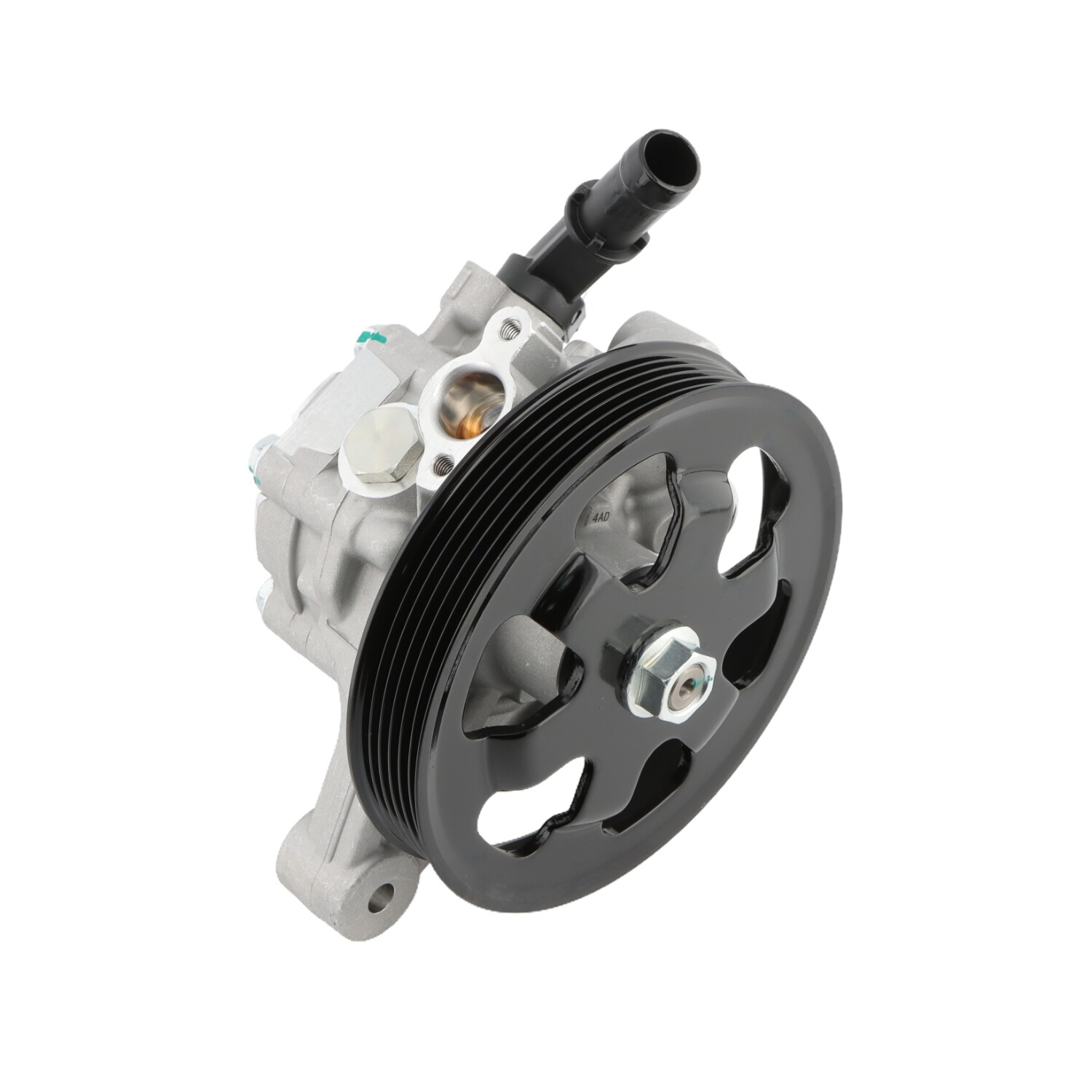
- 2011 Pilot (second-generation, 2009-2015) uses a vane-type hydraulic pump driven by a serpentine belt; the same pump family serves 2011-2017 Odyssey and 2012-2015 Pilot.
- Interchange numbers 21-534 and 96-665 identify the correct pump assembly; mismatched units often have different reservoir port angles or pulley offsets.
- Remanufactured pumps reuse the OEM housing and typically replace seals and bearings; new aftermarket pumps use new castings but vary widely in seal grade and bearing brand.
- Pump failure usually stems from contaminated fluid or a failing O-ring at the inlet; replacing the pump without flushing the system risks repeat failure.
Best use cases
- Best fit: daily-driven 2011 Pilot with a whining pump and no steering rack leaks — choose a remanufactured OEM pump with a new reservoir O-ring and flush the system.
- Wrong fit: steering that is stiff only at idle but fine at speed — that points to a failing pump relief valve or low fluid, not necessarily a failed pump; diagnose before buying.
- Best fit: high-mileage Pilot used for towing — choose a new aftermarket pump from a brand that specifies bearing and seal grades rather than the cheapest reman.
- Skip: pumps listed only by year without the 21-534/96-665 interchange — fitment risk is high because Odyssey and Pilot variants differ in reservoir and pulley.
Buying tips
- Match the interchange number exactly: 21-534 and 96-665 cover 2011-2017 Odyssey, 2012-2015 Pilot, and related Ridgeline applications; confirm your VIN or old pump casting number.
- Prefer pumps that include a new reservoir, cap, and pulley; reusing a contaminated reservoir reintroduces debris that destroys the new pump's seals.
- Remanufactured pumps from established rebuilders with a warranty outperform no-name new pumps; ask for seal material (HNBR or Viton) and bearing brand.
- Budget for a system flush and new O-rings: pump replacement without flushing contaminated fluid is the leading cause of repeat failure.
Specs
| Pump Type | Hydraulic vane, belt-driven |
|---|---|
| Interchange | 21-534 / 96-665 |
| Fitment Years | Pilot 2012-2015; Odyssey 2011-2017 |
| Condition | Remanufactured OEM vs new aftermarket |
Related searches
What to check before buying
- Confirm your Pilot is the 2009-2015 second generation with the 3.5L V6 and hydraulic (not electric) steering.
- Check the old pump's casting or stamped interchange number against 21-534 / 96-665 before ordering.
- Inspect the serpentine belt and tensioner; a worn belt can mimic pump whine and should be replaced with the pump.
- Verify the new pump's reservoir outlet angle and pulley offset match your original to avoid hose routing problems.
FAQ
Data sources: eBay / Amazon listings and product attribute feeds Data updated Nov 15, 2026.
Some links on this page are affiliate links. If you buy after clicking one, we may earn a commission at no extra cost to you. This does not change which products appear here or their order. Affiliate disclosure.