Photos from current listings. Actual item, color, and included accessories may vary.
Power Converter Buying Guide
A car power converter (inverter) turns 12V DC from a vehicle or auxiliary battery into household AC for laptops, tools, and appliances. The decisive trade-off is waveform quality and continuous wattage: pure sine wave safely runs motors and electronics, while modified sine wave is cheaper but can overheat or buzz sensitive loads. Choose by continuous rating and sine type, not by peak wattage claims on the box.

At a glance
- Category
- Car Power
- Data updated
- Nov 15, 2026
Current offers
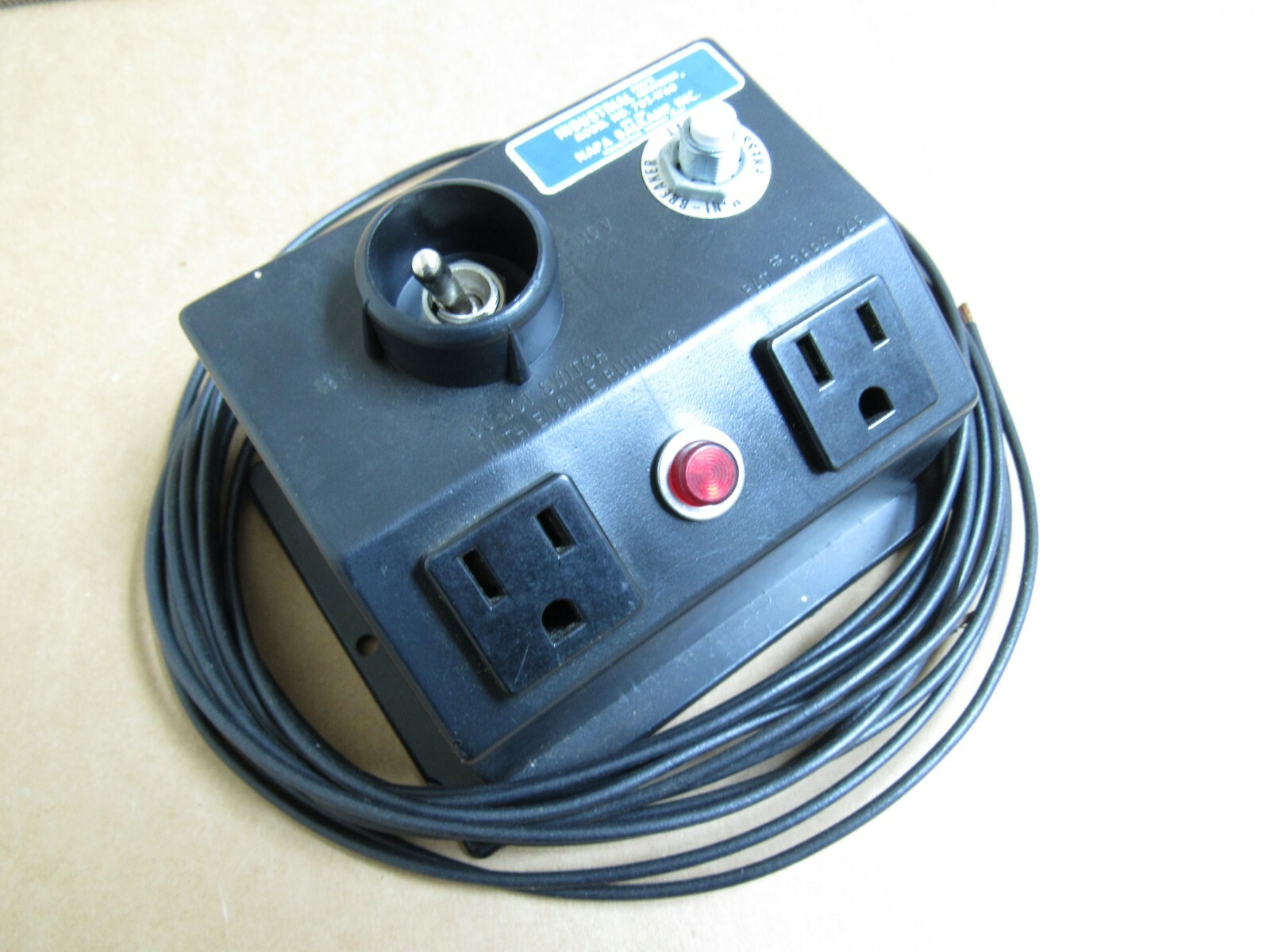 Vtg NAPA Balkamp Power System Industrial Power Converter 782-1760 12V to 110V DC$20.40
 View on eBay
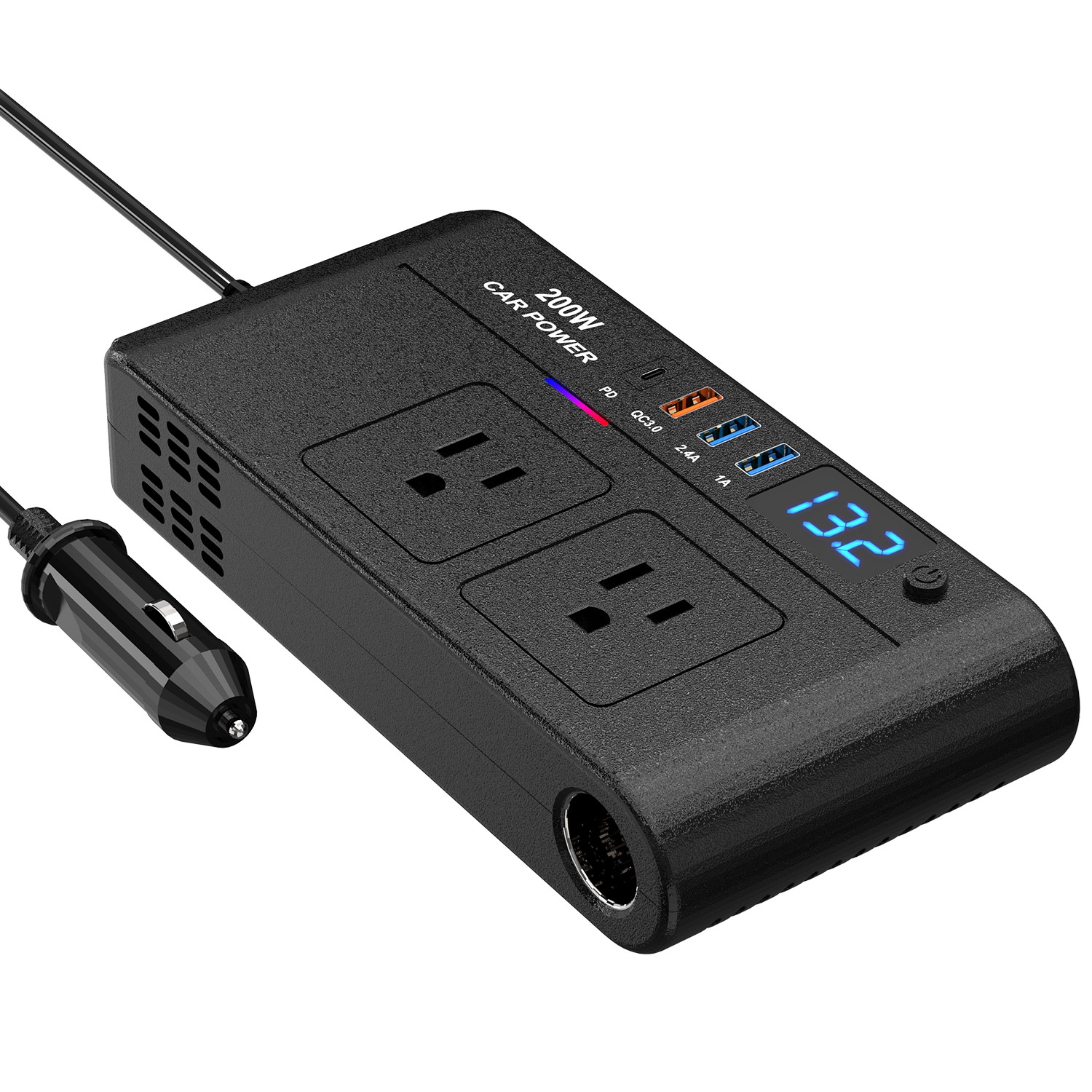 1Pc 200W 12V Car Inverter DC12V To AC110V Vehicle Power Converter With 2 110V AC Outlets 1 TypeC 3 USB Port Quick Charge$44.99
 View on Mallflare
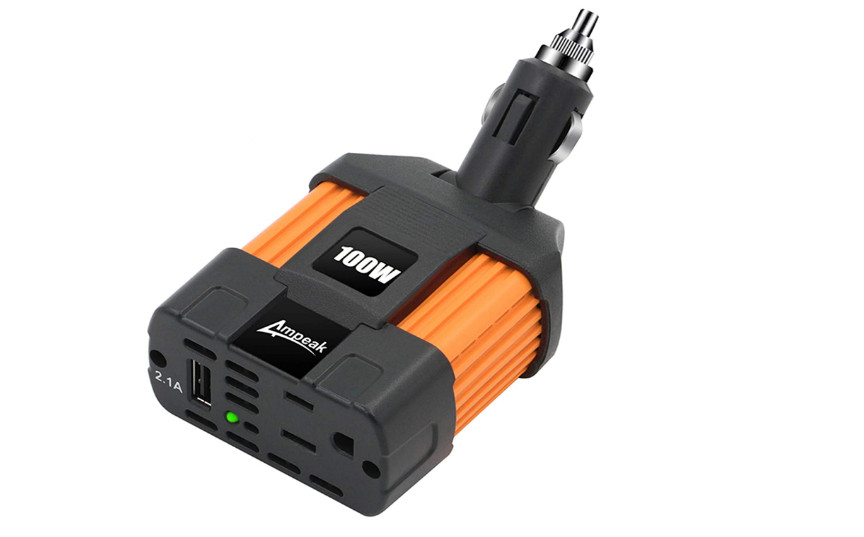 Car Inverter Power Converter Plug Adapter 12V To 110V Outlet Cigarette Lighter$24.88View on eBay
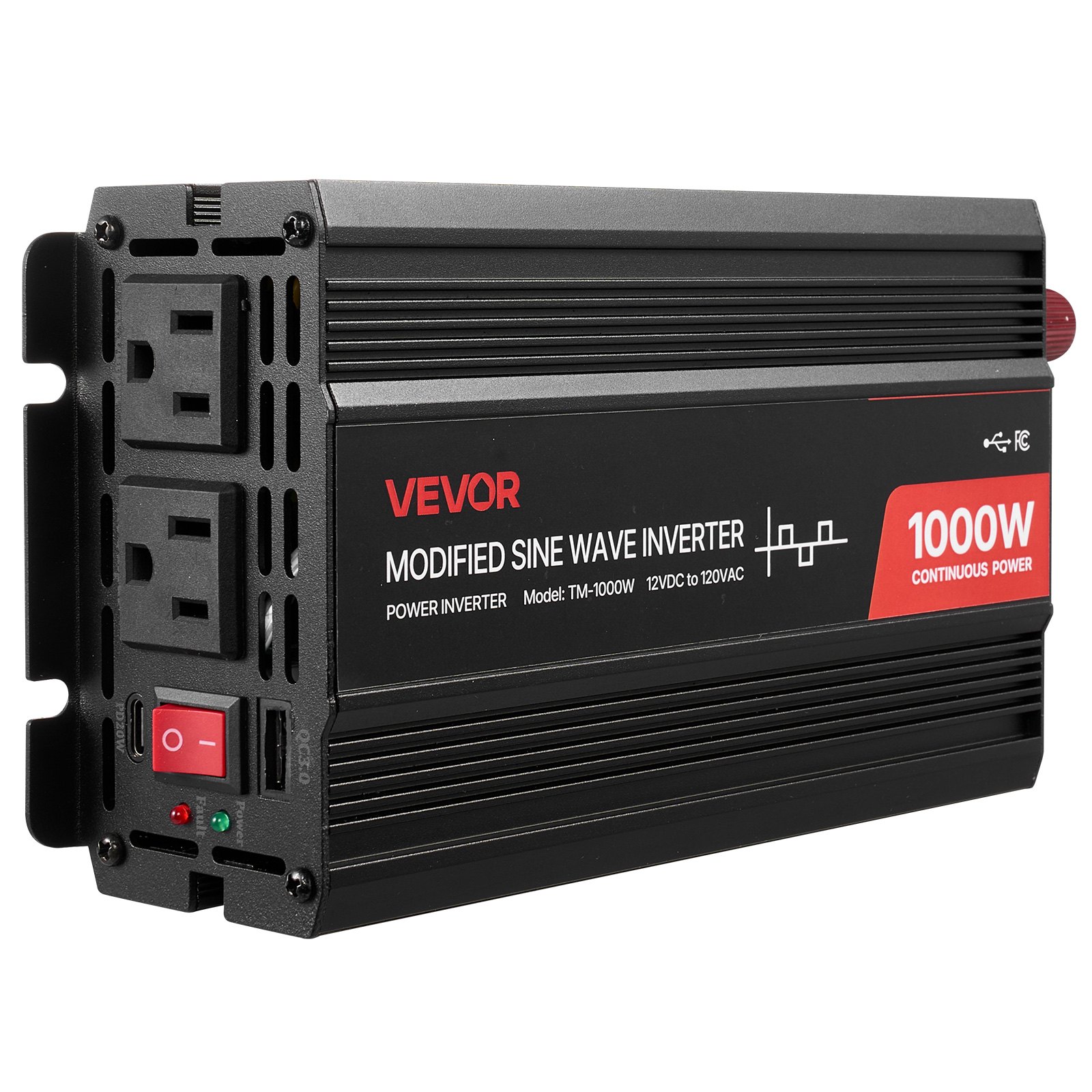 1000W Power Inverter, 12V DC To 120V AC Modified Sine Wave Car Charger Converter With USB & Type-C Port, 2 AC Outlets,$80.99View on Mallflare
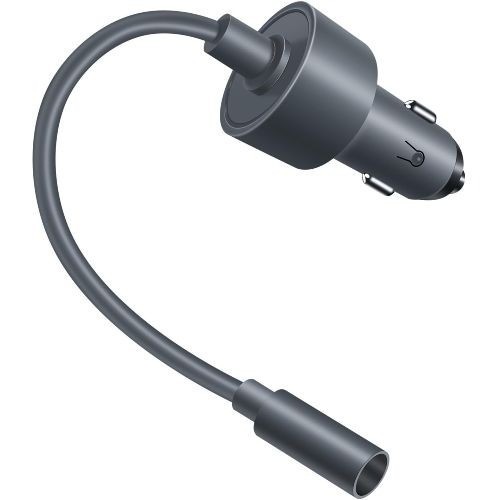 Mini Accessories, Car Cigarette Lighter Adapter to DC Female Power Converter, 12$40.99View on eBay
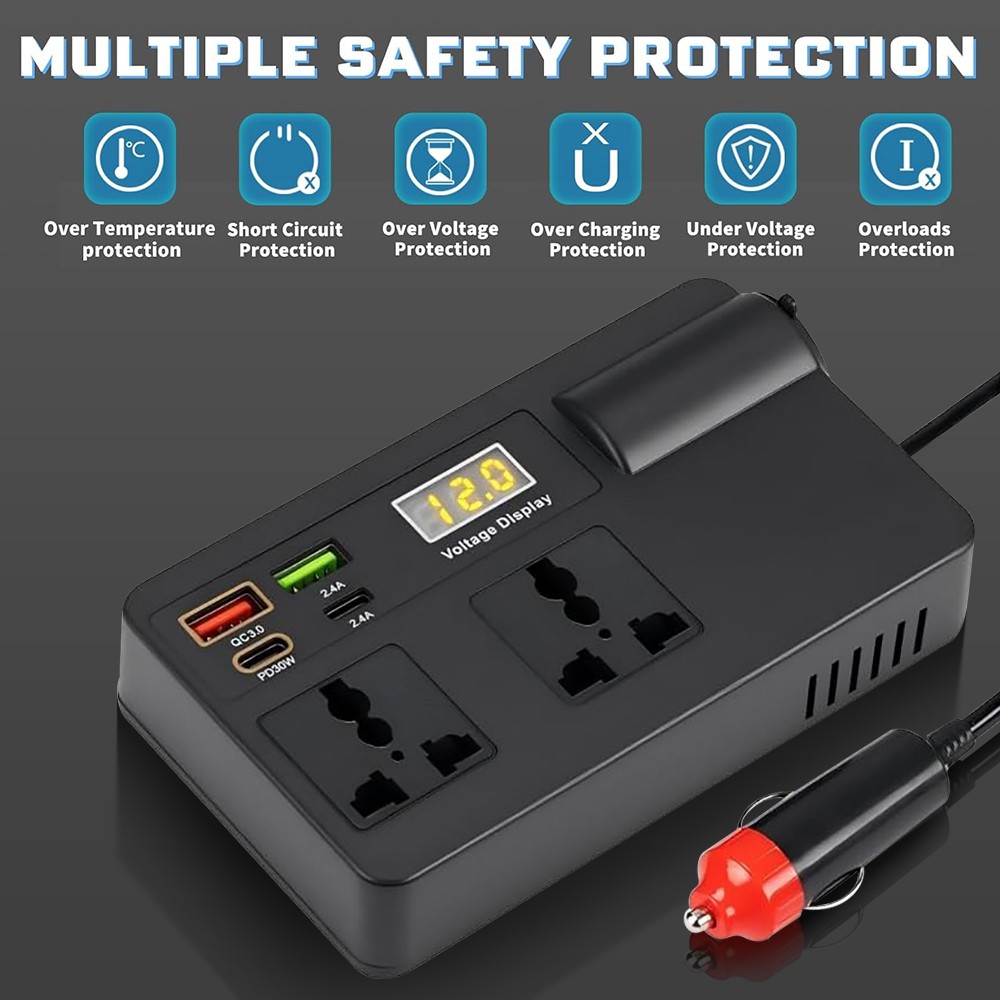 Car Auto 200W Power Inverter DC 12V 24V to AC 110V 240V Converter With 2 USB$15.99View on eBay
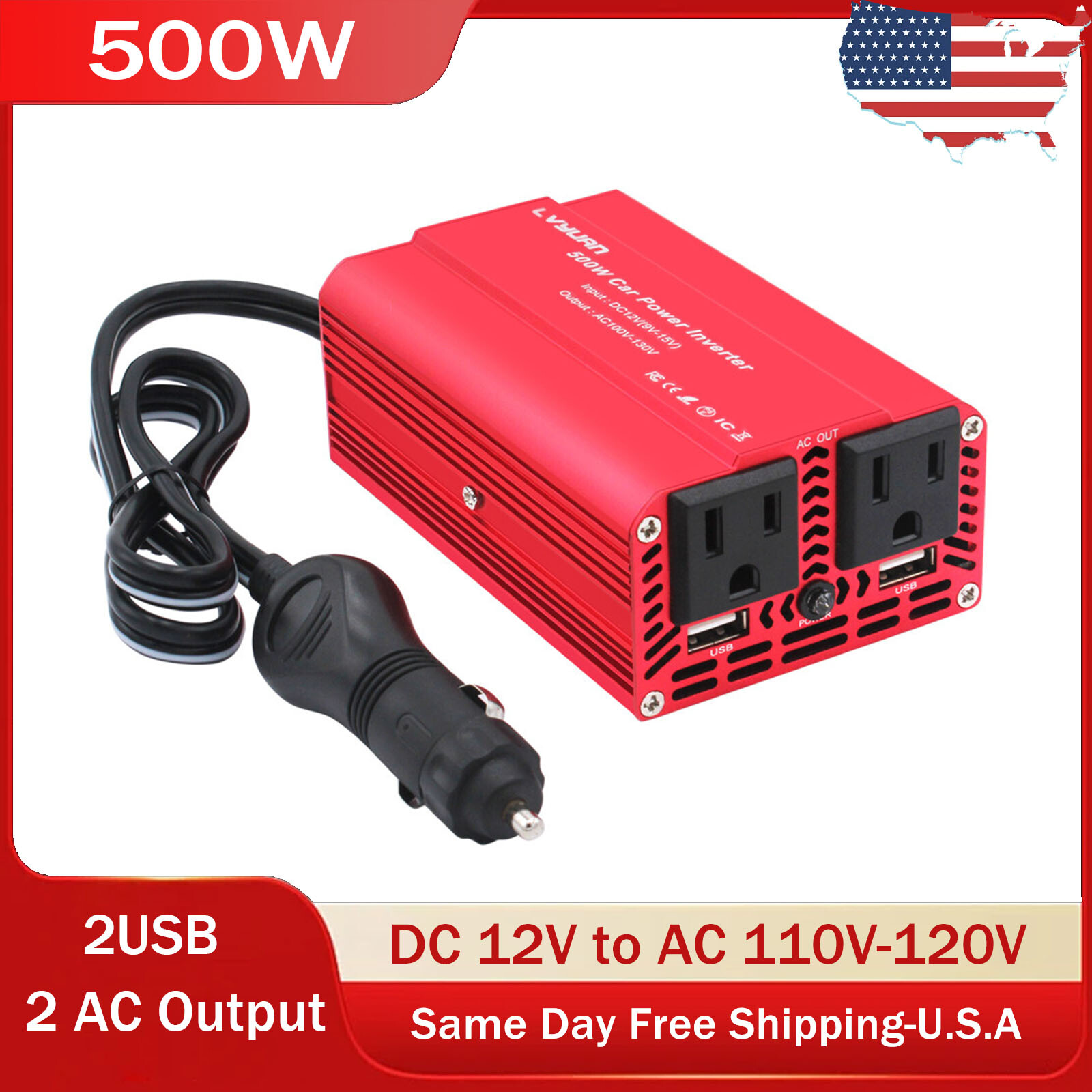 500W Car Power Inverter DC 12V to AC 110V 120V Converter With 2USB 2Sockets Red$24.99View on eBay
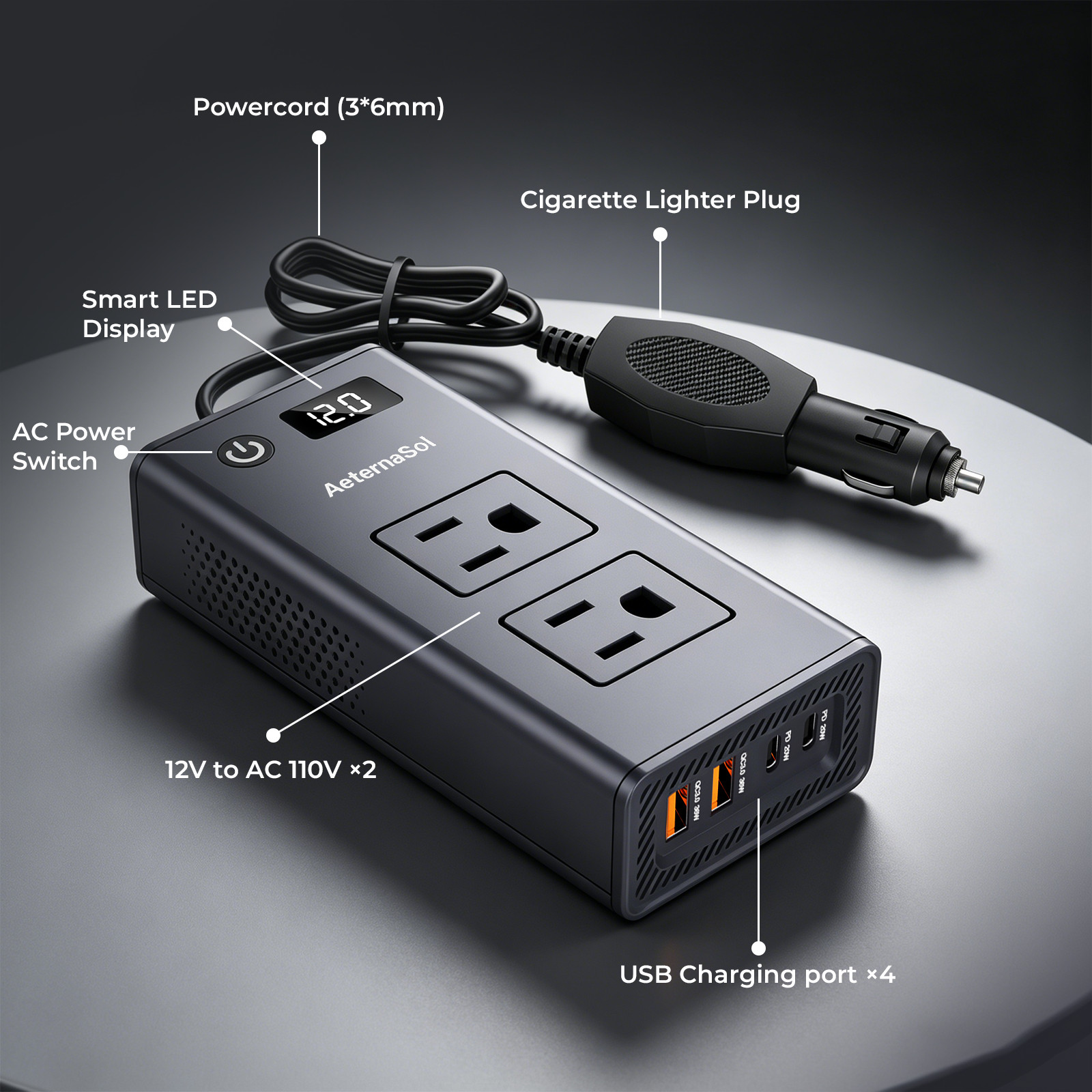 200W Car Power Inverter DC 12V to 110V AC Plug Adapter Outlet Converter USB 36W$25.99View on eBay
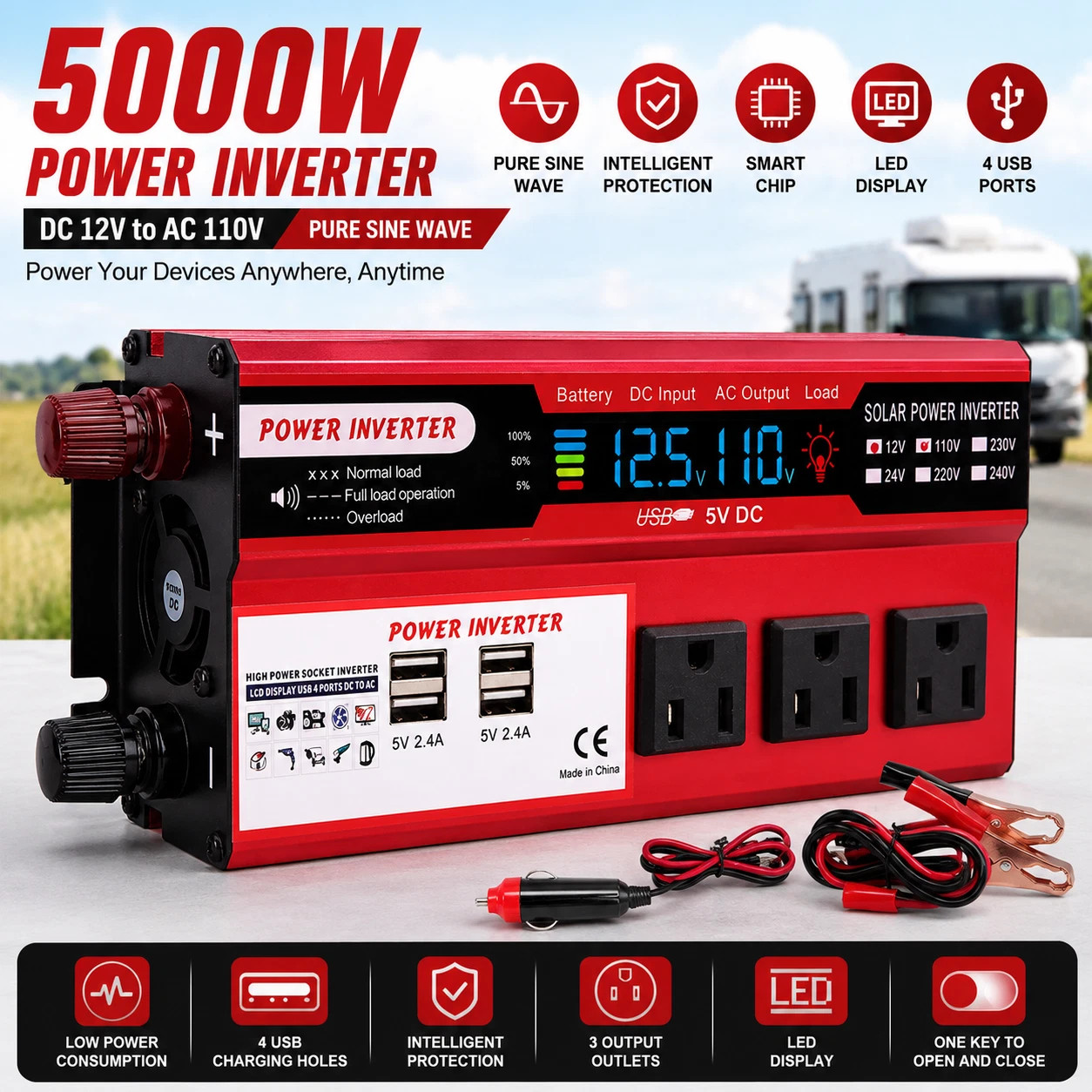 5000W Car Power Inverter DC 12V To AC 110V Pure Sine Wave Solar 4 USB Converter$26.99View on eBay
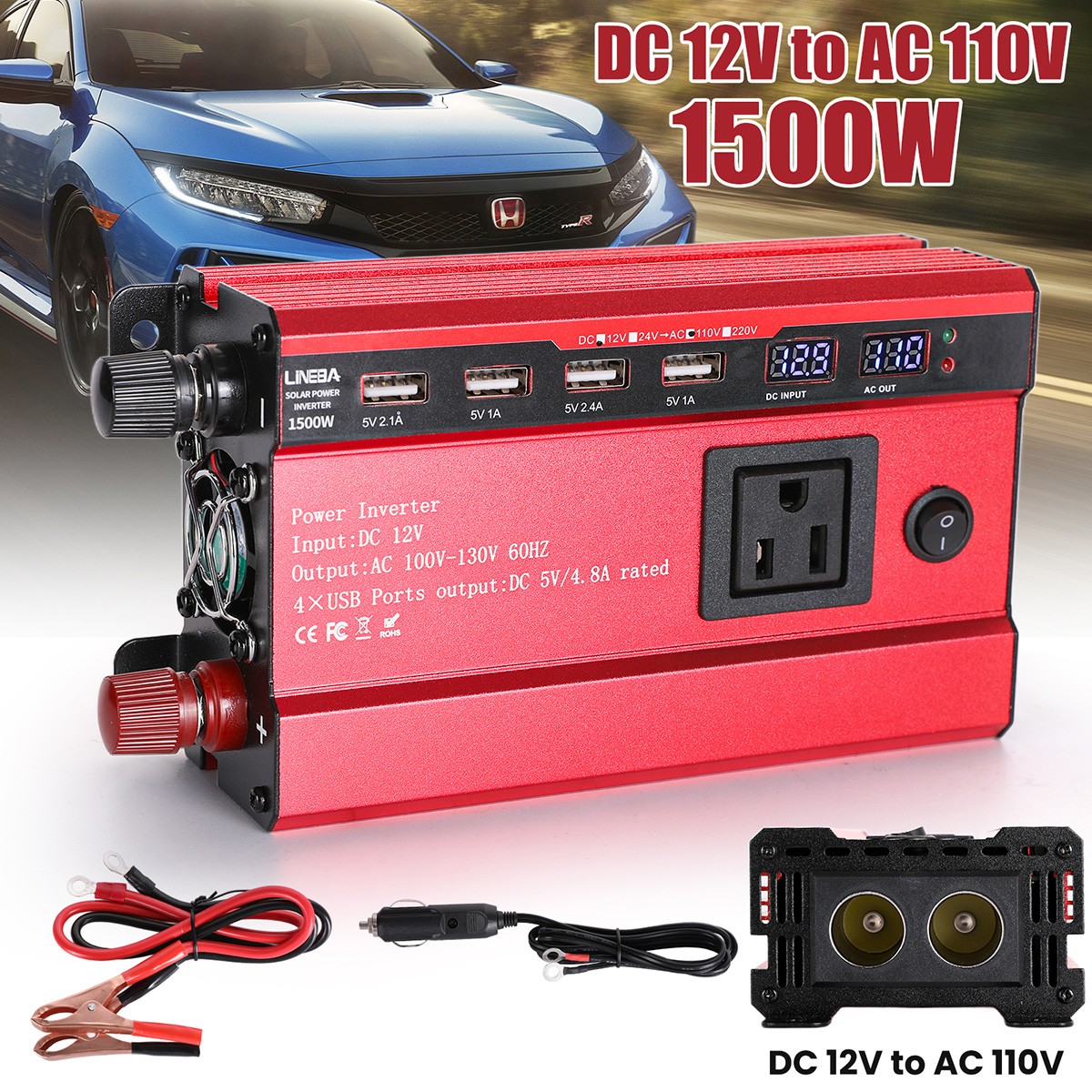 6000W Car Power Inverter 12V/24V to AC 110V Pure Sine Wave Solar Converter LCD$27.99View on eBay
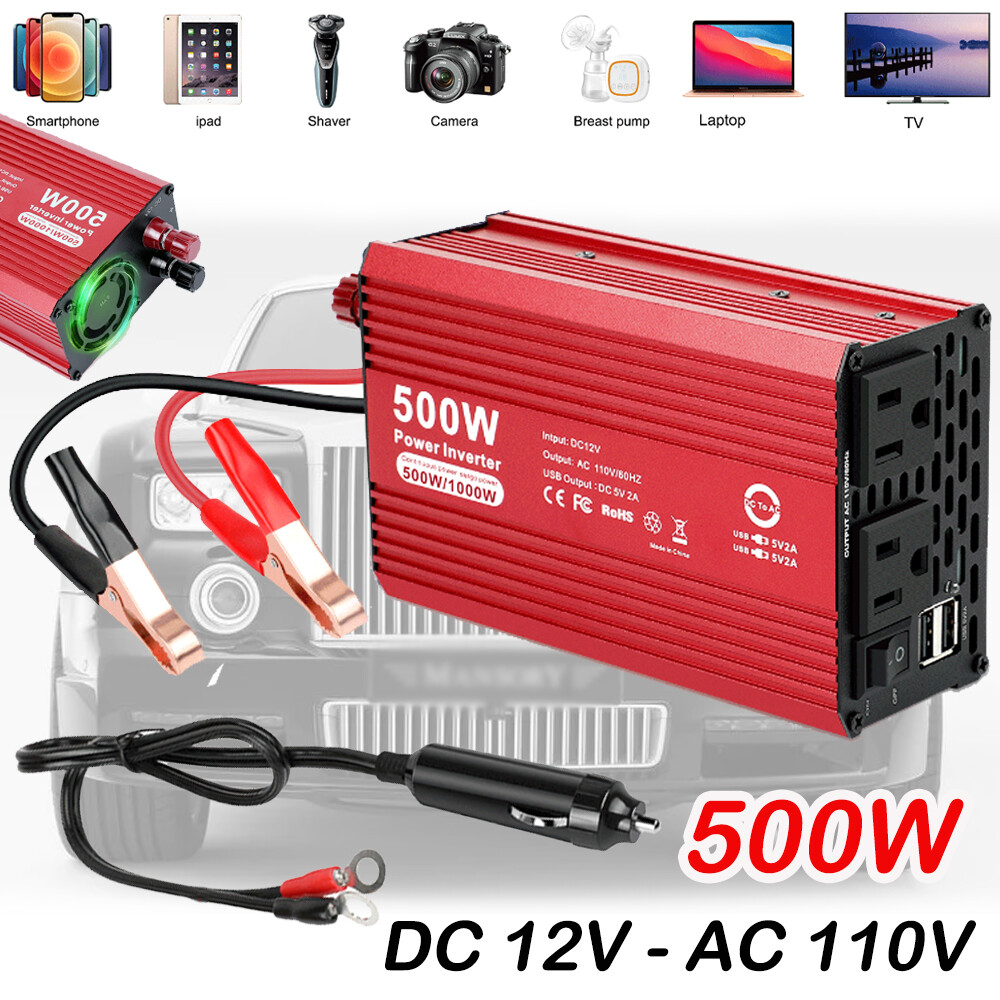 500W Car Power Inverter DC 12V To AC 110V 120V Adapter Converter 2 USB 2 AC$28.59View on eBay
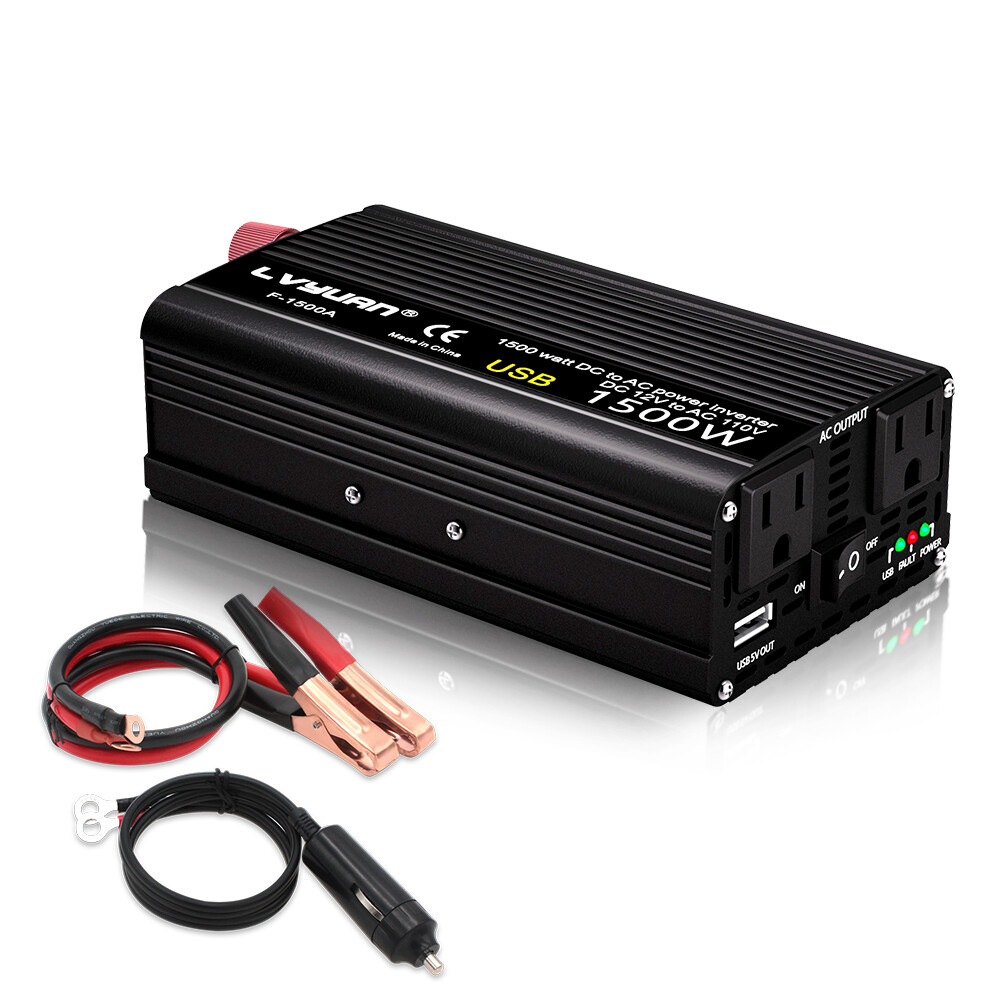 1500W Power Inverter 12V DC to 110V AC Converter Dual Outlets Car Charger Port$29.69View on eBay
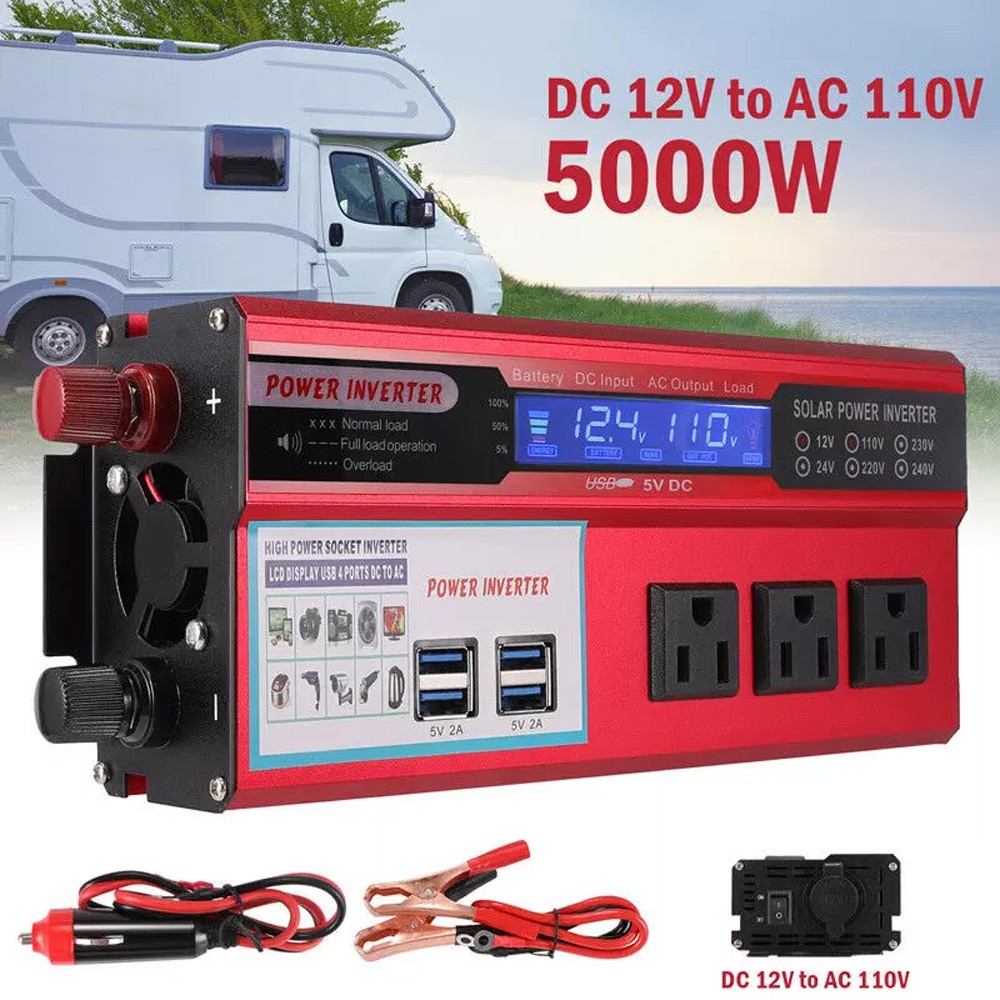 Car Power Inverter DC 12V To AC 110V modified Sine Wave Solar Converter 4 USB$29.99View on eBay
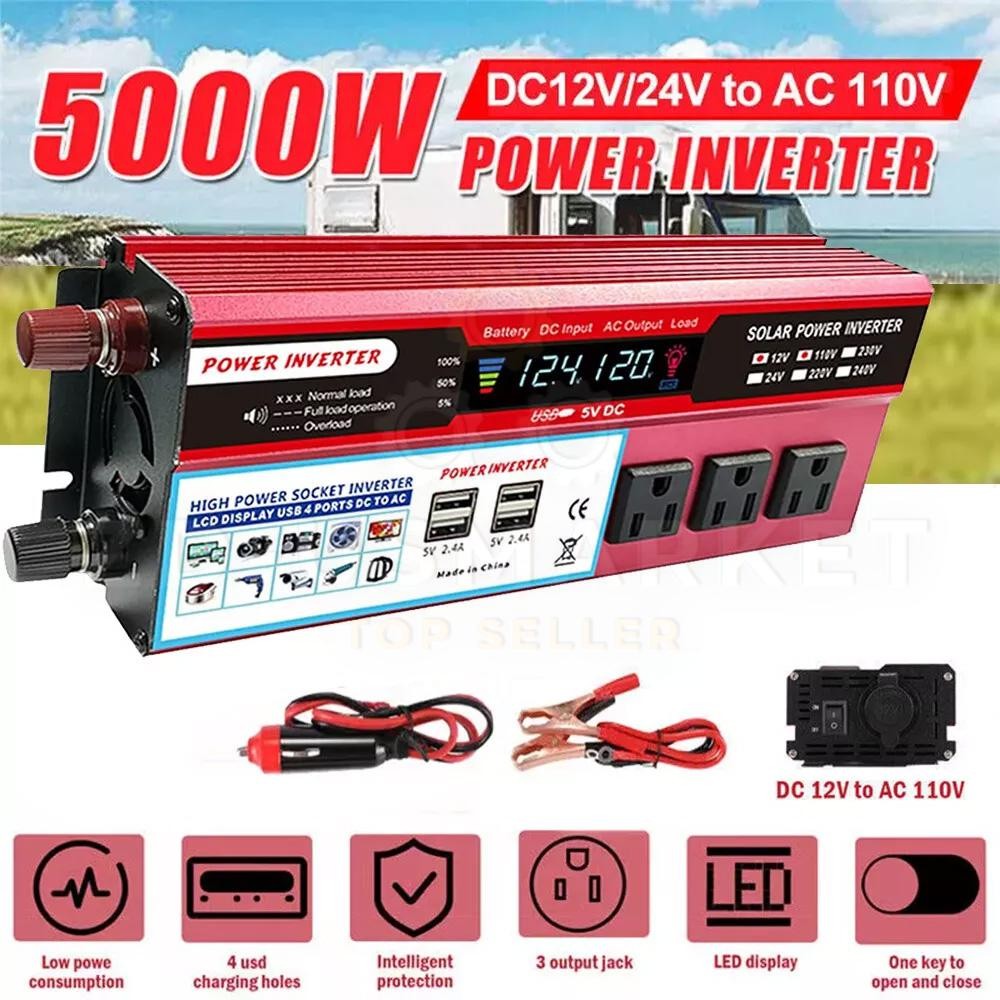 5000W Car Power Inverter DC 12V To AC 110V modified Sine Wave Solar Converter$29.99View on eBay
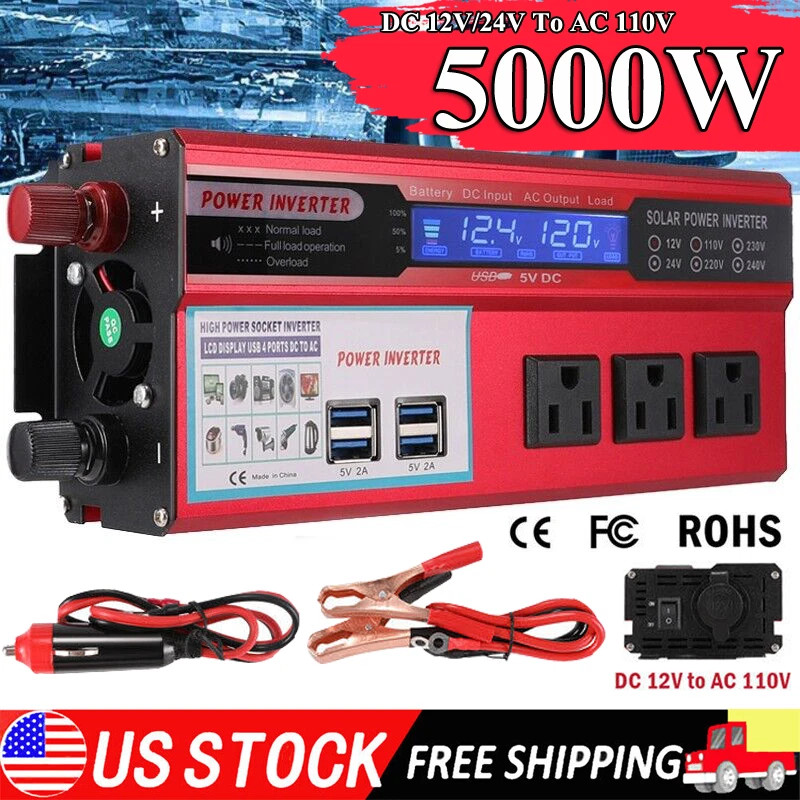 Pure Sine Wave Solar Converter 5000W Car Power Inverter DC 12V To AC 110V 4 USB$31.31View on eBay
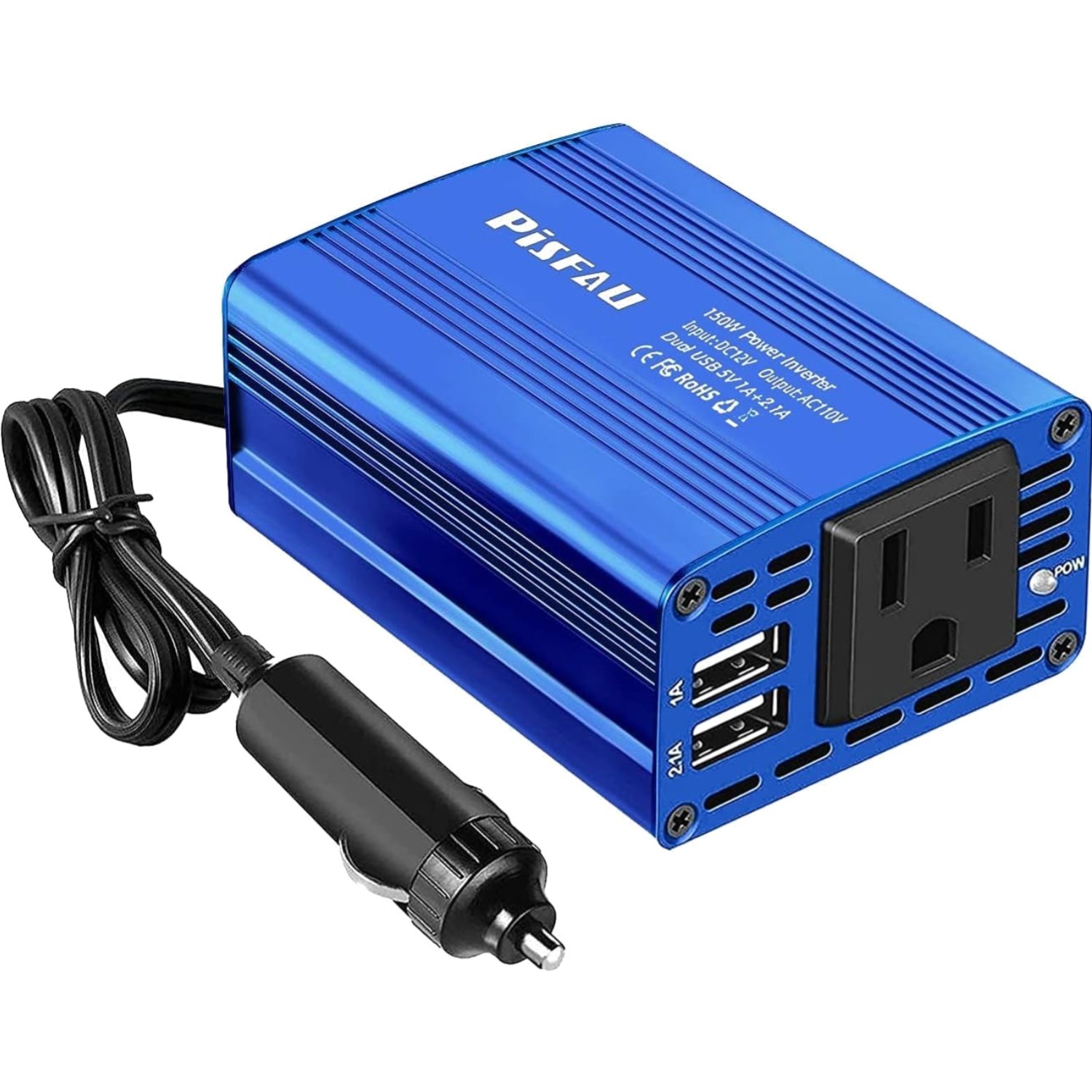 150W Car Power Inverter for Vehicles Dual USB AC Converter Travel Accessories$31.48View on eBay
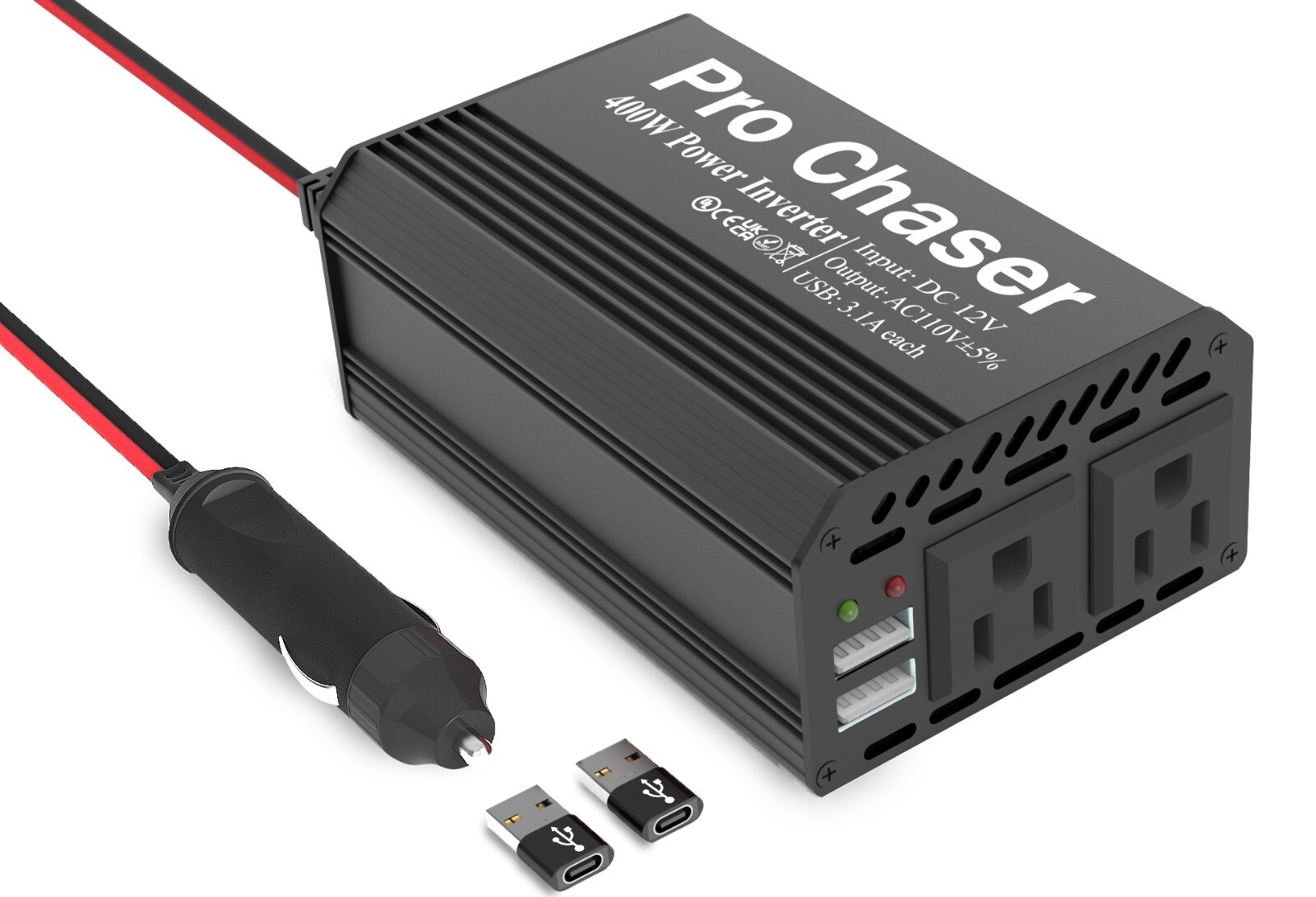 400W Power Inverters for Vehicles DC 12v to 110v AC Car Converter w/ USB-C$32.98View on eBay
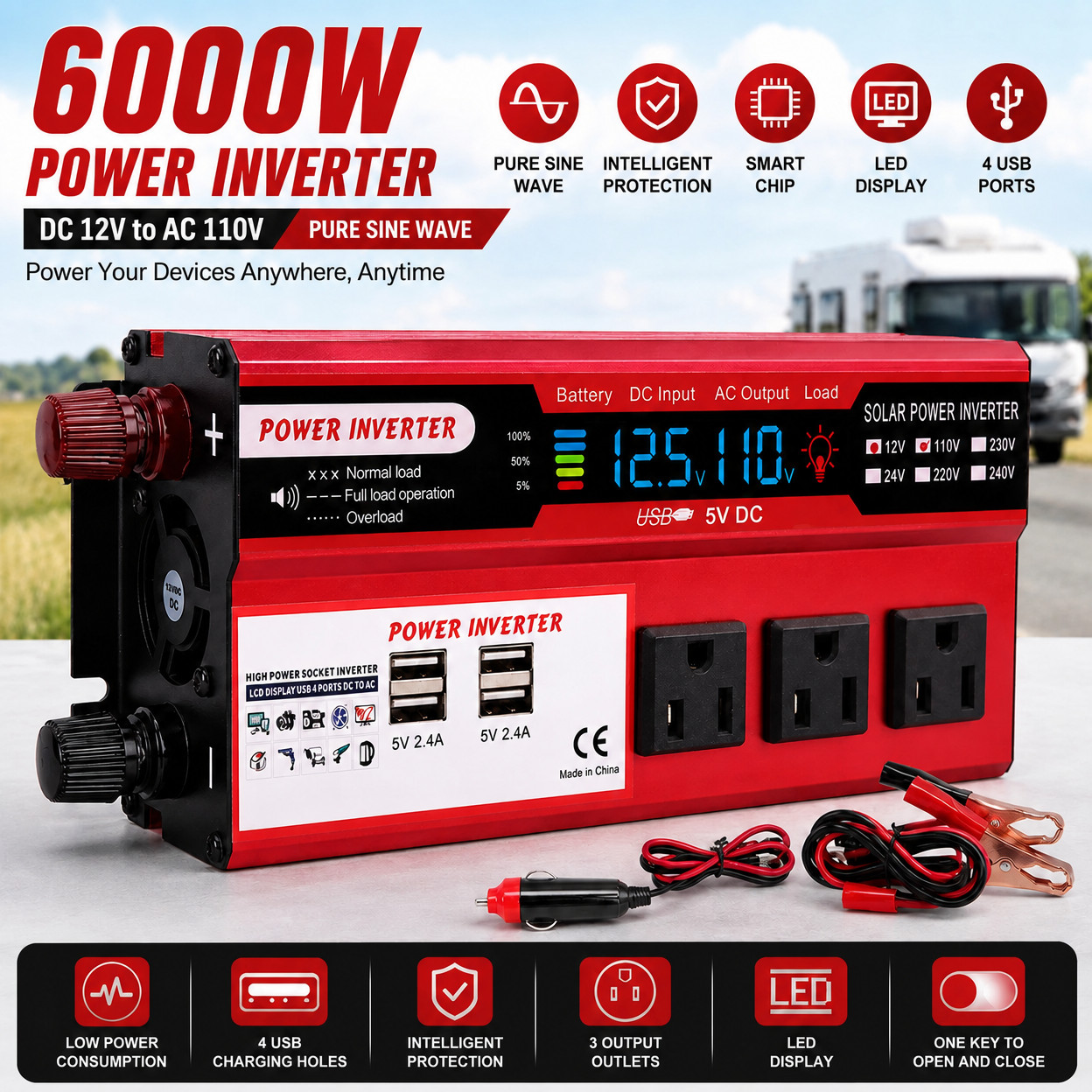 6000W Car Power Inverter DC 12V To AC 110V Pure Sine Wave Solar Converter 4 USB$34.34View on eBay
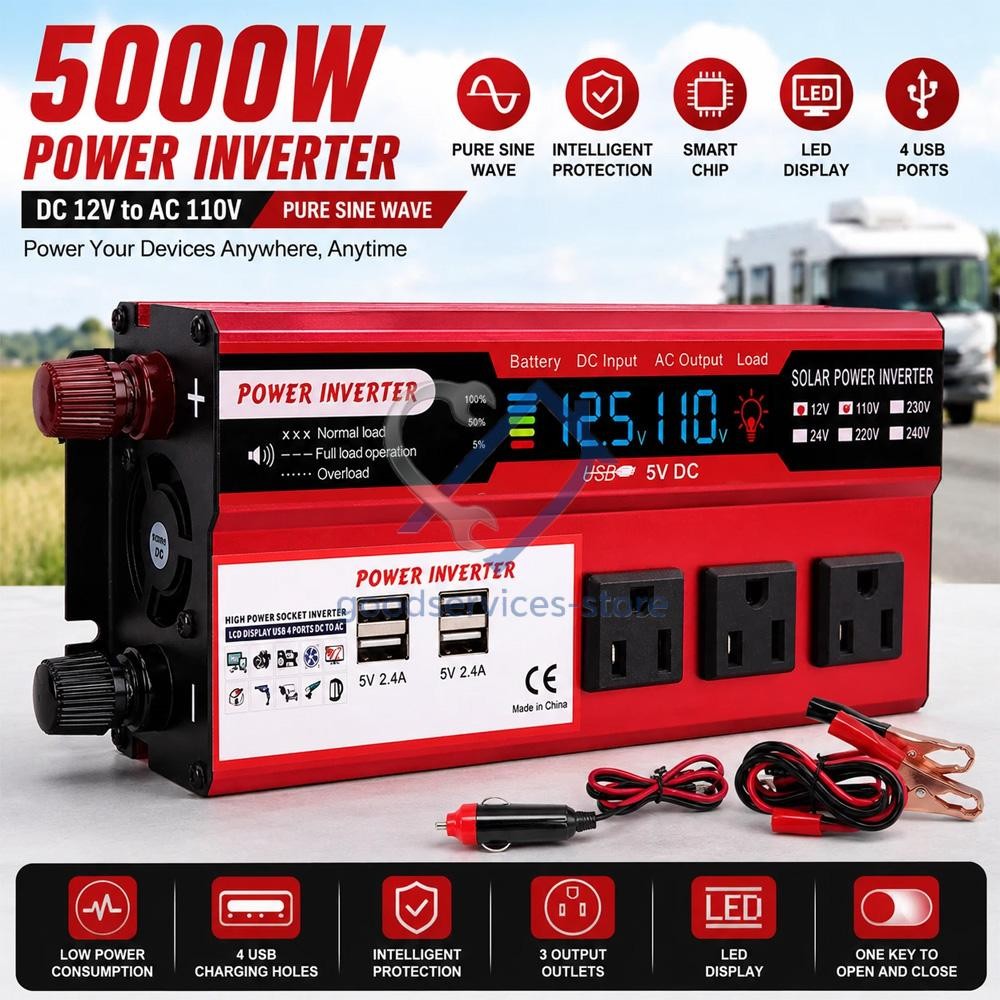 Car Power Inverter 5000W DC 12V To AC 110V Pure Sine Wave Solar Converter 4 USB$36.99View on eBay
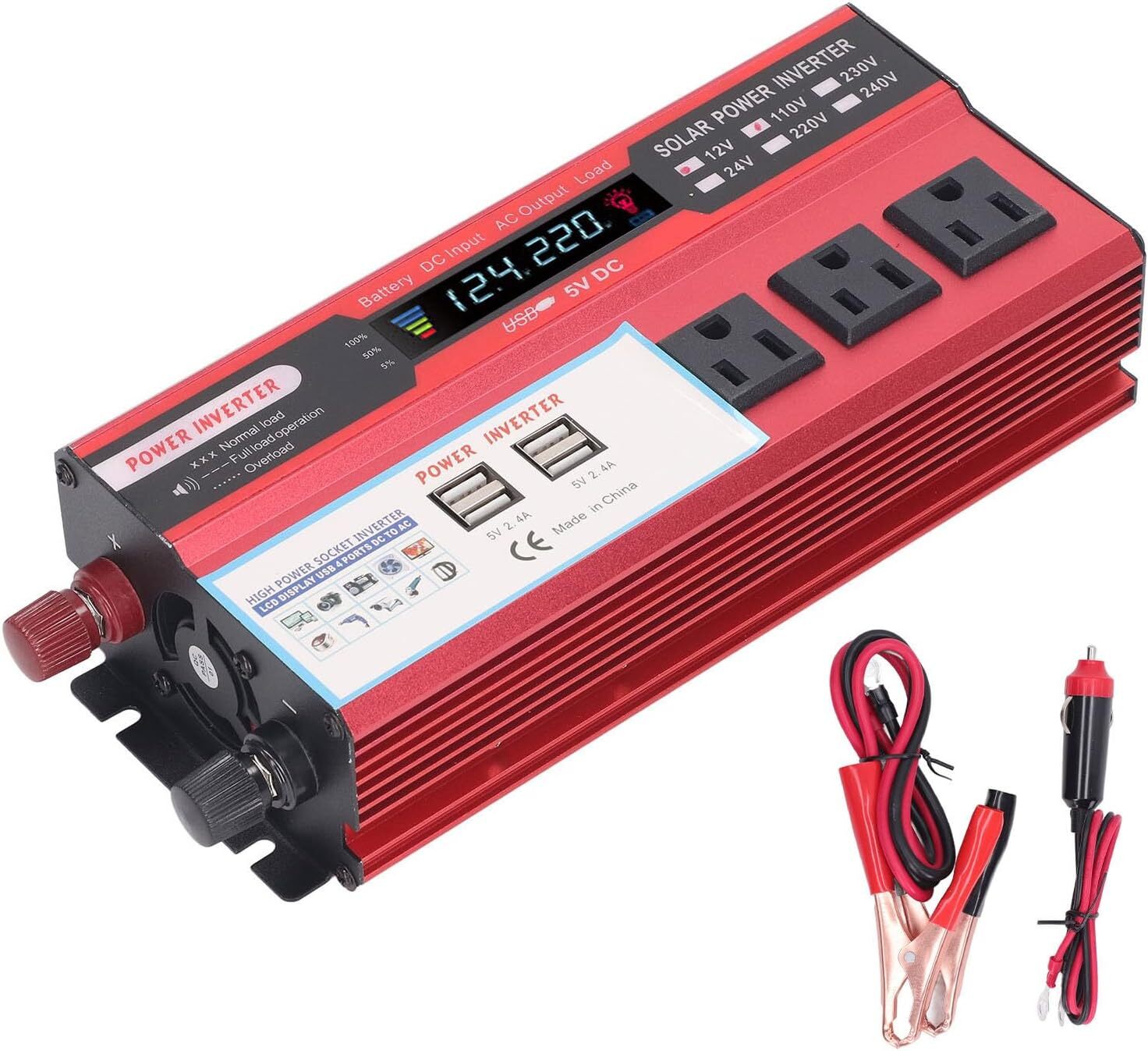 5000W Car Power Inverter DC 12V To AC 110V Pure Sine Wave Solar Converter LCD$37.99View on eBay
Highlights
- Pure sine wave output (THD under 3%) runs compressors, motors, and audio gear safely; modified sine wave can overheat chargers and cause motor hum.
- Continuous wattage is roughly half the advertised peak: a 1000W unit typically delivers 500W continuous, so size to continuous load plus 20% headroom.
- Cigarette-lighter sockets are usually fused at 15A (about 180W); anything above 200W should use direct battery clamps or a hardwired feed.
- Aluminum alloy housings with cooling fans handle sustained loads; sealed plastic shells suit intermittent low-watt charging only.
Best use cases
- Laptop and phone charging on road trips: pick a 200-300W pure sine unit with USB-C PD and two AC outlets; skip 1000W+ modified units that waste idle current.
- Powering a CPAP or mini-fridge overnight: choose 500-1000W pure sine with low idle draw and battery clamps; modified sine can stall compressors and damage CPAP motors.
- Running drills or a blender at a job site: select 1500-2000W pure sine wired directly to the battery; cigarette-lighter plug models will blow their 15A fuse instantly.
- Small electronics only (lights, router, camera batteries): a 150-200W modified sine cup inverter is adequate; do not pay for pure sine if no motors or audio are involved.
Buying tips
- Match continuous wattage, not peak: add device running watts, multiply by 1.2, and buy the next standard tier (300W, 500W, 1000W, 2000W).
- For any motor, compressor, or audio device, require pure sine wave with THD under 5%; modified sine is acceptable only for resistive loads like lamps and simple chargers.
- Above 200W, confirm the kit includes battery clamps or ring terminals; a cigarette-lighter plug is limited to roughly 150-180W by its 15A fuse.
- Check input range: 12V-only units are standard for cars; 24V-input models suit trucks and solar banks and will not run on a 12V socket.
Specs
| Waveform | Pure sine vs modified sine |
|---|---|
| Continuous Power | 150W to 2000W typical |
| Input Voltage | 12V DC (24V for trucks) |
| Connection Type | Lighter plug vs battery clamps |
Related searches
What to check before buying
- Measure your largest load's continuous watts and surge watts (motors surge 2-3x) before selecting a wattage tier.
- Confirm your vehicle socket fuse rating (typically 15A) and whether you need direct battery clamps for loads above 180W.
- Verify output voltage and plug type: North American 110-120V NEMA 5-15 vs 220-240V export markets.
- Plan ventilation: inverters need 2-3 inches of clearance around fans and should not sit in sealed consoles or direct sun.
FAQ
Data sources: eBay / Amazon listings and product attribute feeds Data updated Nov 15, 2026.
Some links on this page are affiliate links. If you buy after clicking one, we may earn a commission at no extra cost to you. This does not change which products appear here or their order. Affiliate disclosure.