Photos from current listings. Actual item, color, and included accessories may vary.
12v Battery Charger Buying Guide
A 12V battery charger spans two distinct devices: an AC-powered charger/maintainer that restores and conditions a battery, and a DC jump starter that delivers a one-time burst to crank an engine. The core trade-off is charging intelligence (multi-stage algorithms, chemistry support, amperage headroom) versus cranking energy (peak amps, capacity, cable gauge). Durable options specify chemistry support, charge stages, and peak amps at usable temperatures; compromises omit these and rely on inflated peak numbers.

At a glance
- Category
- Car Power
- Data updated
- Nov 15, 2026
Current offers
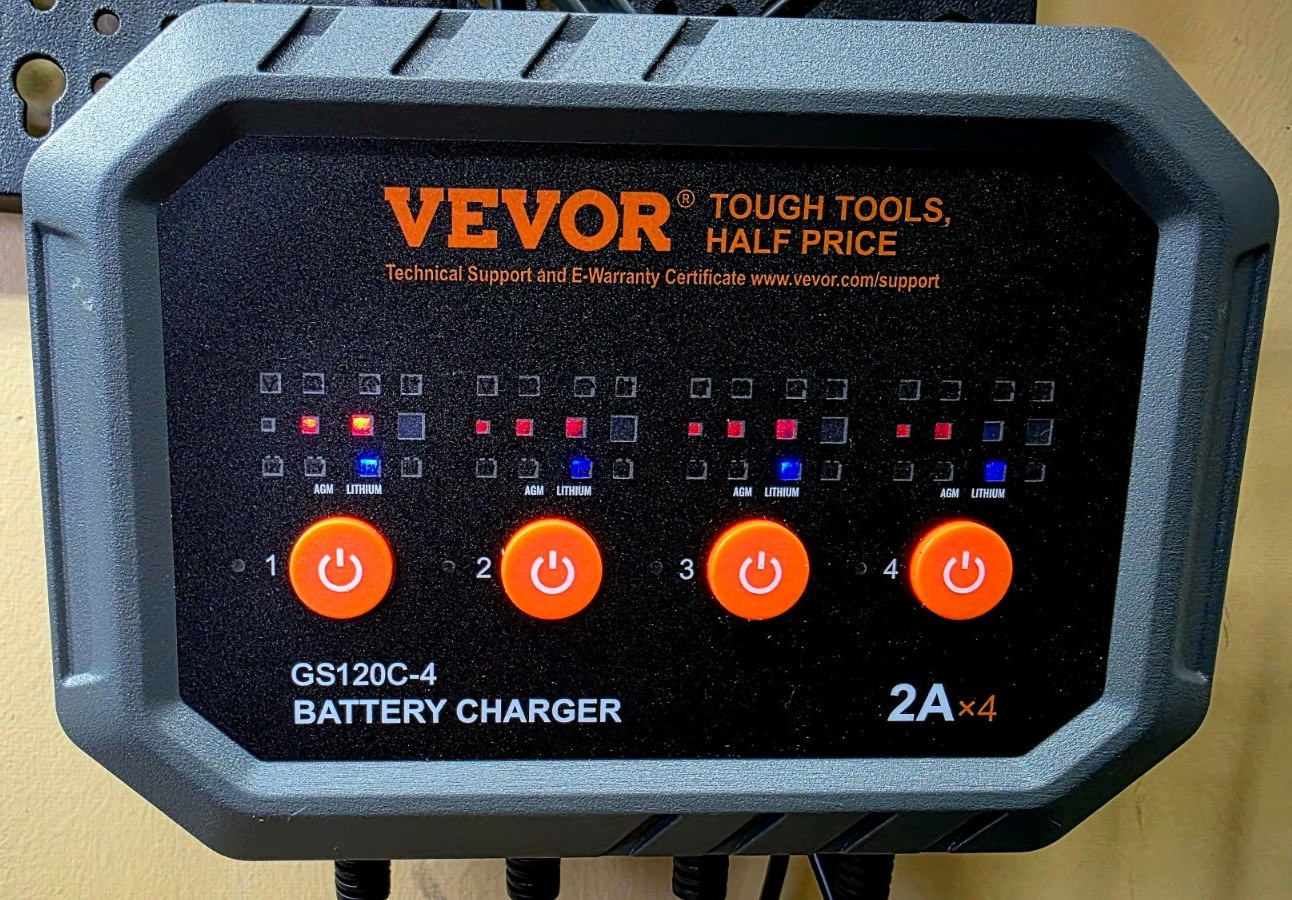 4-Bank Battery Charger Maintainer 8A 12V Automatic Trickle Repair LiFePO4 Marine$69.32
 View on eBay
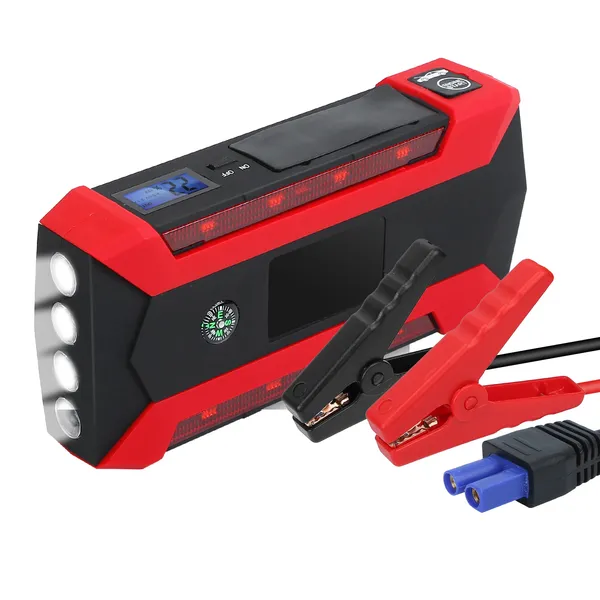 Car Jump Starter Booster 1000A Peak 20000mAh 12V Battery Charger (Up To 6.0L Gas Or 3.0L Diesel Engine)$74.99
 View on Mallflare
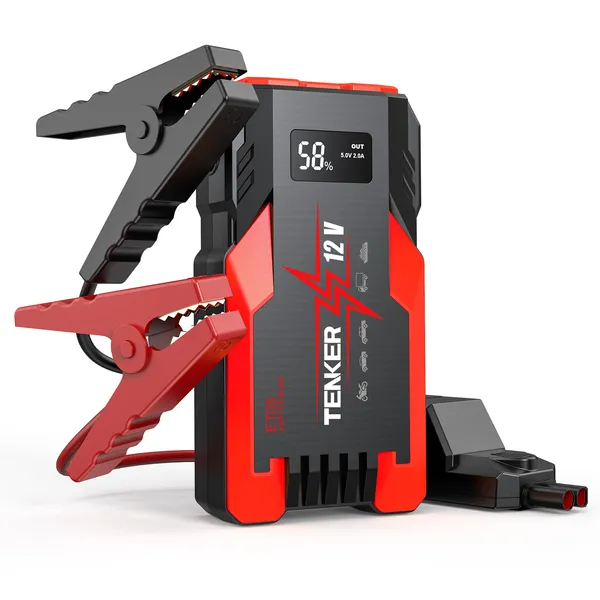 4000 AMP PEAK Car Jump Starter Jumper Box 51.8WH Power Bank 12V Battery Charger 7.2L Gas Engine 5.5L Diesel LCD Display$75.99View on Mallflare
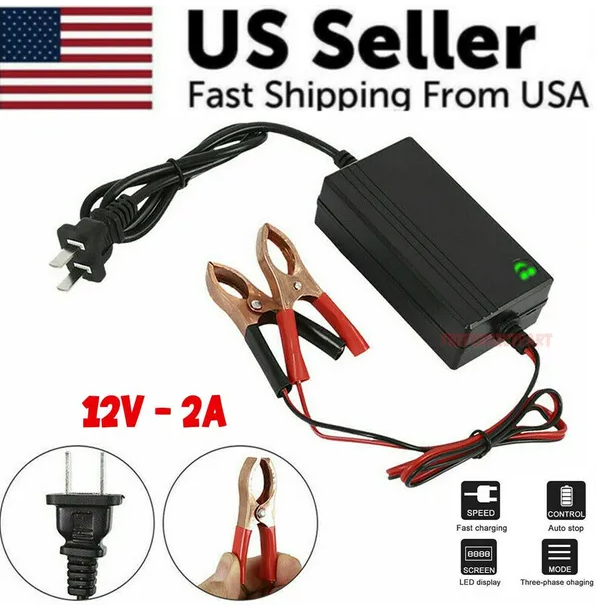 Portable 12V Auto Car Battery Charger Truck Trickle Maintainer Boat Motorcycle$20.99View on Mallflare
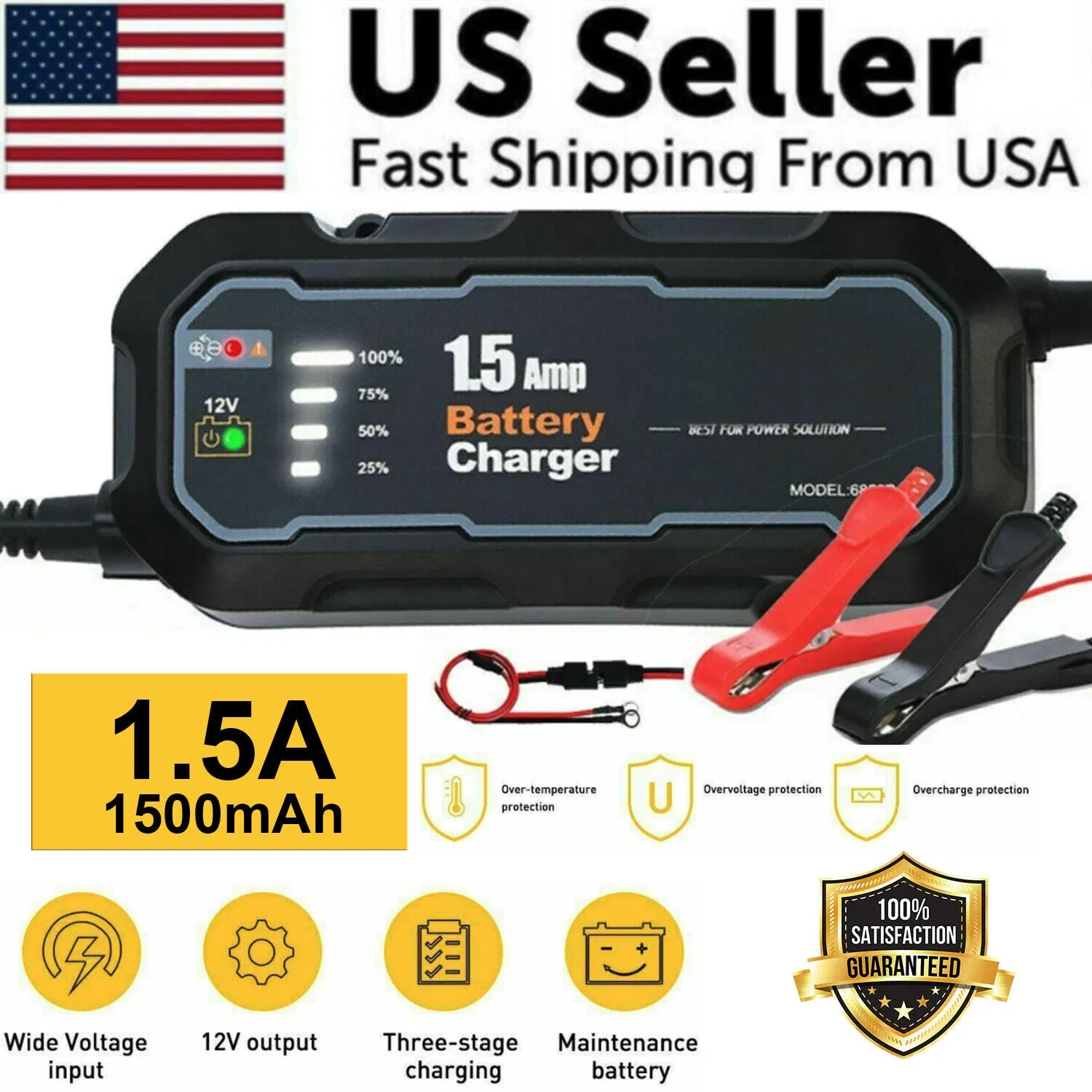 1500mAh Automatic Smart Battery Charger 12V Portable Car Auto Trickle Maintainer$35.99View on Mallflare
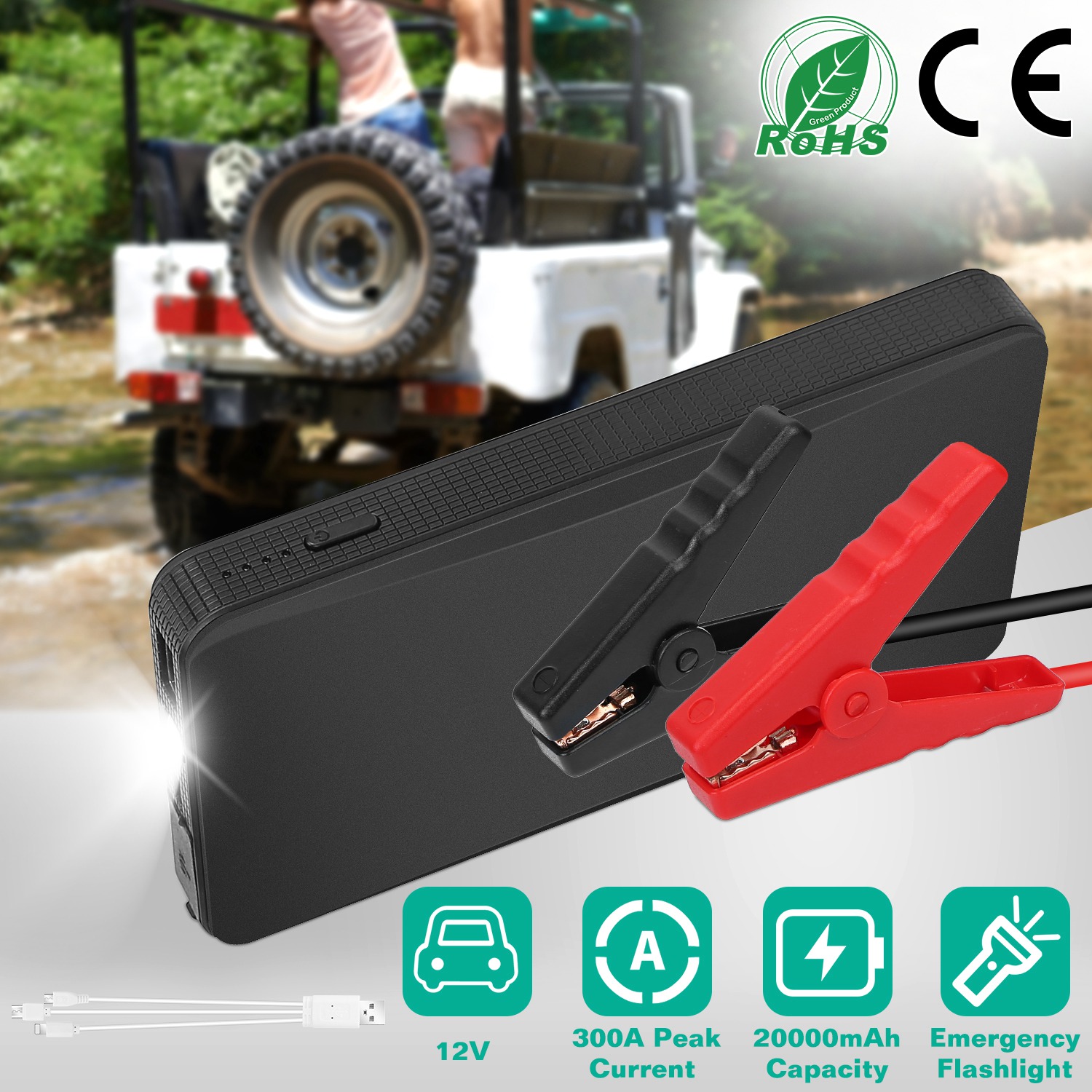 12V Car Jumper Starter 400A Peak 20000mAh Battery Charger Power Bank Portable Booster With 3 Flashlight Modes$39.99View on Mallflare
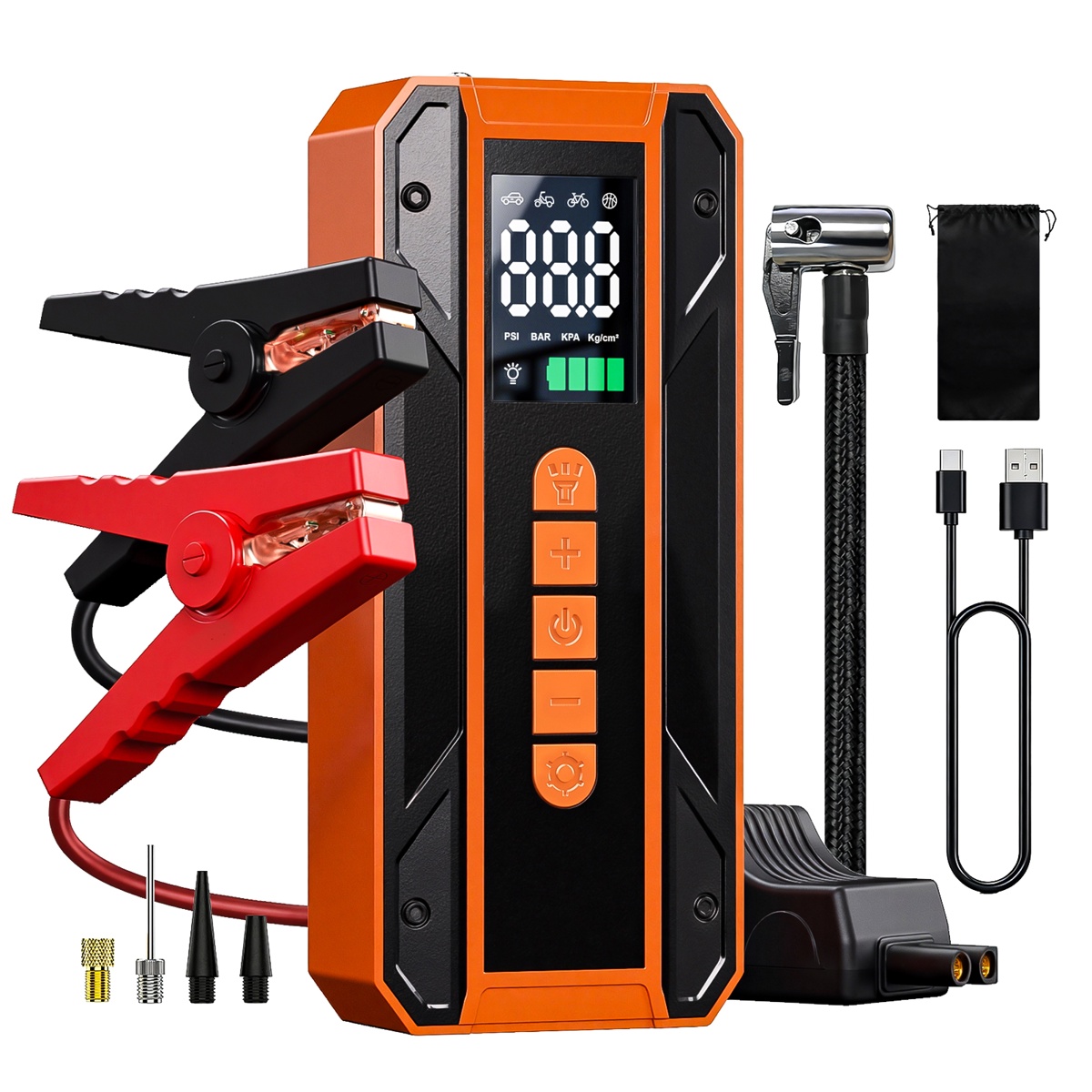 Air Pump Car Jumper Starter Portable Battery Pack With 150PSI Tire Inflator, 12V Box For Car Charger Booster LCD$62.99View on Mallflare
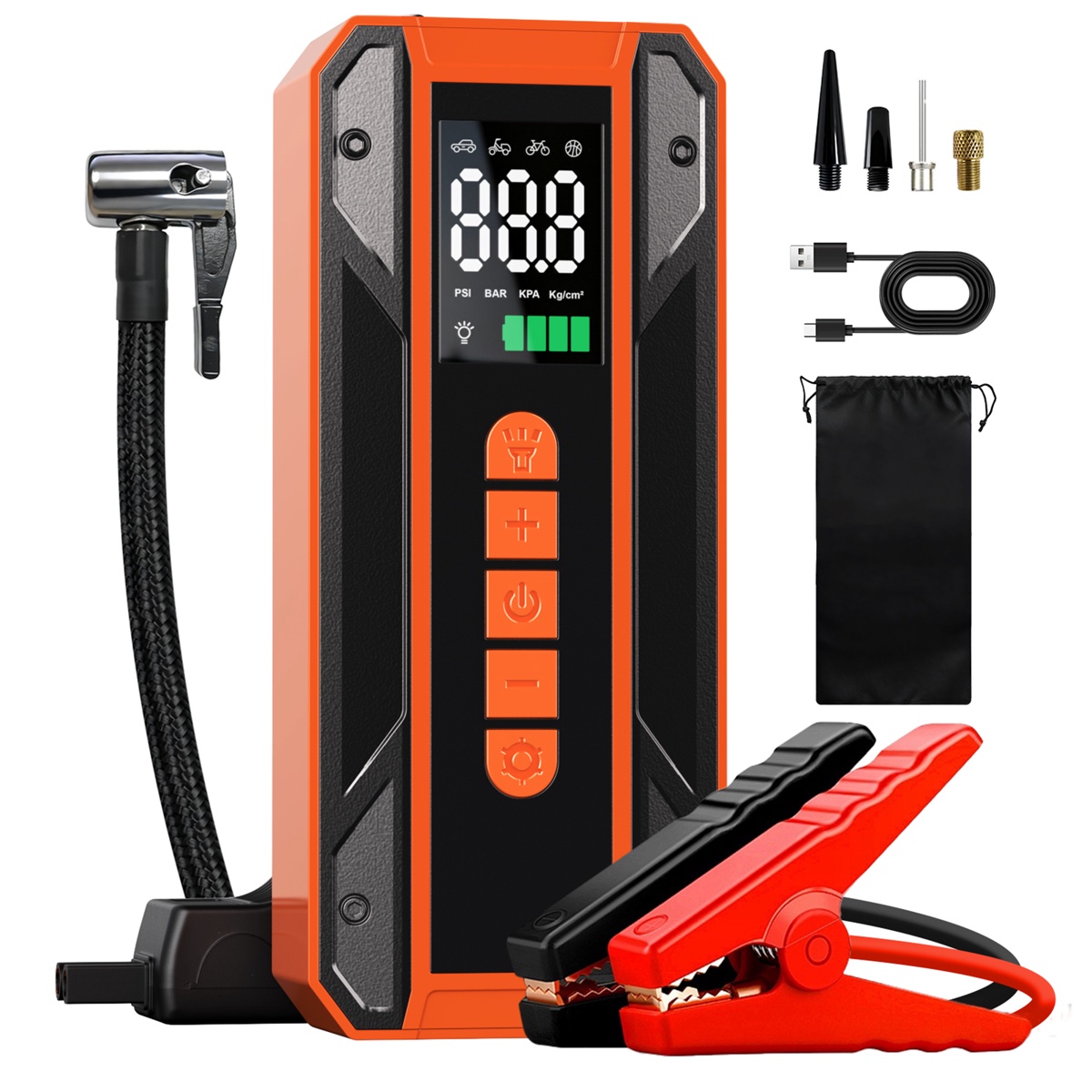 Car Jumper Starter Portable Battery Pack With 150PSI Tire Inflator, Jump Air Compressor,12V Box For Car Charger Booster LCD Display, 3-Mode Emergency Flashlight$68.99View on Mallflare
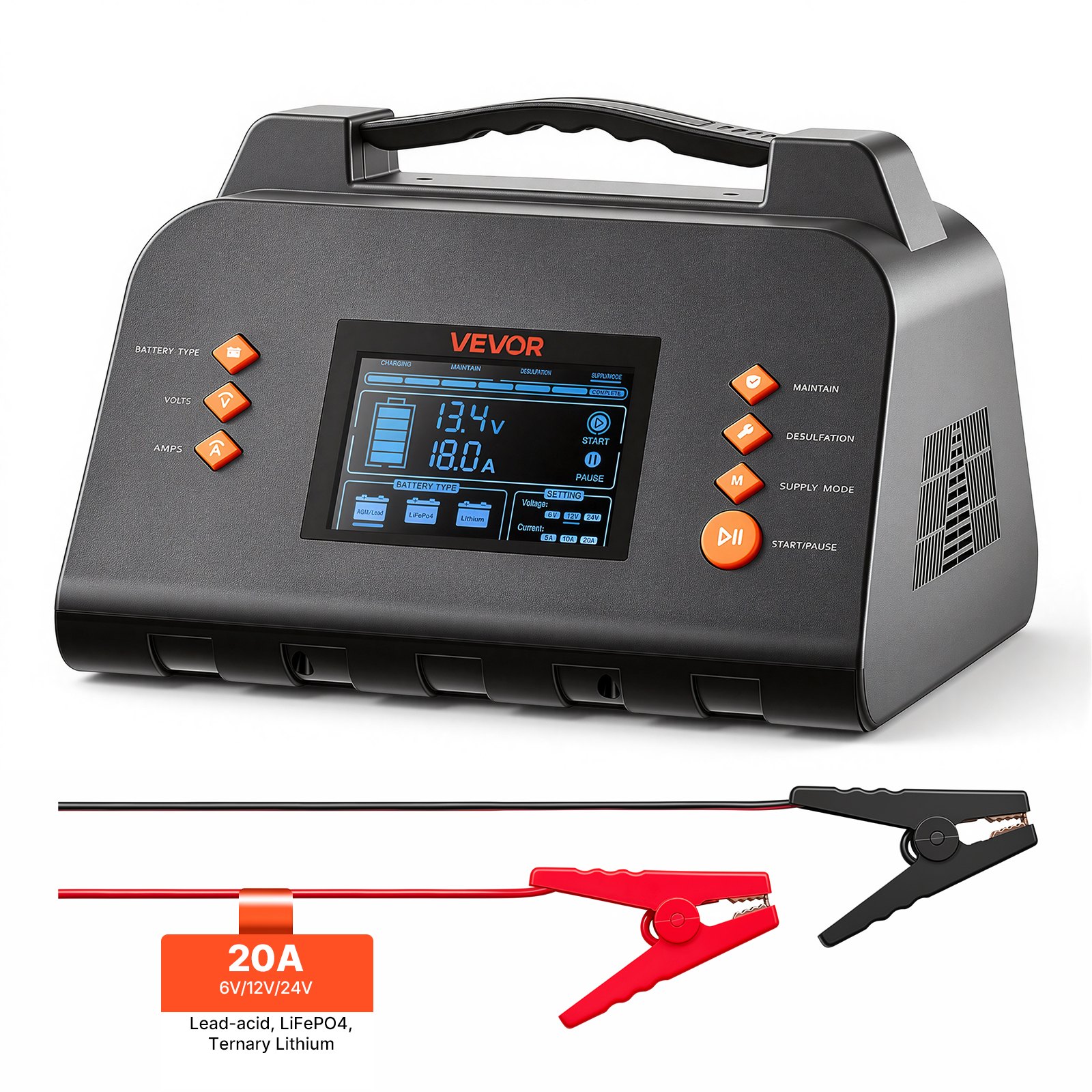 Smart Battery Charger 20A 6V 12V 24V for Lithium LiFePO4 Lead-Acid, Compatible with Car Lawn Mower ATV Compact RV, Trickle Charging Maintainer Desulfator, 3.8 Inch LCD Display$73.99View on Mallflare
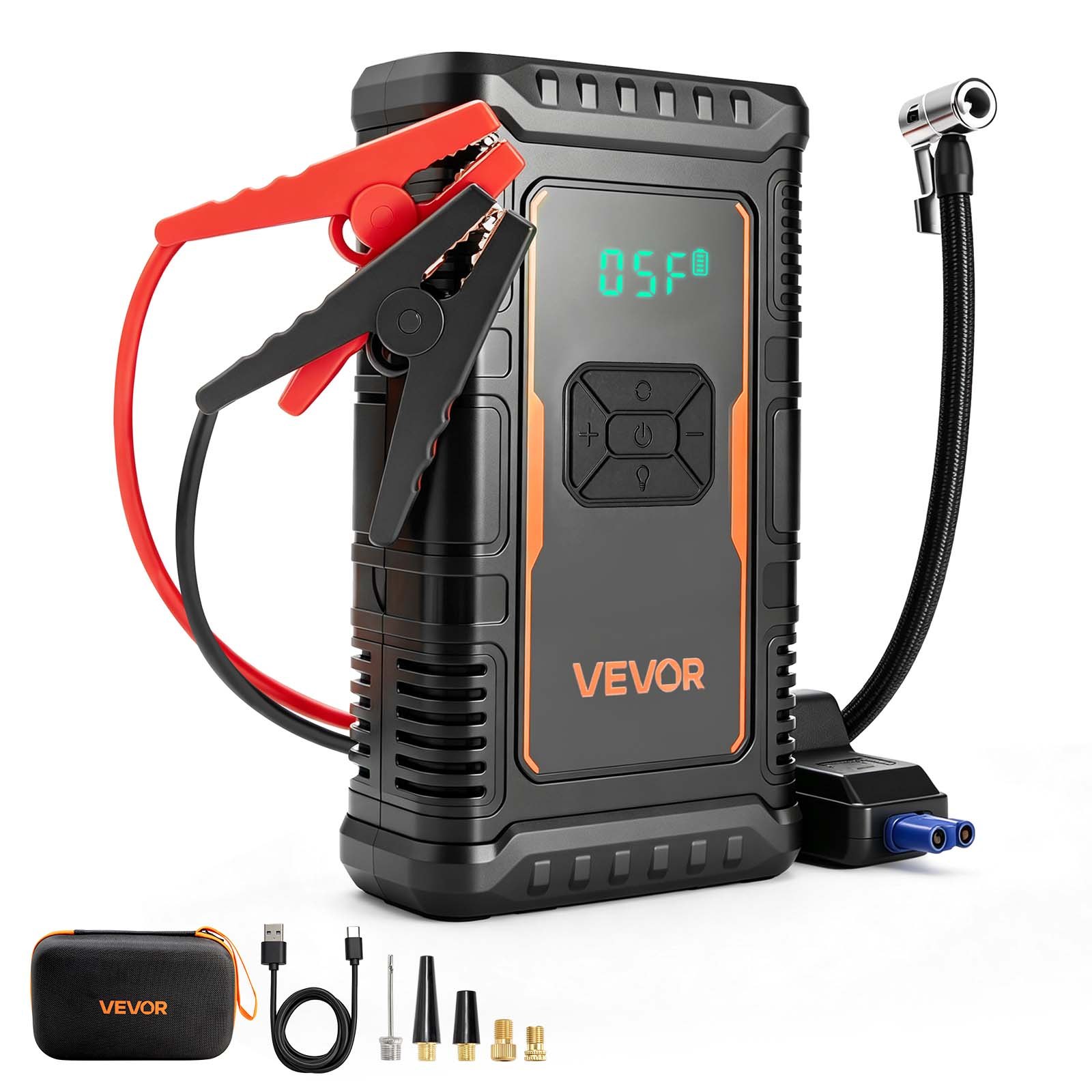 Jump Starter with Air Compressor 1600A Peak Car Battery Box, Portable for 6.0L Gas / 3.0L Diesel, 150 PSI Auto-Shutoff Tire Inflator, Power Bank, 12V Charger, LED Flashlight$100.99View on Mallflare
Highlights
- Multi-stage smart chargers (5-8 stages) desulfate, bulk-charge, absorb, and float; single-stage trickle units only maintain and cannot recover a deeply discharged battery.
- Jump starter peak amps are momentary; cranking amps and cable gauge (6 AWG or thicker for 1000A+) determine whether a diesel or large-displacement gas engine actually turns over.
- Lithium LiFePO4 support requires a dedicated charging profile (14.4-14.6V absorb, no equalize); lead-acid-only chargers can overcharge or refuse to charge lithium BMS-protected packs.
- Amperage tiers matter: 1-2A maintainers suit motorcycle/ATV; 8-10A suit car batteries; 20A+ units cut charge time on RV/marine deep-cycle banks and support repair/desulfation modes.
Best use cases
- Pick an AC multi-stage maintainer (1-8A) for a stored classic car or seasonal motorcycle — it keeps the battery at float voltage and prevents sulfation; skip a jump starter, which does not maintain charge.
- Pick a 1000A+ peak jump starter with 6AWG cables for a daily driver or 6.0L gas/3.0L diesel — it delivers cranking amps on demand; skip low-amp power-bank boosters that only start small 4-cylinder engines.
- Pick a 20A smart charger with LiFePO4 and repair modes if you own an RV, boat, or golf-cart bank — the higher amperage and chemistry profiles recover deep-cycle batteries; skip 1A trickle units that would take days.
- Pick a 4-bank maintainer for a multi-vehicle garage or marine fleet — independent 2A-per-bank charging keeps each battery isolated; skip single-bank units that require swapping leads.
Buying tips
- Match charger amperage to battery capacity: use 10% of Ah rating for standard charging (e.g., 8-10A for a 70-100Ah car battery; 20A for a 200Ah RV bank).
- For jump starters, choose peak amps by engine: 400-600A for 4-cylinder gas, 1000A for V6/V8 gas or small diesel, 1500-2000A+ for large diesel; confirm cable gauge of 6 AWG or thicker.
- Require explicit LiFePO4/lithium mode if charging modern lithium packs; lead-acid-only profiles can trip BMS or fail to reach full charge.
- Check charge voltage accuracy: a smart charger should hold 14.4-14.8V absorption for lead-acid and 14.4-14.6V for lithium; float at 13.2-13.6V prevents overcharge.
Specs
| Device Type | AC charger vs DC jump starter |
|---|---|
| Charger Amperage | 1-2A maintainer / 8-20A charger / 20A+ |
| Jump Peak Amps | 400-600A / 1000A / 1500-2000A+ |
| Chemistry Support | Lead-acid, AGM, gel, LiFePO4 |
Related searches
What to check before buying
- Confirm battery chemistry and voltage (flooded, AGM, gel, LiFePO4; 6V/12V/24V) and that the charger has a matching profile before purchase.
- Measure available AC outlet distance and cable reach to the battery; maintainers often include 1-2m leads, so plan for extension or permanent ring-terminal install.
- For jump starters, verify peak amps exceed your engine's cranking requirement and that the unit includes reverse-polarity and over-current protection.
- Check physical fit: charger body size and cable gauge versus engine-bay clearance, and whether the unit is weather-rated if mounted outdoors.
FAQ
Data sources: eBay / Amazon listings and product attribute feeds Data updated Nov 15, 2026.
Some links on this page are affiliate links. If you buy after clicking one, we may earn a commission at no extra cost to you. This does not change which products appear here or their order. Affiliate disclosure.