Photos from current listings. Actual item, color, and included accessories may vary.
Adapter Buying Guide
Car power adapters convert a 12V DC cigarette-lighter socket into USB charging ports, AC household outlets, or extra 12V sockets. The core trade-off is continuous power handling and safety circuitry versus port count — a 150W inverter and a 30W USB charger are different tools with different fuse and wiring limits. Buy by fuse rating and output wattage, not by how many ports the housing advertises.

At a glance
- Category
- Car Power
- Data updated
- Nov 15, 2026
Current offers
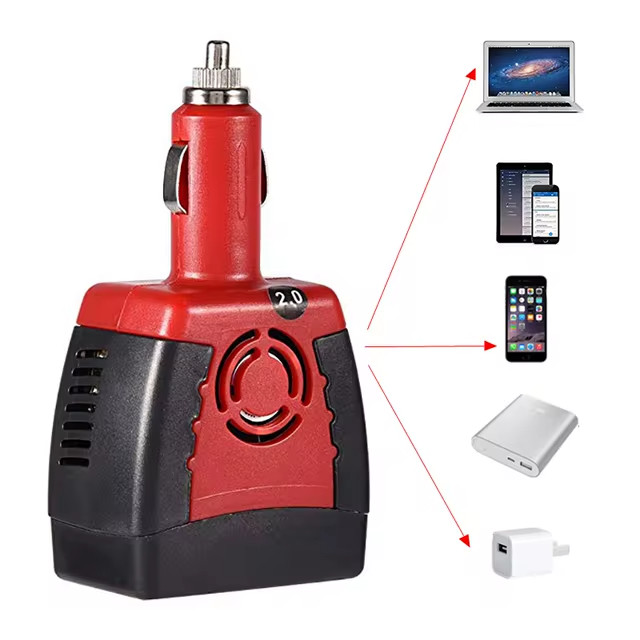 150W Car Power Inverter Laptop Phone Charger DC12V to AC110V Adapter + USB 5V RV$6.49
 View on eBay
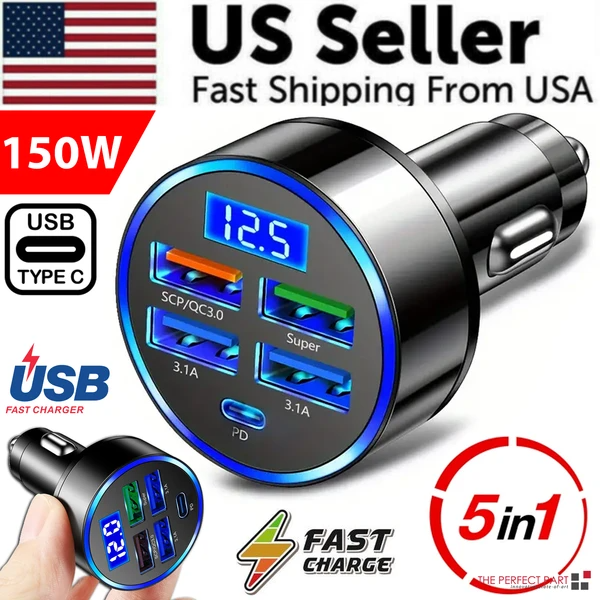 5 USB Port Super Fast Car Charger Adapter For Android Cell Phone$19.99
 View on Mallflare
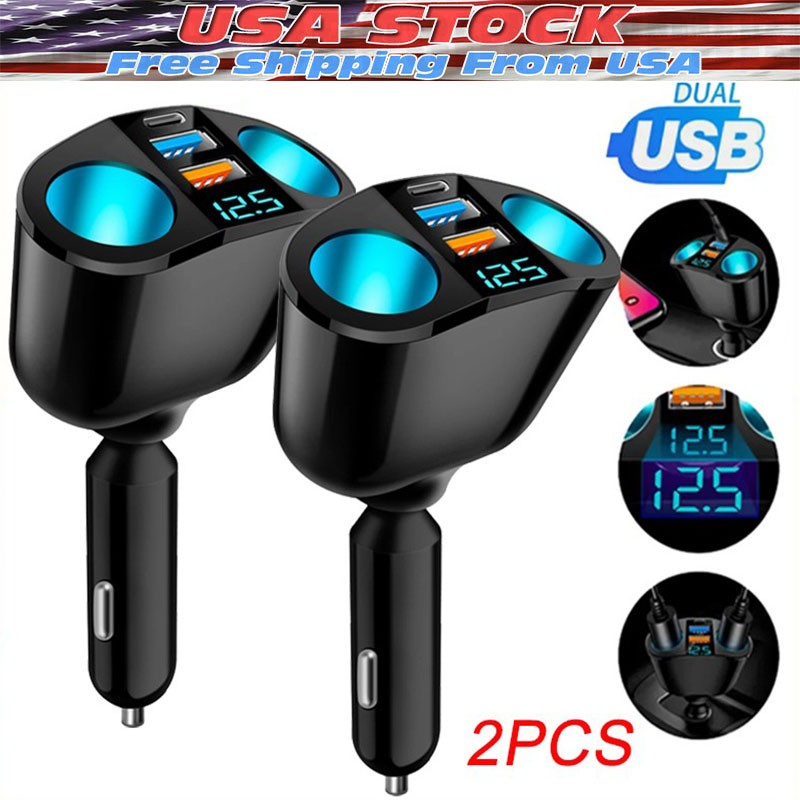 Outlet 12V Dual USB Car Cigarette Lighter Socket Splitter Power Adapter Charger$7.48View on eBay
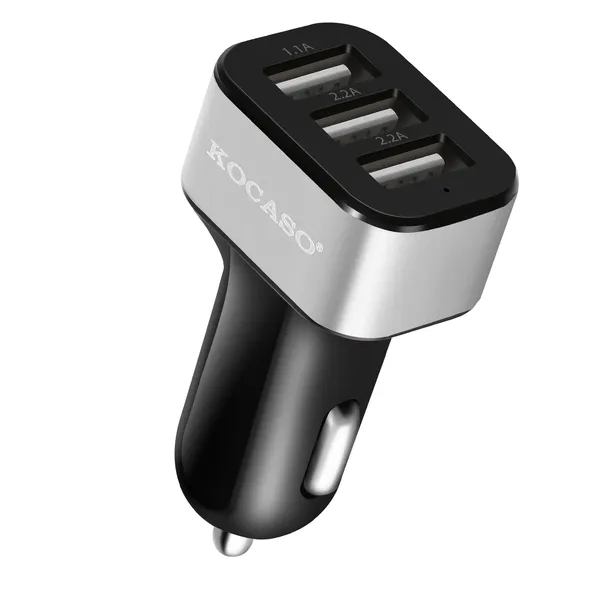 USB Car Charger 30W 5.5A 3 USB Port Cigarette Lighter Adapter$19.99View on Mallflare
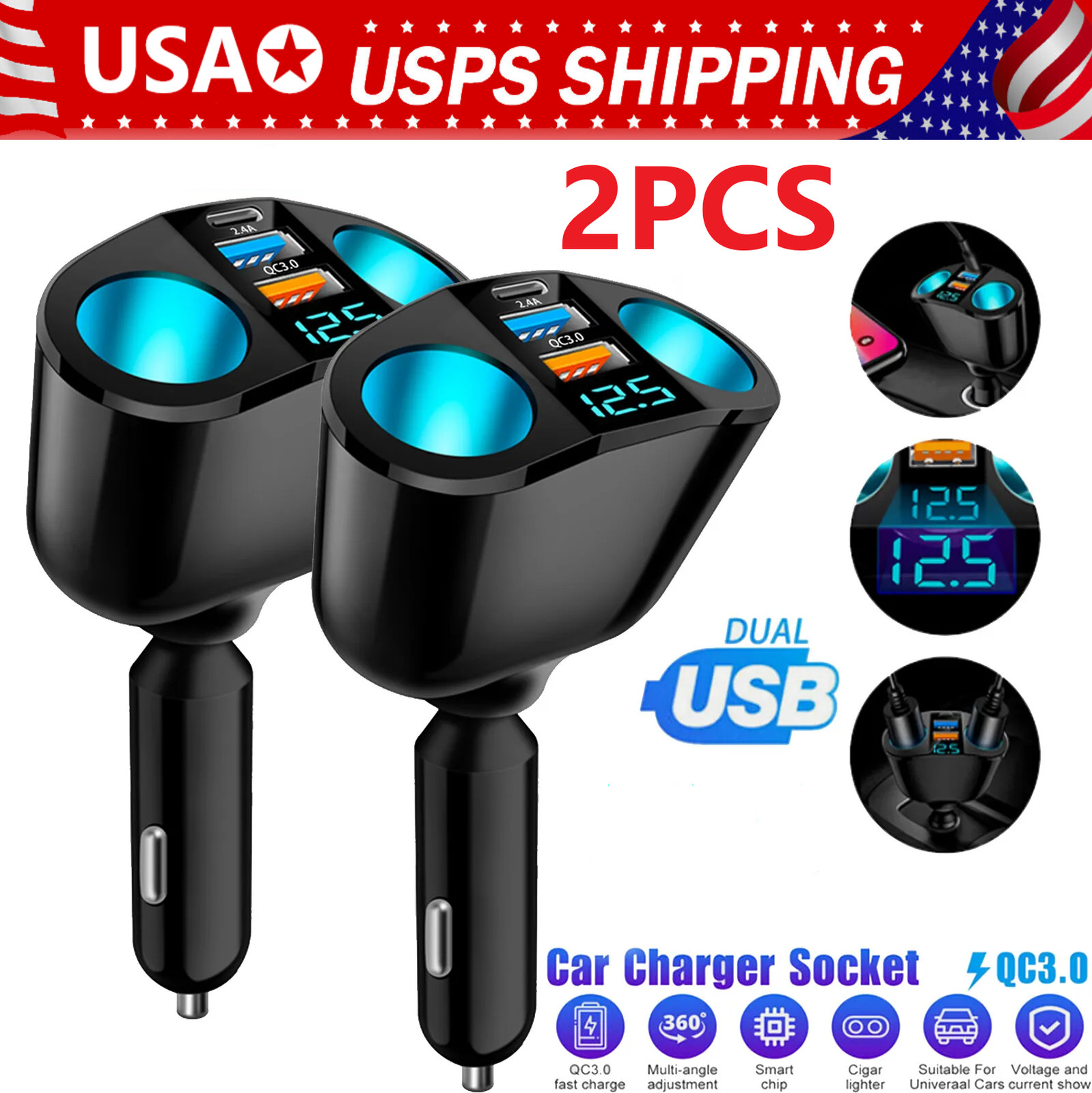 Outlet 12V Dual USB Car Cigarette Lighter Socket Splitter Power Adapter Charger$7.48View on eBay
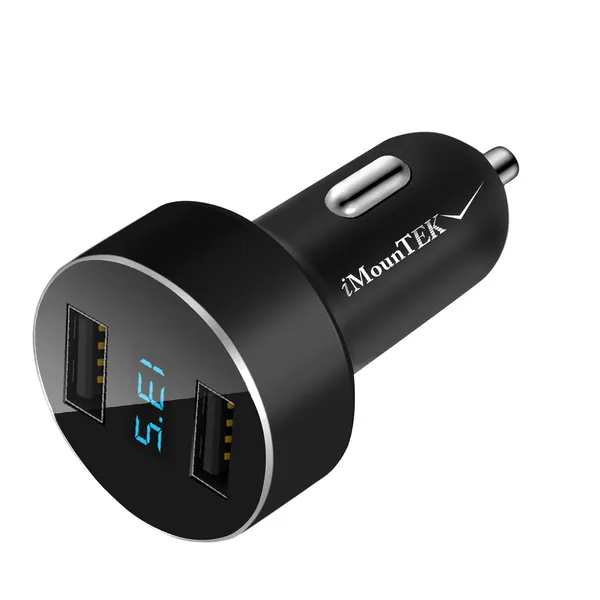 Universal 15W/3.1A Dual USB Car Charger Adapter Aluminum Alloy Fast Car Charging For IPhone XR XS Tablet PC$22.99View on Mallflare
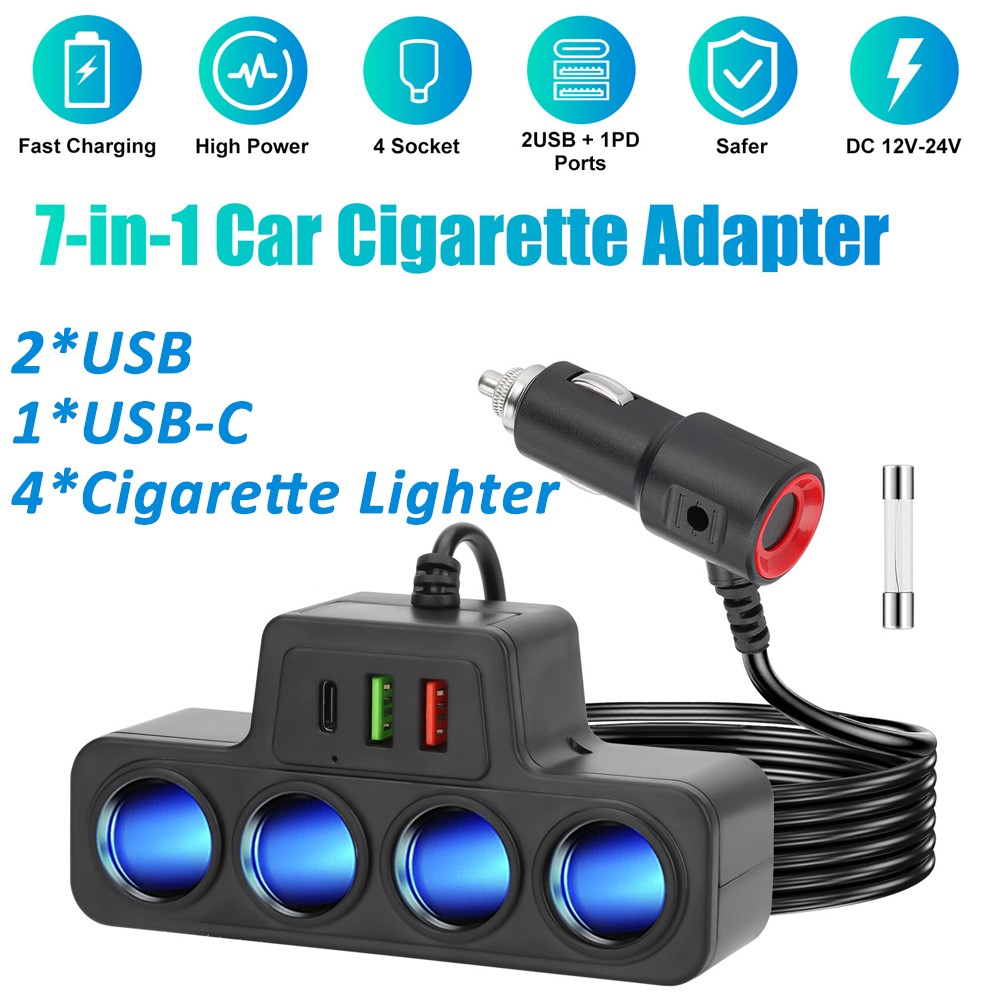 7-in-1 4Way Car Cigarette Lighter Socket Splitter Fast Charger Power Adapter 12V$8.99View on eBay
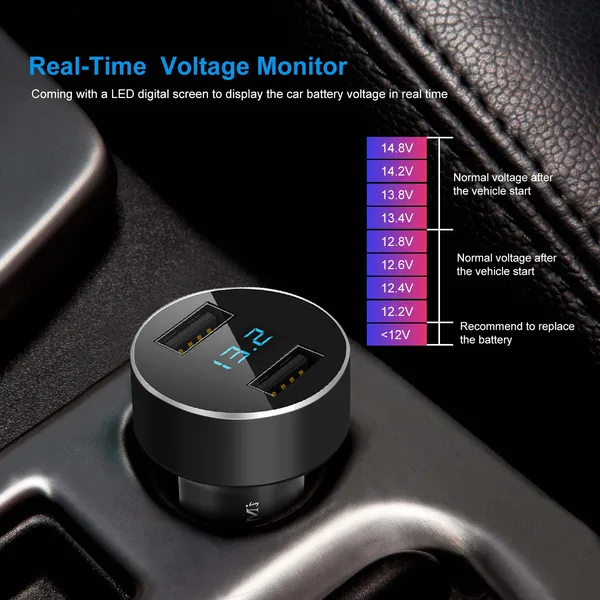 Dual USB Car Charger Adapter Aluminum Alloy Fast Car Charging$22.99View on Mallflare
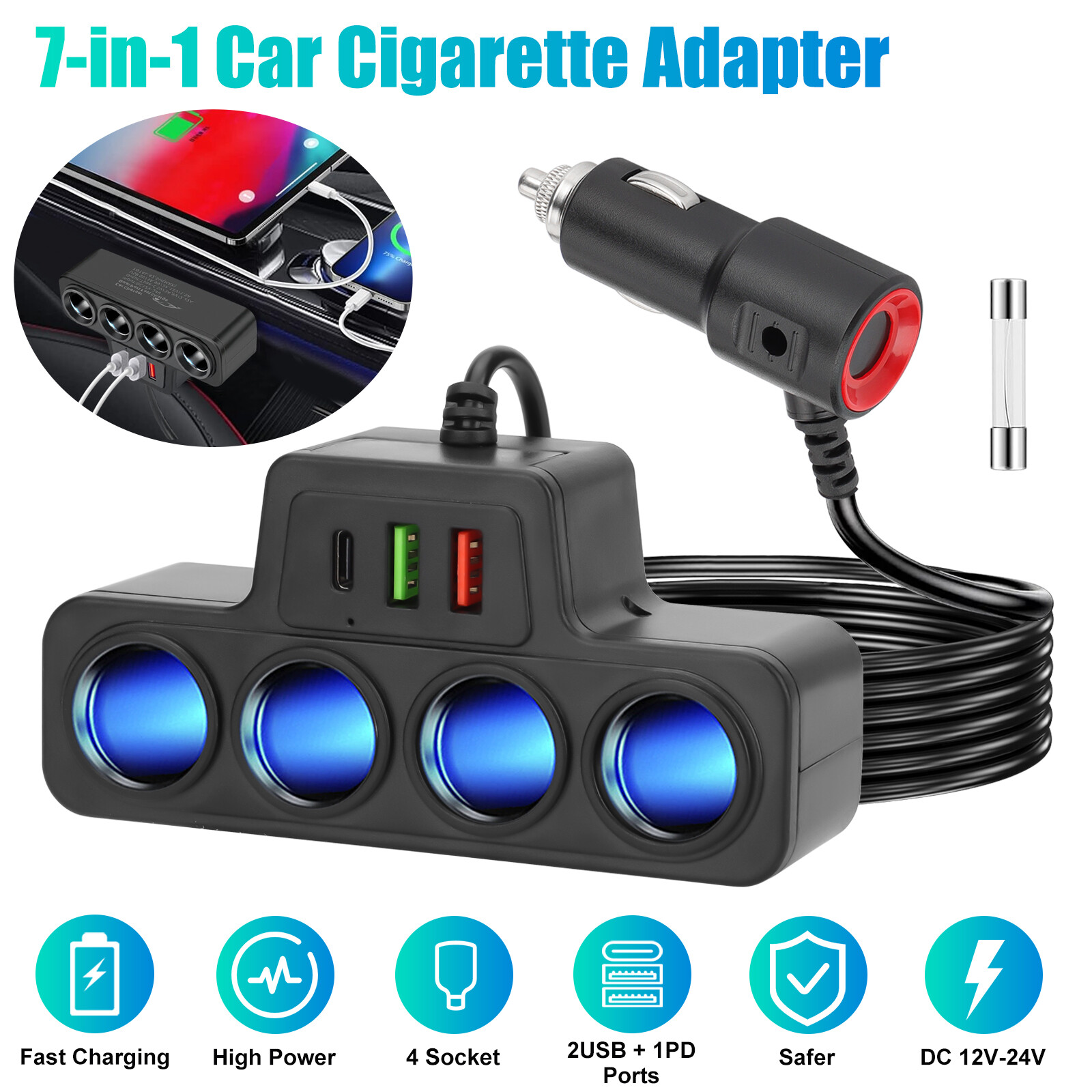 7-in-1 4Way Car Cigarette Lighter Socket Splitter Fast Charger Power Adapter 12V$11.00View on eBay
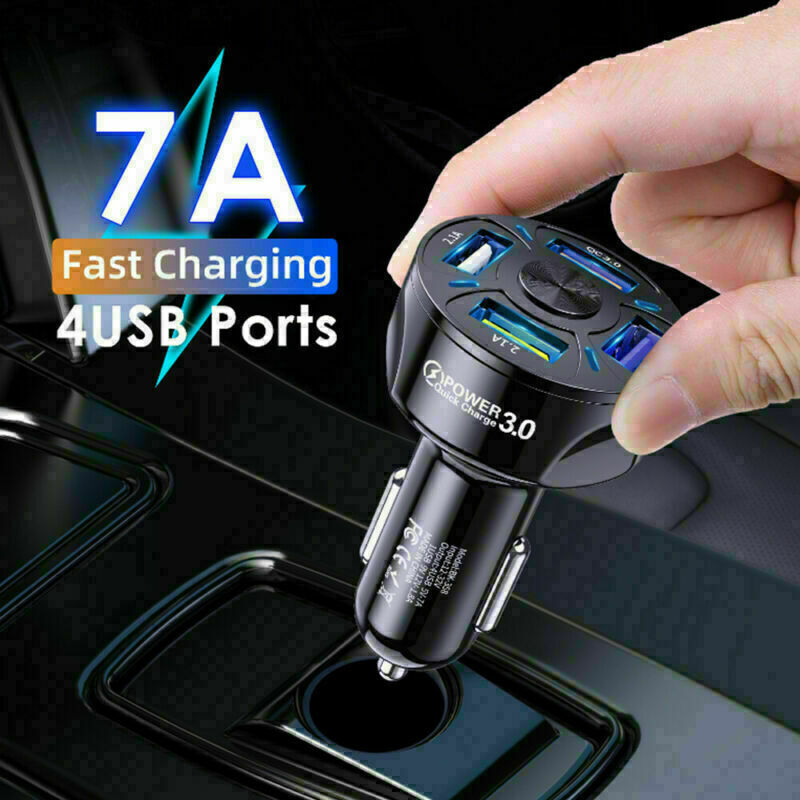 In-Car 4Ports USB Car Charge 45W Mini Fast Charging For Phone Charger Adapter$26.99View on Mallflare
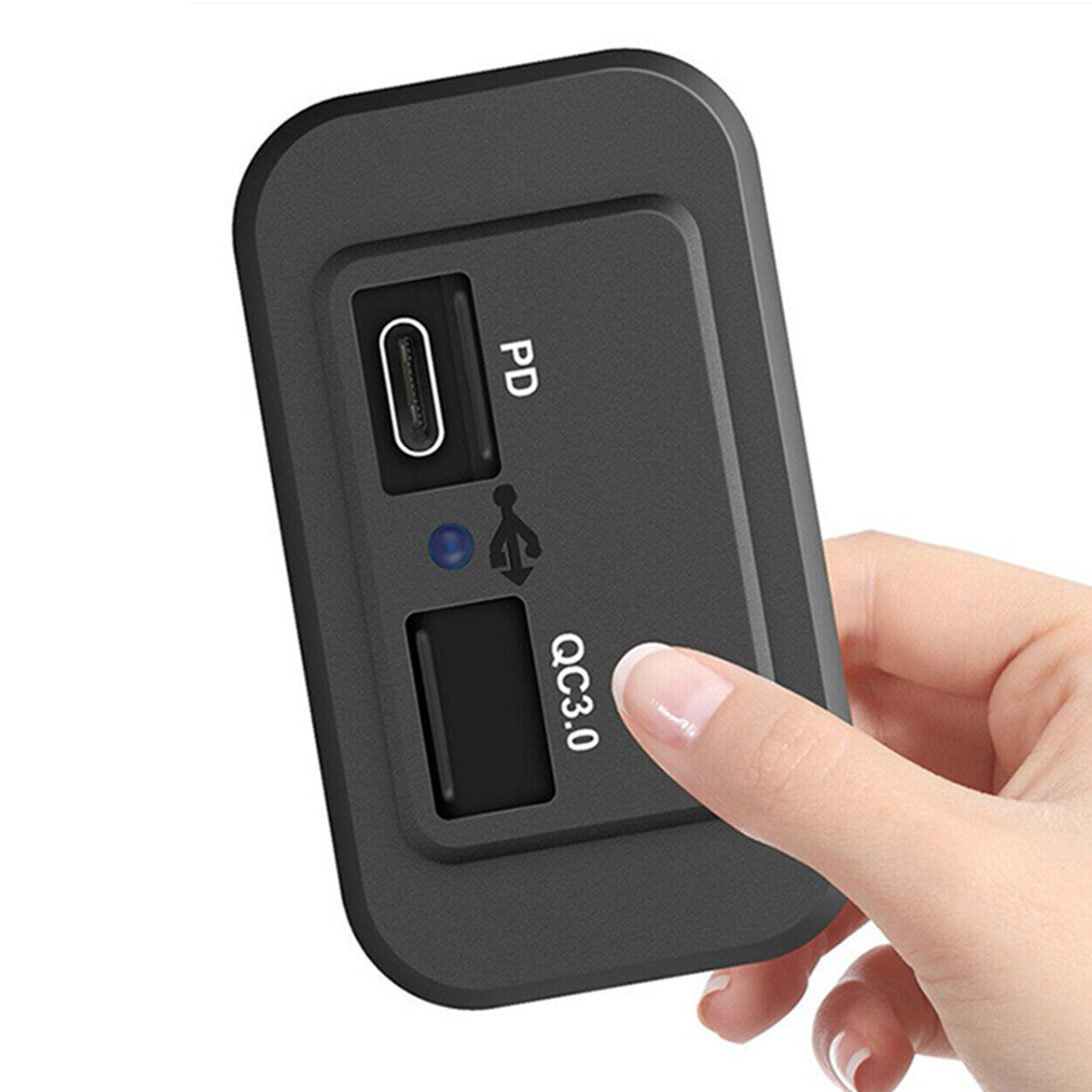 Fast Charger Socket Power Adapter Dual USB QC3.0 PD Type-C Ports Car Accessories$12.71View on eBay
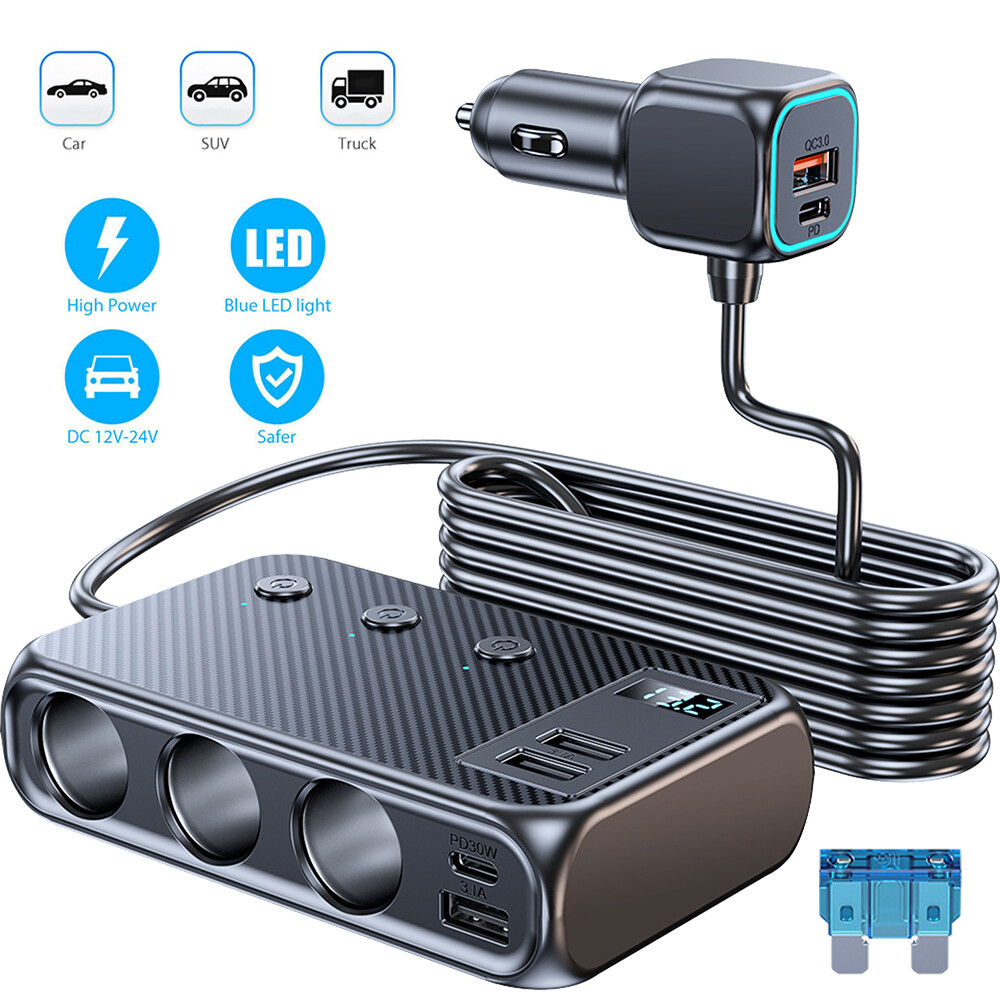 Multi Car Cigarette Lighter Socket USB Plug Fast Charger Power Adapter Splitter$17.49View on eBay
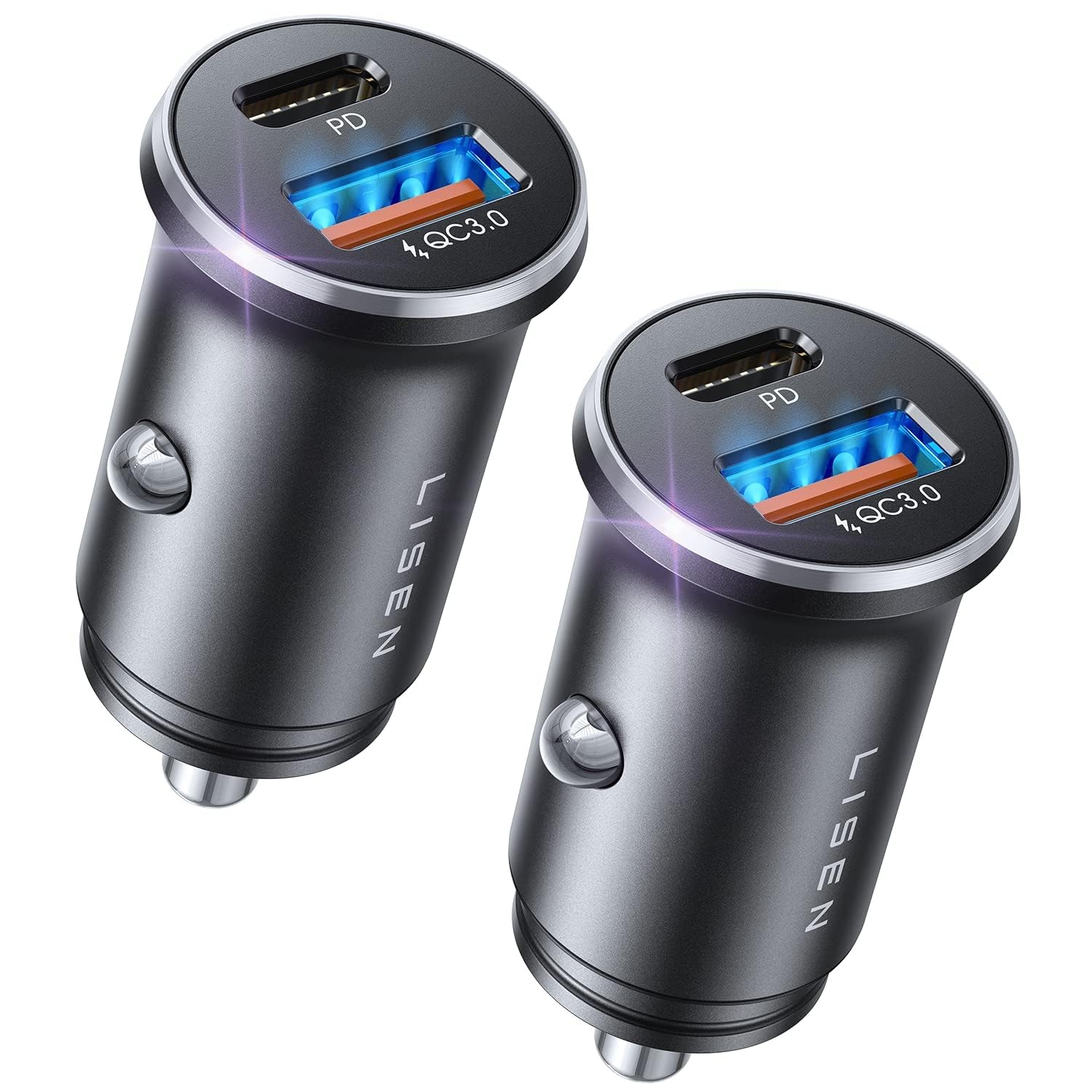 Car Charger Usb C, 69w Cigarette Lighter Usb Charger Adapter, Car Accessories$18.95View on eBay
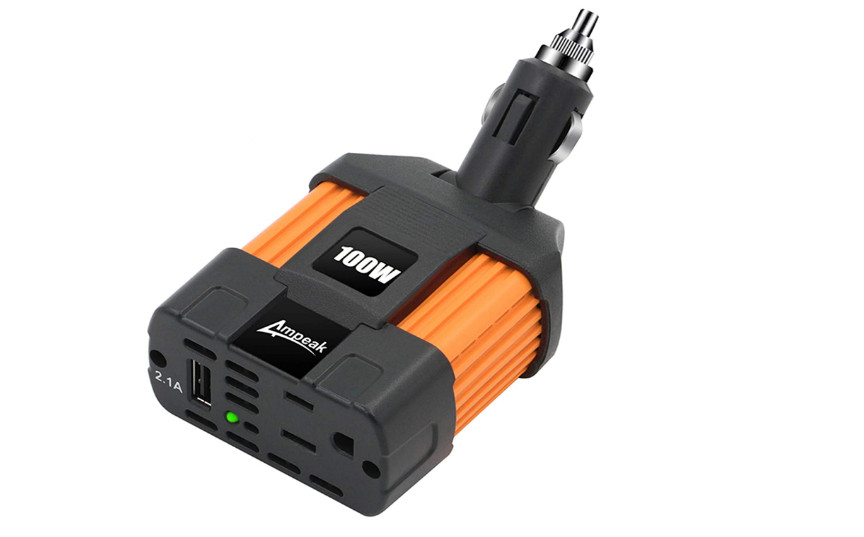 Car Inverter Power Converter Plug Adapter 12V To 110V Outlet Cigarette Lighter$24.88View on eBay
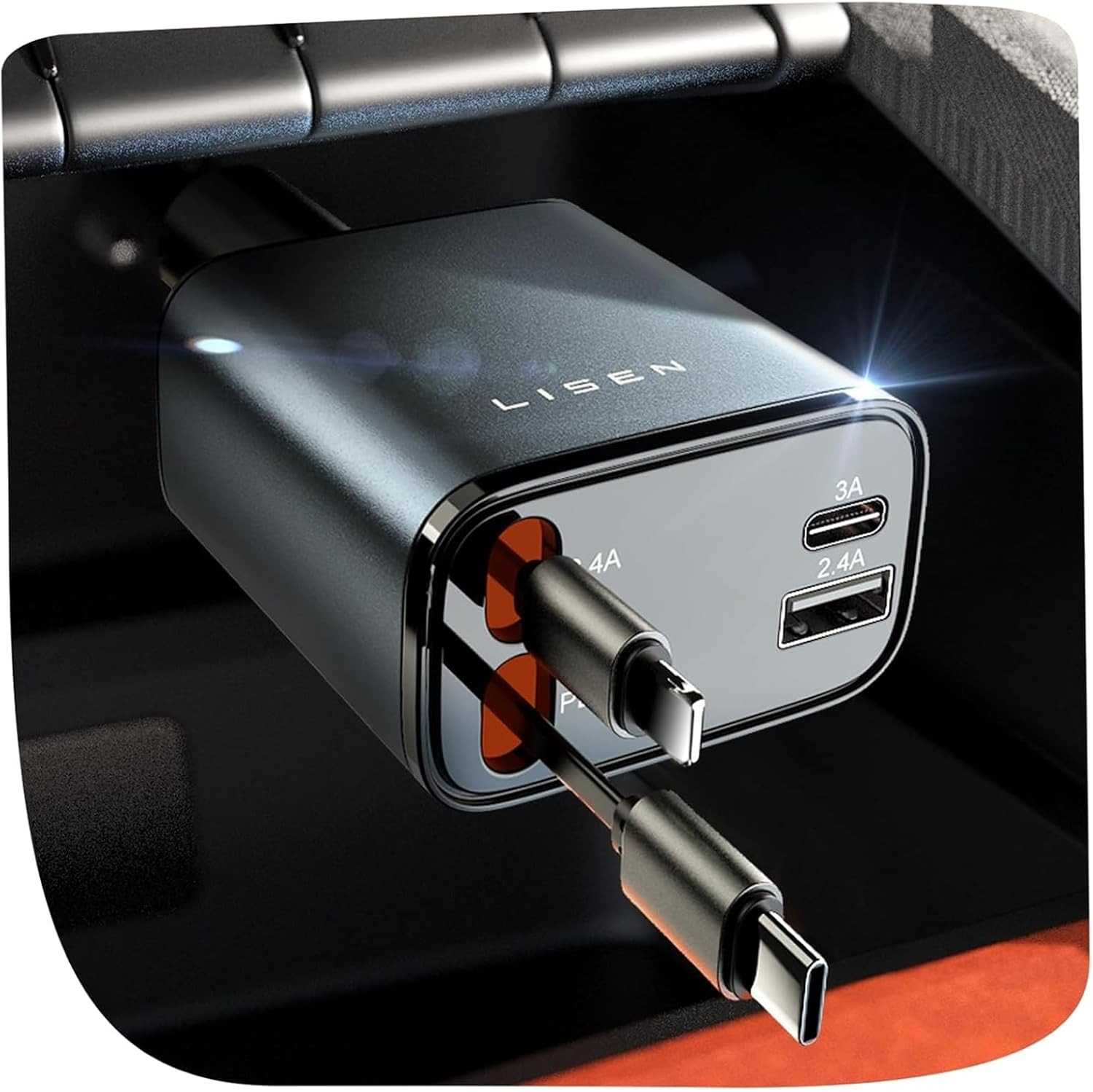 Retractable Car Charger for Iphone 17, 69W USB C Car Accessories Adapter USB C C$25.76View on eBay
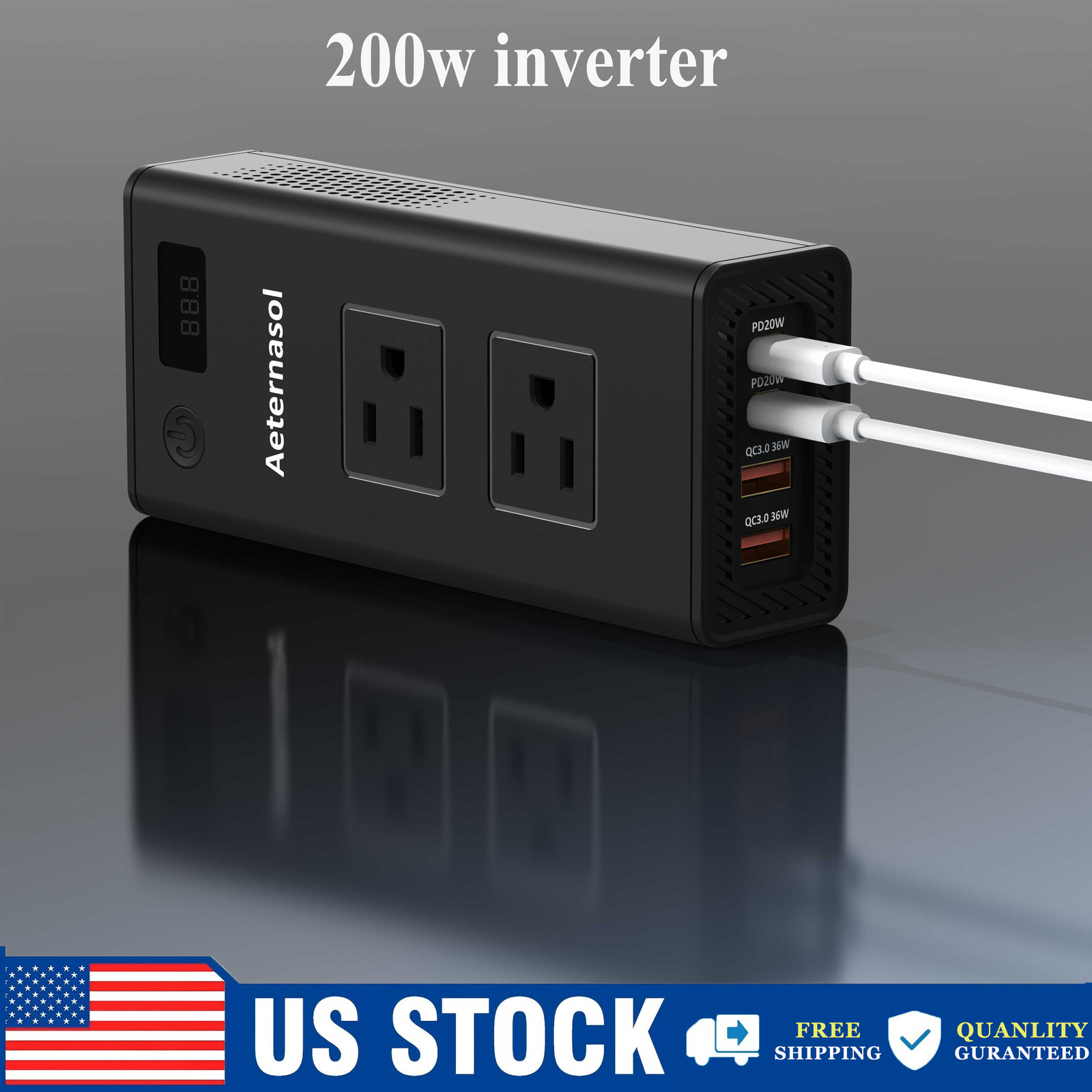 200W Car Power Inverter Outlet DC 12V to 110V 120V car Adapter Plug Outlet 4USB$25.99View on eBay
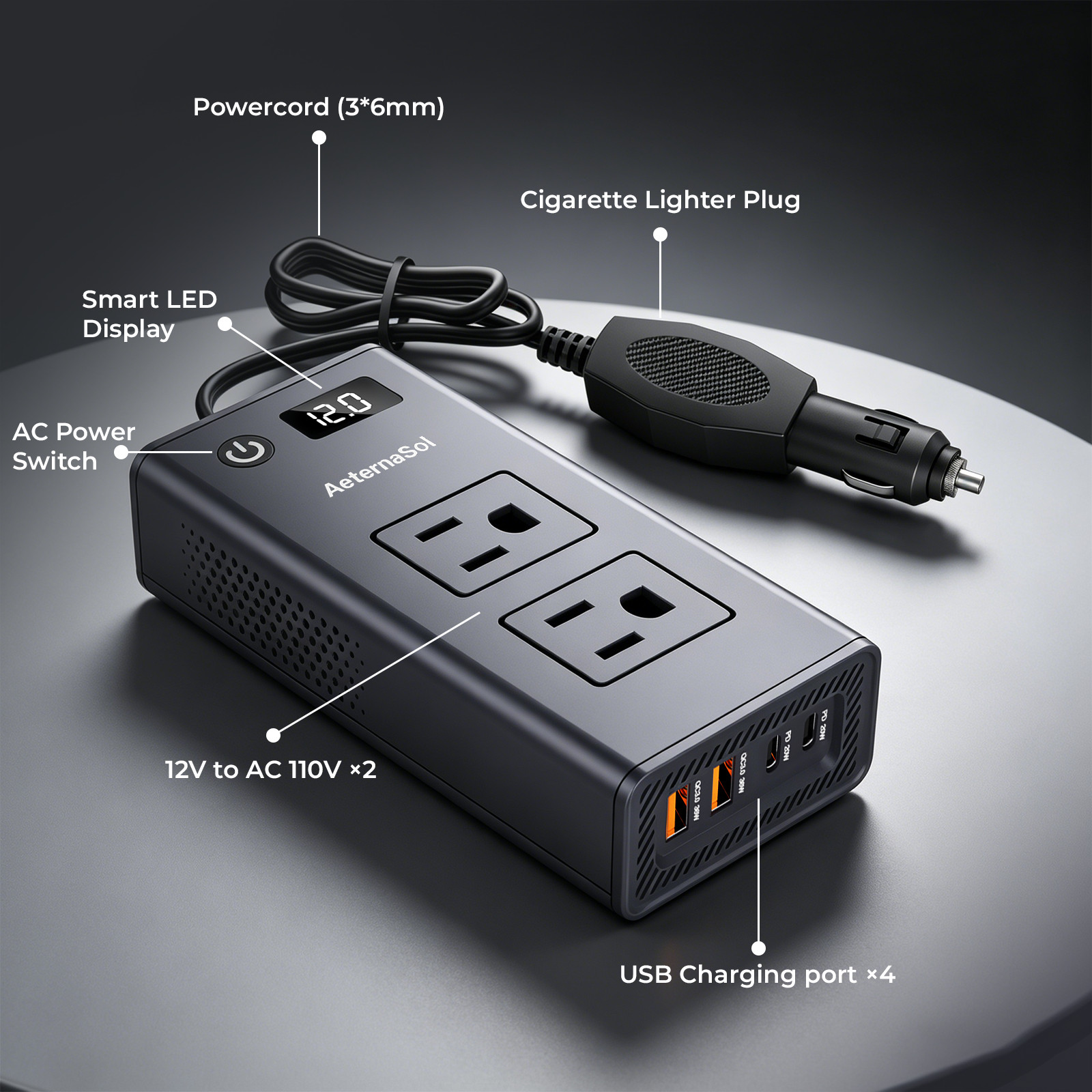 200W Car Power Inverter DC 12V to 110V AC Plug Adapter Outlet Converter USB 36W$25.99View on eBay
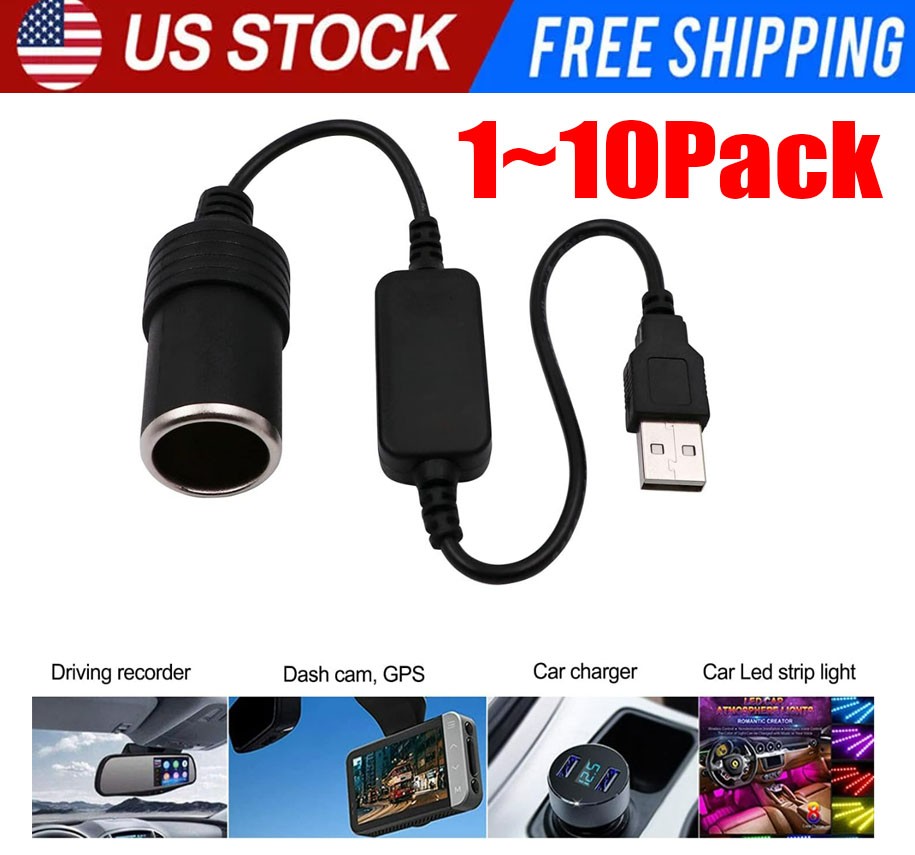 USB To 12V Car Cigarette Lighter Female Socket Converter Adapter lot Connector$27.58View on eBay
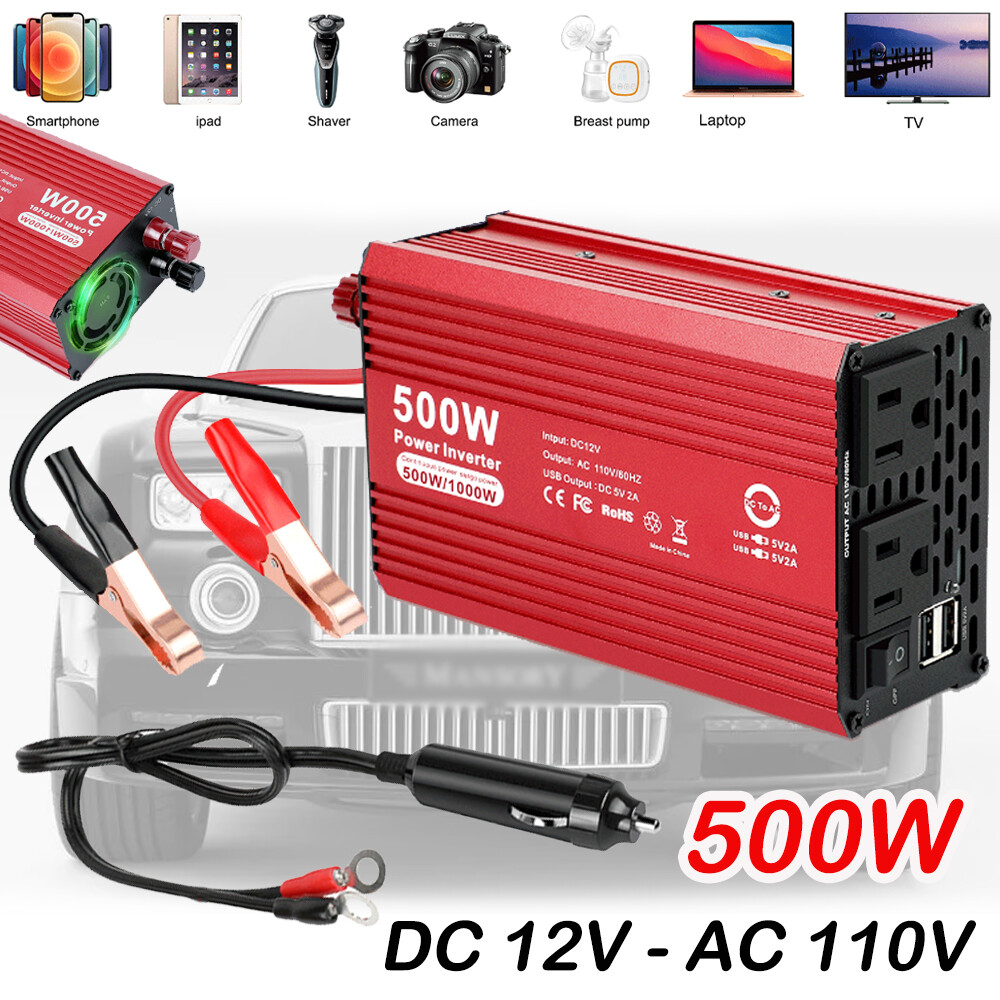 500W Car Power Inverter DC 12V To AC 110V 120V Adapter Converter 2 USB 2 AC$28.59View on eBay
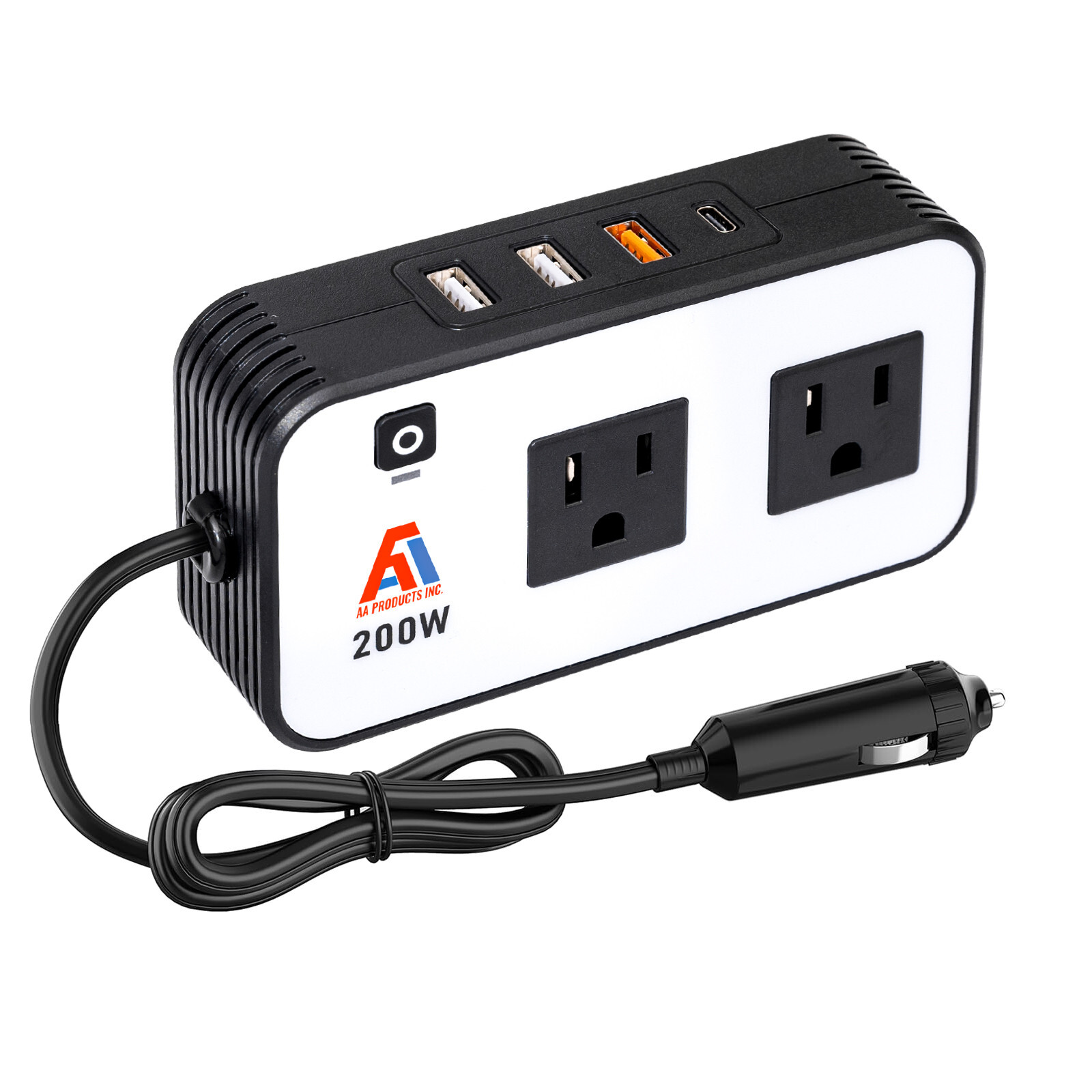 AA Products P-SH-Power Inverter 12V DC to 110V AC 200W Car Charger Adapter$30.90View on eBay
Highlights
- 12V socket circuits are typically fused at 15A (180W) or 20A (240W) total; any adapter drawing more must be hardwired directly to the battery.
- A 150W DC-to-AC inverter runs from a 15A socket but limits AC devices to roughly 1.3A at 110V — laptops yes, kettles and hair dryers no.
- USB-C PD 3.0 adapters deliver up to 60-100W over USB-C; QC3.0 ports cap near 18-20W and only at 5-12V, so port labeling determines real charge speed.
- Socket splitters multiply outlets, not power — a 4-way splitter still shares the host circuit's 15-20A fuse, so total draw across all devices must stay under that ceiling.
Best use cases
- Phone and tablet charging on daily commutes: a dual-port USB-C PD adapter (30-69W total) in the stock socket is the correct pick; skip splitters and inverters.
- Laptop and camera-battery road trips: buy a 150-300W pure-sine inverter with USB ports; skip modified-sine units for laptops with sensitive power bricks.
- Dashcam, radar detector, and phone simultaneously: choose a 3- or 4-way 12V socket splitter with a 15A plug fuse; skip USB-only pucks because they cannot power 12V barrel devices.
- Camping or RV shore-power substitution: an inverter above 300W must be hardwired with 8-10 AWG cable and an inline fuse; a plug-in socket adapter is the wrong fit.
Buying tips
- Match adapter wattage to the socket fuse: 15A fuse = 180W max, so a 150W inverter or a 60W USB charger both leave headroom and run safely.
- For USB-C laptops, buy a PD 3.0 adapter rated at least 45W on the C port and confirm the port lists 9V/3A or 15V/3A and 20V profiles, not just 'fast charge'.
- For 12V accessories, check the splitter's plug fuse is 15A and its cable is at least 16 AWG; 18 AWG leads on 4-way splitters voltage-drop and heat under load.
- Inverters for laptops and CPAP machines should be pure sine wave (THD under 3%); modified sine wave is acceptable only for resistive loads like older chargers and lamps.
Specs
| Output Type | USB-A / USB-C / AC outlet / 12V socket |
|---|---|
| Power Ceiling | 15A socket: 180W max / 20A: 240W |
| USB Fast Charge | QC3.0 18-20W vs PD 3.0 45-65W |
| Inverter Waveform | Pure sine (THD <3%) vs modified |
Related searches
What to check before buying
- Read your car's cigarette-lighter fuse rating in the owner's manual — 15A or 20A — and keep total adapter draw below 80% of it.
- Measure socket depth and surrounding trim: some adapters with long barrels or oversized heads collide with console lids or pop out on rough roads.
- Confirm the socket is live with ignition off or on — many cars cut the lighter circuit with the key, which affects always-on dashcam setups.
- For inverters above 150W, verify you have a hardwire path to the battery and space for ventilation; these units should not sit sealed in a console.
FAQ
Data sources: eBay / Amazon listings and product attribute feeds Data updated Nov 15, 2026.
Some links on this page are affiliate links. If you buy after clicking one, we may earn a commission at no extra cost to you. This does not change which products appear here or their order. Affiliate disclosure.